
Food & Drinks
Meat Types in Pakistan: The Complete Guide
Explore 49 guides to meat, seafood, cuts and cooking in Pakistan. Identify the animal, choose the cut, compare usable portions and plan safe preparation with benefits and limits in view.
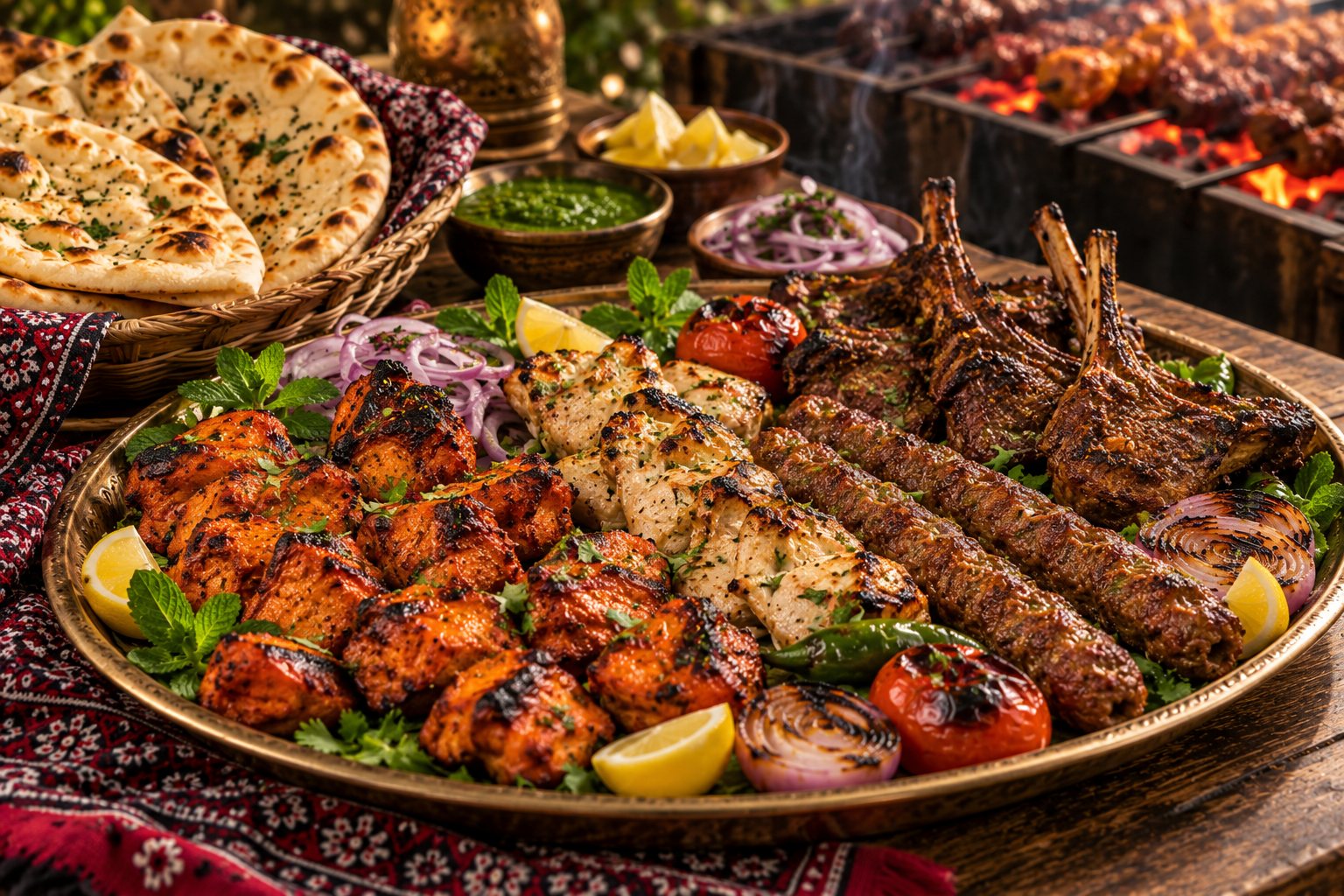
Pakistani barbecue serving illustration
First identify the animal, then the cut
Start with the animal, then the anatomical cut, then the dish. These are three different pieces of information. Gosht means meat; it does not identify a species. Chhota gosht commonly points to goat or sheep, while bara gosht is often used for cattle beef or buffalo. Local trade and menu usage vary, so ask explicitly whenever the distinction matters to your cooking or preferences. The price, colour or shape of a piece cannot reliably settle its species.
Mutton needs particular care. In international English it refers to mature sheep, but Pakistani menus and shops may use it for goat too. Ask whether the seller means bakra, bher or dumba, then establish the cut. Lamb and mature sheep are not identical age descriptions, and dumba is associated with fat-tailed sheep rather than a promise that every piece contains the same amount of fat. Ask whether extra tail fat is included or offered separately.
Chicken is available as a whole bird, bone-in pieces, breast, thigh, wings, mince and organs. The best form depends on your recipe and equipment. Breast suits many quick boneless dishes but dries with excessive cooking; thigh is useful when a little more cooking tolerance is helpful. A whole chicken gives several parts with different shapes and heating patterns. Bone-in portions can make a satisfying curry, but their weight is not equivalent to the same weight of boneless meat.
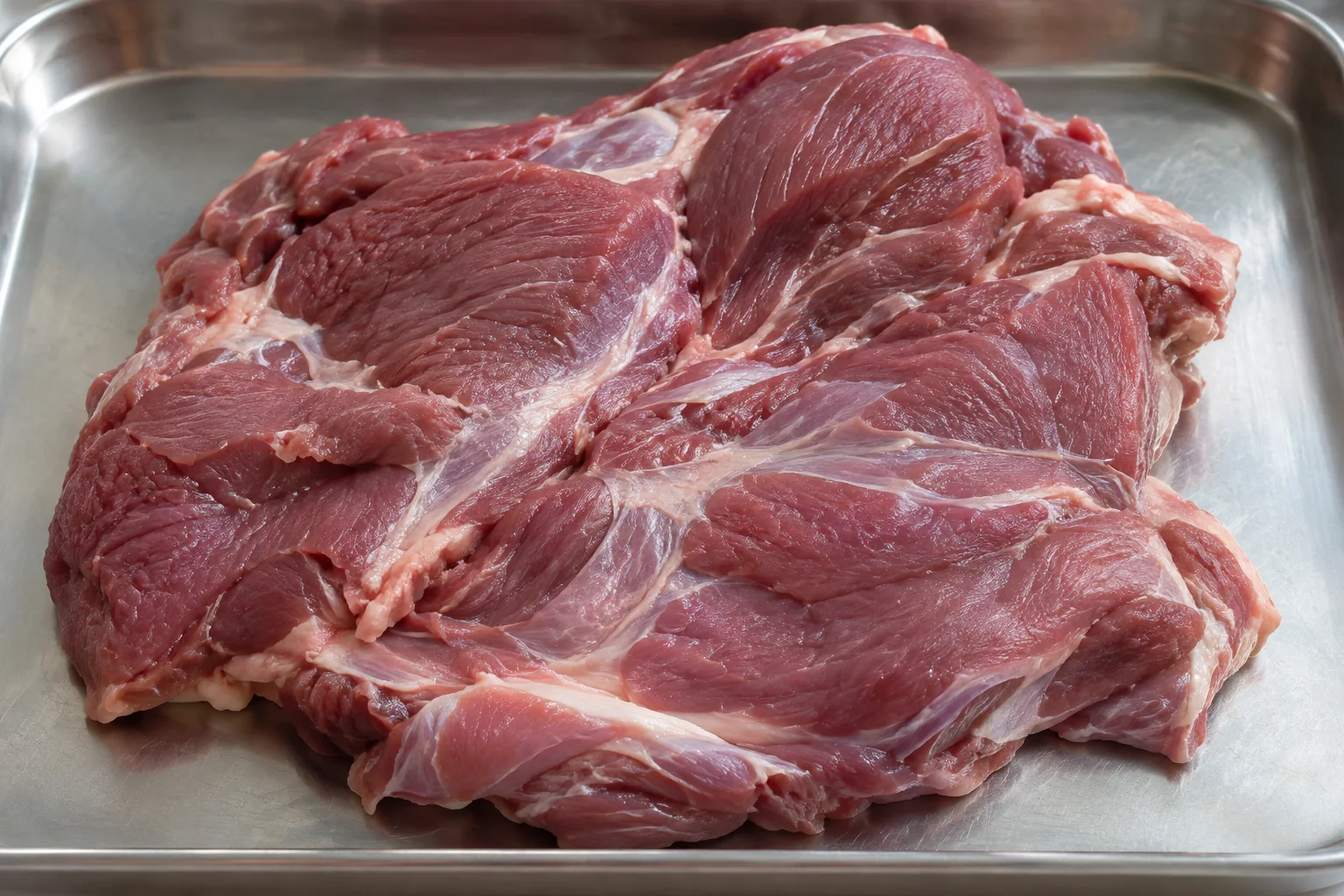
For cattle beef, buffalo and camel, establish the animal with a trustworthy supplier and ask for a named cut. These meats should not be treated as one uniform ingredient merely because all are red meat. Muscle, age, handling and cooking method affect tenderness. A selected tender cut for quick cooking is a different purchase from shank for a long braise. Buffalo or camel should not automatically inherit instructions for rare beef simply because a dish looks similar.
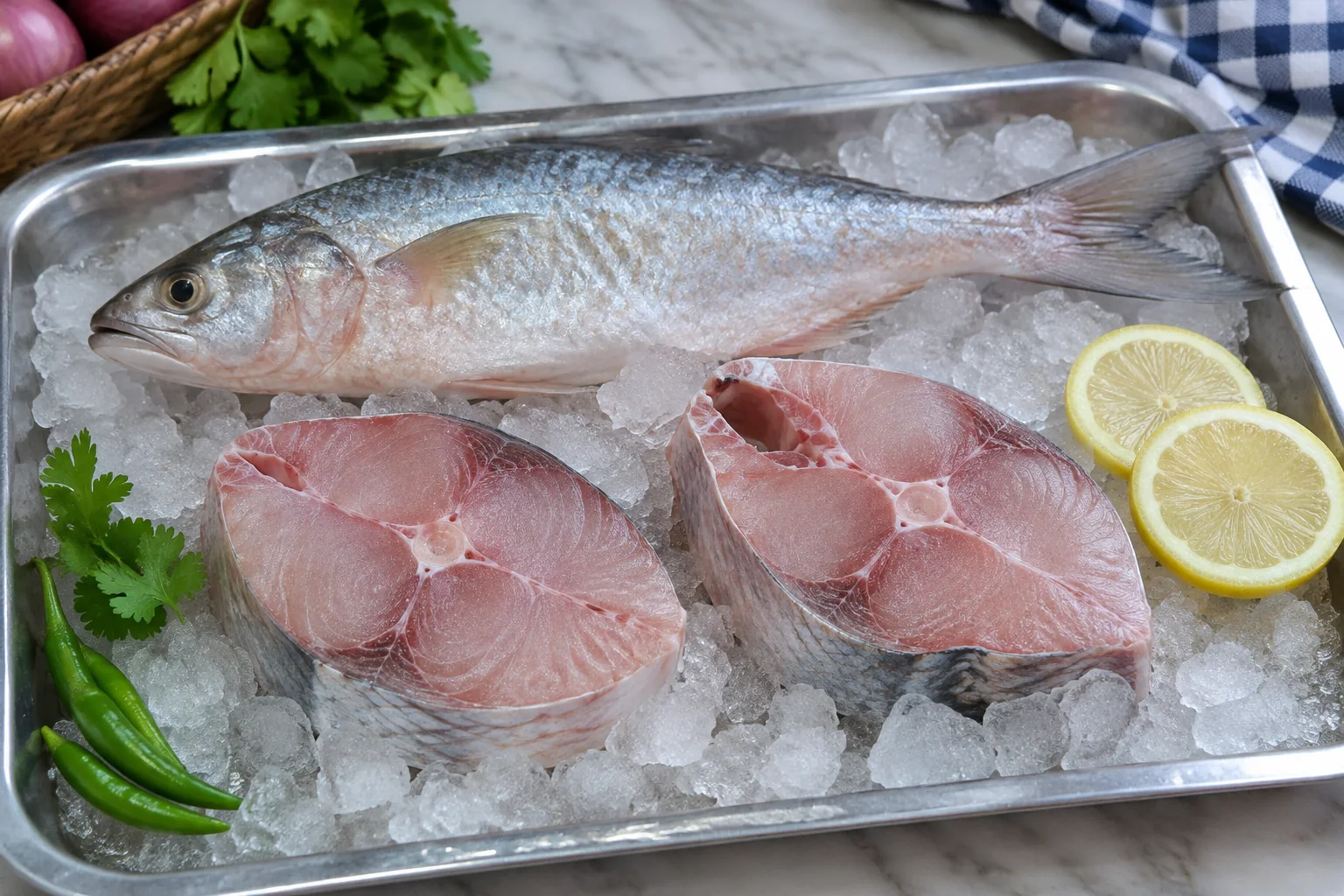
Seafood needs its own questions: which fish or prawn, where it came from, whether it is whole, in steaks, filleted, peeled or already cooked, and how it has been kept cold. White fish describes a useful culinary grouping rather than one exact species. Whole and peeled prawns have different usable yields, while a cooked prawn needs different handling from a raw one. A familiar market name can cover several products, so ask for a clear identification.
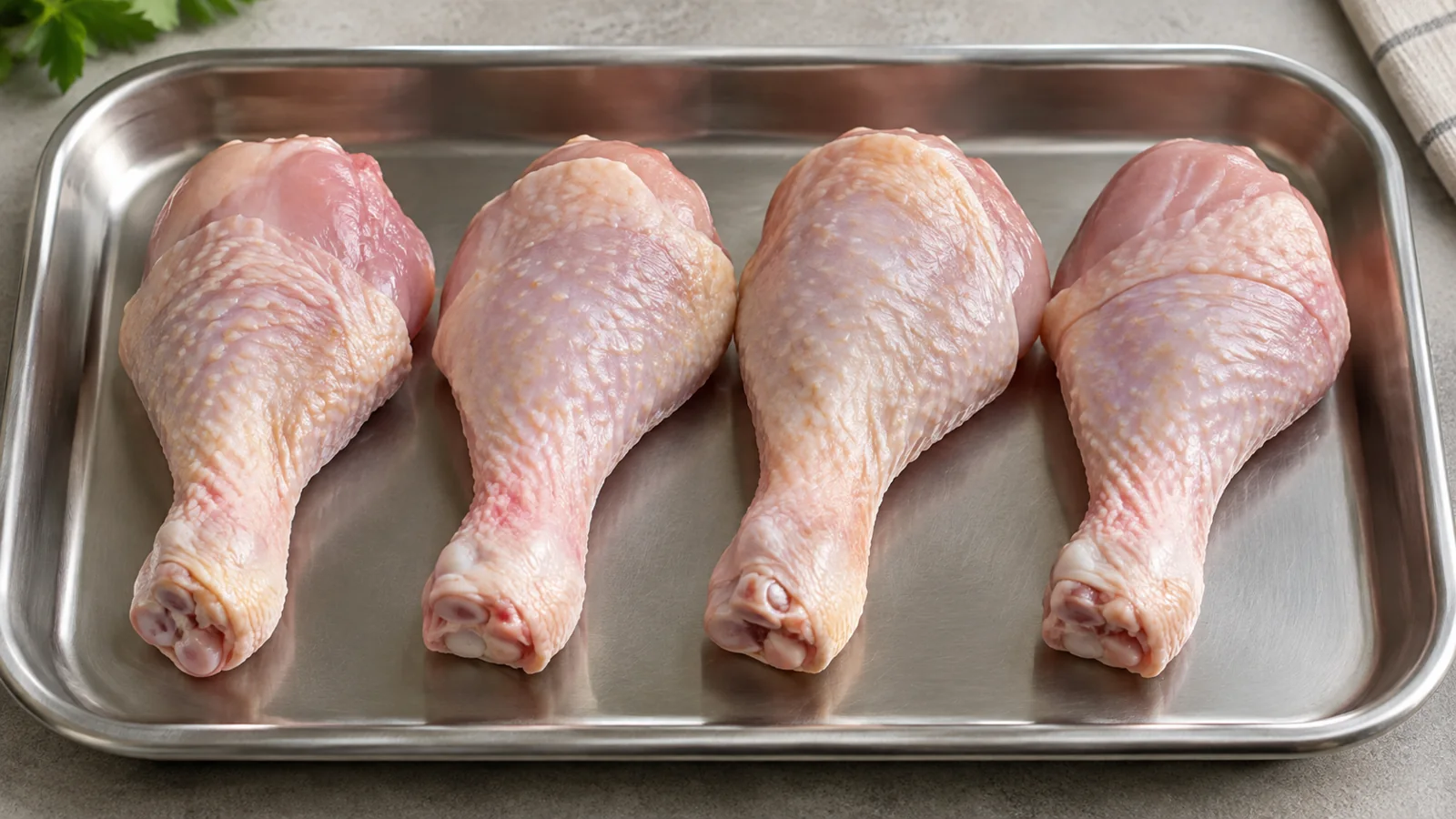
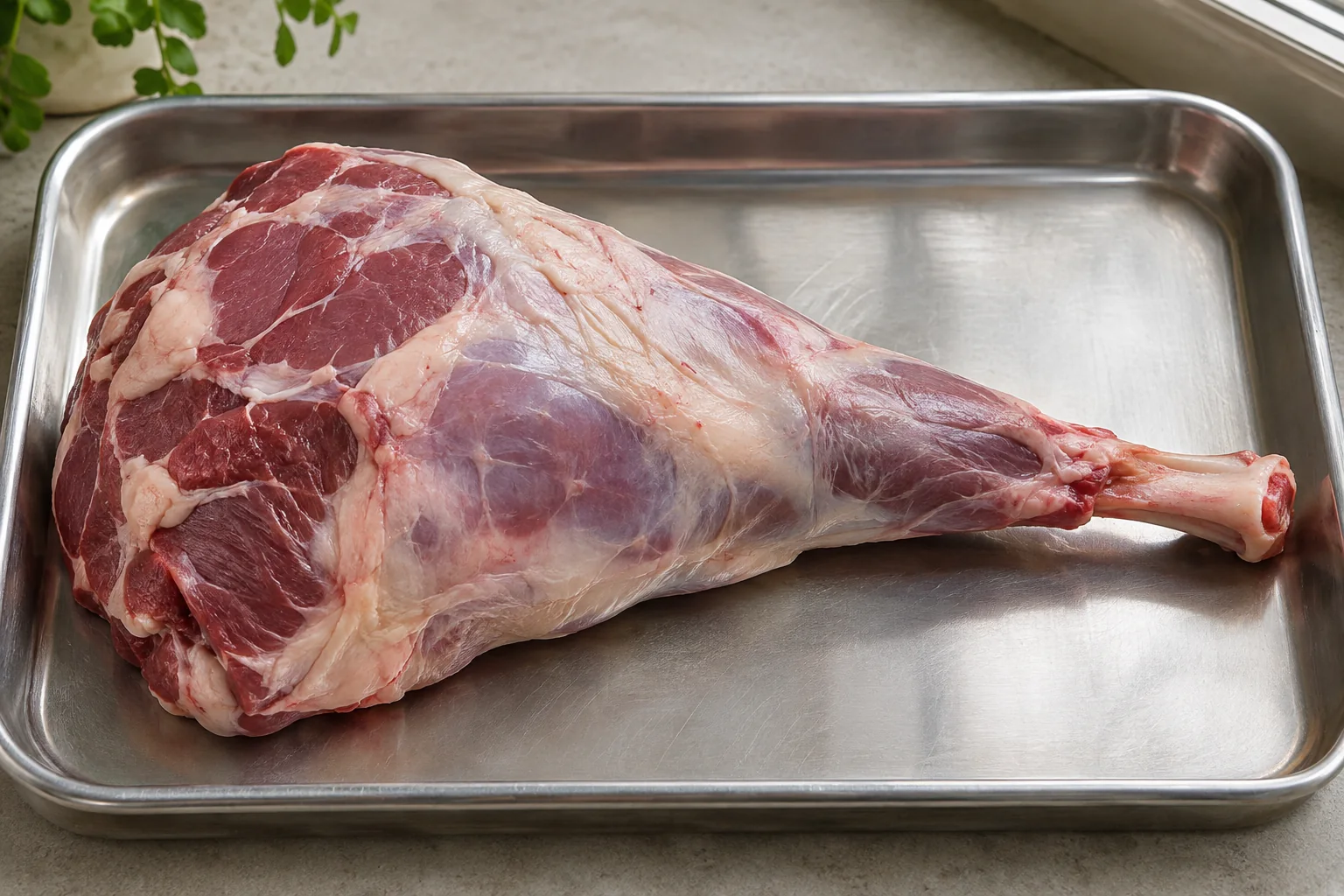
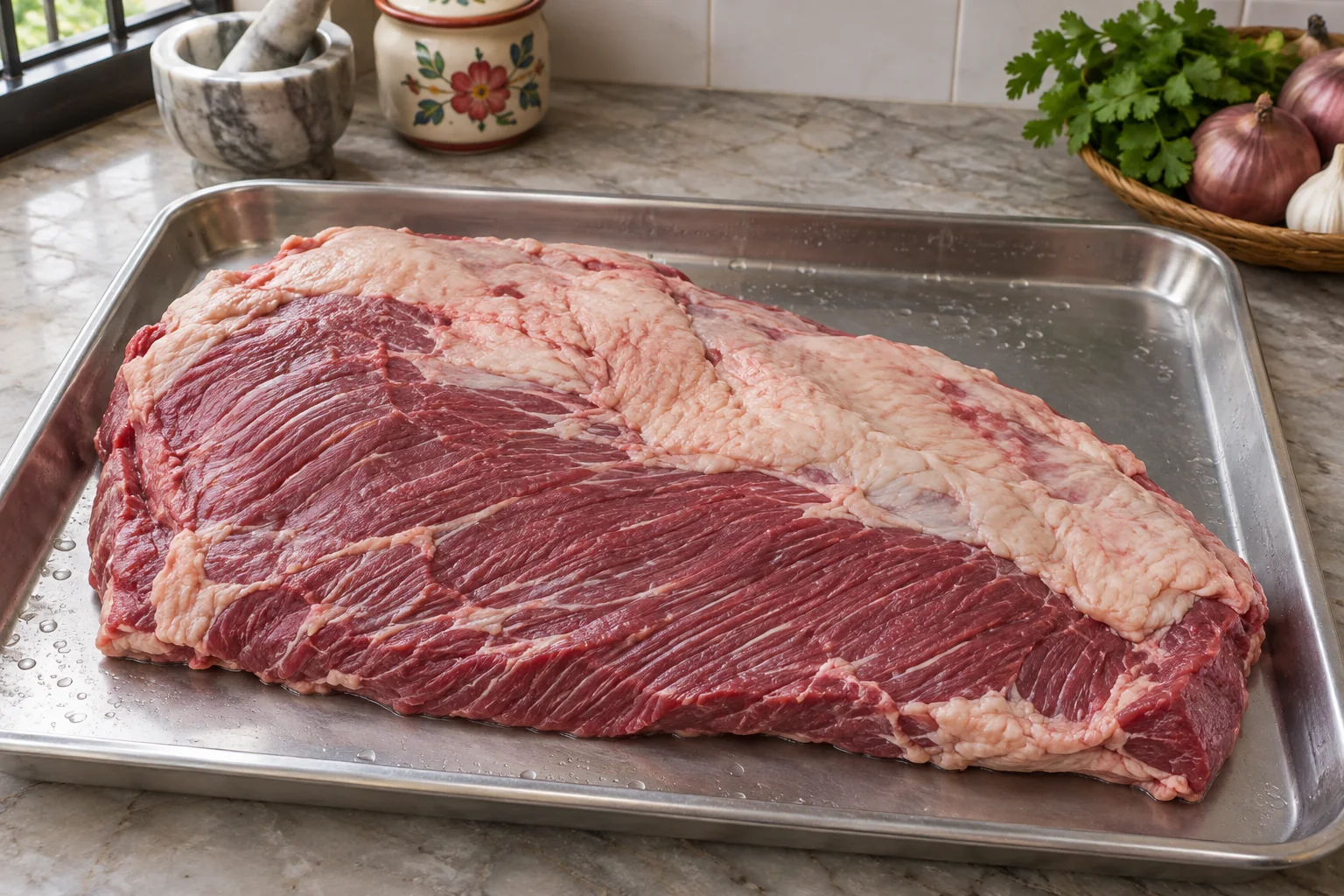
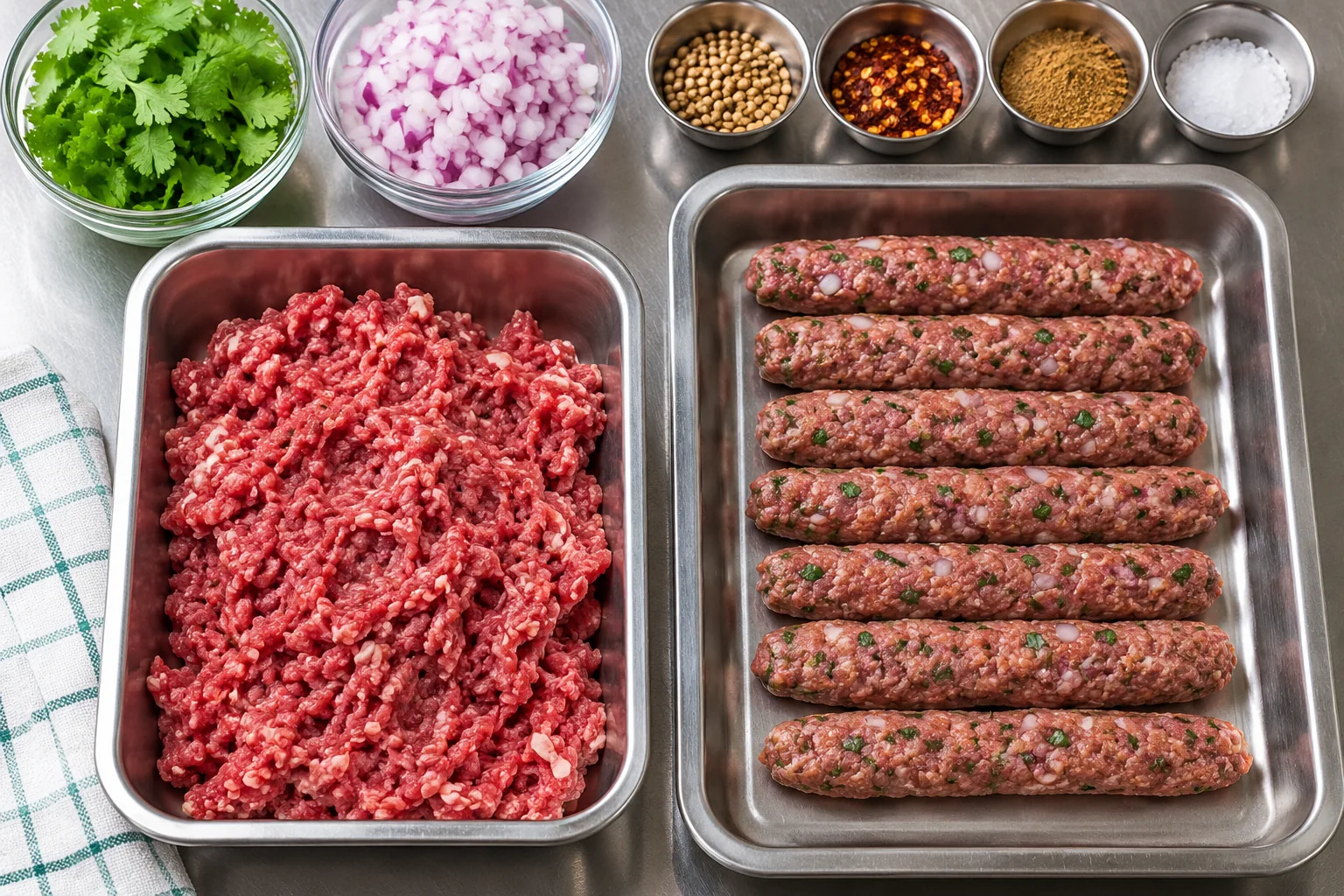
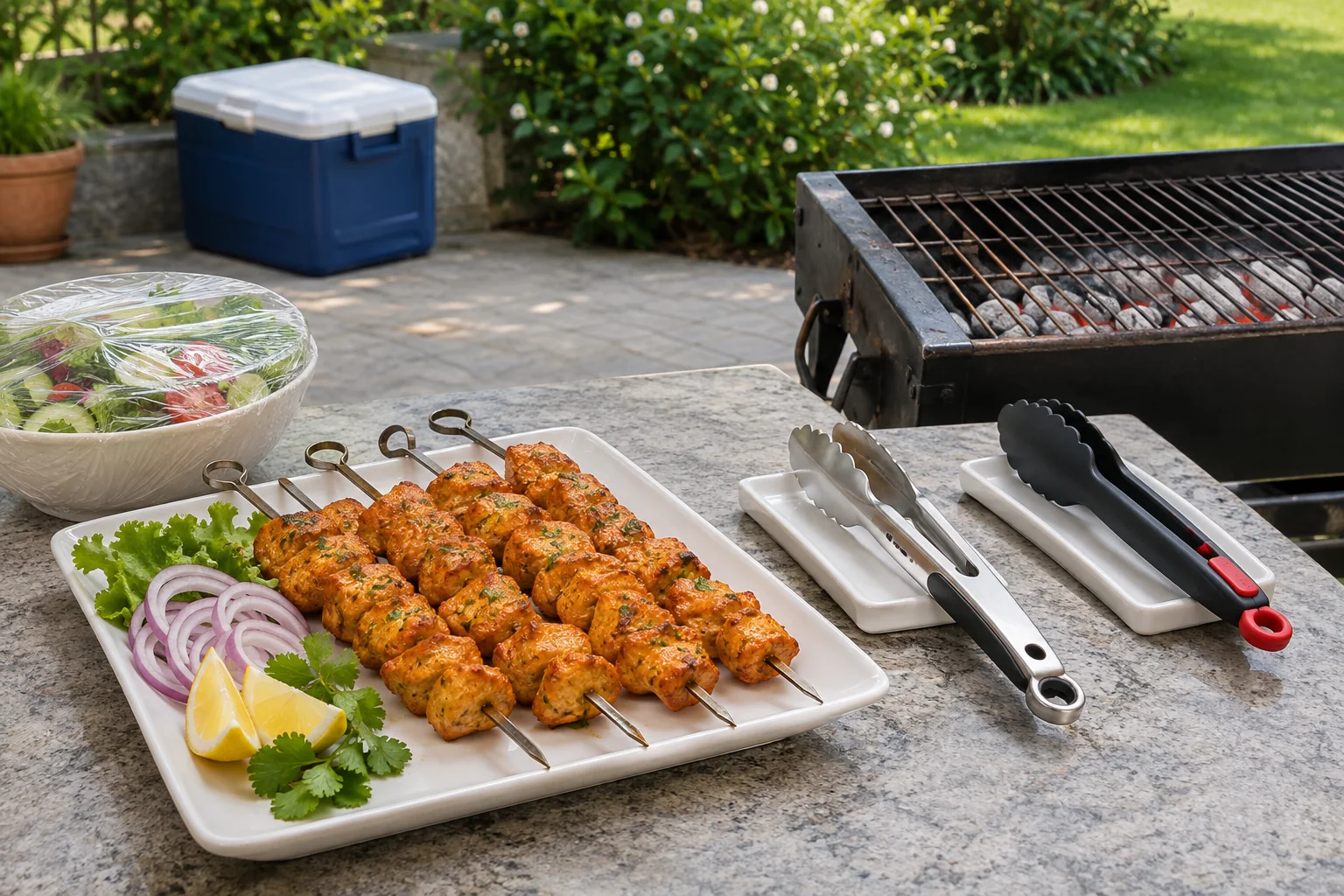
Use the pictures to understand forms and preparation stages, not to authenticate a seller's animal, sourcing or handling. The cut photographs are illustrations tied to their individual guides. Raw pieces, raw shaped kebabs and finished cooked servings are labelled separately. A photograph cannot demonstrate freshness, halal sourcing, a measured temperature or a safe storage history. Those require reliable information and practical controls at the point of purchase and in your kitchen.
Meats you will encounter
| Type and local name | What to confirm | Typical uses |
|---|---|---|
| Chicken · murghi | Whole bird, bone-in pieces, breast, thigh or mince | Karahi, qorma, biryani, tikka and soup |
| Goat · bakray ka gosht | Goat rather than sheep; cut size and bone content | Karahi, qorma, pulao and yakhni |
| Sheep / lamb · bher, dumba | Species, age where known, and whether extra tail fat is included | Karahi, namkeen gosht, chops and sajji |
| Beef · gai ka gosht | Cattle or buffalo; anatomical cut rather than colour alone | Nihari, haleem, kebab and slow curries |
| Buffalo · bhains ka gosht | Ask explicitly; sold through some of the same channels as beef | Mince and long-cooked dishes, depending on cut |
| Fish · machhli | Species, whole or filleted, bones and cold storage | Fried fish, fish curry and grilled fish |
| Camel · oont ka gosht | Less universal; availability and customary use vary by region | Slow-cooked meat dishes where locally available |
Choose a cooking method and open the matching guide
Choose the cooking pathway before ordering. For quick tikka, boti or steak, ask for a suitable tender cut and evenly sized pieces. Boti means pieces; it does not guarantee one anatomical muscle. A lean connective-tissue-rich cut does not become a quick-grilling cut merely because it is boneless or expensive. The size and thickness of the pieces should suit the actual recipe, pan or grill.
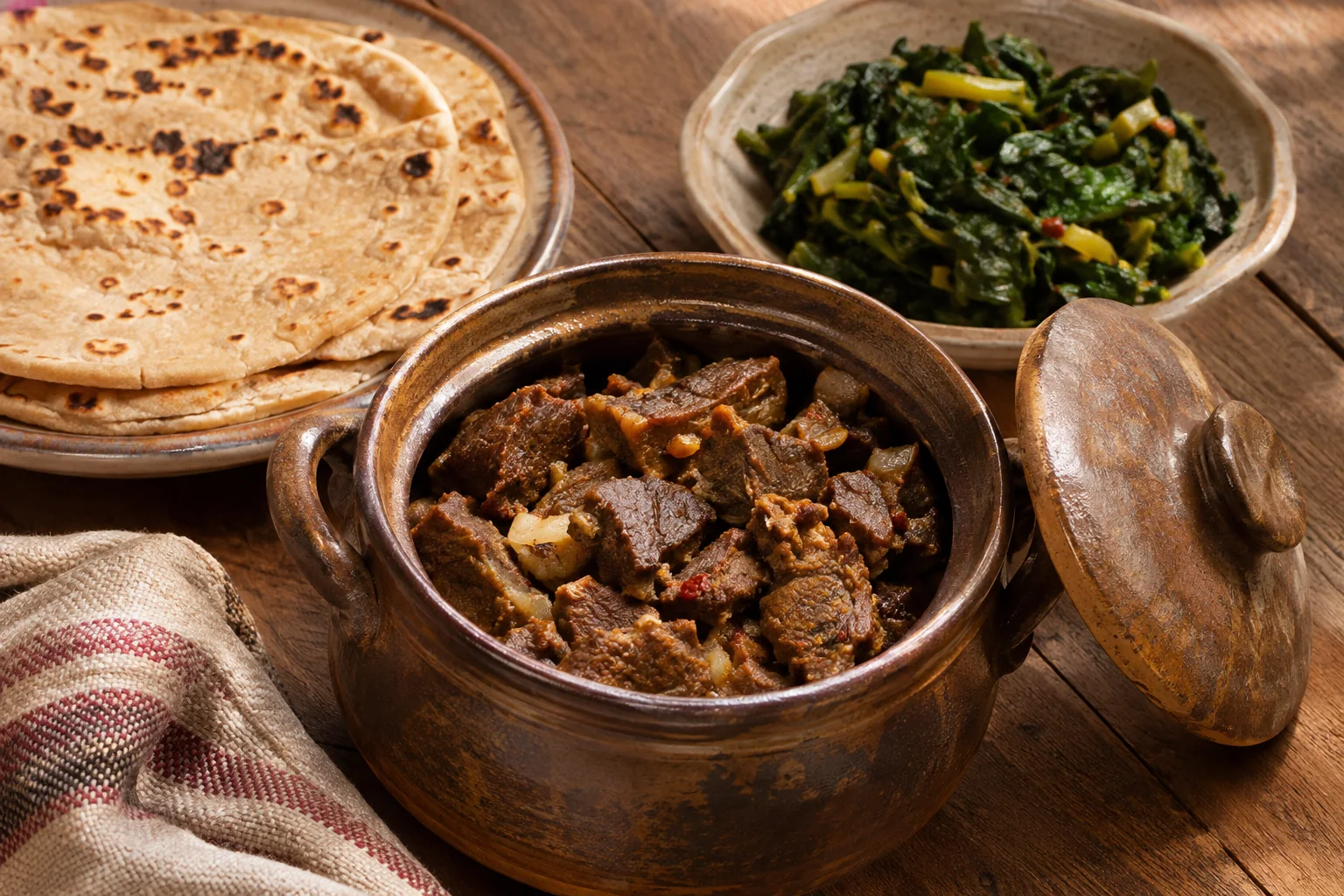
Shoulder, chuck, brisket and shank are useful starting points for dishes that reward patient moist cooking, depending on the animal and cut. Their connective tissue softens over time. Nihari commonly uses shank or bong; nalli usually points to marrow or marrow bones rather than being an identical name for shank meat. Ask the butcher to show the meat and bones separately. Reaching a minimum safe temperature is not the same as reaching the tenderness needed for a braise.
For karahi or qorma, choose a cut and piece size suited to a tested recipe. Mixed pieces can finish at different times. A large raan needs a cooking and carving plan, not just a larger dose of tenderiser. Decide whether the intended result is carved slices or a long-cooked tender roast before shopping. Account for the bone, available oven or pot, and the number of people sharing the meal.
Keema is a preparation, not a species. Confirm the animal, grind and fat level, and choose clean grinding equipment. A raw seekh kebab is shaped mince awaiting cooking; a browned surface does not establish that its centre is ready. Very lean mince behaves differently from a fatty kebab mixture. Moisture, onions, binders and mixing affect structure, so follow a matched recipe and cook a small test patty fully before shaping a large batch.
Organs, trotters, marrow bones and stock ingredients need separate choices. Kaleji is liver, gurday are kidneys, dil is heart, maghaz is brain and paye are trotters. Liver and kidneys do not share the long tenderness pathway of trotters or tripe. Bones can contribute to a stock, but a bag of bones is not a kilogram of edible boneless meat. Keep organ orders separate and use the individual guide rather than one universal offal technique.
Use the directory below to move from a broad ingredient to its individual cut, preparation or cooking practice. Each entry describes what the linked guide helps you decide. The photographs and guides support a clearer order; they do not replace a seller's product instructions or a tested recipe. Availability, price and local naming can change, so compare current like-for-like quotes rather than relying on a national fixed price.
Chicken and poultry cuts
- Chicken in Pakistan — Choose the poultry form for curry, tikka, rice dishes or stock.
- Whole chicken: Types, Uses, Benefits & Storage — Plan a whole bird, portioning, cooking and useful leftovers.
- Bone in chicken: Types, Uses, Benefits & Storage — Compare mixed pieces, bones and even curry portions.
- Chicken breast: Types, Uses, Benefits & Storage — Cook lean boneless breast without avoidable drying.
- Chicken thigh: Types, Uses, Benefits & Storage — Choose thigh portions for curries, skewers and moist dishes.
- Chicken wings: Types, Uses, Benefits & Storage — Understand wing sections, skin, yield and thorough cooking.
- Chicken mince: Types, Uses, Benefits & Storage — Keep poultry mince cold and cook kebab centres properly.
- Chicken livers: Types, Uses, Benefits & Storage — Handle poultry liver separately and cook it thoroughly.
- Chicken stock: Types, Uses, Benefits & Storage — Make and cool poultry stock with a practical storage plan.
Goat, lamb, sheep and raan
- Goat Meat in Pakistan — Identify goat cuts and match bakray ka gosht to the dish.
- Lamb and Dumba in Pakistan — Distinguish sheep descriptions, cuts and separately added tail fat.
- Goat shoulder: Types, Uses, Benefits & Storage — Choose shoulder for patient, moist cooking and useful portions.
- Goat shank: Types, Uses, Benefits & Storage — Understand shank, connective tissue and long-cooked texture.
- Boneless goat: Types, Uses, Benefits & Storage — Ask which muscle supplies boneless cubes before choosing a method.
- Lamb & goat chops: Types, Uses, Benefits & Storage — Compare chops, bone content, thickness and cooking control.
- Lamb, bone-in cuts: Types, Uses, Benefits & Storage — Order even bone-in lamb pieces for a matched recipe.
- Boneless lamb: Types, Uses, Benefits & Storage — Choose boneless lamb by muscle and cooking purpose.
- Lamb mince: Types, Uses, Benefits & Storage — Control lamb mince texture, added fat and safe cooking.
- Lamb fat: Types, Uses, Benefits & Storage — Understand tail or other fat as a measured cooking ingredient.
- Raan Roast Cooking Guide — Plan a goat or lamb leg, equipment and intended roast texture.
Cattle beef, buffalo and camel
- Beef in Pakistan — Separate cattle beef cuts by cooking pathway and usable value.
- Buffalo Meat in Pakistan — Clarify buffalo identity and avoid assumptions from beef labels.
- Camel Meat in Pakistan — Ask specific sourcing and cut questions before cooking camel.
- Beef shank: Types, Uses, Benefits & Storage — Choose bong for nihari and distinguish meat from marrow bones.
- Beef chuck: Types, Uses, Benefits & Storage — Use shoulder or chuck for braises and long-cooked dishes.
- Beef sirloin: Types, Uses, Benefits & Storage — Select an appropriate quick-cooking cut and even thickness.
- Beef mince: Types, Uses, Benefits & Storage — Choose the grind and fat level for keema or kebabs.
Organs, paye and stocks
- Offal and Paye Cooking Guide — Separate organ, tripe and trotter preparation pathways.
- Lamb liver: Types, Uses, Benefits & Storage — Handle liver thoughtfully, with nutrition benefits and limits.
- Lamb kidneys: Types, Uses, Benefits & Storage — Identify, trim and cook kidneys with ingredient-specific guidance.
- Lamb hearts: Types, Uses, Benefits & Storage — Understand heart as a distinct muscle with its own preparation.
- Lamb brains: Types, Uses, Benefits & Storage — Treat brain as a delicate, highly perishable organ.
- Beef tripe: Types, Uses, Benefits & Storage — Choose appropriately cleaned tripe and cook for tenderness.
- Goat trotters: Types, Uses, Benefits & Storage — Plan goat paye, connective tissue and long cooking.
- Beef trotters: Types, Uses, Benefits & Storage — Handle larger trotters with a realistic pot and cooling plan.
- Goat head meat: Types, Uses, Benefits & Storage — Understand the different edible parts in a head-meat order.
- Yakhni & meat stock: Types, Uses, Benefits & Storage — Choose stock ingredients and cool a large batch promptly.
Fish, prawns and seafood stocks
- Fish and Seafood in Pakistan — Ask about species, origin, market form and cold handling.
- White fish: Types, Uses, Benefits & Storage — Choose fillets or steaks for a suitable fish recipe.
- Prawns: Types, Uses, Benefits & Storage — Compare whole and peeled raw prawns and usable yield.
- Cooked prawns: Types, Uses, Benefits & Storage — Distinguish cooked prawns from raw products and handle carefully.
- Fish stock: Types, Uses, Benefits & Storage — Use suitable fish frames and a controlled cooling plan.
Buying, preparation and preserved-meat traditions
- Buying, Storing and Cooking Meat in Pakistan — Organise shopping, storage, temperatures and Eid distribution.
- Pakistani BBQ Meat Guide — Plan boti, tikka, seekh and separate raw and cooked tools.
- Meat Marinades and Tenderising — Use flavour and tenderisers without confusing them with disinfection.
- Keema and Kebab Guide — Match mince, moisture, grind and binding to the recipe.
- Meat Portions and Meal Planning — Separate raw buying estimates from cooked dietary portions.
- Landhi: Balochistan’s Preserved-Meat Heritage — Explore a winter dried-meat tradition with modern safety limits.
- Tabaheg: Makrani Meat, Pomegranate and Food Heritage — Understand the regional preserved-meat dish and validated-process limits.
A practical butcher-shop checklist
- Name the dish, animal, cut and piece size. Do not order only “one kilo of meat” if you need a specific result.
- Ask whether the quoted weight includes bones, skin or separately added fat. Compare like with like.
- Choose clean premises with protected, chilled stock and separation between raw meat and ready-to-eat food.
- Confirm halal sourcing with a seller you trust rather than relying on an assumption or appearance.
- Buy meat near the end of the shopping trip; transport in an insulated bag and refrigerate promptly.
- Prices vary by city, date, species and cut. Get a current local quote instead of treating an online estimate as a fixed price.
A practical food-safety chart and cold-chain plan
Good cooking starts before the pan heats. Buy from premises with protected chilled stock, clean equipment and separation between raw and ready-to-eat food. Take meat home near the end of the shopping trip, ideally in an insulated bag with cold packs, and refrigerate promptly. A busy shop, normal smell or attractive colour cannot prove the absence of harmful bacteria. Reject obvious poor handling or damaged packaging without treating the absence of visible faults as a certificate of safety.
Keep the refrigerator at 4°C or below and the freezer at −18°C or below, checked with an appliance thermometer. Put raw meat in closed leakproof containers below cooked and ready-to-eat food. Raw poultry and mince generally need use or freezing within one to two refrigerator days; beef and lamb steaks, chops and roasts generally have three to five days. Raw offal has a shorter one-to-two-day planning window. Follow stricter product instructions and do not invent a longer window for marinated meat.
Do not routinely wash raw meat or poultry: splashing can spread raw juices around the sink and nearby food. Wash hands with soap after raw handling, and clean boards, knives and surfaces before preparing salad or cooked food. Set aside a clean serving platter and separate utensils before the first batch finishes. Keep raw marinade away from finishing sauces; reserve a clean portion before it contacts meat.
Thaw and marinate in the refrigerator. If using a verified cold-water or microwave thawing method, cook immediately afterward. Lemon, yogurt, salt, spices and papaya may alter flavour or texture but do not sterilise meat. Excess enzyme tenderiser can make a surface mushy without solving the centre's tenderness. Neither marinade nor a later hard cooking step reliably repairs an unsafe cold-chain history.
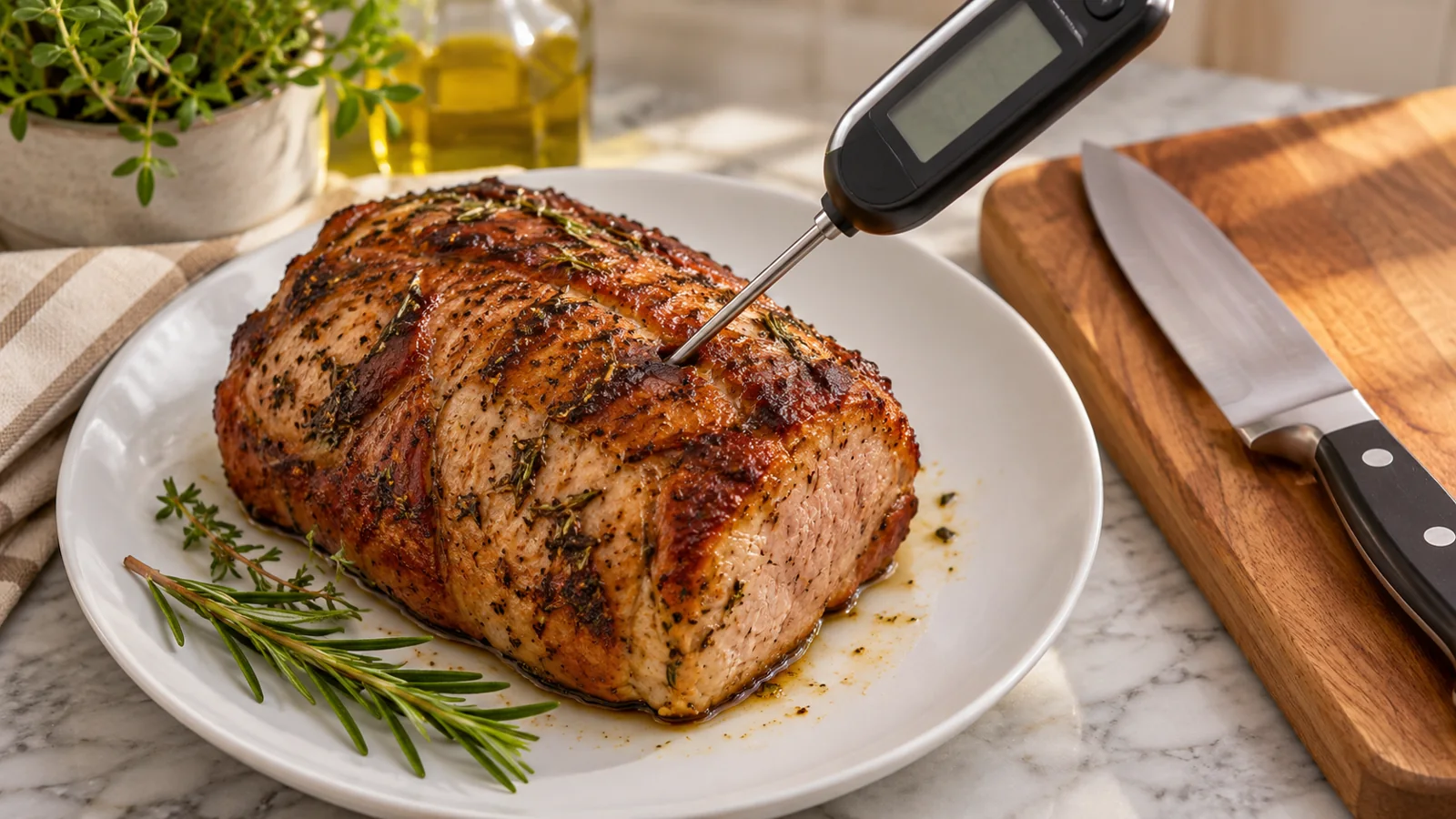
Use a probe thermometer in the thickest edible part, away from bone, and check multiple pieces in a mixed batch. In a thin kebab, a sideways insertion can help reach the centre. The table gives official minimum internal temperatures for the listed foods, not oven settings or universal cooking durations. A shank can be safe by temperature well before it becomes tender. For prepared products, unlisted species or specialised organs, follow reliable product-specific guidance and any stricter instructions.
Refrigerate perishables within two hours, or within one hour when surroundings exceed 32°C. Include preparation, cutting, transport and serving in that time; the clock does not restart at each handover. During Eid, prepare containers, recipients and cold transport before meat arrives, work in small batches and avoid overloading refrigeration. Divide cooked pots into shallow containers promptly. Use promptly chilled cooked meat within three to four days unless instructions are stricter, and reheat the required portion to 74°C.
| Food | Minimum internal temperature or endpoint |
|---|---|
| Chicken and other poultry, including mince and giblets | 74°C |
| Beef, goat and lamb steaks, chops and roasts | 63°C, followed by a three-minute rest |
| Ground beef, goat and lamb | 71°C |
| Finfish | 63°C |
| Prawns and similar shellfish | Flesh pearly or white and opaque; follow product instructions |
| Reheated leftovers | 74°C throughout |
These listed whole-cut beef minimums are not specific validation for rare buffalo or camel service, or for an unknown cured product. Use appropriate product-specific guidance.
References: official minimum cooking temperatures, cold food storage chart and FDA safe food handling.

Balance benefits, limits, portions and the rest of the meal
A useful meat meal fits the whole menu. Meat supplies protein, and red meat contributes iron, zinc and B vitamins, including vitamin B12. These are benefits of a food within a varied diet, not evidence that larger portions cure weakness, anaemia or illness. The animal, cut, fat mixture and recipe change the nutritional result. A lean cut cooked in large amounts of ghee is a different meal from a moderate portion accompanied by vegetables and daal.
Keep red meat moderate and vary protein sources across the week with pulses, beans, fish, eggs or poultry according to preferences and availability. The World Cancer Research Fund advises people who eat red meat to limit it to around 350–500 g cooked weight per week and to eat very little, if any, processed meat. The NHS advises people regularly eating more than 90 g cooked red or processed meat daily to reduce to about 70 g. These are cooked edible amounts, not raw butcher weights or targets every person must reach.
Trim excessive visible fat where practical and ask how much fat is in mince. Measure oil or ghee and account for fat already present in the cut. Salt builds up across commercial spice mixtures, stock cubes, pickles, sauces and cured meat. A familiar traditional name or homemade preparation does not make an ingredient low in salt or saturated fat. Individual medical diets, pregnancy-related restrictions and organ-meat questions deserve tailored professional advice rather than one blanket claim of suitability.
Fresh mince is not automatically preserved processed meat simply because it has been ground. Meat that has been salted, cured, smoked or otherwise processed for preservation belongs in a different discussion. Landhi and Tabaheg are valuable regional food traditions, but their names do not validate a drying method or establish a universal shelf life. The individual guides explain their cultural context and limits. Buy a traceable regulated product or use a properly validated processor's method; do not improvise outdoor drying or promise months of safe storage from a salty surface.
For barbecue, avoid prolonged extreme heat, direct flames and blackened surfaces while still meeting the required cooking temperature. Trim excessive exterior fat if appropriate, manage flare-ups, turn pieces and use a gentler finishing area. These are sensible ways to reduce exposure to compounds formed during high-heat cooking; they do not make char-grilling cancer-proof. An herb, lemon or yogurt marinade provides no such guarantee.
Plan the shopping quantity from the menu, bones and appetite. Around 150–200 g raw boneless meat or 250–300 g raw bone-in pieces per adult can be a starting estimate for a meal with substantial sides, not a daily dietary recommendation. Reduce the amount of each dish when serving several mains. Record the usable yield and leftovers to improve the next order. Pack meal-sized portions with species, cut, weight and date, and freeze promptly within the safe handling period.
Choose a tested recipe matched to the ingredient, prepare vegetables and accompaniments with clean equipment, and serve portions people can finish. A modest meat serving with vegetables, pulses and suitable bread or rice can be satisfying without turning every course into another meat dish. Keep a clear plan for leftovers before cooking a large batch; reheating only the portion required makes storage easier to control.
Health references: NHS meat and nutrition guidance, World Cancer Research Fund red and processed meat recommendations and National Cancer Institute high-heat cooking explanation.
Browse the recipe collection, choose a bread, and check the pantry guide and kitchen equipment guide before shopping.

Frequently Asked Questions
Does mutton mean goat in Pakistan?
It often can in Pakistani menus and trade, while internationally mutton means mature sheep. Ask the seller whether the meat is goat, sheep or a fat-tailed sheep description such as dumba, then confirm the anatomical cut. Local wording alone is not proof of species.
Is all beef sold in Pakistan from cattle?
No. Cattle and water buffalo can be discussed or sold through similar channels. Ask a trustworthy seller to identify the animal and provide sourcing information; colour, price and appearance cannot reliably establish the species.
Which meat is best for nihari?
Shank or bong is a common choice because controlled long moist cooking softens its connective tissue. Ask the butcher to distinguish shank meat from nalli or marrow bones, and select a tested recipe matched to the actual animal and cut.
Can colour or smell prove meat is safe?
No. Reject objectionable changes and obvious poor handling, but harmful bacteria can be present without a warning smell or colour. Reliable sourcing, cold storage, hygienic preparation and thermometer-verified cooking all matter.
How we know this
- Type Explainer
- Sources 3 (3 official/academic)
- Reviewed November 2026
- Disputed points None
3 sources
- Safe cooking temperatures, FoodSafety.gov
- Cold Food Storage Chart, FoodSafety.gov
- Four steps to food safety, FoodSafety.gov
Photo credits (1)
- A Pakistani BBQ platter of tikka, seekh kebab and chops, DailyLife.pk, Illustrative image
Suggest a correction
Choose your meat
Seven species guides and a complete buying and safe-handling handbook.
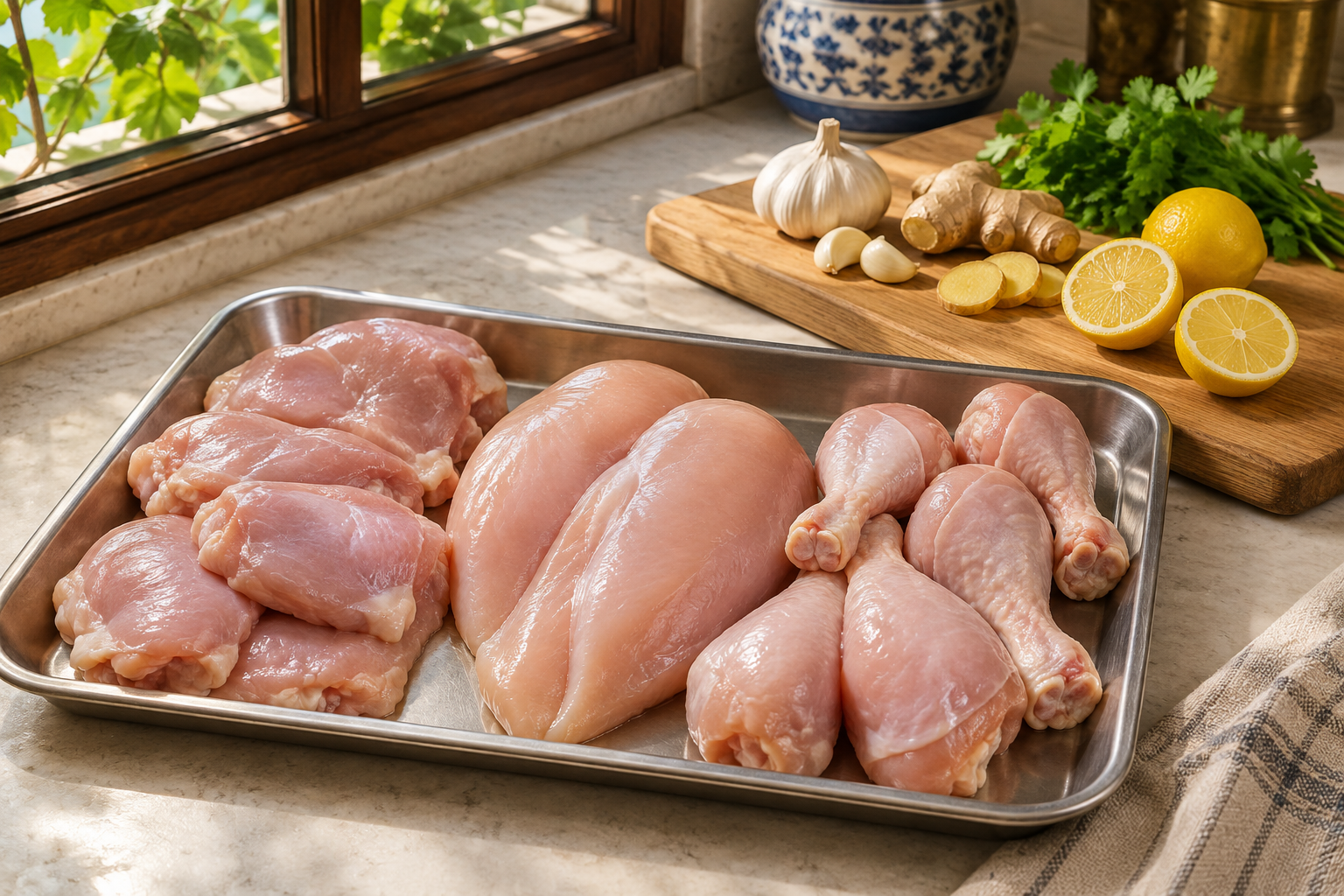 Chicken in PakistanChoose chicken for karahi, biryani, tikka, stock or a quick dinner, with clear advice on cuts, shopping, preparation and common mistakes.
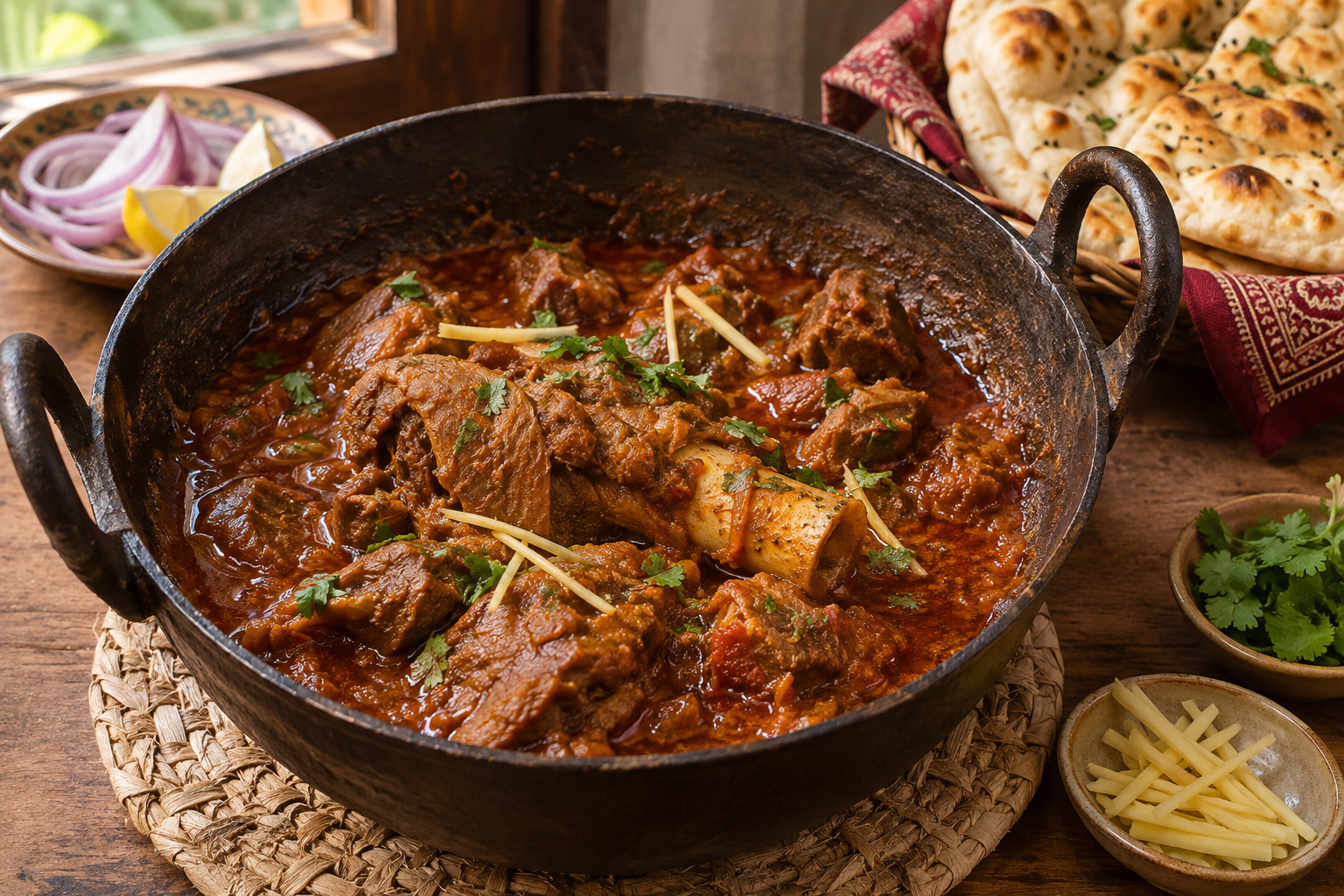 Goat Meat in PakistanA practical bakray ka gosht guide to shoulder, leg, chops, shank, boneless boti, shopping questions and tender cooking.
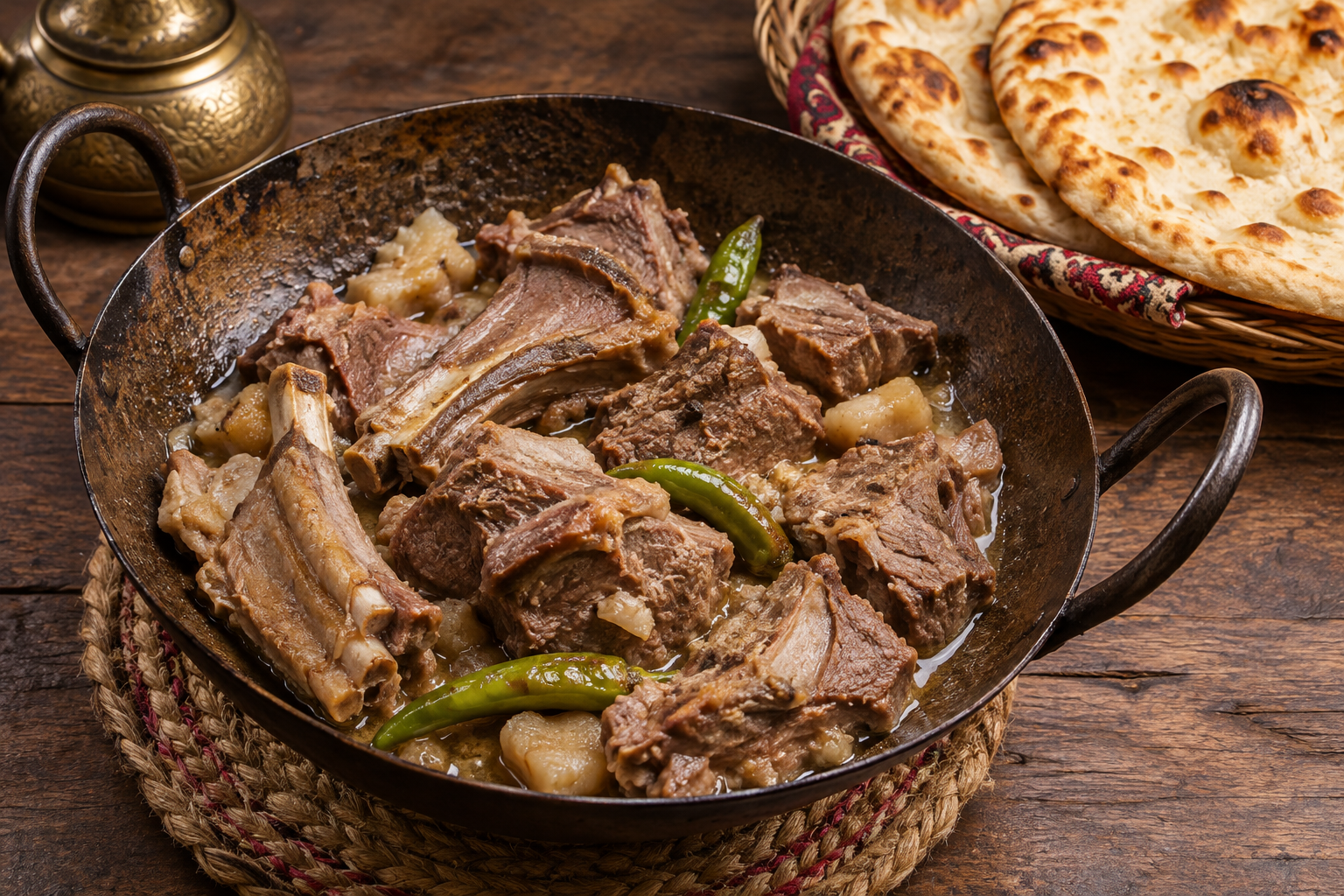 Lamb and Dumba in PakistanUnderstand lamb, mature sheep and dumba, then select shoulder, leg, chops or tail fat for the dish you want.
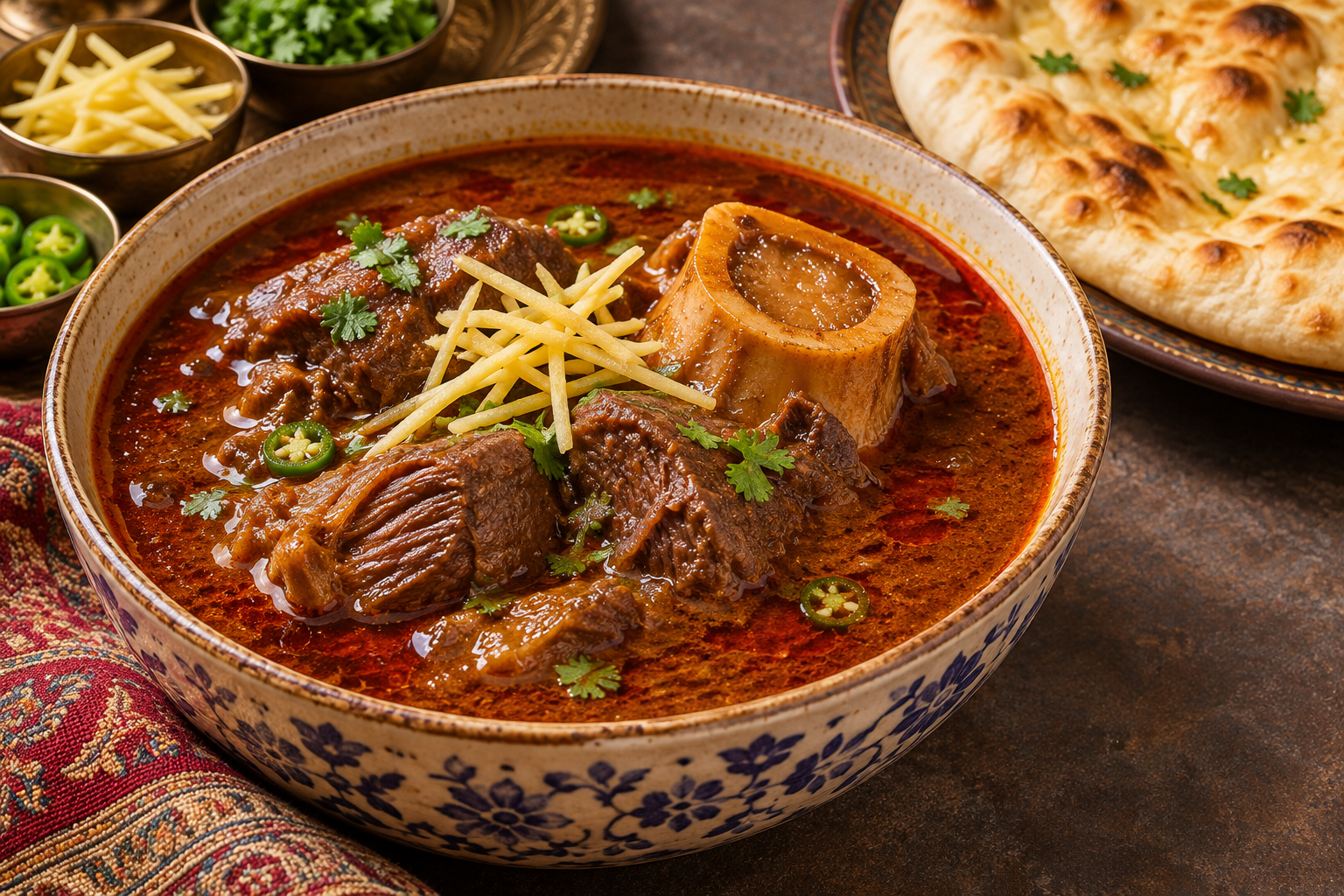 Beef in PakistanChoose cattle beef by cut and cooking method, with practical orders for the butcher, value comparisons and solutions for tough meat.
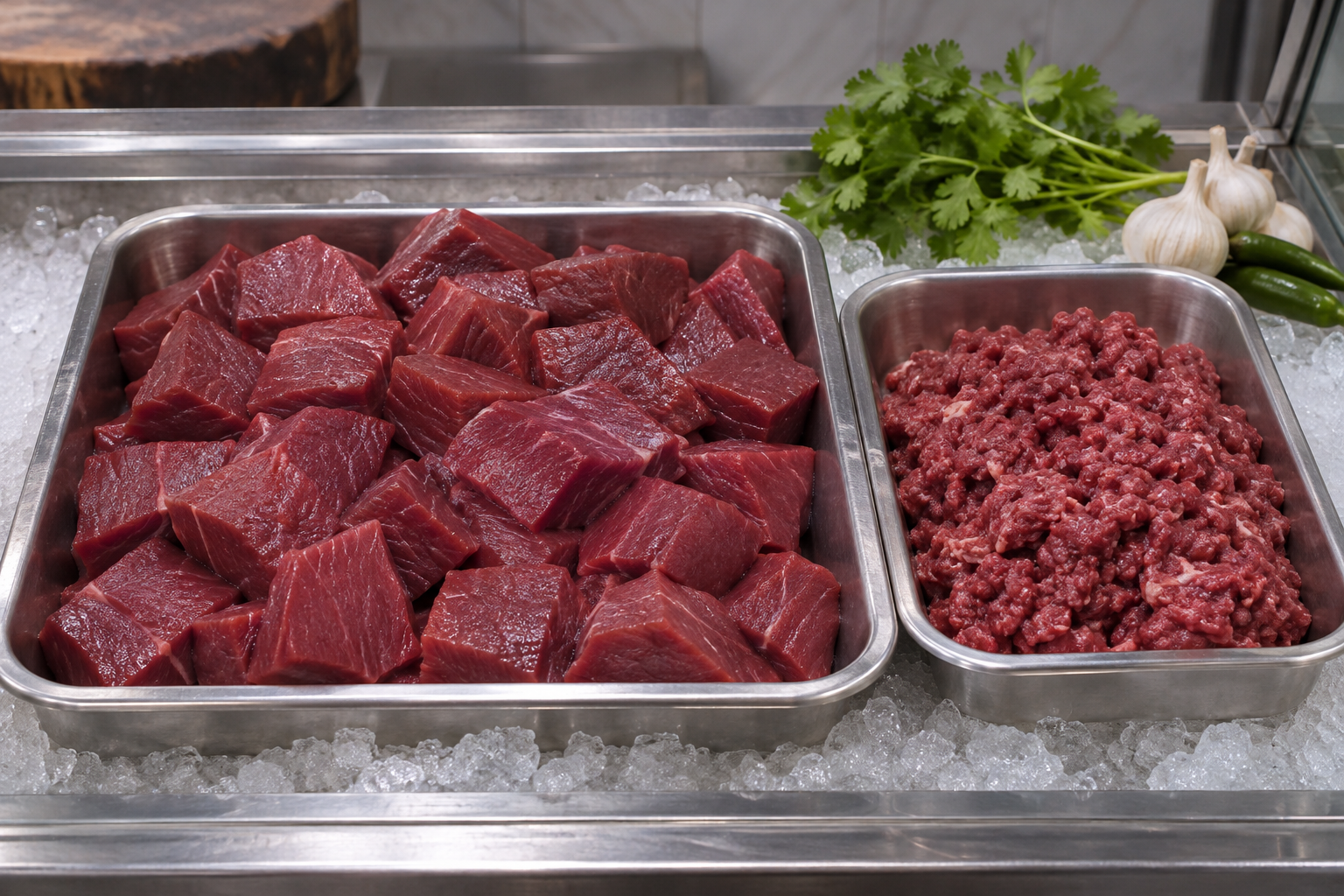 Buffalo Meat in PakistanUnderstand water buffalo meat, clarify local beef labels and choose a practical method for curry, mince or slow cooking.
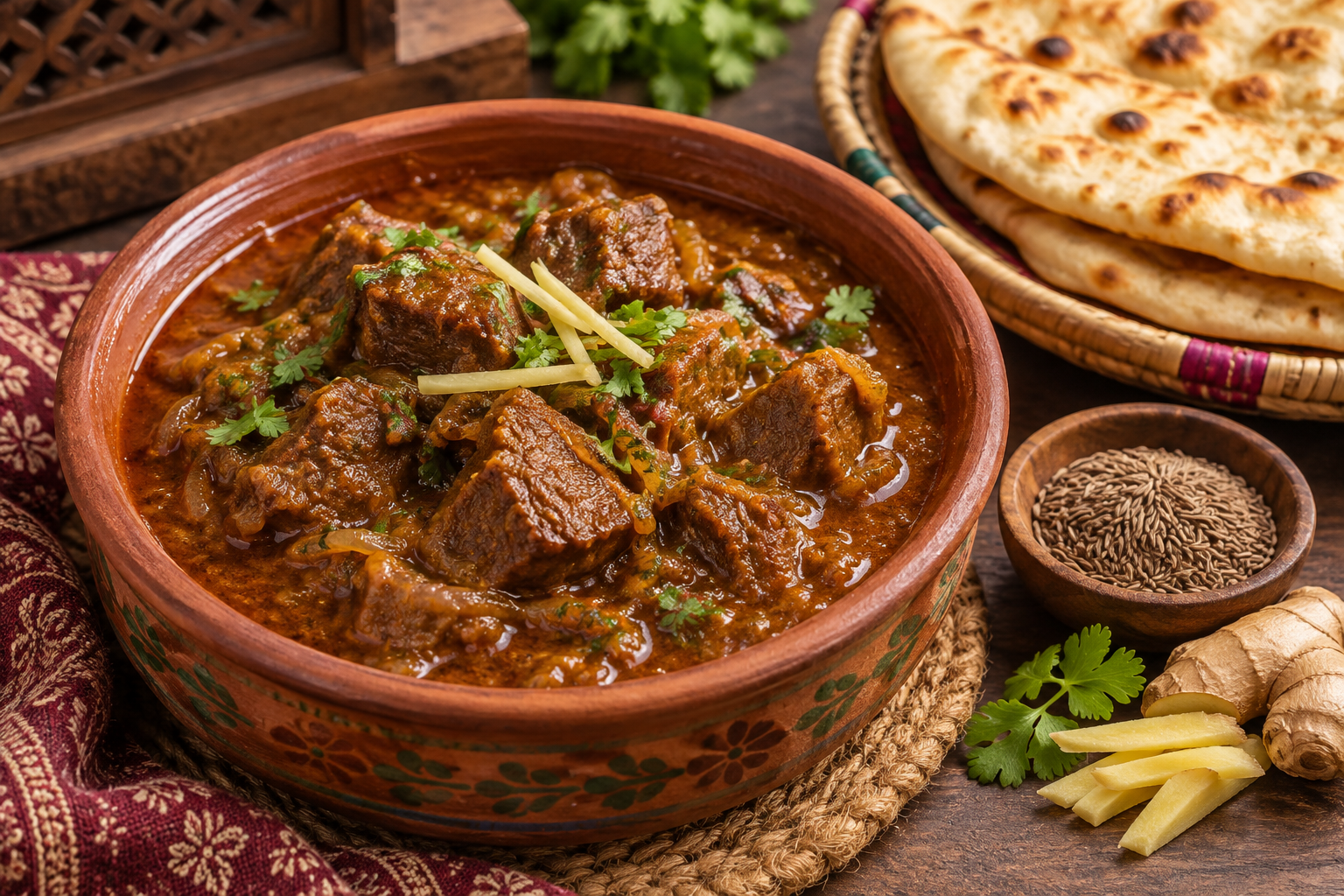 Camel Meat in PakistanA careful guide to buying camel meat, selecting an appropriate cut and preparing a satisfying slow-cooked meal.
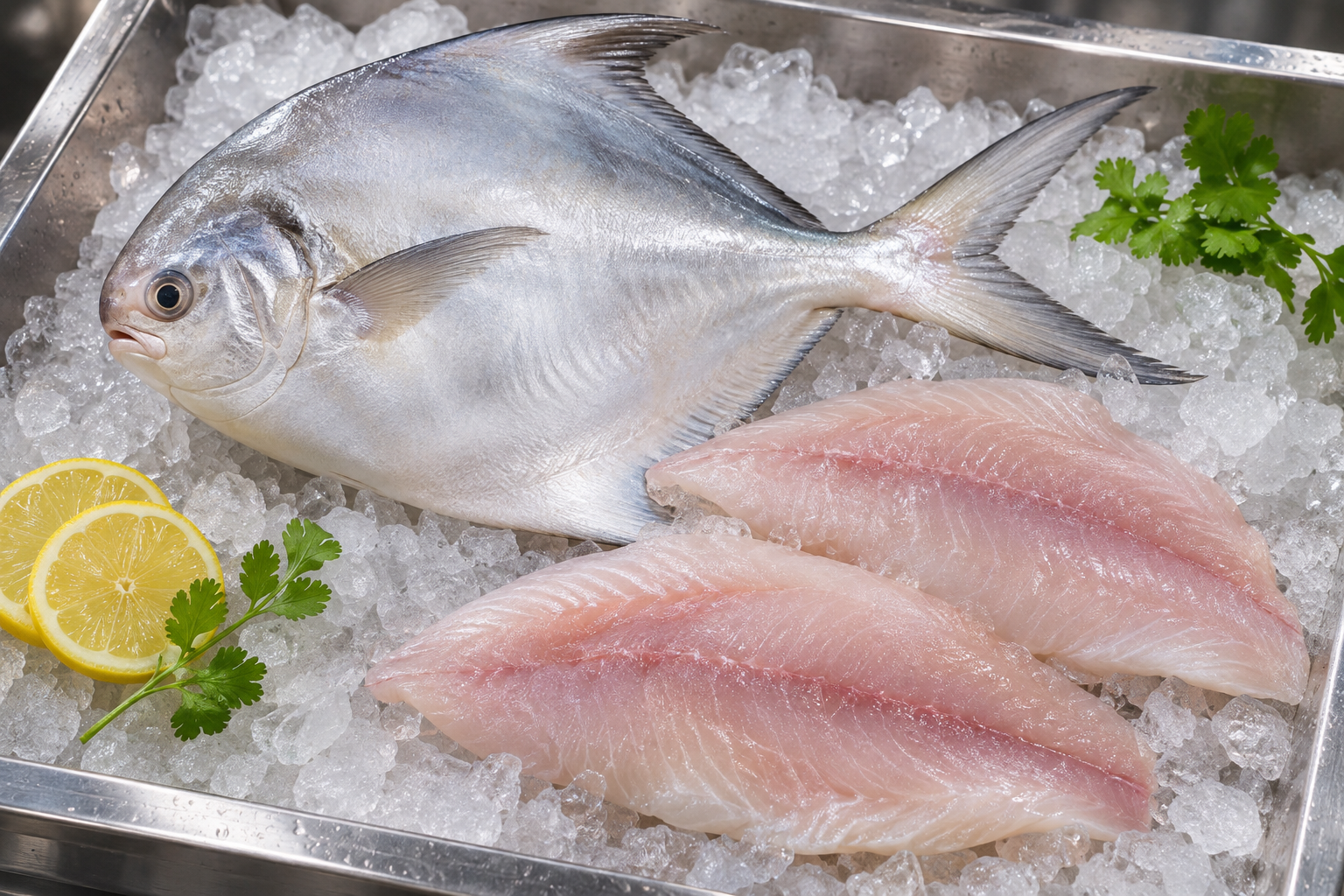 Fish and Seafood in PakistanChoose fish and prawns for frying, curry or grilling, check origin and cold handling, and understand what seasonality can and cannot tell you.
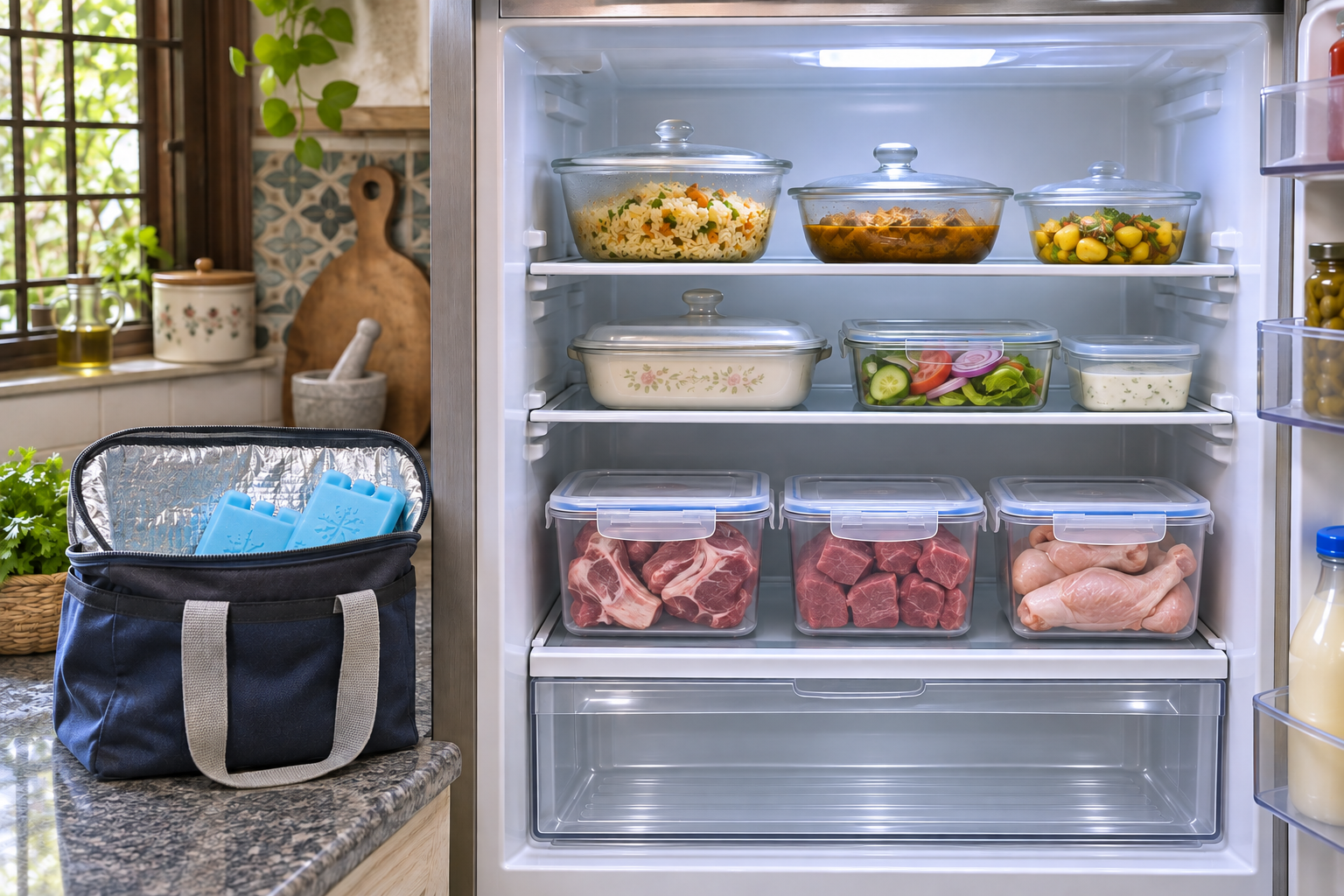 Buying, Storing and Cooking Meat in PakistanWhere to shop, what to ask, when to buy, how much to order, safe temperatures, mince and offal handling, and an organised Eid meat plan.
Cook with confidence
Six practical guides for better preparation, texture, heat control and meal planning.
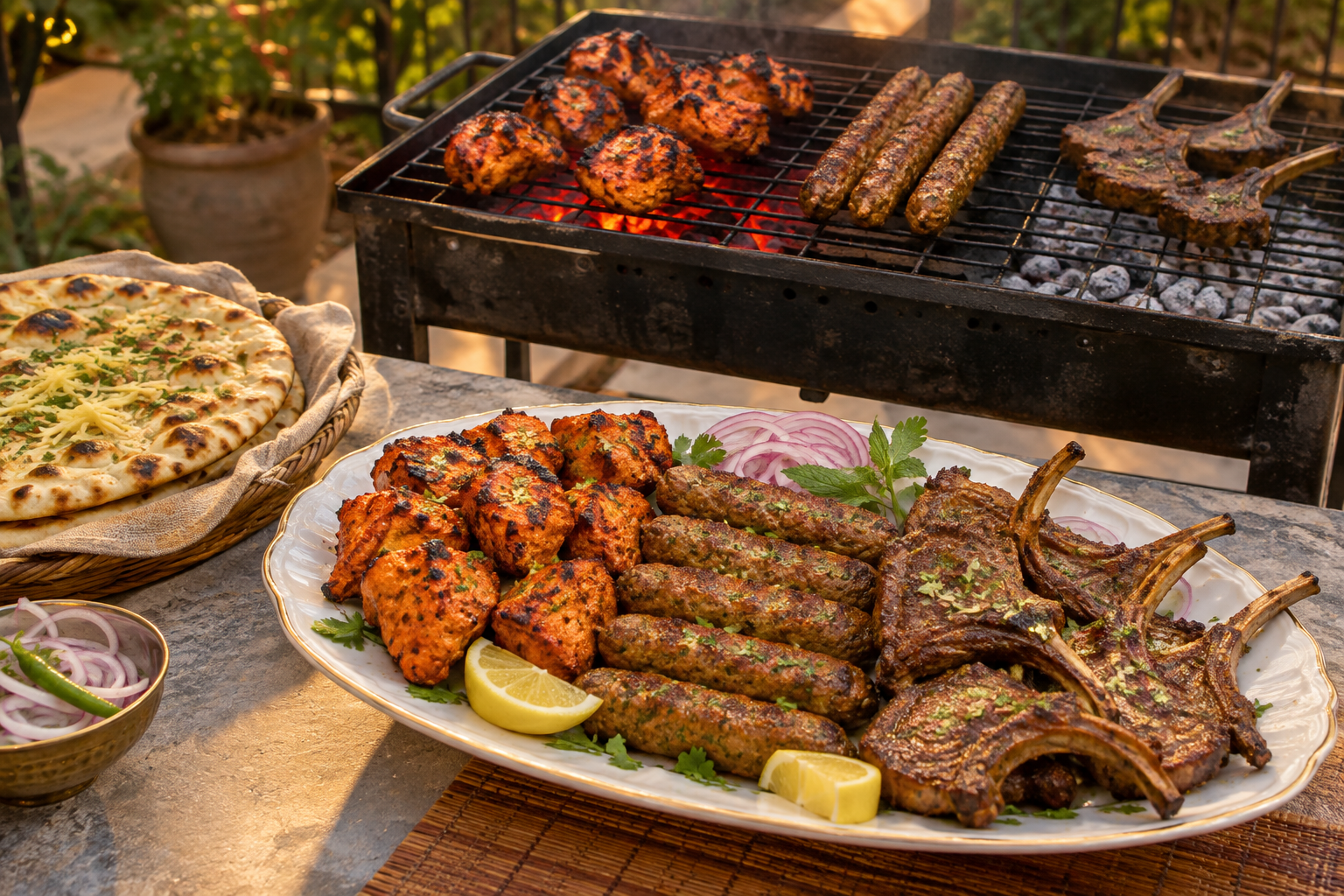 Pakistani BBQ Meat GuidePlan tikka, boti, seekh kebabs and chops with suitable meat, a sensible grill setup and a practical serving schedule.
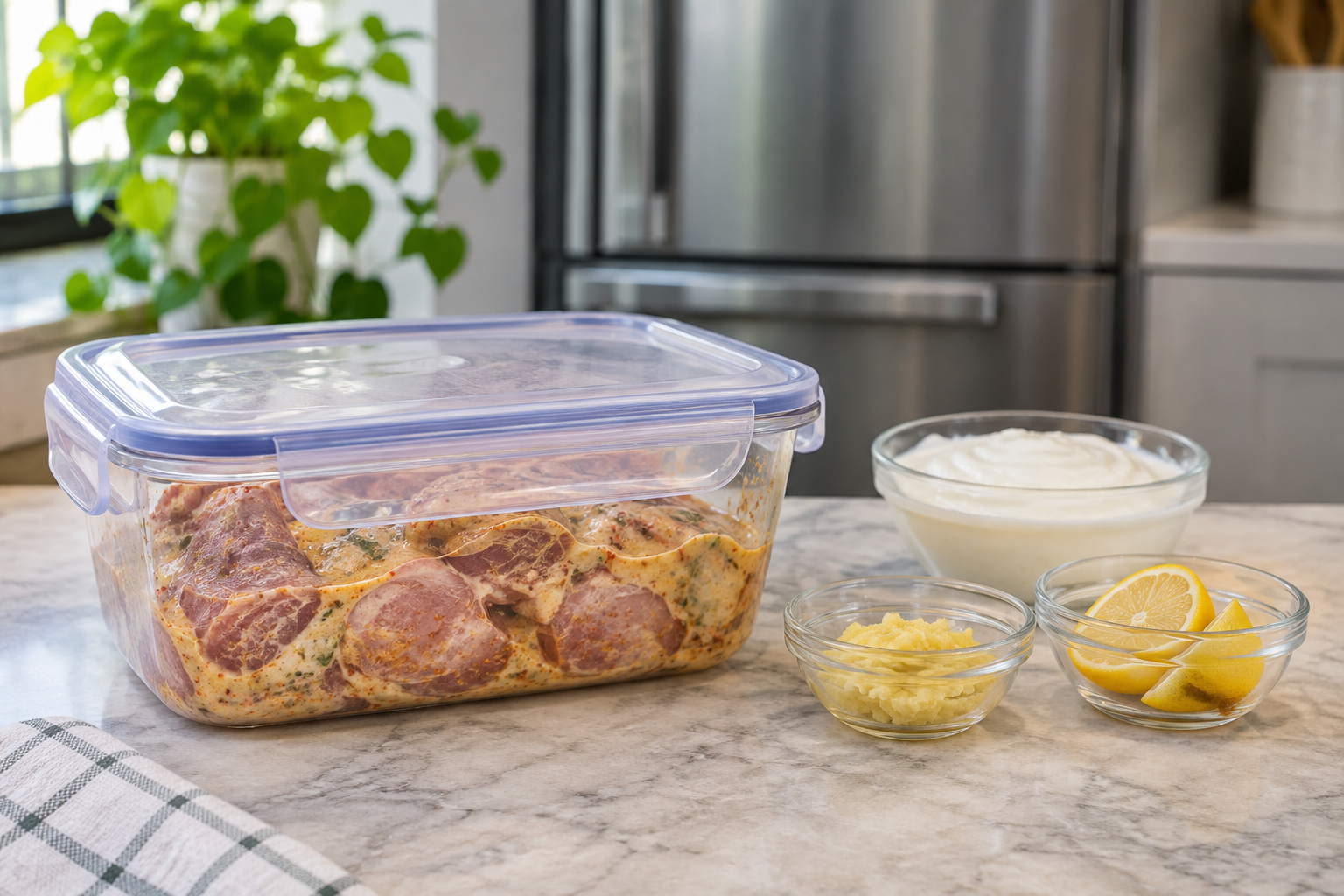 Meat Marinades and TenderisingUnderstand yogurt, lemon, salt, ginger and papaya, then match the marinade to the cut and cooking method.
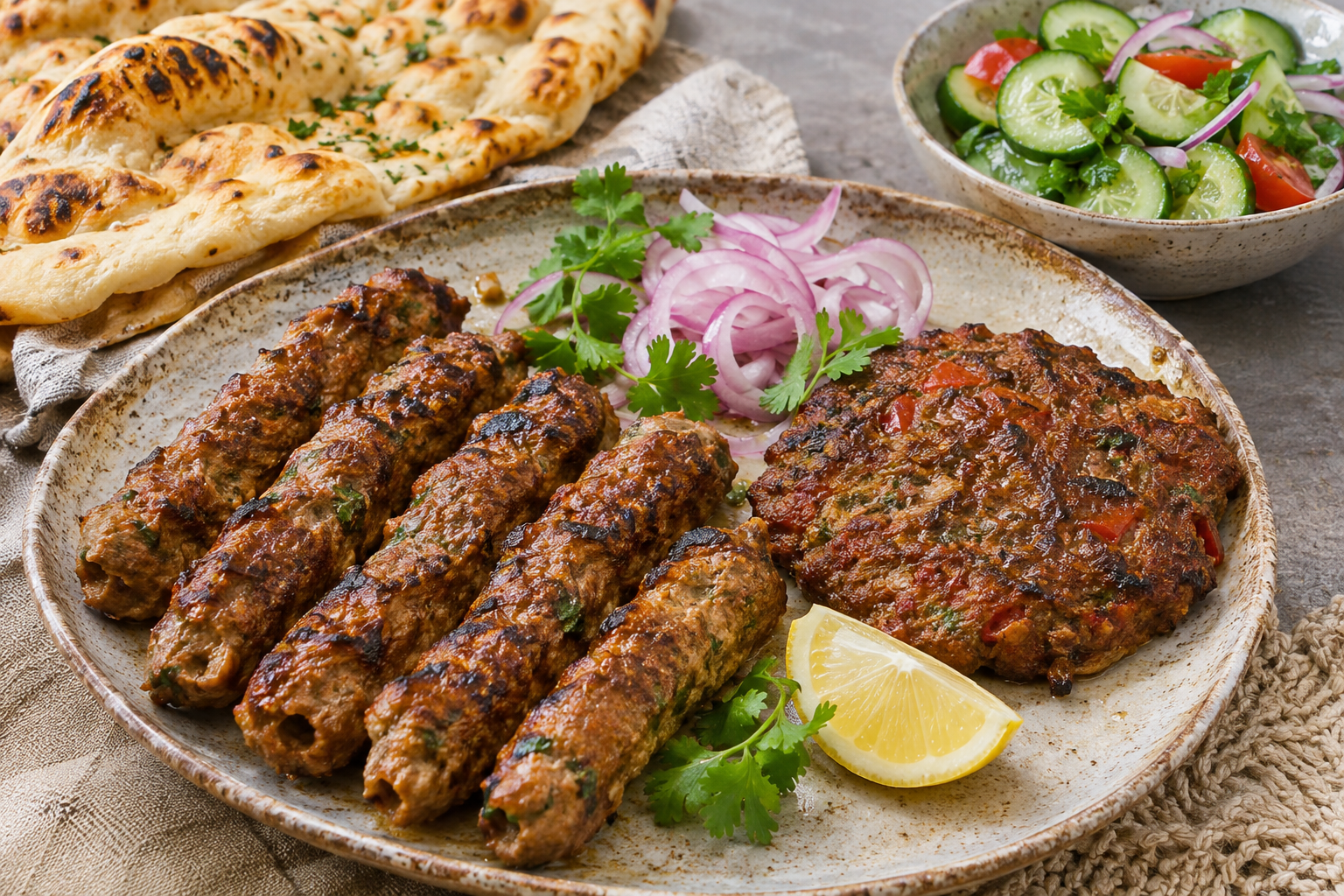 Keema and Kebab GuideChoose mince for everyday keema, seekh and chapli kebabs, and learn how moisture, fat, grinding and handling affect the result.
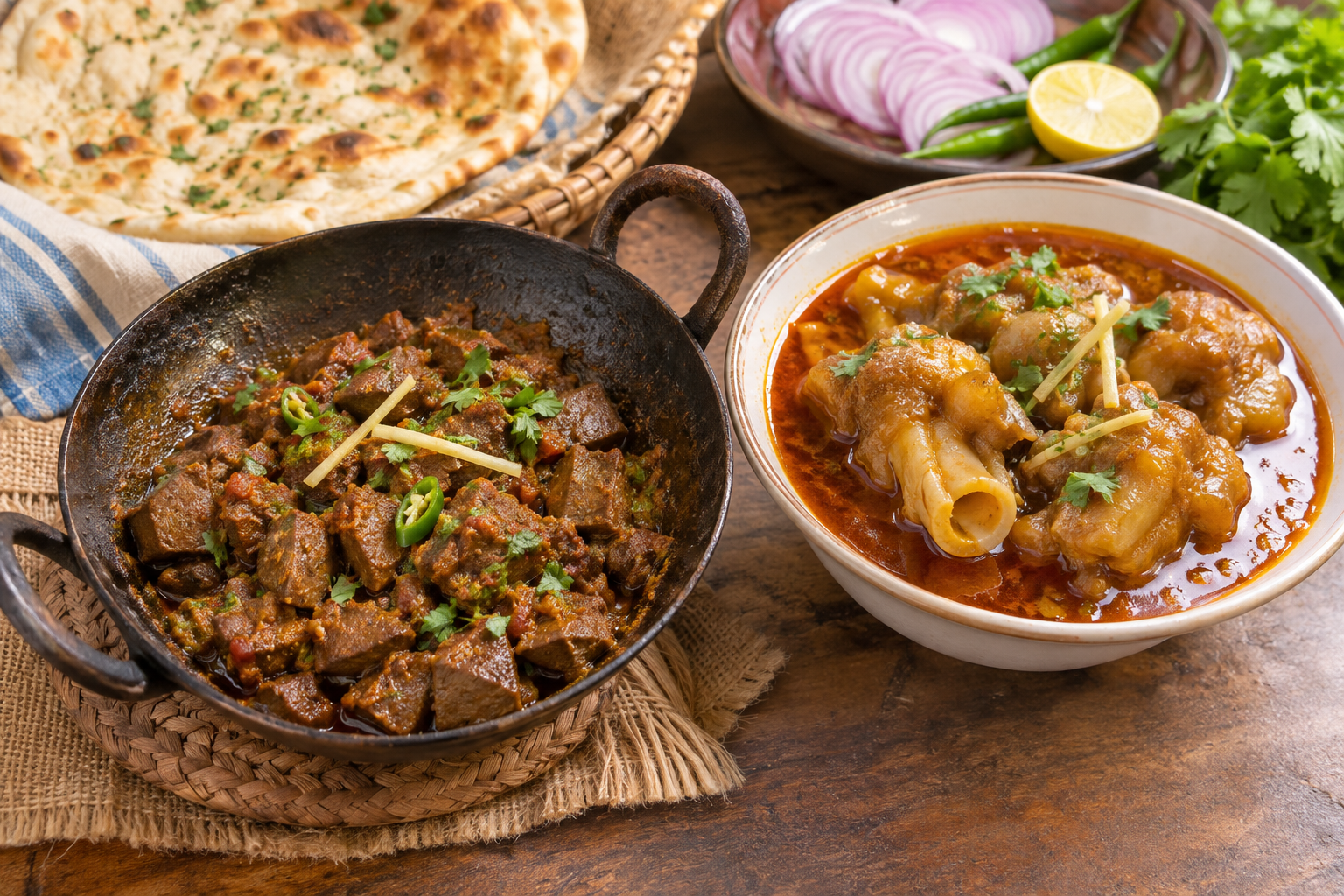 Offal and Paye Cooking GuideA practical guide to kaleji, gurday, heart, tripe and trotters, with separate cooking pathways instead of one method for everything.
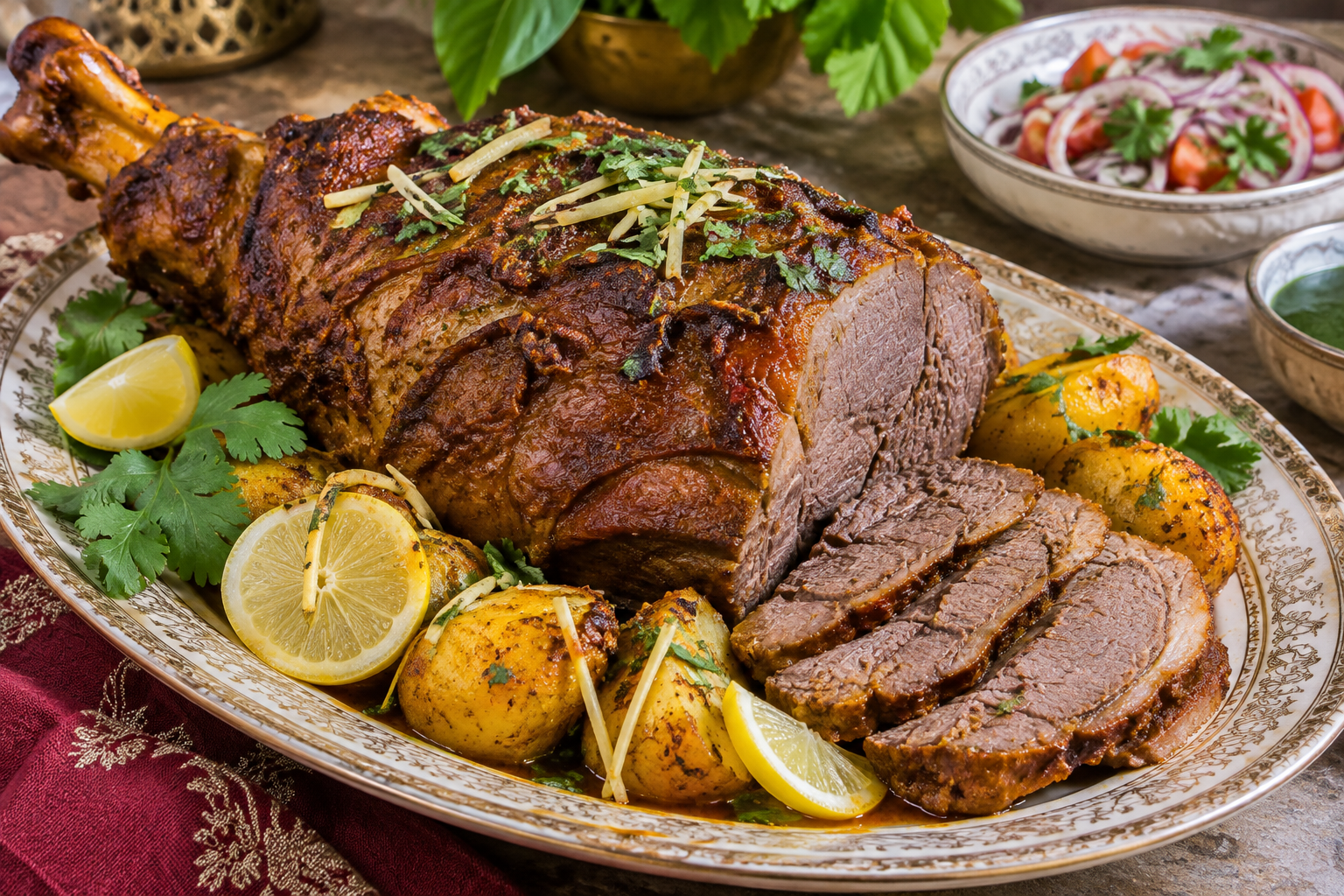 Raan Roast Cooking GuideChoose goat or lamb leg, decide between carved slices and a tender slow-cooked result, and organise a roast meal without guesswork.
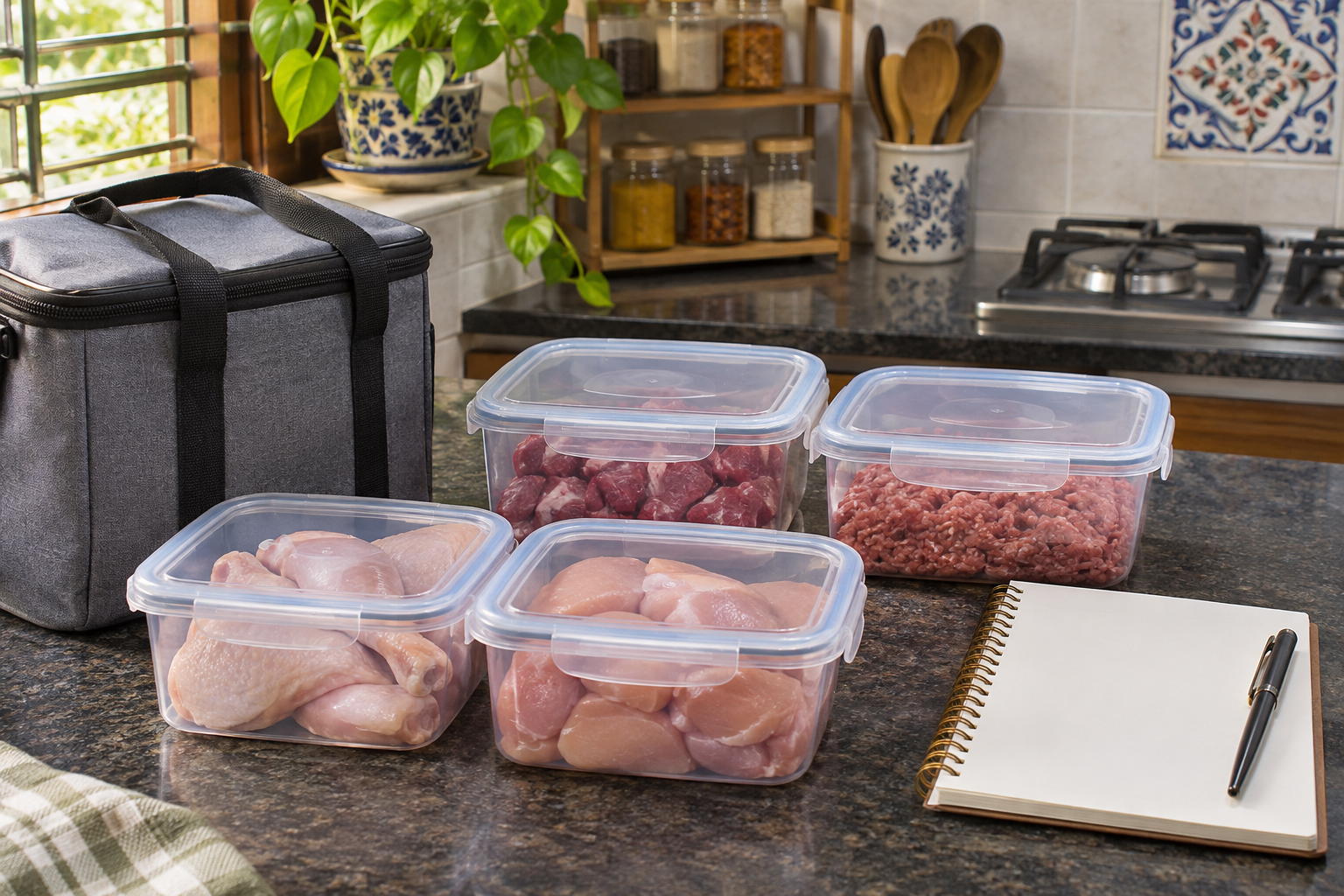 Meat Portions and Meal PlanningEstimate usable portions, compare bone-in and boneless value, and organise a practical cold-storage plan for everyday meals or guests.
Explore individual cuts
Compare the existing cut and ingredient guides before making your shopping list.
Beef cuts and mince
Offal, trotters and stock
Fish and seafood
Build the rest of the meal
Recipes, breads, ingredients and food traditions to complete your menu.
