
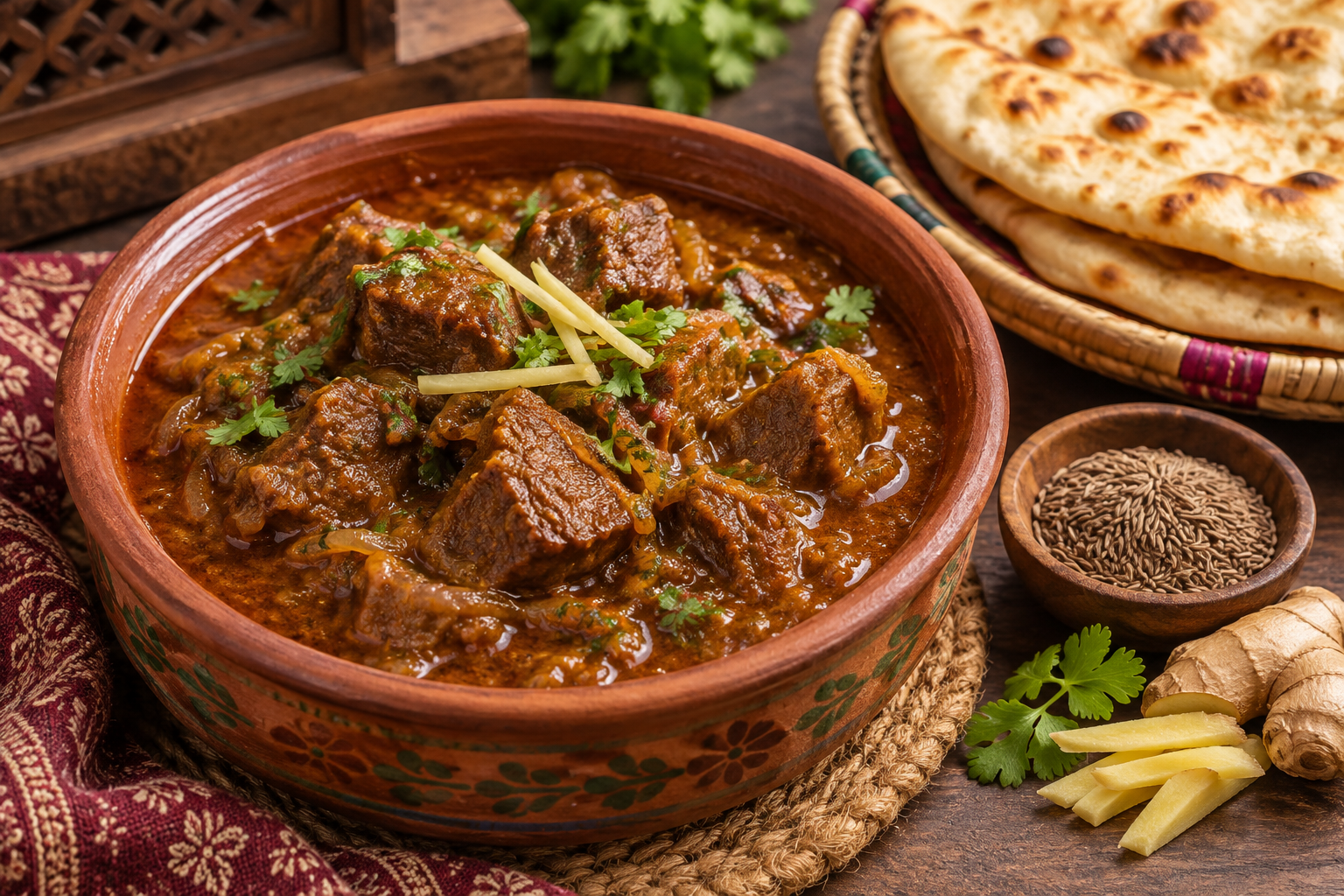
Meat kitchen • Pakistan
Camel Meat in Pakistan: BuyingBenefits and Cooking
Choose camel meat by species, part and handling, with practical cooking, storage and portion guidance and clear limits on nutritional claims.
DailyLife.pk meat kitchen
Camel meat: clear identity and realistic benefits
Oont ka gosht is camel meat. Ask for that species explicitly, the actual part and its intended cooking method. A broad bara gosht label does not answer those questions. Colour, size and a photograph of cubed meat cannot authenticate the animal. Choose a supplier who can describe sourcing and maintain chilled handling, especially when buying from a seller you have not used before.
Camel meat varies with muscle, age and handling. A primary study of young Najdi dromedaries found differences in tenderness with age and controlled post-mortem ageing. That is useful evidence that the animal and handling matter, not a promise that an unknown local order is tender or a reason to age meat at home. Dromedary camel meat study.
Camel muscle meat can contribute protein, iron, zinc and vitamin B12. Its value is as part of a varied meal: add vegetables, pulses or whole grains, and choose the amount of added oil deliberately. Fat content depends on the actual cut, trimming and recipe; a species name or a dark red colour cannot establish that a portion is lean. A dish with a large layer of ghee is different from a modest serving of trimmed meat. World Cancer Research Fund describes both these nutrients and the limits of red meat.
All mammalian muscle meat counts as red meat, so cattle, buffalo, camel, goat and lamb share the same weekly allowance. WCRF recommends that people who eat red meat limit it to about 350–500 g cooked weight per week and eat little, if any, processed meat. This is an international cancer-prevention recommendation, not a Pakistani recommended daily allowance or an individual treatment plan. Plain fresh mince is not automatically processed meat; curing, smoking and preservation change the category. Meat is optional in a balanced diet, and extra servings are not a treatment for tiredness, anaemia or any other illness.
Choose a preparation by the part, not the species name
Begin with a small purchase of a clearly described cut. Shoulder and leg-style pieces from a mature animal can need patient moist cooking; a tender muscle from a suitable young animal may behave differently. Ask the butcher to identify the whole piece before dicing and to remove heavy membrane. If the seller cannot give a useful description, choose a forgiving thoroughly cooked curry rather than making a quick-steak promise.
For a slow curry, request even-sized pieces so they soften more consistently. Build the masala separately as the recipe directs and give the meat a covered moist stage before reducing the sauce. For a shredded dish, confirm the pieces are boneless or remove every bone after cooking. Do not beat a haleem-style mixture while small bones remain in it.
For mince, agree on the selected meat, grind and added fat. A lean mixture may work in keema with a moist onion and tomato base; kebabs need a recipe suited to its binding and moisture. Keep the mixture chilled between batches and do not use tenderiser to compensate for unknown meat quality. Plain fresh mince is a preparation format, while preserved sausages and cured products need a different nutritional and safety assessment.
Hump fat is a separate fatty ingredient, not the same as a portion of muscle meat. If a dish uses it, ask how much has been added and account for it when planning richness and portions. Do not infer that a lean-looking muscle makes the finished dish low in fat. Added oil, ghee and fat trimming all matter.
For grilling, ask for a suitable tender muscle, uniform thickness and product-specific cooking instructions. Use a small trial and cook thoroughly. Cattle sirloin or shank photographs linked elsewhere on this site are references for those cattle articles; they do not prove camel cut identity. There is no need to invent a camel anatomy chart from an attractive food arrangement.
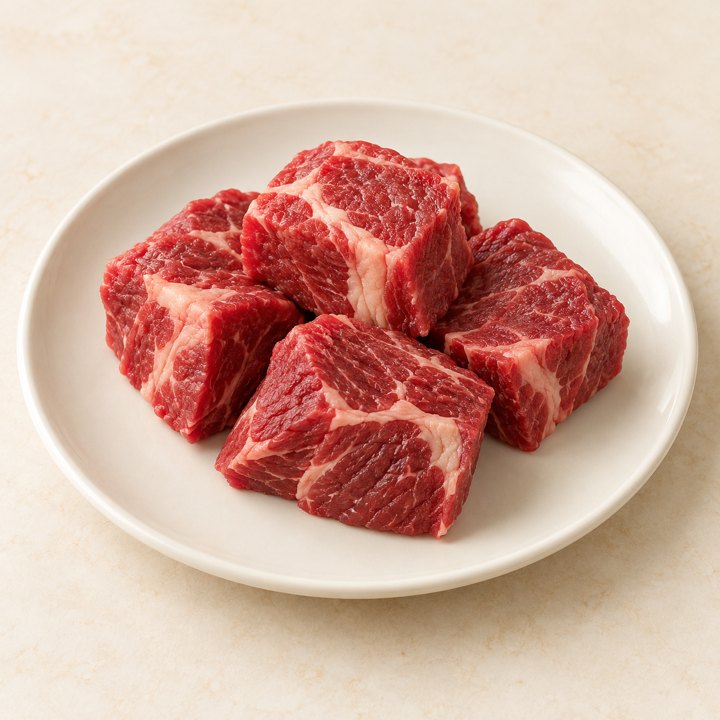
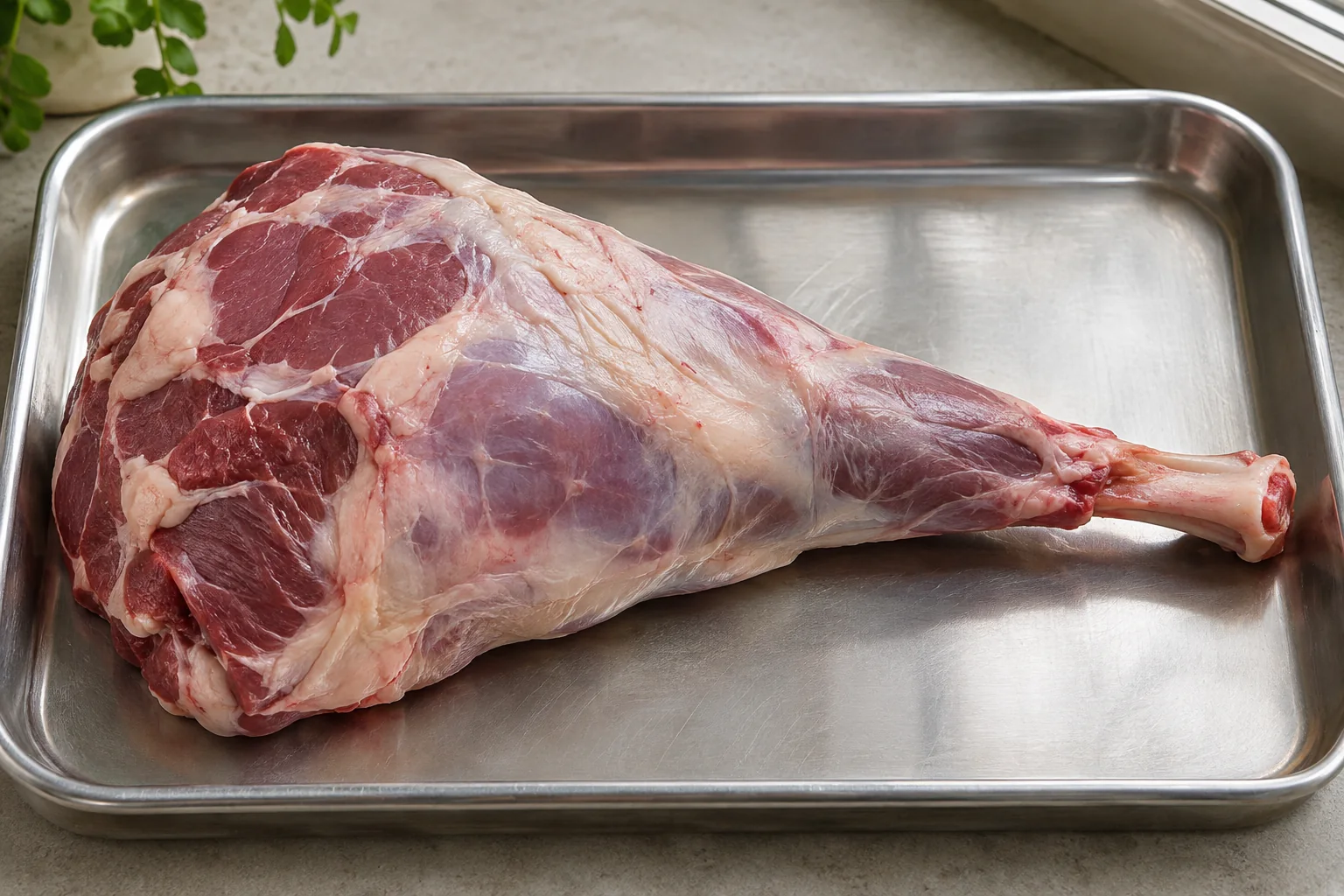
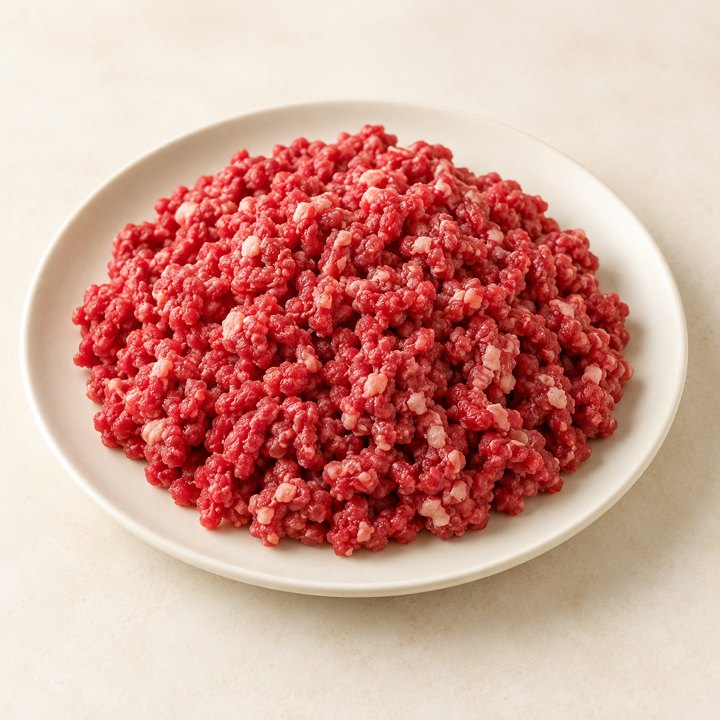
The individual-cut photographs below are comparisons from other named animals. They illustrate the buying format and cooking choice, not verified buffalo or camel anatomy, texture or composition. Ask your supplier to identify the actual piece before cutting.
Shoulder: cattle chuck comparison
Leg: lamb leg comparison
Mince: cattle beef comparison
Hump fat: a separate-fat ingredient comparison
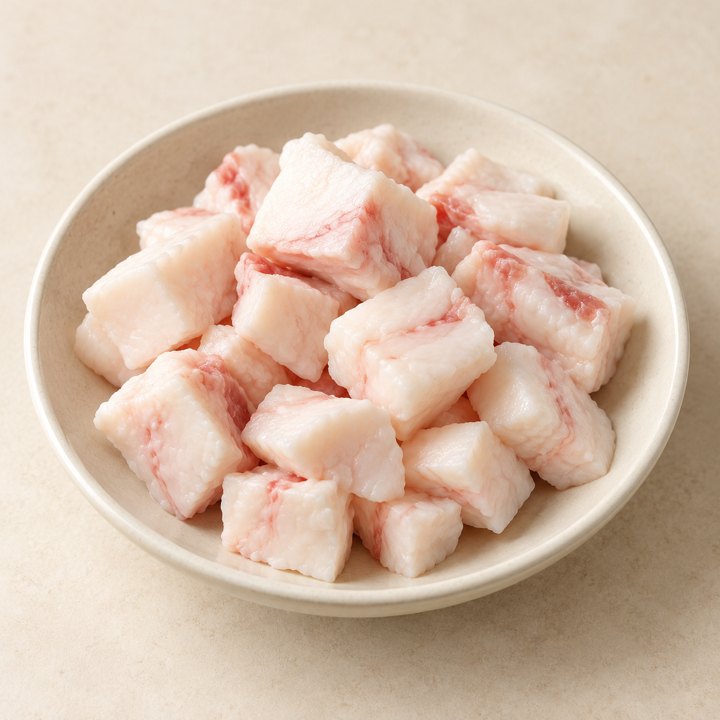
Buy a named part from a transparent supplier
Try an order such as: “Oont ka gosht, curry ke liye; hissa bata dein, pieces barabar aur charbi alag.” Ask for the cut to be shown before chopping. Clarify whether the quoted weight includes bone, membrane or hump fat and whether trimming is charged. For mince, ask about species mixing and whether the grinder is cleaned between orders.
Compare the usable portion and the intended meal, not only the raw kilogram price. A very bone-heavy order may feed fewer people than boneless meat at a higher sticker price. A premium for a young-animal claim makes sense only when the retailer can provide useful sourcing information. Size or colour cannot establish age.
Buy a modest test quantity from an unfamiliar source before planning a large family meal. Ask about traceability, chilled storage and the retailer’s product-specific cooking instructions. If those answers are vague, choose another supplier. Avoid broad disease-cure claims as a reason to buy: meat is food, and traditional claims do not demonstrate that eating a particular species treats a medical condition.
Plan collection, transport and storage before shopping
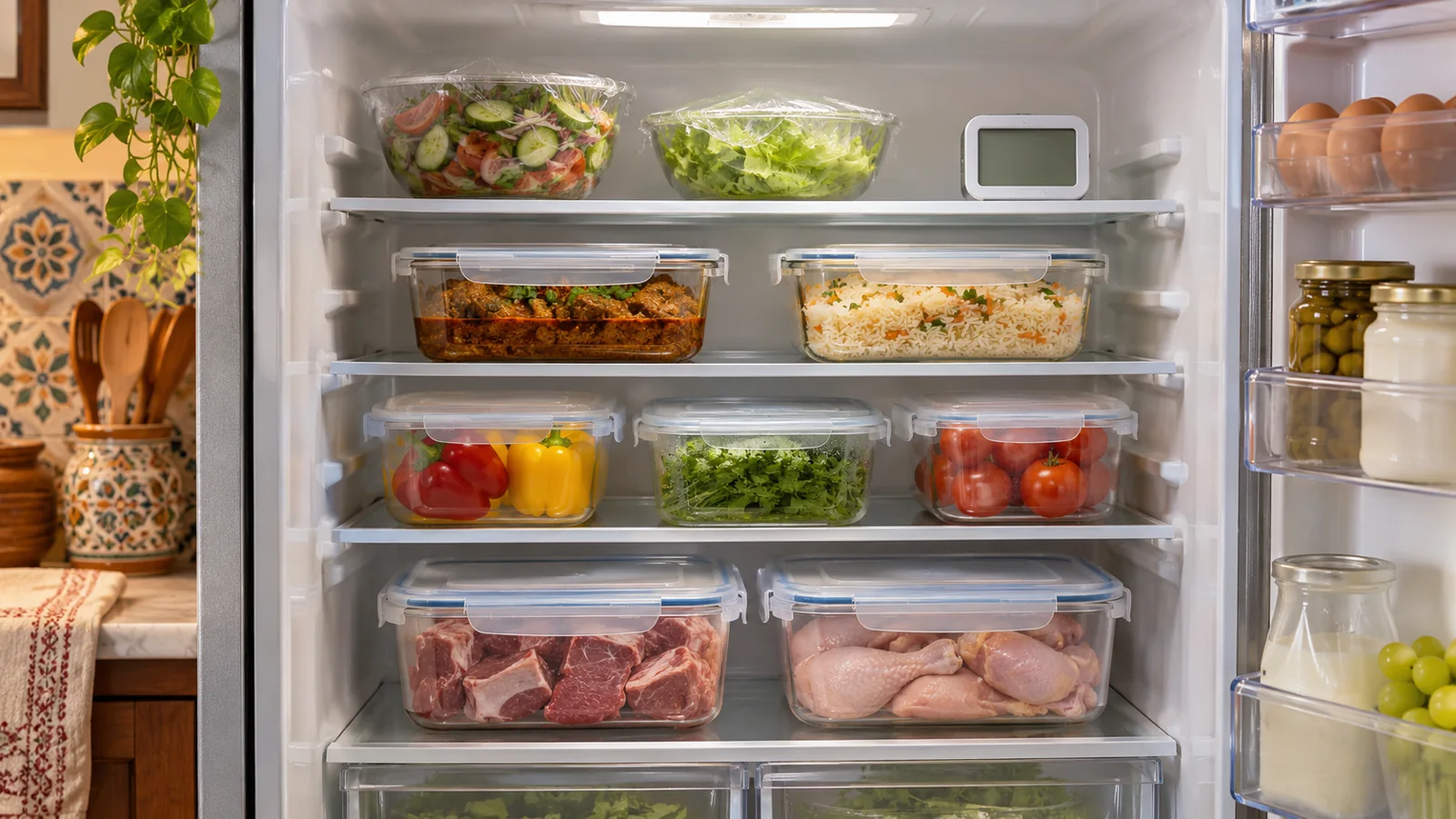
Availability varies locally, so reserve the part you need and ask how it will be held before collection. There is no national best hour or season that guarantees quality. A seller should be able to explain substitutions and give a clear species description. For delivery, make sure someone can receive and refrigerate it immediately; do not schedule chilled meat to sit outside.
Take an insulated bag and ice packs, collect meat last and go directly home. Check packet instructions before dividing the order. Separate raw meat from bread, fruit and ready-to-eat food. A clean surface and good wrapping matter, but they cannot replace continuous chilling. If a delivery has an unreliable temperature history, cooking later is not a dependable rescue.
Collect meat last in the shopping trip and carry it home in an insulated bag with ice packs. Food-safety guidance says to refrigerate perishables within two hours, or within one hour when conditions exceed 32°C; this is a maximum limit, not permission to leave a delivery in the sun. Reject a delivery whose temperature history cannot be trusted. Smell and colour cannot prove that harmful bacteria are absent. FDA handling guidance.
For Eid distribution, sort by intended use as you work and put small packs into chilling promptly. Do not leave all the meat spread out until every parcel has been made. Give recipients the species and cut description and a chilled handover. Avoid overloading a refrigerator with tightly packed warm bags; cold air must circulate. Clean the work surface before preparing vegetables or ready-to-eat food.
A careful first curry and the limits of temperature charts
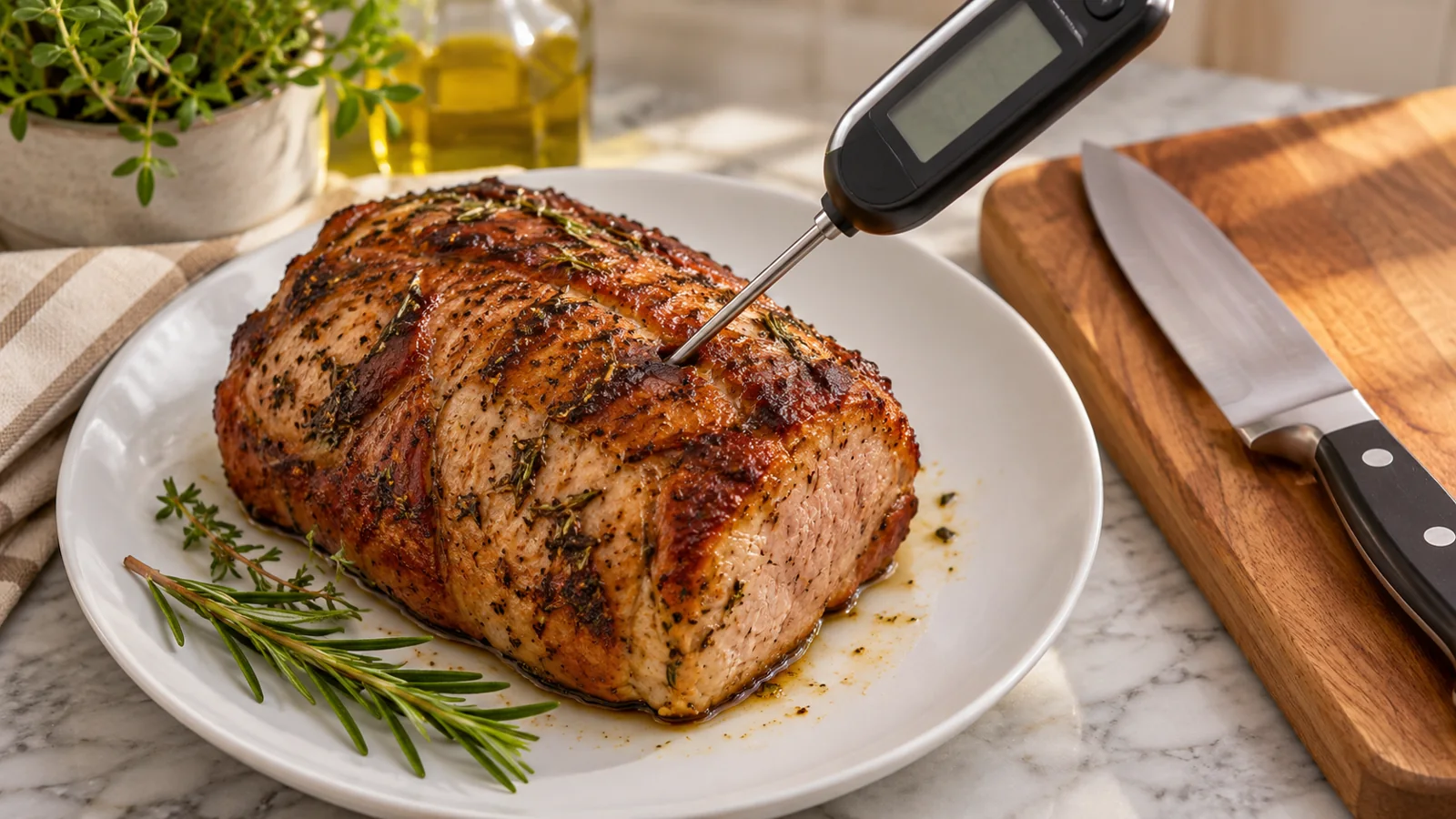
Use a tested thoroughly cooked recipe, a manageable batch and evenly cut pieces. Prepare the aromatic base, brown meat in batches if required, and add the specified liquid. Keep the covered pot at a gentle simmer and check that it is not drying out. Test a thick piece for tenderness before the final sauce reduction; do not mistake a browned surface for a finished cook.
A pressure cooker can make a moist stage more convenient, but its instructions remain essential. Follow its fill limits, minimum liquid and release method. Time depends on cut, animal, size, equipment and desired texture. A fixed number of whistles is not a thermometer or a universal camel-cooking schedule. Extend cooking in controlled stages if the connective tissue remains chewy.
If a recipe uses yoghurt or lemon, marinate under refrigeration in a covered container. Papaya and other enzyme tenderisers need a tested quantity and duration; more can produce a mushy outside without resolving the centre. Keep raw marinade away from cooked food unless it is handled and cooked according to a safe recipe.
Use a tested preparation that cooks the meat thoroughly and follow the supplier’s product-specific safety instructions. The widely circulated USDA temperature table explicitly lists cattle beef and certain other meats; it does not name water buffalo or camel. Do not present its 63°C steak rule as a species-specific validation for serving these meats rare. If a retailer cannot provide reliable guidance, choose a thoroughly cooked curry or braise rather than rare steak. A thermometer remains useful for checking the centre, but colour, a dark crust and tenderness cannot by themselves certify safety.
Keep raw meat, knives and boards separate from salad and cooked food. Wash hands and equipment after handling; do not wash meat under the tap, which can spread contaminated splashes. Lemon, salt, chilli, yoghurt and papaya season or change texture but do not make an unreliable cold chain safe. FDA home food-safety advice.
Separate texture expectations from food safety
Chewy meat from a connective-tissue-rich part can need a longer moist stage. Lean pieces that are already dry need a different serving solution, such as thin slices in sauce; hard boiling cannot replace lost moisture. If a batch contains mixed parts, remove pieces that are ready while continuing to cook those that need more time, using clean utensils and safe hot holding.
Camel is not automatically leaner than every beef cut, and no single fat figure describes every animal and preparation. Choose the actual piece, trim deliberately and control added fat. Studies of young animals or one muscle cannot establish a special health effect for every shop purchase. No cure for diabetes, high blood pressure, anaemia or another illness is promised here.
Smell and appearance may reveal obvious deterioration, but their absence does not prove safety. Do not taste uncertain meat and do not rely on chilli, vinegar or prolonged cooking to repair an unsafe history.
Keep raw meat at 4°C or below in a covered leakproof container, separate from ready-to-eat food. Ask for product-specific refrigerated storage and cooking instructions and follow the labelled use-by date. The US chart for cattle beef does not separately validate water buffalo or camel storage and rare-cooking instructions. Do not give this meat a longer shelf life because of the species. If instructions or previous chilling are uncertain, buy only what you will cook promptly; freezing cannot undo unsafe handling. FoodSafety.gov explains the importance of cold storage.
For longer storage, freeze promptly in meal-sized packs at −18°C or below with species, cut and date marked. Thaw under refrigeration on a drip-catching tray. Keep cooked and raw containers separate. Divide leftovers into shallow containers and refrigerate promptly, following the shorter applicable label or handling advice. Never keep an unfamiliar meat warm to “mature” it, and do not experiment with home ageing.
Reheat leftovers to 74°C throughout, as specified by FoodSafety.gov.
Serve modest portions and keep useful kitchen notes
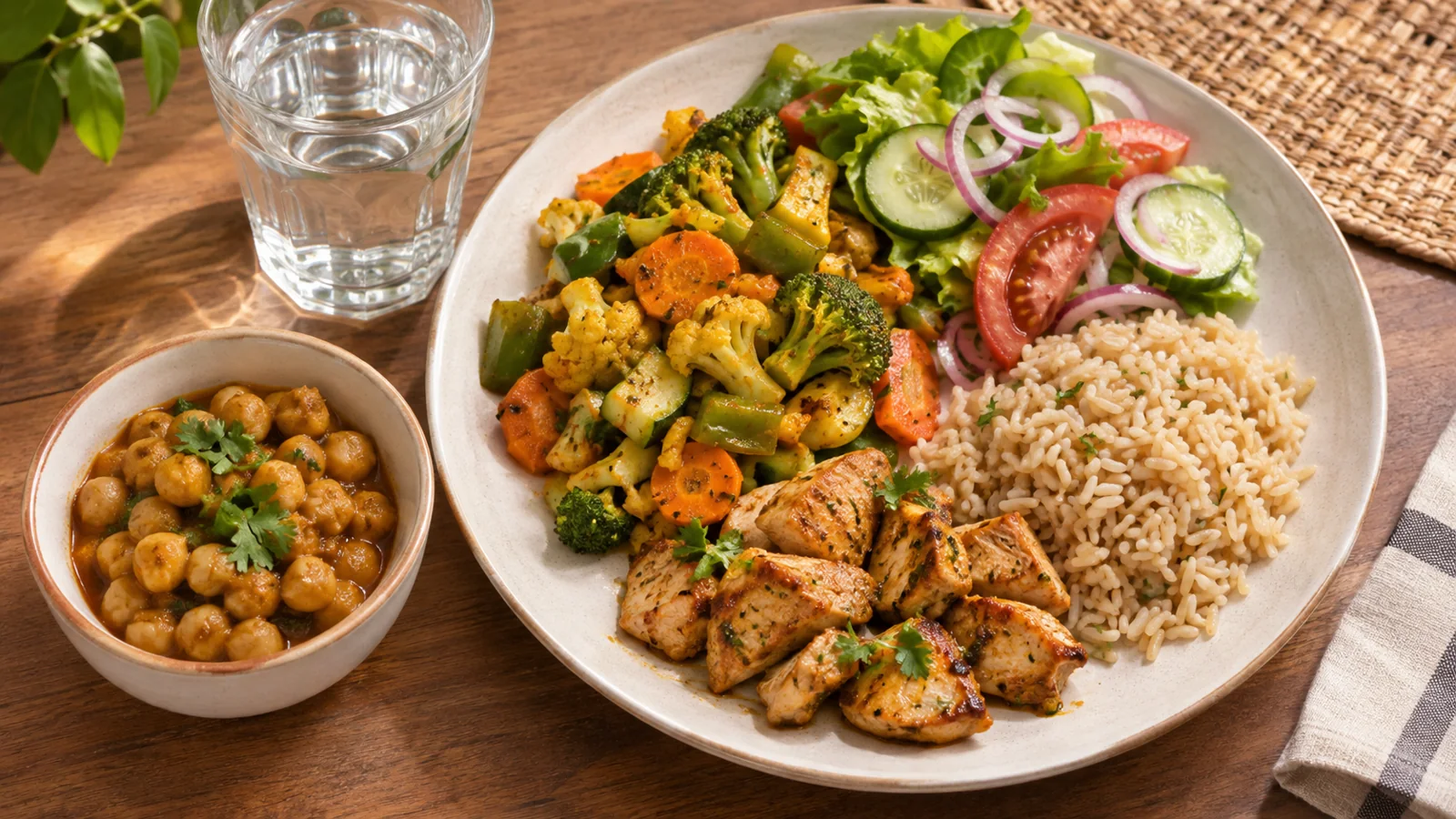
Make camel meat one component of the meal rather than the whole plate. A curry with vegetables and a measured portion of rice or roti can be easier to balance than an unlimited meat serving. Across the week, count camel, cattle, buffalo, goat and lamb together as red meat. The WCRF range is cooked edible muscle meat, so bones and a bowl of gravy are not the measurement.
Note the supplier, named part, raw and usable quantity, and cooking method that worked. That record helps your next purchase without turning one batch into a rule for the species. Read the meat guide index, buying and storage guide and recipe collection to build a practical menu. Choose a fully cooked recipe whose method fits the cut, and keep product-specific guidance with the pack.
Frequently Asked Questions
Does camel meat have proven disease-curing effects?
No disease treatment is promised. Camel muscle meat can contribute nutrients, but it remains red meat and its fat content and tenderness vary. A species name or traditional claim does not establish a medical benefit.
Why is there no universal camel cooking time?
The part, animal, piece size and equipment all affect cooking. Use a tested thoroughly cooked recipe and product-specific safety instructions. Check the centre and tenderness separately; a fixed number of pressure-cooker whistles cannot answer both questions.
How we know this
- Type Explainer
- Sources 3 (2 official/academic)
- Reviewed November 2026
- Disputed points None
3 sources
- Dromedary camel meat quality and age, Asian-Australasian Journal of Animal Sciences / PubMed Central
- Camel age and cut study, Meat Science / PubMed
- Meat cuts and cooking methods, FAO
