
Meat kitchen • Pakistan
Chicken in Pakistan: PartsBenefits, Buying and Cooking
Choose every useful chicken part for the right dish, understand nutrition and limits, and shop, chill and cook poultry safely.
DailyLife.pk meat kitchen
Broiler, desi and what the name actually tells you
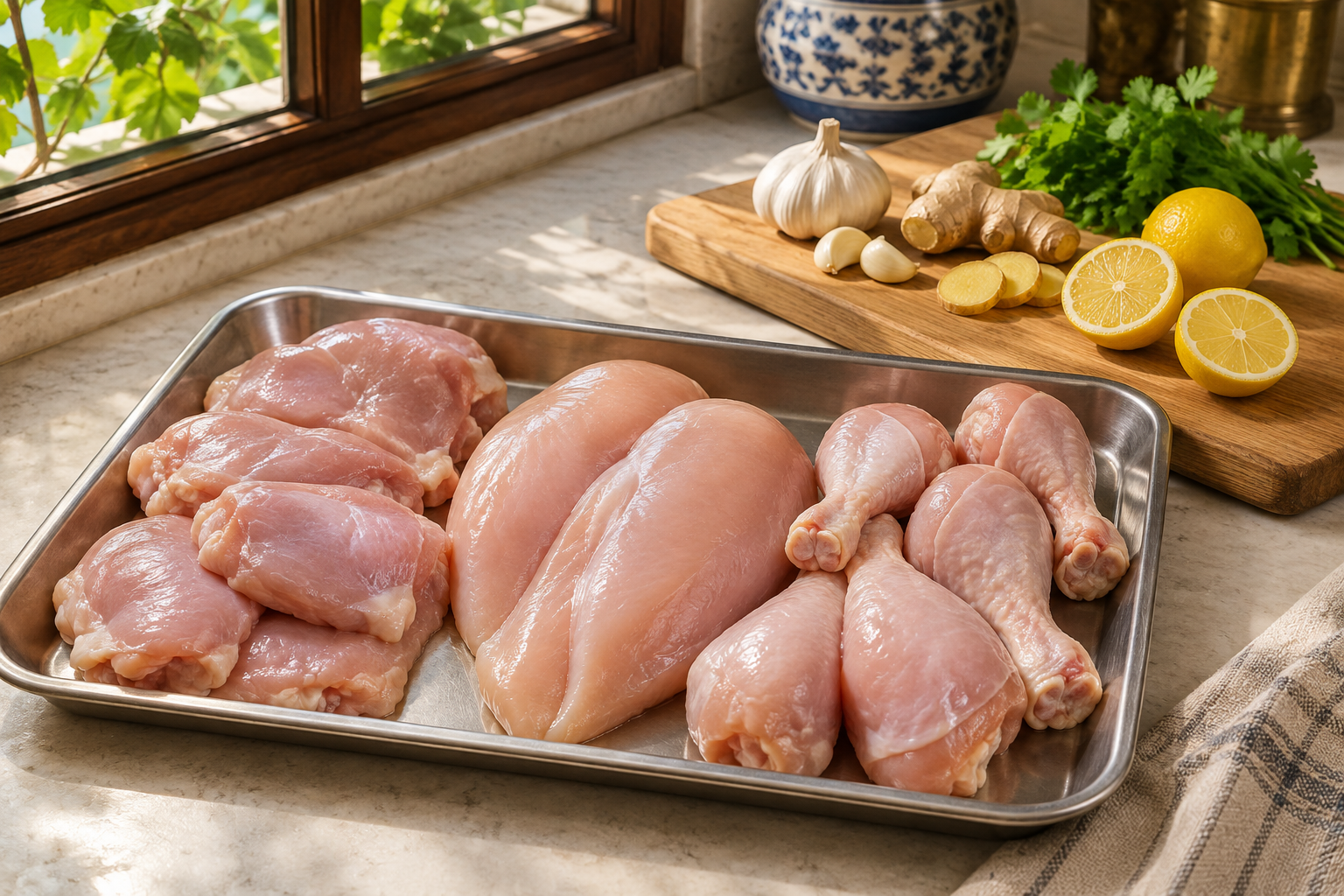
Chicken, or murghi, is useful because different parts suit very different jobs. Breast gives a lean, mild bite; legs are more forgiving in curries and tikka; wings offer skin and a small amount of meat; selected stock parts can flavour yakhni. Buying the right part often matters more than buying a bigger or more expensive bird. Start with the dish, then decide whether you need intact joints, boneless pieces, mince or stock parts.
Broiler usually refers to a bird raised for meat. Desi is used broadly for local or indigenous-style birds, but the word alone does not establish a breed, age, diet, production standard or safety guarantee. Ask what the seller means and whether the bird is young and tender or older and firmer. A firmer bird may suit longer moist cooking; a tender bird is easier for quick tikka. The same clock cannot serve both reliably.
Chicken provides protein and contributes B vitamins and minerals. Skinless meat is a leaner choice than an otherwise similar skin-on serving, while added oil, frying, creamy sauce and salt change the finished meal. Chicken supplies no dietary fibre, so add vegetables, pulses and appropriate grain portions. No cut is a cure, detox or guarantee of weight loss. Price, yellow skin or a desi label cannot by themselves establish superior nutrition. For general diet context, see the NHS discussion of meat in a varied diet.
Which cut to buy for each dish
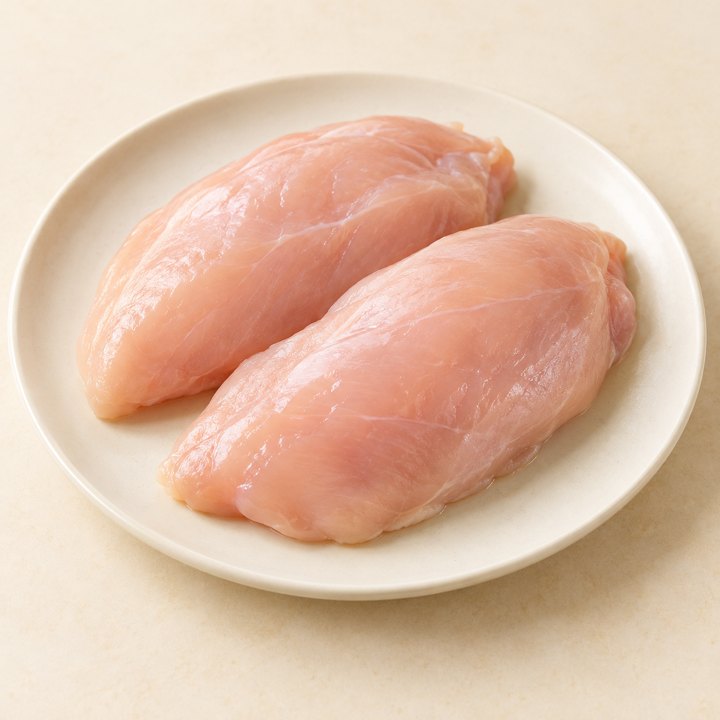
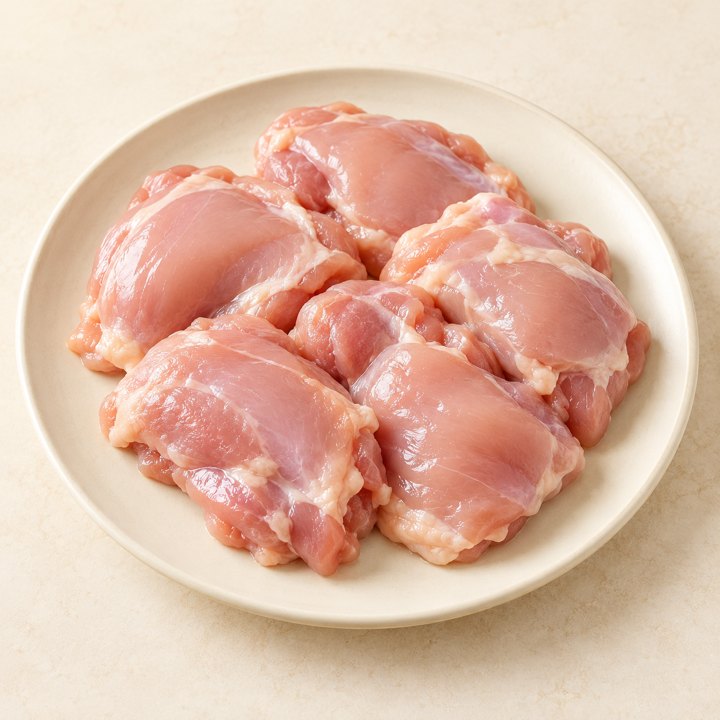
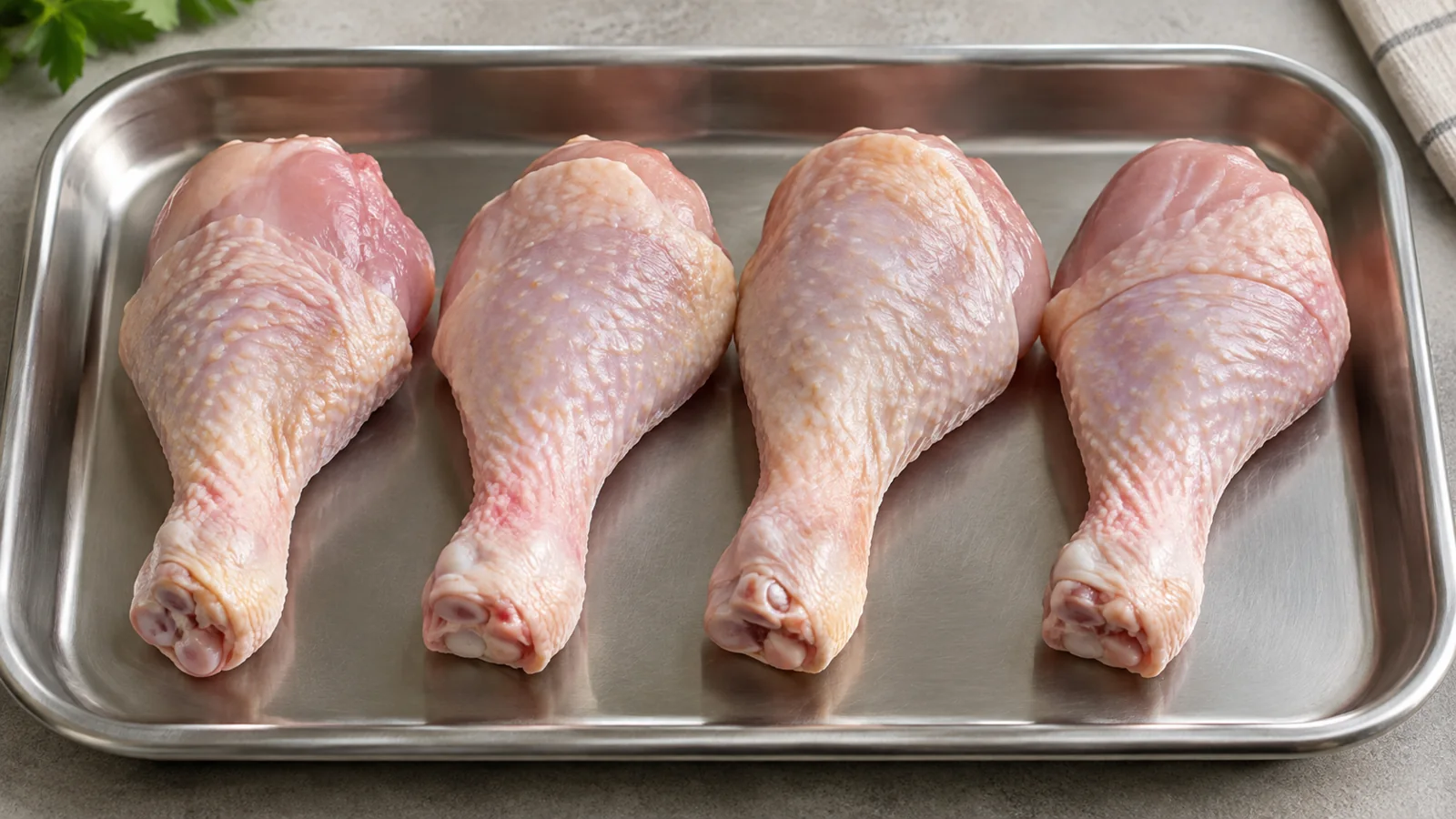
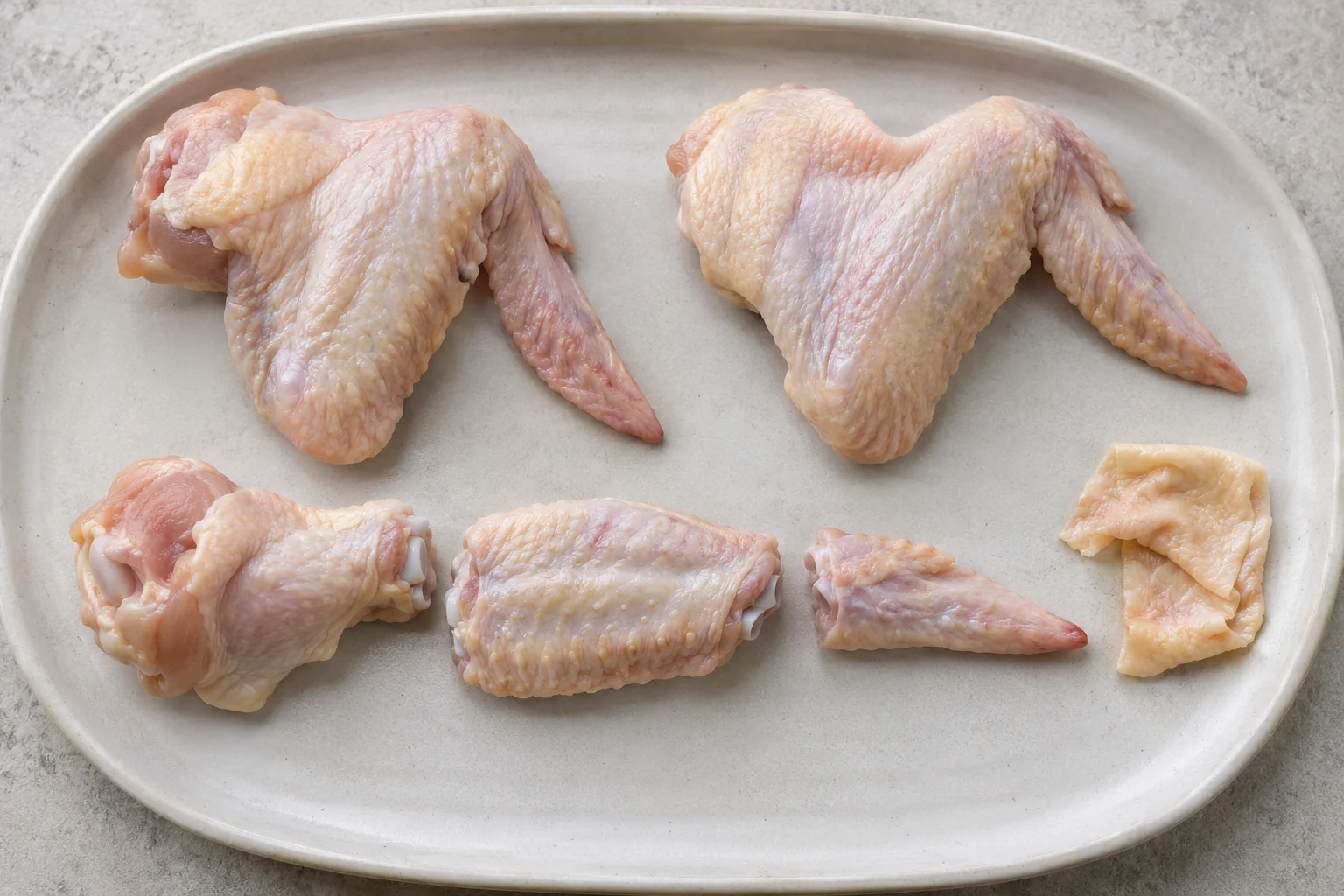
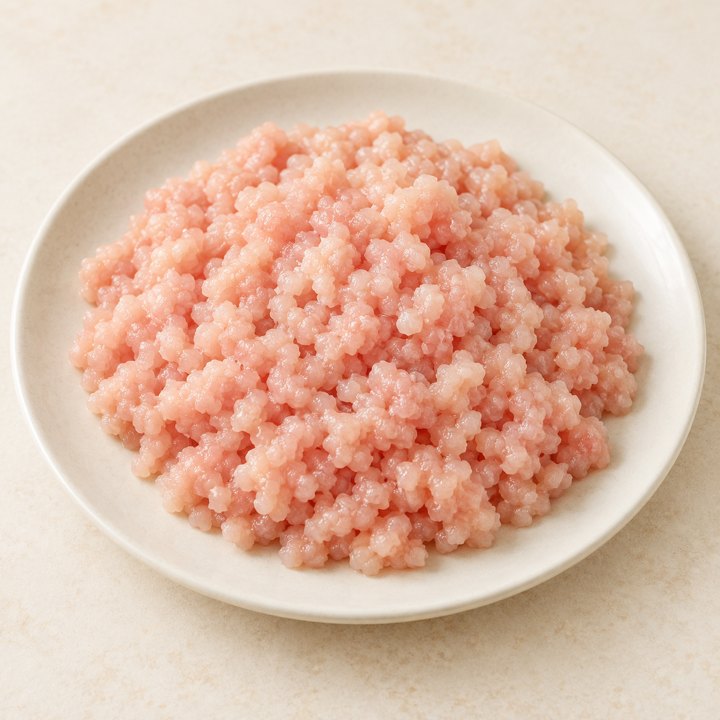
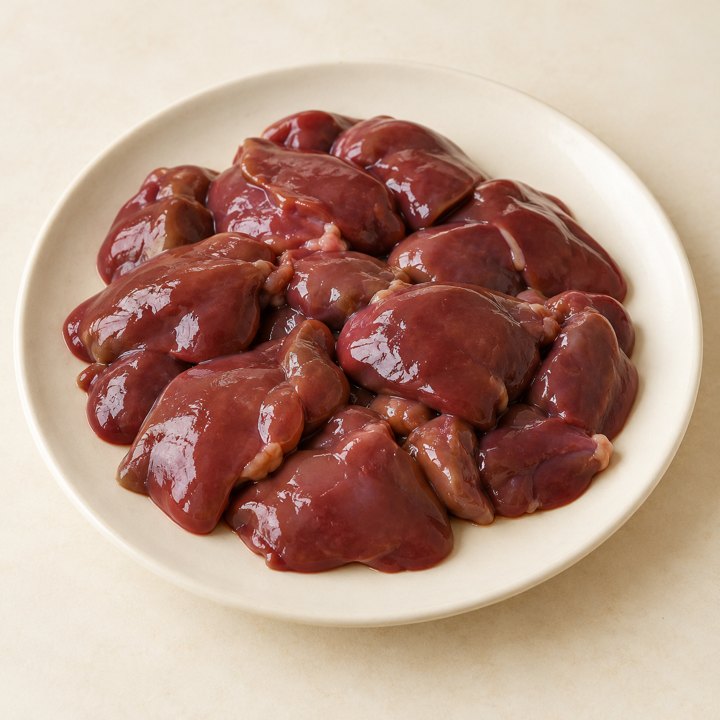
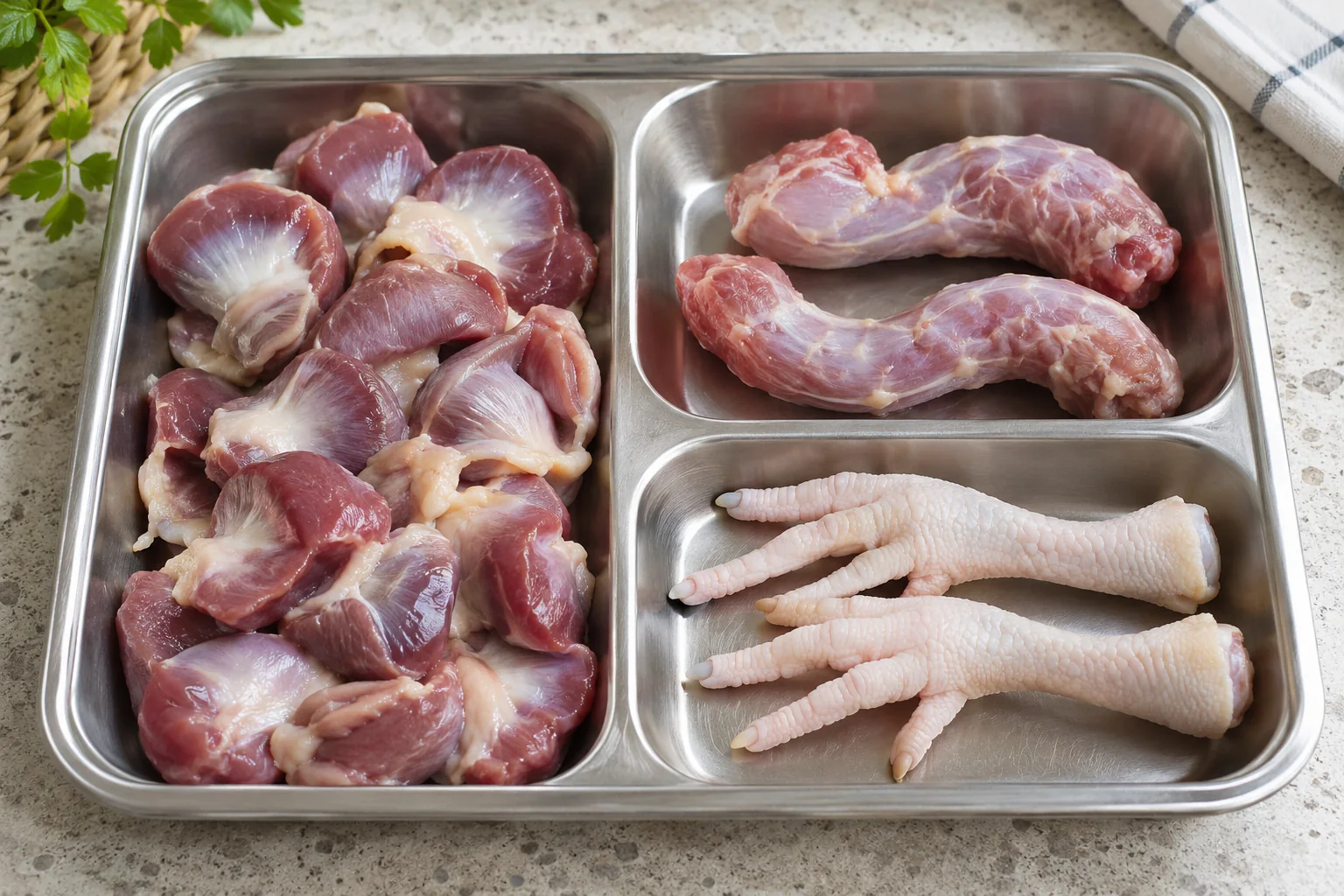
Choose breast for evenly sliced stir-fries, jalfrezi, sandwiches and carefully cooked malai boti. Its tapering shape needs even cutting, and long simmering can make it dry. Choose thigh for forgiving boneless tikka, curry pieces and rich fillings. Bone-in thighs hold their shape in biryani; drumsticks are the lower leg and suit roasting, grilling and curry. Check the thickest part of each large piece rather than relying on browned skin.
Wings comprise drumette, flat and tip. They suit roasting or grilling, but have less edible meat per kilogram than boneless cuts. Skin helps them crisp and adds fat; it is not a special nutritional advantage. Mince can contain breast, thigh, skin or added fat, so ask about its composition before planning kebabs, patties or keema. Fine and coarse mince behave differently in a filling.
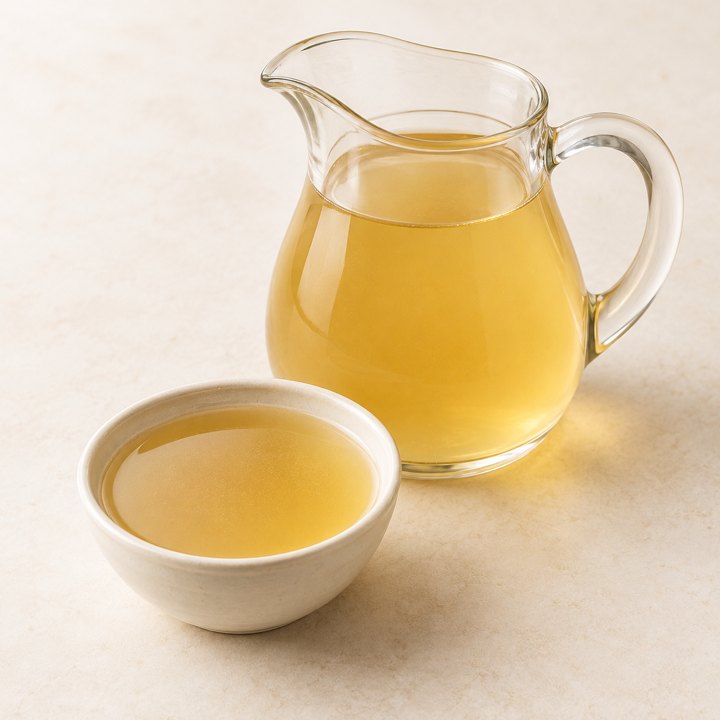
Liver is soft organ meat with a strong flavour and concentrated retinol. Keep it separate from gizzard, which has a different texture. Liver needs thorough cooking and should be avoided during pregnancy. Gizzards are firm muscular organs: simmer gently until tender, then finish in masala if desired; do not apply a quick liver method. Necks, wing tips and cleaned feet can contribute flavour or body to stock; strain carefully and do not confuse broth with a full meat serving. A whole bird is useful for roasting or jointing when you can use its different parts.
How to order and compare value
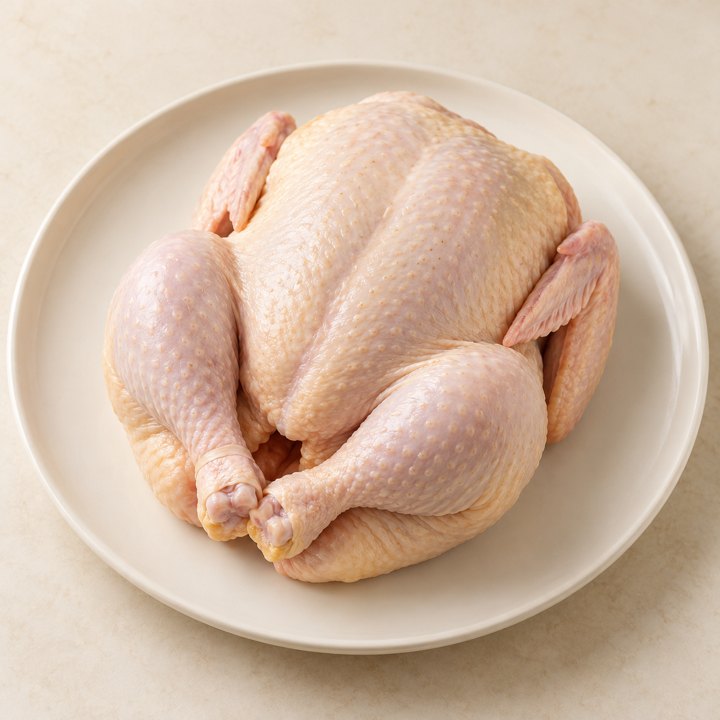
Order in concrete terms: one kilogram of boneless thigh, skin removed, in even tikka pieces, for example. Ask whether the weight and price are before or after deboning and trimming. For a whole bird, ask about dressed weight, neck, feet and giblets, and request the organs separately. For curry cut, ask which parts are included and what size the pieces will be. A low price per kilogram may buy more bone, skin or frame than the dish needs.
Look for protected chilled stock, intact packaging where applicable, clean tools and a seller who can explain sourcing and storage. A busy shop still needs refrigeration. Fresh and frozen chicken can both work when properly handled; a fresh claim does not excuse warm storage. Read packaged ingredients for added salt, water or brine. Smell and appearance can reveal problems but cannot certify a safe cold chain.
Buy chicken at the end of the trip, keep the package away from bread and vegetables and take it home promptly in an insulated bag when conditions demand it. For delivery, arrange a time when someone can refrigerate the order immediately and ask how it stays cold. Report warm arrival, leakage or damaged packaging to the seller rather than washing or heavily spicing the meat in an attempt to fix it. Compare usable yield, convenience and the actual meal, not only the displayed kilogram price.
When to buy and how much to plan
Chicken has no single national buying season that guarantees better meat. Ask a shop about its replenishment and handling rather than assuming morning automatically means fresh or safe. In hot weather, shorten travel and use ice packs in an insulated bag. For a gathering, reserve consistent cuts and sizes, and check that your refrigerator has room before ordering a large batch.
As a kitchen planning estimate, roughly 150–200 g raw boneless meat per adult with substantial sides can be a starting point; appetites, age and menu vary. Bone-in portions need a different allowance because some weight is bone and skin. Count substantial joints as well as weighing them. Wings are best planned by their size and role in the meal rather than the same raw weight as breast.
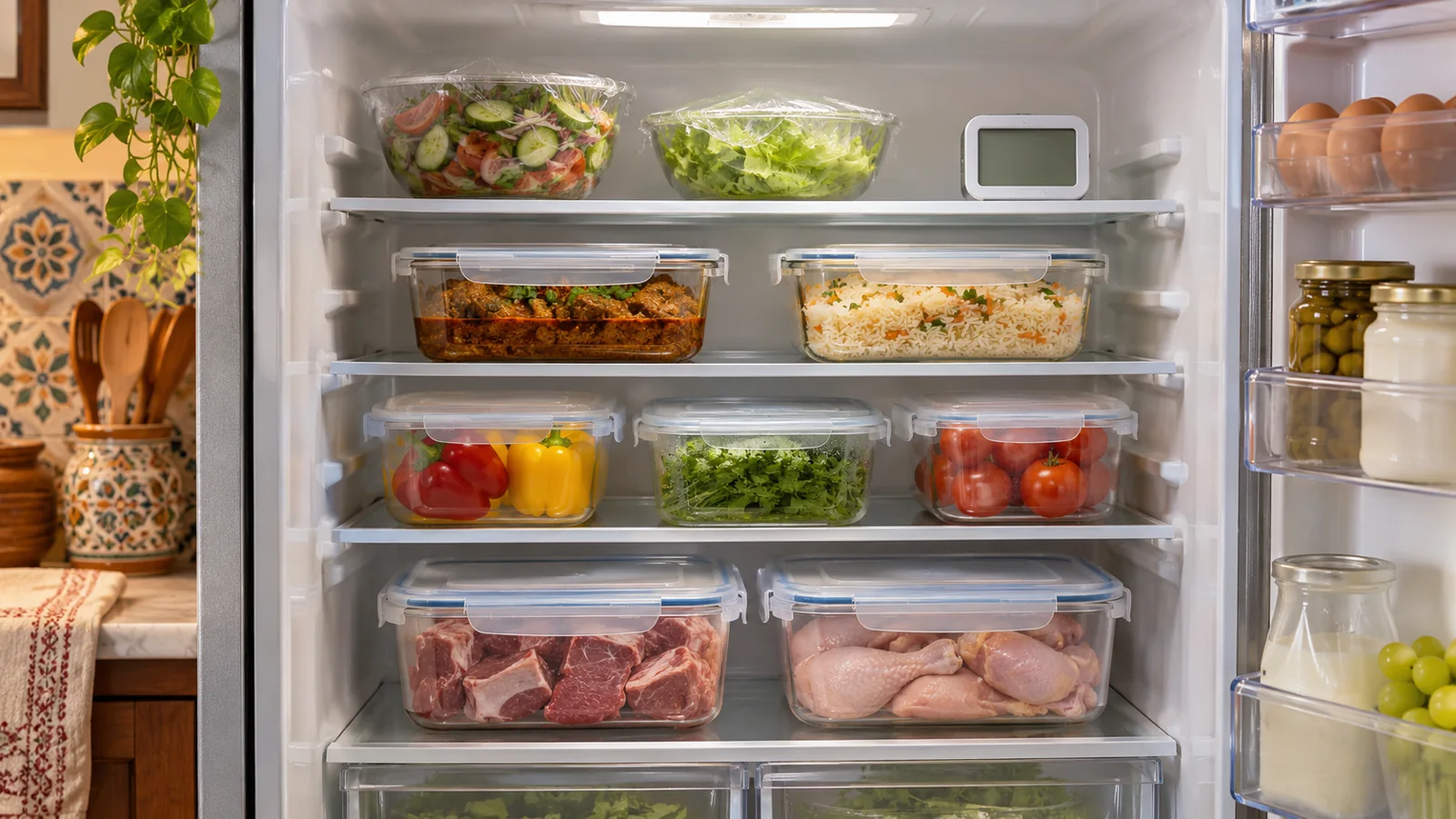
Refrigerate raw chicken in a sealed leakproof container on a low shelf at 4°C or below and use or freeze it within one to two days. Mince, liver and other giblets need the same short window. Label packages with the cut, amount and date, and freeze portions you cannot cook promptly. Thaw in the refrigerator, not on the counter. When using cold-water or microwave thawing, follow official instructions and cook promptly. Marinate under refrigeration. Freezing preserves food but does not sterilize it or undo previous warm storage.
USDA: chicken refrigerator storage; FoodSafety.gov: thawing and chilling
A reliable cooking workflow
Set up a raw-poultry area away from salad, chutney, bread and cooked food. Wash hands and clean tools and surfaces after handling chicken. Do not wash raw poultry: splashing can spread bacteria around the sink. Pat excess moisture with disposable paper when useful for browning, then discard it and clean up. Reserve a portion of marinade before raw chicken touches it if you want a serving sauce.
For curry, prepare the aromatic base, add chicken in manageable batches and control added liquid. For grilling, remove excess marinade, establish hot and gentler zones and move thick pieces away from direct heat if the surface scorches. For roasting, leave room around portions. A whole bird needs several temperature checks, not one glance at the skin. Stuffing cooked inside poultry must also reach the safe target; cooking it separately is simpler.
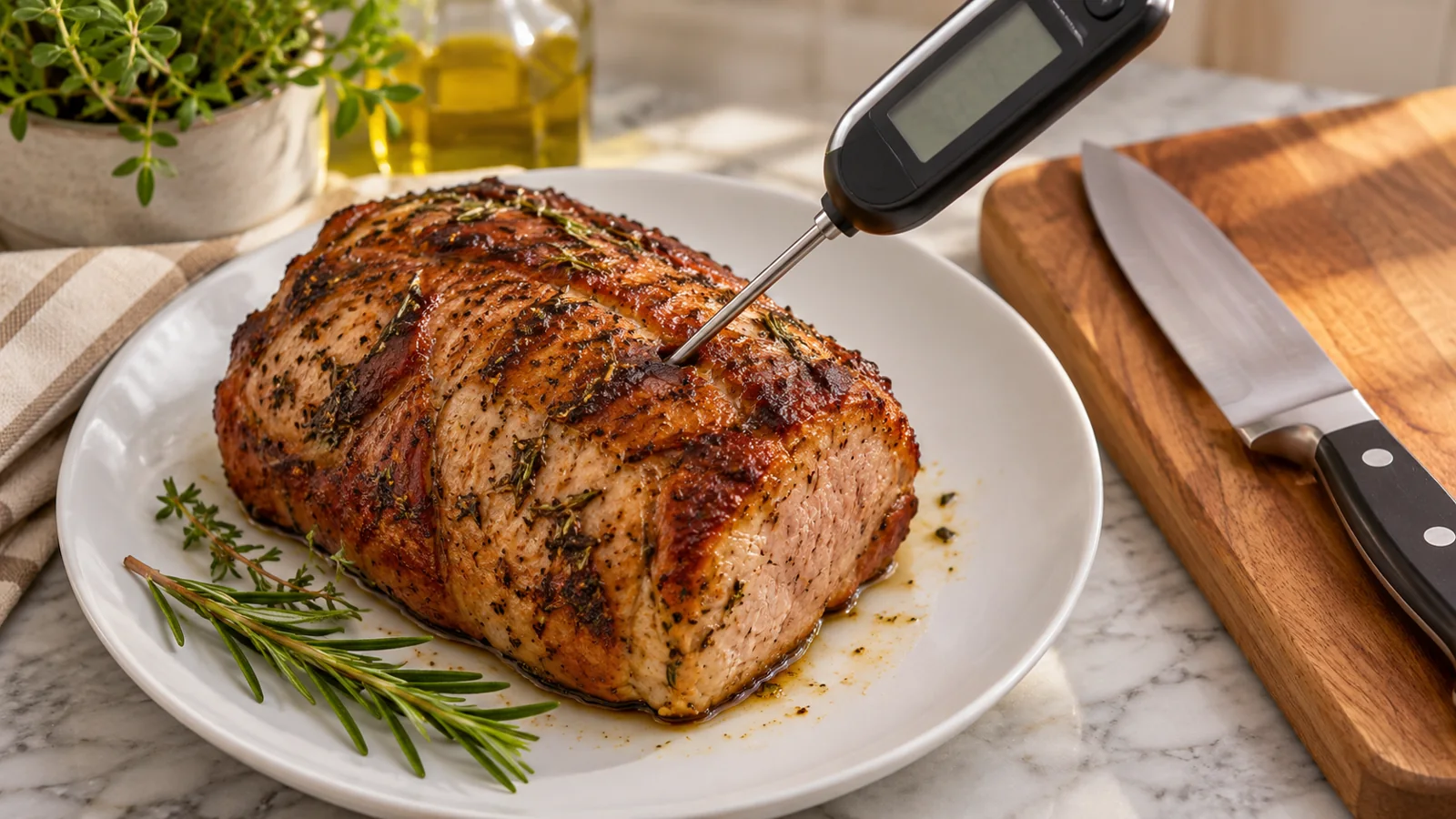
FoodSafety.gov specifies 74°C for all poultry: whole birds, breasts, thighs, drumsticks, wings, mince and giblets. Probe the thickest edible part away from bone, check several large pieces and include the innermost thigh and wing areas of a whole bird. Clear juices, white meat, charred edges and a familiar cooking time cannot replace a thermometer. Once breast is safely cooked, avoid unnecessary extra heating; for thigh or gizzard, additional gentle cooking may improve texture. Safety temperature establishes a minimum, while cut and method determine the preferred eating result.
FoodSafety.gov: all poultry to 74°C; FDA: do not wash raw poultry
Fix dry, watery or uneven chicken
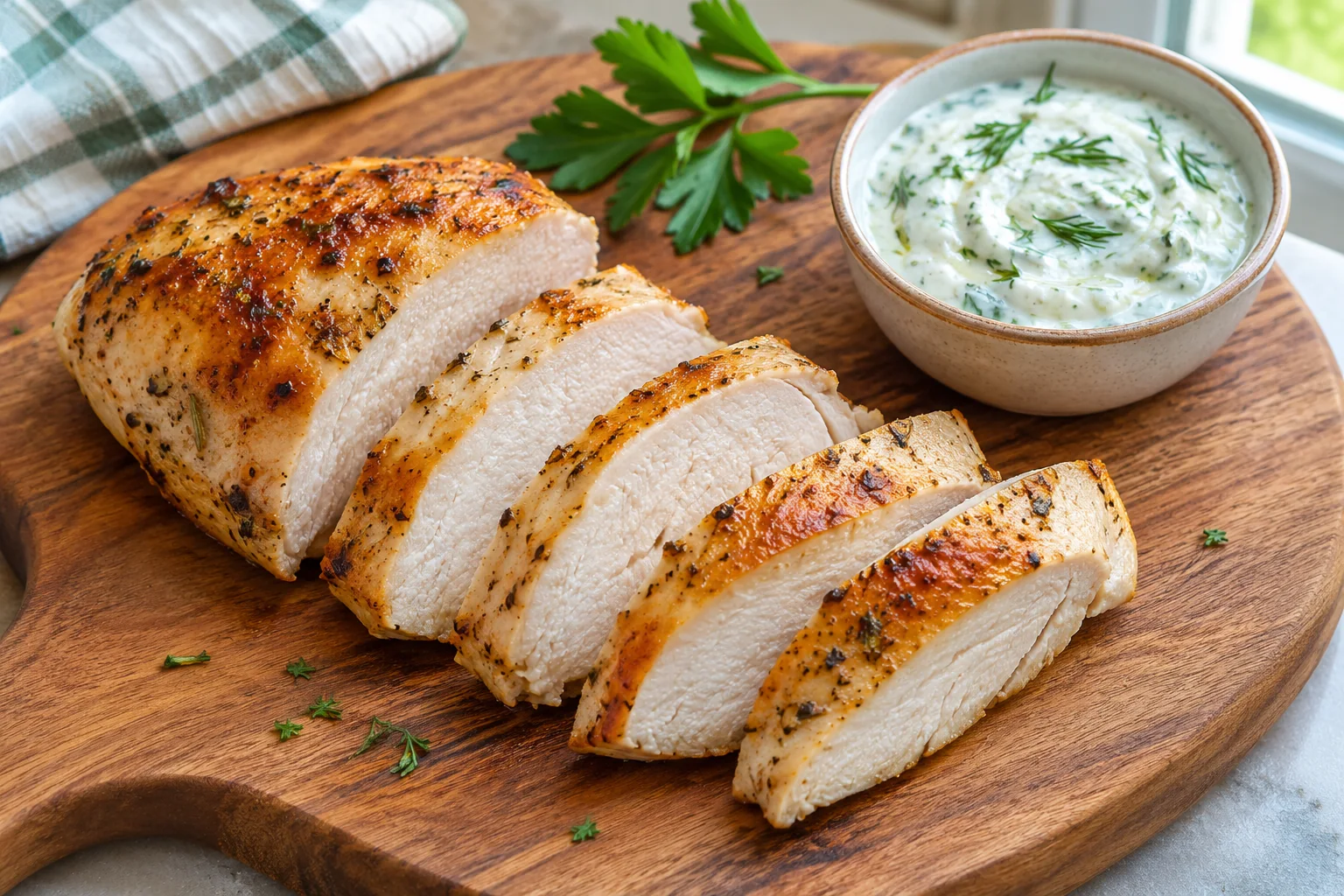
Dry breast usually points to uneven thickness or too much cooking after it was done. Slice consistently, prepare the sauce first and remove safely cooked pieces while a watery gravy reduces. Thigh tolerates more cooking but can still dry. A small piece is not evidence that every larger piece in the pan is ready; check the biggest and thickest portions too.
Watery chicken may result from overcrowding, excess marinade, added solution or too much recipe liquid. Cook manageable batches and reduce sauce deliberately. Burnt tikka with an undercooked centre needs gentler finishing heat and more consistent pieces, not a darker crust. Loose mince patties may need drained onion and the recipe's binder; adding more and more flour without a plan can produce a heavy texture. A clear stock benefits from a gentle simmer and careful straining, while salted stock becomes saltier as it reduces.
After cooking, divide leftovers into small shallow containers and refrigerate promptly. Do so within two hours, or one hour when exposed to temperatures above 32°C. Properly chilled cooked chicken generally keeps three to four days; reheat leftovers to 74°C. Do not leave a full stock or curry pot to cool overnight. Lemon, vinegar, spices, freezing and reboiling cannot reliably rescue food with unsafe handling history. Discard it rather than tasting to decide whether it is safe.
USDA: cooling hot food safely; FoodSafety.gov: the two-hour and hot-weather one-hour limits
Keep exploring
Choose the next guide by the question you need to solve. Use the whole-bird guide for roasting and carving, the bone-in guide for curry-cut value and mixed joints, breast for lean sliced dishes and thigh for richer boneless pieces. The wing guide distinguishes flats, drumettes and tips. The mince guide explains moisture and binding; the liver guide covers thorough cooking and retinol limits; the stock guide explains concentration, salt and rapid cooling.
Build the rest of the meal with the same care. A cooked chicken filling does not make poorly cooled rice safe, and clean raita should never share utensils with raw marinade. Keep a serving spoon for the finished dish, a clean platter for grilled chicken and separate storage for any raw pieces you still plan to cook. Serve manageable batches at gatherings so food is not repeatedly warmed and left out.
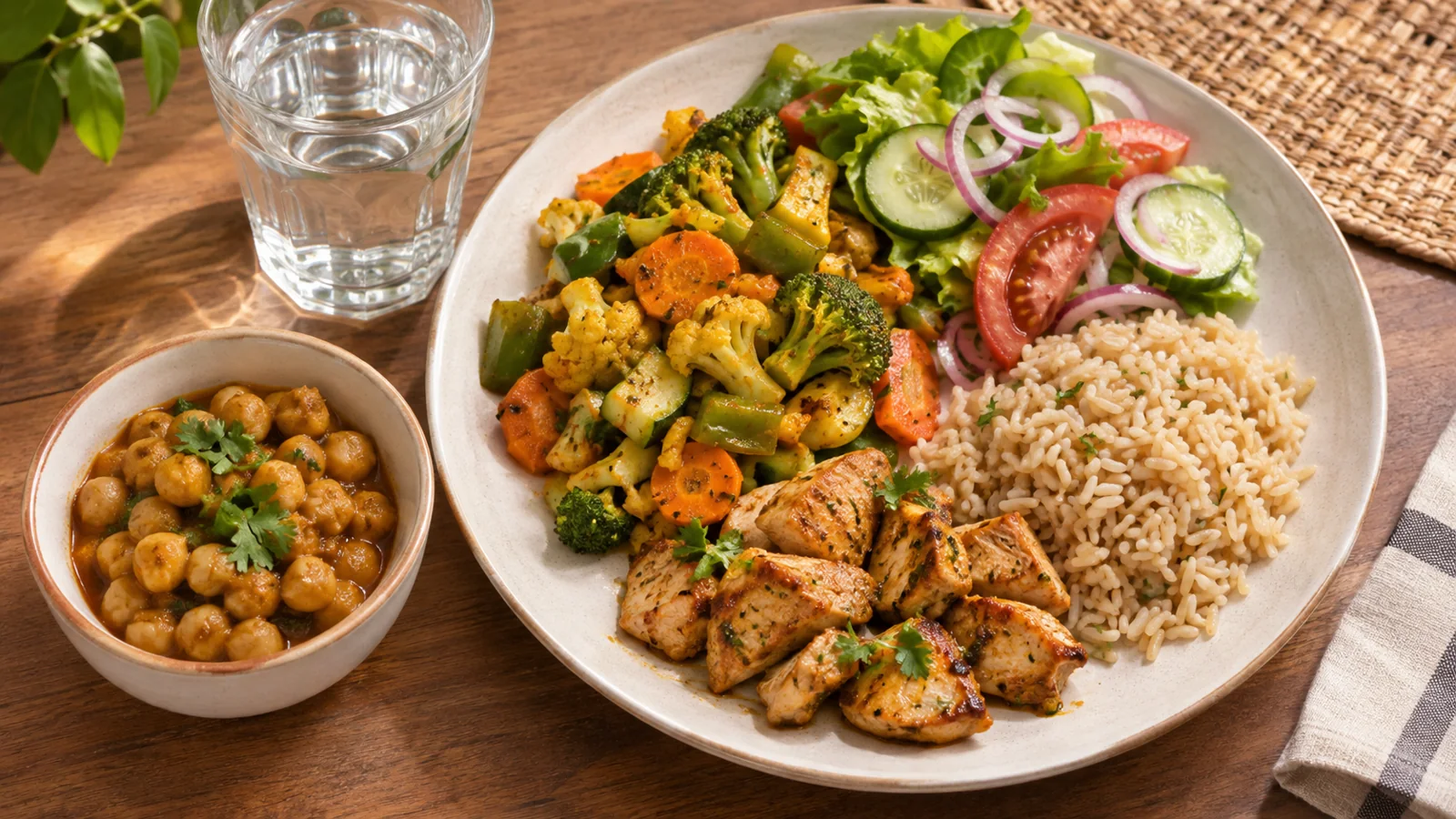
For a balanced menu, use vegetables, daal, beans and an appropriate roti or rice portion alongside chicken. Rotate protein foods through the week rather than relying on one supposedly best cut. For liver, the NHS advises no more than once a week for adults generally and avoidance during pregnancy; supplements containing retinol also matter. These are general food-guide principles, not an individualized diet prescription. Follow specific medical advice if it has been given for your situation, and use the complete storage guide when planning a larger purchase.
NHS: liver and vitamin A limits
All meat types and cut guides · Complete buying, storage and cooking guide · Recipe collection
Frequently Asked Questions
Is desi chicken always better?
The label alone cannot establish tenderness, safety or superior nutrition. Ask about the bird, its age and chilled handling, and choose the method for its actual texture.
Breast or thigh for tikka?
Thigh gives a richer, more forgiving bite; breast is leaner and needs even sizing and careful heat. Both must reach 74°C, and neither should be left in a long sauce reduction after it is done.
How we know this
- Type Explainer
- Sources 2 (2 official/academic)
- Reviewed November 2026
- Disputed points None
2 sources
- Safe minimum cooking temperatures, FoodSafety.gov
- Why raw poultry should not be washed, USDA FSIS
