
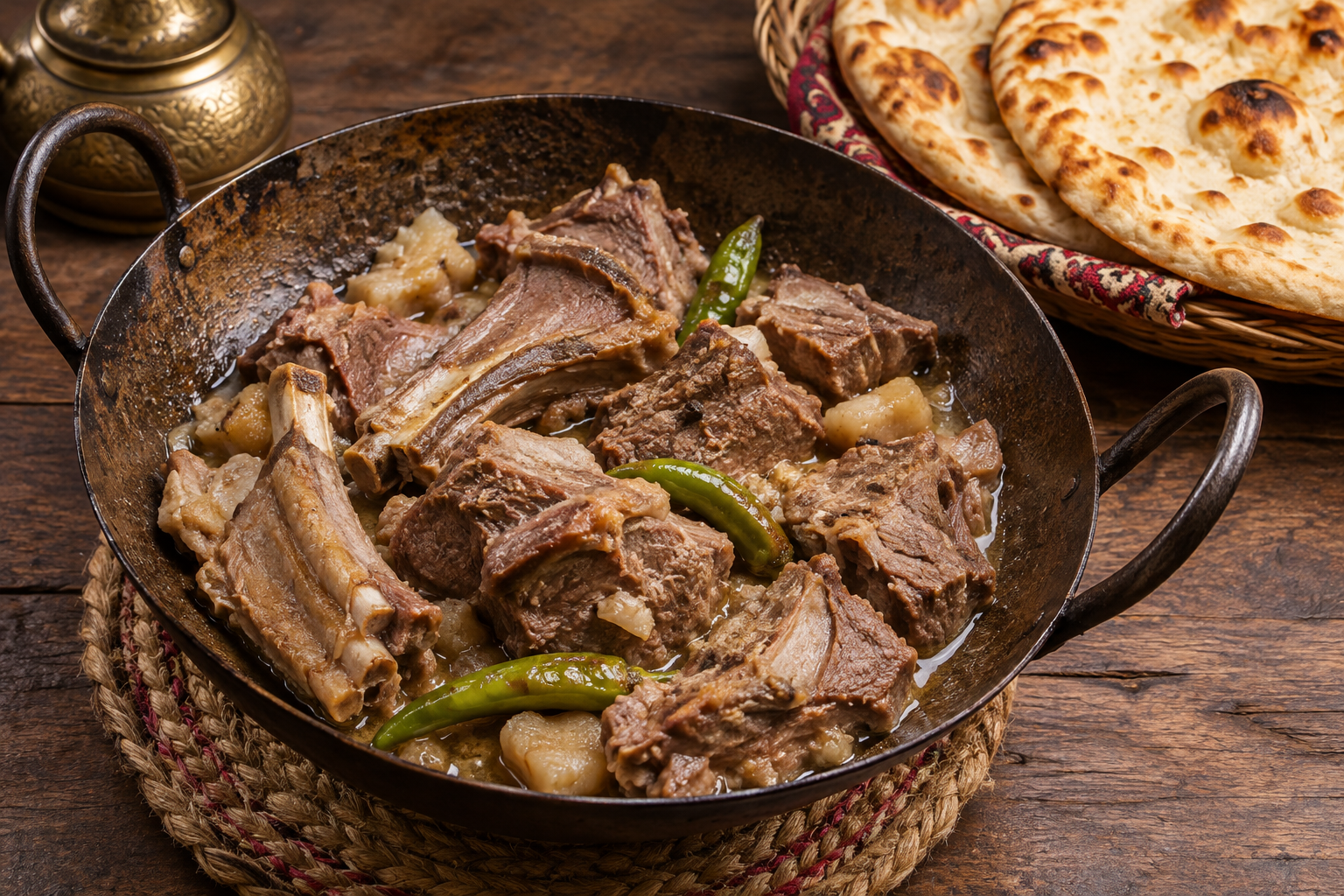
Meat kitchen • Pakistan
Lamb and Dumba in Pakistan: CutsBenefits and Cooking
A pictured guide to the main cuts, clear butcher orders, useful nutrients, balanced portions, safe cooking and cold storage.
DailyLife.pk meat kitchen
Lamb, mutton and dumba: benefits and limits
Lamb is meat from young sheep, while mutton in international English usually means mature sheep. In Pakistani shops, mutton may also mean goat. Dumba commonly describes fat-tailed sheep; it does not establish the animal’s age, exact breed or tenderness. Ask “Bher, dumba ya bakra?” and then discuss the cut. A familiar trade name is a useful starting point, not a complete specification for a recipe.
Sheep meat can have a fuller flavour than the chicken or goat a household usually eats. That is a culinary characteristic, not automatically a fault. Age, feed, fat, storage and cooking affect the result. A selected trimmed cut from a reliable chilled supply is more useful than a broad claim that all dumba is young or all lamb is greasy. Start with a modest amount when trying an unfamiliar seller or dish.
Lean lamb provides protein, iron, zinc and vitamin B12, but no cut should be described as a cure for anaemia, weakness or joint problems. The NHS meat guidance describes these nutritional benefits alongside limits on fatty and processed meat. The amount of visible fat, trimming and extra oil influences the finished dish. A lean lamb serving may be lighter than an oily goat curry; the animal name alone cannot rank the meal’s nutritional value.
Picture each cut before choosing its method
Shoulder: a reliable long-cooking choice
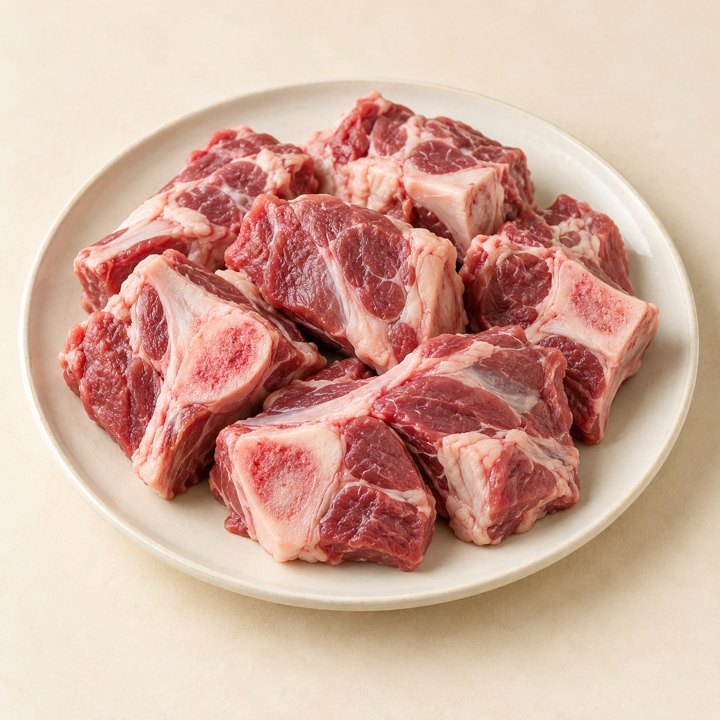
Shoulder contains several working muscles with connective-tissue seams. Choose it for a long qorma, stew or gently cooked namkeen gosht, with even pieces and an agreed bone allowance. It is versatile and flavourful, but less suited to a hurried dry fry. Use a covered moist stage and reduce the sauce once tender. Ask for lamb shoulder rather than a mixed pack if you want a more predictable pot of meat.
Neck: flavour and value in a patient pot
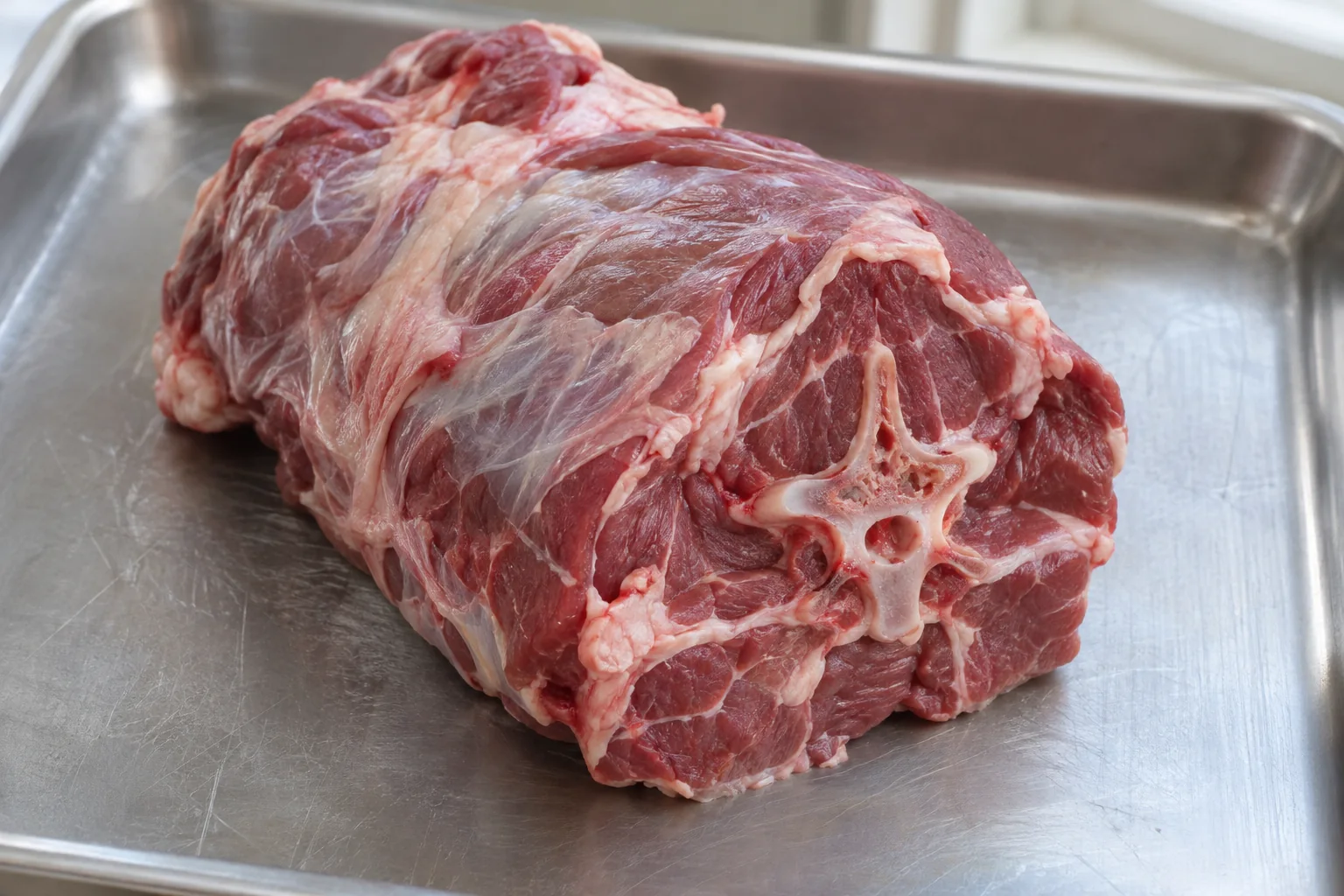
Neck can work in stew, yakhni or a curry with a long moist stage. Ask for clean cross-cuts or a whole piece that fits the pot, and check for loose bone fragments. Bone-heavy neck should be compared by edible yield rather than kilogram price alone. It is useful when you have time for connective tissue to soften, and inconvenient when the recipe requires quick grilling.
Leg or raan: decide the intended texture
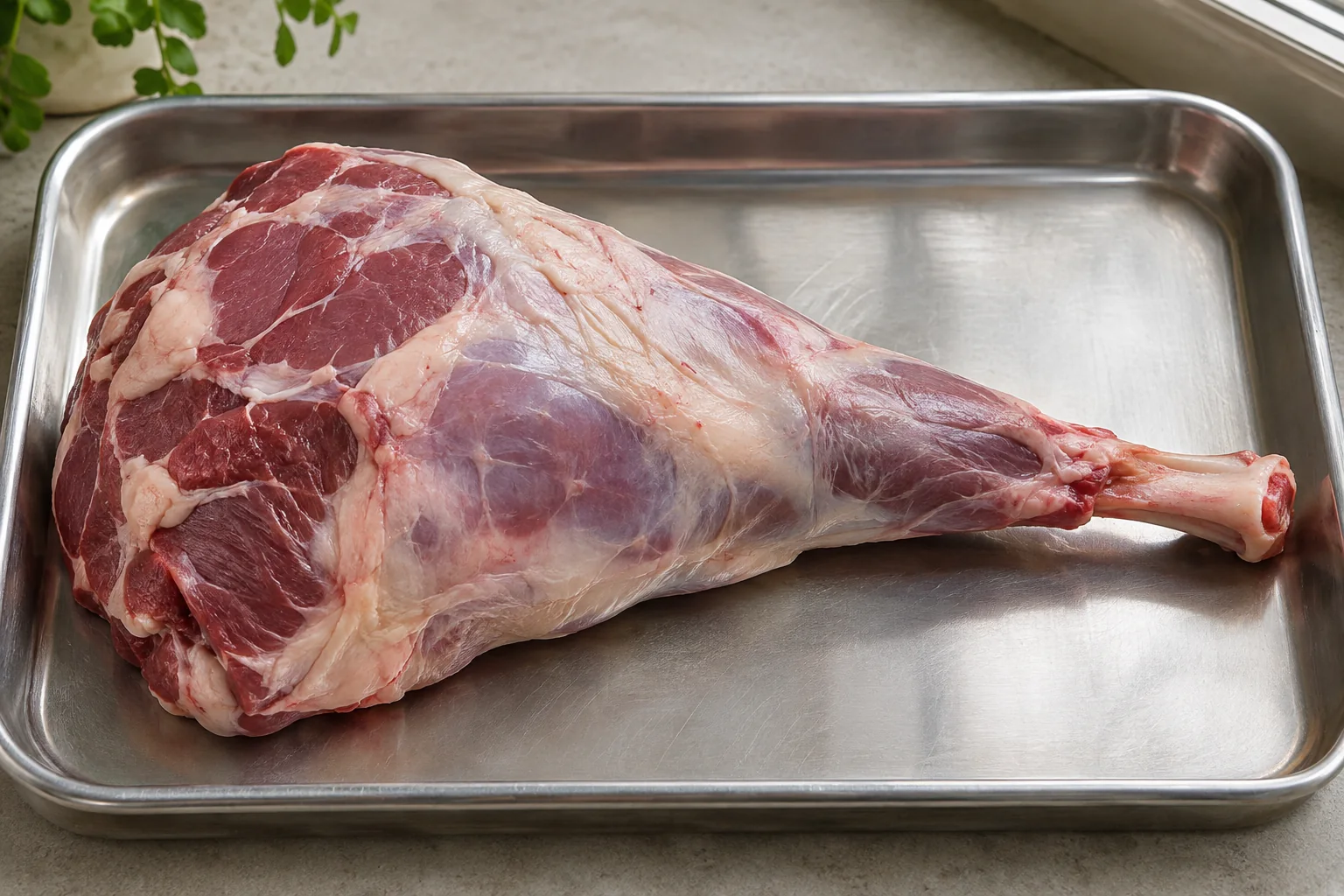
A lamb leg contains several muscles and a tapered shank. For slices, control the roast carefully and carve across the grain. For boti, choose suitable muscles and remove tough membrane; leg does not make every cube equally tender. A mature sheep leg intended to pull apart may need a long covered moist phase. See the raan guide before buying a whole joint.
Rib and loin chops: even thickness matters
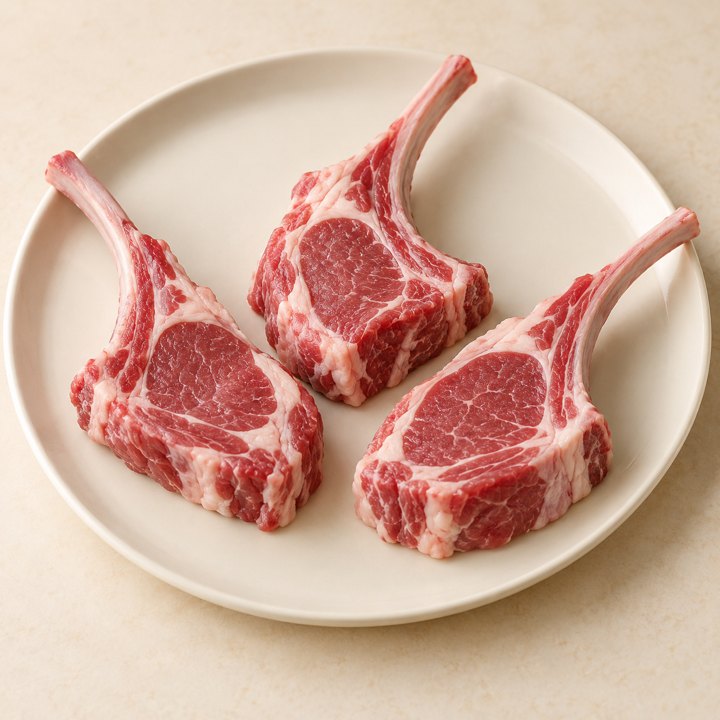
Rib and loin chops can suit pan cooking or grilling from a suitable animal. Shoulder chops may need a slower approach despite sharing the name chaamp. Choose similar thickness, brown the surfaces and finish thicker pieces over gentler heat. Probe the thickest meat away from bone. The chop guide explains how location changes the method.
Ribs: presentation, fat and a suitable finish
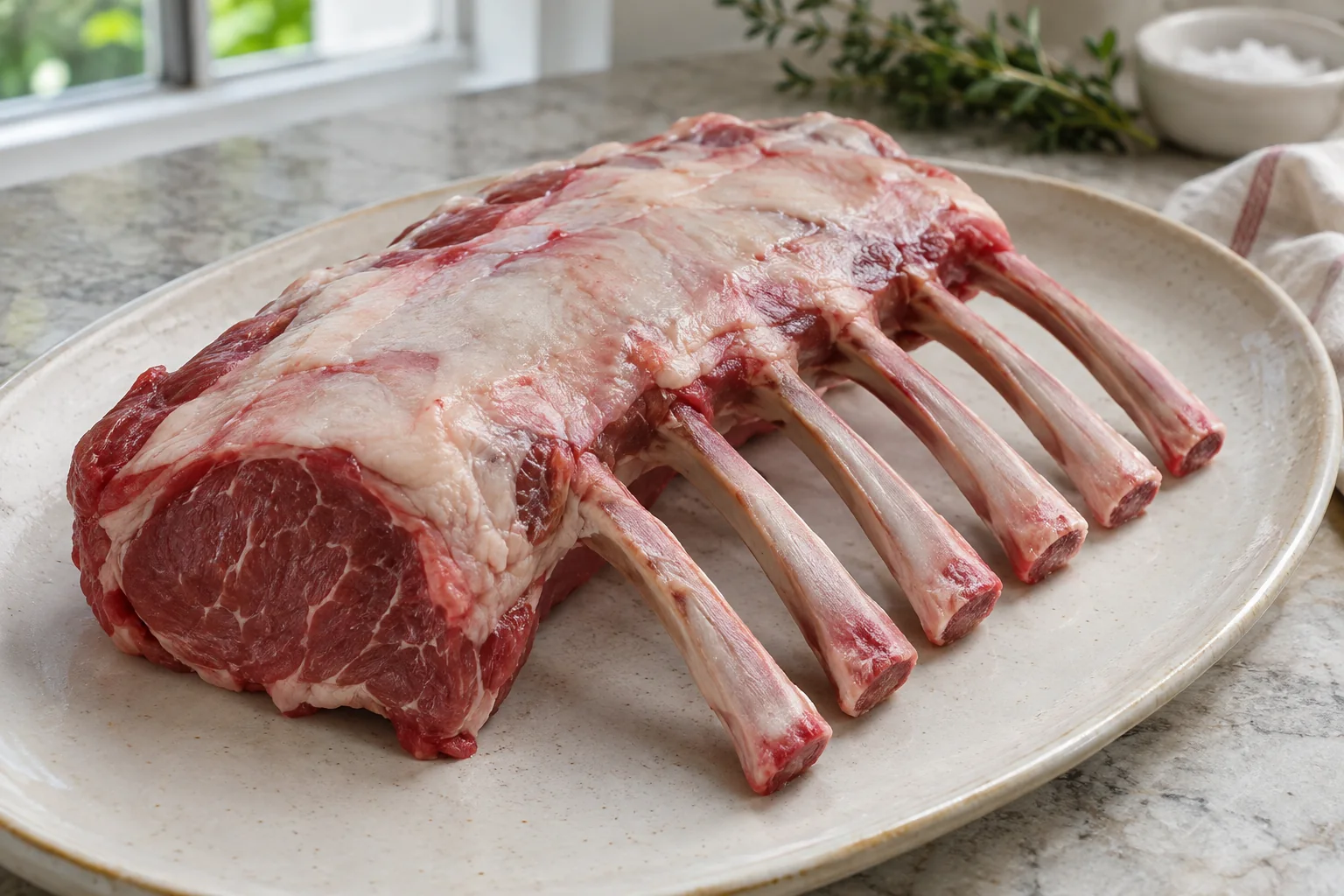
A rack can be roasted intact or divided into individual rib chops. Other rib portions may need a slower cooking stage before browning, depending on thickness and tenderness. Exterior fat can baste the meat but excessive fat may cause flare-ups or a heavy dish. Ask which rib cut you are receiving and whether a whole rack fits your tray. Compare the bone-in lamb guide.
Shank: moist cooking for a working muscle
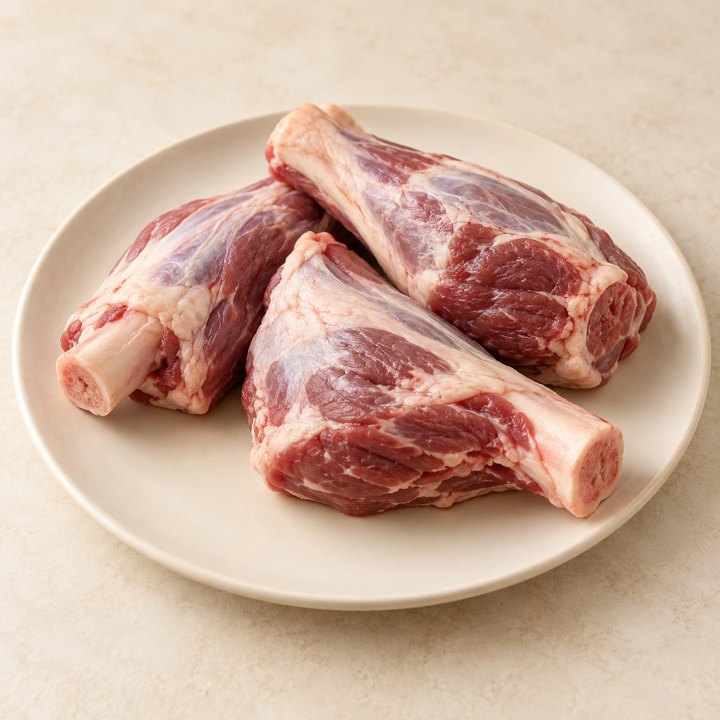
The lower leg is rich in connective tissue and carries substantial bone. Braise or simmer it until tender, allowing more time than a loin chop needs. A thermometer confirms a safety endpoint; a fork checks the additional softening needed for the dish. A glossy cooled stock reflects gelatin rather than a guaranteed calcium dose. The goat shank guide describes an analogous method, with timing adapted for sheep.
Boneless pieces and mince: convenient, but specify the source
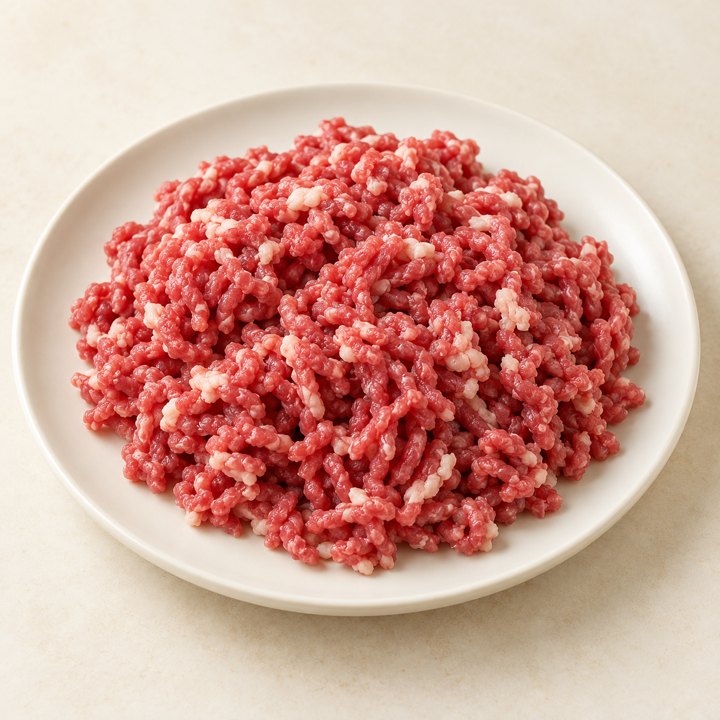
Boneless shoulder suits a curry; selected leg or loin can suit another method. Ask which muscle is being sold and how much fat and gristle remain. Mince makes keema, kofta and kebabs, but grinding changes food-safety requirements and refrigerated life. Read the boneless lamb and lamb mince guides. Fresh plain mince is not automatically a cured or preserved product.
Use tail fat deliberately
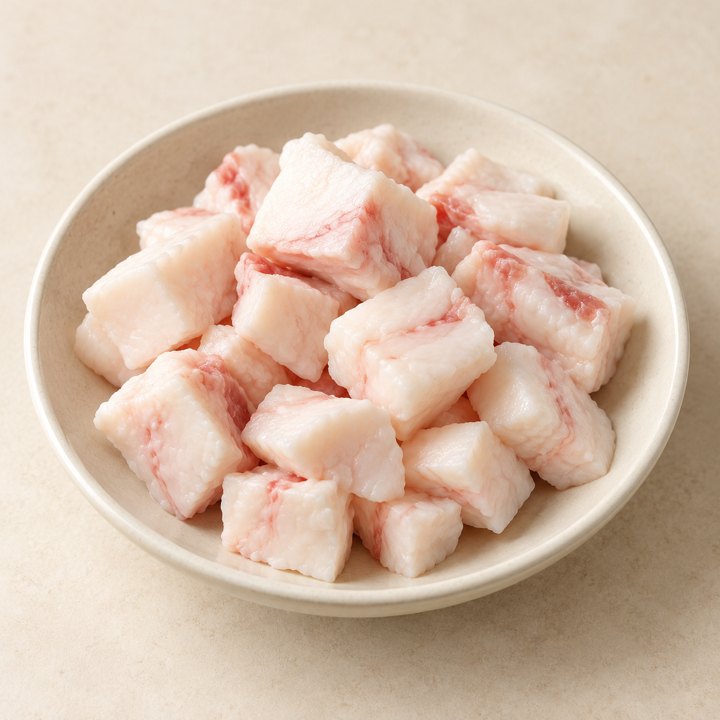
Dumba tail fat is a deliberate ingredient, not a compulsory extra in every sheep dish. Ask whether it is included in the weight and price, and request it separately so you can measure the amount. Kidney fat, tail fat, marrow and gelatin are different things: a glossy stew does not prove that a large lump of fat is necessary. Use the amount in a reliable recipe and reduce extra oil where the meat already supplies fat.
To render, cut chilled fat into small even pieces and warm gently in a heavy pan using a tested method. Avoid smoking or scorching, and keep water away from very hot liquid fat unless the recipe specifies a controlled early addition. A lump added to finished gravy will not instantly disappear. Fat is concentrated energy and includes saturated fat; it does not provide lean meat’s protein contribution. See the fat guide for buying, rendering and storage. Claims that tail fat treats weakness, immunity or joints are not a sound basis for eating more of it.
Order the cut and compare usable value

A useful order is: “Dumba shoulder, namkeen gosht ke liye; tail fat alag, pieces ek size ke.” Ask the age if known, but do not treat an unverifiable young-animal claim as proof of quality. For a whole raan or matching chops, reserve the size and cut ahead and arrange prompt collection. For delivery, confirm species, bone and fat allowance, substitutions and chilled transport.
Choose protected chilled stock, clean cutting equipment and careful handling of money and packaging. Colour alone cannot prove species or safety. There is no universally best month, weekday or shop across Pakistan; the relevant issue is the seller’s current supply and handling. Compare usable meat after trimming rather than the lowest kilogram price. Whole cuts, bone-heavy shanks and boneless meat have different yields, so a smaller well-specified order can be better value than an unsuitable bargain.
Choose a moist, quick or roasting pathway
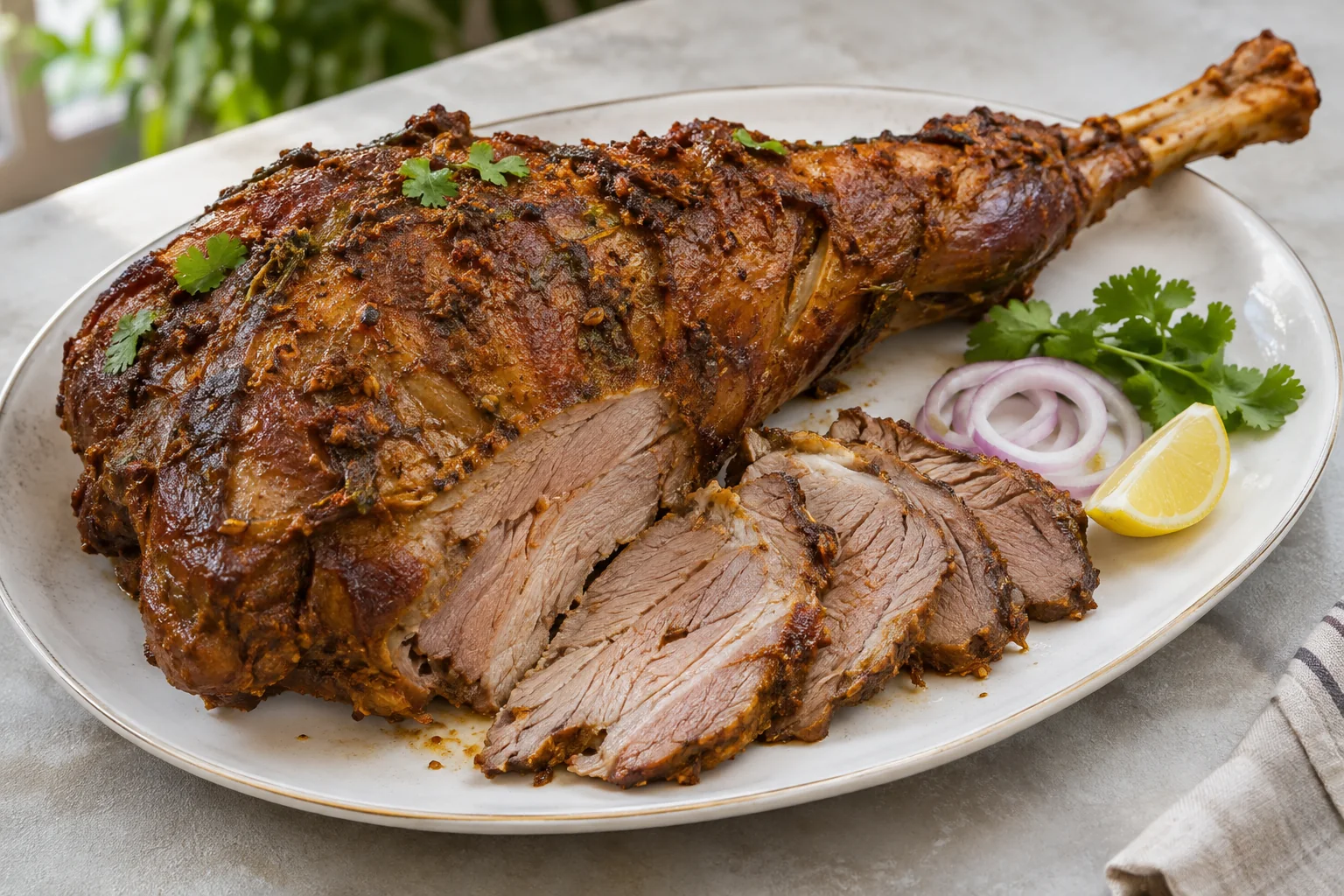
For namkeen gosht or qorma: select shoulder or another cut suited to gentle covered cooking. Follow the aromatic and seasoning stages in the recipe, monitor the liquid and let the connective tissue soften before uncovering to concentrate the juices. If the gravy is ready first, add a little hot water and continue gently. If the meat is tender first, remove it while the sauce reduces. More oil does not replace the missing cooking stage.
For chops or suitable boti: pat dry, preheat the pan or grill and use a gentler zone to finish thicker pieces. A small fully cooked test helps assess an unfamiliar batch. Marinate in the refrigerator. Yogurt and lemon add flavour, while excess papaya can make the surface pasty without correcting the centre. The FAO guide to cuts and cooking explains the underlying difference between tender muscles and those with more connective tissue.
For a roast: decide whether the goal is slices or a pull-apart texture. Lean leg for slices needs careful temperature control and carving; shoulder or a firmer mature-animal joint may need a long moist phase before the final browning. Use the raan method guide and a tested recipe for the actual joint size. A fixed clock time cannot account for every shape, age and oven.
Fix texture, measure safety and store promptly
An overly greasy dish often needs less added fat and oil, rather than more chilli or salt. A tough shoulder needs further gentle moist cooking; a dry lean roast needs thin carving and sauce rather than another hour of fierce heat. If the pot has reduced too far, restore liquid before continuing. Burnt masala cannot reliably be hidden with extra seasoning. Keep notes on the cut and method so the next order is more precise.
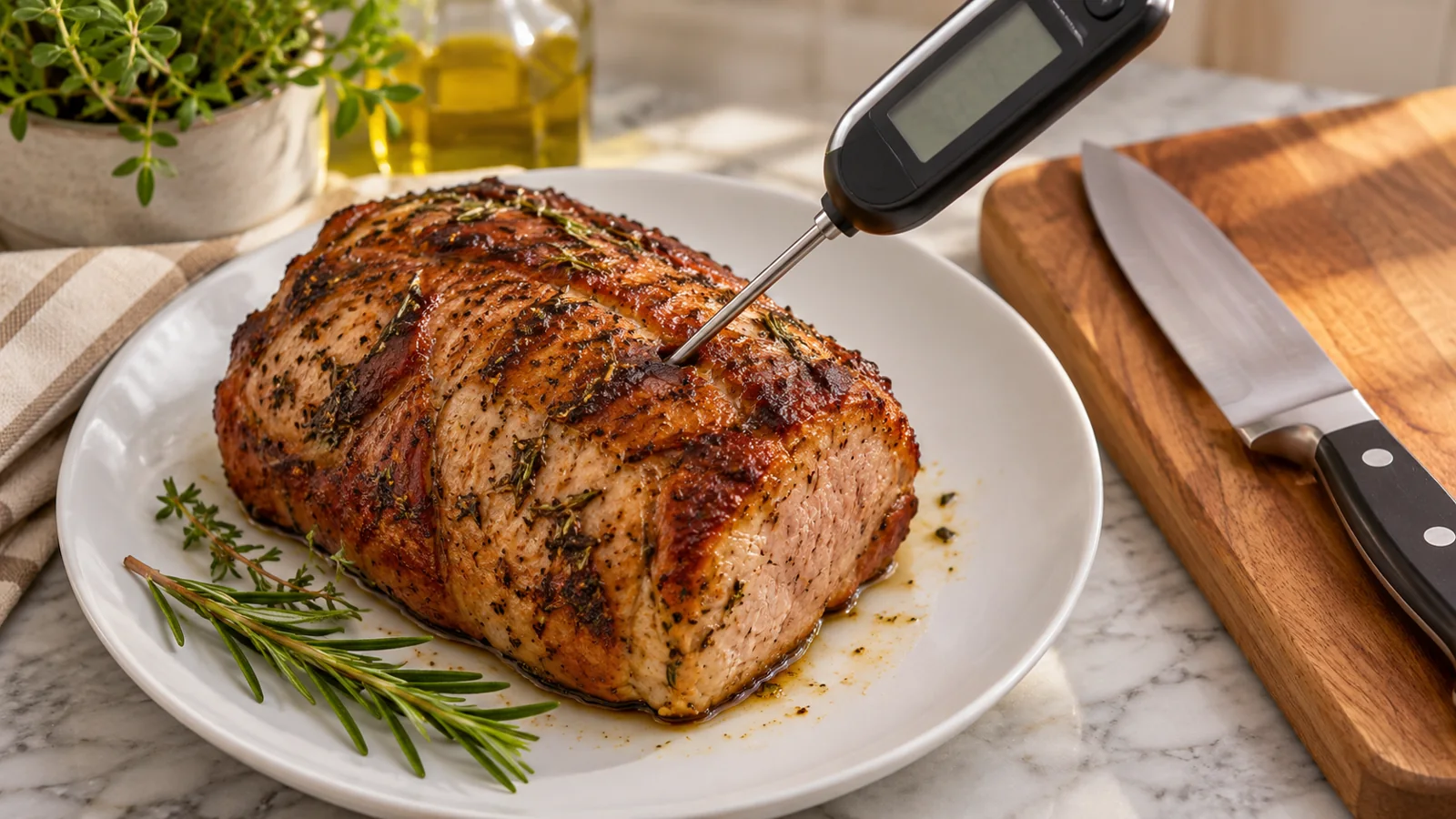
Whole lamb steaks, chops and roasts need at least 63°C followed by a three-minute rest; mince needs 71°C. Use a thermometer in the thickest meat away from bone, following FoodSafety.gov minimum temperatures. Safety and tenderness are separate checks. Reheat cooked leftovers to 74°C throughout.
At 4°C or below, use or freeze raw lamb mince within one to two days and intact steaks, chops or roasts within three to five days, following an earlier label use-by date. Store raw meat covered on the lowest shelf. Thaw and marinate in the refrigerator. Refrigerate cooked meat in shallow portions within two hours, or one hour above 32°C, then use within three to four days. See the cold-storage chart and chilling guidance rather than leaving a large pot out overnight.
Plan a balanced plate and the next dish

Serve a modest amount of meat alongside vegetables, daal and grains. World Cancer Research Fund’s cancer-prevention recommendation is about 350–500 g cooked red meat per week if eaten, with little, if any, processed meat. Include lamb, goat, beef and other red meat in that total. This is a cancer-prevention recommendation, not a Pakistani nutrient allowance or a minimum amount everyone needs to eat.
Use the recipe collection to choose a dish before shopping, compare the goat overview, and consult the complete buying and storage guide for transport, Eid handling and leftovers. The meat guide index links the individual cuts. Substitutions work best when the muscle and cooking method match, with oil and timing adjusted for the actual meat.
Frequently Asked Questions
Is dumba always young lamb?
No. Dumba commonly identifies fat-tailed sheep and does not establish age, exact breed or tenderness. Ask for the animal, approximate age if known and the specific cut; choose the cooking method from those details.
Can lamb replace goat in karahi?
Usually a comparable cut can be used, but the actual fat, thickness and tenderness matter. Lamb shoulder suits a patient curry; a tender chop needs a different plan. Adjust added oil and the covered cooking stage, and use a thermometer rather than copying a fixed time blindly.
How we know this
- Type Explainer
- Sources 2 (1 official/academic)
- Reviewed November 2026
- Disputed points None
2 sources
- Meat cuts and cooking methods, FAO
- Safe minimum cooking temperatures, FoodSafety.gov
