
Ingredients & Spices · The complete guide
Chicken mince: UsesBenefits, Buying and Cooking
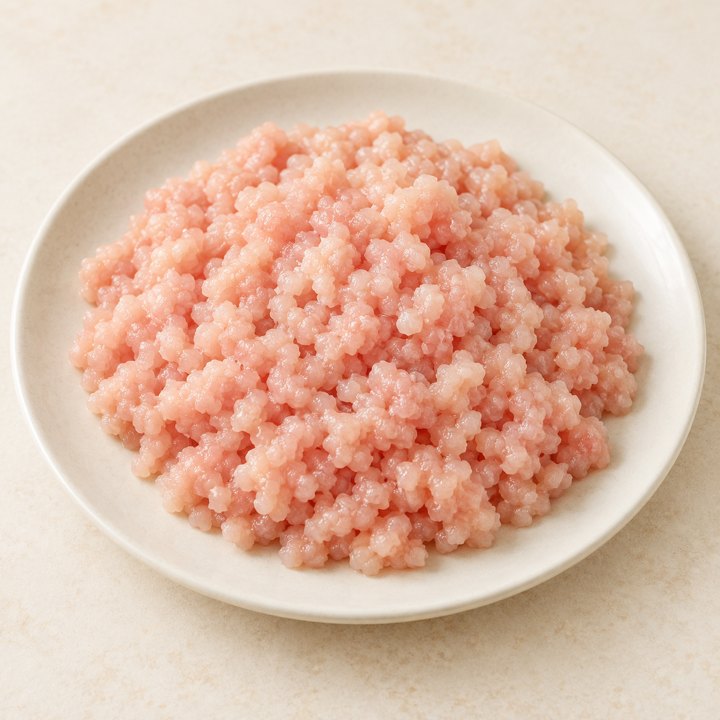
Chicken mince, or chicken keema, is finely chopped or ground poultry. It can contain breast, thigh, skin, fat or a mixture.
What it is and what to ask for
Chicken mince, or chicken keema, is finely chopped or ground poultry. It can contain breast, thigh, skin, fat or a mixture. The pale colour does not tell you which parts were used or how lean the product is. Ask what is in it, whether it is ground to order and whether the price includes added skin or fat.
Use mince for keema curry, patties, seekh-style kebabs, dumpling fillings and meatballs. Its small particles take seasoning well and are easy to portion, but the mixture needs good moisture control and a safe cooked centre. It cannot replace intact breast strips in a stir-fry without changing the dish. A very lean breast mince can make dry kebabs; a wet mixture can slump or shed liquid into the pan.
Choosing the right form for a Pakistani kitchen
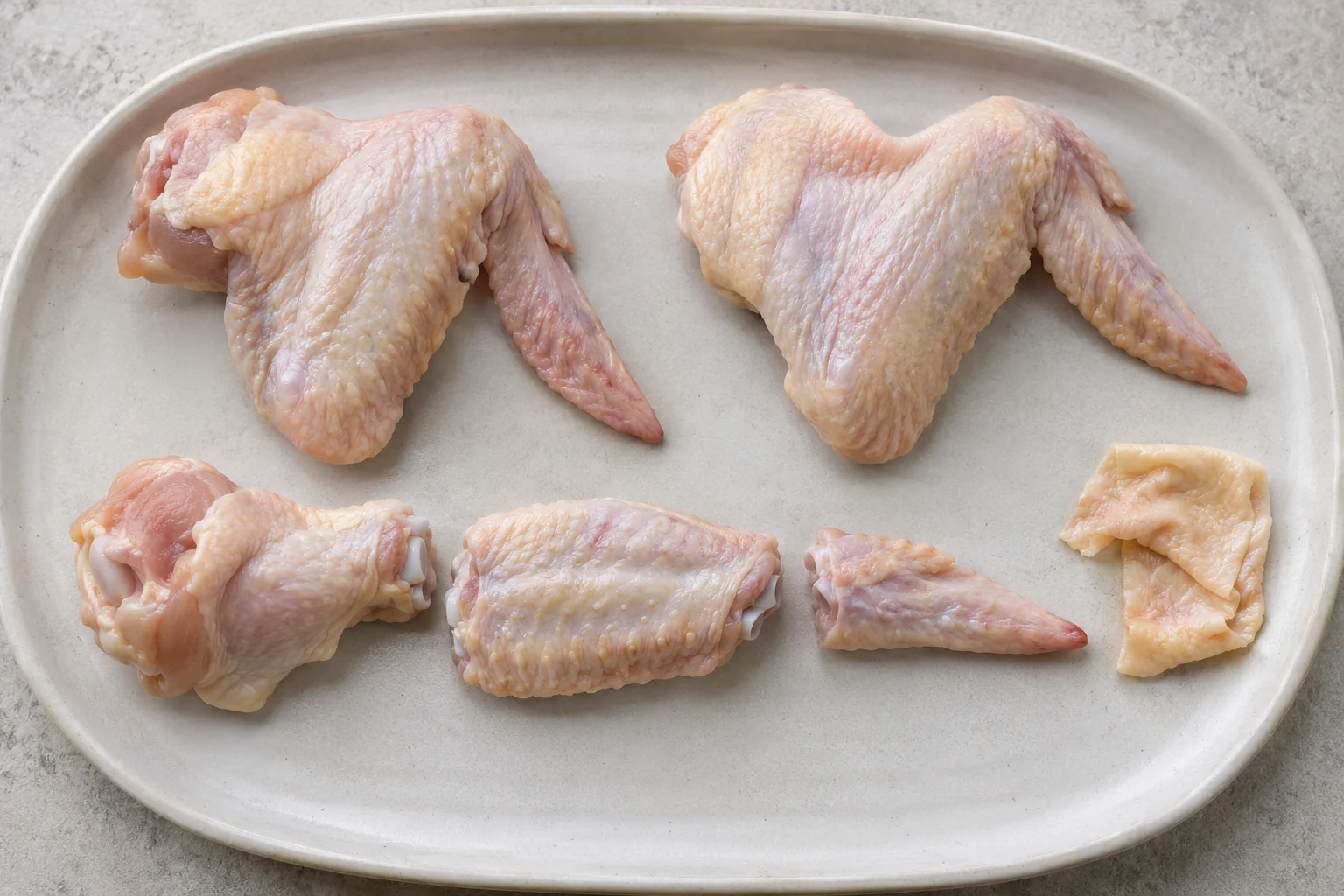
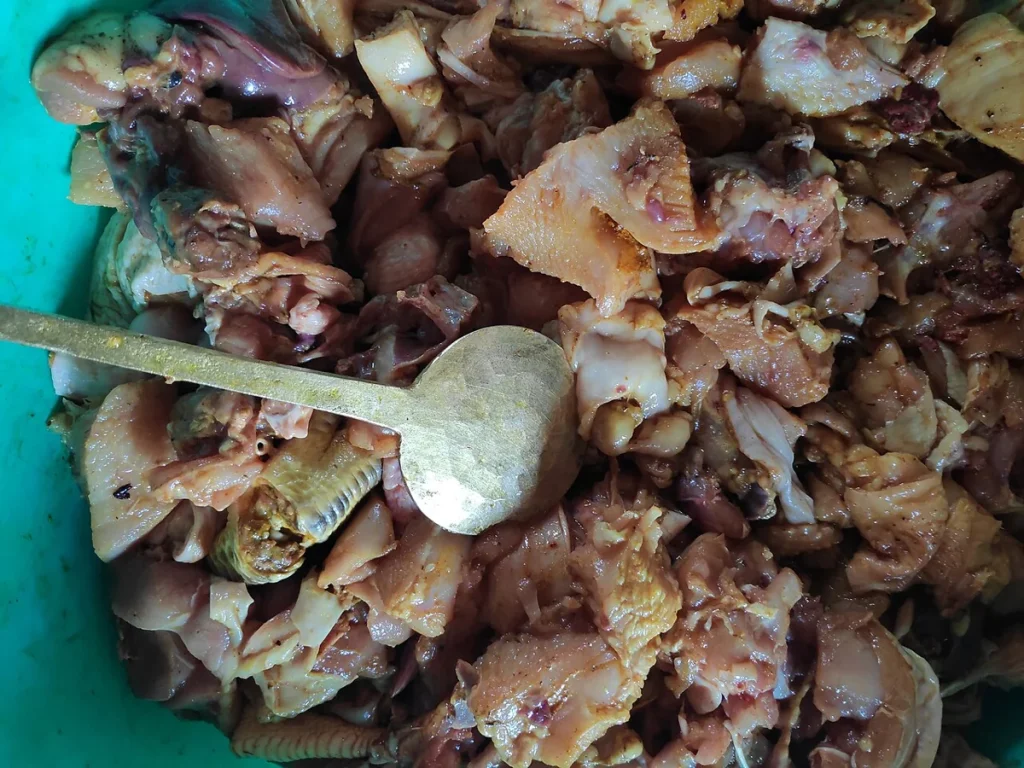
Keema describes a preparation form rather than one particular part of the chicken. Grinding makes small pieces convenient for fillings and shaped dishes, and it distributes the seasoning through the mixture. It also means that surface contamination can be spread throughout the batch, so a browned outside is not enough to establish safe doneness.
A recipe developed for beef or lamb keema is not automatically identical when made with chicken. Differences in fat, moisture and texture change binding and cooking. Shop for the intended result, then choose an appropriate chicken recipe. A claim that mince is freshly ground should still be accompanied by chilled meat, clean equipment and prompt refrigeration; freshness language is not a substitute for handling.
How to use it successfully
Keep the mixture cold while preparing it. For patties or kebabs, drain excess liquid from ingredients such as grated onion according to the recipe, add the stated binder and shape evenly. Too much onion water or repeated additions of yogurt can overwhelm the mixture. Chill shaped portions briefly in the refrigerator if the recipe calls for it, then cook a small test portion to assess seasoning and structure before shaping everything.
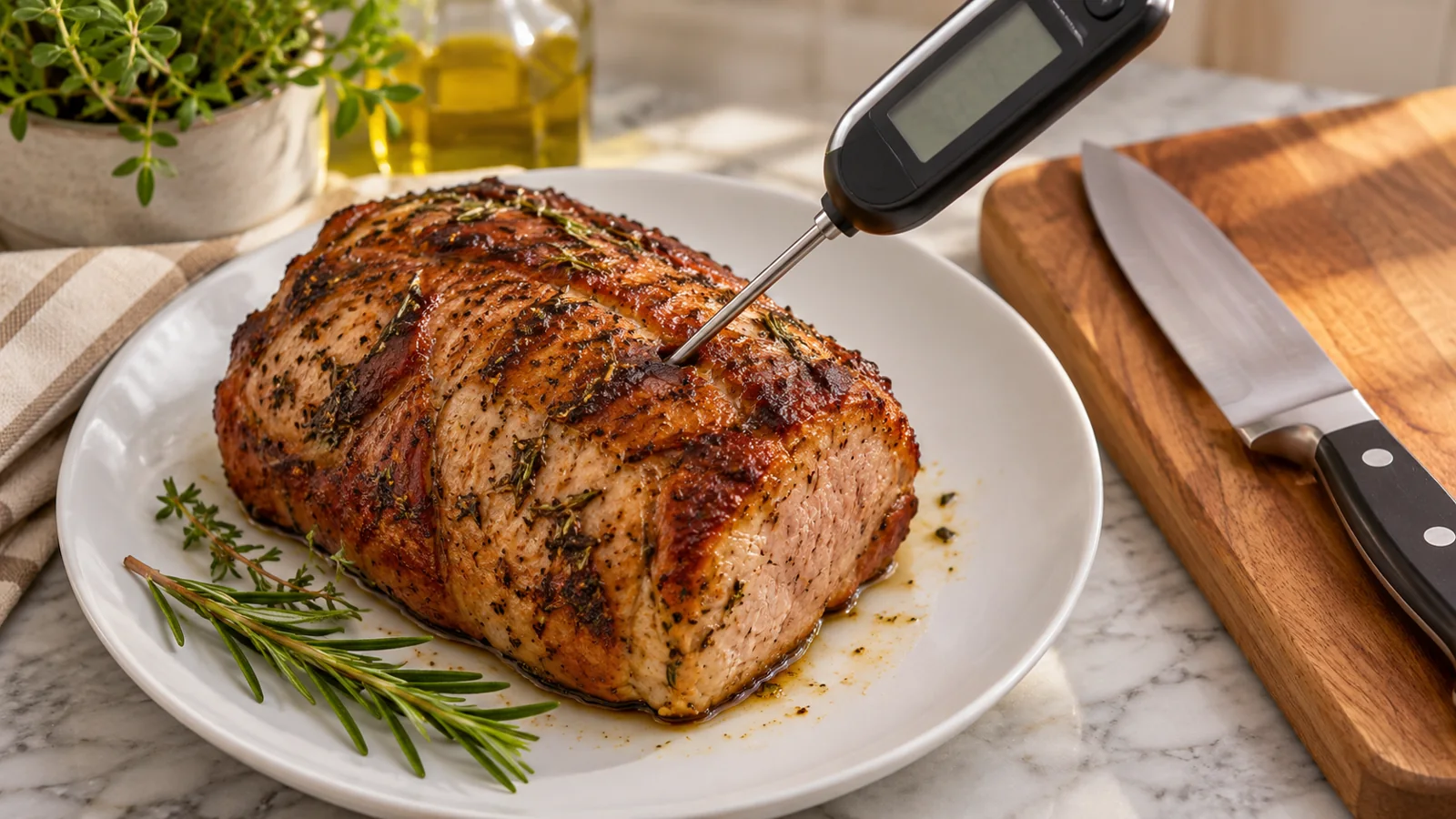
Cook patties with controlled heat so the surface does not burn before the centre reaches 74°C. Insert a probe from the side into the middle of a thin patty. For keema curry, break up clumps and cook evenly; check the centre of larger meatballs or compact portions too. Mince turning white is not a safety test. Avoid packing kebabs excessively tightly, which can give a dense bite, but do not solve dryness by intentionally leaving chicken undercooked.
FoodSafety.gov: all poultry, including giblets and mince, needs 74°C
Nutrition, benefits and limits

Chicken mince supplies protein, but its fat content depends on the parts included. Breast-only mince and a blend containing skin are different foods. Packaged mince may give useful fat and salt information; a butcher's loose mince needs a clear description. Do not assume it is leaner than every beef or lamb product simply because it is chicken.
Vegetables, pulses or an appropriate grain can help make a filling more varied, but added ingredients also change moisture and the recipe's cooking method. Choose sensible oil and salt quantities. Breaded fried patties and creamy mince curries have different finished nutritional profiles from plain lean mince. None should be promoted as a guaranteed weight-loss food, a muscle-building shortcut or treatment for a nutrient deficiency.
Choosing a replacement
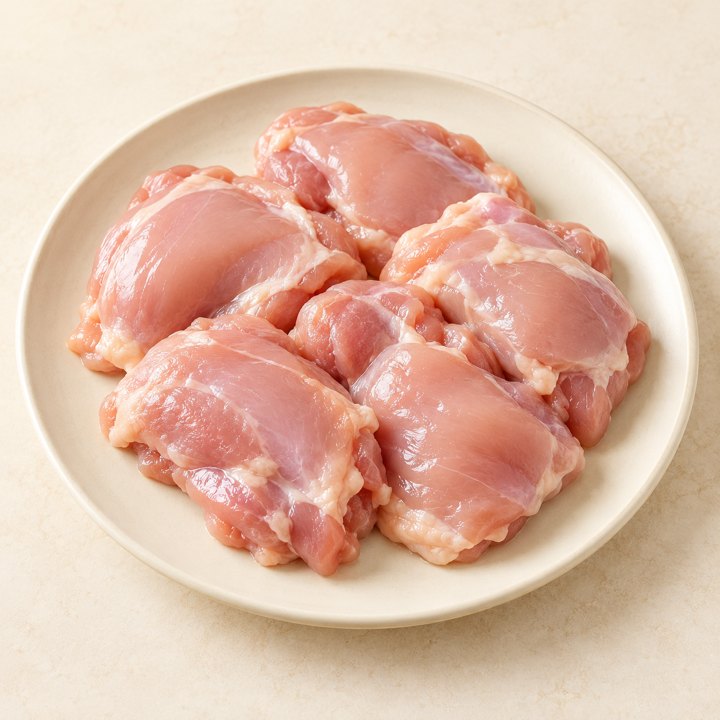
Finely chopped boneless thigh can work when a recipe tolerates a coarser texture. Breast mince may need a recipe designed for lean meat rather than extra cooking to fix its structure. Beef or lamb mince brings a different fat level, flavour and safe-temperature guidance; select a recipe for that meat instead of treating all keema as interchangeable.
Cooked shredded chicken can make a separate sandwich or samosa filling, but it will not bind like raw mince. Lentils, chickpeas or tofu can support a vegetarian filling with their own binder and moisture adjustments. Test the replacement before making a large batch, especially for kebabs that must hold on a skewer. State the actual ingredient in the dish so people know what they are eating.
Safe handling and storage

Keep raw poultry in a sealed leakproof container on a low shelf away from ready-to-eat food. Set the refrigerator to 4°C or below and use or freeze raw chicken, mince and giblets within one to two days. Thaw and marinate in the refrigerator. Do not wash raw chicken: water splashes can spread bacteria. Clean hands, boards, knives and worktops after preparation, and use a clean plate for cooked food.
Cook all poultry to 74°C, including mince and giblets, measuring the thickest edible part away from bone. Cool leftovers promptly in small shallow containers. Refrigerate within two hours, or one hour when exposed to temperatures above 32°C. Properly chilled cooked chicken generally keeps three to four days; reheat leftovers to 74°C. These limits assume continuous safe chilling, not hours of warm storage before refrigeration. Freezing or reheating does not reliably rescue food that has been left out too long. If its handling history is unsafe or uncertain, discard it rather than tasting to check.
USDA: raw and cooked chicken storage; FDA: do not wash raw poultry; FoodSafety.gov: chilling and thawing; USDA: cooling hot food
Planning, portions and serving
Portion raw mince before freezing so you can thaw only the quantity needed for dinner. Flatten sealed packages for convenient storage and label the contents, including any added ingredients. Shape batches promptly and return waiting portions to the refrigerator instead of leaving a bowl beside a warm stove.
For lunchboxes, cook the filling safely and cool it promptly before storing it cold. Keep dips and ready-to-eat vegetables away from the raw mixture and its utensils. For gatherings, equal-sized patties are easier to check than a tray containing many thicknesses. Use a clean plate for cooked test pieces and finished kebabs. Treat any raw mixture containing egg, yogurt or onion with the same careful cold handling as the chicken itself.
Recipes and pantry links

Read the complete recipe before shopping so you know whether it calls for raw or cooked chicken, bones or no bones, skin on or off and a specific prepared weight. Those details affect both the result and the quantity to buy. Prepare aromatics, sauce ingredients and clean serving utensils before the raw poultry work begins.
Use the linked dishes for practical combinations of cut, seasoning and method. Follow the chicken temperature checks in this guide even if a recipe gives an approximate time. If you change the cut or portion thickness, reassess the cooking sequence instead of assuming the original clock will still work. Keep salads and raita separate from all raw-chicken tools.
Names and forms used in our recipes
Fine mince gives a smoother kebab or meatball; coarse mince gives a more distinct bite. Neither is inherently safer. Ask the seller to identify breast, thigh, skin and added fat, and to keep equipment clean between products. Do not request an unknown mixed trimming batch merely because it is cheaper.
Raw chicken mince, pre-seasoned kebab mixture and fully cooked chicken filling are different forms. Read labels for allergens and instructions when buying prepared mixtures. Frozen mince still needs safe thawing, and freezing does not sterilize it. If grinding at home, keep meat and equipment chilled, process manageable amounts and clean everything that touched raw poultry. Do not wash the mince or squeeze it under running water to change its colour or fat content.
- chicken mince
- ground chicken
- minced chicken
- raw ground chicken
- raw ground chicken, chilled
Frequently Asked Questions
Is ground chicken always leaner than beef mince?
No. Fat depends on the cuts and whether skin or added fat is included. Ask the butcher or compare actual product labels.
What should I check before buying chicken mince for these recipes?
Ask which cuts were ground, whether skin or fat was added and whether it is already seasoned. Keep it cold and use or freeze within one to two days.
What is a practical substitute for chicken mince?
Finely chopped thigh can work in a coarser filling. Other meats or tofu need their own seasoning, binding and safe cooking method.
Keep Exploring
Related places and stories on DailyLife.pk
How we know this
- Type Explainer
- Sources 6 (4 official/academic)
- Reviewed November 2026
- Disputed points None
6 sources
Photo credits (1)
- Chicken Meat.jpg, Gaurav Dhwaj Khadka, CC BY-SA 4.0, via Wikimedia Commons
