
Ingredients & Spices · The complete guide
Goat Shoulder: BuyingCooking, Benefits and Storage
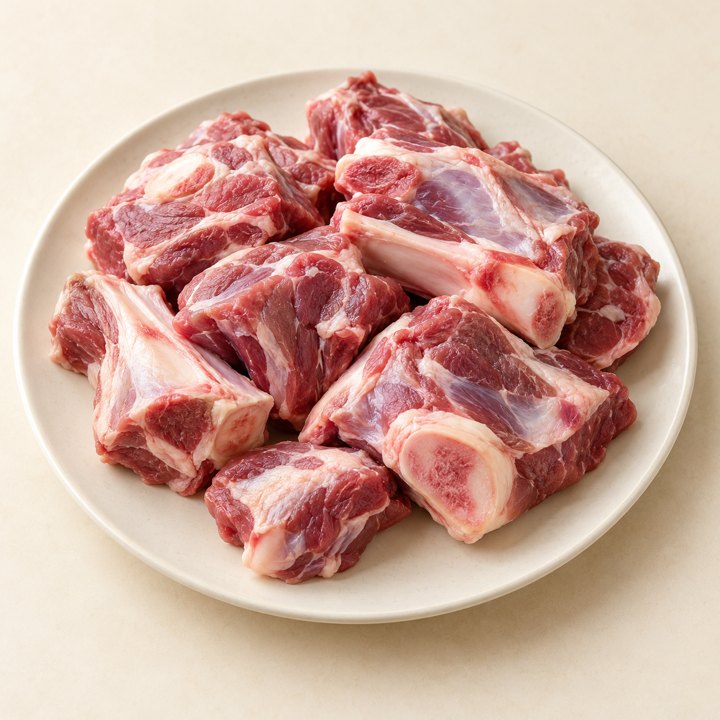
Goat shoulder is the muscular forequarter around the shoulder blade and upper foreleg. A butcher may sell it bone-in, boned, as blade pieces or as a mixed curry pack.
Identify the cut and its best uses
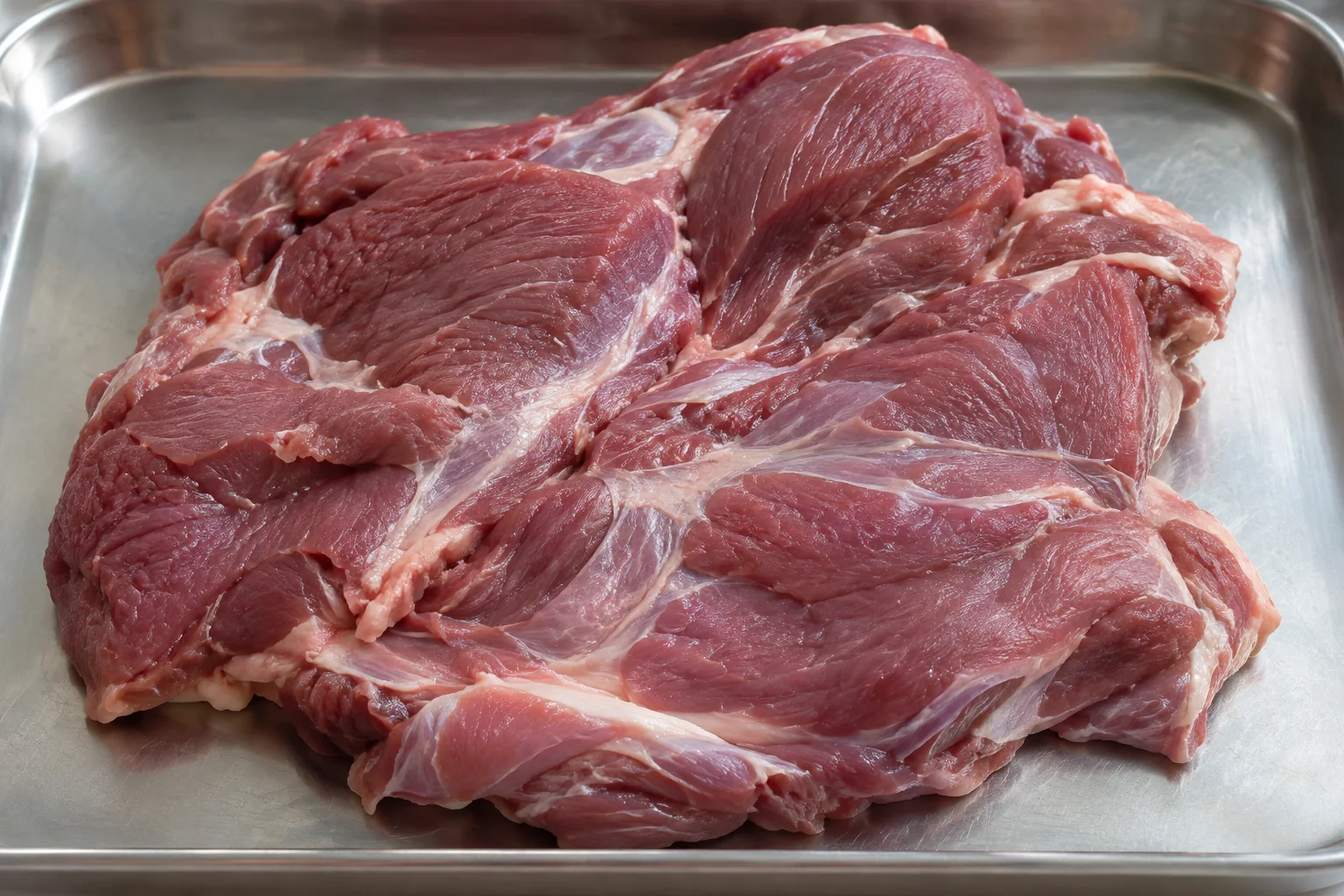
Goat shoulder is the muscular forequarter around the shoulder blade and upper foreleg. A butcher may sell it bone-in, boned, as blade pieces or as a mixed curry pack. It contains several muscles joined by connective tissue, so its main advantage is flavour and versatility in slow cooking. It is a dependable choice for qorma, stew, a patient karahi and yakhni with meat to serve afterwards. It is less convenient when dinner must be grilled in a few minutes.
Order, trim and prepare the right meat

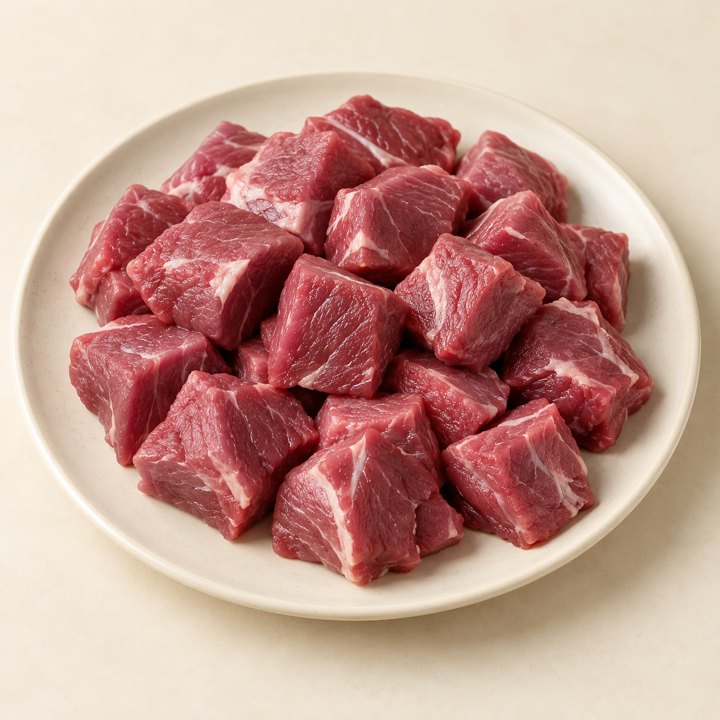
Ask for bakray ka shoulder and name the dish before the butcher cuts it. For curry, request reasonably even chunks and agree on the bone allowance. For a boneless order, ask that the shoulder blade, hard cartilage and tough outer membrane be removed without discarding every soft connective seam. For a roast, explain whether you want a whole bone-in shoulder or a securely tied boneless piece. Shoulder chops are not interchangeable with tender rib chops simply because both are called chops.
Select protected chilled stock and take it home directly, using an insulated bag and cold packs where needed. Ask whether the price is before or after trimming and whether substitutions are permitted on a delivery order. A clean counter matters, but it does not prove a complete cold chain. Smell and colour cannot establish safety, and spices cannot rescue meat with an uncertain handling history. For Eid distribution or a large meal, arrange refrigerator space and transport before collecting the order.
Trim large hard fat deposits and very tough membrane; small soft seams are part of the cut and soften during moist cooking. Keep a bone-in piece stable on the board and ask the butcher to do difficult sawing. Do not try to force a small household knife through bone. Check cut surfaces for loose bone fragments. Pat dry with disposable kitchen paper when browning is useful. A wet surface steams and delays browning, while an overcrowded pot makes this worse.
Wash hands before and after raw-meat handling and clean the board, knife and worktop before preparing ready-to-eat food. Use separate utensils for raw and cooked batches. Keep marinating meat refrigerated: salt, yogurt, lemon and spices do not replace chilling. The FoodSafety.gov four-step guidance recommends cleaning, separating, cooking and chilling as complementary controls.
Cook for the texture this cut needs
For qorma, build the onion and spice base according to a reliable recipe. Add the shoulder in batches if browning is called for, return it to the pot and add enough hot liquid for a gentle covered cooking stage. Maintain a quiet simmer and inspect the pot periodically so the masala does not catch. Test the thickest piece with a fork. When resistance has eased, uncover and reduce the gravy, stirring carefully so softened pieces stay whole. For karahi, it is often better to develop tenderness before the final tomato reduction than to keep frying firm meat in a nearly dry pan.
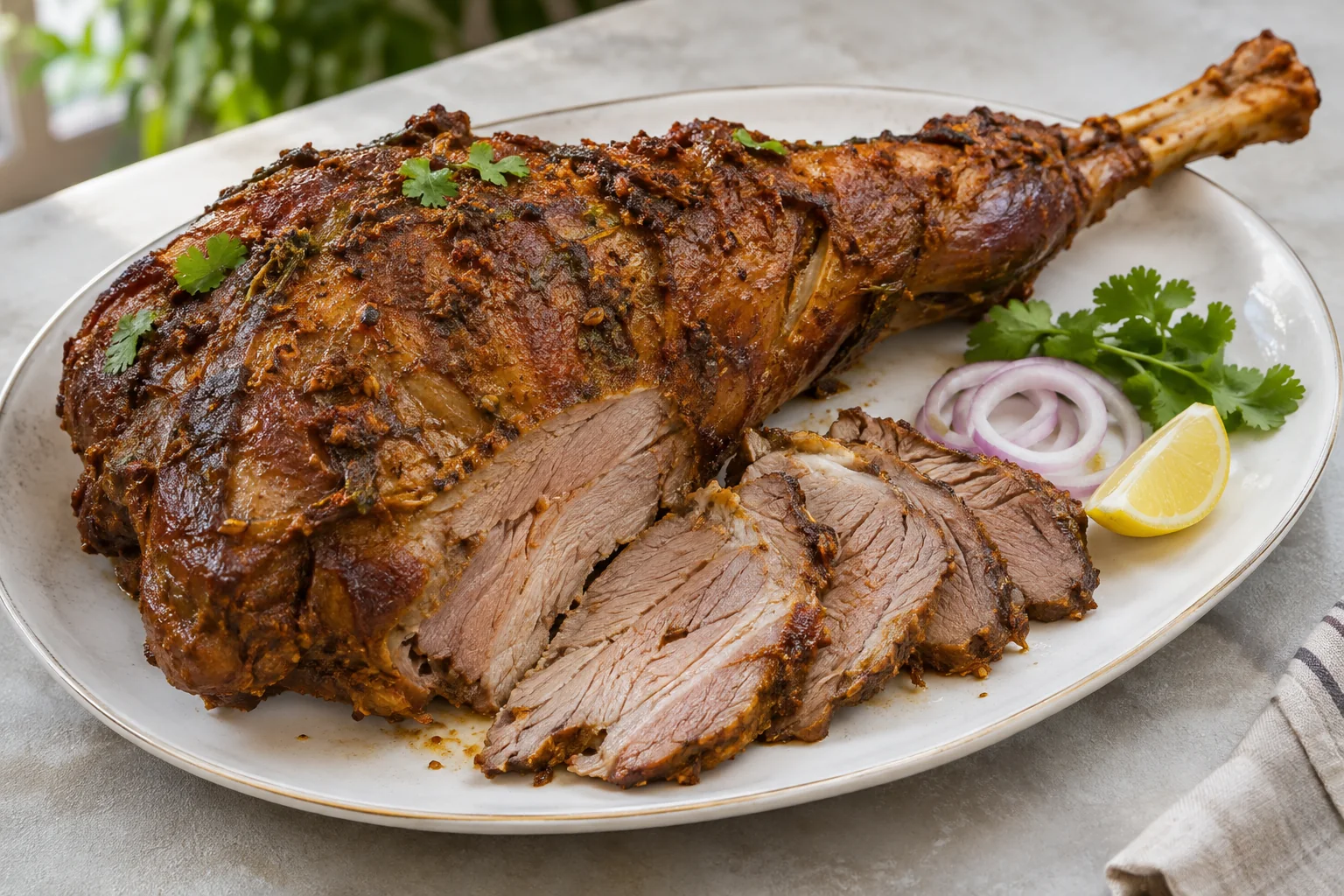
A whole shoulder can be cooked covered with a little liquid until tender, then briefly exposed to higher heat for a browned finish. This is different from trying to cook it entirely with fierce dry heat. In a pressure cooker, use the manufacturer’s minimum liquid and fill limits, then a tested cut-specific recipe. Timings change with piece size, animal maturity and the cooker; release pressure safely before checking. If it is still firm, add liquid if needed and cook further rather than assuming one whistle count fits every batch.
The FAO guide to cuts and cooking methods explains why tender muscles suit dry heat while connective-tissue-rich cuts need moist cooking. Use time estimates to plan the meal and observation to adjust the cooking; neither a dramatic flame nor extra oil substitutes for matching the method to the cut.
Benefits, fat and realistic portions

The lean meat supplies protein, iron, zinc and vitamin B12. These are useful nutrients, but this cut is not a treatment for anaemia, weakness or any other condition. The NHS explains meat’s nutritional contribution alongside the need to limit fatty and processed meat. Fat content depends on the particular muscle, trimming and added oil; choosing goat rather than lamb does not guarantee a lower-fat finished dish. Use a moderate serving with vegetables, pulses and grains, and judge the whole meal rather than treating one meat as a cure or a universal healthier choice.
If you eat red meat, World Cancer Research Fund’s cancer-prevention recommendation is about 350–500 g cooked red meat per week, with little, if any, processed meat. This is a population cancer-prevention recommendation, not a Pakistani nutrient allowance or a reason to reach a minimum meat intake. Include all red meats when considering the week.
Choose a replacement by muscle and method
Lamb shoulder can replace goat shoulder in a long curry or braise. Confirm its bone and fat allowance and reduce extra oil if appropriate. Goat leg can work in some dishes, but it does not have identical connective tissue and should be checked sooner once tender. Tender loin is not an economical like-for-like choice for a long pot method.
Measure safety and protect the cold chain
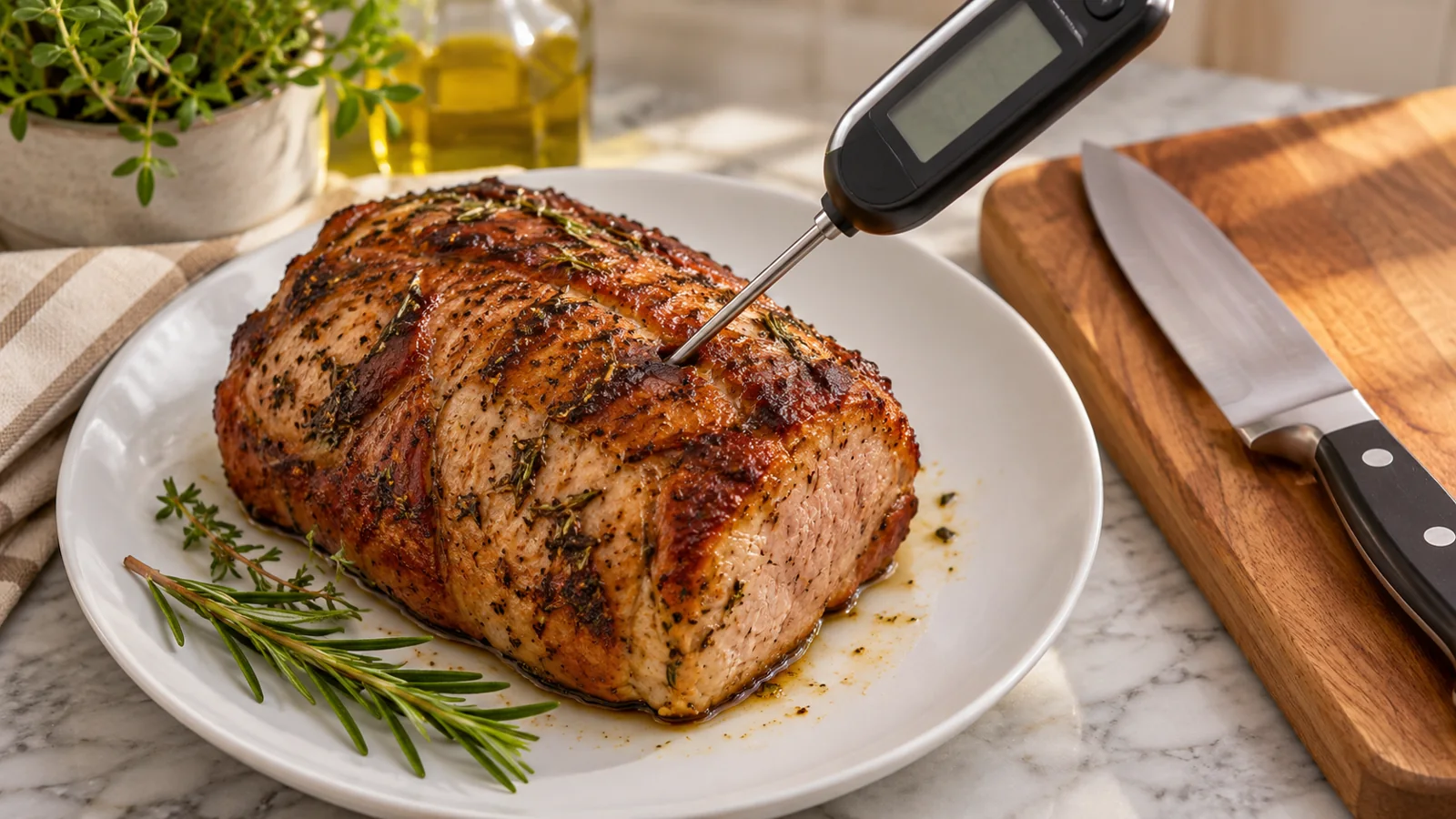
For whole-muscle goat or lamb steaks, chops and roasts, the published minimum is 63°C followed by at least a three-minute rest. Ground meat needs 71°C. Put the probe into the thickest meat, away from bone and large fat pockets; check more than one location on an irregular joint. A shoulder or shank may need much longer cooking to become tender even after it is safe. These endpoints are from FoodSafety.gov’s safe minimum temperature chart. Colour, clear juices and a browned crust are unreliable substitutes for a thermometer. Reheat cooked leftovers to 74°C throughout. Keep the probe clean between checks on raw and cooked food.
For freshly cut curry pieces, aim to cook or freeze promptly, preferably within one to two days as a cautious household plan; follow an earlier package use-by date. Intact lamb steaks, chops and roasts have a published three-to-five-day refrigerator window under proper chilling. The storage history still matters. See the FoodSafety.gov cold-storage chart for the distinction between whole cuts and mince. Store raw packs in a leakproof container on the lowest shelf, away from cooked food. A freezer should be at −18°C or below.
Thaw in the refrigerator in a tray that catches drips. For quicker thawing, use a sealed bag in cold water changed every 30 minutes, or the microwave, and cook immediately afterwards. Never thaw on a warm counter. Refrigerate cooked meat in shallow portions within two hours, or within one hour when the surroundings are above 32°C; use within three to four days. Do not leave a large pot or whole roast out overnight to cool. These are FoodSafety.gov chilling principles, particularly useful in hot weather and during Eid.
Solve texture problems and serve usefully
Firm shoulder in a finished-looking gravy usually needs more gentle moist cooking, not more acid. Add a little hot water, cover and check again later. A greasy sauce may reflect added oil or fat as well as the meat; skim excess or chill safely and lift the hardened surface fat before reheating. If a lean piece has dried into stringy fibres, additional hard boiling will not restore its original juiciness. Chop it finely and serve in sauce or a rice dish instead.
Choose shoulder for dishes where gravy, beans or vegetables can share its flavour. Separate a batch into meal portions before freezing and label it as shoulder, because the same-looking boneless pieces from the leg may need another method. Bones can go into a properly handled stock, but their presence does not make the broth a guaranteed source of calcium or a treatment for joints. Match the cut to the recipe and use the stock as an ingredient.
Choose a recipe that matches the cut

Choose a reliable recipe whose named cut and preparation match the meat you have. Weigh the prepared meat after any stated boning or trimming stage, because raw purchased weight and ready-to-cook weight are different. Keep the recipe’s own liquid and equipment guidance, then use tenderness and temperature checks to adapt to the actual batch.
- Mutton Do Pyaza
- White Mutton Karahi
- Aloo Gosht
- Mutton Pulao
- Mutton Biryani
- Peshawari Pulao
- Sindhi Biryani
- Yakhni Pulao
- Charsi Karahi
- Mutton Karahi
- Mutton Rosh
- Namkeen Karahi
- Shinwari Karahi
- Dum Pukht
- Mutton Qorma
- Mutton Rogan Josh
- Mutton Yakhni
- Raan Roast
When a recipe offers a substitute, compare the source muscle, bone, fat and desired texture before changing the main ingredient. Do not carry a quick-cooking schedule into a long-braising cut merely because both are called mutton.
Make recipe names and butcher orders precise
Names such as mutton, boti, chaamp and raan describe trade usage or preparation and do not provide a full specification. For this guide, order goat shoulder and state the animal, source cut and intended dish. Keep those details on the freezer label. When using a mixed pack, identify the different pieces before choosing a cooking method.
A photograph can show a raw cut or one prepared result, but it cannot certify the contents of a shop order. Ask the butcher to show the selected meat before cutting and confirm any substitutions. Use the meat guide index and household buying and handling guide when planning another cut.
Frequently Asked Questions
Is goat shoulder good for a dry bhuna dish?
Yes. First soften the shoulder with sufficient moisture under a lid, then uncover and reduce the masala for the bhuna finish. Starting with a nearly dry pan and repeatedly frying firm meat risks a burnt base and a chewy result.
What should I check before buying goat shoulder for these recipes?
Specify goat shoulder, even piece size and whether you want bone-in or boneless meat. Agree on the fat, bone and trimming allowance, and choose protected chilled stock. A mixed curry pack containing several cuts is less predictable than an identified shoulder order.
What is a practical substitute for goat shoulder?
Lamb shoulder is useful in a similar long curry or braise. Check the actual fat and bone allowance and adjust oil accordingly. Goat leg can work in some dishes but has different muscles and needs its own tenderness checks rather than an identical shoulder schedule.
Keep Exploring
Related places and stories on DailyLife.pk
How we know this
- Type Explainer
- Sources 6 (4 official/academic)
- Reviewed November 2026
- Disputed points None
