
Ingredients & Spices · The complete guide
Whole chicken: UsesBenefits, Buying and Cooking
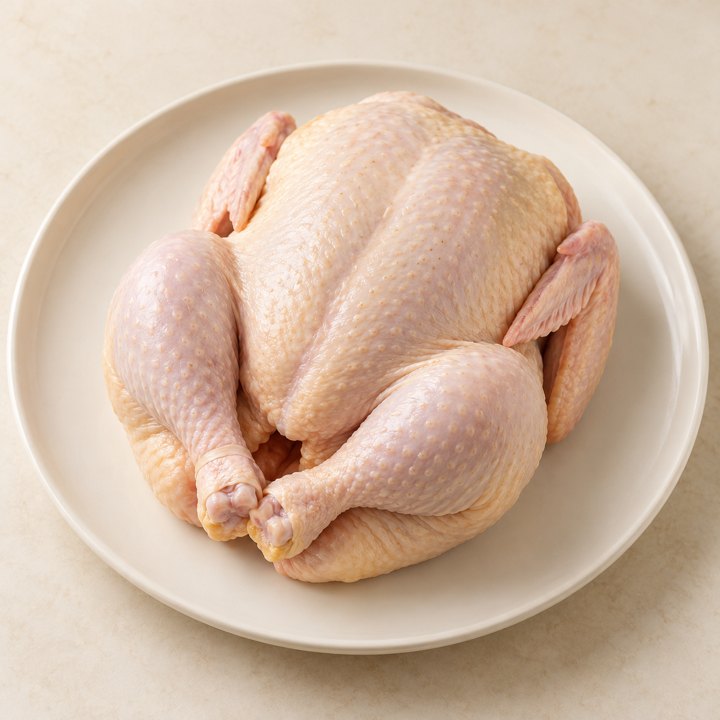
A whole chicken is a dressed bird with breast, two legs, wings and the bony frame still together. It may arrive with skin, neck or a separate giblet packet; these inclusions are not consistent.
What it is and what to ask for
A whole chicken is a dressed bird with breast, two legs, wings and the bony frame still together. It may arrive with skin, neck or a separate giblet packet; these inclusions are not consistent. Ask for dressed weight, whether the cavity is empty and whether the bird is suitable for roasting or slow moist cooking. A whole bird is a useful way to get several textures from one purchase, but its price includes bone and trimming.
Choose it for a family roast, sajji-style preparation in suitable equipment, or jointing into matching curry portions. It is less convenient when every guest needs identical boneless pieces or dinner must cook in minutes. A very large bird is not automatically better value: first check your oven, roasting dish and refrigerator space. Ask the butcher to joint it if you do not have a secure board and suitable knife.
Choosing the right form for a Pakistani kitchen
In a Pakistani kitchen, one chicken can become a roast, karahi portions and a stock frame. That practical use of the whole bird matters more to shopping than a romantic origin story. Broiler usually indicates a meat bird; desi is a broad market description, not a guarantee of age, tenderness, husbandry or safety.
Ask whether the bird is young and tender or older and firmer. An older bird can be delicious in moist cooking, but needs a different texture plan from a quick roast. Fresh and frozen birds can both work when properly handled. Compare their declared ingredients, packaging and cold chain rather than assuming that one word establishes quality.
How to use it successfully
Remove packaging and any giblet bag before cooking; check both openings. Do not leave a bird on the counter to warm through. For roasting, dry the surface with disposable paper, season inside and out, and leave space for heat to circulate. Follow a recipe matched to your bird and equipment. A crowded pot or a small countertop oven can brown the outside well before the deepest meat is ready.
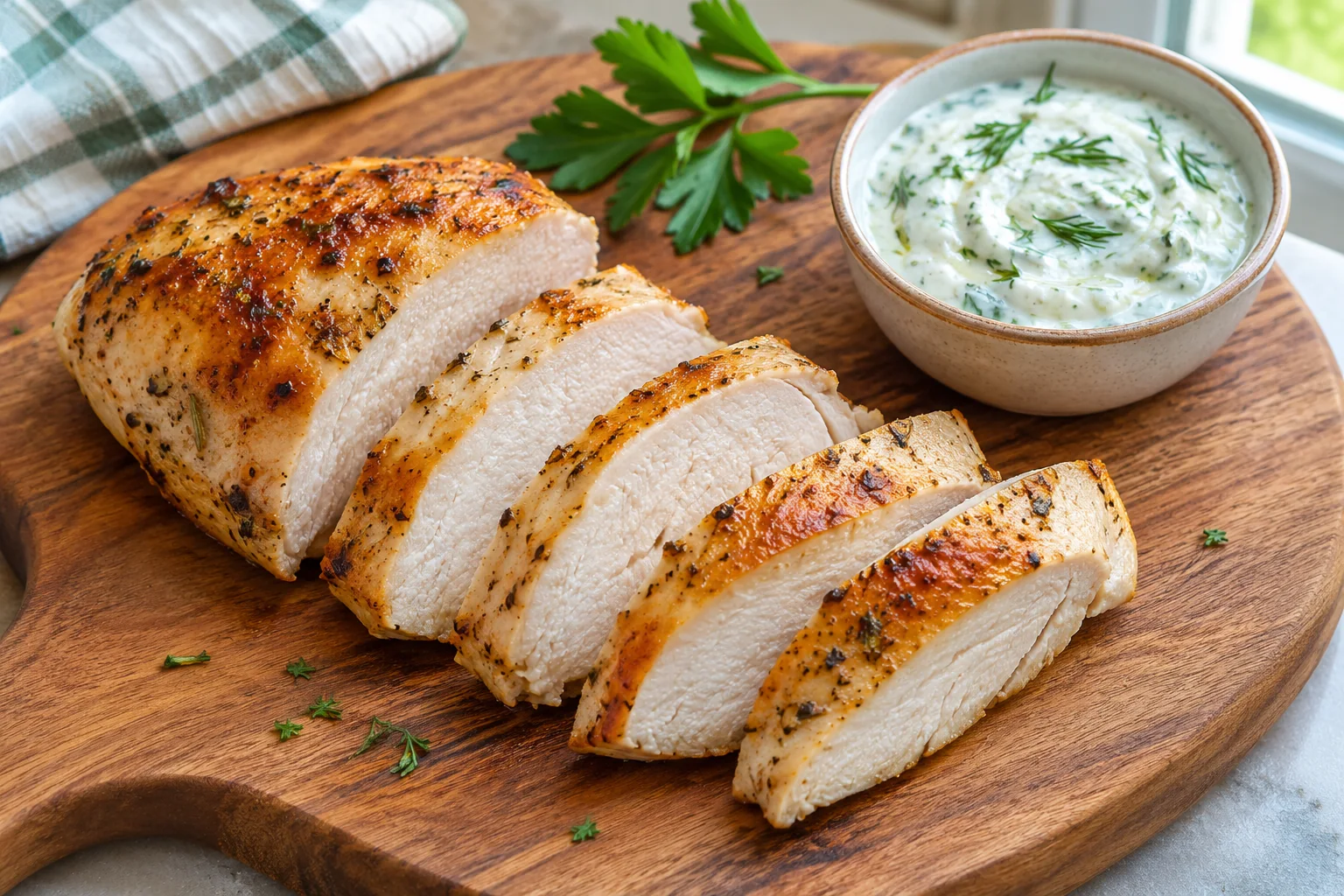
Measure temperature in the thickest breast and innermost thigh and wing areas, avoiding bone. All must reach 74°C. Check both sides if your oven heats unevenly. Cook stuffing separately for simpler control; stuffing cooked inside poultry must also reach 74°C. Rest briefly for easier carving after the safety checks, then separate legs, wings and breast on a clean board. Breast usually dries before the legs become very soft, so jointing before cooking can give better control when tenderness matters more than presentation.
FoodSafety.gov: all poultry, including giblets and mince, needs 74°C
Nutrition, benefits and limits

A whole bird supplies protein and a mix of lighter breast and darker leg meat. Removing skin and visible fat gives a leaner serving; roasting skin on does not oblige anyone to eat it. Added butter, oil, salty seasoning and rich gravy influence the finished plate as much as the choice of chicken.
Serve chicken with vegetables and a fibre-containing accompaniment such as daal, beans, wholegrain roti or an appropriate grain portion. The frame is useful for flavouring stock, but a bowl of strained broth is not nutritionally equivalent to a serving of meat. Neither desi chicken nor a whole bird should be sold as a cure, a detox or a guaranteed stronger source of nutrition without specific evidence.
Choosing a replacement
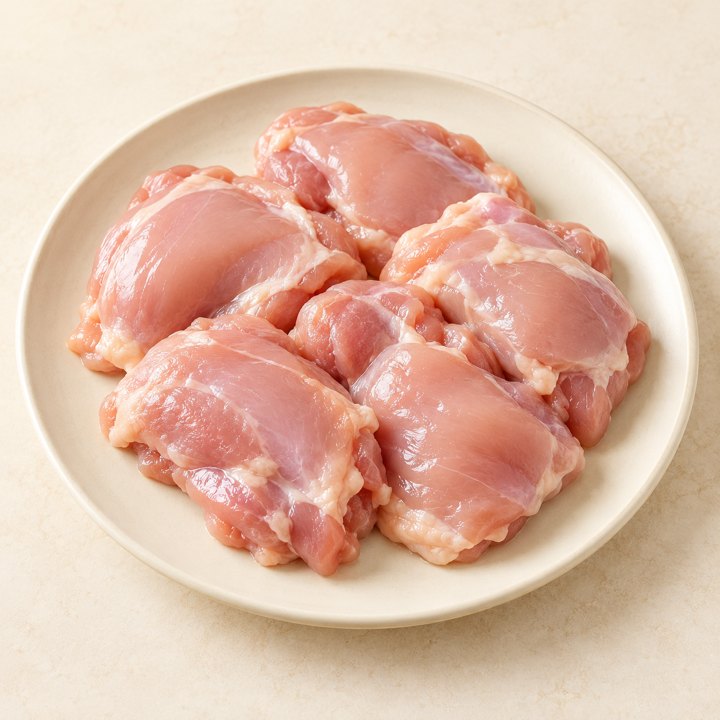
Bone-in thighs or leg quarters are the closest practical alternative when you want roast-style flavour with easier portioning. Buy similarly sized pieces and check each thick portion. Boneless thigh suits tikka and quick curries, while breast suits sliced dishes that benefit from a leaner, more uniform bite. They require their own timing rather than the whole-bird schedule.
A mix of cuts is useful only if you manage the differences: remove safely cooked breast before it dries and let thicker legs finish. For a vegetarian meal, chickpeas or tofu can carry similar spices, but will not reproduce the shape or carving ritual of a roast. Replace the role in the meal, then select a recipe designed for the replacement.
Safe handling and storage

Keep raw poultry in a sealed leakproof container on a low shelf away from ready-to-eat food. Set the refrigerator to 4°C or below and use or freeze raw chicken, mince and giblets within one to two days. Thaw and marinate in the refrigerator. Do not wash raw chicken: water splashes can spread bacteria. Clean hands, boards, knives and worktops after preparation, and use a clean plate for cooked food.
Cook all poultry to 74°C, including mince and giblets, measuring the thickest edible part away from bone. Cool leftovers promptly in small shallow containers. Refrigerate within two hours, or one hour when exposed to temperatures above 32°C. Properly chilled cooked chicken generally keeps three to four days; reheat leftovers to 74°C. These limits assume continuous safe chilling, not hours of warm storage before refrigeration. Freezing or reheating does not reliably rescue food that has been left out too long. If its handling history is unsafe or uncertain, discard it rather than tasting to check.
USDA: raw and cooked chicken storage; FDA: do not wash raw poultry; FoodSafety.gov: chilling and thawing; USDA: cooling hot food
Planning, portions and serving
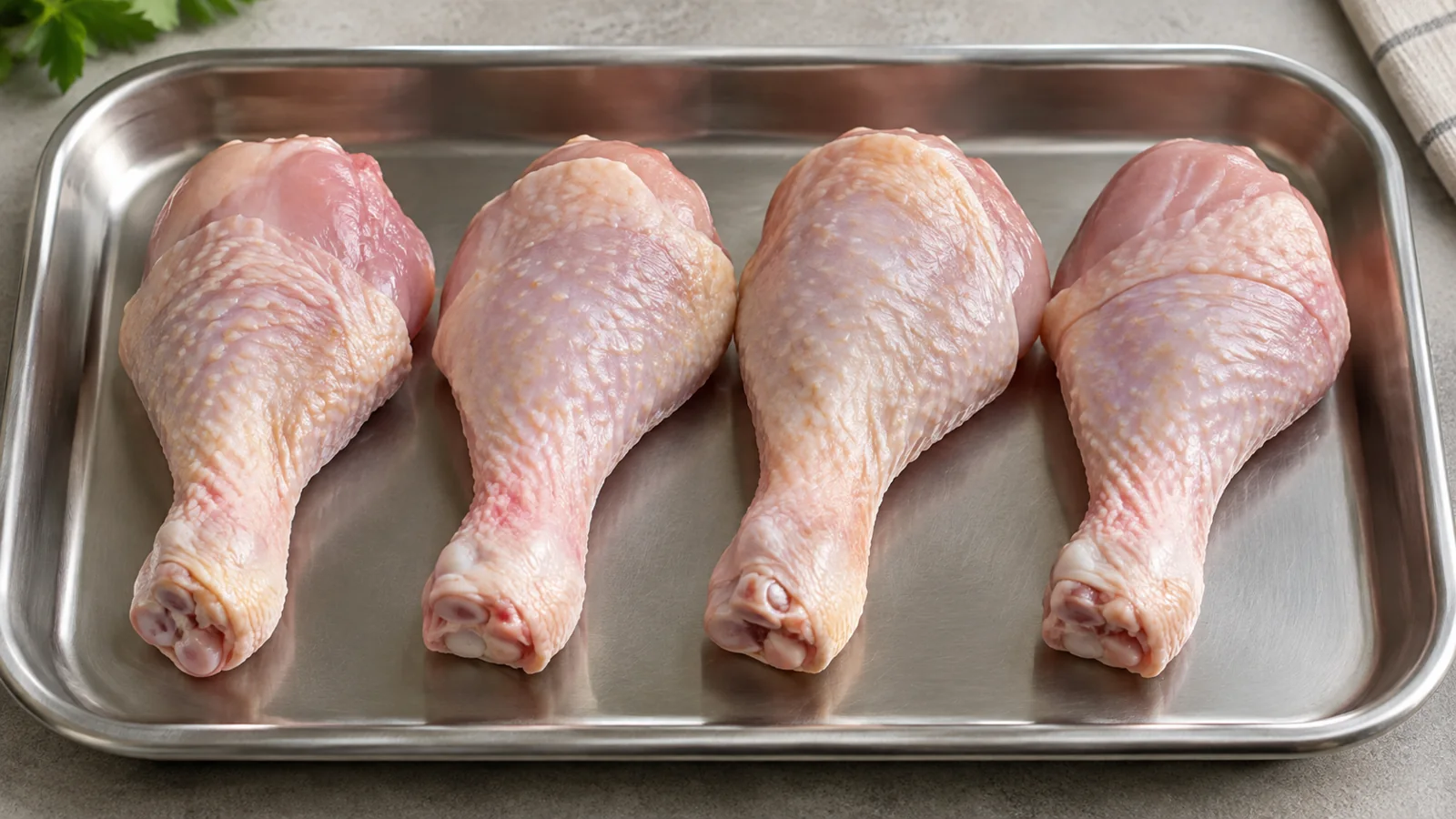
Plan the bird around the actual diners and side dishes rather than promising a fixed number of servings from every chicken. A bone-heavy bird and a meatier one of the same weight do not give identical portions. If you want leftovers for sandwiches, allow for them before carving and reserve that meat promptly with clean utensils.
Separate cooked meat from the frame for easier cooling. Put a small amount of roast chicken into soup, rice or a wrap as part of a fresh meal, while giving those other ingredients their own safe handling. Keep raw frames intended for stock in a labelled leakproof container and use or freeze them within the same short raw-poultry storage window.
Recipes and pantry links

Read the complete recipe before shopping so you know whether it calls for raw or cooked chicken, bones or no bones, skin on or off and a specific prepared weight. Those details affect both the result and the quantity to buy. Prepare aromatics, sauce ingredients and clean serving utensils before the raw poultry work begins.
Use the linked dishes for practical combinations of cut, seasoning and method. Follow the chicken temperature checks in this guide even if a recipe gives an approximate time. If you change the cut or portion thickness, reassess the cooking sequence instead of assuming the original clock will still work. Keep salads and raita separate from all raw-chicken tools.
Names and forms used in our recipes
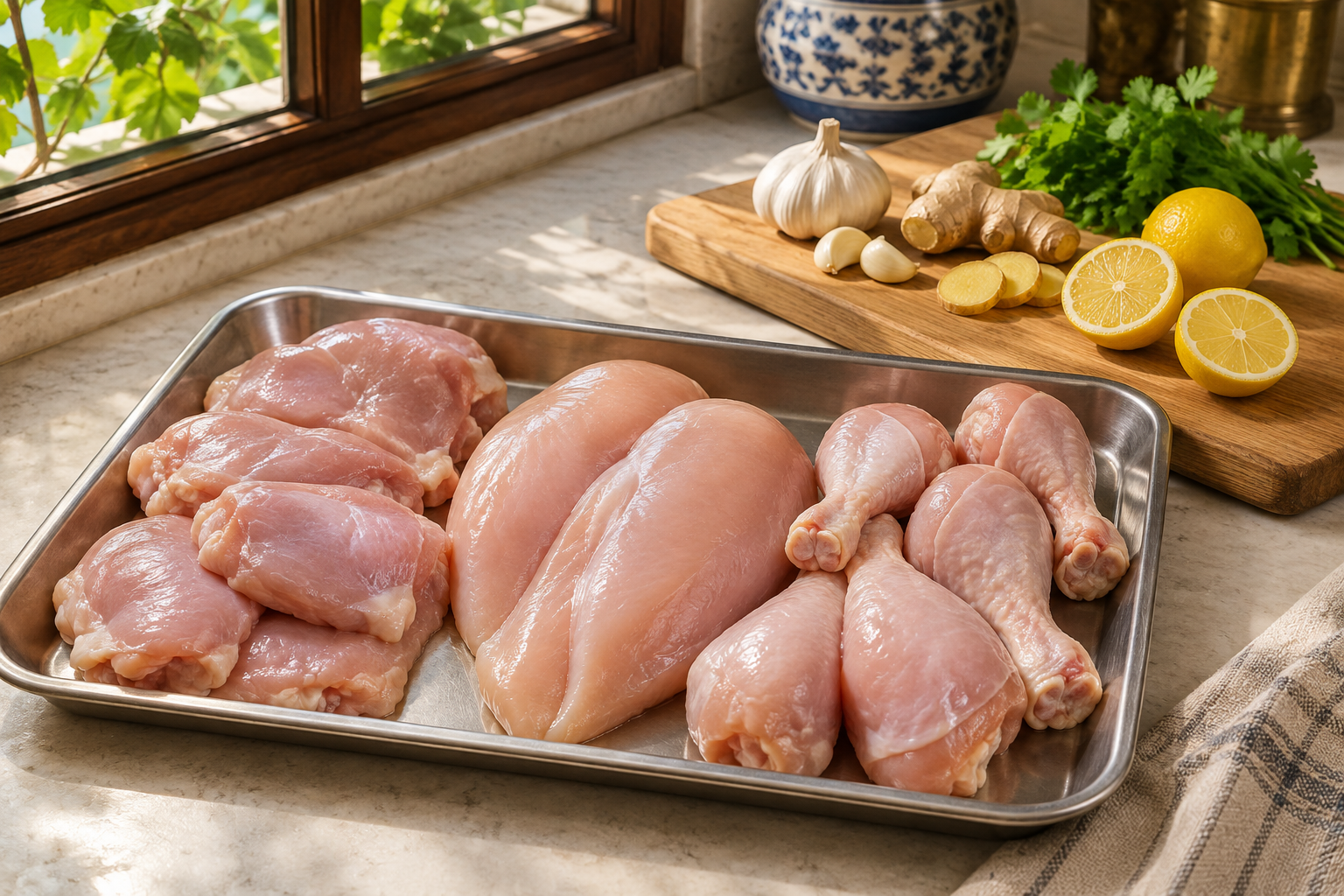
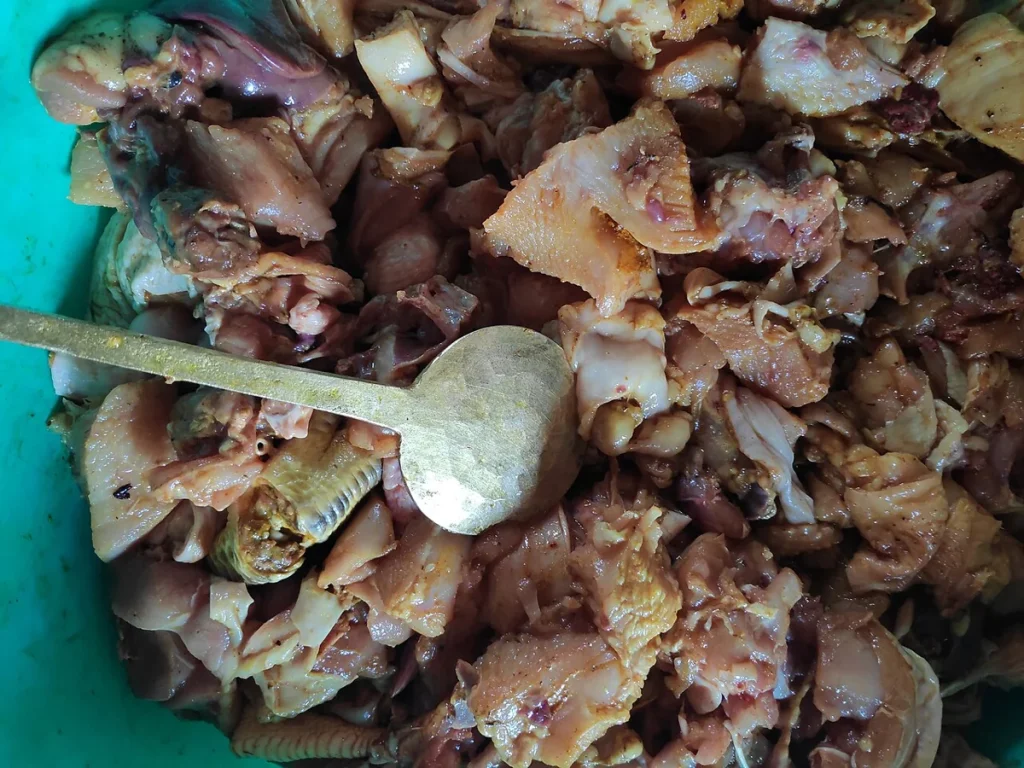
Whole, jointed and spatchcocked describe different preparation forms. A spatchcocked bird has its backbone removed and is flattened; it generally fits a different roasting setup from an intact bird. A jointed chicken contains a variable mix of breast, thigh, drumstick, wing and frame pieces. Confirm the number and sizes before comparing prices.
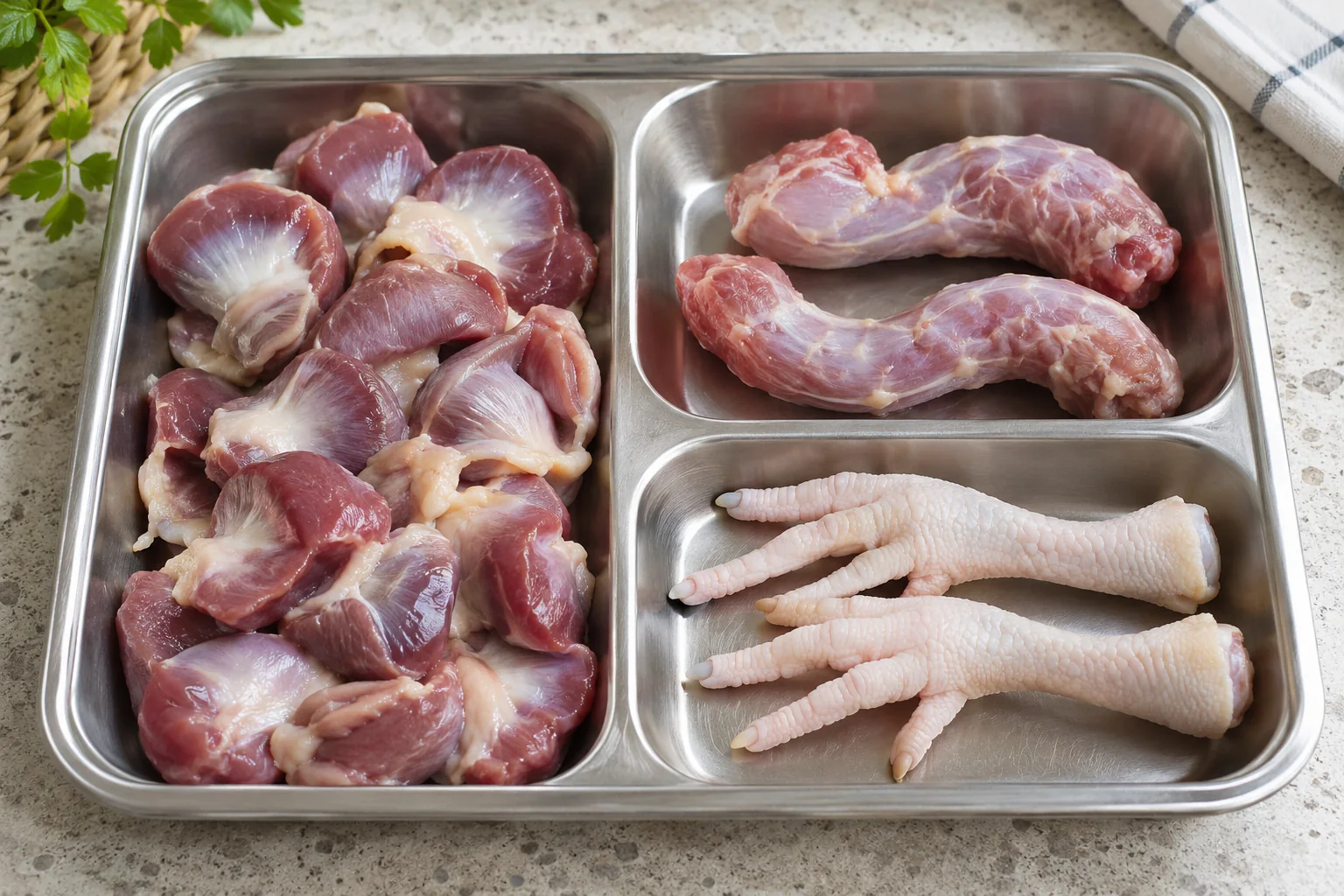
Skin-on versus skinless also changes browning and fat content. Giblets are a separate ingredient with a separate texture; do not leave the packet in the cavity or assume every small organ belongs in stock. Request the liver separately if you want a clean, mild broth. These details help a butcher supply the form your recipe actually needs.
- country chicken
- whole chicken
- whole raw chicken with cavity, giblets removed
- whole raw chicken, giblets removed
Frequently Asked Questions
Can I use a broiler schedule for mature desi chicken?
An older desi bird may need slower moist cooking than a tender broiler. Ask about age and texture, choose a suitable recipe and check all key areas reach 74°C; colour and a fixed schedule are not enough.
What should I check before buying whole chicken for these recipes?
Confirm dressed weight, whether neck or giblets are included and whether the bird fits your cooker. Remove any packet from the cavity before cooking, and compare usable portions rather than only kilogram price.
What is a practical substitute for whole chicken?
Matching bone-in thighs or leg quarters make portioning easier. They change the presentation, yield and cooking checks, so use a recipe suited to those joints rather than a whole-bird clock.
Keep Exploring
Related places and stories on DailyLife.pk
How we know this
- Type Explainer
- Sources 6 (4 official/academic)
- Reviewed November 2026
- Disputed points None
6 sources
Photo credits (1)
- Chicken Meat.jpg, Gaurav Dhwaj Khadka, CC BY-SA 4.0, via Wikimedia Commons
