
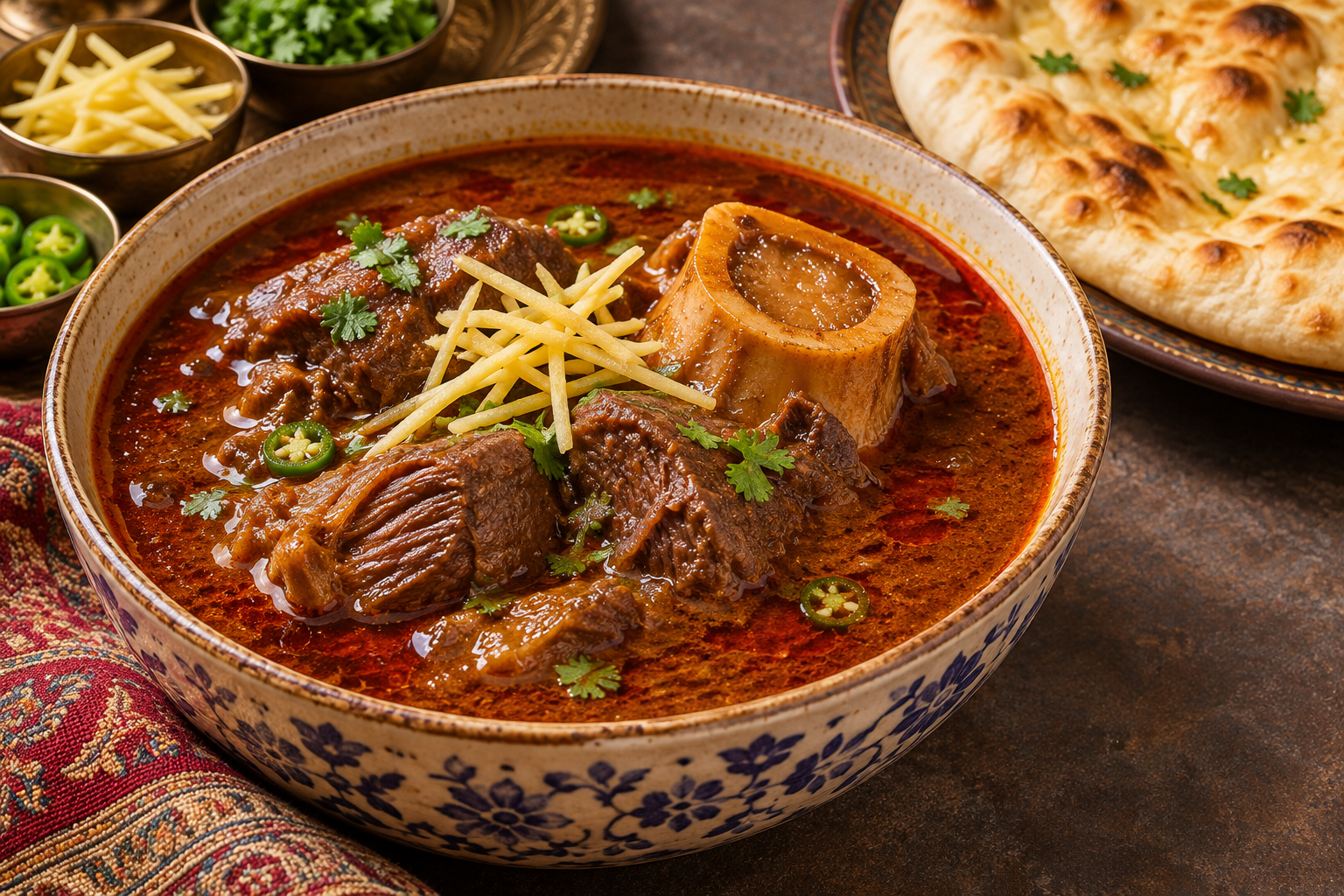
Meat kitchen • Pakistan
Beef in Pakistan: CutsBenefits, Cooking and Storage
Choose cattle beef by the actual cut, compare usable portions and cook and store it safely, with illustrated uses and balanced nutritional limits.
DailyLife.pk meat kitchen
Cattle beef: identity, uses and nutritional limits
Begin with two questions: is this cattle beef, and which muscle am I buying? Bara gosht is a broad everyday description, not a precise species or cut label. If you want cattle rather than water buffalo, say gai ka gosht and ask the seller to confirm it on the packet or receipt. Redness, price and fat colour cannot reliably settle identity. An honest description matters for preferences, expectations and choosing a method.
Beef can be versatile because its muscles do different jobs. Tender loin cuts can suit quick cooking; hard-working shoulder and leg muscles often reward a patient braise. Boneless means only that bone has been removed. It does not turn shoulder cubes into steak or make every package suitable for a fast karahi. The animal’s age, handling and the particular muscle also influence tenderness.
Beef muscle meat can contribute protein, iron, zinc and vitamin B12. Its value is as part of a varied meal: add vegetables, pulses or whole grains, and choose the amount of added oil deliberately. Fat content depends on the actual cut, trimming and recipe; a species name or a dark red colour cannot establish that a portion is lean. A dish with a large layer of ghee is different from a modest serving of trimmed meat. World Cancer Research Fund describes both these nutrients and the limits of red meat.
All mammalian muscle meat counts as red meat, so cattle, buffalo, camel, goat and lamb share the same weekly allowance. WCRF recommends that people who eat red meat limit it to about 350–500 g cooked weight per week and eat little, if any, processed meat. This is an international cancer-prevention recommendation, not a Pakistani recommended daily allowance or an individual treatment plan. Plain fresh mince is not automatically processed meat; curing, smoking and preservation change the category. Meat is optional in a balanced diet, and extra servings are not a treatment for tiredness, anaemia or any other illness.
Choose the cut for the dish
Order a named part before discussing the recipe. Ask the butcher to show the piece before it is diced, and separate bones, excess fat and usable meat when comparing quantities. The photographs below are culinary illustrations, not a replacement for a butcher’s cut identification.
Shank or bong
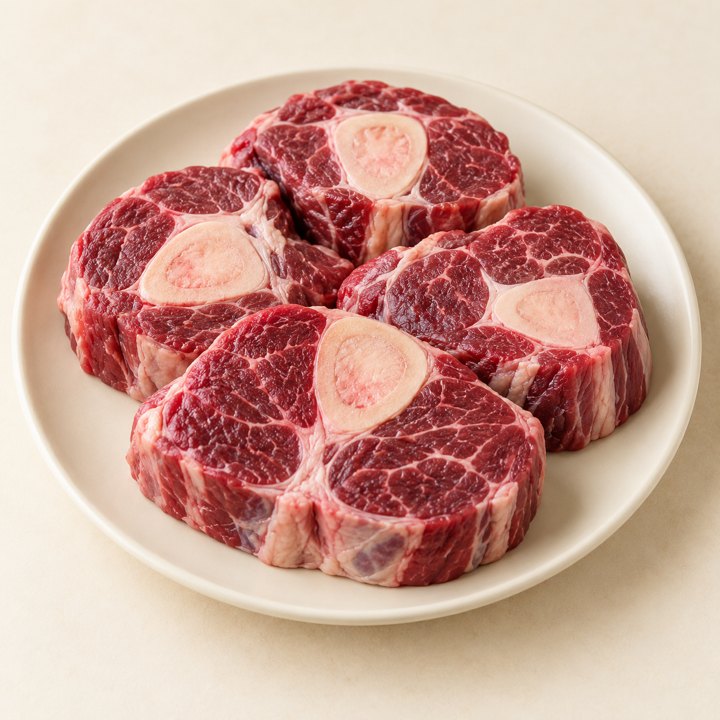
Shank is a hard-working lower-leg cut with connective tissue. Bone-in cross-cuts often include a marrow centre, while boneless shank can be easier to portion and shred. Use it for nihari, haleem or a slow stew; remove every loose bone before beating haleem. Nalli refers to marrow or marrow bones in common usage and is not a guarantee of a particular quantity of shank meat.
Chuck or shoulder
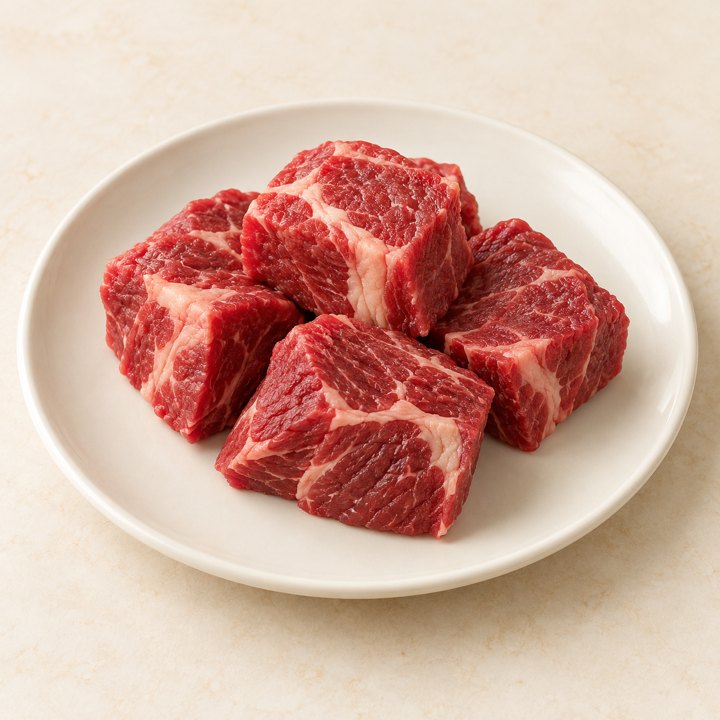
Chuck generally comes from the shoulder region and includes several muscles. It suits qorma, stew and shredded fillings when the selected piece has enough connective tissue for moist cooking. Ask for even cubes and remove heavy surface membrane. Some individual shoulder muscles have different uses, so a generic chuck label is not a promise of quick tenderness.
Sirloin and tender quick-cooking pieces
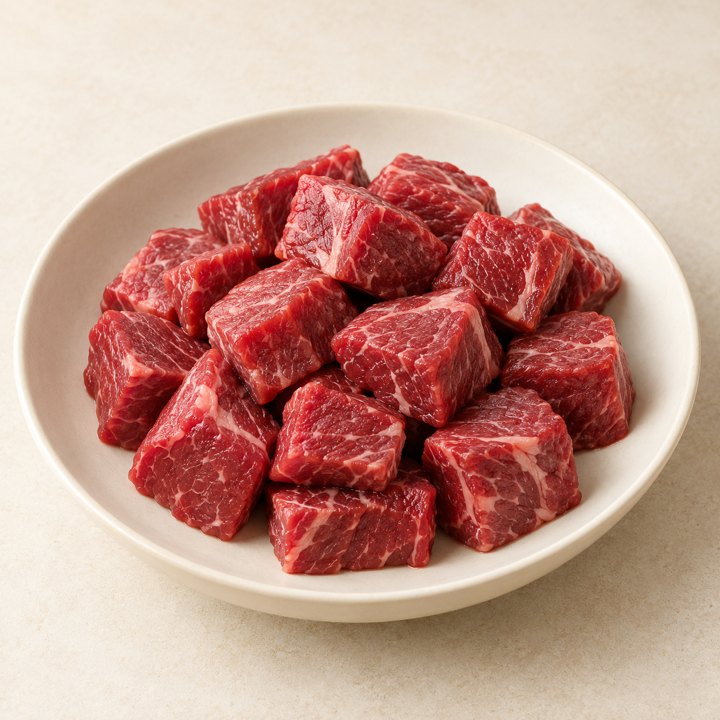
Sirloin can suit steak, strips and boti when the actual piece is appropriate and tough membrane is removed. Tenderloin is another quick-cooking option, usually bought at a premium. Cut across the grain after cooking and portion evenly. Save premium tender meat for a method that benefits from it instead of boiling it for hours.
Brisket and ribs
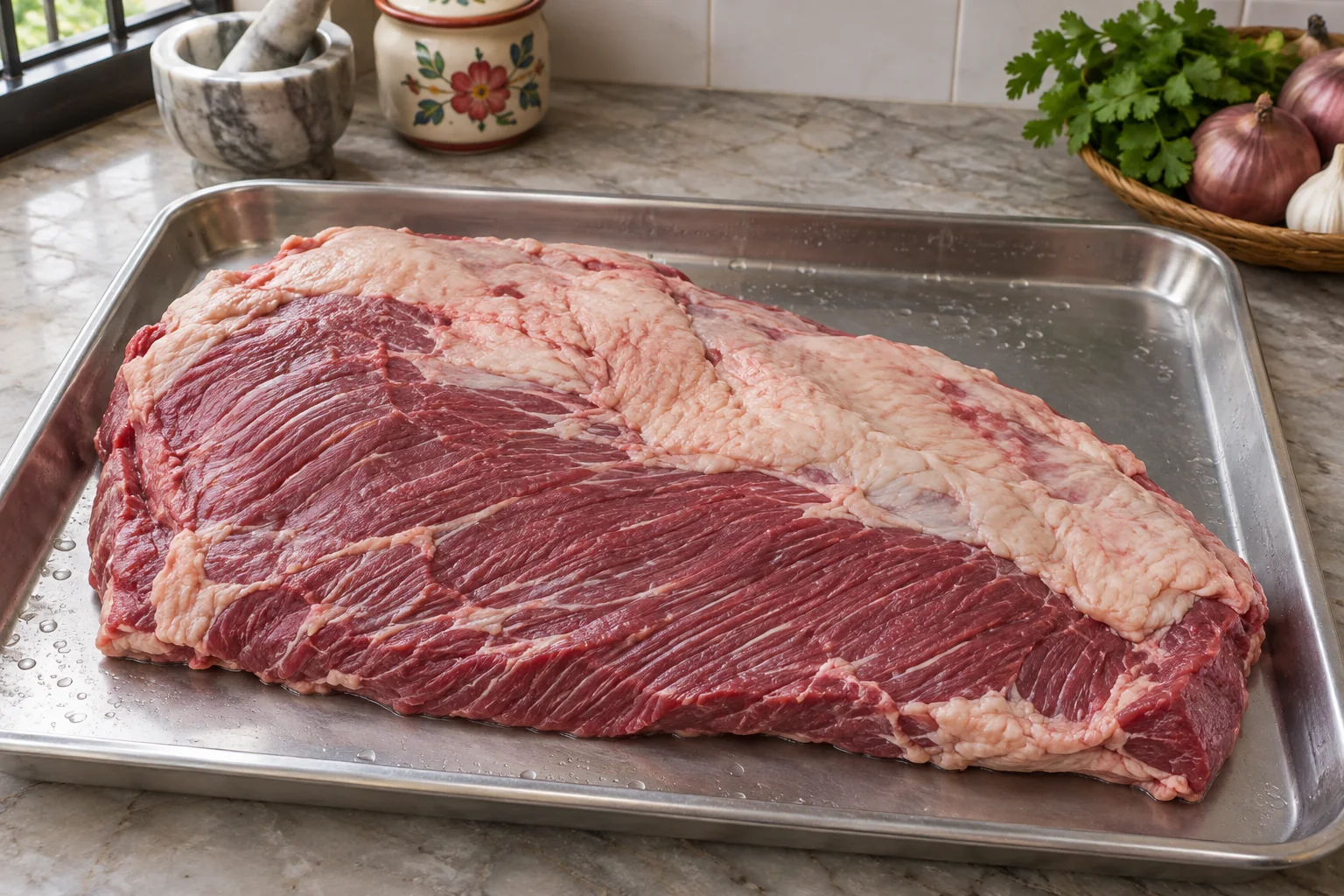
Brisket comes from the breast area and needs a slow braise or another carefully controlled long cook. Ask how much fat has been retained. Let a braised piece settle before slicing across its grain. Ribs may be sold as meaty short-rib portions or as much leaner bones; they have very different edible yields.
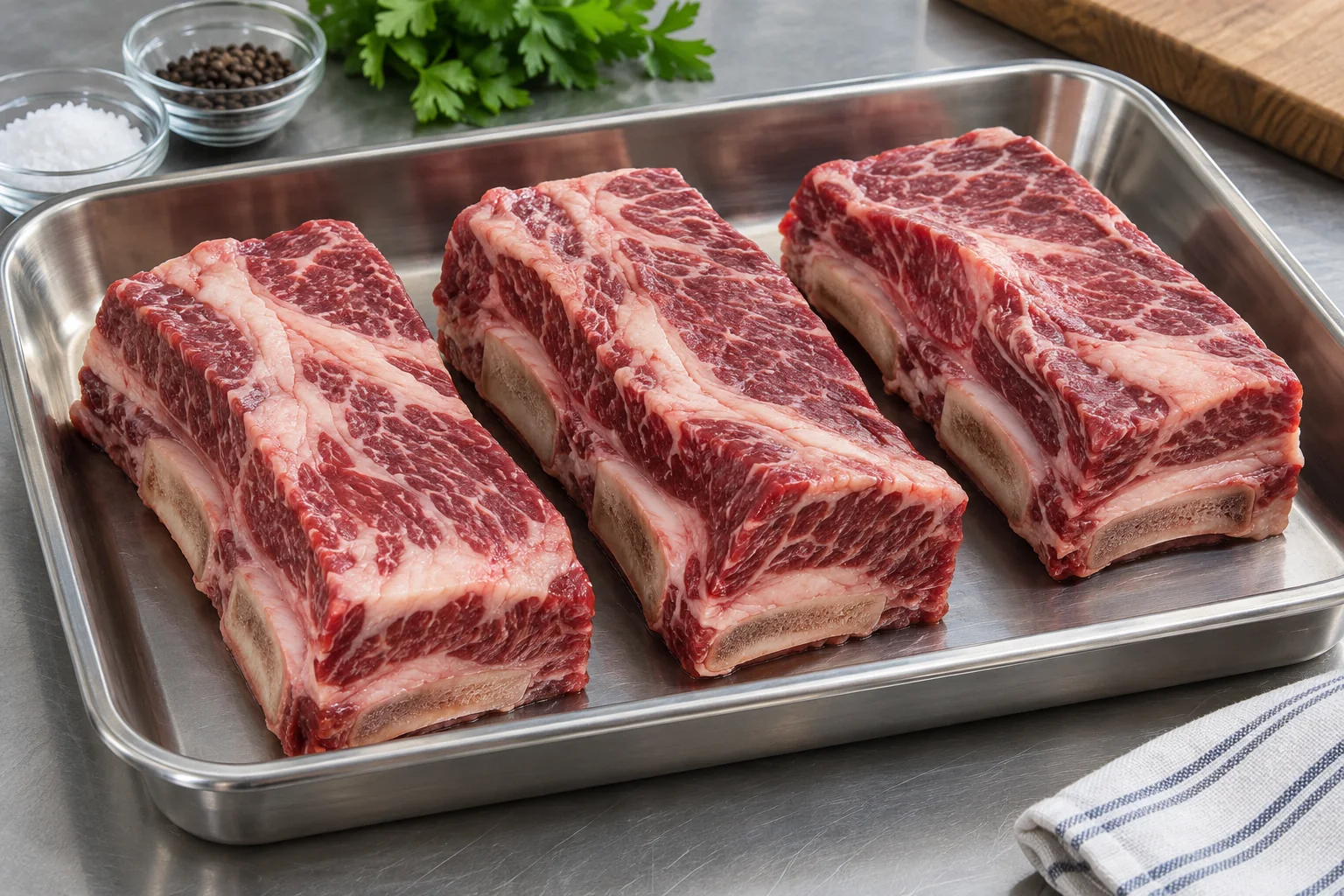
A rib braise needs room for the pieces, enough liquid and patient tenderness checks. Skim excess fat from the cooled sauce if desired. Do not compare a kilogram of mostly bone with the price of boneless shoulder as though both will feed the same number of people.
Tail, marrow and tongue
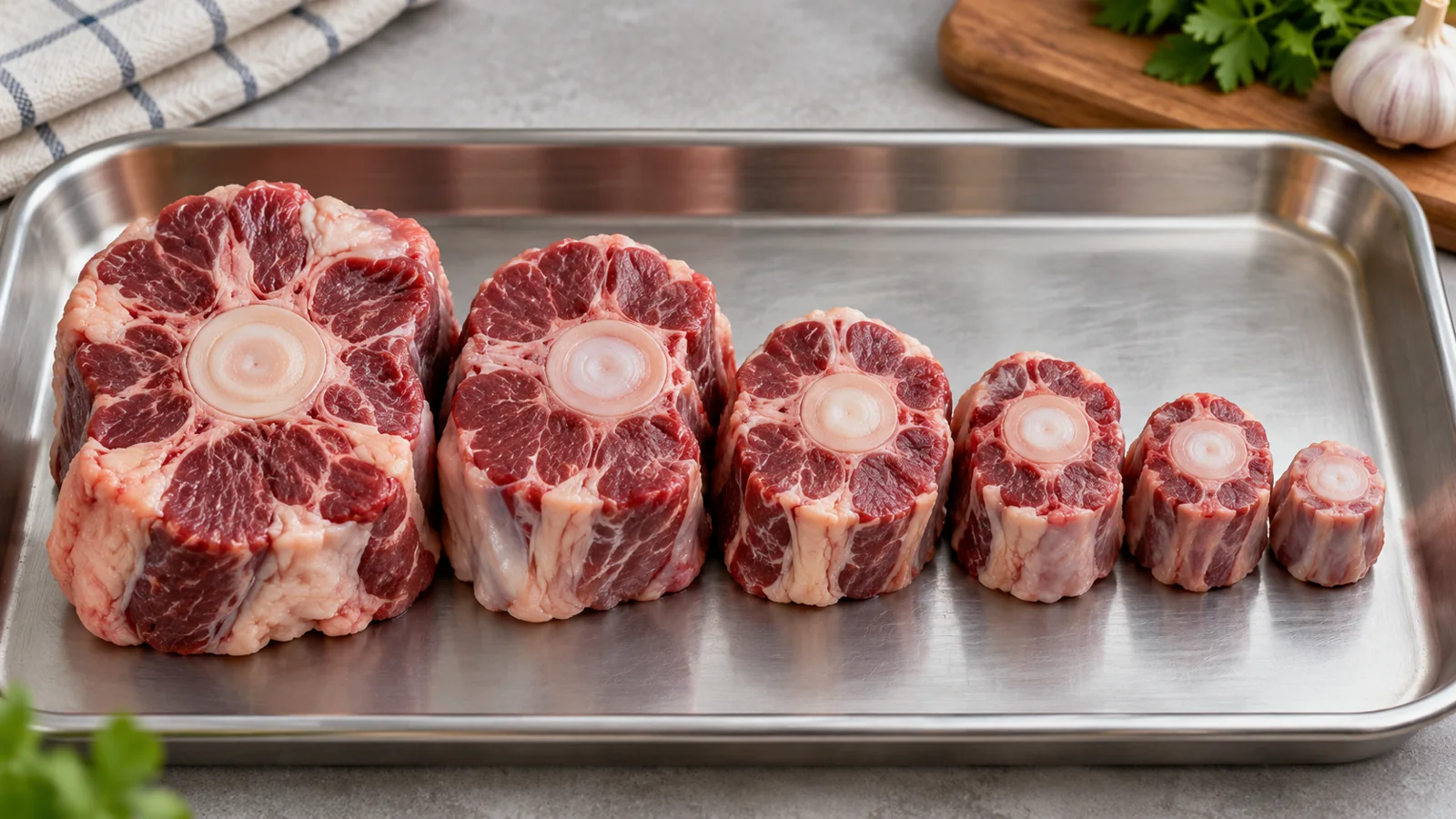
Tail is bone-heavy with meat and connective tissue around each segment. It can enrich a long stew or stock, but it yields less edible meat than the same raw weight of boneless beef. Handle small bones carefully when serving.
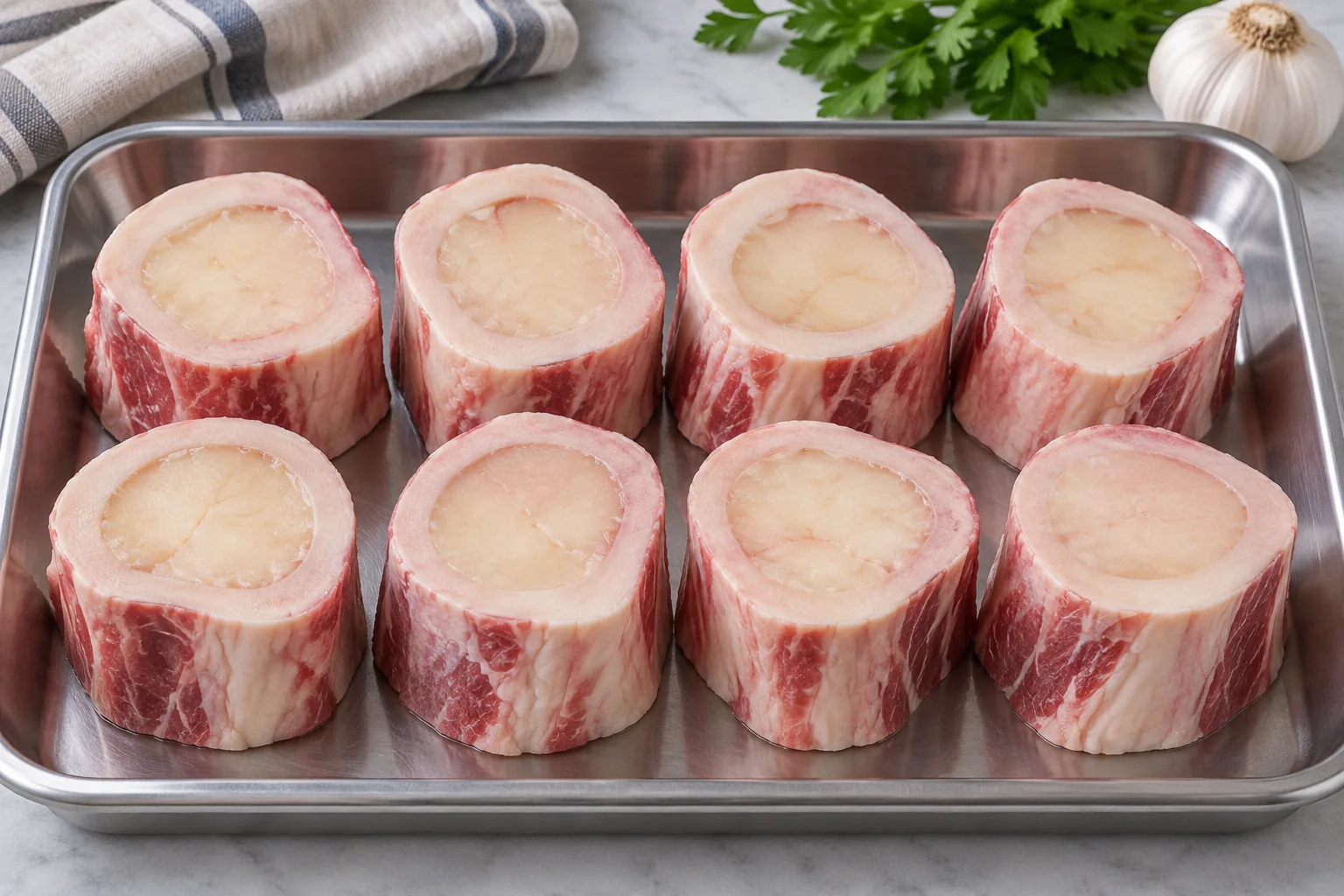
Marrow is rich and fatty. Buy it for a deliberate nalli addition or a stock, not as a supposed medicinal supplement or a substitute for a portion of muscle meat.
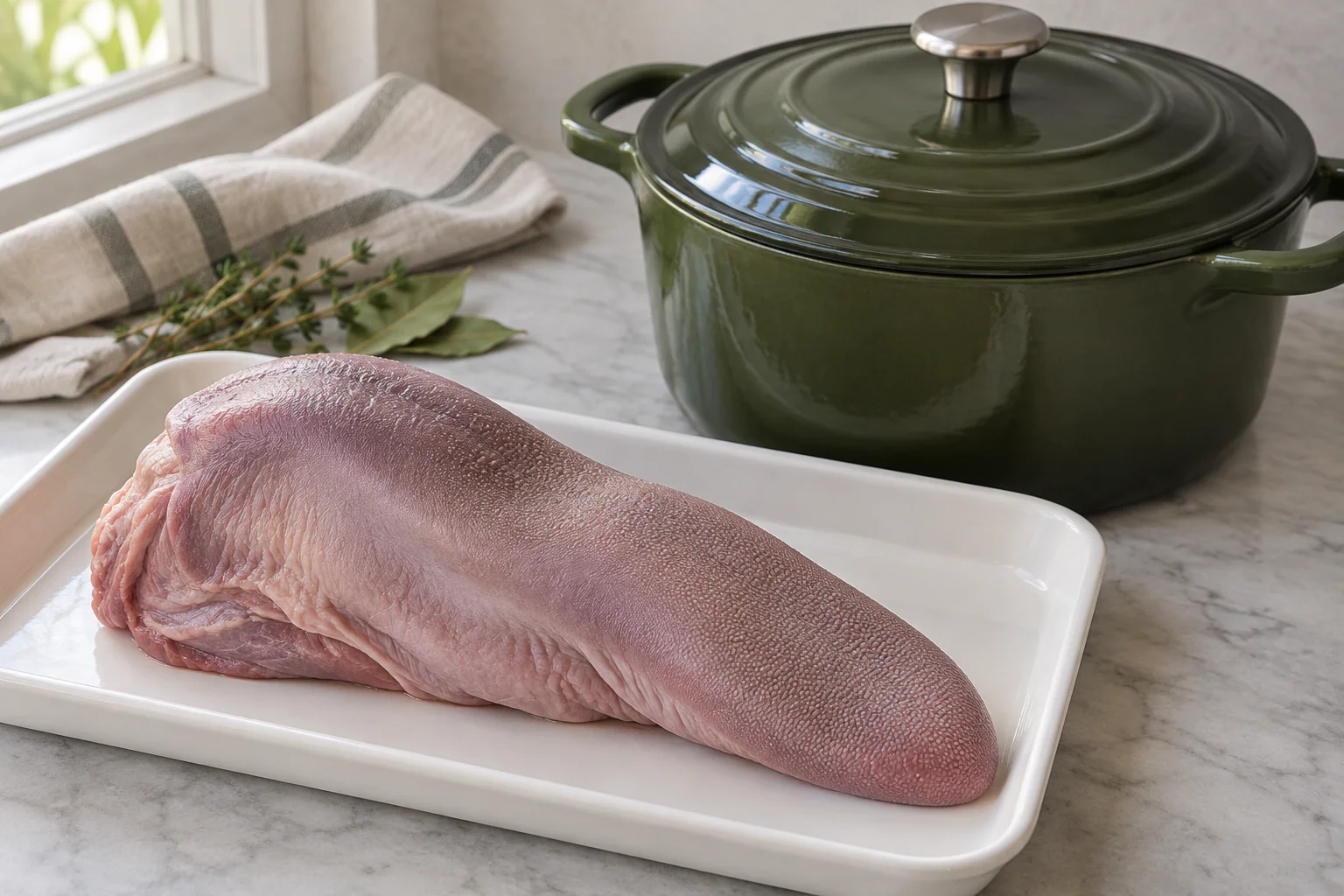
Tongue needs a longer moist preparation and removal of its tough outer covering when the recipe directs. USDA includes it with organ and variety meats requiring 71°C. Use a tested tongue recipe and chilled handling rather than treating it as an ordinary steak. USDA temperature guidance.
Order clearly and compare usable portions
For nihari, try: “Gai ka bong, nihari ke liye; meat aur nalli alag weigh karein.” For a curry, name shoulder or shank and request even-sized pieces. For steak, agree on the actual muscle and thickness before cutting. These are suggested ordering phrases, not guarantees that terminology is identical in every city.
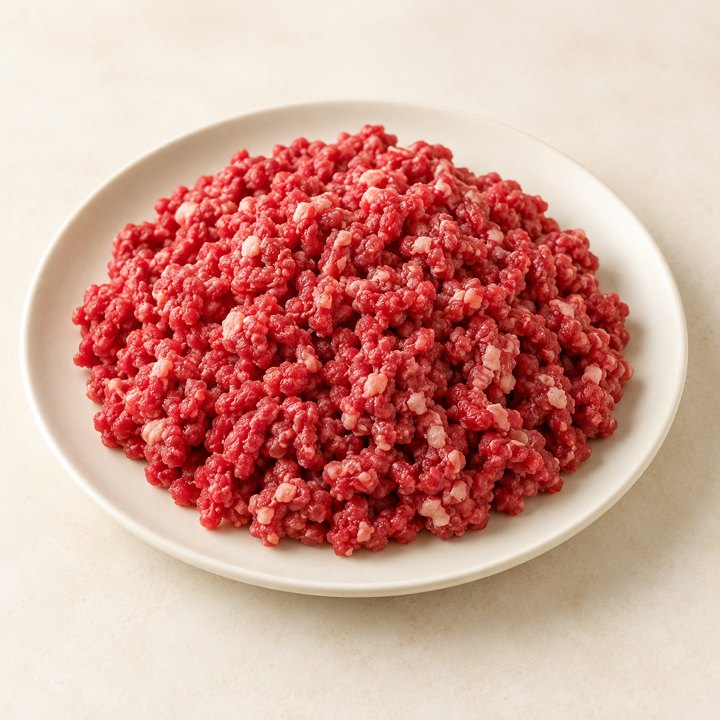
For keema, choose the piece and agree on fat before grinding on clean equipment. Ask whether it is plain cattle meat or a mixture. Buy only the quantity you can chill promptly. A lean mixture can suit a saucy keema, while a kebab recipe may require a particular fat level for texture; added fat changes the nutritional profile.
Compare the final bill, trimmed edible meat, bone, fat and delivery charges. A cheaper bone-in purchase may cost more per edible serving. Ask whether the stated weight is before trimming, and keep a note of how many portions your usual order actually gives. Local quotations are more useful than a fixed national price.
Shop with the cold chain in mind

Collect meat last in the shopping trip and carry it home in an insulated bag with ice packs. Food-safety guidance says to refrigerate perishables within two hours, or within one hour when conditions exceed 32°C; this is a maximum limit, not permission to leave a delivery in the sun. Reject a delivery whose temperature history cannot be trusted. Smell and colour cannot prove that harmful bacteria are absent. FDA handling guidance.
For Eid distribution, sort by intended use as you work and put small packs into chilling promptly. Do not leave all the meat spread out until every parcel has been made. Give recipients the species and cut description and a chilled handover. Avoid overloading a refrigerator with tightly packed warm bags; cold air must circulate. Clean the work surface before preparing vegetables or ready-to-eat food.
Choose a clean refrigerated counter with clear species information and traceable stock. Ask about replenishment for a large order and reserve the required part. Online sellers should explain what they will substitute if the ordered cut is unavailable. Receive the delivery yourself or arrange immediate refrigeration; a doorstep is not cold storage.
Cook for safety and tenderness
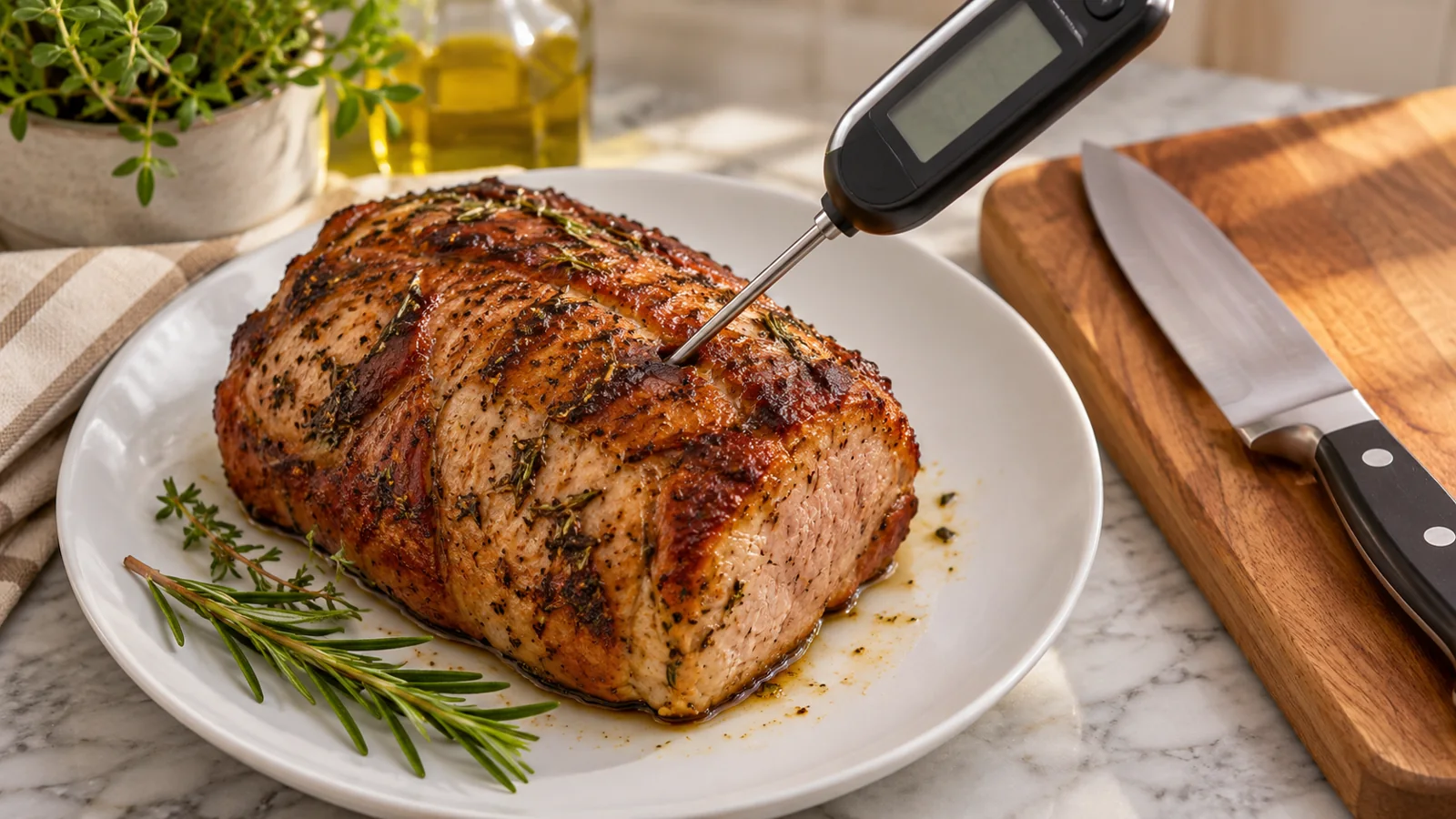
For cattle beef, USDA specifies at least 63°C in the centre of whole steaks and roasts, followed by at least a three-minute rest; ground beef must reach 71°C. Beef organs, including tongue, liver, heart and kidneys, also need 71°C. Place the thermometer in the thickest meat, away from bone and large pockets of fat. For thin pieces, insert sideways. Check several pieces in a mixed batch. A browned outside and a clear-looking juice are not reliable tests. USDA beef temperature guidance.
Shank, chuck, brisket and tail usually need further moist cooking for a pleasant texture after reaching a minimum safety temperature. Safety and tenderness answer different questions. Use a tested recipe and check the meat rather than promising a universal number of minutes. Follow a pressure cooker’s minimum-liquid, fill and release instructions; never force its lid open.
For a braise, dry the surface with disposable kitchen paper if needed and brown in batches when the recipe calls for it. Build the onion and spice base, add liquid, cover and keep a gentle simmer. Check the liquid level and test a thick piece before reducing the sauce. Strong boiling can break pieces apart while the connective tissue is still chewy.
For steak, use even thickness and a properly heated pan, then finish thick pieces more gently. Rest and slice across the grain. For mince, break up clumps and avoid overcrowding; follow the 71°C target in several places. Use a clean platter for cooked meat rather than the tray that held it raw.
Fix texture problems without losing safe storage
Chewy shank or chuck in a moist pot often needs additional gentle cooking, provided the liquid is maintained. A dry lean steak has lost moisture; more boiling will not put it back. Slice thinly and serve with a sauce. Stringy brisket may have been sliced along the grain, while a watery mince pan may simply be overcrowded.
Papaya and commercial enzyme tenderisers can make the surface mushy if overused. Use a tested amount and marinate under refrigeration. Acidic yoghurt or lemon changes flavour and surface texture but cannot remove all tough connective tissue or rescue spoiled meat.
Refrigerate promptly at 4°C or below, in a covered leakproof container on the lowest shelf. Under a reliable cold chain, US guidance allows raw beef steaks and roasts 3–5 days, raw mince and variety meats 1–2 days, and cooked meat 3–4 days. These are upper handling guides, not a promise for meat bought warm or close to its labelled use-by date. Follow the earlier deadline and freeze what you will not use. FoodSafety.gov cold-storage chart.
Freeze in meal-sized flat packs at −18°C or below; write the species, cut and date before packing. Thaw in the refrigerator on a tray. Cold-water thawing needs a sealed bag and frequently changed cold water; cook immediately afterwards. Microwave-thawed meat also needs immediate cooking. Never thaw on the kitchen counter. Cool leftover curry in shallow containers and refrigerate promptly instead of leaving a large pot out overnight.
Reheat leftovers to 74°C throughout, as specified by FoodSafety.gov.
Plan a balanced meal and explore related guides

Choose the dish, identify the cut, and check storage space before shopping. A modest beef portion can be stretched through haleem with pulses and grains, or a vegetable-rich curry. Count the cooked meat across the week rather than treating each red-meat species as a separate allowance.
Read the shank, chuck, sirloin and mince guides for focused methods. The trotter guide covers a different connective-tissue-rich ingredient. Use the buying and storage guide and recipe collection to finish the plan.
Frequently Asked Questions
Are bong and nalli the same purchase?
Bong commonly refers to shank; nalli commonly refers to marrow or marrow bones. Terminology varies, so ask the butcher to show and weigh the meat and optional bones separately.
Is boneless beef automatically suitable for steak?
No. Boneless only describes removal of bone. Establish the actual muscle, its tenderness and the cooking method. Shoulder or shank cubes usually need a different pathway from a suitable sirloin steak.
How we know this
- Type Explainer
- Sources 2 (1 official/academic)
- Reviewed November 2026
- Disputed points None
2 sources
- Meat cuts and cooking methods, FAO
- Why meat colour varies, USDA FSIS
