The links between Pakistan's sectors are easiest to see in cotton. Grown mainly in southern Punjab and Sindh, it is ginned, spun and woven in mills around Faisalabad, Multan, Lahore and Karachi, then turned into knitwear, denim, towels and bedsheets for buyers in Europe, North America and the Middle East. Those products, worth US$17.93 billion in FY26, leave largely through the ports of Karachi and Port Qasim. When the cotton crop fails or energy prices spike, the effects ripple through farms, factories and the export bill.
A similar chain runs through food. Wheat is the national staple and largely consumed at home, while rice, especially basmati from Punjab and long-grain varieties from Sindh, is a major export earner, though rice exports fell by about US$1.1 billion in FY26 according to figures reported from the Economic Survey. Livestock and dairy, kept by millions of small farming households, form the largest part of agricultural output.
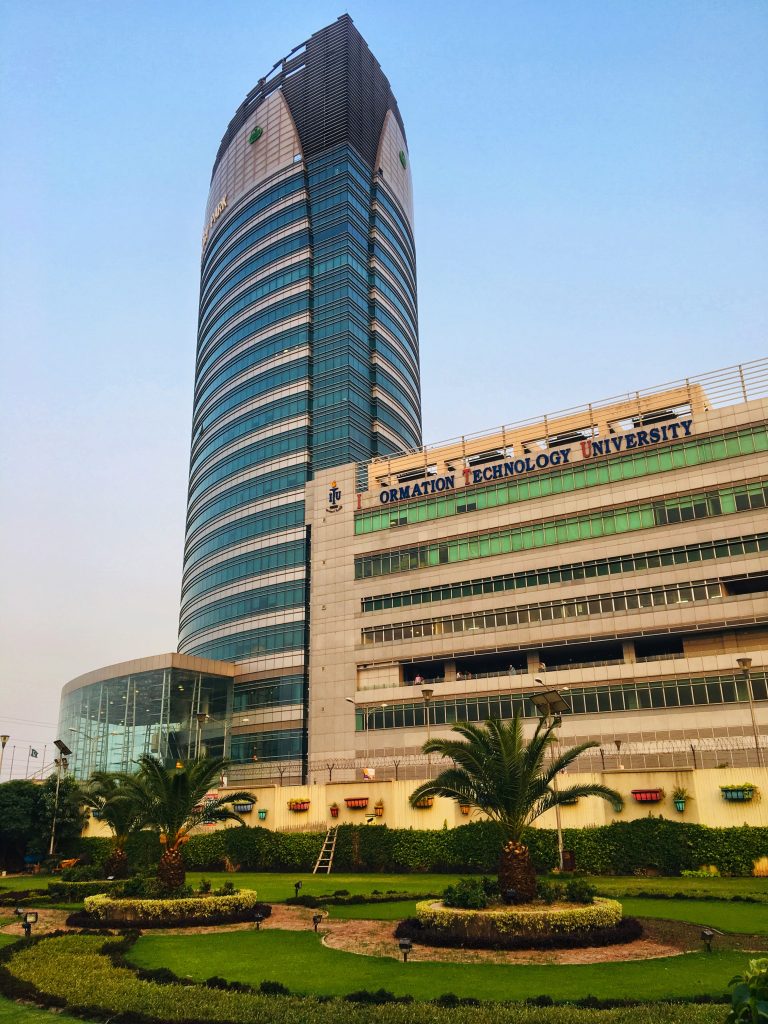
The newest chain is digital. Software houses in Lahore, Islamabad and Karachi, call centres and a large freelance community sell services to clients worldwide, earning foreign exchange without containers or ports, provided internet connectivity and payment channels keep pace.