
Ingredients & Spices · The complete guide
Beef Tripe (Ojri): Buy PreparedCook Slowly and Serve Well
Beef tripe is the edible prepared lining of the animal's stomach. In Pakistan, ojri is a common term, but local naming can cover different products, so ask exactly what is being sold.
Identify the product instead of relying on the name
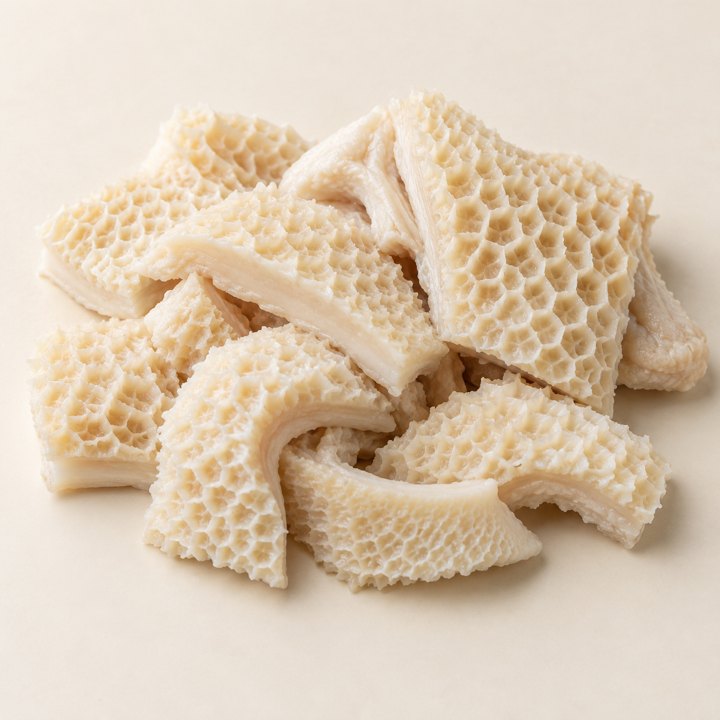
Beef tripe is the edible prepared lining of the animal's stomach. In Pakistan, ojri is a common term, but local naming can cover different products, so ask exactly what is being sold. Honeycomb tripe has a recognisable textured surface, while other tripe can be smoother. It should arrive as properly prepared food-grade material from a competent supplier, not as an unprocessed stomach that the home cook is expected to make suitable for food.
Tripe brings a springy, gently chewy bite rather than the tender fibres of beef chuck. It works in slow-cooked masala, soups and stews where the sauce has time to develop and the tripe reaches the desired texture. It is less convenient for a last-minute meal and can be a poor choice for anyone who dislikes its distinctive texture. Buy for the dish you actually want to cook; the low sticker price has little value if trimming, fuel and cooking time make it impractical.
Ask what the supplier has already done
Ask whether the tripe is raw prepared, blanched, partly cooked or fully cooked, because these descriptions change the recipe and remaining cooking requirements. Request the species, storage instructions and an explanation of the cleaning process. Obtain an ingredient intended for human consumption from a seller who keeps it chilled. A pale or white appearance is not itself a safety guarantee, and heavily scented seasoning is not evidence of cleanliness.
Request an honest cleaned weight and buy only as much as fits the pot and refrigerator. Take it home cold in a leakproof pack, separate from bread, herbs and salad. Reject unexplained warm storage, obvious spoilage or a product whose preparation status the seller cannot identify. Home handling should be a final culinary preparation step; it cannot replace proper slaughterhouse and retail hygiene. Do not use household bleach, detergent or other cleaning chemicals on food. If the product needs extensive processing beyond your experience, choose properly prepared tripe elsewhere.
Preparation and cooking: match the exact part
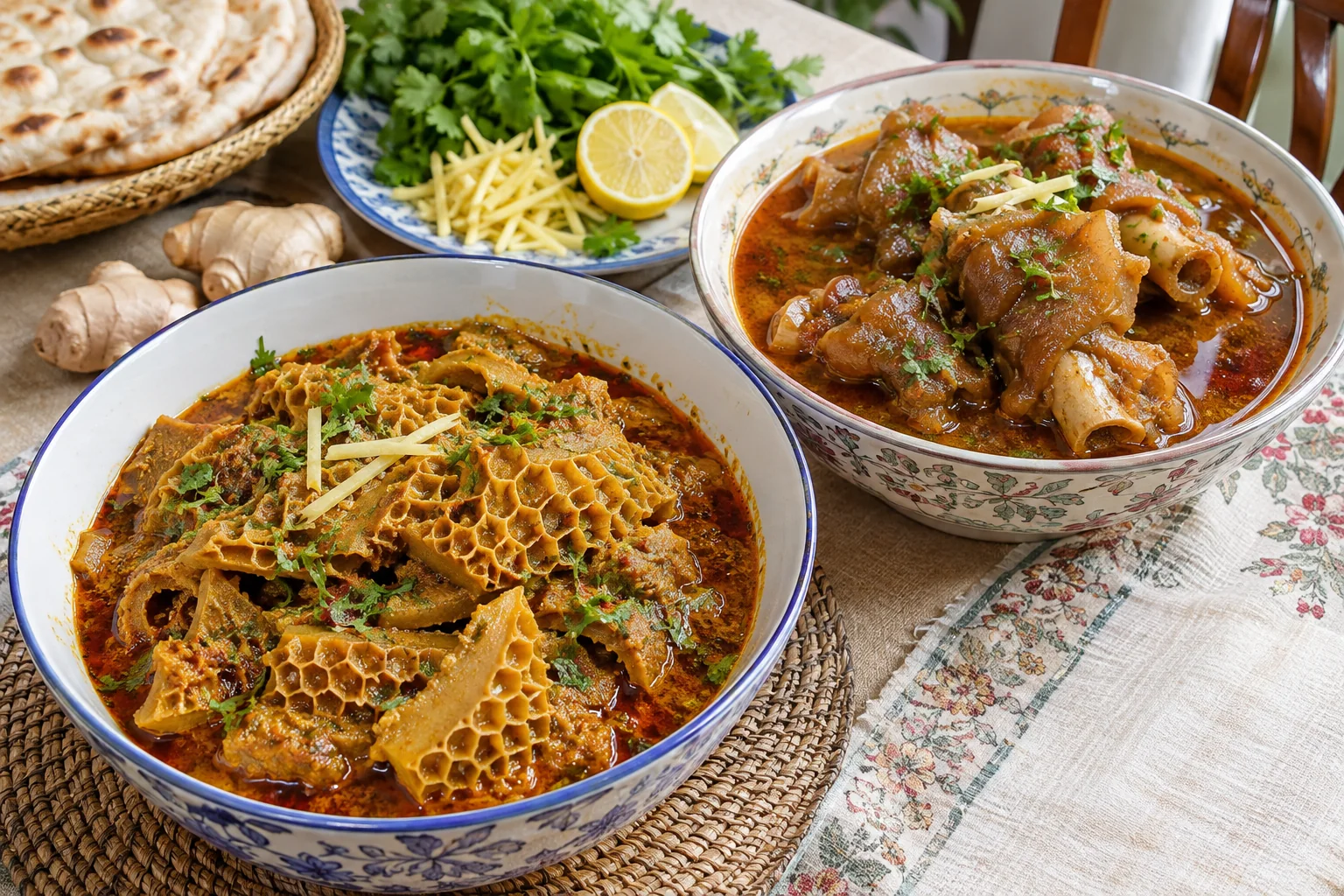
Read the recipe before opening the package. Raw prepared and pre-cooked tripe do not need identical schedules. Trim remaining unwanted tough edges as directed, then cut strips or pieces of reasonably similar size so the finished mouthfuls have a consistent bite. Keep the ingredient contained on a raw-food board and avoid splashing around the sink. Follow supplier directions for any final rinse or preliminary blanching, and clean the sink and surrounding surfaces after raw contact.
If a recipe calls for an initial boil and a change of water, treat that as part of its flavour and preparation method, not a guarantee that dubious material has become safe. Do not leave a warm drained batch waiting for hours between stages. Prepare the spice base, liquid and cooking vessel first so the method proceeds continuously. Separate raw tools from the clean spoon and plate used to test the cooked texture. A sour or spoiled ingredient should be rejected, not subjected to repeated washing until its odour is masked.
Use a pot large enough for controlled liquid and easy stirring. Once the recipe is underway, maintain a gentle cooking stage and check that the base is not sticking. Add water as required by the method instead of boiling the pot dry and trying to repair scorched flavour. A very aggressive boil can break sauce texture without reliably telling you that every piece is pleasant to eat.
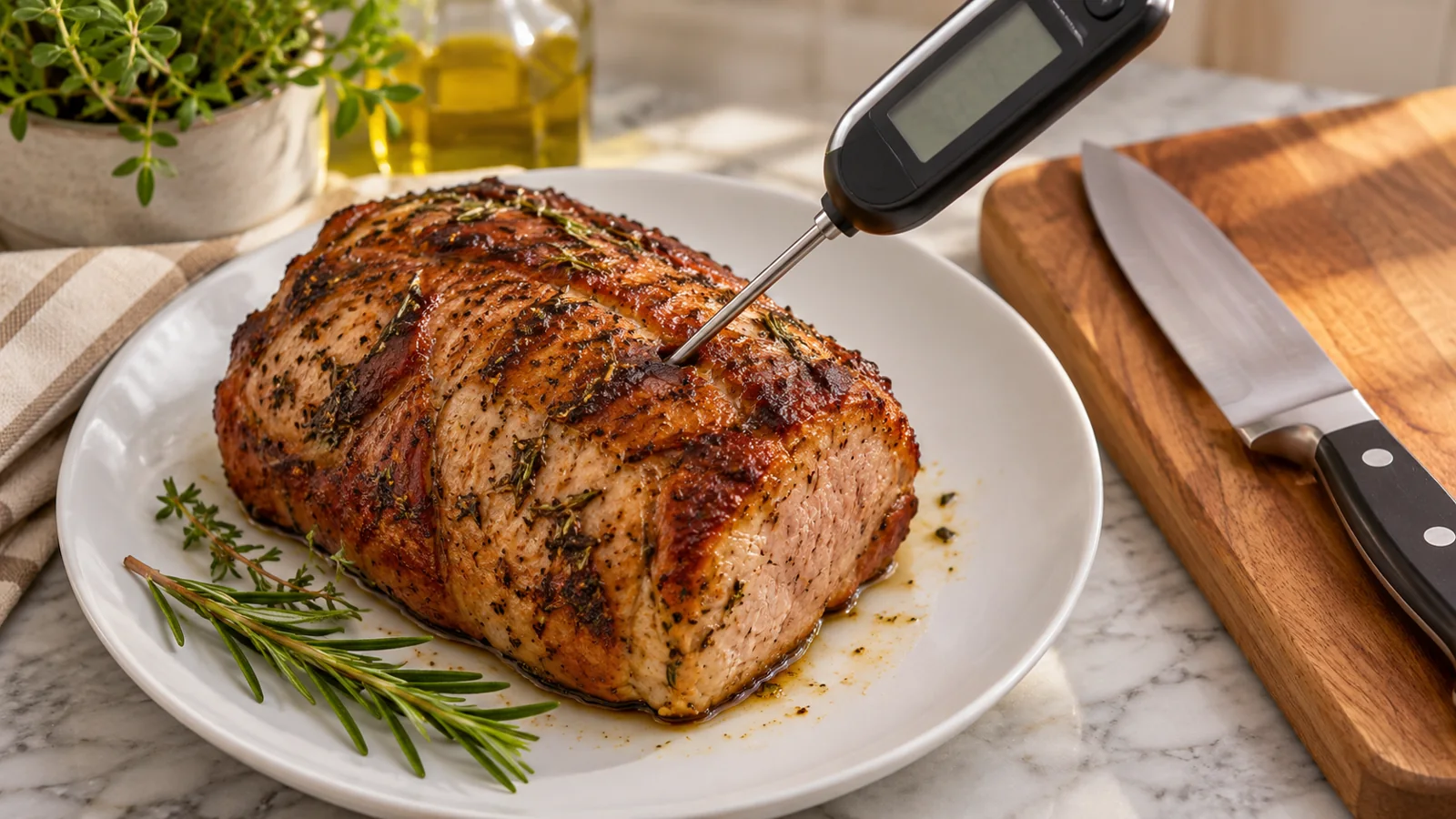
USDA red-meat organ guidance includes stomach and specifies 160°F (71.1°C), commonly rounded to 71°C; see USDA organ-meat advice. Safe temperature and tenderness are separate questions. The tripe may need substantially more cooking after it is safely hot before it reaches the bite desired by the recipe. Do not promise one fixed boiling time for different animals, tripe types and prior processing. In a pressure cooker, follow the manufacturer's fill, liquid and release rules, especially for foaming preparations. Release pressure as directed before opening, then assess the texture and adjust the final sauce.
Consider the final spoonful when cutting tripe: very long strips can be awkward to eat in a thick curry, while tiny pieces can disappear into the sauce. Agree on the cut size before cooking, use a stable board and avoid cutting with the ingredient dangling above a sink. Consistency helps with both serving and texture checks.
A protein food with practical limits
Tripe contributes protein and can form part of a varied meal; the USDA discussion of variety meats also notes vitamin B12 among its nutrients. It is not equivalent to liver, and claims about liver's iron or vitamin A should not be transferred to every organ. Plain tripe and a finished ojri curry are different foods nutritionally: the amount of oil, ghee, salt and accompanying bread can contribute substantially to the final plate.
Choose it because you enjoy the ingredient and can handle it properly, not because it is claimed to detoxify the body, cure weakness or repair a stomach. People managing gout should check organ-meat advice with their clinician. Kidney disease may require an individual protein, sodium and mineral plan; NIDDK guidance cautions against one universal diet. There is no single tripe portion suitable for every medical condition. If a treatment plan restricts an ingredient or meal pattern, follow that rather than viewing a traditional dish as an exception.
Alternatives when this part does not suit the meal
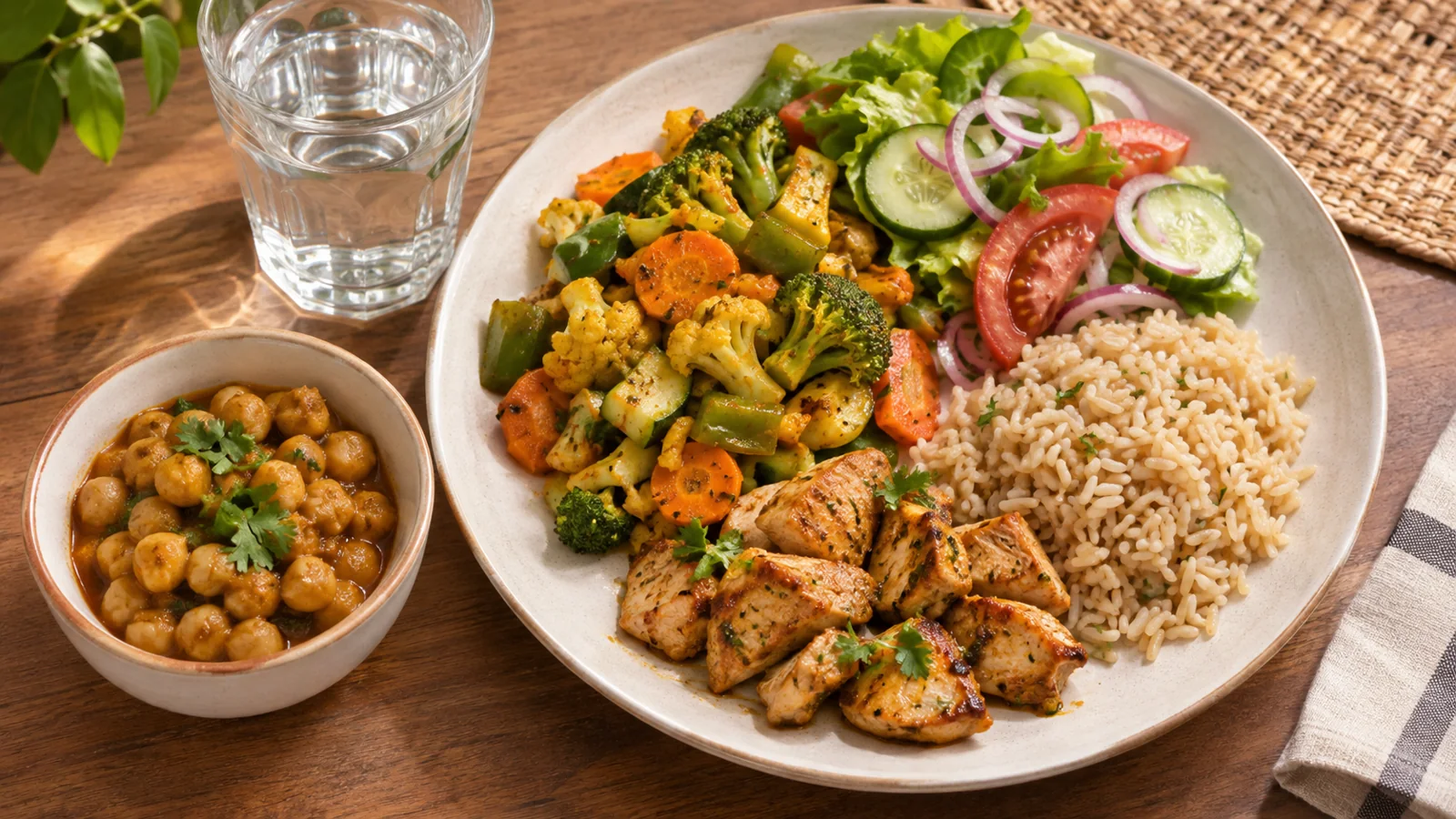
For people who dislike tripe texture, a slow-cooked beef muscle cut can provide a savoury stew with a different bite. Chuck or shank still needs a method written for that cut. Paye produces a more gelatinous bone-in dish and is not a weight-for-weight replacement for prepared tripe. A bean or chickpea stew can provide a different meat-free meal without pretending to copy honeycomb texture. Choose by desired sauce, cooking time and the eater's needs.
Serve a complete meal and cool the pot deliberately
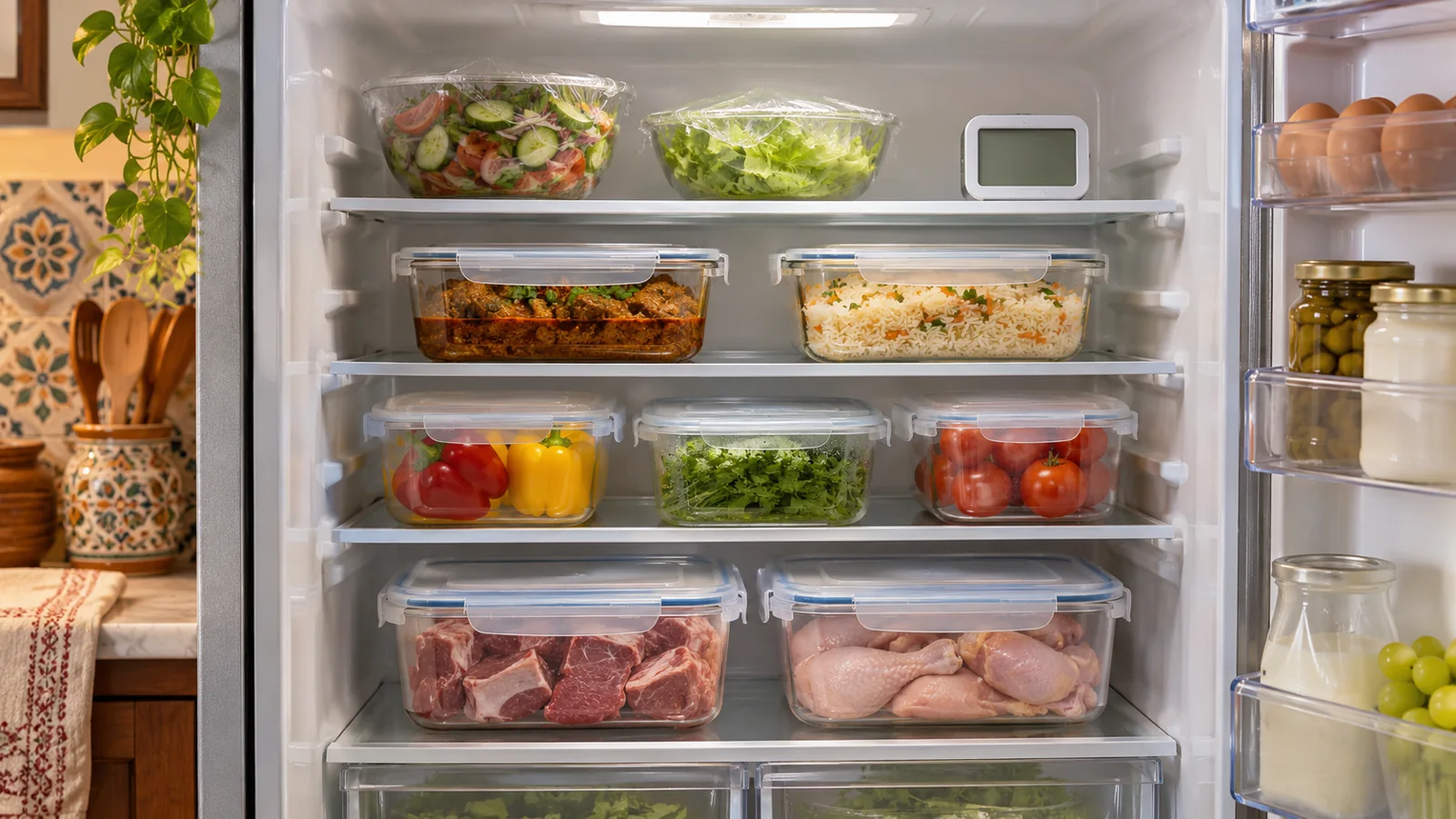
Serve tripe with vegetables or daal and a suitable amount of roti or rice. Keep the tripe pieces manageable, check for any unwanted hard material and let diners decide whether the texture suits them. Use measured oil rather than assuming a long-cooked curry needs a thick oil layer. Salt can become concentrated as liquid reduces, so season thoughtfully near the final consistency. If using a ready-made masala or stock cube, count its salt as well.
Use or freeze raw variety meats within 1–2 days at 4°C or colder; follow the package for a pre-cooked product if it gives stricter directions. Divide cooked curry into shallow portions and refrigerate within two hours, or one hour above 32°C. Properly handled refrigerated leftovers generally keep 3–4 days and should be reheated to 74°C. Do not leave a large pot overnight to cool. The FDA cooling guidance and shared storage guide explain the handling details. Compare goat paye, beef paye and the recipe collection when planning a slow-cooked meal.
If the tripe is tender before the sauce has the desired consistency, finish the sauce carefully without unnecessarily aggressive boiling of the pieces. Taste only cooked food with a clean spoon and adjust seasoning after reduction. A longer cook may soften texture, but it cannot undo a burned base or make an unsuitable starting ingredient acceptable.
Plan the purchase, portions and table
Plan the complete meal before deciding how much to buy. Account for trimming and bone separately from edible food, and consider whether leftovers can be cooled and stored within the available refrigerator space. A smaller well-prepared batch can be easier to serve promptly than a large pot held while guests arrive. Keep salad, chutney and bread preparation separate from raw work, then bring clean serving tools to the table. Let the distinctive texture of the ingredient guide how it is cut and served.
Choose a recipe for this ingredient and form
Read the complete recipe before shopping and match its animal, exact part and raw or pre-cooked form. Prepared usable weight is more useful than the untrimmed package weight. A recipe title does not replace the buying and safety checks in this guide. Follow the appropriate species and ingredient endpoint, then assess the eating texture separately. These existing recipe and pantry links can help select a method:
Names and forms: specify the actual ingredient
Ojri is commonly used for tripe, but verify the actual ingredient. Honeycomb and smoother tripe differ in appearance; raw prepared, blanched and fully cooked describe different processing stages. Do not read a recipe's short finishing stage as permission to give raw tripe the same schedule.
Frequently Asked Questions
What preparation status should I ask about when buying tripe?
Ask whether it is raw prepared, blanched or fully cooked tripe. Buy properly prepared food-grade material; home washing cannot replace sound processing and cold handling.
How long does tripe need to cook?
Tripe needs a recipe matched to its preparation status. A safe internal temperature and a pleasant tender bite are separate checks, so there is no universal boiling time.
How should I store the raw ingredient and cooked leftovers?
Keep the identified raw ingredient chilled and follow the supplier's stricter instructions. Raw organs generally need using or freezing within 1–2 days at 4°C or below. Cool cooked food in shallow portions within two hours, or one hour above 32°C; safely chilled cooked leftovers generally keep 3–4 days. Reheat thoroughly to 74°C.
Keep Exploring
Related places and stories on DailyLife.pk

How we know this
- Type Explainer
- Sources 7 (5 official/academic)
- Reviewed November 2026
- Disputed points None
7 sources
- USDA AMS: institutional meat purchase specifications
- FAO: livestock domestication and diversity
- OECD–FAO: meat production and trade context
- FoodSafety.gov: safe minimum internal temperatures
- FoodSafety.gov: cold food storage chart
- USDA FSIS: suggested storage times for beef
- USDA FSIS: safe temperatures for beef and organ meats
