
Ingredients & Spices · The complete guide
Goat Paye: Buy Cleaned Trotters and Cook for Tenderness
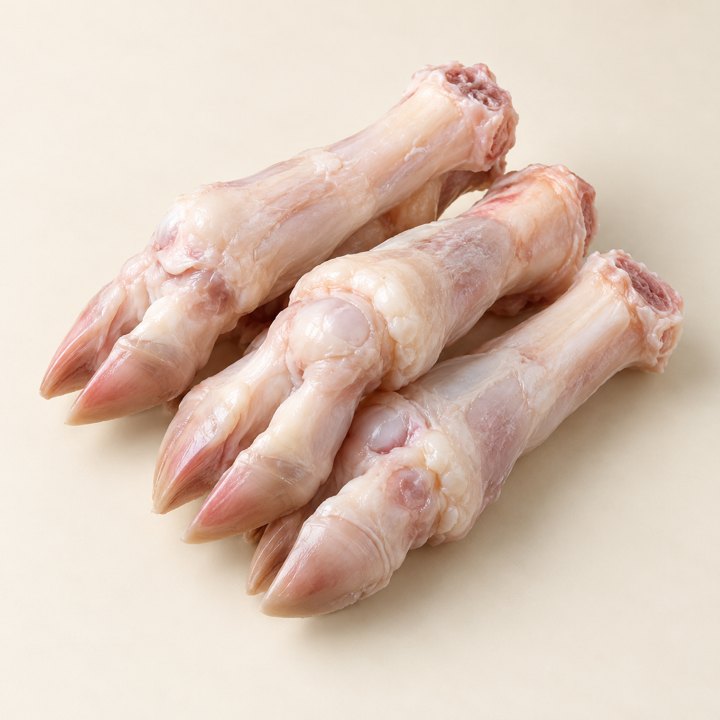
Goat trotters, often ordered as bakray ke paye, are the prepared lower feet and associated connective tissues used for a rich slow-cooked curry or broth.
What paye contributes to the dish
Goat trotters, often ordered as bakray ke paye, are the prepared lower feet and associated connective tissues used for a rich slow-cooked curry or broth. They are smaller than beef trotters and can be easier to fit into a domestic pot, but that does not supply a fixed cooking time. The animal, cutting, cleaning and equipment all influence the result. Much of the purchased weight is bone and connective tissue, so a kilogram cannot be compared directly with a kilogram of boneless goat meat.
Choose goat paye for a meal built around gelatinous texture and fragrant gravy, with ginger, lemon and coriander at the table. They are less useful when you need a quick protein-heavy supper or many boneless meat pieces in each bowl. If a recipe combines paye with shank or another meaty cut, that second ingredient supplies much of the visible meat. Ask for it separately so the cost and usable yield remain clear.
Buy prepared pieces that fit your equipment
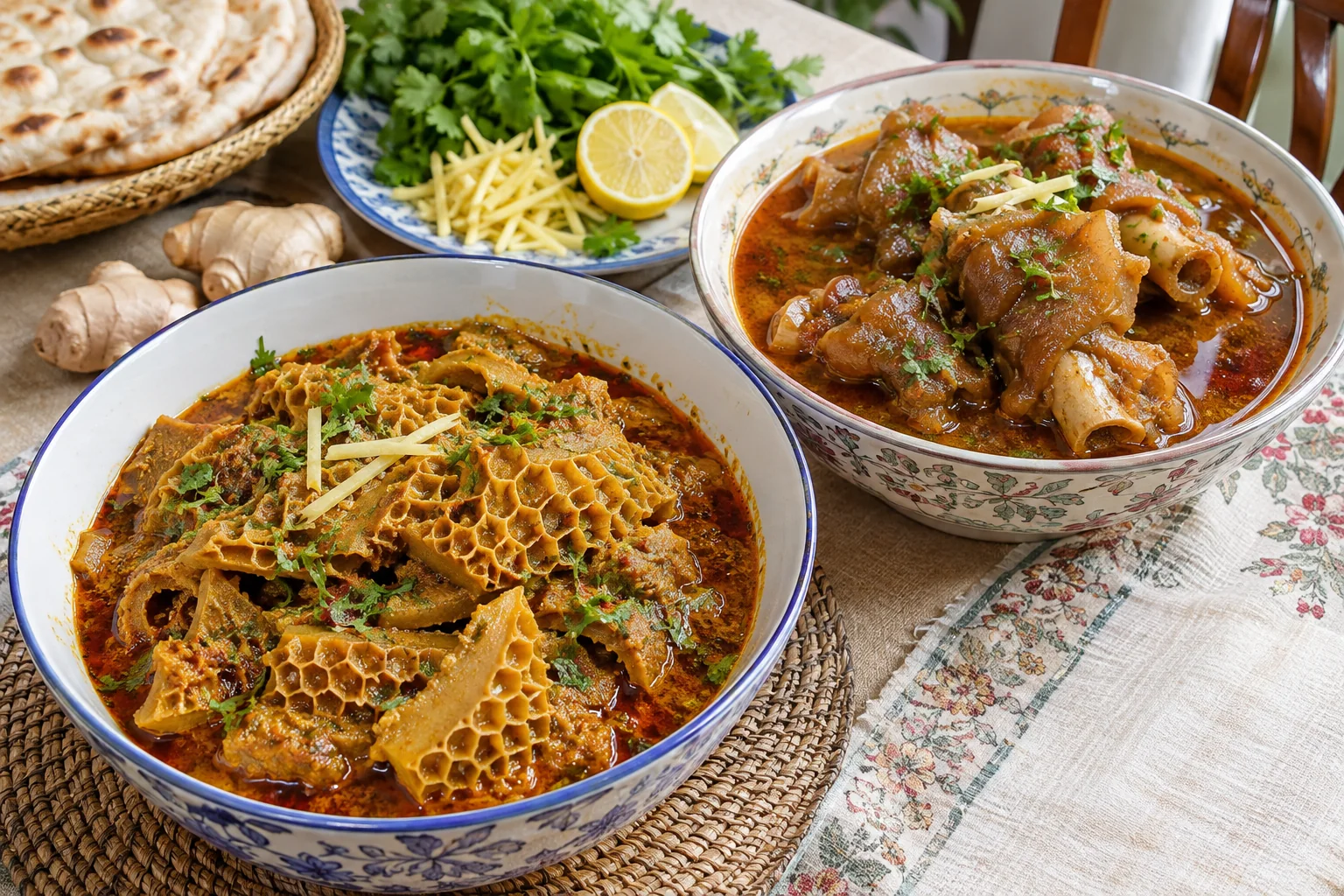
Ask whether you are buying front or hind trotters, whole or split, and whether the quoted weight is before or after cleaning. A responsible supplier should provide properly prepared food-grade goat trotters, identify the animal and keep them chilled. Ask for pieces that fit the pot without force. The home cook should not need to improvise heavy chopping or extensive hair and hoof removal to make a poorly prepared product usable.
Check the packaging and the seller's handling. Reject obvious dirt, residual unwanted material, spoilage or an unexplained warm display. A whitened or scrubbed appearance is not evidence that pathogens are absent. Request a leakproof pack and keep it separate from vegetables, roti and herbs. Make this the last major shopping stop and use a cool bag for the journey, especially in hot weather. Buy a smaller quantity if you cannot refrigerate or cook the full amount promptly.
Preparation and cooking: match the exact part
Read a tested recipe before starting and check the product's preparation status. Any final cleaning, rinse or preliminary boil should follow the supplier and recipe directions, with splashes contained and the sink cleaned afterwards. Do not use household cleaning chemicals on food. The aim at home is to work with an already properly prepared ingredient, not to salvage unfit material through repeated scrubbing, acid or strong spices.
Have the onions, spices, liquid and cooking vessel ready before removing the cold trotters. Keep raw-contact tools away from coriander, ginger garnish and the serving bowls. Inspect the prepared pieces for loose bone chips and unwanted hard fragments; ask the butcher to correct poor cutting rather than forcing a kitchen knife through bone. Plan the end of the cook at the same time: clear refrigerator space, prepare shallow containers and decide how to divide the batch. A large pot that will be left on the stove overnight is a handling problem even if the cooking itself goes well.
Goat paye can become appealingly soft in a covered pot or in a suitable pressure cooker, but judge the result by the specific batch rather than a family memory of a fixed number of whistles. Build the spice base as the chosen recipe directs, add measured liquid and maintain a controlled simmer. Look for connective tissue that has softened to the desired texture while the liquid still has enough volume to protect the pot. Stir carefully around the bones without breaking them.
If pressure cooking, follow the manufacturer's minimum liquid, maximum fill and release instructions; a gelatinous or foaming liquid deserves the relevant lower fill allowance where specified. Do not overfill to fit an extra serving. Finish the gravy after safely releasing pressure and opening the cooker. Salt near the final concentration, because reduction intensifies it. When the tissue is tender, handle it with broad utensils so you can remove loose fragments and keep the serving pieces intact.
Cooking time is a texture and recipe question, not one universal food-safety number for trotters. Keep the whole batch properly hot during cooking and use reliable ingredient-specific guidance; a bubbling surface alone does not measure the centre of every large piece. Where a recipe includes organ meat, apply that organ's endpoint; where it includes poultry, use 74°C. Never treat gelatin formation, a set chilled broth or a fixed whistle count as a safety test.
Keep the serving size in view when selecting pieces: one large bone-in piece does not necessarily provide one useful meat portion. The sauce, connective tissue and any added meat all influence what the bowl contains. Ask the butcher how the prepared pieces will sit in your pot so you can avoid risky rearranging of crowded hot bones.
Enjoy the richness without treatment claims
Slow cooking converts some connective tissue to gelatin, giving paye its characteristic body. That culinary change does not prove that the dish rebuilds human joints, repairs cartilage or supplies a reliable dose of calcium. The amount of meat, fat, water and seasoning varies too much to give every bowl the same nutrient value. A pot that gels firmly in the refrigerator is not necessarily a complete high-protein meal.
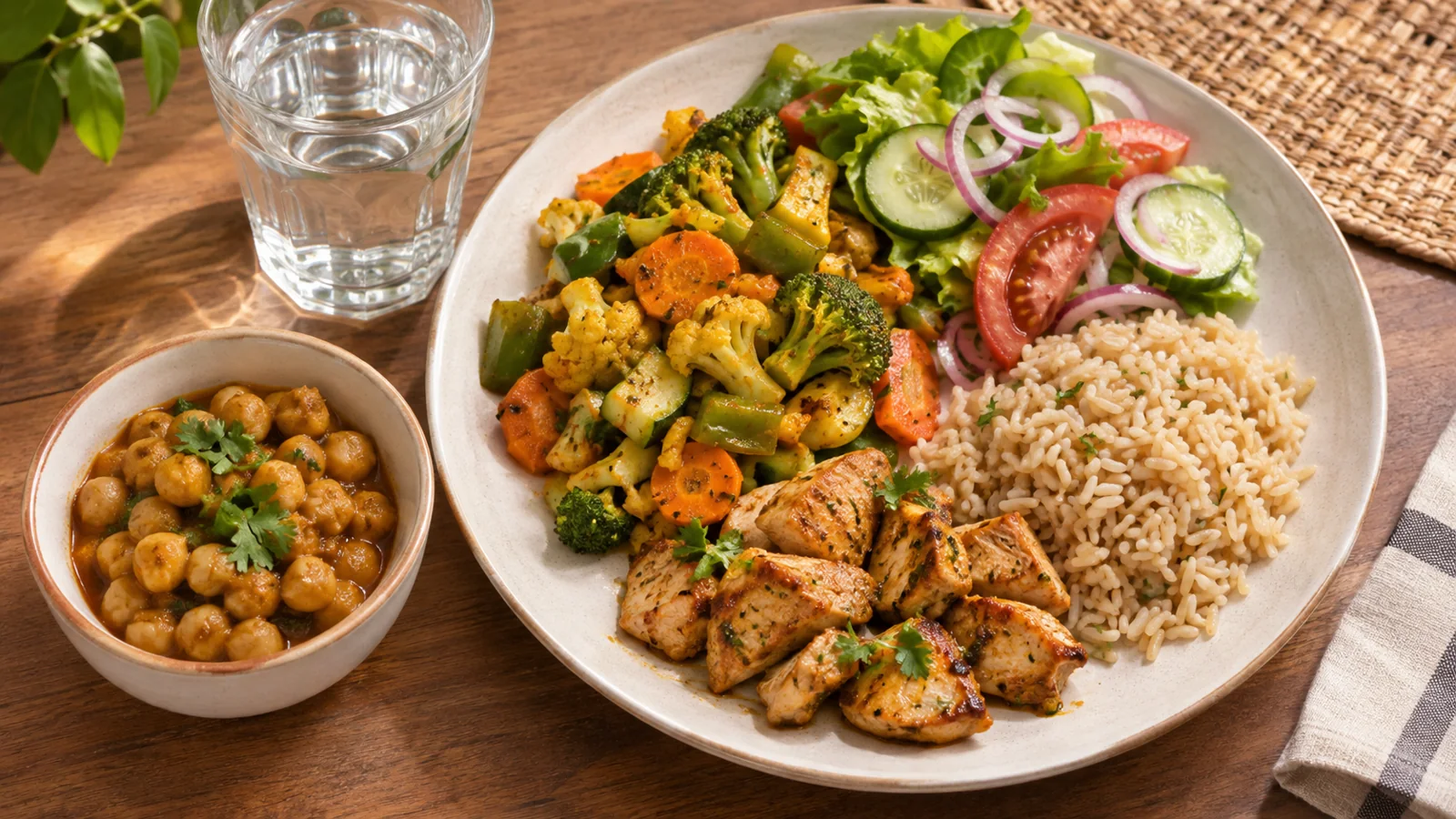
Serve paye with a suitable amount of roti and include vegetables, daal or another complementary dish. Use a spoon to take off excess surface fat if desired, while recognising that this does not remove every gram of fat. Measure added ghee and salt rather than assuming a traditional dish has a fixed nutritional profile. People with gout, chronic kidney disease or prescribed sodium or fluid limits should discuss rich meat broths with their care team. NIDDK nutrition guidance explains why kidney-disease diets vary; a generic claim that paye is strengthening should not override an individual plan.
Alternatives when this part does not suit the meal
Beef paye is a related ingredient but usually comes in larger pieces and may need different equipment and a longer tenderness stage. Goat shank gives more edible muscle with a different ratio of bone to connective tissue. For a light broth, choose a yakhni method rather than trying to remove the defining body from a paye recipe. A substitute should solve the meal requirement, whether that is meat yield, flavour, time or a dietary need.
Check bones at serving and cool smaller portions
Inspect each portion for detached bones and sharp fragments, including small pieces hidden in the thick gravy. Do not blend a bone-containing preparation, and do not assume soft tissue means bones are safe to chew. Choose a different suitable texture for anyone who cannot manage the dish safely. Keep garnishes clean and use a dedicated serving spoon.
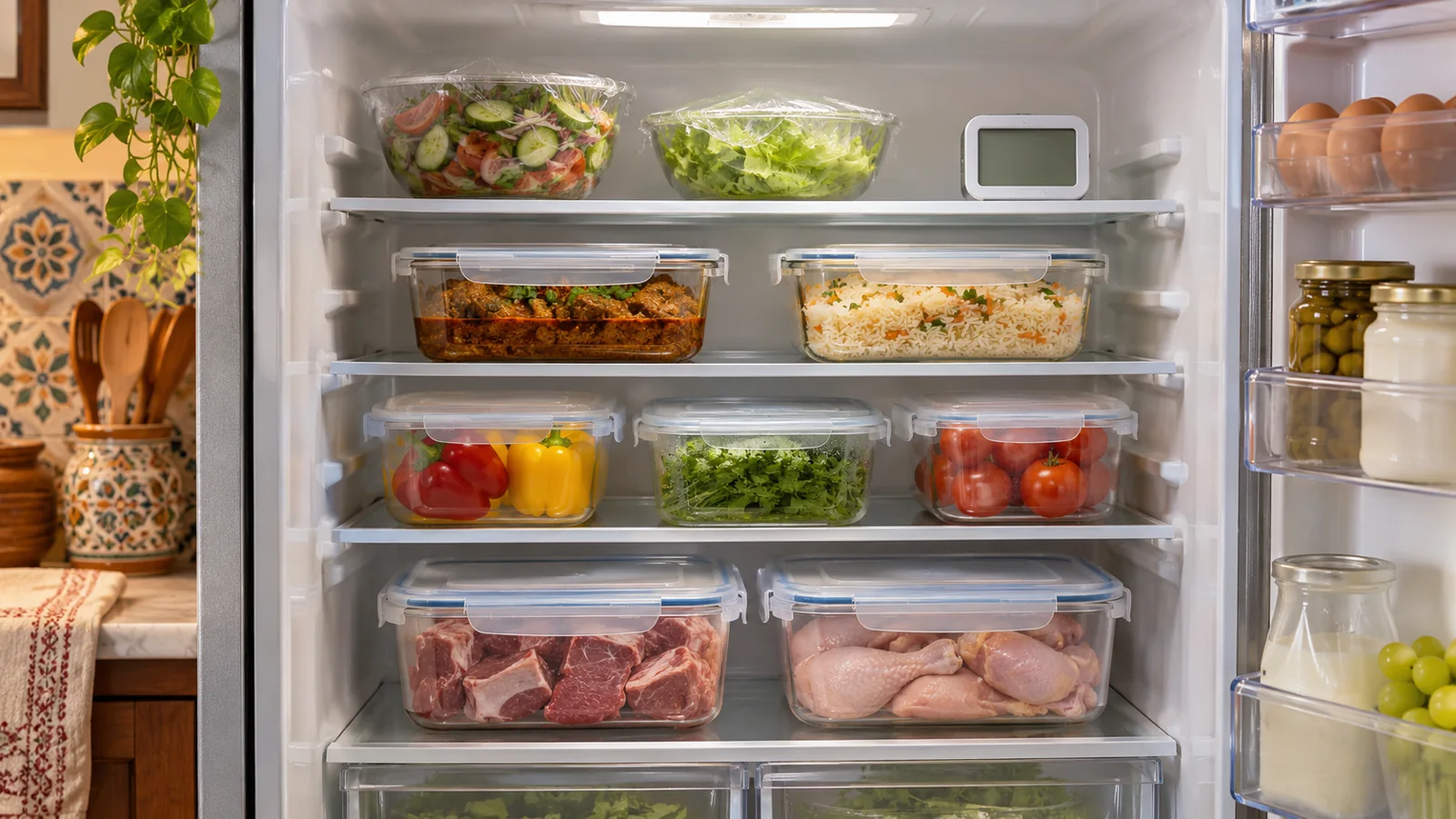
Keep raw prepared trotters cold and follow the seller's use-by directions; cook promptly, using the short 1–2 day variety-meat planning window where no stricter direction is supplied. After cooking, divide into shallow containers and refrigerate within two hours, or one hour when the air exceeds 32°C. Do not wait for a deep pot to cool completely on the counter. Properly chilled leftovers generally keep 3–4 days; reheat the needed portion to 74°C and bring the gravy to a boil while stirring. See USDA leftover handling and FDA refrigeration advice. Compare beef paye, yakhni, the recipe collection and complete storage guide.
Prepare ginger, lemon and coriander away from the raw handling area, then keep them covered until serving. A long-cooked pot should not be contaminated by a garnish board that was used for raw trotters. Keep a clean ladle available and transfer individual portions without dipping a used dining spoon back into the communal pot.
Plan the purchase, portions and table
Plan the complete meal before deciding how much to buy. Account for trimming and bone separately from edible food, and consider whether leftovers can be cooled and stored within the available refrigerator space. A smaller well-prepared batch can be easier to serve promptly than a large pot held while guests arrive. Keep salad, chutney and bread preparation separate from raw work, then bring clean serving tools to the table. Let the distinctive texture of the ingredient guide how it is cut and served.
Choose a recipe for this ingredient and form
Read the complete recipe before shopping and match its animal, exact part and raw or pre-cooked form. Prepared usable weight is more useful than the untrimmed package weight. A recipe title does not replace the buying and safety checks in this guide. Follow the appropriate species and ingredient endpoint, then assess the eating texture separately. These existing recipe and pantry links can help select a method:
Names and forms: specify the actual ingredient
Goat paye, bakray ke paye and prepared goat trotters refer to this ingredient family. Whole, split, cleaned and pre-cooked are additional specifications that change the method and yield. Ask for the exact preparation and the cleaned weight; the name paye alone does not provide a cooking time.
Frequently Asked Questions
Does paye give the same meat yield as a boneless cut?
No. Much of the purchase weight is bone and connective tissue. Judge value by cleaned portions and actual servings, rather than comparing a kilogram directly with boneless meat.
Is paye a joint treatment or a reliable calcium source?
Paye gains gelatinous texture through slow cooking, but it is not a proven joint treatment or a reliable calcium supplement. The safe cooking method and tenderness depend on the batch and equipment.
How should I store the raw ingredient and cooked leftovers?
Keep the identified raw ingredient chilled and follow the supplier's stricter instructions. Raw organs generally need using or freezing within 1–2 days at 4°C or below. Cool cooked food in shallow portions within two hours, or one hour above 32°C; safely chilled cooked leftovers generally keep 3–4 days. Reheat thoroughly to 74°C.
Keep Exploring
Related places and stories on DailyLife.pk

How we know this
- Type Explainer
- Sources 6 (4 official/academic)
- Reviewed November 2026
- Disputed points None
