
Ingredients & Spices · The complete guide
Beef Shank and Bong: BuyingCooking and Storage
Beef shank is a hard-working lower-leg cut, commonly requested as bong for Pakistani slow-cooked dishes. It has connective tissue that needs a moist, patient cook.
What shank and bong mean
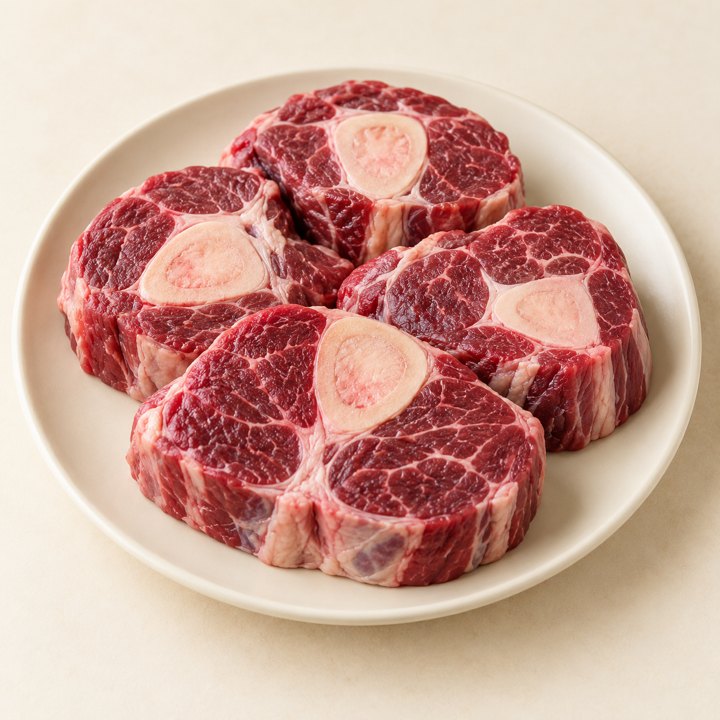
Beef shank is a hard-working lower-leg cut, commonly requested as bong for Pakistani slow-cooked dishes. It has connective tissue that needs a moist, patient cook. Cross-cut bone-in slices may include a marrow centre; boneless shank gives easier portioning and shredding. Ask for cattle beef explicitly if that is what you want, because a broad beef or bara gosht description may be less precise.
Bong and nalli do not mean exactly the same purchase. Nalli commonly refers to marrow or marrow bones. A packet of marrow bones can have little muscle meat, while boneless shank can have no marrow at all. Ask the butcher to show and weigh the meat and optional bones separately. Local vocabulary varies, so a visible specification is more useful than arguing over a name.
Choose and order for nihari or haleem
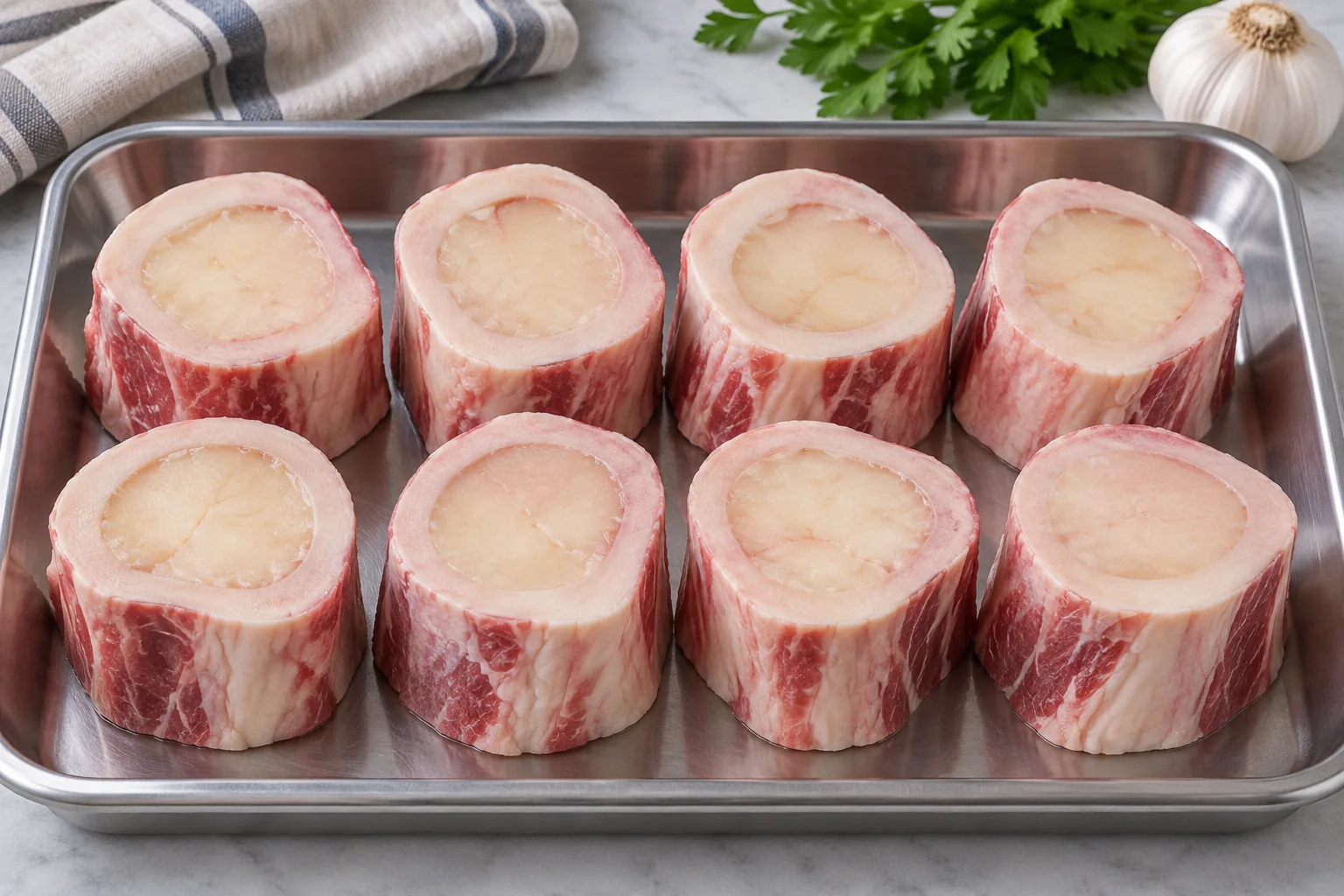
For nihari, say: “Gai ka bong, nihari ke liye; meat aur nalli alag.” Ask for evenly sized pieces suitable for the pot, clean saw cuts and removal of loose bone dust and fragments by the butcher. You can choose boneless shank and add a deliberate quantity of marrow bones if the recipe needs them. Do not assume every bone-in order has the same edible yield.
For haleem, choose a quantity of actual meat that can soften and shred. Remove every bone after cooking and before beating or blending. For a stew, smaller even pieces may be convenient; for a centrepiece braise, a larger portion needs room and more time. Compare trimmed meat, bones, fat and delivery charges together. Reserve the cut for a large order and collect it chilled near the end of the shopping trip.
A reliable moist-cooking method
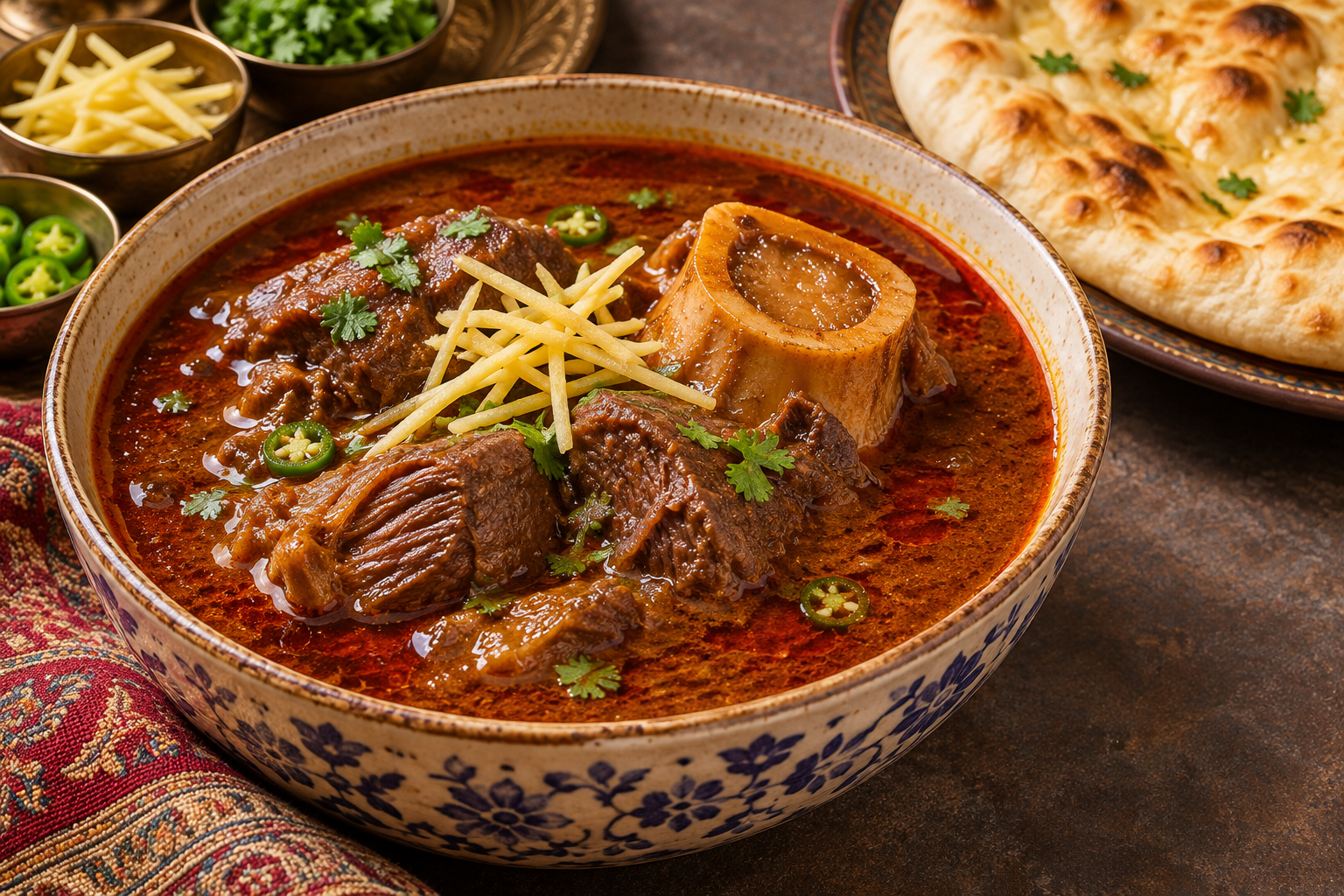
Follow a tested nihari or stew recipe for spice quantities and liquid. Brown manageable batches if required, prepare the aromatic base and add the specified liquid. Cover and simmer gently rather than boiling violently. Check periodically that the pan has enough moisture and is not sticking. Do not reduce to a thick finished gravy while the meat is still resistant.
Test a substantial piece with a fork or skewer. The fibres should yield comfortably for the intended dish; shank for shredding needs a softer finish than tidy stew portions. If it remains chewy, continue the moist stage in controlled increments. Piece thickness, the animal and the pot change the timing, so a fixed number of hours or pressure-cooker whistles cannot guarantee tenderness.
A pressure cooker can shorten the process, but respect its fill level, minimum liquid and pressure-release instructions. Once opened safely, check tenderness before sauce reduction. For nihari with a flour thickener, follow the recipe’s order to prevent scorching and lumps; do not alter the cooker’s minimum liquid to make a thick sauce.
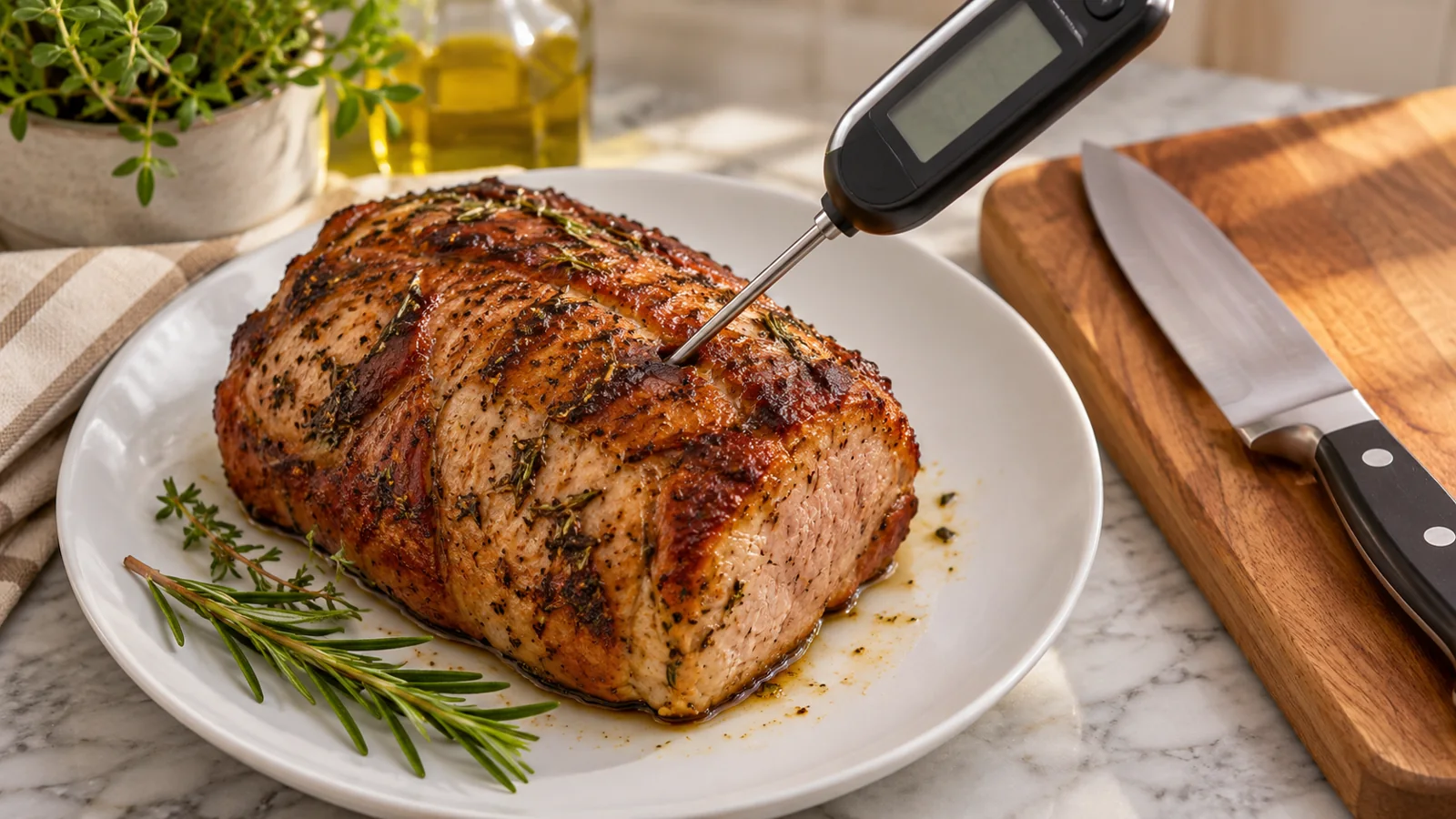
For cattle beef, USDA specifies at least 63°C in the centre of whole steaks and roasts, followed by at least a three-minute rest; ground beef must reach 71°C. Beef organs, including tongue, liver, heart and kidneys, also need 71°C. Place the thermometer in the thickest meat, away from bone and large pockets of fat. For thin pieces, insert sideways. Check several pieces in a mixed batch. A browned outside and a clear-looking juice are not reliable tests. USDA beef temperature guidance.
Shank, chuck, brisket and tail usually need further moist cooking for a pleasant texture after reaching a minimum safety temperature. Safety and tenderness answer different questions. Use a tested recipe and check the meat rather than promising a universal number of minutes. Follow a pressure cooker’s minimum-liquid, fill and release instructions; never force its lid open.
If the meat is chewy but the sauce has already thickened, add appropriate hot liquid and continue gently, stirring to prevent catching. If pieces fall apart before you want them to, use them as shredded meat and reduce the sauce separately. A large surface fat layer can be skimmed; after safe chilling, solidified fat is easier to remove.
A hard bone centre or soft marrow is not a thermometer reading for the surrounding meat. Use the thickest muscle area for a reading and avoid contact with bone. Serve bone-in portions carefully and warn diners about small fragments, especially when a saw-cut bone has broken during the cook.
Benefits, richness and portion limits
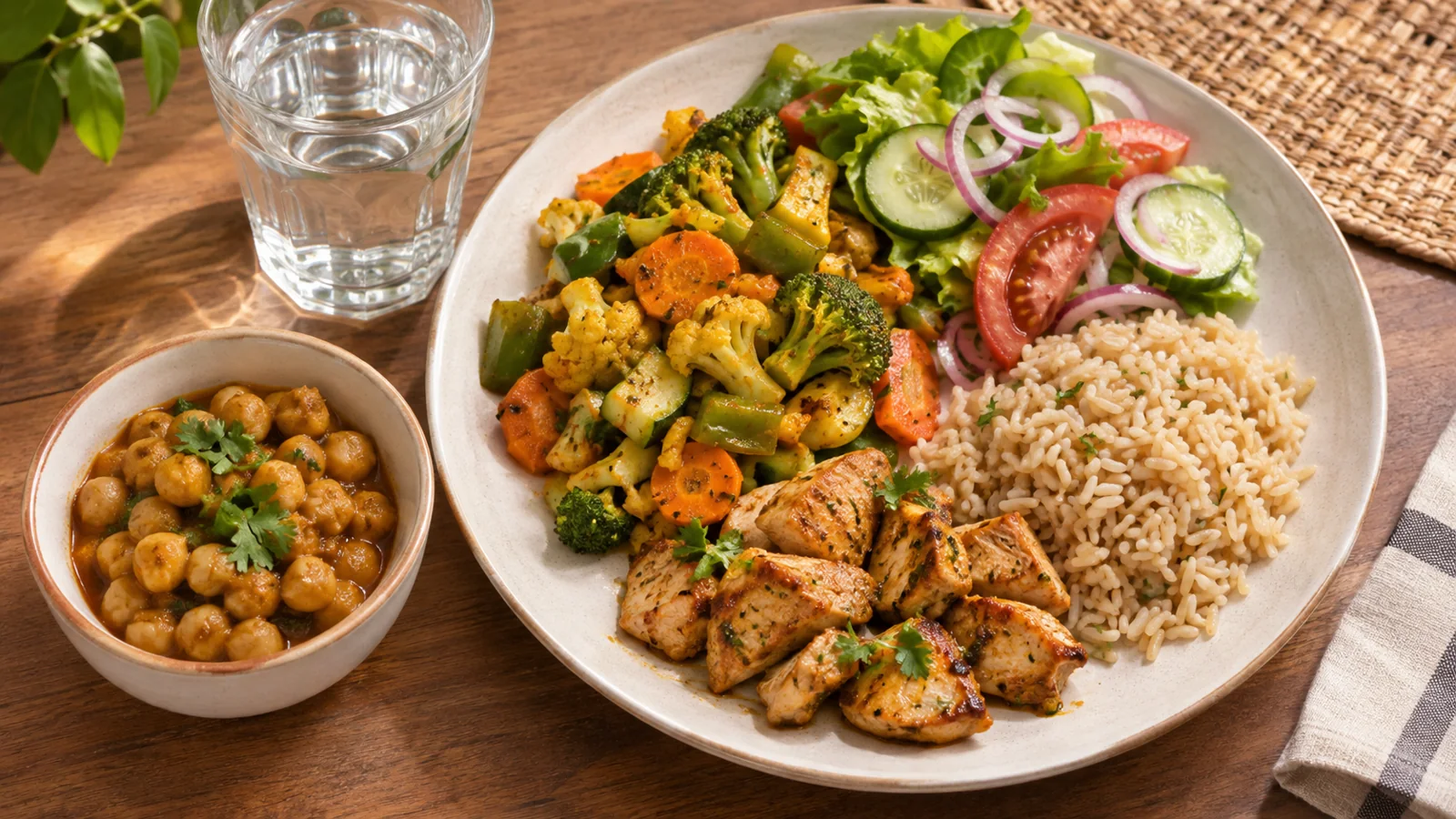
Beef muscle meat can contribute protein, iron, zinc and vitamin B12. Its value is as part of a varied meal: add vegetables, pulses or whole grains, and choose the amount of added oil deliberately. Fat content depends on the actual cut, trimming and recipe; a species name or a dark red colour cannot establish that a portion is lean. A dish with a large layer of ghee is different from a modest serving of trimmed meat. World Cancer Research Fund describes both these nutrients and the limits of red meat.
All mammalian muscle meat counts as red meat, so cattle, buffalo, camel, goat and lamb share the same weekly allowance. WCRF recommends that people who eat red meat limit it to about 350–500 g cooked weight per week and eat little, if any, processed meat. This is an international cancer-prevention recommendation, not a Pakistani recommended daily allowance or an individual treatment plan. Plain fresh mince is not automatically processed meat; curing, smoking and preservation change the category. Meat is optional in a balanced diet, and extra servings are not a treatment for tiredness, anaemia or any other illness.
The soft, gelatinous texture of a well-cooked shank is a culinary quality, not evidence of a special treatment for joints or weakness. Marrow and added ghee make a dish richer and increase its fat content. A bowl filled with gravy and bone does not describe the amount of edible meat: plan the muscle portion separately.
Replacing shank in a slow dish
For a slow curry, suitable chuck can be an alternative when you accept a different texture and bone yield. Marrow bones replace richness, not the shank’s edible meat. Tender sirloin is a poor value substitute for hours of braising.
Store raw portions and leftovers safely
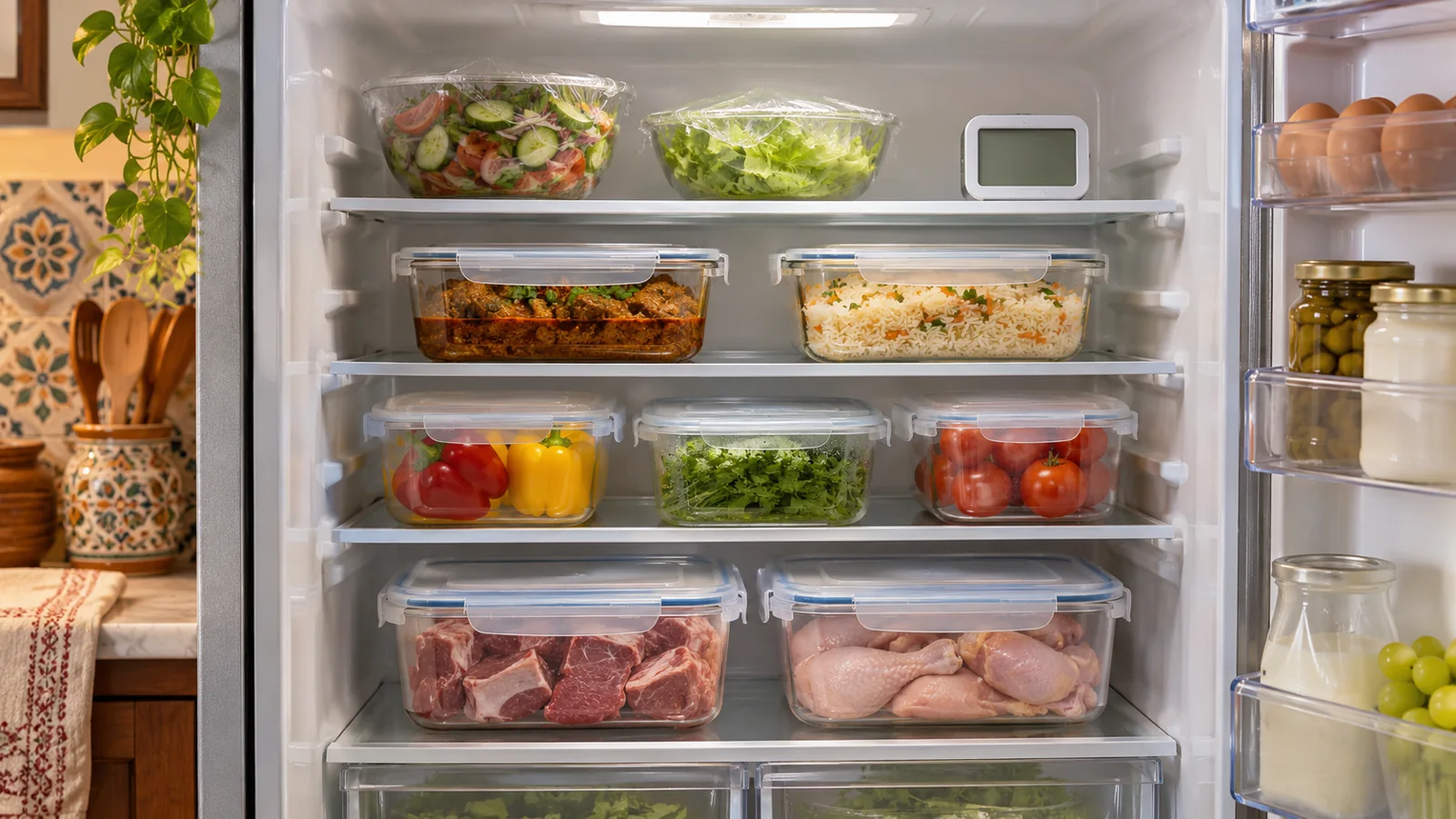
Refrigerate promptly at 4°C or below, in a covered leakproof container on the lowest shelf. Under a reliable cold chain, US guidance allows raw beef steaks and roasts 3–5 days, raw mince and variety meats 1–2 days, and cooked meat 3–4 days. These are upper handling guides, not a promise for meat bought warm or close to its labelled use-by date. Follow the earlier deadline and freeze what you will not use. FoodSafety.gov cold-storage chart.
Freeze in meal-sized flat packs at −18°C or below; write the species, cut and date before packing. Thaw in the refrigerator on a tray. Cold-water thawing needs a sealed bag and frequently changed cold water; cook immediately afterwards. Microwave-thawed meat also needs immediate cooking. Never thaw on the kitchen counter. Cool leftover curry in shallow containers and refrigerate promptly instead of leaving a large pot out overnight.
Do not wash raw shank under a running tap; splashes can spread contamination. Wash hands and clean utensils and boards after raw preparation. Put cooked meat on a clean platter. Refrigerate within two hours, or one hour in conditions above 32°C, and do not leave a pot of nihari out overnight. FDA food-safety advice.
For another slow-cooking option, read the chuck guide. The beef overview, buying and storage guide and recipe collection help finish the shopping and cooking plan.
Reheat leftovers to 74°C throughout, as specified by FoodSafety.gov.
Plan portions and serving
Decide how many cooked meat portions the order should provide and how they fit the week’s red-meat total. Prepare vegetables and side dishes before raw-meat work. Portion leftovers deliberately and chill them promptly for a later meal rather than repeatedly warming a whole pot.
Recipes and useful next steps
Use the recipe collection after identifying the cut and quantity. Read the whole method before shopping, including equipment, required chilling and how the final dish is served. A recipe name alone does not identify the meat in an unlabelled packet.
Names and preparation formats
Bong commonly describes shank; nalli commonly describes marrow or marrow bones. Bone-in slices and boneless shank differ in edible yield. Show the butcher the intended recipe and confirm what is included.
Related recipe: Beef Pulao.
Related recipe: Nalli Biryani.
Related recipe: Nalli Nihari.
Related recipe: Beef Yakhni.
Frequently Asked Questions
Can I replace shank with marrow bones?
Marrow bones add richness and contain limited muscle meat. They do not replace an edible meat portion. Buy shank and optional marrow bones separately and account for bone weight.
Why is my shank still chewy?
A connective-tissue-rich shank may need additional gentle moist cooking after reaching a minimum safety temperature. Keep enough liquid, check a thick piece and reduce the sauce only when the texture is ready.
How long can I keep this beef in the refrigerator?
Keep it at 4°C or below and follow an earlier label deadline. US guidance gives whole beef steaks and roasts 3–5 days, mince and organs 1–2 days, and cooked meat 3–4 days under a reliable cold chain. Buy only what you can chill promptly, and freeze planned portions rather than stretching a deadline.
Keep Exploring
Related places and stories on DailyLife.pk

How we know this
- Type Explainer
- Sources 6 (4 official/academic)
- Reviewed November 2026
- Disputed points None
