
Ingredients & Spices · The complete guide
Goat Head Meat (Siri): Buy Identified Parts and Serve without Bone Fragments
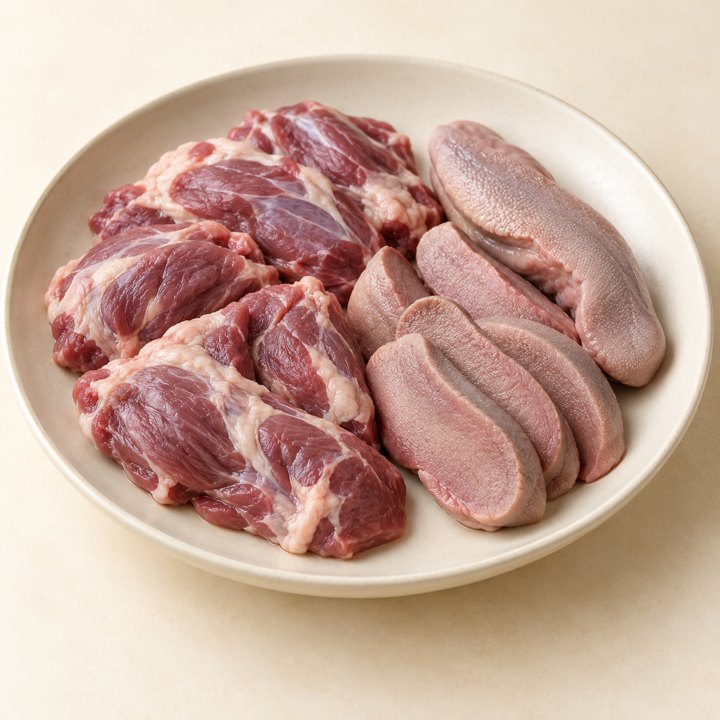
Goat head meat, often called siri, can mean different combinations at different counters. Ask whether the order includes cheek meat, tongue, skin or other tissues, and whether it is supplied on the bone or boneless.
Know which head parts are in the order
Goat head meat, often called siri, can mean different combinations at different counters. Ask whether the order includes cheek meat, tongue, skin or other tissues, and whether it is supplied on the bone or boneless. A name alone does not tell you the edible yield or the preparation required. This guide centres on properly prepared head meat for slow cooking; brain is a separate ingredient with its own sourcing cautions and should not be silently included in a mixed order.
Cheek and other working muscles can make a deeply savoury curry or a broth-based dish when given time to soften. Tongue has a firm, sliceable texture after appropriate cooking and peeling. Skin and connective tissue add body, while bones contribute weight that will not become boneless meat. Choose siri when you enjoy those textures and can cook, inspect and portion it carefully. It is a poor match for a rushed dinner or for a cook expecting every purchased gram to appear as clean meat in the serving bowl.
Buy prepared food-grade parts from a traceable seller
Ask the butcher to identify the animal and included parts, explain the cleaned weight and provide a product prepared for human consumption. Specify whether you want boneless cheek meat or cut bone-in head pieces. Professional equipment and processing should do any required heavy cutting and preparation; a domestic knife is not the right tool for splitting a skull. Reject poor cleaning, obvious contamination, spoilage or unaccounted warm storage rather than assuming an exceptionally long boil will correct everything.
Brain and nervous tissues are subject to particular food-chain controls in many jurisdictions. The Food Standards Agency example of specified-risk-material controls shows why animal age and tissue identity can matter, without stating Pakistani law. If those tissues are offered, ask about applicable rules and traceability; do not rely on appearance as a safety guarantee. Use the separate brain guide for that ingredient and choose another product when the supplier cannot provide a clear answer. Have all parts chilled and separately labelled.
Preparation and cooking: match the exact part
Compare value using the amount of clean cooked meat you expect to serve, with an allowance for bone, skin and tissue you may discard. Ask for similar-size prepared pieces if cooking on the bone. Keep them cold during transport and store the package contained low in the refrigerator. Set out the pot, aromatics and recipe ingredients before handling the raw meat, and leave enough refrigerator space to cool the finished batch in portions.
At home, inspect the supplied pieces for loose chips or unwanted fragments and carry out only the final preparation directed by the supplier or tested recipe. Keep raw-contact knives, boards and bowls away from ready-to-eat salad and garnishes. Do not blend a mixture that could contain bone or teeth. For a boneless finish, allow safe handling after the meat is cooked, remove the meat deliberately with clean tools and inspect it again before returning it to the gravy. A second serving-stage check catches fragments that can be difficult to see in a dark thick sauce.
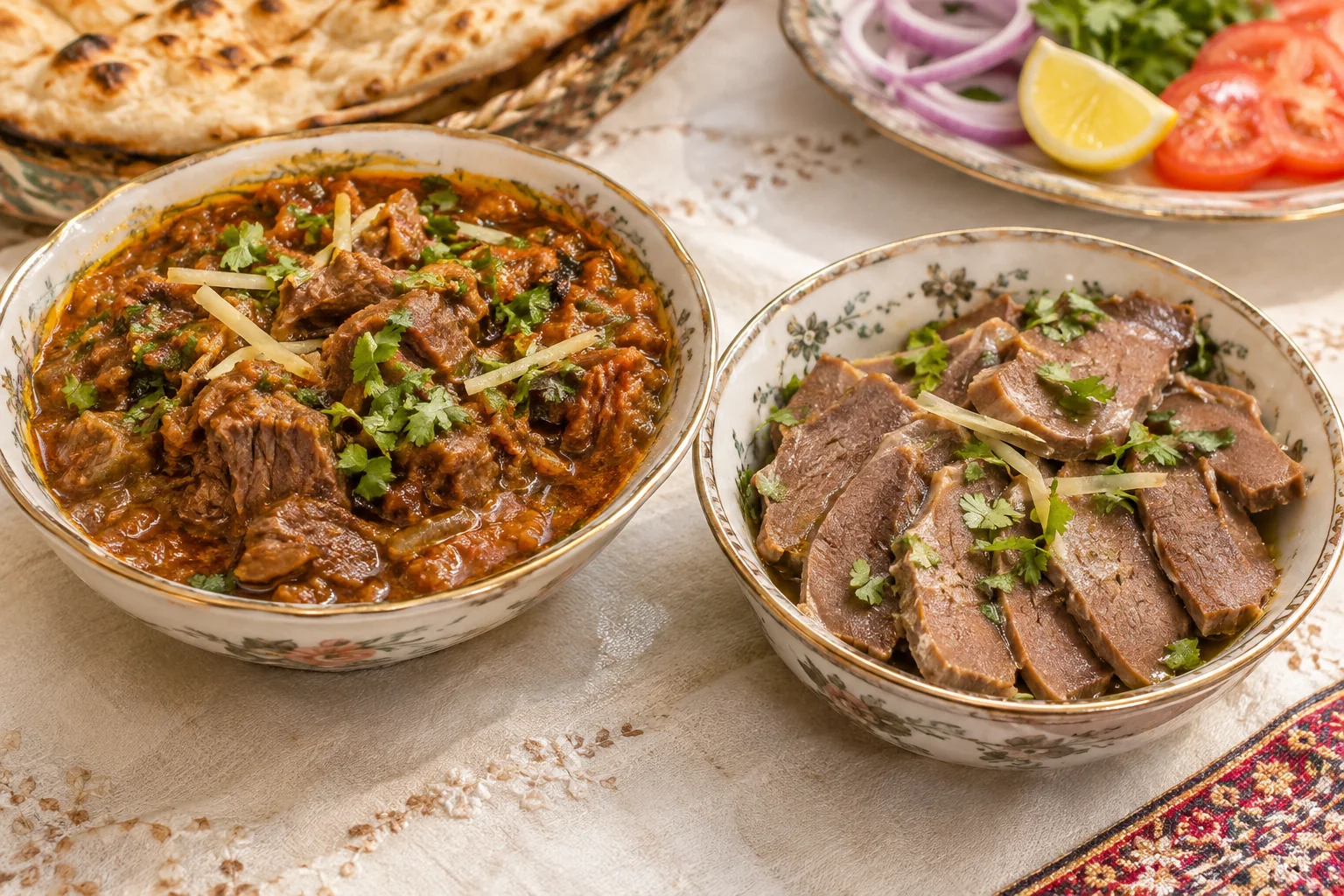
Use a recipe written for the parts you bought. Slow moist cooking suits the firm cheek muscles and connective tissue: add controlled liquid, maintain the directed gentle simmer and check that the base is not catching. Turn or reposition large pieces as the method allows so they cook evenly. A bubbling gravy surface does not show that every thick piece has reached a safe centre, and a safely hot piece may still need longer to become pleasantly tender.
Treat tongue as an identified ingredient, with its own cooking and peeling stages. When cooked sufficiently for the chosen method, the outer skin can be removed as the recipe directs; keep clean cooked-meat tools separate from the raw preparation set. For beef and lamb tongue, USDA's organ guidance uses 160°F (71.1°C), commonly rounded to 71°C: see USDA organ-meat guidance. Use appropriate goat-specific supplier or local food-safety directions for goat parts rather than inventing one steak rule for the whole mixed head. If using a pressure cooker, obey fill, liquid and release instructions and allow additional cooking for tenderness when needed.
If a supplier offers a boneless option, ask which tissues it includes and whether the tongue has already been peeled. Boneless does not mean the mixture is nutritionally identical to lean cheek, and it still deserves a check for hard fragments. Identify the composition before deciding whether a recipe written for one specific part will suit it.
Judge the meal by its actual ingredients

Clean head muscle can contribute protein and the nutrients associated with meat, but a bowl dominated by skin, fat and gravy is different from a bowl containing a generous amount of trimmed cheek. No single nutrition figure describes every siri preparation. Avoid claims that head meat strengthens the brain or that gelatin in the gravy repairs joints. Rich flavour is a culinary quality; it is not evidence of a treatment effect.
Trim or remove excess fat to preference, measure added oil and salt, and serve a portion that fits the meal alongside vegetables, daal and a suitable amount of roti or rice. For ordinary mammalian muscle meat, World Cancer Research Fund guidance recommends moderate red-meat intake; it is not an organ-specific serving prescription. If gout, kidney disease or a prescribed lipid or sodium restriction affects the eater, ask the relevant clinical team how the actual dish fits. Do not classify an unidentified mix as universally healthy or unhealthy from its name alone.
Alternatives when this part does not suit the meal
For a predictable boneless curry, choose an identified goat muscle cut such as shoulder and use its cooking method. Goat shank can supply a rich broth and soft meat with a clearer portion structure than mixed head pieces. Tongue is a separate texture and preparation, while brain needs a separate sourcing decision. If bone inspection or the required processing is beyond the cook's capacity, a professionally prepared boneless ingredient is a practical alternative.
Store raw parts briefly and cool the cooked batch

Use the shortest storage window of the included parts. Where an order contains raw organs or the mixture is uncertain, plan to cook or freeze within 1–2 days at 4°C or colder, following stricter package guidance. Do not apply a whole-roast refrigerator window to a mixed organ bag. Thaw frozen portions in the refrigerator in a contained dish, rather than on a counter or in warm water.
After cooking, divide meat and gravy into shallow containers and refrigerate within two hours, or one hour when the air is above 32°C. Do not leave a deep pot overnight to set. Properly handled cooked leftovers generally keep 3–4 days; reheat the needed portion thoroughly to 74°C, stirring and bringing gravy to a boil. Follow USDA leftover guidance and the complete storage guide. For gelatinous dishes compare goat paye; for a lighter broth plan see yakhni. Use the recipe collection to match the exact purchased parts to a method.
Plan picking and serving so the cooked meat does not spend a prolonged period at room temperature. Use clean broad tools and divide manageable portions rather than leaving a large warm pile on a board. Keep the portions intended for immediate service safely hot and cool the stored portions promptly in shallow containers.
Plan the purchase, portions and table
Plan the complete meal before deciding how much to buy. Account for trimming and bone separately from edible food, and consider whether leftovers can be cooled and stored within the available refrigerator space. A smaller well-prepared batch can be easier to serve promptly than a large pot held while guests arrive. Keep salad, chutney and bread preparation separate from raw work, then bring clean serving tools to the table. Let the distinctive texture of the ingredient guide how it is cut and served.
Choose a recipe for this ingredient and form
Read the complete recipe before shopping and match its animal, exact part and raw or pre-cooked form. Prepared usable weight is more useful than the untrimmed package weight. A recipe title does not replace the buying and safety checks in this guide. Follow the appropriate species and ingredient endpoint, then assess the eating texture separately. These existing recipe and pantry links can help select a method:
Names and forms: specify the actual ingredient
Siri and goat head meat can describe different mixtures. Specify cheek muscle, tongue, skin and bone separately, and ask whether the product is boneless or cut on the bone. Brain should remain separately identified. A recipe needs the actual contents and preparation state, not just the market name.
Frequently Asked Questions
Does siri always contain the same parts?
Siri can include different tissues. Ask for the exact parts, bone-in or boneless preparation and cleaned weight, and keep brain a separately identified ingredient.
How can I reduce bone-fragment risk when serving siri?
Remove meat with clean tools after cooking, inspect it for bone and tooth fragments, and check each portion again before serving. Never blend a preparation that may contain hard fragments.
How should I store the raw ingredient and cooked leftovers?
Keep the identified raw ingredient chilled and follow the supplier's stricter instructions. Raw organs generally need using or freezing within 1–2 days at 4°C or below. Cool cooked food in shallow portions within two hours, or one hour above 32°C; safely chilled cooked leftovers generally keep 3–4 days. Reheat thoroughly to 74°C.
Keep Exploring
Related places and stories on DailyLife.pk

How we know this
- Type Explainer
- Sources 7 (5 official/academic)
- Reviewed November 2026
- Disputed points None
7 sources
- USDA AMS: institutional meat purchase specifications
- FAO: livestock domestication and diversity
- OECD–FAO: meat production and trade context
- FoodSafety.gov: safe minimum internal temperatures
- FoodSafety.gov: cold food storage chart
- USDA FSIS: goat from farm to table
- USDA FSIS: safe temperatures for beef and organ meats
