
Ingredients & Spices · The complete guide
Chicken thigh: UsesBenefits, Buying and Cooking
Chicken thigh is the upper leg of the bird. It is darker and usually more forgiving in cooking than breast.
What it is and what to ask for
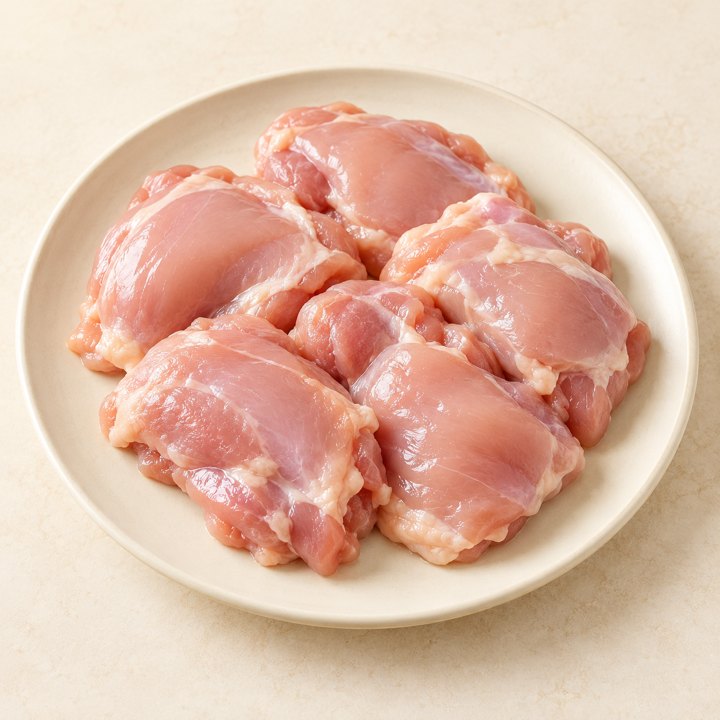
Chicken thigh is the upper leg of the bird. It is darker and usually more forgiving in cooking than breast. You may buy it bone-in with skin, skinless on the bone, or boneless. These forms differ in usable yield, released fat and cooking method, so ask for the exact version your recipe needs.
Boneless thigh is a strong choice for tikka, malai boti, shawarma-style home fillings and quick curries. Bone-in thighs work well in biryani and tray roasts. The cut is less suitable when you want the very mild, lean bite of sliced breast, and it should not be treated as an invitation to cook indefinitely. Ask whether the price includes skin, bone and trimming, and compare the amount of prepared meat you will actually use.
Choosing the right form for a Pakistani kitchen
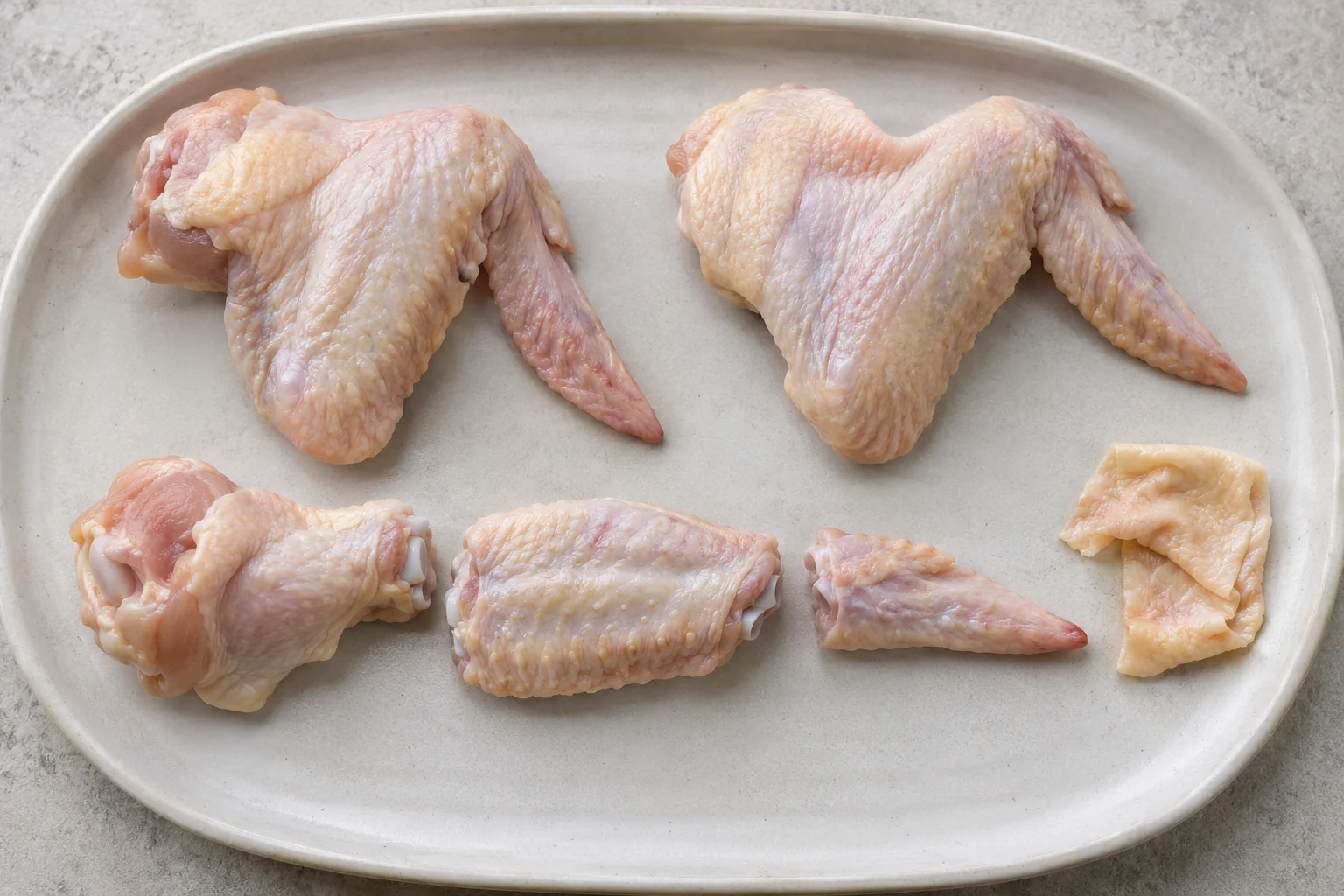
The thigh's culinary value comes from its role as a working leg muscle and from its useful fat and connective tissue. In a mixed chicken curry, it behaves differently from breast and from the much bonier back. Recognizing that distinction lets you choose a cut for the dish rather than treating all pieces as interchangeable.
Local terms can be broad: leg may mean drumstick alone, a whole leg or a quarter with some back attached. Point to the part or ask explicitly for upper-leg thigh. Broiler and desi describe the bird or market category, not the anatomical cut. An older bird may still need slow moist cooking even when the selected part is thigh.
How to use it successfully
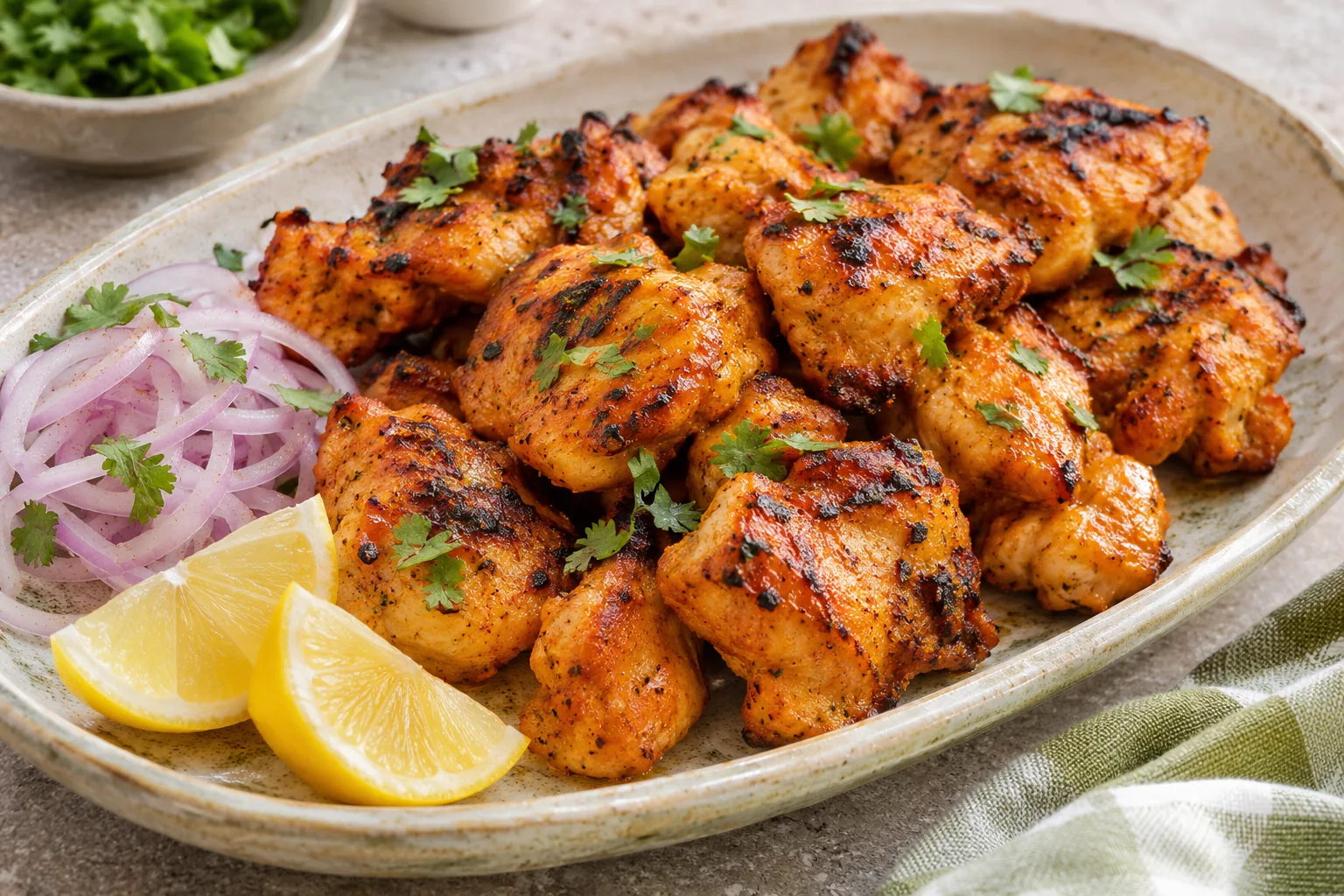
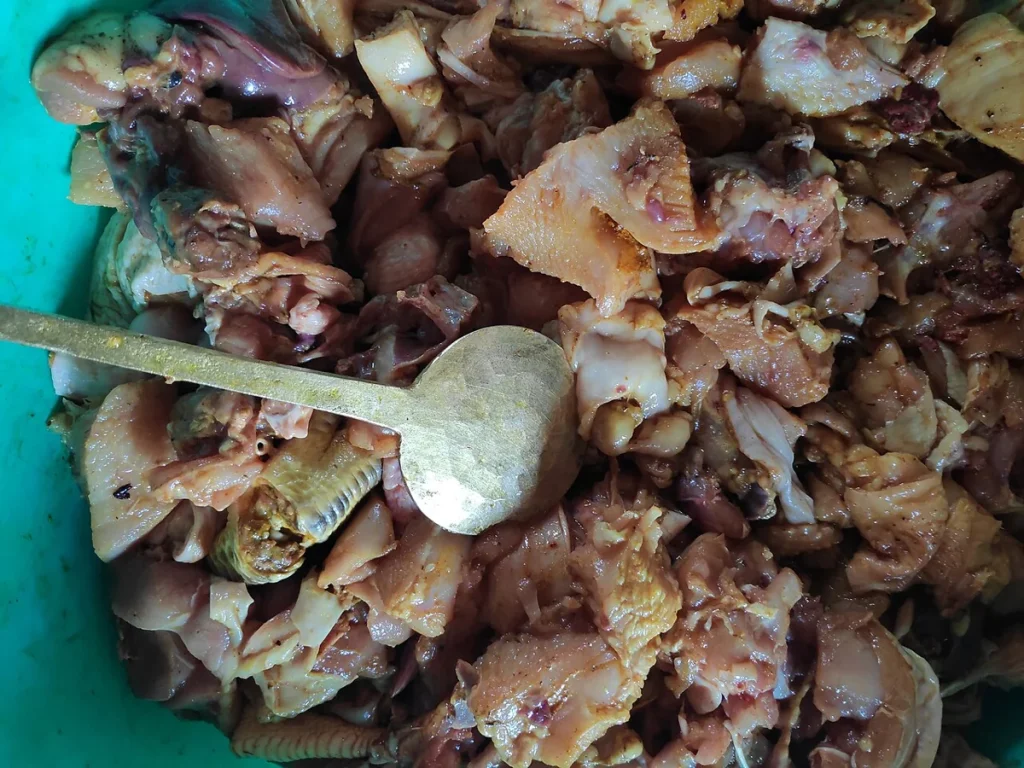
Trim loose fat and any small fragments left from deboning, then cut boneless thigh into similar pieces. For tikka, coat with the recipe's marinade and refrigerate. Let excess marinade fall away before grilling to limit scorching. Use a hot zone for colour and gentler heat for finishing; repeated flare-ups can blacken the outside while leaving thick pieces undercooked.
For curry, brown or bhunao in batches as the recipe directs, then add controlled liquid and cook until both safe and pleasantly tender. Thigh can tolerate some additional gentle cooking after breast would dry, but excessive heat can still toughen or dry it. Bone-in roasting needs room around each piece, with skin uppermost if crispness is wanted. Verify at least 74°C in the thickest meat away from bone, checking several pieces. Safety temperature and preferred tenderness are related decisions, but neither is established by a dark colour alone.
FoodSafety.gov: all poultry, including giblets and mince, needs 74°C
Nutrition, benefits and limits
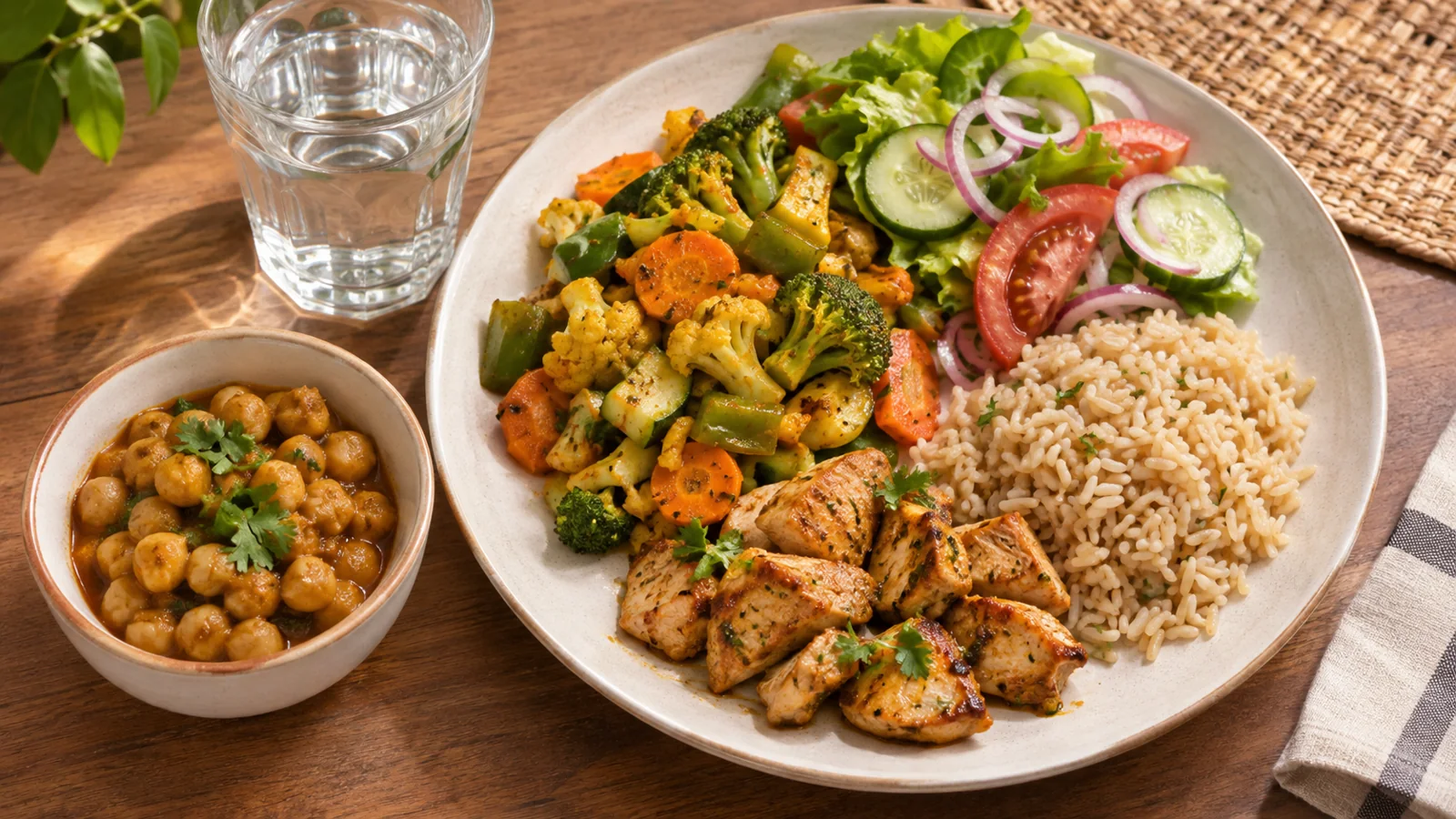
Thigh supplies protein and contributes B vitamins and minerals. It generally has a richer flavour and more fat than skinless breast, with skin and trimming changing the final serving further. A boneless thigh is not automatically a low-fat food simply because it is chicken.
Remove skin or visible fat if you prefer a leaner meal, and use oil deliberately rather than adding it without measuring. A portion of thigh tikka can fit a varied meal with vegetables, daal, roti or rice; an unlimited platter does not gain special health value from being grilled. Salted marinades, creamy sauces and deep frying also matter. Nutrient benefits are a reason to include a variety of foods, not a reason to claim that this cut treats illness.
Choosing a replacement
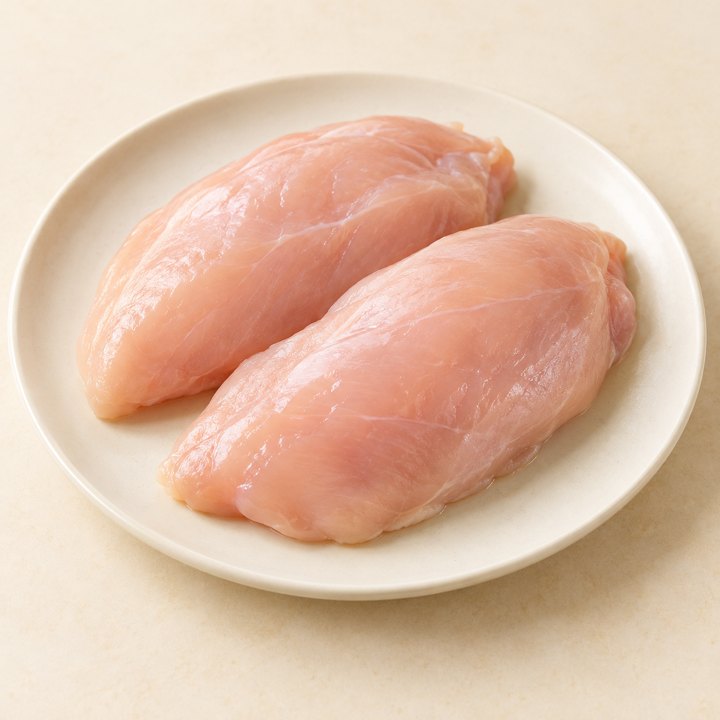
Breast can replace thigh in many boneless dishes, but cut it evenly and avoid extending its cooking just to follow a thigh-based clock. Leg quarters or drumsticks work for bone-in curries and roasts, although their bones, shape and portion sizes differ. Wings offer a much smaller meat yield and are better considered a separate serving style.
For minced or chopped fillings, thigh can be finely chopped or ground under clean, chilled conditions, but the result then needs the handling and cooking care of mince. A vegetarian variation might use firm tofu or chickpeas in an adapted sauce. Start from the job the thigh performs—juicy chunks, a substantial joint or a rich filling—then choose the replacement and adjust the method.
Safe handling and storage
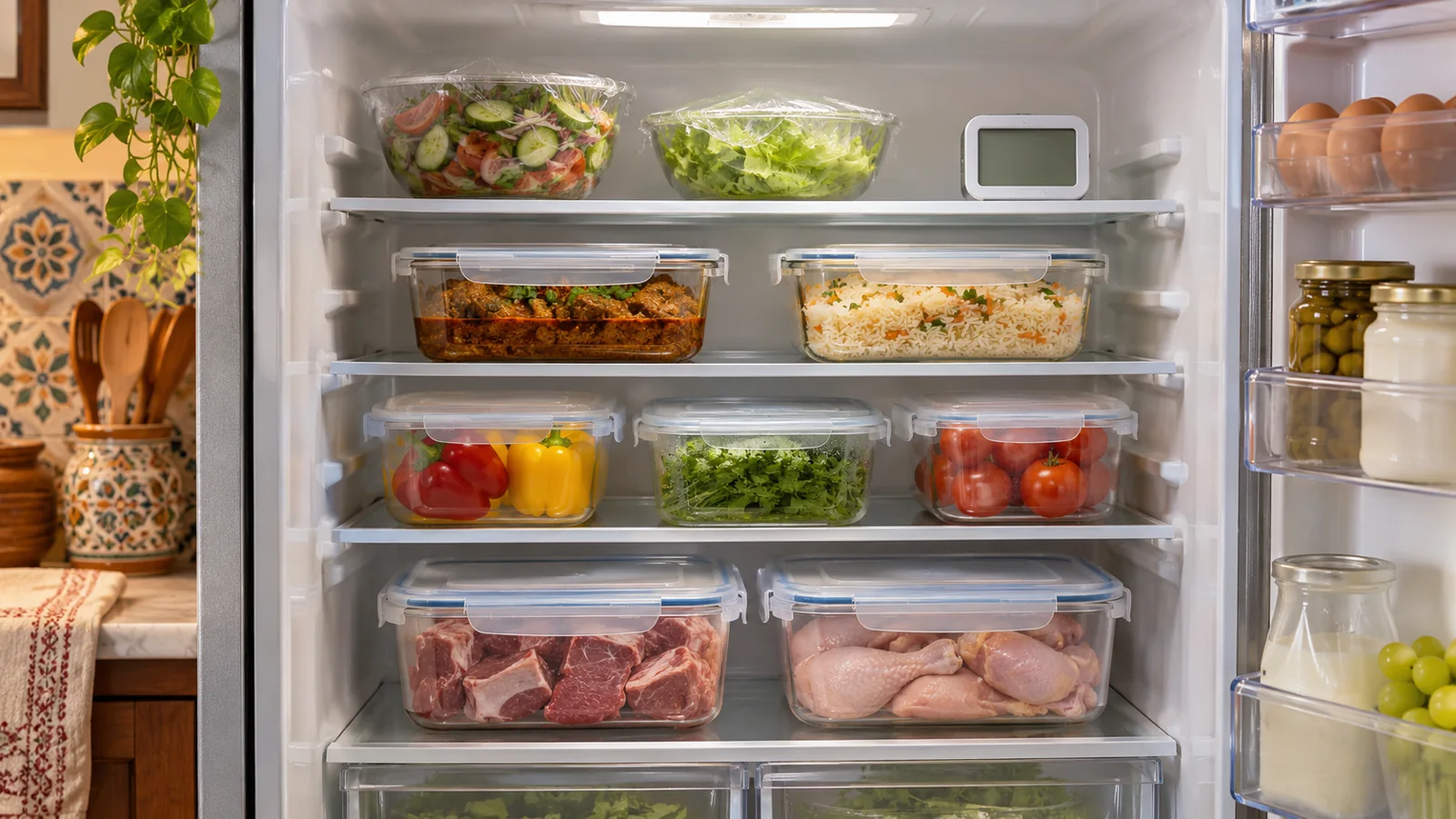
Keep raw poultry in a sealed leakproof container on a low shelf away from ready-to-eat food. Set the refrigerator to 4°C or below and use or freeze raw chicken, mince and giblets within one to two days. Thaw and marinate in the refrigerator. Do not wash raw chicken: water splashes can spread bacteria. Clean hands, boards, knives and worktops after preparation, and use a clean plate for cooked food.
Cook all poultry to 74°C, including mince and giblets, measuring the thickest edible part away from bone. Cool leftovers promptly in small shallow containers. Refrigerate within two hours, or one hour when exposed to temperatures above 32°C. Properly chilled cooked chicken generally keeps three to four days; reheat leftovers to 74°C. These limits assume continuous safe chilling, not hours of warm storage before refrigeration. Freezing or reheating does not reliably rescue food that has been left out too long. If its handling history is unsafe or uncertain, discard it rather than tasting to check.
USDA: raw and cooked chicken storage; FDA: do not wash raw poultry; FoodSafety.gov: chilling and thawing; USDA: cooling hot food
Planning, portions and serving
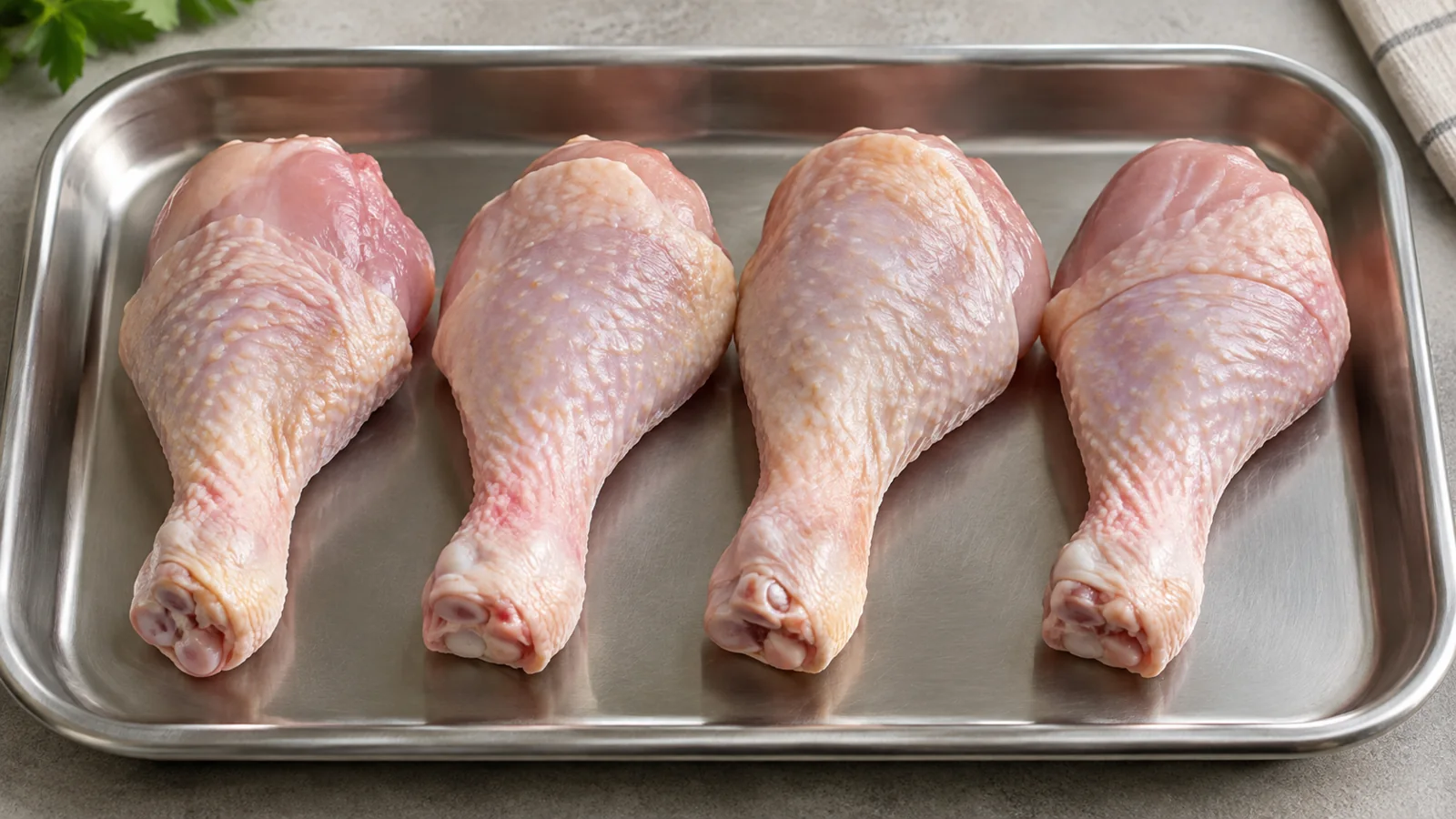
For a gathering, consistent boneless cubes make skewers easier to manage than a mix of tiny scraps and very large pieces. Keep raw skewers chilled until the grill is ready, and cook in batches you can monitor. Put finished chicken onto a clean plate with clean utensils.
Bone-in thighs give one visible joint per portion, but size varies, so allow for sides and appetite. If saving leftovers, reserve clean portions before they sit through a long serving period. Strip cooked meat from bones when convenient for cooling and later use in wraps or rice. Do not mix yesterday's cooked chicken into fresh raw marinade. Label frozen thigh portions with whether they are bone-in, boneless, skin-on or skinless to avoid changing recipes by accident.
Recipes and pantry links

Read the complete recipe before shopping so you know whether it calls for raw or cooked chicken, bones or no bones, skin on or off and a specific prepared weight. Those details affect both the result and the quantity to buy. Prepare aromatics, sauce ingredients and clean serving utensils before the raw poultry work begins.
Use the linked dishes for practical combinations of cut, seasoning and method. Follow the chicken temperature checks in this guide even if a recipe gives an approximate time. If you change the cut or portion thickness, reassess the cooking sequence instead of assuming the original clock will still work. Keep salads and raita separate from all raw-chicken tools.
Names and forms used in our recipes
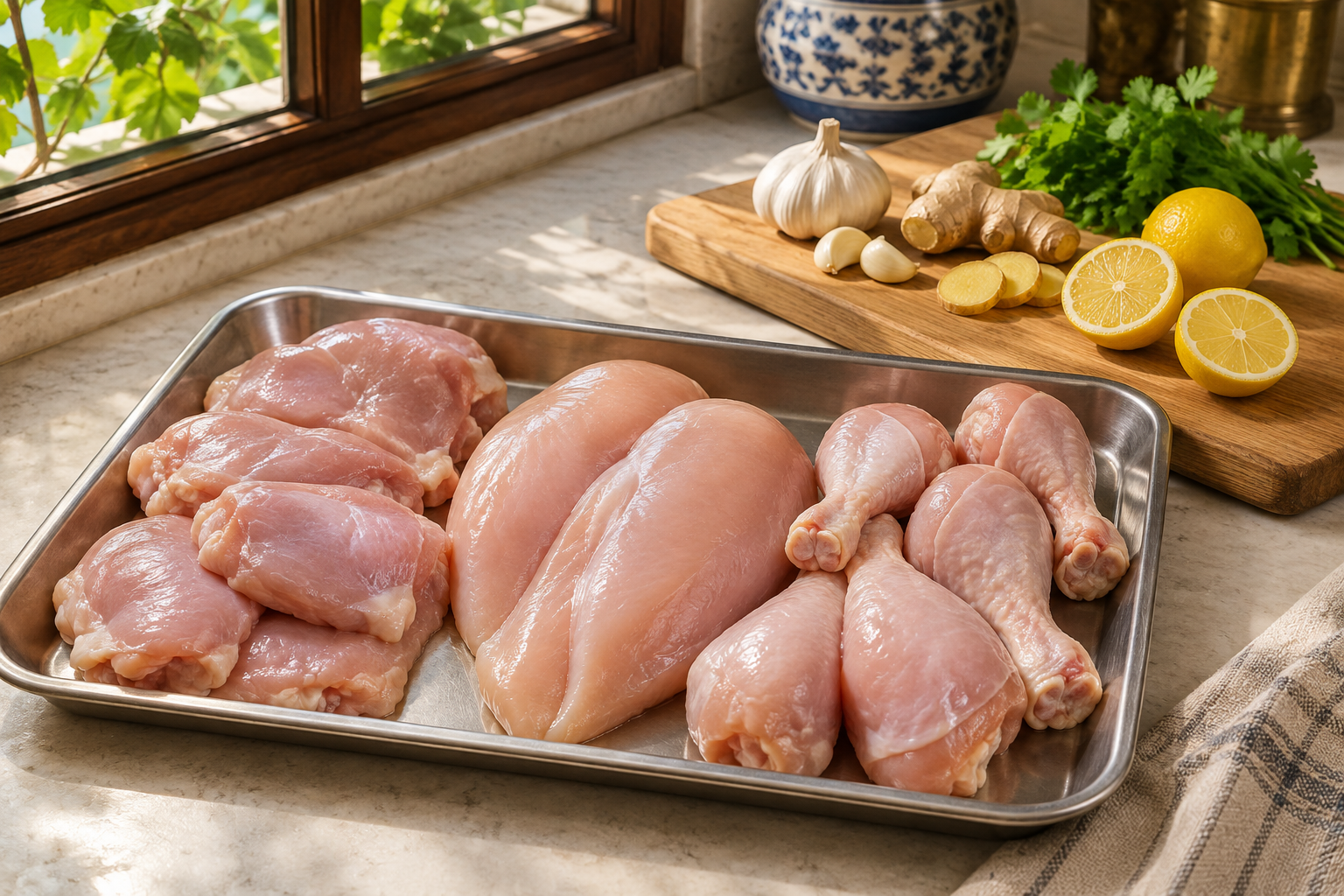
A whole thigh has one central bone; boneless thigh is opened around that bone and can look irregular. Spread it out to inspect thickness and remove any small remaining cartilage or bone fragments. Skin-on boneless thigh is a separate form from skinless thigh and may need different heat management.
Leg meat, thigh fillet and chicken boti can be used loosely by sellers. Ask what part is supplied and whether added fat or skin is included. For recipes calling for boneless chicken, choose thigh deliberately when you want its richer taste rather than assuming it is the default. For whole leg quarters, account for the attached drumstick and sometimes back. These details affect value, portioning and how evenly dinner cooks.
- boneless chicken thigh
- boneless chicken thigh pieces
- boneless chicken thigh, raw 3 cm pieces
- boneless chicken thigh, raw, 3 cm cubes
- boneless chicken thigh, raw, sliced and lightly flattened
- boneless chicken thighs
- boneless skin-on chicken thighs
- boneless skinless chicken thigh
- boneless skinless chicken thighs
- boneless skinless chicken thighs, 3-4 cm pieces
- chicken thigh
- raw boneless chicken thigh
- raw boneless chicken thigh, 3 cm cubes
- raw boneless chicken thigh, 3 cm pieces
- raw boneless chicken thigh, diced
- raw boneless chicken thighs in 3 cm pieces
Frequently Asked Questions
Can breast replace thigh in shawarma?
Breast can work, but cut it evenly, check 74°C and avoid prolonged heating after it is done. It will not develop exactly the same rich bite as thigh.
What should I check before buying chicken thigh for these recipes?
Specify bone-in or boneless, skin-on or skinless. Inspect deboned pieces for small fragments and compare the prepared usable weight.
What is a practical substitute for chicken thigh?
Breast suits a leaner version with careful heat control. Whole legs or drumsticks suit bone-in dishes but require different portioning and temperature checks.
Keep Exploring
Related places and stories on DailyLife.pk
How we know this
- Type Explainer
- Sources 6 (4 official/academic)
- Reviewed November 2026
- Disputed points None
6 sources
Photo credits (1)
- Chicken Meat.jpg, Gaurav Dhwaj Khadka, CC BY-SA 4.0, via Wikimedia Commons
