
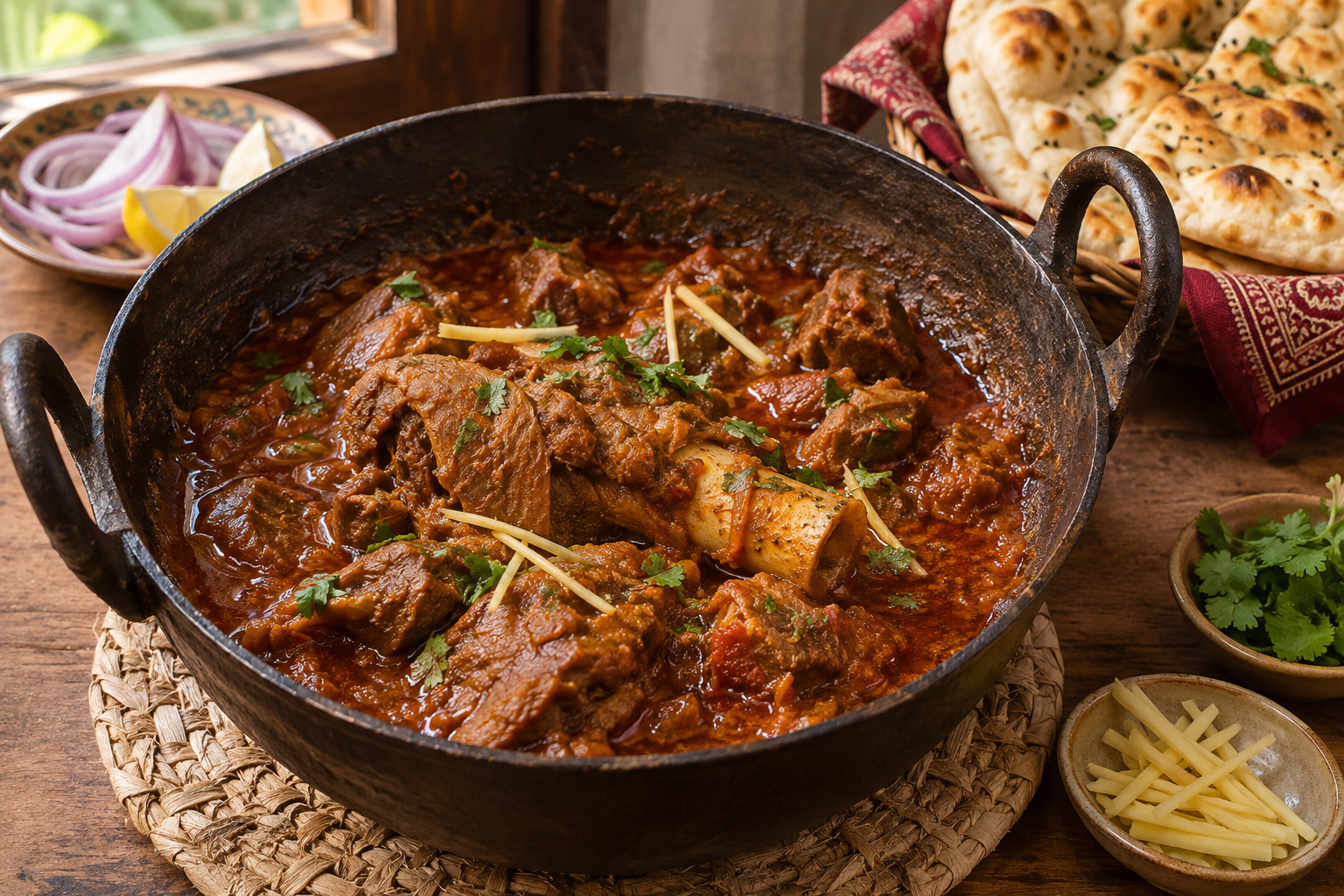
Meat kitchen • Pakistan
Goat Meat in Pakistan: CutsBenefits and Cooking
A pictured guide to the main cuts, clear butcher orders, useful nutrients, balanced portions, safe cooking and cold storage.
DailyLife.pk meat kitchen
Goat names, benefits and limits
Ask for bakray ka gosht when you want goat. In Pakistani trade, mutton or chhota gosht can refer to goat or sheep, so establish the animal before discussing a cut. A useful question is “Bakra hai ya bher?” The name of a dish does not settle the answer: karahi, qorma and yakhni can be made with several meats. Ask which one the butcher or recipe means.
Goat is often relatively lean, but age, muscle, feed, trimming and handling change the result. A young animal’s rib chop and an older animal’s shank have different cooking needs even when both are sold as goat. Less fat can mean less protection against drying, so fierce heat is not automatically an advantage. The USDA FSIS goat-cooking guidance recommends braising or stewing less tender cuts. Match the method to the muscle instead of expecting a marinade to make every piece ready for quick boti.
Lean goat contributes protein, iron, zinc and vitamin B12. These nutrients support normal nutrition; a serving of goat is not a treatment for anaemia or weakness. Fat content and the finished dish matter more than a universal claim that one animal is healthier than another. The NHS meat guidance recommends leaner choices, trimming excess fat and limiting fatty or processed meat. A modest serving beside daal, vegetables and rice can deliver flavour without making meat the entire meal.
Choose each part for its own job
Shoulder: curry, qorma and patient karahi
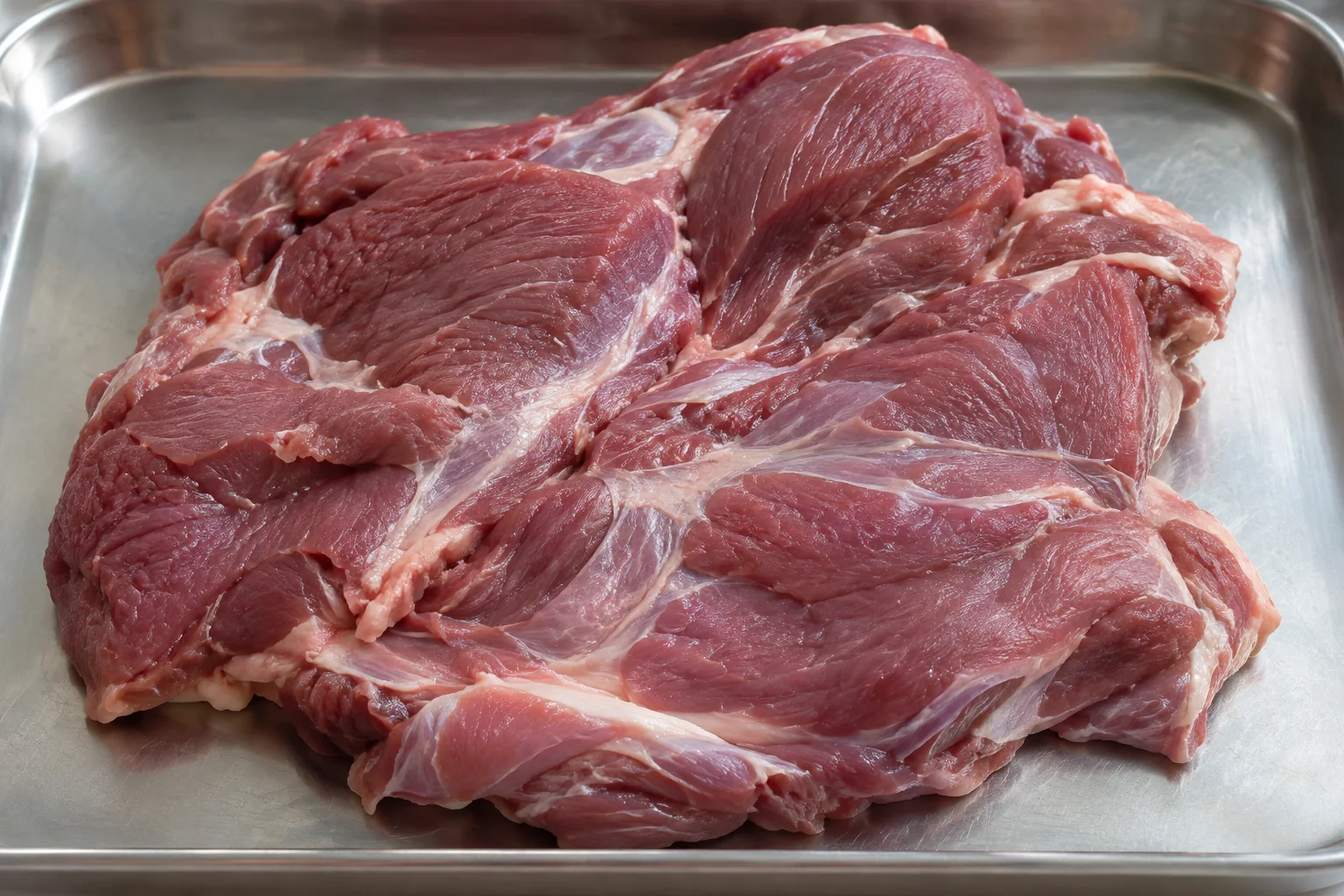
The shoulder contains several working muscles and connective tissue. Buy even bone-in pieces for a long curry or ask for a boned shoulder with hard gristle removed. Its advantage is flavour and versatility; its limitation is time. Brown only as the recipe directs, then cook covered with enough liquid until tender before reducing the sauce. Read the goat shoulder guide.
Neck: a slower pot cut
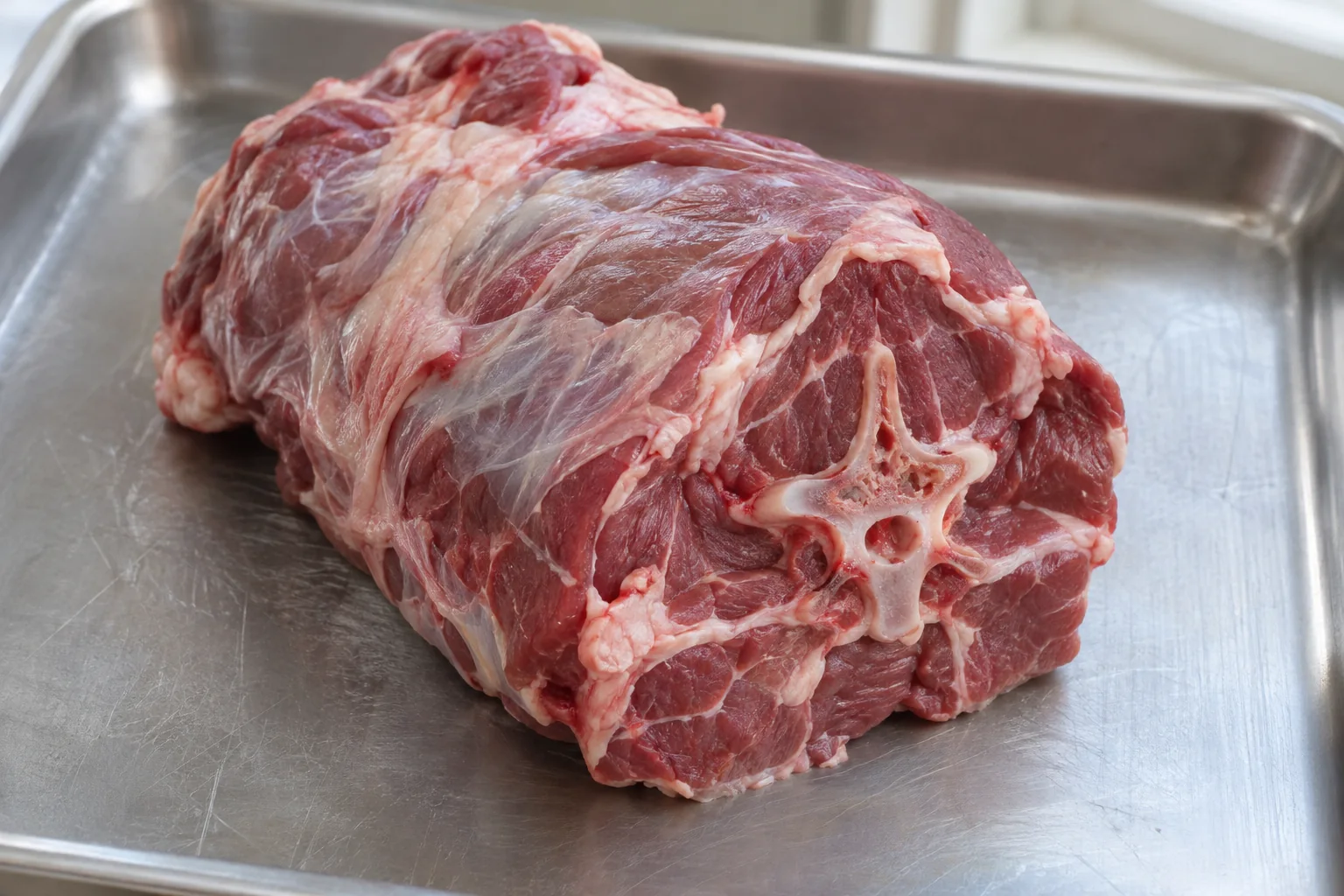
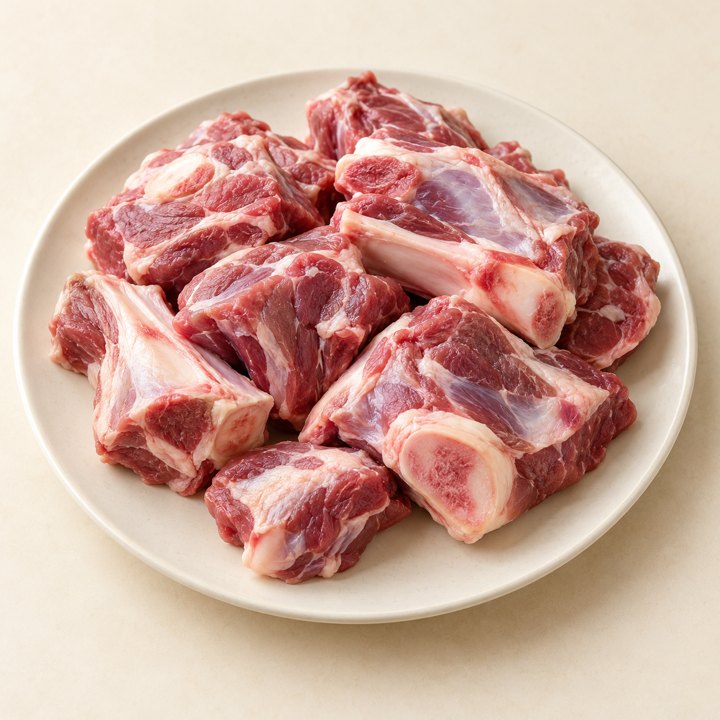
Neck is another connective-tissue-rich option for stew or yakhni. Ask for clean cuts and a useful amount of meat around the bones. Cook gently with moisture and remove loose fragments before serving. The picture shows a lamb neck for comparison; goat neck belongs to the same slow-cooking family, but the animal and size must still be confirmed when buying.
Leg or raan: choose slices, boti or a tender covered roast
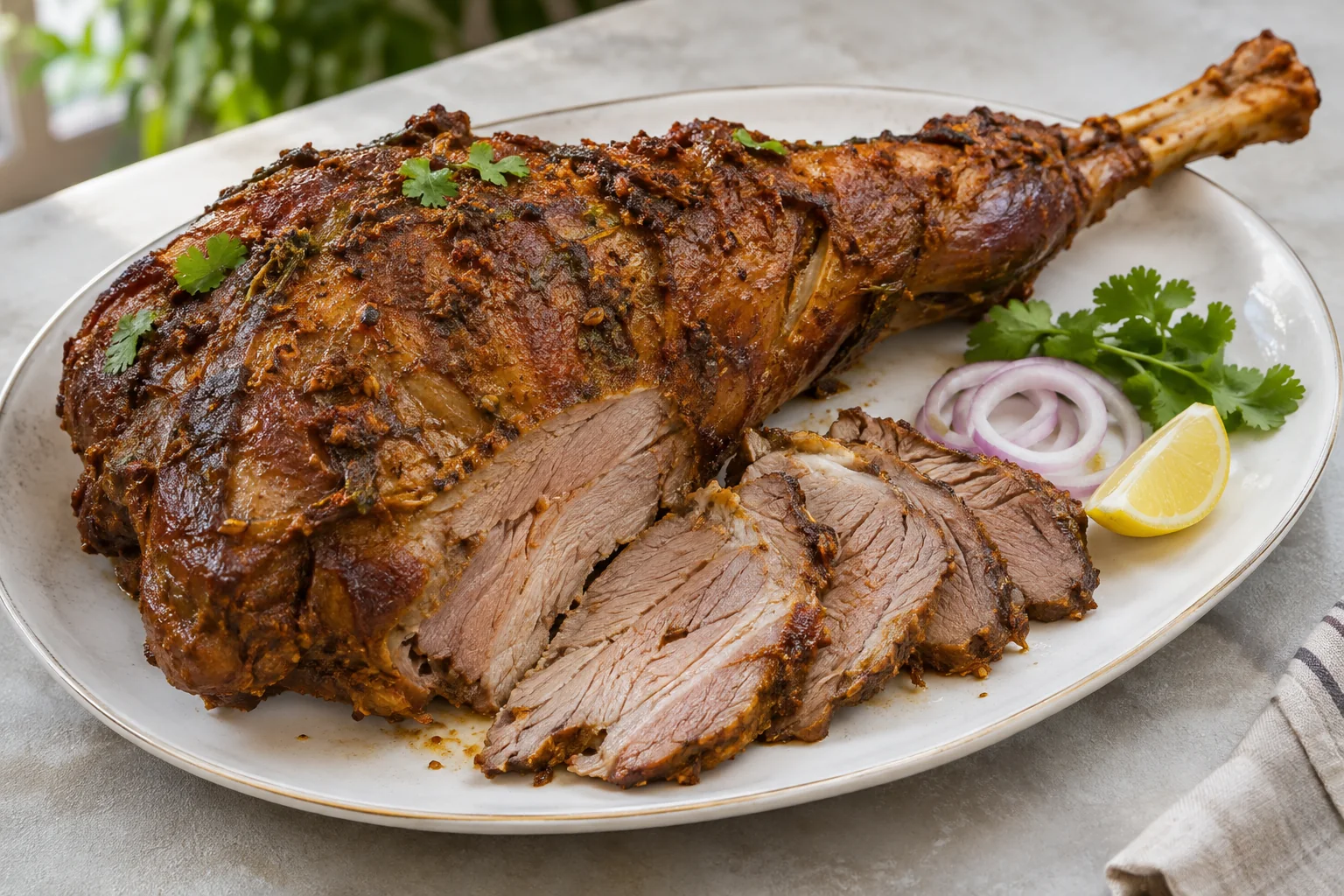
A leg contains several muscles. For boti, ask which muscle will be used and have tough membrane removed; the word leg does not guarantee every cube is equally tender. For a whole raan, decide whether you want slices or a pull-apart result before choosing the method. A large mature goat leg may need a long covered moist stage. See the raan guide.
Chops and ribs: establish the exact location
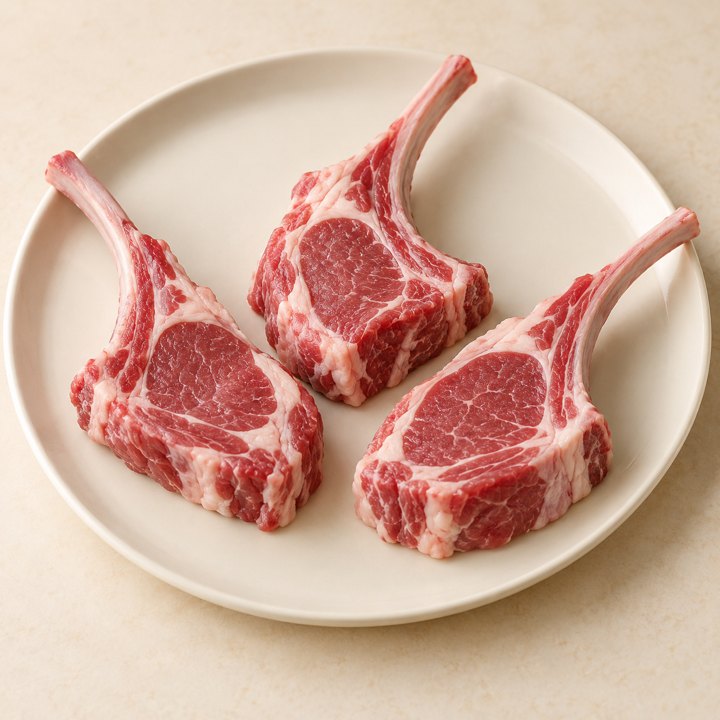
Rib and loin chops can suit grilling or pan cooking from a suitable animal. Shoulder chops can require longer moist cooking. Buy matching thickness and move thicker pieces to gentler heat after browning. Rib portions vary in tenderness and fat, so do not mix them with shank and expect one finishing time. Use the chop guide to compare methods.
Shank: braise before the final finish
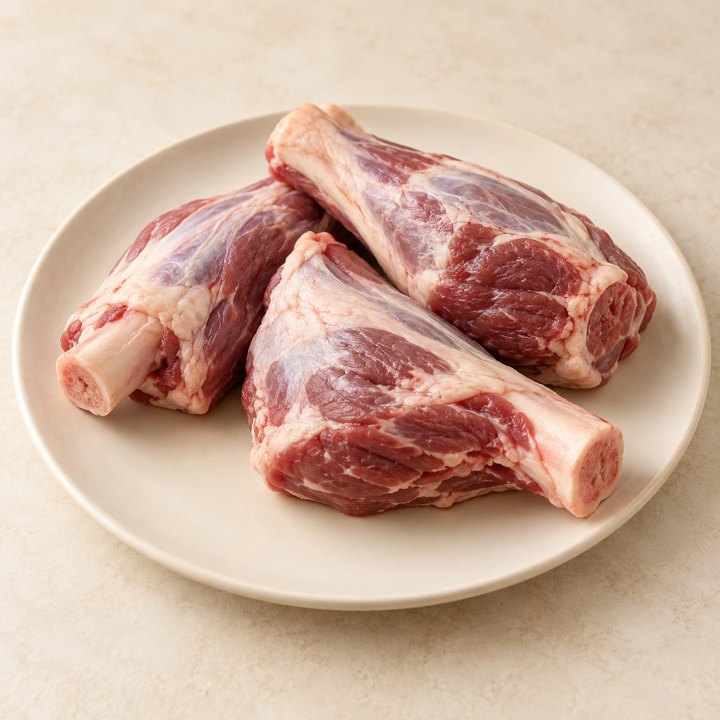
The lower leg is bone-heavy and full of working tissue. Its benefit is a rich braise or yakhni; its limitation is low edible yield and a longer cooking commitment. Use gentle moist heat until the connective tissue softens. Rice steaming alone is not a reliable tenderising stage for raw shank. See the goat shank guide.
Boneless boti and mince: ask where they came from
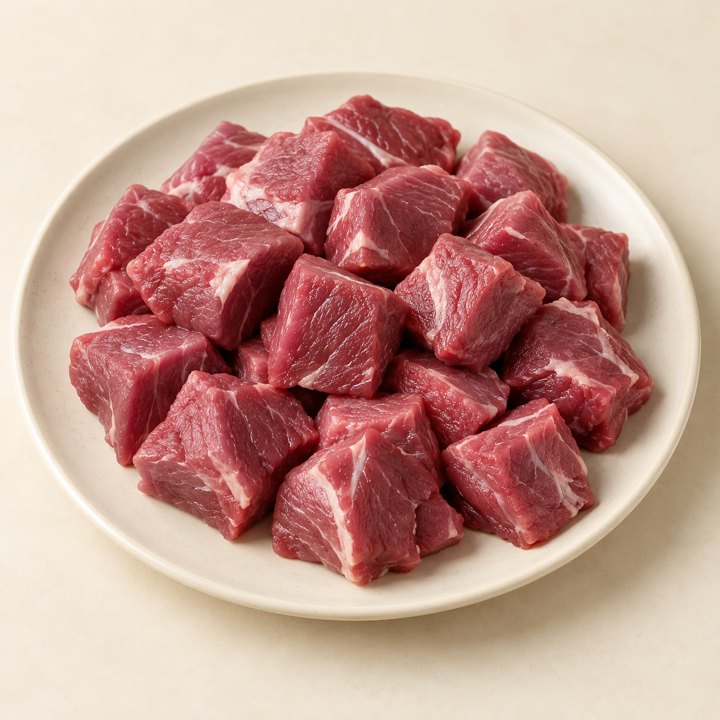
Boneless means the bones were removed, not that the meat is tender. Shoulder cubes suit a curry; selected tender muscles can suit quick skewers. Plain mince is convenient for keema and kebabs but needs a higher temperature and shorter chilled storage than an intact chop. Ask for hygienic mincing of identified meat, an agreed amount of fat and no unexplained organs. Start with the boneless goat guide.
Goat keema needs a ground-meat plan
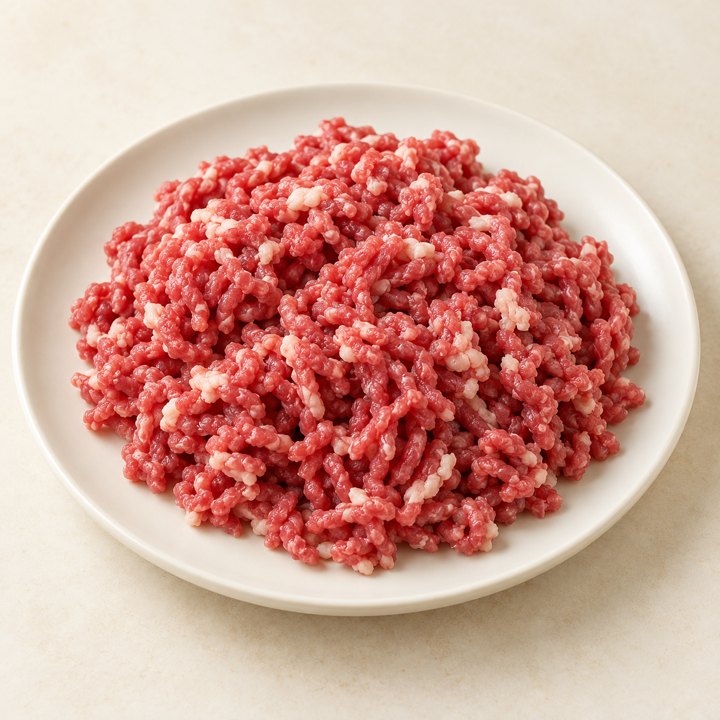
For goat keema, ask for identified meat and a clear fat allowance rather than an unexplained mix of scraps. The lamb mince photograph is a comparison of the ground form; it is not evidence that a shop batch is goat. Grinding spreads surface contamination throughout the mixture, so cook ground goat to 71°C, keep it chilled and use or freeze it promptly. Fresh plain keema is different from cured or preserved meat.
Fat and bones: useful ingredients with limits
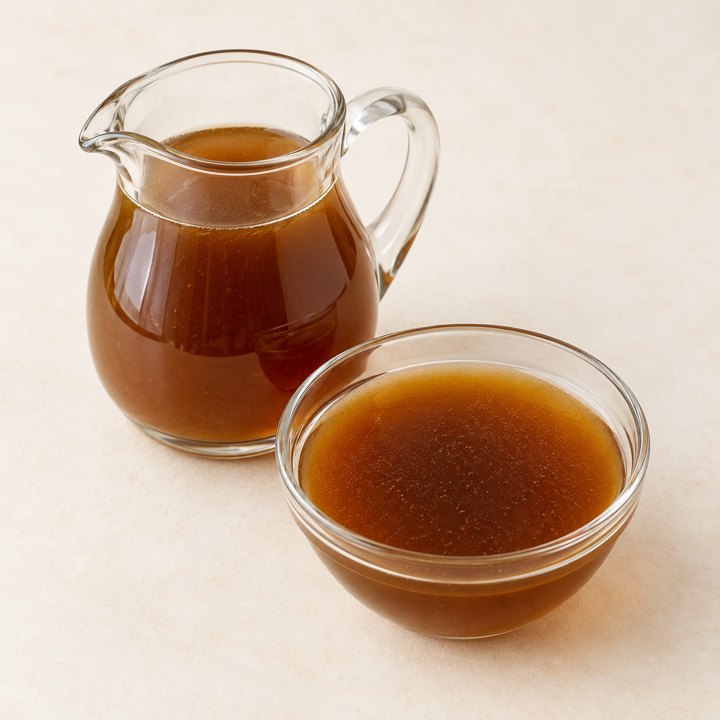
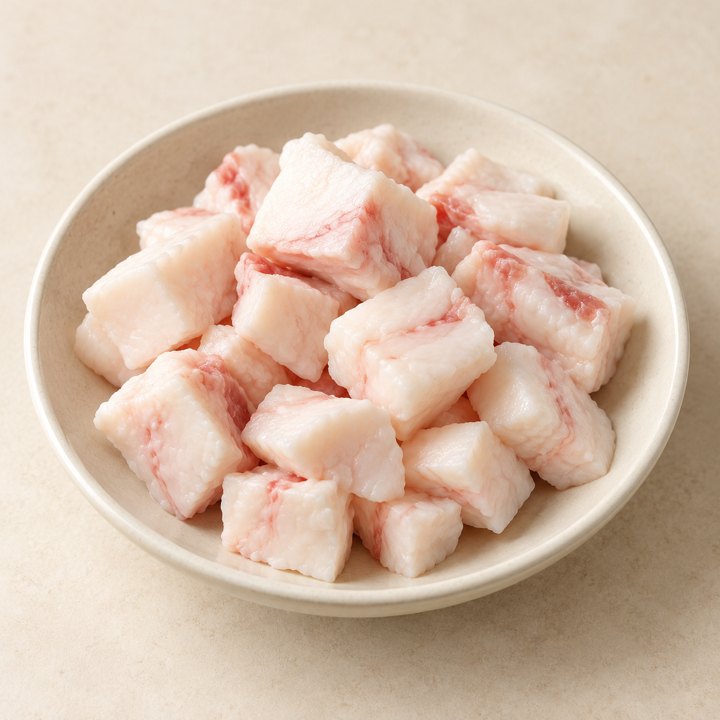
Added fat affects flavour and energy density, so ask for it separately and reduce extra oil when appropriate. Bones and connective tissue can make a pleasant stock; gelatin is a culinary texture, not proof of a particular calcium content or a treatment for joints. Keep liver and other organs separate so they can be handled with organ-specific guidance. Do not assume every carcass part follows the same method.
Order clearly and assess handling

A precise order saves confusion: “Bakray ka shoulder, curry ke liye, barabar pieces; haddi aur trimming ka weight clear kar dein.” Explain whether the goal is a quick barbecue, a long qorma or whole raan. Ask whether the bag contains one cut or mixed curry meat and whether separate fat is included in the weight. Confirm that the selected meat goes into your bag and request species, cut, weight and price on the receipt where possible.
Look for protected chilled meat, clean cutting equipment and hygienic handling of cash and packaging. Colour cannot reliably establish species or safety. A seller who can name the cut is useful, but a verbal claim of young meat is not a cold-chain guarantee. For delivery, establish whether substitutions need approval and whether the meat arrives chilled. At Eid, plan clean division, refrigerator space and chilled transport for recipients before distribution starts.
If the planned cut is unavailable, ask before accepting a substitute. A last-minute switch from shoulder to a lean unidentified muscle can change the meal even when the weight is the same. Keep cuts, mince and organs in separate labelled bags, then refrigerate promptly on arrival rather than sorting them on a warm counter for a long period.
Compare usable value and plan portions

Compare the cost per usable serving rather than unlike kilogram prices. Bone-in shank may weigh heavily but provide less meat than trimmed shoulder. Boneless pieces can save serving time, yet poor trimming can erase their apparent value. For a long curry, shoulder or neck may be more useful than an expensive lean muscle. For quick boti, buying the right muscle can prevent both waste and disappointment.
With substantial sides, 150–200 g raw boneless meat or 250–300 g raw bone-in pieces per adult can be a starting shopping estimate, not a nutritional target. Adjust for bone size, trimming, appetite and the menu. Leftovers and several red-meat dishes in one week change the plan. World Cancer Research Fund recommends about 350–500 g cooked red meat per week if it is eaten, with little, if any, processed meat. This is cancer-prevention guidance, not a Pakistani daily allowance or a minimum intake requirement.
Cook for tenderness before reducing the sauce
For shoulder curry, follow a reliable recipe for the aromatic base, brown in batches if required, then cook covered at a quiet simmer with enough liquid. Check periodically and add small amounts of hot water before the masala catches. A fierce boil does not replace patient softening. When the meat is tender, reduce the sauce. If the sauce is ready first, restore moisture and continue gently; if the meat finishes first, remove it while the sauce reduces.
For suitable boti or chops, use even pieces and a preheated pan or grill, with a gentler zone for thick pieces. A small fully cooked trial is useful when the batch is unfamiliar. Yogurt and lemon contribute flavour, not safety. Use papaya or commercial enzymes only in a tested recipe with a specified amount and chilled time; excess can create a pasty outside without solving a firm centre. The FAO guidance on cuts and cooking supports choosing dry heat for tender muscles and moist heat for connective-tissue-rich cuts.
Measure safety and cool food promptly
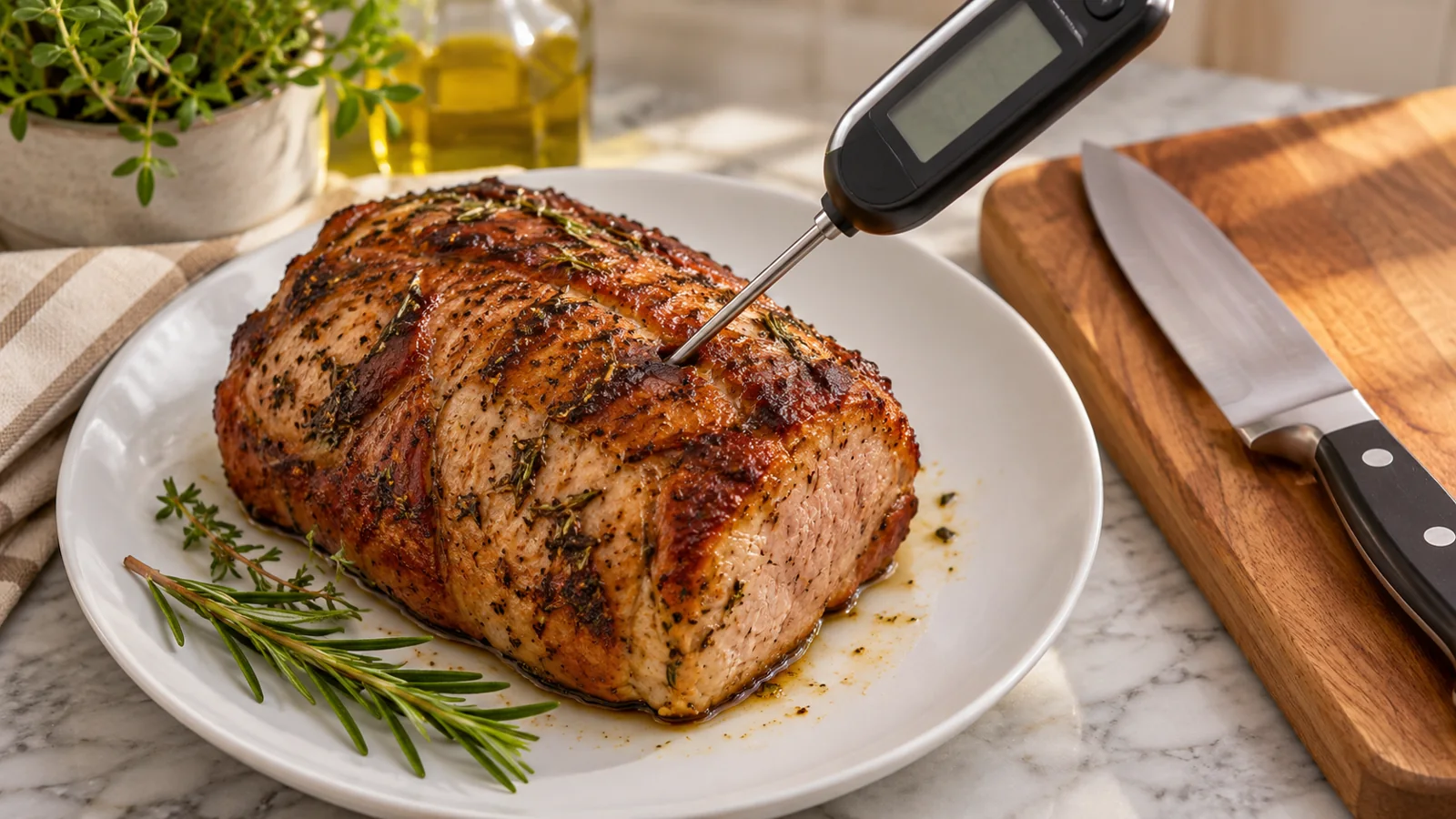
Use a clean food thermometer. Whole goat steaks, chops and roasts need at least 63°C followed by a three-minute rest; ground goat needs 71°C. Check the thickest meat away from bone. A shoulder or shank can need much more cooking to become tender, so safety temperature and fork tenderness answer different questions. These are published FoodSafety.gov minimums, not a promise that every cut is pleasant at the minimum.
Keep raw meat at 4°C or below in a leakproof container on the lowest refrigerator shelf. Cook or freeze freshly cut curry pieces promptly; a cautious plan is within one to two days. Thaw and marinate in the refrigerator. Refrigerate cooked meat in shallow containers within two hours, or one hour above 32°C, and use within three to four days. Reheat to 74°C. Do not leave a large pot out overnight to cool; follow FoodSafety.gov chilling guidance.
Choose the next dish before shopping
Start with a dish and choose the cut it needs. A shoulder qorma, shank yakhni and quick boti have different requirements even though all may be called mutton dishes. Keep a note of the animal, cut, piece size and result so the next butcher order is repeatable. For a balanced table, add vegetables or daal and prepare salad away from raw meat.
Browse the recipe collection, compare lamb and dumba, and use the complete buying, storage and Eid handling guide. The meat guide index links to individual cuts and organs. A useful photograph identifies the animal and whether it shows a raw cut or a cooked dish; a dish picture alone cannot certify the contents of a butcher’s pack.
Frequently Asked Questions
Is boneless goat always suitable for quick boti?
No. Boneless only describes bone removal. Ask for the source muscle: shoulder cubes can need a covered moist cooking stage, while suitable tender muscles may work for quick boti. Cook a small test before putting an unfamiliar batch on skewers.
Why is the gravy ready before the goat is tender?
The sauce can reduce before connective tissue has softened. Add a little hot water, cover and continue at a gentle simmer, then reduce the gravy after the meat becomes tender. More oil or a fiercer flame will not replace that moist cooking stage.
How we know this
- Type Explainer
- Sources 2 (1 official/academic)
- Reviewed November 2026
- Disputed points None
2 sources
- Goat cooking and tenderness, USDA FSIS
- Meat cuts and cooking methods, FAO
