
Ingredients & Spices · The complete guide
Chicken livers: UsesBenefits, Buying and Cooking
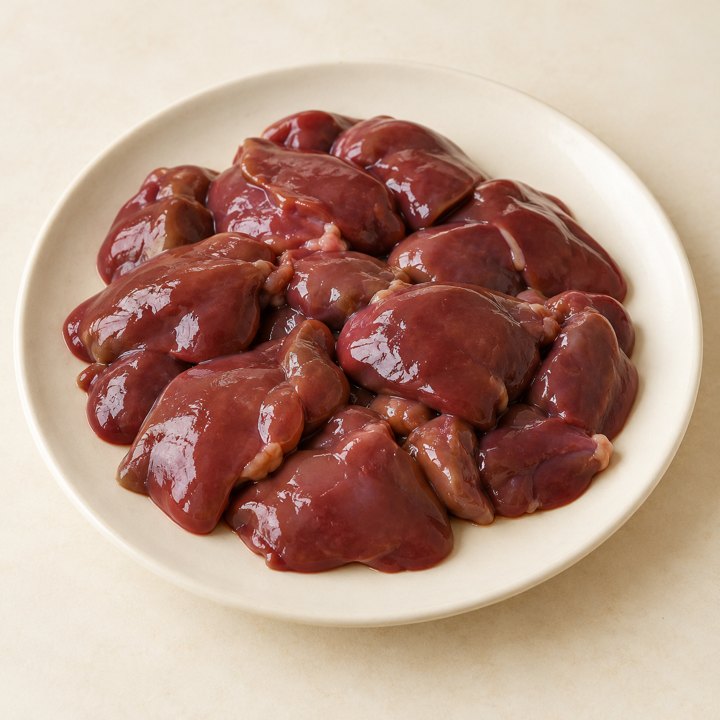
Chicken liver, often called kaleji, is a soft, dark organ with a stronger flavour than breast or thigh. It is usually sold separately or in a giblet pack.
What it is and what to ask for
Chicken liver, often called kaleji, is a soft, dark organ with a stronger flavour than breast or thigh. It is usually sold separately or in a giblet pack. Liver, heart and gizzard are different organs with different textures; do not buy an unidentified mixed bag expecting everything to cook like liver.
Choose liver for a small kaleji dish or a thoroughly cooked filling, rather than treating it as a direct substitute for meat chunks. Ask for cleaned, chilled livers with gallbladder material removed. Reject damaged, leaking packs or an uncertain cold chain; appearance alone cannot establish safety. A green-stained area from bile is undesirable, but removing a visibly poor area is not a method for rescuing a generally suspect batch. When unsure about the product's condition or history, choose another purchase.
Choosing the right form for a Pakistani kitchen
Using liver makes culinary use of an organ from a bird that also supplies muscle meat. In Pakistani cooking, kaleji can be seasoned with ginger, garlic, chilli and a reduced masala, but family methods differ. The important distinction is the organ's soft structure and rich flavour, not an unsupported claim that one regional method unlocks a medicinal benefit.
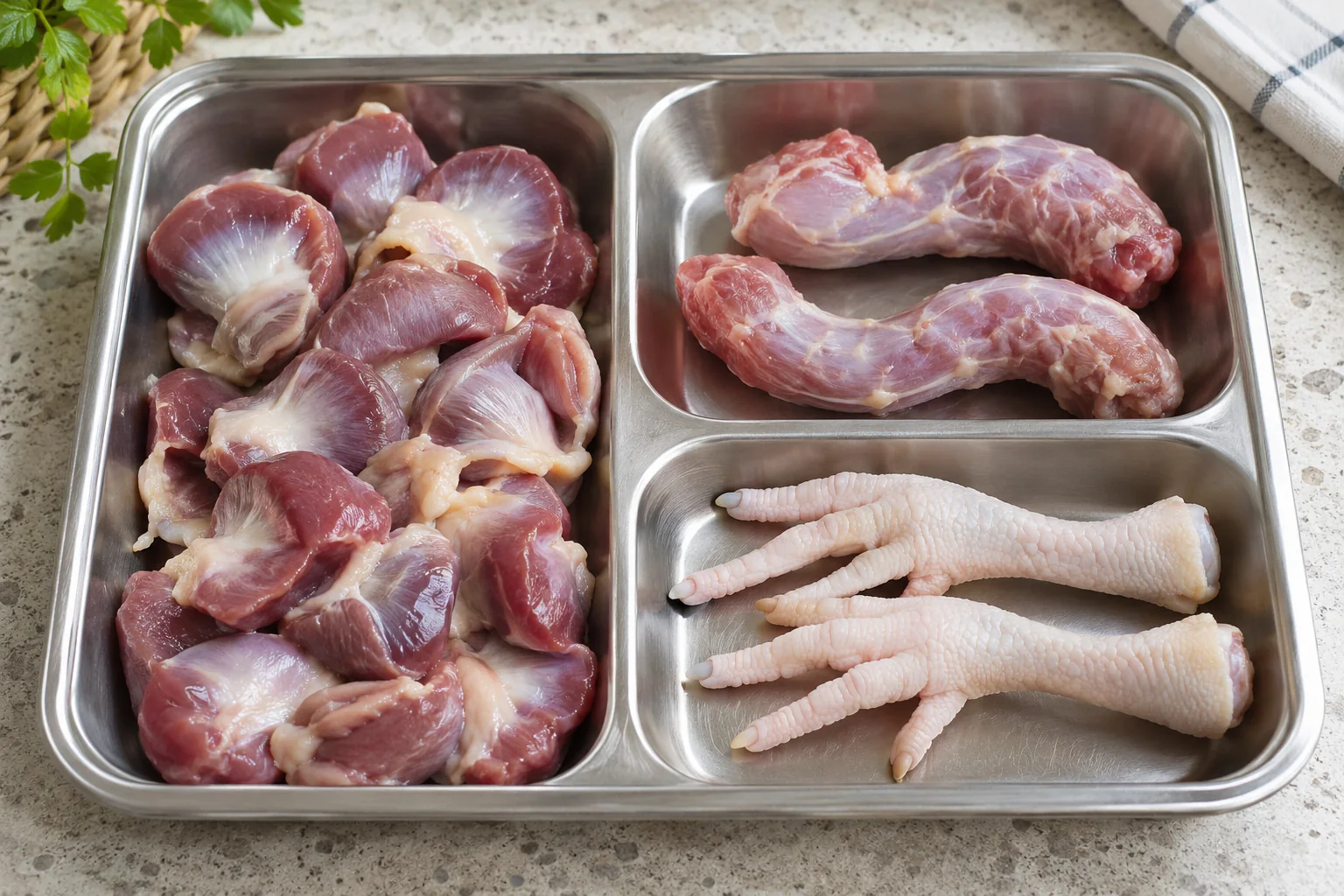
Chicken liver is smaller and more delicate than many lamb or beef liver portions. It needs different handling and portioning from gizzard, which is firm and muscular. Ask the seller to separate the organs. Keeping their identities clear helps you choose the recipe, control texture and describe the meal accurately to anyone sharing it.
How to use it successfully
Trim connective tissue and inspect the pieces on a dedicated board. Do not wash raw liver under a running tap. Prepare the masala before adding the liver so you can cook the organ fully without subjecting it to an unnecessarily long sauce reduction. Use a pan large enough for even heating and turn pieces gently so they do not disintegrate.
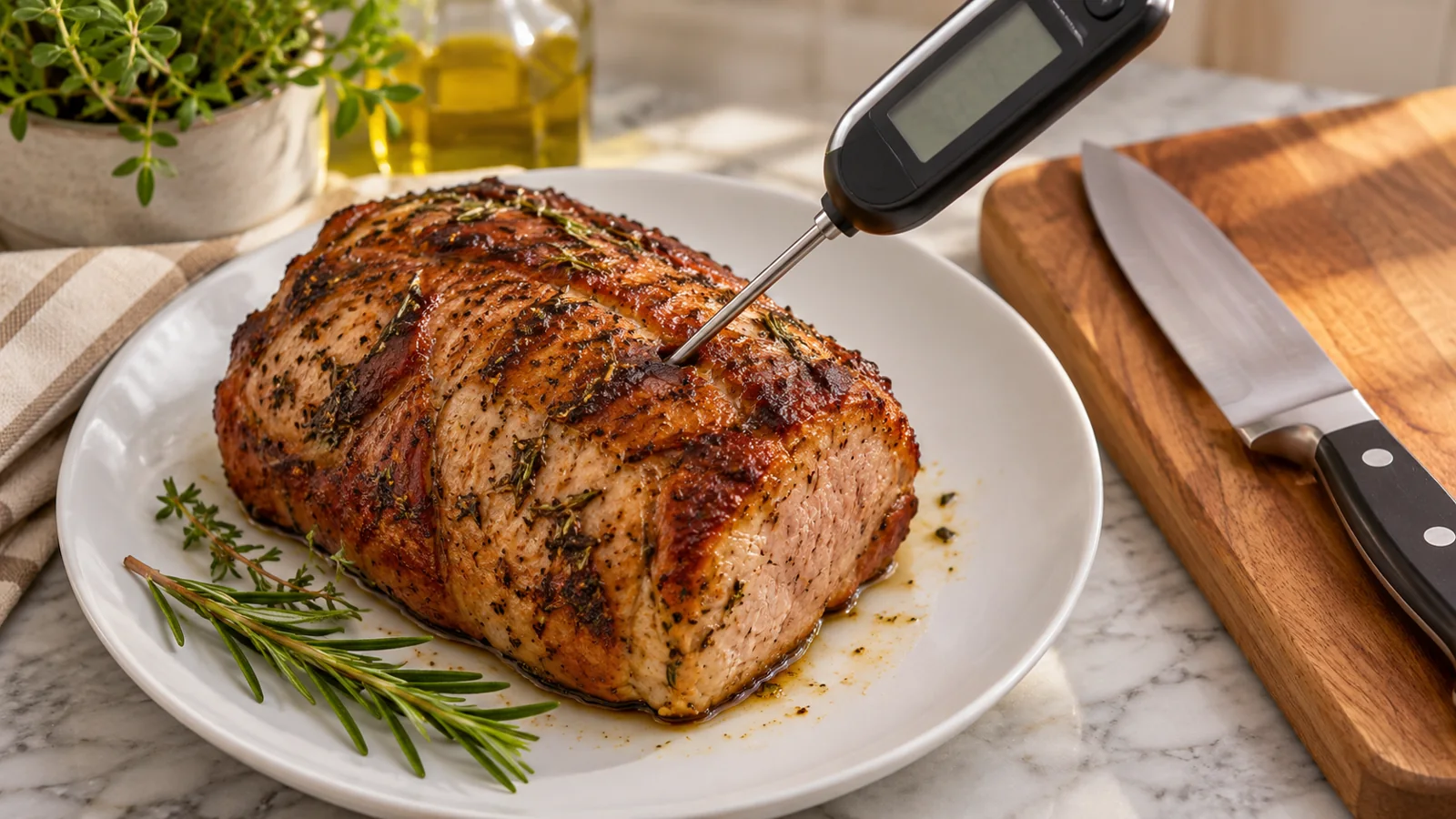
Chicken liver must reach 74°C throughout, including the centre. Check several of the thickest pieces with a suitable probe. A quick sear, brown surface or deliberately pink centre is not an adequate safety standard; poultry liver can carry bacteria internally as well as on its surface. If you make a spread or pâté, cook the liver thoroughly before blending and then chill the finished food promptly. A smoother texture is not worth lowering the safety target. Add final herbs and lemon for flavour using clean utensils after the raw preparation area is cleared.
FoodSafety.gov: all poultry, including giblets and mince, needs 74°C
CDC: chicken liver can contain bacteria internally and needs thorough cooking
Nutrition, benefits and limits
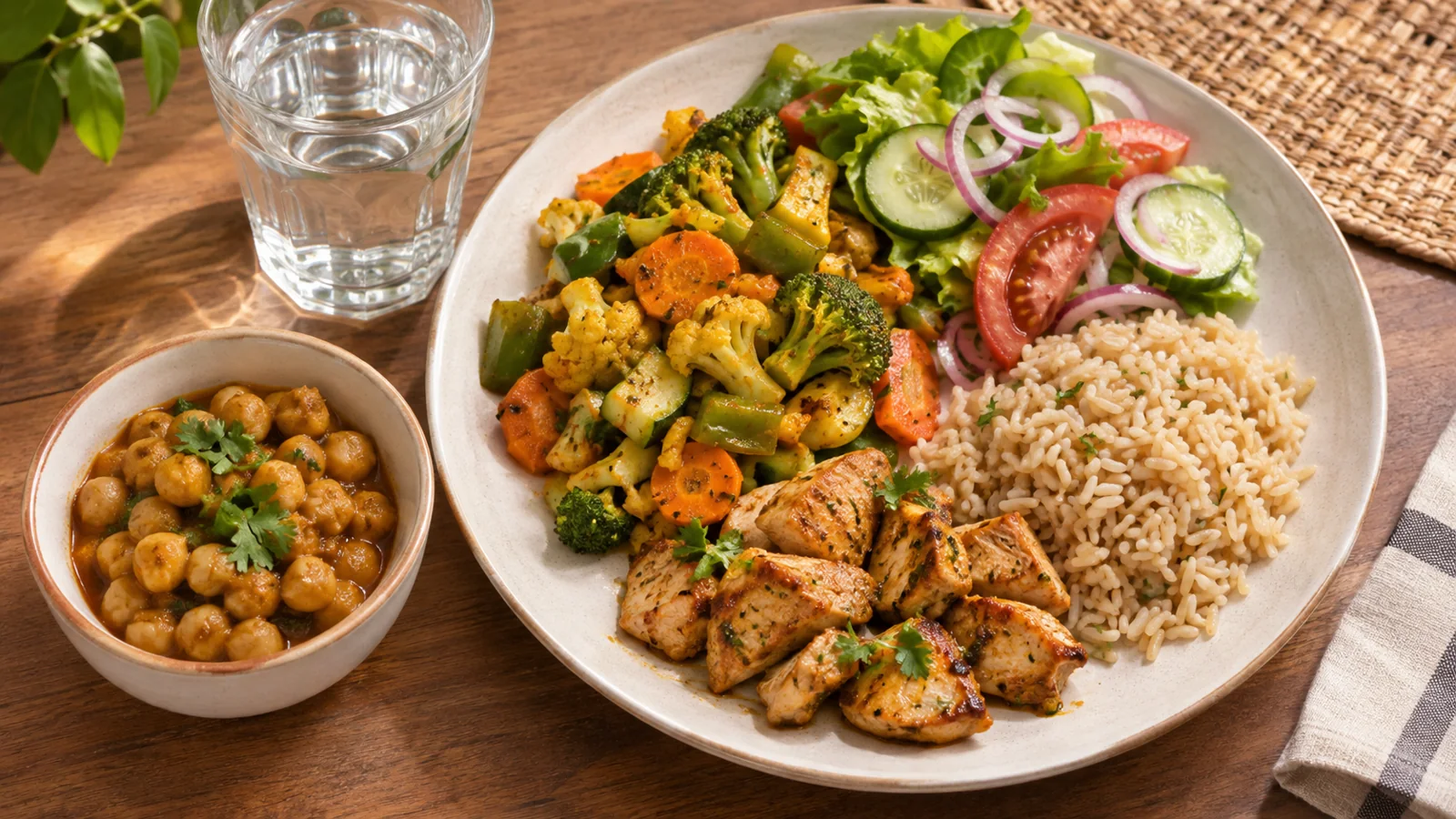
Liver provides protein and iron and is particularly rich in preformed vitamin A, also called retinol. Those nutrients are useful, but a highly concentrated source is not automatically something to eat frequently. Liver is food, not a treatment for anaemia or a substitute for investigating fatigue or a diagnosed deficiency.
The NHS advises avoiding liver and liver products during pregnancy because their vitamin A can harm the developing baby. For other adults, its guidance is not to eat liver or liver products more than once a week; consider all sources of retinol, including supplements. A smaller occasional serving is more sensible than presenting daily liver as a health routine. People with an individual dietary restriction should follow their clinician's advice rather than general claims about organ meats.
Choosing a replacement
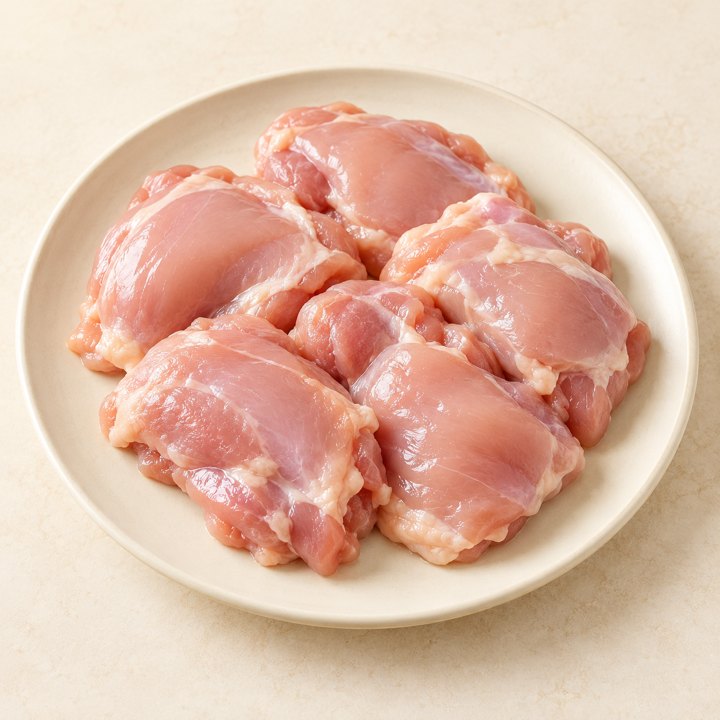
Cooked chicken thigh can make a milder masala dish when liver's strong taste is unwelcome, but it will not reproduce the same texture or vitamin profile. Gizzard and heart are not quick-cooking equivalents: their firm structure needs a different method. Lamb or beef liver also requires its own preparation guidance and is still subject to the vitamin A cautions that apply to liver.
For a meat-free iron-containing meal, pulses can contribute useful nutrients as part of a varied diet, but they are not a nutritionally identical swap gram for gram. Choose a daal or chickpea recipe designed for those ingredients. If the reason for changing the dish is pregnancy, select a thoroughly cooked alternative to liver rather than trying to make liver acceptable by reducing its cooking time or disguising it in a filling.
Safe handling and storage
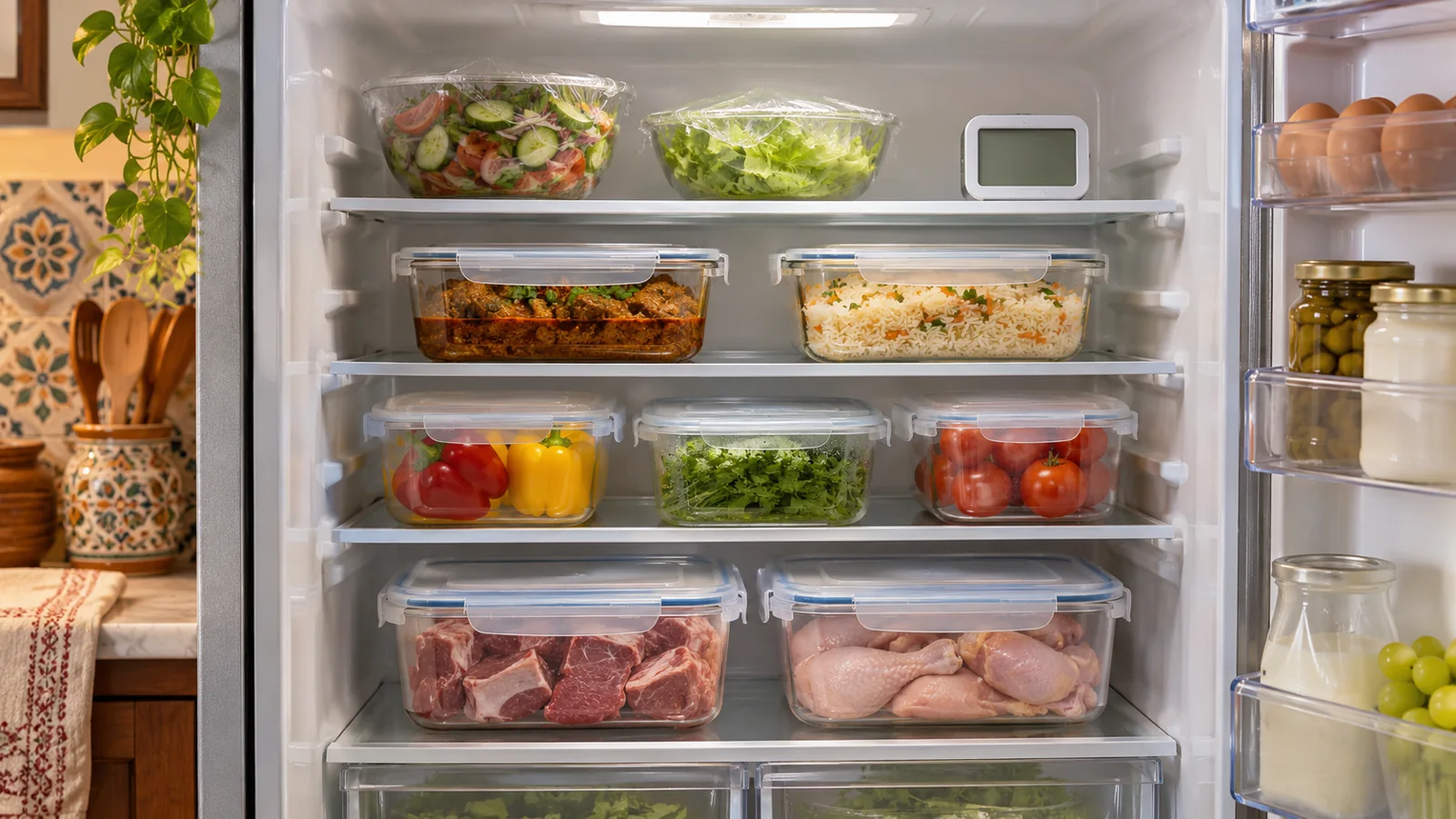
Keep raw poultry in a sealed leakproof container on a low shelf away from ready-to-eat food. Set the refrigerator to 4°C or below and use or freeze raw chicken, mince and giblets within one to two days. Thaw and marinate in the refrigerator. Do not wash raw chicken: water splashes can spread bacteria. Clean hands, boards, knives and worktops after preparation, and use a clean plate for cooked food.
Cook all poultry to 74°C, including mince and giblets, measuring the thickest edible part away from bone. Cool leftovers promptly in small shallow containers. Refrigerate within two hours, or one hour when exposed to temperatures above 32°C. Properly chilled cooked chicken generally keeps three to four days; reheat leftovers to 74°C. These limits assume continuous safe chilling, not hours of warm storage before refrigeration. Freezing or reheating does not reliably rescue food that has been left out too long. If its handling history is unsafe or uncertain, discard it rather than tasting to check.
USDA: raw and cooked chicken storage; FDA: do not wash raw poultry; FoodSafety.gov: chilling and thawing; USDA: cooling hot food
Planning, portions and serving
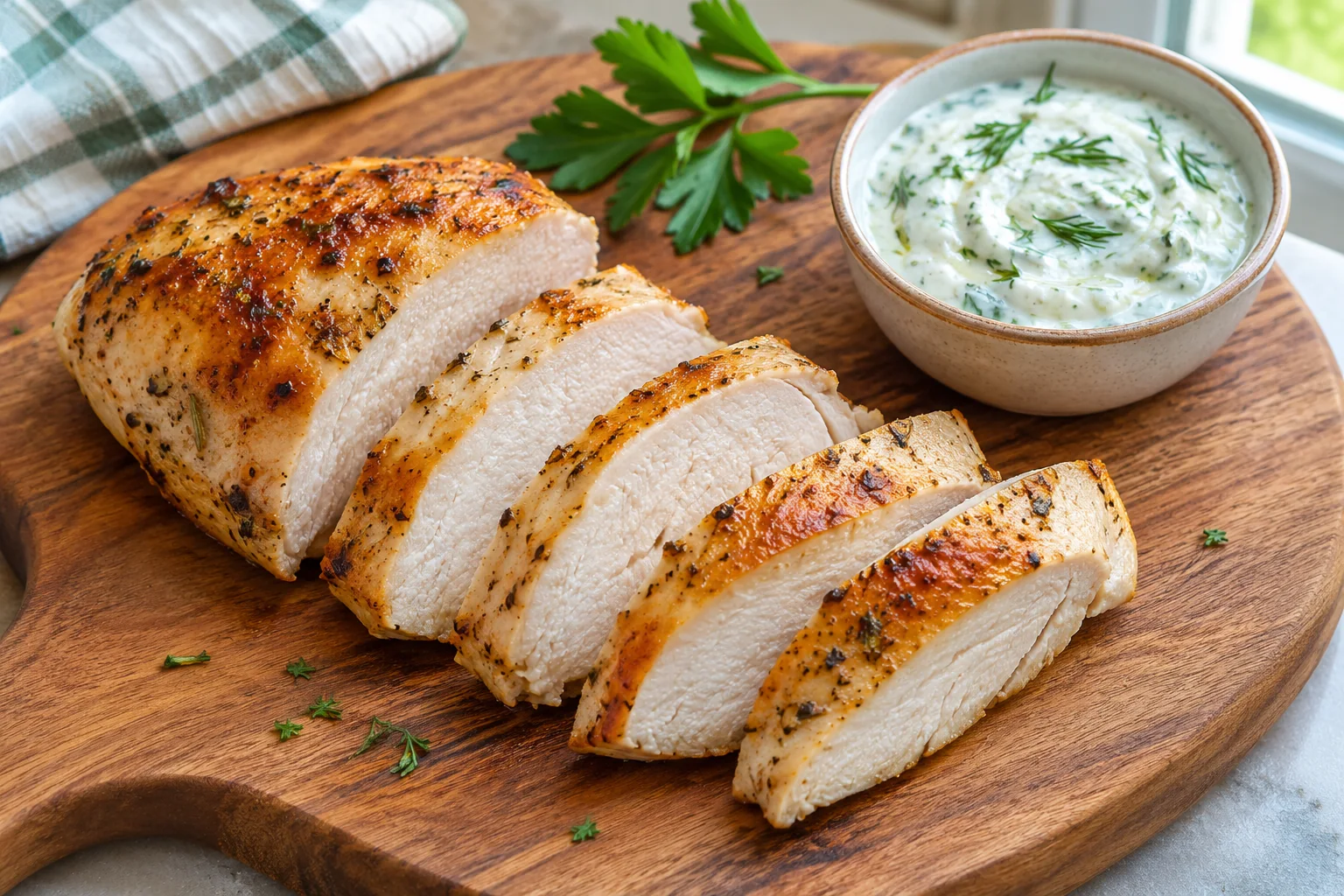
Treat kaleji as one modest component of a varied meal. Pair it with vegetables, daal, roti or rice rather than building an oversized organ-meat platter. Tell diners it contains liver, especially when serving a filling where the ingredient is not obvious. Pregnancy advice still applies when liver is blended, minced or hidden in a sauce.
Buy only what you will cook soon, or freeze suitable portions promptly. Raw giblets have the same short one-to-two-day refrigerator window as other raw poultry under USDA guidance. Keep them in a separate sealed container below ready-to-eat foods. If you save cooked kaleji, portion it promptly with clean utensils; repeated warming can damage texture and does not compensate for poor storage.
Recipes and pantry links

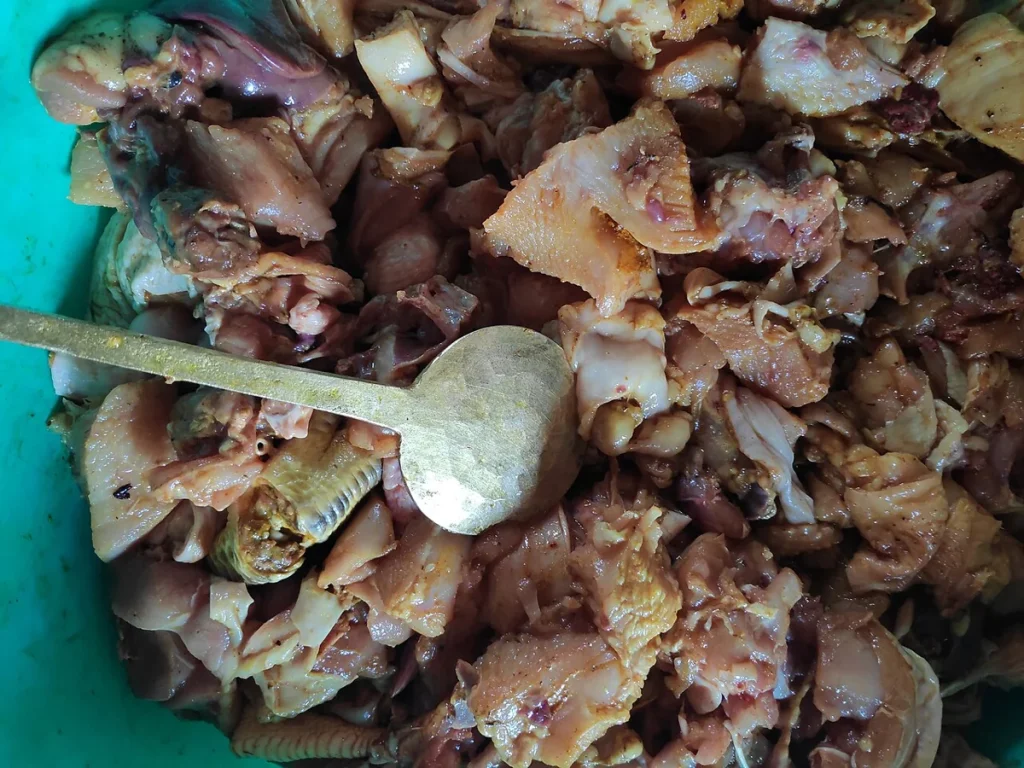
Read the complete recipe before shopping so you know whether it calls for raw or cooked chicken, bones or no bones, skin on or off and a specific prepared weight. Those details affect both the result and the quantity to buy. Prepare aromatics, sauce ingredients and clean serving utensils before the raw poultry work begins.
Use the linked dishes for practical combinations of cut, seasoning and method. Follow the chicken temperature checks in this guide even if a recipe gives an approximate time. If you change the cut or portion thickness, reassess the cooking sequence instead of assuming the original clock will still work. Keep salads and raita separate from all raw-chicken tools.
Names and forms used in our recipes
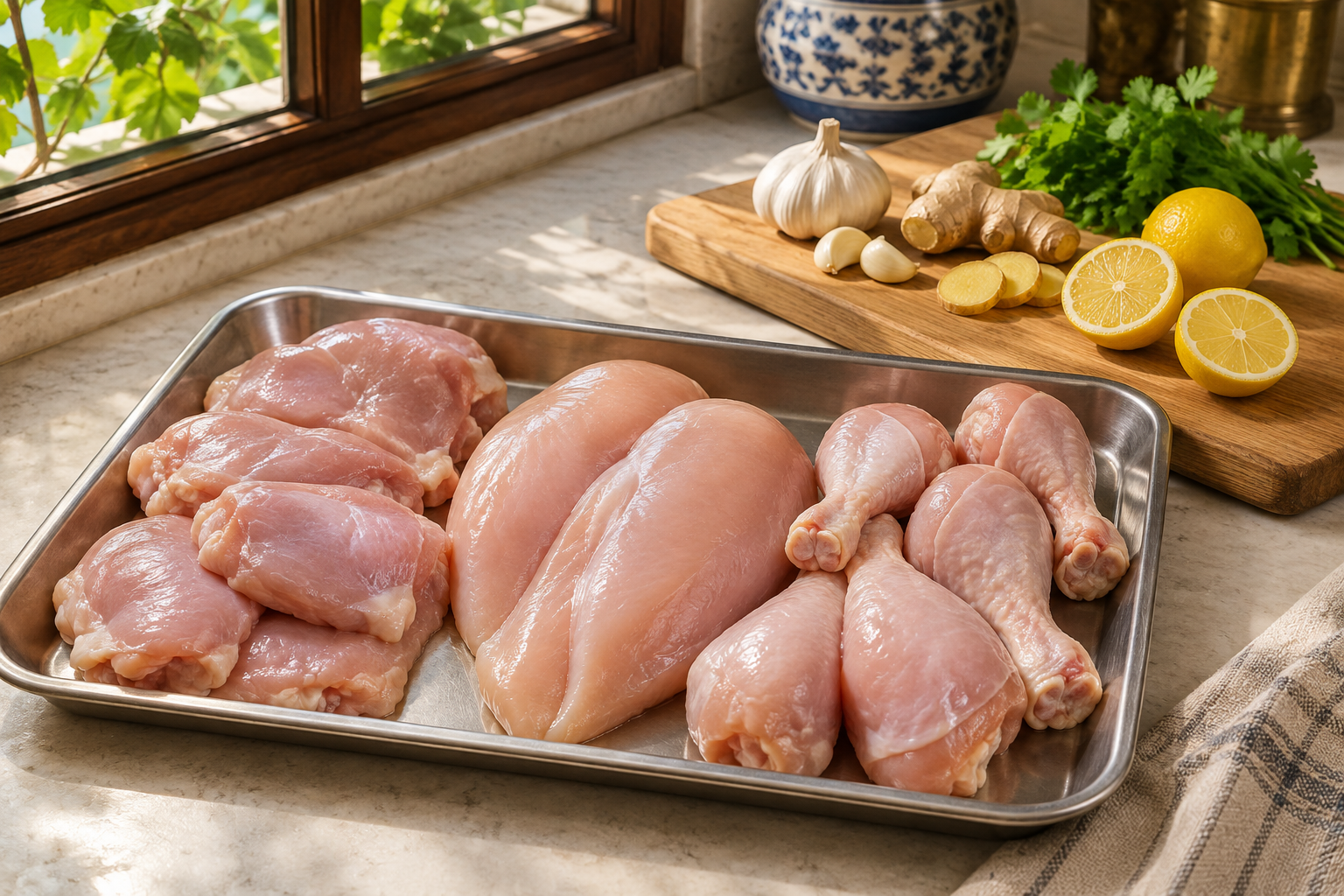
Whole cleaned livers are easier to inspect and portion than an unlabelled chopped blend. Giblets may include liver, heart and gizzard; a neck can be packed alongside them but is not an organ. Ask exactly what the package contains before following a liver recipe.
Raw liver, cooked liver filling and liver pâté are different starting points. Read the ingredients and storage instructions on prepared products. A ready-made spread should not be treated as safe for pregnancy merely because it looks smooth or has been chilled: NHS pregnancy advice also excludes pâté. For stock, omit liver if you want a clean, mild flavour; it can cloud and strongly flavour the broth. Keep it separate for a suitable thoroughly cooked dish if you intend to use it.
- raw edible chicken livers, trimmed
Frequently Asked Questions
Is pink chicken liver acceptable for a creamy texture?
Cook chicken liver throughout to 74°C. A brown exterior or a quick sear cannot establish that its centre is safe.
What should I check before buying chicken livers for these recipes?
Choose a traceable chilled source and clearly identified cleaned liver. Keep it separate from ready-to-eat food, use or freeze within one to two days and avoid liver during pregnancy.
What is a practical substitute for chicken livers?
Chicken thigh gives a milder, different masala dish. Other liver still carries retinol cautions; pulses make a separate meal rather than an identical nutritional swap.
Keep Exploring
Related places and stories on DailyLife.pk
How we know this
- Type Explainer
- Sources 7 (4 official/academic)
- Reviewed November 2026
- Disputed points None
7 sources
- USDA AMS: institutional meat purchase specifications
- FAO: livestock domestication and diversity
- OECD–FAO: meat production and trade context
- FoodSafety.gov: safe minimum internal temperatures
- FoodSafety.gov: cold food storage chart
- USDA FSIS: refrigerator storage times for chicken
- NHS: foods to avoid in pregnancy
Photo credits (1)
- Chicken Meat.jpg, Gaurav Dhwaj Khadka, CC BY-SA 4.0, via Wikimedia Commons
