
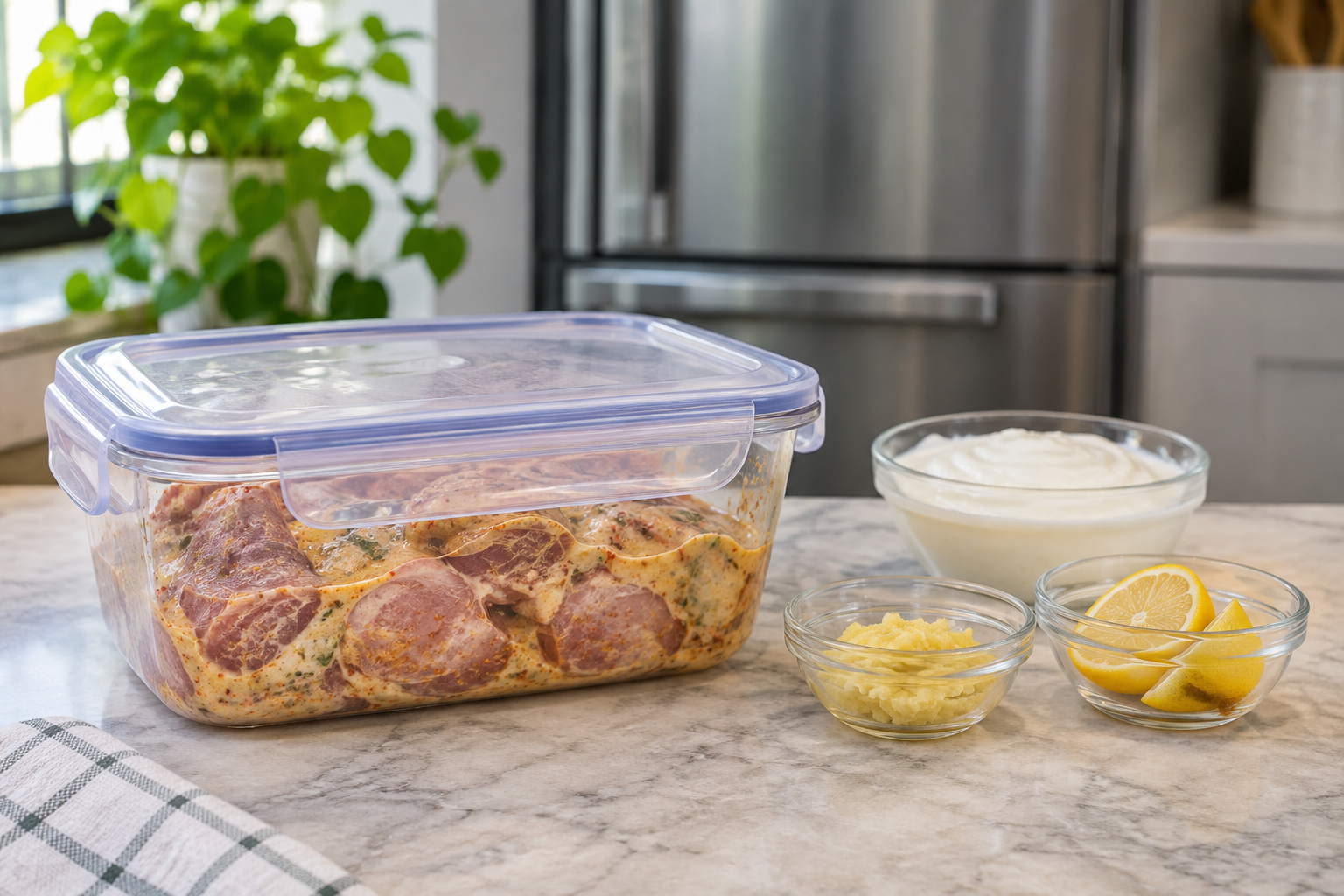
Food & Drinks
Meat Marinades and Tenderising: FlavourTexture and Safety
Use yogurt, citrus, spices and tenderisers purposefully; choose the correct cut, marinate cold and prevent a soft surface from hiding a tough centre.
DailyLife.pk meat kitchen
Choose a cut before a tenderiser
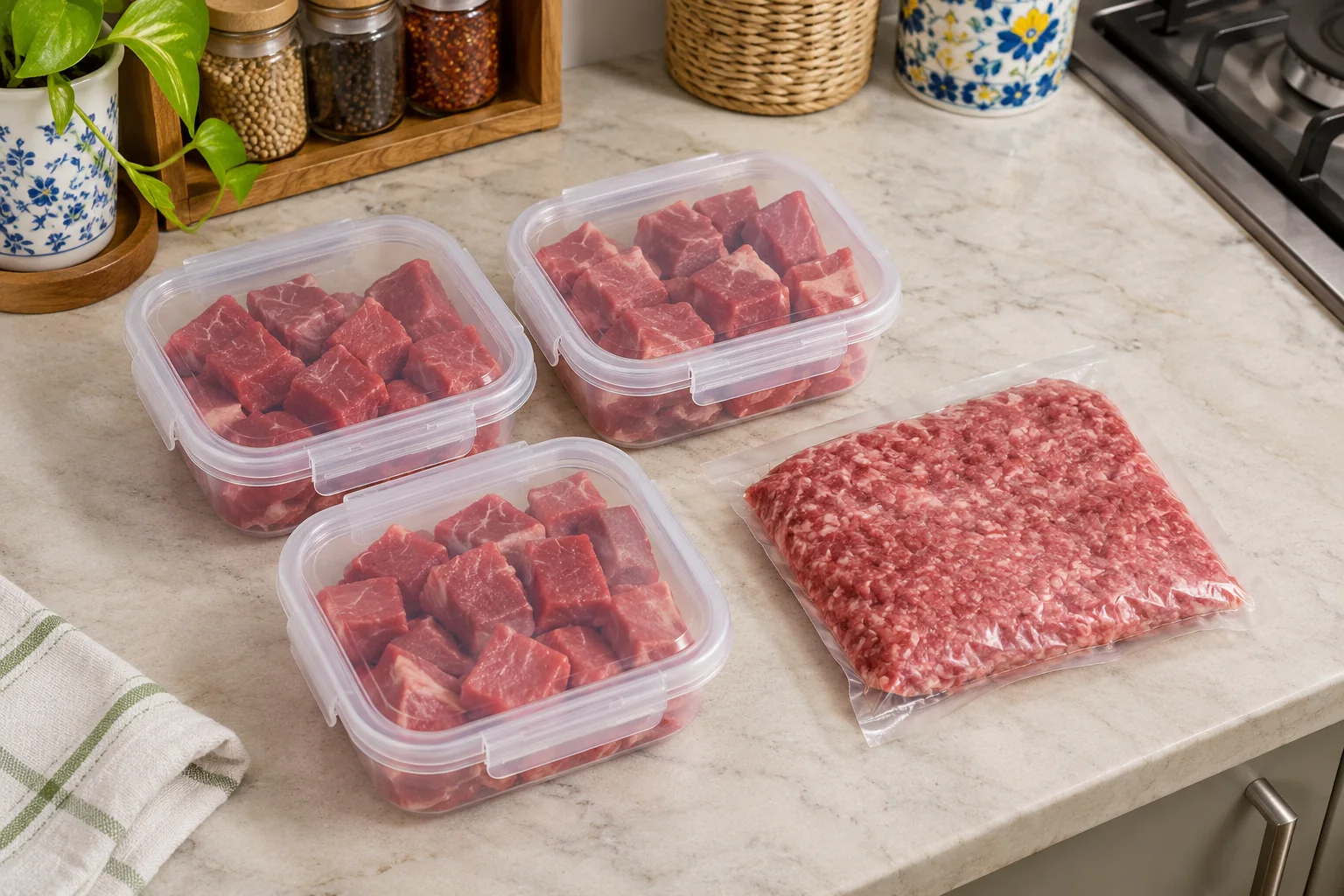
A marinade cannot make every cut suitable for every cooking method. Shoulder and shank contain connective tissue that generally benefits from controlled moist cooking; a tender quick-cooking cut needs less intervention. First identify the animal, anatomical cut, thickness and intended dish. Even pieces make timing more predictable than an assortment of tiny trimmings and large chunks.
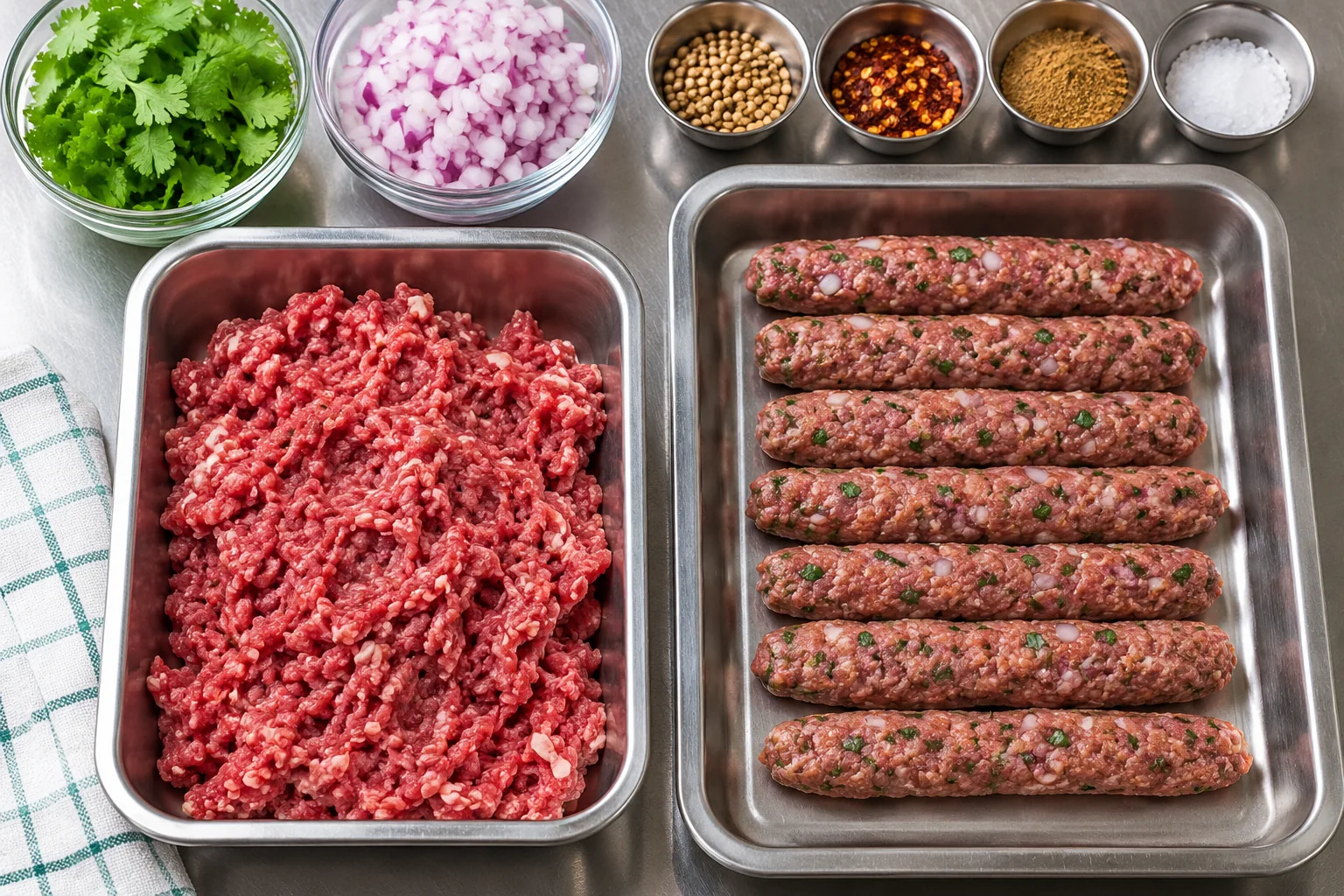
For boti, ask for a cut intended for quick cooking and specify a consistent size. For a whole raan, allow for its size and equipment rather than assuming a longer marinade will solve uneven heating. For keema, binding and moisture control matter more than trying to soften intact fibres. Select a tested recipe suited to the actual ingredient.
Reference: World Cancer Research Fund meat recommendations.
Understand what each ingredient does
Salt seasons meat; spices and aromatics build flavour; oil carries some flavours and helps distribute a coating. Yogurt, lemon and vinegar add acidity and can affect surface proteins. These effects are culinary, not sterilisation. More acid is not automatically better: an aggressive mixture can change the exterior texture without making the centre tender.
Papaya and commercial enzyme tenderisers can break down proteins. Their strength varies with the product and preparation, so use a reliable recipe or manufacturer directions rather than a universal spoon-per-kilo rule. Adding more tenderiser to save time can leave a paste-like surface. Do not claim an enzyme reaches every part evenly or removes the need for cooking.
Reference: USDA explanation of marinades.
Plan a reproducible mixture
Write down the meat weight and ingredient amounts. A repeatable recipe is easier to adjust than adding yogurt, salt and lemon until the container looks full. Account for salt already present in bottled sauces, spice mixes or processed ingredients. Allergens can include milk in yogurt and other ingredients in commercial seasonings; check labels and tell guests accurately.
Keep a clean tasting spoon for the marinade before it touches raw meat. Once raw meat is added, do not taste the mixture. To evaluate seasoning later, cook a small sample fully. Set aside clean sauce in another covered container before marinating if you want a finishing dip or glaze. Keep the reserved portion away from raw utensils.
Reference: USDA explanation of marinades.
Marinate under refrigeration
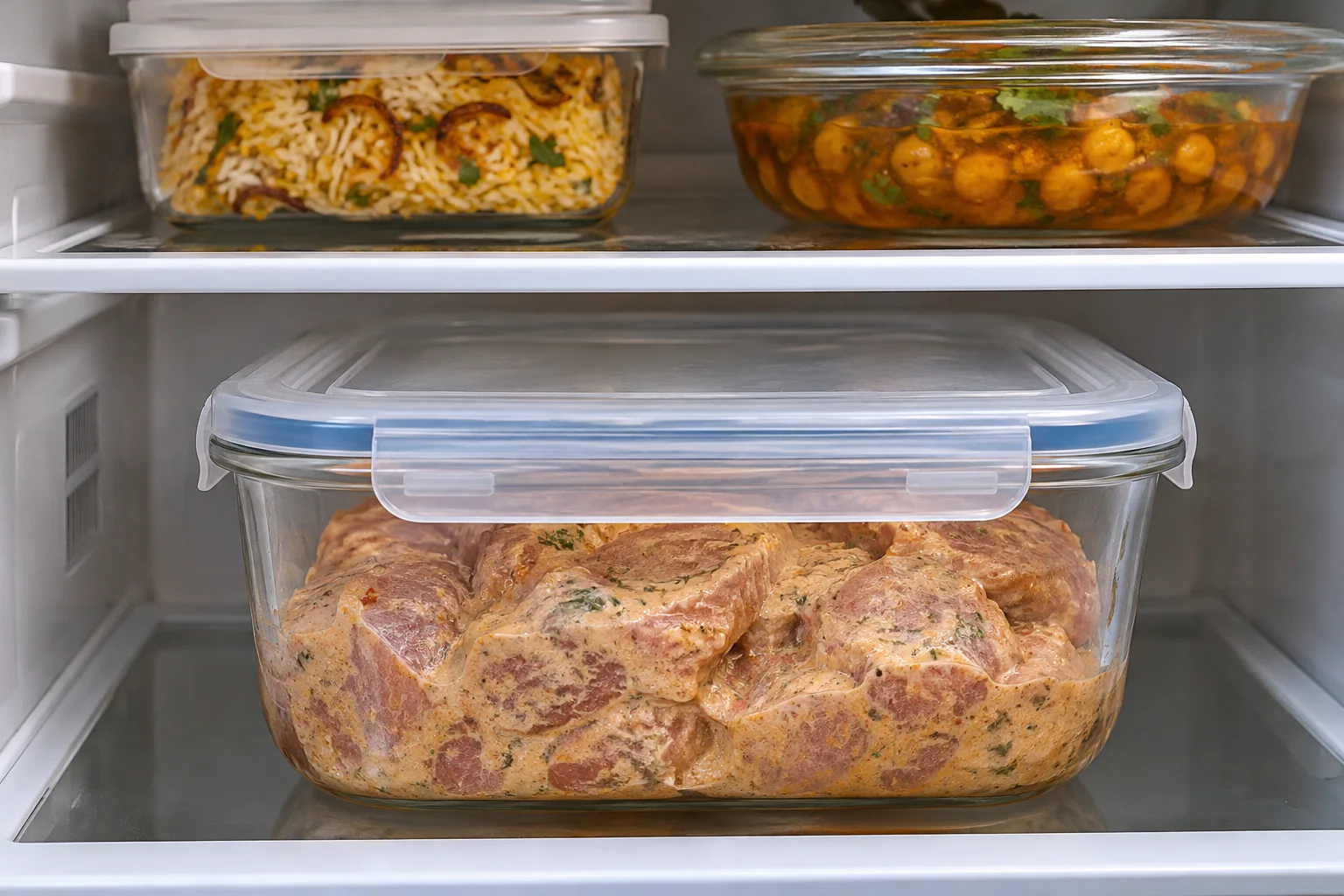
Use a covered food-safe container in the refrigerator at 4°C or below. Glass or suitable food-safe plastic works well; follow the container instructions for acidic foods. Place the container low enough that any leak cannot reach cooked food. Turning the sealed container can redistribute the coating without leaving meat on a warm counter.
Follow the recipe and the ingredient's safe storage window. A marinade does not extend the usable life of ageing raw meat, restart a use-by date or make questionable meat acceptable. Keep the cumulative time outside refrigeration short. Refrigerate perishables within two hours, or one hour above 32°C, including preparation and transport. Do not leave meat out overnight to absorb flavours.
Reference: FDA safe food handling.

Storage reference: official cold food storage chart.
Prepare cleanly without splashing
Do not routinely wash raw meat or poultry. Water splashes spread raw juices around the sink and nearby preparation areas. Ask the butcher for trimming appropriate to the cut, then use a clean board and knife. Wash hands with soap after handling meat, packaging or raw marinade and clean the work area before preparing salad.
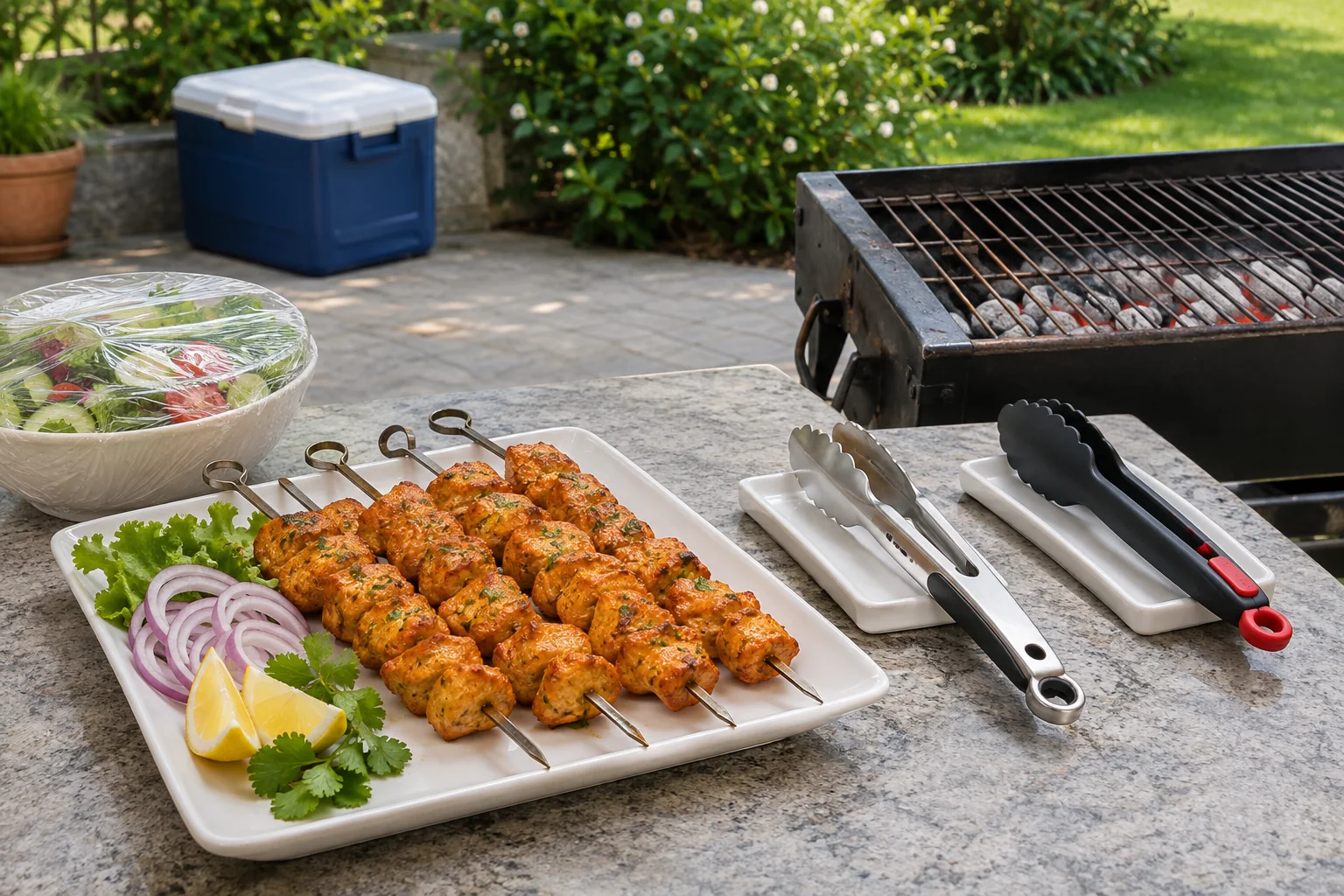
If cutting strips, work across the grain where appropriate and aim for uniform thickness. Patting a surface dry with disposable kitchen paper can help a recipe that needs browning, but dispose of the paper and clean up promptly. Keep raw pieces on their own preparation tray, away from the clean serving platter: a seasoned raw skewer is still raw even when it looks ready for the table.
Reference: USDA ground-meat safety.
Cook the cut with the right endpoint
Remove excessive wet coating when the recipe calls for searing so the meat browns rather than steams. Avoid a very sugary surface over fierce flames; it can burn before the centre cooks. Move barbecue pieces to gentler heat when needed. For a braise, moderate moisture and sufficient time soften connective tissue better than repeated doses of tenderiser.
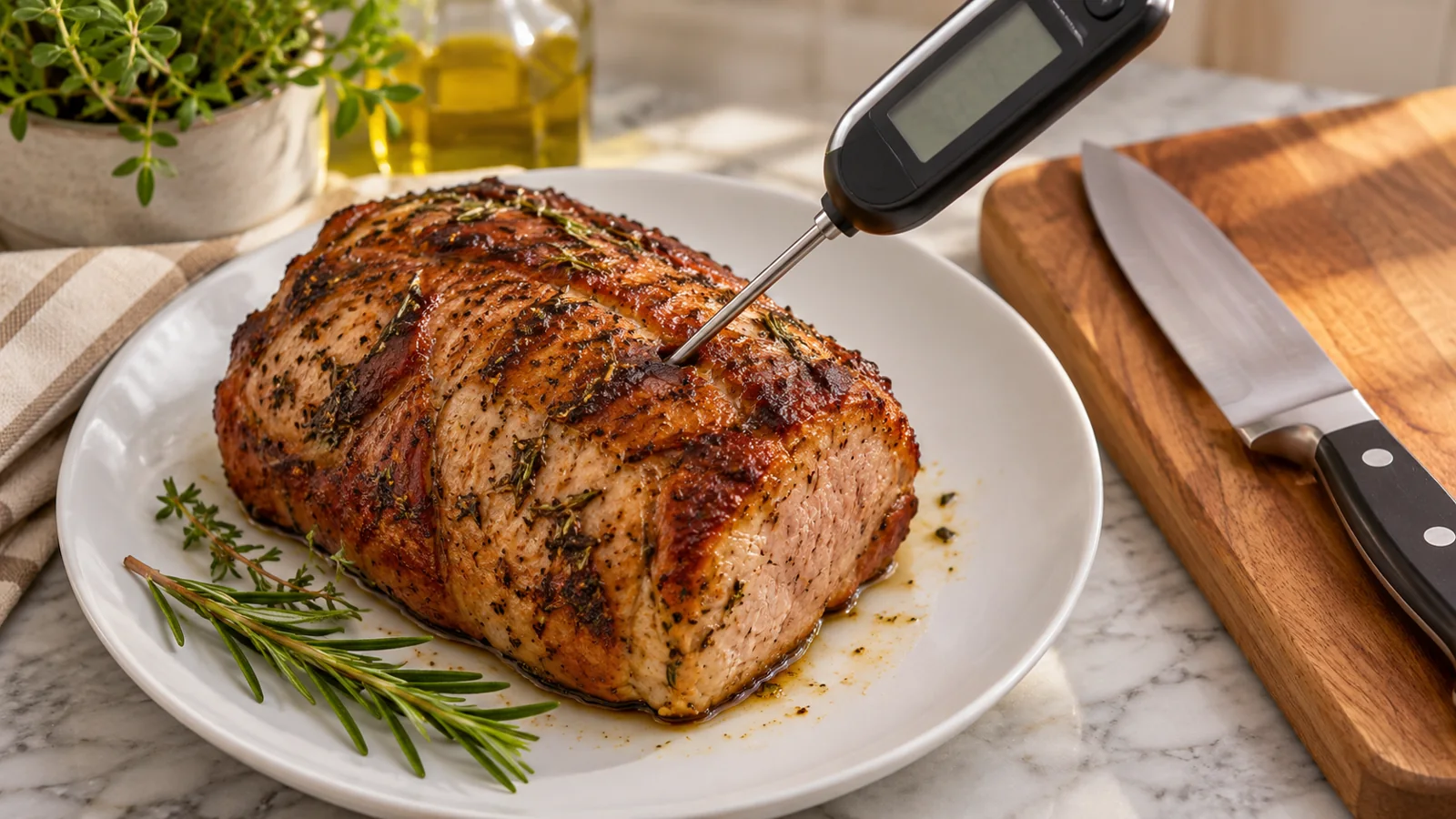
Use a thermometer. Whole-cut beef, goat and lamb steaks, chops and roasts need at least 63°C followed by a three-minute rest; ground red meat needs 71°C; all poultry including mince needs 74°C. Follow stricter product instructions, particularly for prepared or mechanically tenderised products. A pale or opaque acid-treated surface does not demonstrate safe cooking.
Reference: official minimum cooking temperatures.
Troubleshoot flavour and texture separately
Mushy outside with a firm centre suggests excessive surface treatment or a cut unsuited to the method. Next time reduce the enzyme or acid according to the recipe and reconsider the cut. Tough shoulder may need longer moist cooking; dry breast may have been cooked too aggressively. These are different problems and should not receive the same fix.
Watery browning often comes from overcrowding, wet surfaces or adding too much liquid early. Work in batches and adjust sauce separately after the meat is ready. A salty marinade cannot be corrected reliably by more chilli; consider the salt in every ingredient before mixing. Never use strong spices or lemon to disguise spoilage or poor cold handling.
Reference: FDA barbecue safety.
Enjoy flavour without health claims
Marinades can make a modest serving enjoyable and help build a meal around vegetables, beans and grains. Use measured oil and salt rather than assuming all the marinade disappears during cooking. Meat provides protein, and red meat contributes iron, zinc and B vitamins, but these benefits do not make unlimited meat or fat beneficial.
A herb or citrus mixture is not a proven shield against all compounds formed by high heat. Avoid direct flames, prolonged extreme heat and blackened surfaces while still meeting the cooking temperature. Vary protein sources through the week and keep preserved meats occasional. For medical dietary restrictions, use personalised advice rather than treating papaya, yogurt or any spice as a remedy.
Before shopping, check that the kitchen can support the plan: a working refrigerator thermometer, clean food-safe containers, a probe thermometer, enough separate utensils and room for prompt chilling. A recipe that fits a small pan may need several batches when doubled. More ingredients do not automatically need the same cooking time, and a larger pot is not proof that the centre heats or cools quickly enough.
For a family meal, decide which jobs can be completed with clean equipment before raw meat is opened. Prepare vegetables and accompaniments separately, then contain the raw work area. After handling raw food, wash hands with soap and clean the surfaces before touching ready-to-eat dishes. Keep the serving area organised so raw packaging and utensils cannot drift back into it.
At the table, offer portions people can finish and replenish from food held at a safe temperature. Keep a record of the quantity that was useful and the amount left over, particularly after a gathering. Planning improves the next meal, but it does not replace time and temperature controls. If a batch has an uncertain storage history, do not test it by tasting a spoonful. Choose an ingredient and process whose handling you can establish, and seek product-specific advice when the label or method is unclear.
Reference: NHS meat and nutrition guidance.

High-heat context: National Cancer Institute cooked-meat fact sheet.
Related DailyLife guides: shared cooking and storage guide · BBQ guide · All meat types and cut guides · Complete buying, storage, temperature and Eid handling guide · recipe collection
Frequently Asked Questions
Does lemon juice make raw meat safe?
No. Acid affects flavour and surface texture but does not replace refrigeration, clean handling and cooking to the appropriate measured internal temperature.
How much papaya should I add?
Use a tested recipe or the tenderiser manufacturer’s directions for the specific cut and product. Potency varies; a universal amount can produce a mushy exterior.
How we know this
- Type Explainer
- Sources 3 (3 official/academic)
- Reviewed November 2026
- Disputed points None
3 sources
- Safe marinating practices, University of Illinois Extension
- Protease concentration and beef texture, Food Science of Animal Resources
- Reusing raw-meat marinade, USDA FSIS
