
Ingredients & Spices · The complete guide
Chicken breast: UsesBenefits, Buying and Cooking
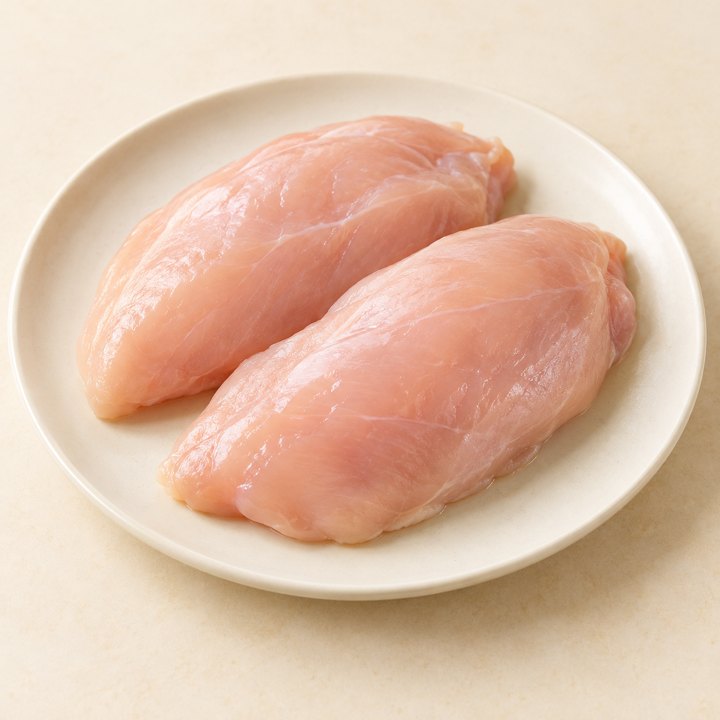
Chicken breast is the pale muscle from the front of the bird. It is sold as a whole breast, individual fillets, bone-in portions, strips or cubes, with or without skin.
What it is and what to ask for
Chicken breast is the pale muscle from the front of the bird. It is sold as a whole breast, individual fillets, bone-in portions, strips or cubes, with or without skin. In a Pakistani recipe, boneless chicken often means breast, but boneless thigh is a distinct product. Specify the cut rather than relying on the word boneless alone.
Choose breast for fast, evenly cut stir-fries, jalfrezi, sandwiches, malai boti and shredded chicken dishes. Its mild flavour works with both delicate and strong seasoning. It is less forgiving in a long, hard simmer than thigh and is usually poor value for making stock from scratch. Check whether a packaged fillet contains added water, salt or brine, because those additions affect both the pan and the finished meal.
Choosing the right form for a Pakistani kitchen
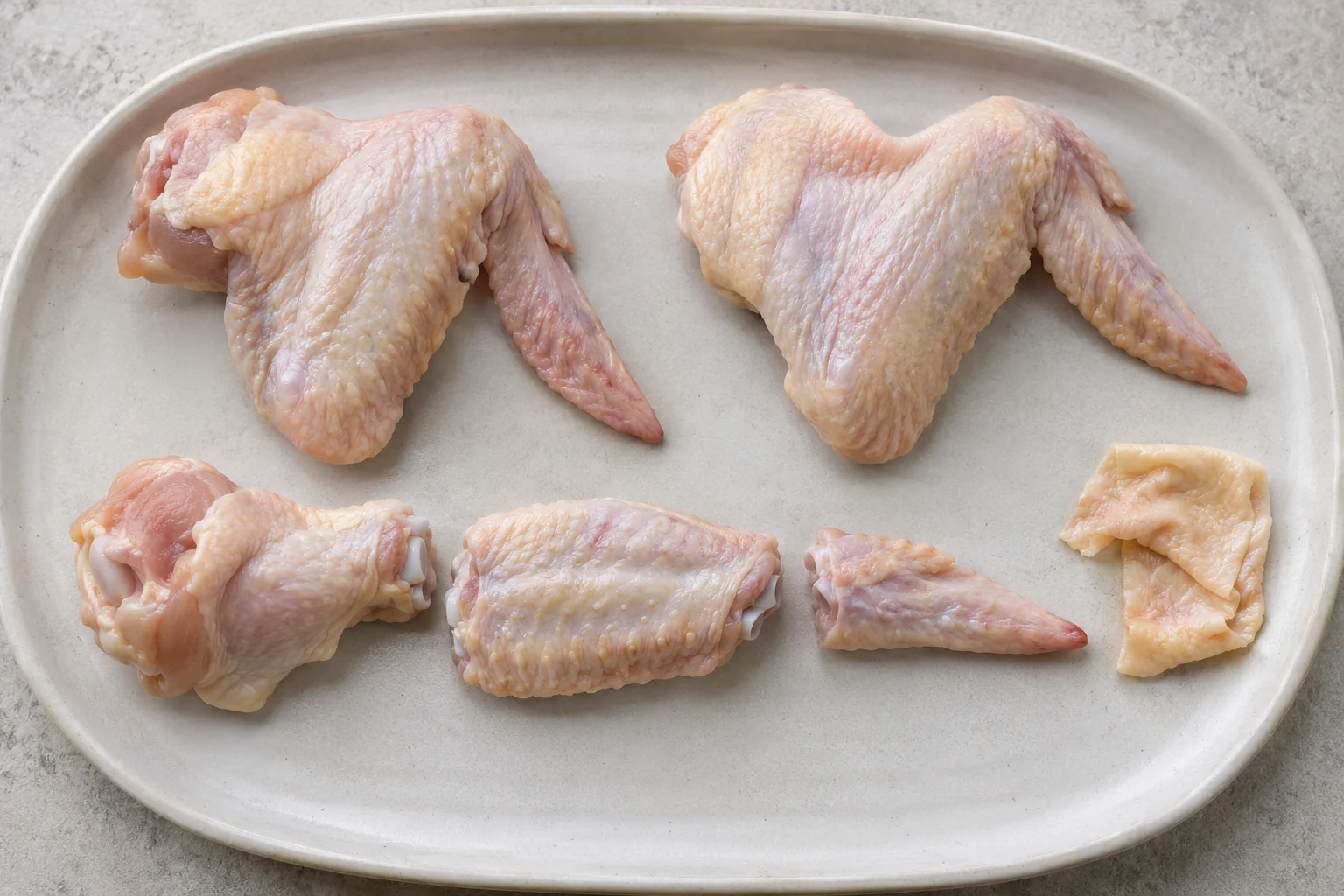
Breast is one useful part of the whole chicken, rather than a separate species or quality grade. Its appeal in modern kitchens is practical: boneless pieces are convenient to slice, portion and cook quickly. That convenience can cost more per kilogram than a whole bird, although it gives a higher proportion of immediately usable meat.
A large fillet and a smaller one need different preparation even if a recipe calls each one a breast. Judge thickness and weight rather than counting pieces alone. Ask a butcher for equal-sized fillets or prepare them yourself on a stable board. If a seller uses desi or broiler terminology, still ask about the actual cut, handling and expected tenderness.
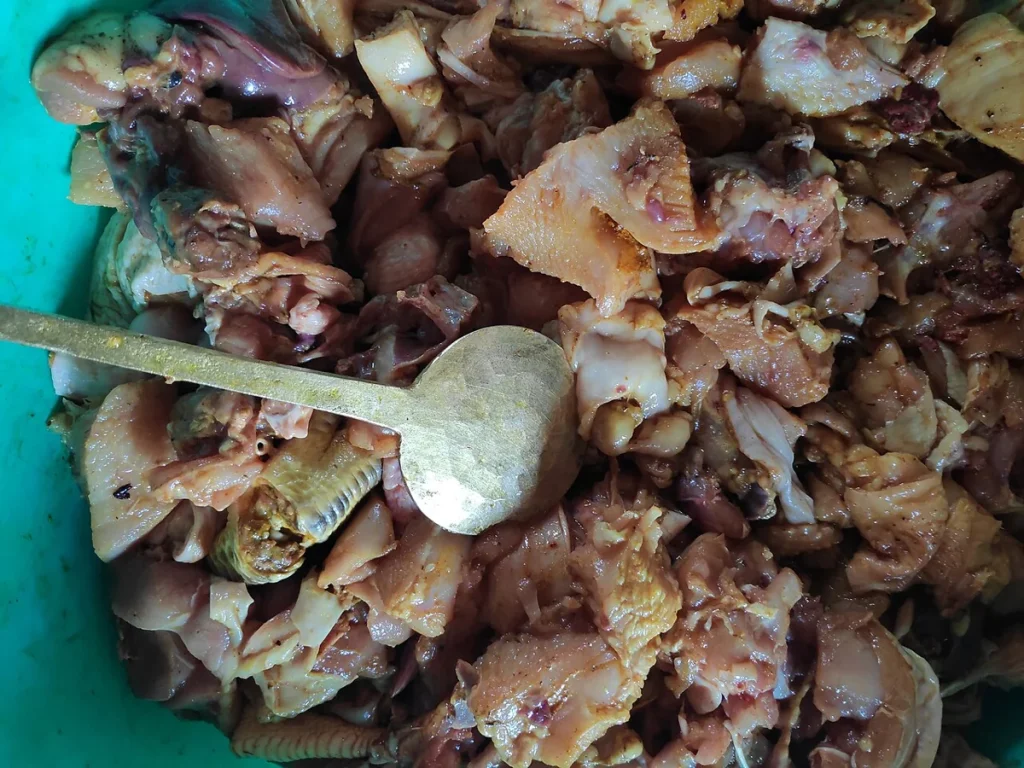
How to use it successfully
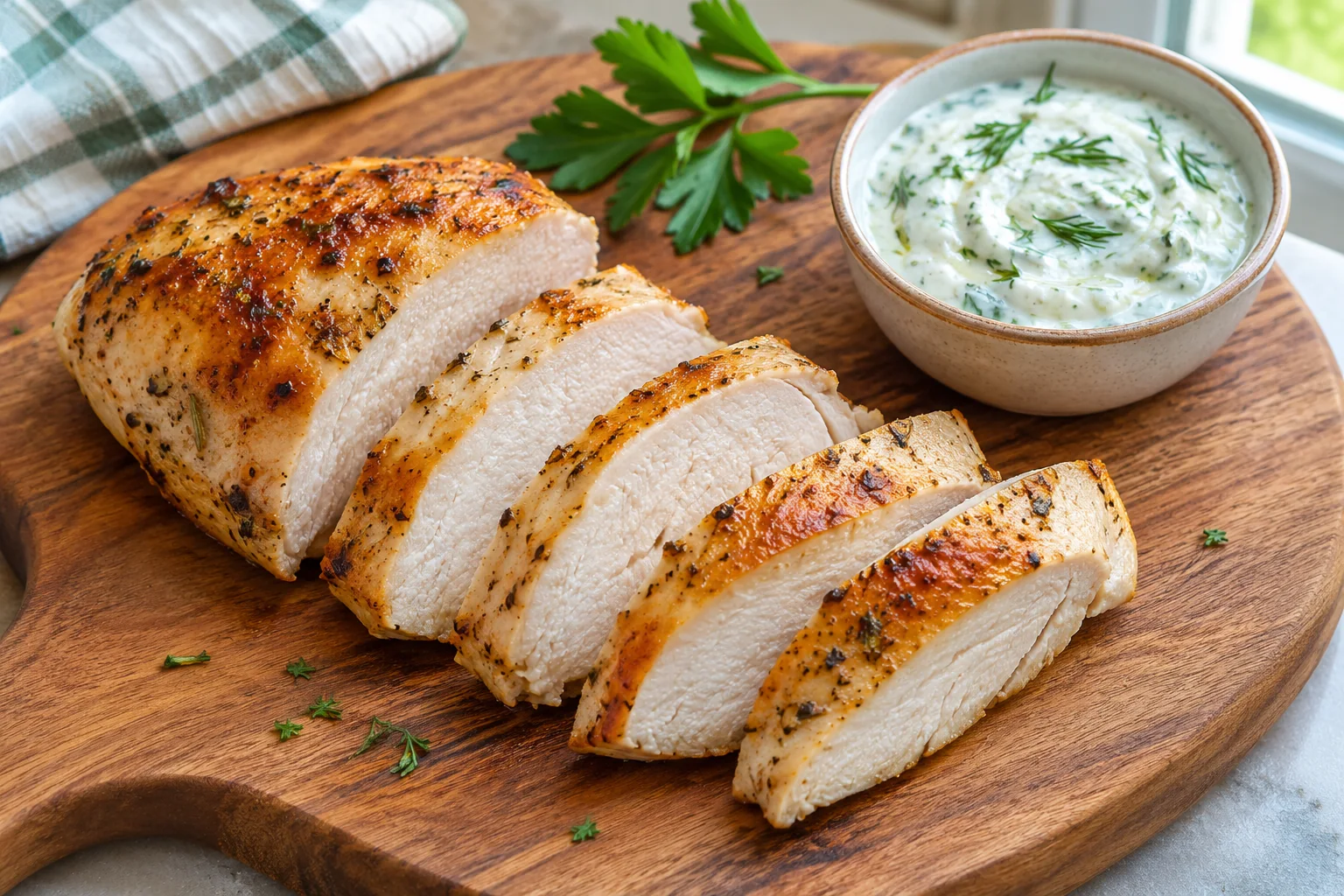
The thick end of a breast cooks more slowly than its tapering tip. Slice into even strips across the grain, butterfly carefully or gently flatten to consistent thickness for quick cooking. Prepare sauce and vegetables first for a stir-fry, then cook manageable batches of chicken so the pan stays hot. Return cooked strips to the sauce briefly instead of leaving them through a long reduction.
For tikka, use evenly sized pieces, let excess marinade drip off and move them to gentler heat if the outside browns too quickly. Yogurt and lemon provide flavour; they cannot protect breast indefinitely from overcooking. For soups, either cook evenly sized raw pieces completely in the liquid or add already cooked shredded meat near the end. In either case, verify 74°C in the thickest meat. A short rest after cooking can make a whole fillet easier to slice neatly, but resting cannot compensate for an unsafe centre.
FoodSafety.gov: all poultry, including giblets and mince, needs 74°C
Nutrition, benefits and limits

Skinless breast is a useful lean source of protein. Chicken also contributes B vitamins and minerals as part of a varied diet. These benefits do not depend on the meat becoming dry or stringy, and a larger portion is not automatically a better meal. Breast supplies no dietary fibre.
Choose vegetables, pulses and an appropriate rice or roti portion alongside it. Breaded deep-fried breast, heavily salted processed strips and creamy sauces have a different nutritional profile from plain cooked breast. If a package contains brine, compare its salt information with alternatives. Avoid promises that breast alone builds muscle, causes weight loss or treats deficiency; the total diet and the person's needs matter, not a single ingredient.
Choosing a replacement
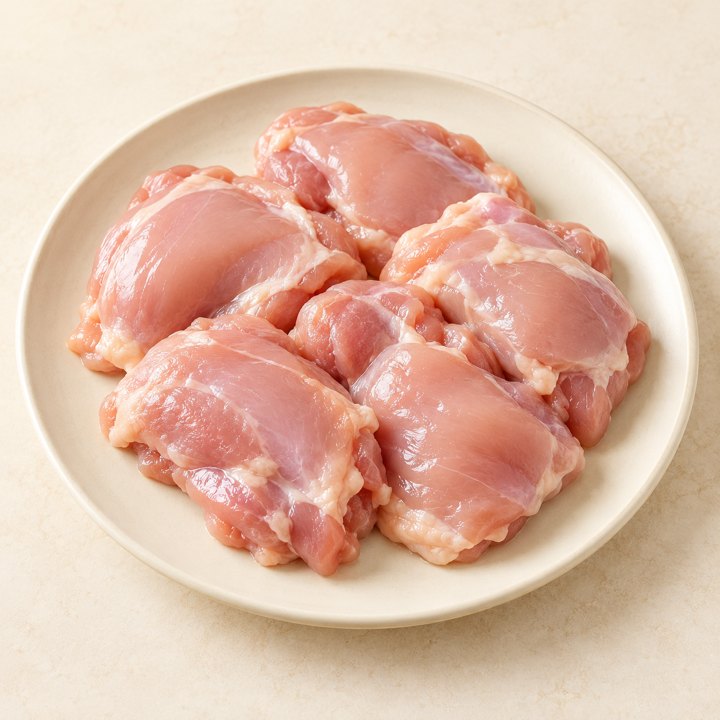
Boneless thigh is a useful replacement for breast in tikka, stir-fries and many curries. It gives a richer flavour and more forgiving texture, but may need different trimming and cooking. It remains poultry and must reach 74°C. If you switch to bone-in portions, allow for bone weight and use a method suited to thicker joints.
Firm tofu can make a separate vegetarian version of a sauced dish. Chickpeas work in a different curry or sandwich filling. Neither needs to imitate chicken exactly; season and cook for its own texture. Cooked shredded chicken can replace raw breast only when you also change the sequence: add it to heat through safely instead of repeating the entire raw-chicken cooking stage.
Safe handling and storage

Keep raw poultry in a sealed leakproof container on a low shelf away from ready-to-eat food. Set the refrigerator to 4°C or below and use or freeze raw chicken, mince and giblets within one to two days. Thaw and marinate in the refrigerator. Do not wash raw chicken: water splashes can spread bacteria. Clean hands, boards, knives and worktops after preparation, and use a clean plate for cooked food.
Cook all poultry to 74°C, including mince and giblets, measuring the thickest edible part away from bone. Cool leftovers promptly in small shallow containers. Refrigerate within two hours, or one hour when exposed to temperatures above 32°C. Properly chilled cooked chicken generally keeps three to four days; reheat leftovers to 74°C. These limits assume continuous safe chilling, not hours of warm storage before refrigeration. Freezing or reheating does not reliably rescue food that has been left out too long. If its handling history is unsafe or uncertain, discard it rather than tasting to check.
USDA: raw and cooked chicken storage; FDA: do not wash raw poultry; FoodSafety.gov: chilling and thawing; USDA: cooling hot food
Planning, portions and serving
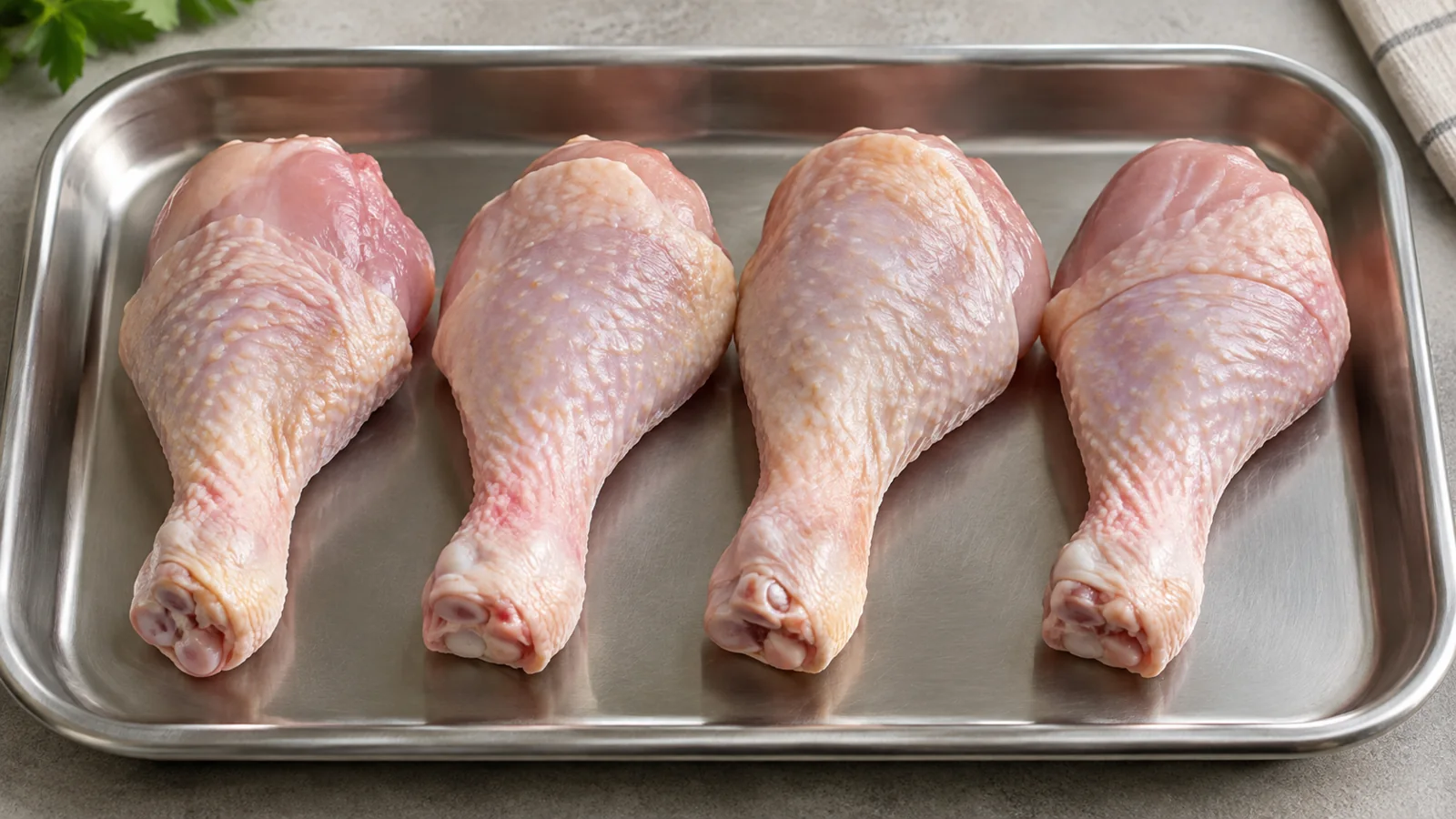
For chow mein and fried rice, cut chicken before starting so it cooks consistently with the other ingredients. Keep it on its own tray away from sliced vegetables. For sandwiches, cook a fillet safely, slice with a clean knife and chill the portion you are saving promptly. Do not leave sandwich filling on the counter while preparing a large batch.
A kitchen estimate of roughly 150–200 g raw boneless meat per adult with substantial sides can help shopping, but appetites and menus vary; this is not a nutrition prescription. Bulk out meals with vegetables or pulses rather than increasing chicken automatically. Safe chicken does not make poorly cooled rice safe, so give each component its own cooking and chilling care.
Recipes and pantry links

Read the complete recipe before shopping so you know whether it calls for raw or cooked chicken, bones or no bones, skin on or off and a specific prepared weight. Those details affect both the result and the quantity to buy. Prepare aromatics, sauce ingredients and clean serving utensils before the raw poultry work begins.
Use the linked dishes for practical combinations of cut, seasoning and method. Follow the chicken temperature checks in this guide even if a recipe gives an approximate time. If you change the cut or portion thickness, reassess the cooking sequence instead of assuming the original clock will still work. Keep salads and raita separate from all raw-chicken tools.
Names and forms used in our recipes
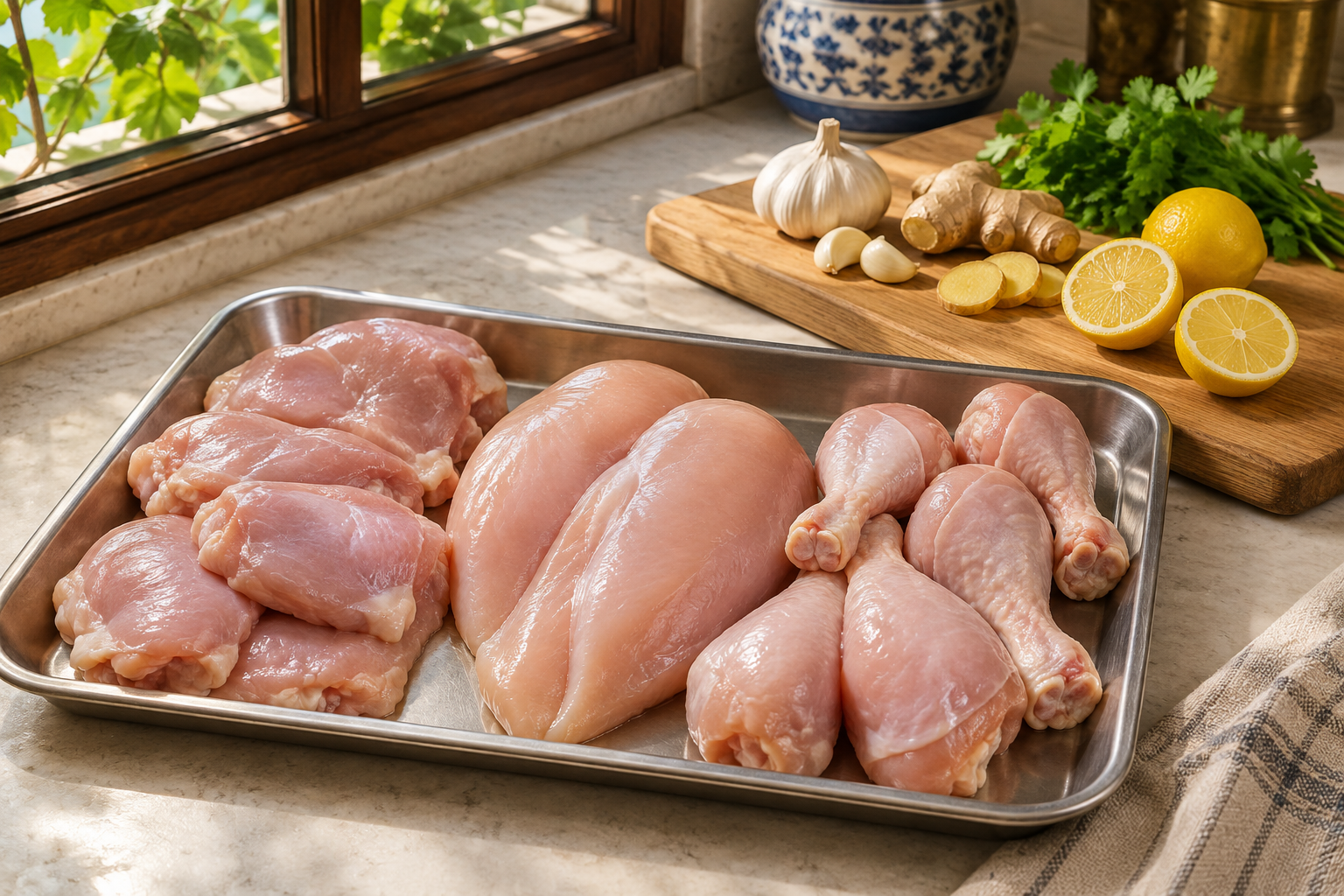
Fillet normally means an intact boneless piece. Strips are convenient for chow mein; cubes suit skewers and some curries. Thin strips and chunky cubes should not share an assumed cooking time. The small tenderloin under a breast is also a separate small piece and can finish earlier than a thick fillet.
Check whether a recipe asks for raw breast, cooked shredded breast or bone-in breast. Those phrases describe different starting materials and methods. Mince made from breast behaves differently again because grinding changes its structure. When freezing, package the form you expect to use, label it and separate fillets so you can thaw only what dinner needs. Do not hide an uncertain older portion inside a strongly spiced marinade.
- boneless chicken breast
- boneless chicken breast, raw
- boneless skinless chicken breast, cut into thin strips
- chicken breast
- raw boneless chicken breast
- raw boneless chicken, thin strips
Frequently Asked Questions
How do I keep breast strips from becoming dry?
Slice to even thickness, prepare the sauce first and cook manageable batches. Check 74°C, then avoid prolonged further simmering that dries the meat.
What should I check before buying chicken breast for these recipes?
Specify fillets, strips or cubes and skinless or skin-on. Check chilled handling and read packaged ingredients for added salt, water or brine.
What is a practical substitute for chicken breast?
Boneless thigh is richer and more forgiving in many dishes. Tofu makes a separate vegetarian version with its own seasoning and cooking method.
Keep Exploring
Related places and stories on DailyLife.pk
How we know this
- Type Explainer
- Sources 6 (4 official/academic)
- Reviewed November 2026
- Disputed points None
6 sources
Photo credits (1)
- Chicken Meat.jpg, Gaurav Dhwaj Khadka, CC BY-SA 4.0, via Wikimedia Commons
