
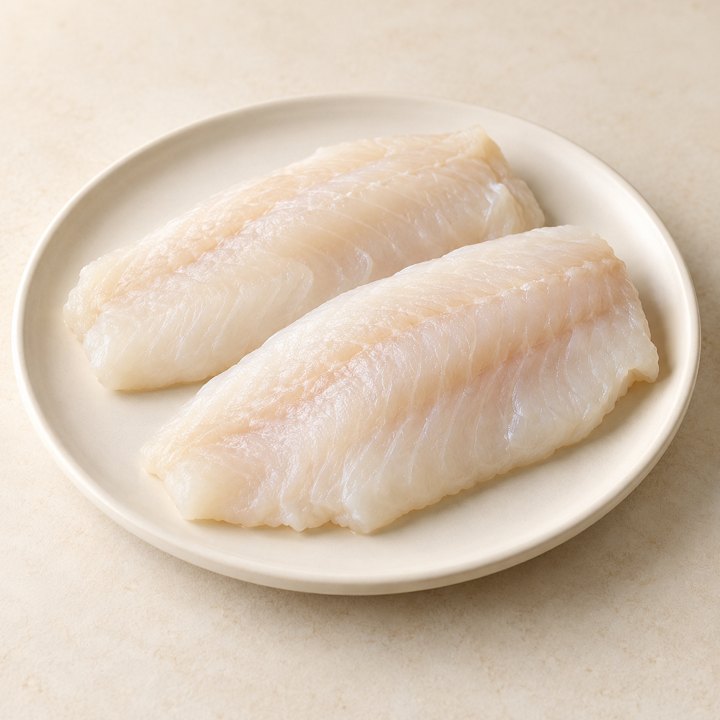
Ingredients & Spices · The complete guide
White Fish: Whole FishSteaks, Fillets and Useful Trimmings
White fish is a practical cooking description for fish with relatively pale flesh, not one species or one predictable nutrient profile. Ask the seller to identify the fish rather than buying on the word machhli alone.
Whole fish, steaks and fillets
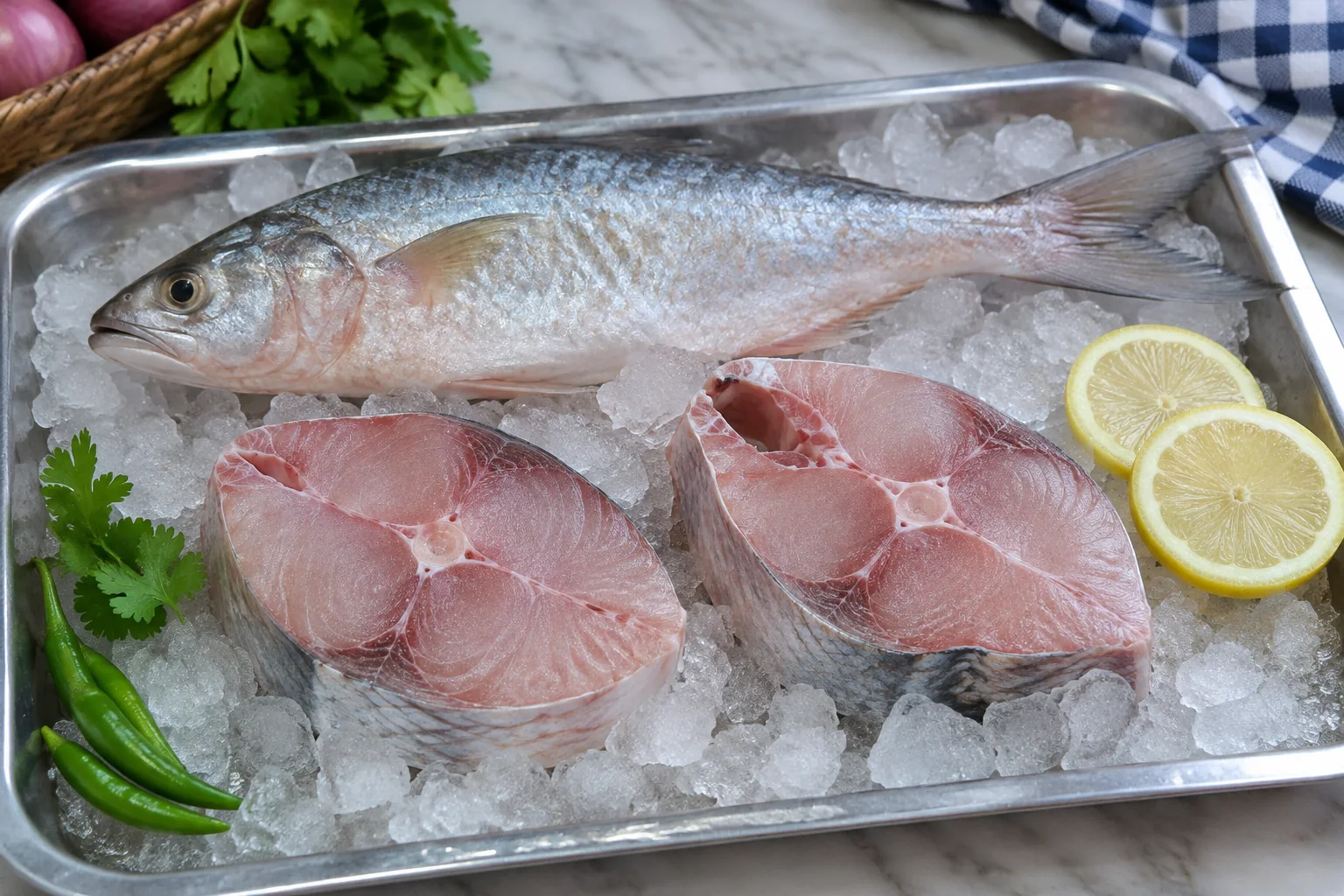
White fish is a practical cooking description for fish with relatively pale flesh, not one species or one predictable nutrient profile. Ask the seller to identify the fish rather than buying on the word machhli alone. A firm fillet and a delicate thin fillet can behave differently even when both look white. The actual species, freshness and thickness matter more to the cooking method than a broad category name. Local names may vary, so keep packaging or ask for a clear written identification when that matters for health advice.
Whole fish includes head, frame, skin and tail; ask whether cleaning, scaling and gutting are included. Steaks are cross-sections through the body, usually surrounding a backbone. They hold their outline well in a carefully handled curry or frying pan but still contain bones. A fillet is removed along the sides of the frame and can be sold skin-on or skinless. Filleting is not a guarantee that every pin bone has been removed. Inspect each portion before cooking and again when serving a vulnerable eater.
Choose a form that fits your kitchen
Buy for the dish and your equipment. A whole fish that cannot fit in your pan is inconvenient even at a good price. Similar-thickness portions help you avoid overcooking a thin tail while the thick centre remains underdone. Ask whether the charged weight is before or after cleaning so you can compare the real cost of different forms.
Fry, curry or roast with gentle handling
For frying, dry the fish, apply a modest coating and preheat the pan. Add pieces with space between them, let the first surface set, then turn with a broad spatula. An overcrowded pan can steam the coating and encourage sticking. For curry, cook the onion and tomato base to its desired consistency first, then lower the heat and add fish. Gentle bubbling and minimal stirring help keep portions intact. In the oven, pair similar sizes and check earlier for thinner pieces.
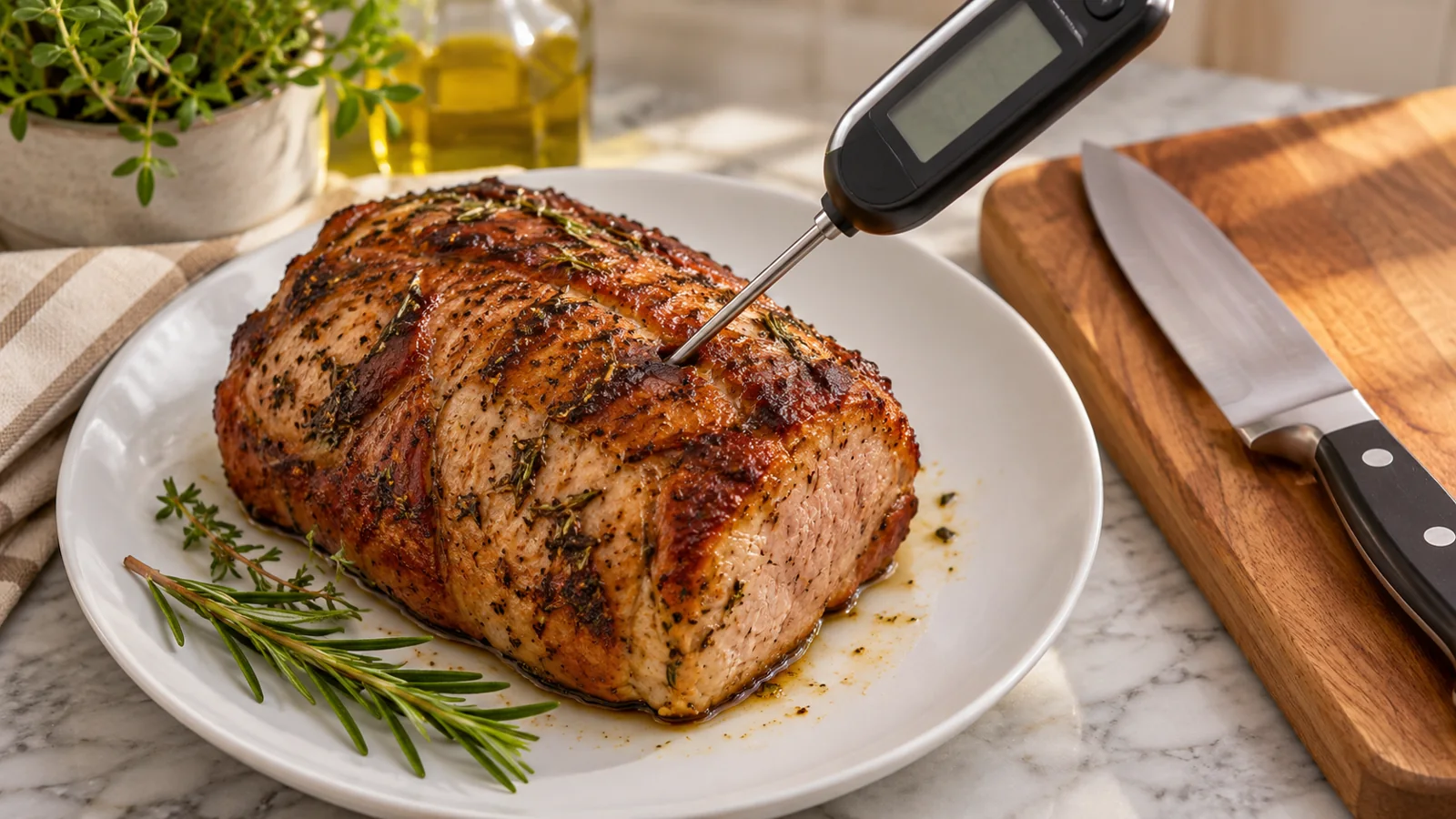
Cook finfish to 63°C at the thickest part, placing the probe into flesh rather than against a bone or hot pan. FDA temperature guidance also describes opaque flesh that separates easily with a fork, but a thermometer is useful for thick or uneven pieces. Avoid assuming a browned coating means the centre is done. Strong spices do not reveal or solve incomplete cooking. Serve with care, removing bones rather than passing on a large unexplained steak to a child.
Protein, nutrients and species-specific limits
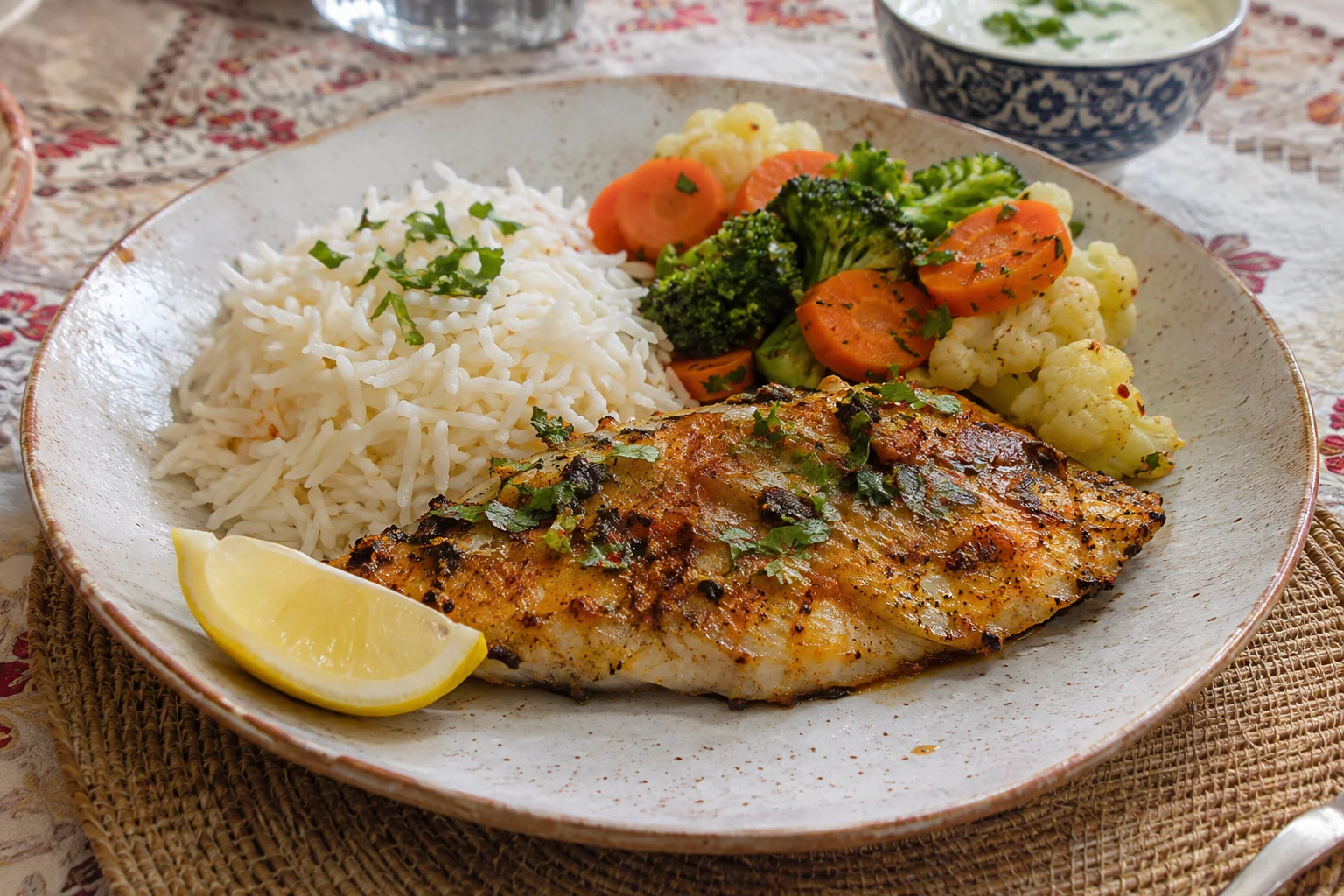
White fish supplies protein and useful vitamins and minerals, varying by species. Batter, frying and rich sauces change the meal. Oily fish generally supply more long-chain omega-3; do not promise equivalent amounts in every white fillet. Serve with vegetables and a suitable rice or roti portion.
The species also matters for mercury guidance. The US FDA/EPA fish chart lists cod, pollock, tilapia and several other species among its Best Choices, while other fish have different categories. A shop label saying white fish cannot establish which category applies. The chart's pregnancy and breastfeeding advice generally means two to three four-ounce servings weekly from varied Best Choices; it does not mean that any unidentified fish is suitable at that frequency. Confirm identity and seek individual guidance where necessary.
Fish allergy remains relevant even when the flesh is pale, mild or fully cooked. Keep utensils and oil from contacting a known allergen when preparing another person's meal. Raw or undercooked fish carries additional foodborne risks, particularly during pregnancy and for people with weakened immunity. Cooking and careful buying work together; neither can erase every hazard introduced earlier in the supply chain.
Skin-on and skinless alternatives
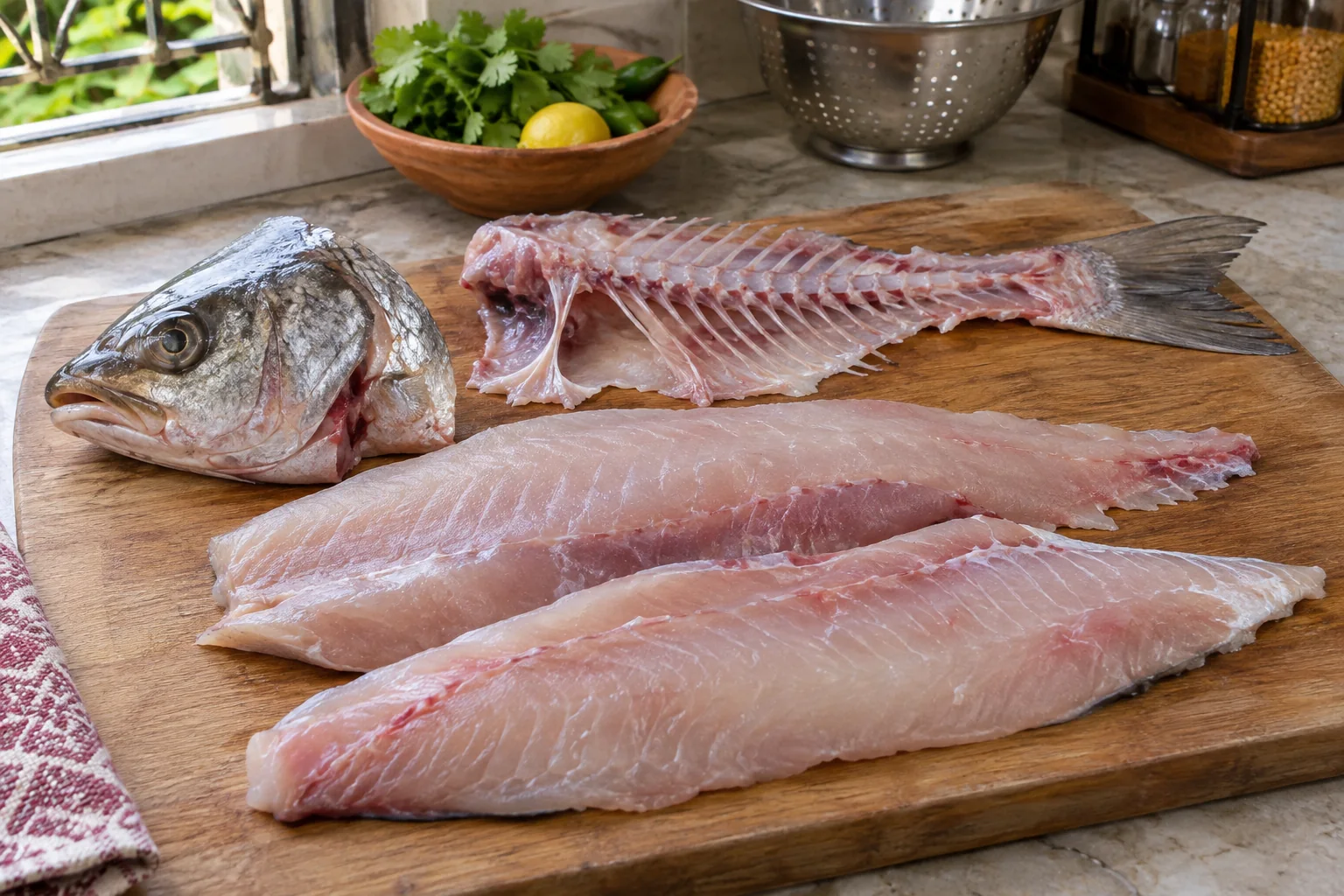
Skin-on fillets are useful when you want a crisp surface: dry the skin carefully and choose a pan large enough to prevent crowding. Skinless portions are convenient for a light curry, baked fish or fish pieces folded gently through rice. Trim uneven thin edges if the recipe needs uniform pieces, keeping appropriate trimmings chilled for immediate cooking. Avoid turning good fillets into very small pieces unless the dish calls for them; the extra handling can make delicate flesh break apart.
Buy cold, store promptly and reheat safely

Choose properly refrigerated fish or fish on abundant clean ice with drainage. Ask about arrival, origin and previous freezing. Flesh should look sound and smell mild, but appearance cannot prove that a fish is free of pathogens or contaminants. Reject sour or ammonia-like odours and obvious warm handling. Frozen portions are useful when the supplier maintains them properly; look for intact packaging and read all storage and thawing directions. A lower price does not make uncertain handling worth accepting.
Take fish home promptly in an insulated bag with cold packs. Store it covered in a clean refrigerator at 4°C or colder, below salad and other ready-to-eat foods. FDA seafood guidance advises using fresh seafood within two days of purchase or freezing it, with stricter label directions taking priority. Portion before freezing if you will only need a small amount per meal, and label the contents and date. Keep heads and frames just as cold as the prime fillets.
Thaw in the refrigerator in a container that catches drips. If the label specifies opening or removing vacuum packaging before thawing, follow it. A sealed bag in cold water is an alternative for prompt cooking; microwave defrosting needs immediate cooking. Countertop thawing lets the outside warm while the centre remains icy. Do not rely on lemon, salt or a long marinade to compensate for that risk.
Cool leftovers in shallow covered containers and refrigerate promptly. Under USDA guidance, correctly chilled leftovers generally last three to four days; shorter product deadlines still apply. Reheat leftovers to 74°C throughout, accepting that delicate fish can firm up. Use the fish-stock guide for appropriate frames and the recipe collection for dishes matched to your chosen form.
Plan portions and inspect for bones
For a family meal, consider who will eat it. Thick steaks can be easy to portion by eye but require deliberate bone removal at the table. Carefully checked fillets may be more practical for children or anyone who has difficulty handling bones. The photograph shows culinary forms, not a promise of exact species or bone-free flesh. Keep forms in separate covered containers if their planned cooking days differ.
Use suitable heads and frames for stock
The head and frame have a different role. Food-quality, well-chilled trimmings can flavour stock, which then needs meticulous straining. Ask for heads to be appropriately cleaned and for gills to be removed. A frame is mostly bone with residual flesh; it should not be treated as an ordinary boneless portion. Inspect any recovered flesh separately for small bones. Do not use a stock pot as a way to rescue stale fish or uncertain scraps.
Related recipes: Fish Tikka · Masala Fried Fish · Amritsari Fish · Fish Pakora · Makrani Fish Biryani · Fish Biryani · Fish Masala · Fish And Chips · Makrani Fish Curry · Fish Burger.
Names and forms to confirm before cooking
Confirm species, form and prepared weight. Whole fish, steaks and fillets yield different edible amounts. Match thickness to the method and inspect for bones even when the seller calls the fish boneless.
Frequently Asked Questions
Can I assign one mercury category to white fish?
No. White fish covers several species with different mercury levels. Ask for the actual species and use the relevant FDA/EPA category; a local trade name or pale flesh alone cannot establish pregnancy suitability.
What should I check before buying white fish for these recipes?
Confirm species, skin and bone status, prepared weight and previous freezing. Choose dependable cold handling and check fillets for remaining pin bones. Match thickness and form to the recipe rather than comparing whole-fish and fillet kilograms directly.
What is a practical substitute for white fish?
An identified firm mild fillet may work after adjusting for thickness and checking doneness. Bone-in steaks require careful bone removal, while oily fish changes flavour and fat content. Choose a form suited to both the recipe and the eater.
Keep Exploring
Related places and stories on DailyLife.pk

How we know this
- Type Explainer
- Sources 6 (4 official/academic)
- Reviewed November 2026
- Disputed points None
