
Ingredients & Spices · The complete guide
Beef Sirloin: BuyingCooking and Storage
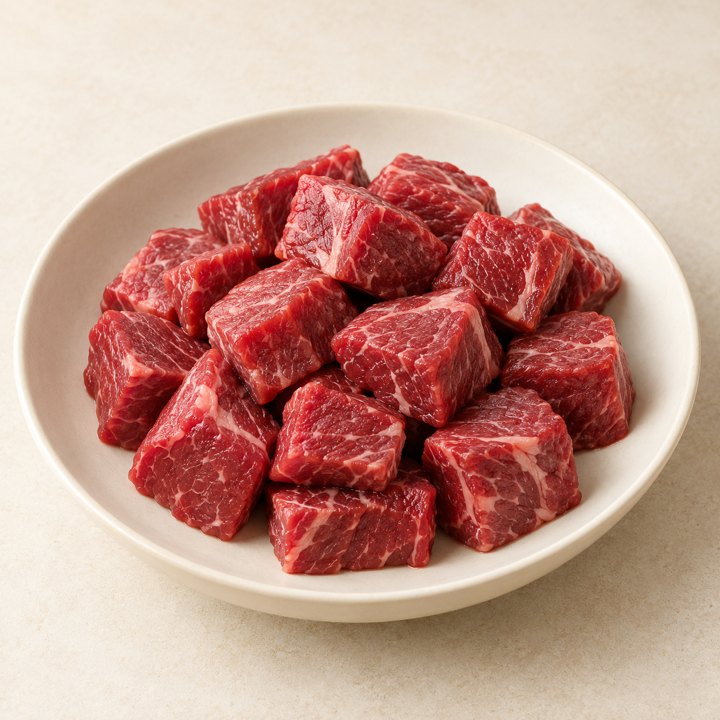
Sirloin is a loin-region cattle cut name, but retailer specifications and local names differ. Ask the butcher to show the actual piece and explain whether it is intended for steak, strips, boti or another use.
Know what a sirloin order actually contains
Sirloin is a loin-region cattle cut name, but retailer specifications and local names differ. Ask the butcher to show the actual piece and explain whether it is intended for steak, strips, boti or another use. Generic boneless beef is not the same specification. Confirm cattle beef rather than relying on a broad bara gosht label or the colour of the meat.
Sirloin can be useful for relatively quick cooking when the piece is suitable and tough surface membrane has been removed. Even thickness makes heat management easier. A very lean or less tender portion may need thin slicing and a different recipe from a thick premium steak. Tenderloin is a separate cut, and paying a similar price does not make the two identical.
Order a thickness and use, then handle it cold
For steaks, agree on the actual muscle, number of portions and uniform thickness before cutting. For boti, request a suitable tender piece in even cubes with heavy membrane removed. For strips, identify the grain so you can cut across it. Ask whether the product has been mechanically tenderised, injected or assembled; follow its label, because it should not automatically be treated like an intact whole cut.
A small trial purchase is useful when using a new butcher. Compare trimmed edible weight, external fat and price together. Do not buy a premium quick-cooking cut for a long stew unless you deliberately want that result; shoulder may offer better value for a braise. Choose a clean chilled counter, collect meat last and transport it in an insulated bag.
Do not bring raw meat to room temperature for hours in an attempt to improve searing. Prepare side dishes first, keep the meat refrigerated until needed, and pat the surface dry with disposable kitchen paper. Keep the raw tray, board and utensils away from salad and cooked food.
Sear, finish gently and measure the centre
Use a tested steak or boti recipe and a clean pan or grill with enough space between pieces. Heat the cooking surface appropriately, add the recipe’s small amount of oil and avoid crowding. Surface moisture produces steaming, while an overcrowded pan loses heat. A thick steak may need a gentler finishing stage after browning so the exterior does not burn while the centre remains undercooked.
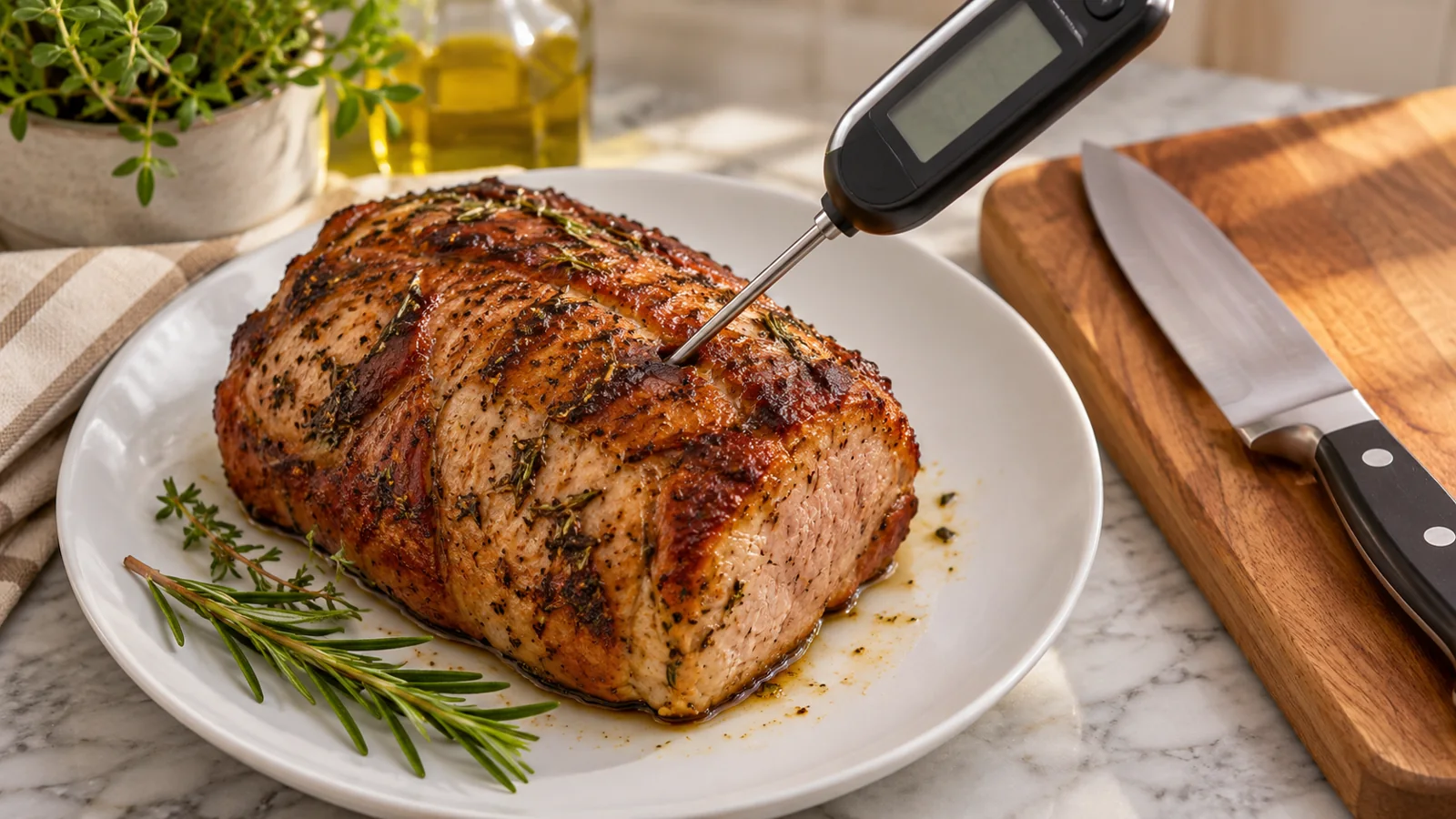
For cattle beef whole steaks and roasts, USDA calls for at least 63°C in the centre and a rest of at least three minutes before carving or eating. Use a food thermometer away from thick fat and bone; insert sideways into thinner pieces and check more than one item in a batch. Follow specific package guidance for tenderised or injected products. USDA beef cooking guidance.
Use clean tongs and a clean serving plate. Allow the required rest, then slice across the visible grain to shorten the fibres. Thin strips need closer attention than a thick steak. For small boti pieces, use a suitable thin probe from the side and check representative thick pieces; exterior char and spice colour cannot certify the inside.
Marinate under refrigeration. Yoghurt, lemon and spices can season meat, while enzymes such as papaya need a tested amount and time. A tenderiser cannot convert every unknown curry cut into sirloin. Avoid letting a very aggressive marinade make the outside mushy before cooking.
If a steak is chewy, first check the identity of the cut, membrane removal and slicing direction. Long fibres left intact can feel tougher even when the cook is otherwise sound. Thin slices across the grain and a sauce can improve serving. A poorly suited mixed cube purchase needs a different cooking pathway, not just a more expensive marinade.
If a lean steak has become dry from too much heat, prolonged boiling will not restore its juices. Slice it thinly for a sauced meal if it has been handled safely. Prevent the next problem with even thickness, controlled heat and a thermometer. Do not repeatedly cut the steak open to judge colour; that is an imprecise check and releases juices.
A burnt exterior and cool centre call for a gentler finishing stage, a cooler grill zone or reduced pan heat, according to the recipe. Scrape away neither risk nor uncertainty with a cosmetic garnish: complete the safe cook and use the measurement. When a cook involves a mixture of mince or stuffing, follow the requirement for the whole product instead of borrowing an intact-steak target.
Benefits, fat and sensible portions
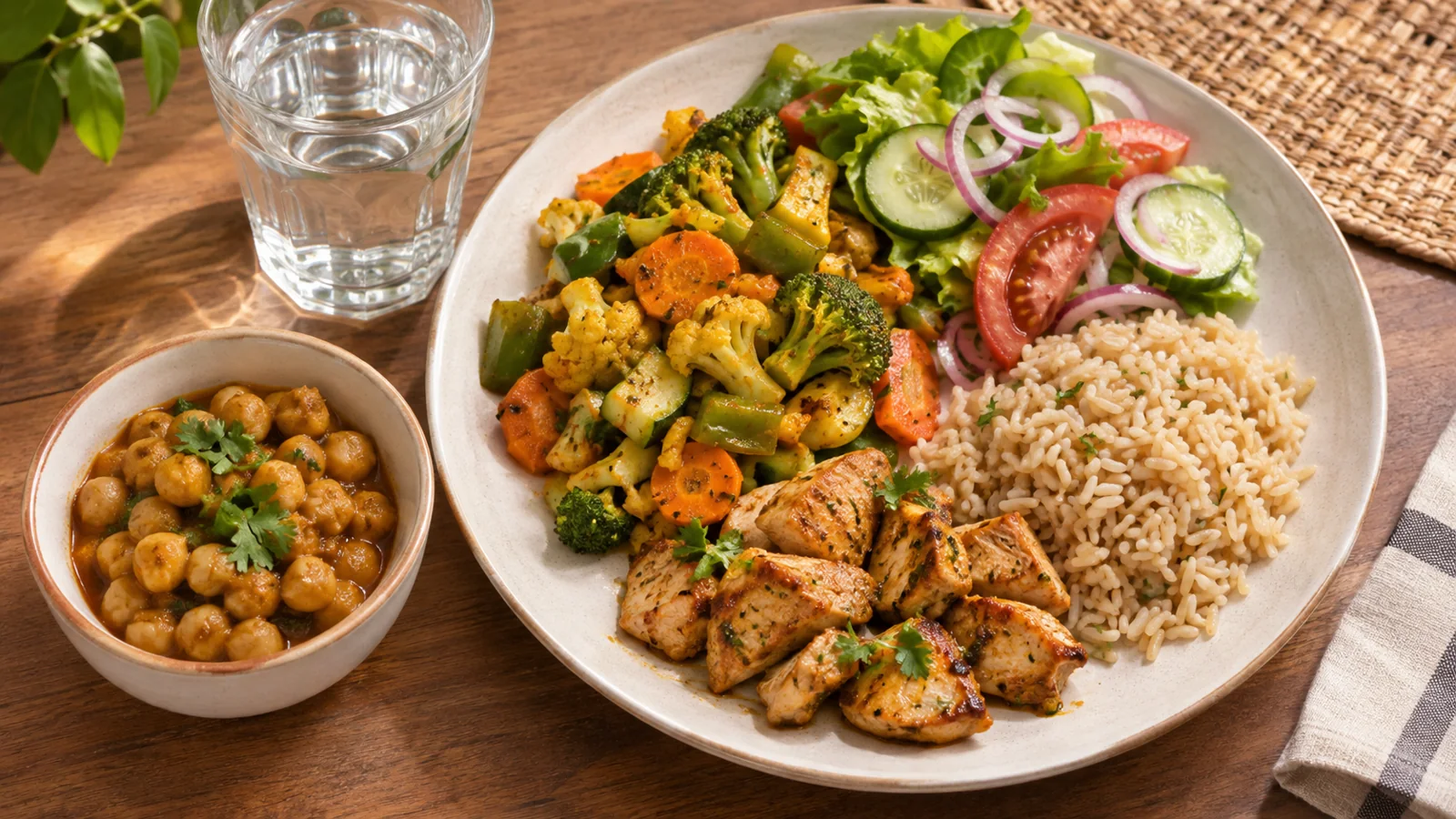
Beef muscle meat can contribute protein, iron, zinc and vitamin B12. Its value is as part of a varied meal: add vegetables, pulses or whole grains, and choose the amount of added oil deliberately. Fat content depends on the actual cut, trimming and recipe; a species name or a dark red colour cannot establish that a portion is lean. A dish with a large layer of ghee is different from a modest serving of trimmed meat. World Cancer Research Fund describes both these nutrients and the limits of red meat.
All mammalian muscle meat counts as red meat, so cattle, buffalo, camel, goat and lamb share the same weekly allowance. WCRF recommends that people who eat red meat limit it to about 350–500 g cooked weight per week and eat little, if any, processed meat. This is an international cancer-prevention recommendation, not a Pakistani recommended daily allowance or an individual treatment plan. Plain fresh mince is not automatically processed meat; curing, smoking and preservation change the category. Meat is optional in a balanced diet, and extra servings are not a treatment for tiredness, anaemia or any other illness.
Choose how much outer fat to retain and account for butter, ghee or oil added during cooking. A trimmed piece may be leaner than a heavily marbled one, but a sirloin name alone does not give a precise nutrient profile. No exact local protein or fat number is implied by an illustrative photograph. Serve the amount that fits your meal and weekly red-meat plan.
Choose an alternative for quick cooking
A suitable tenderloin portion can work in a quick-cooking dish, but its price and fat differ. Ask for another identified tender muscle rather than generic curry cubes. For shoulder or shank, change to a moist slow-cooked recipe instead of copying the steak method.
Store steaks and leftovers with a deadline
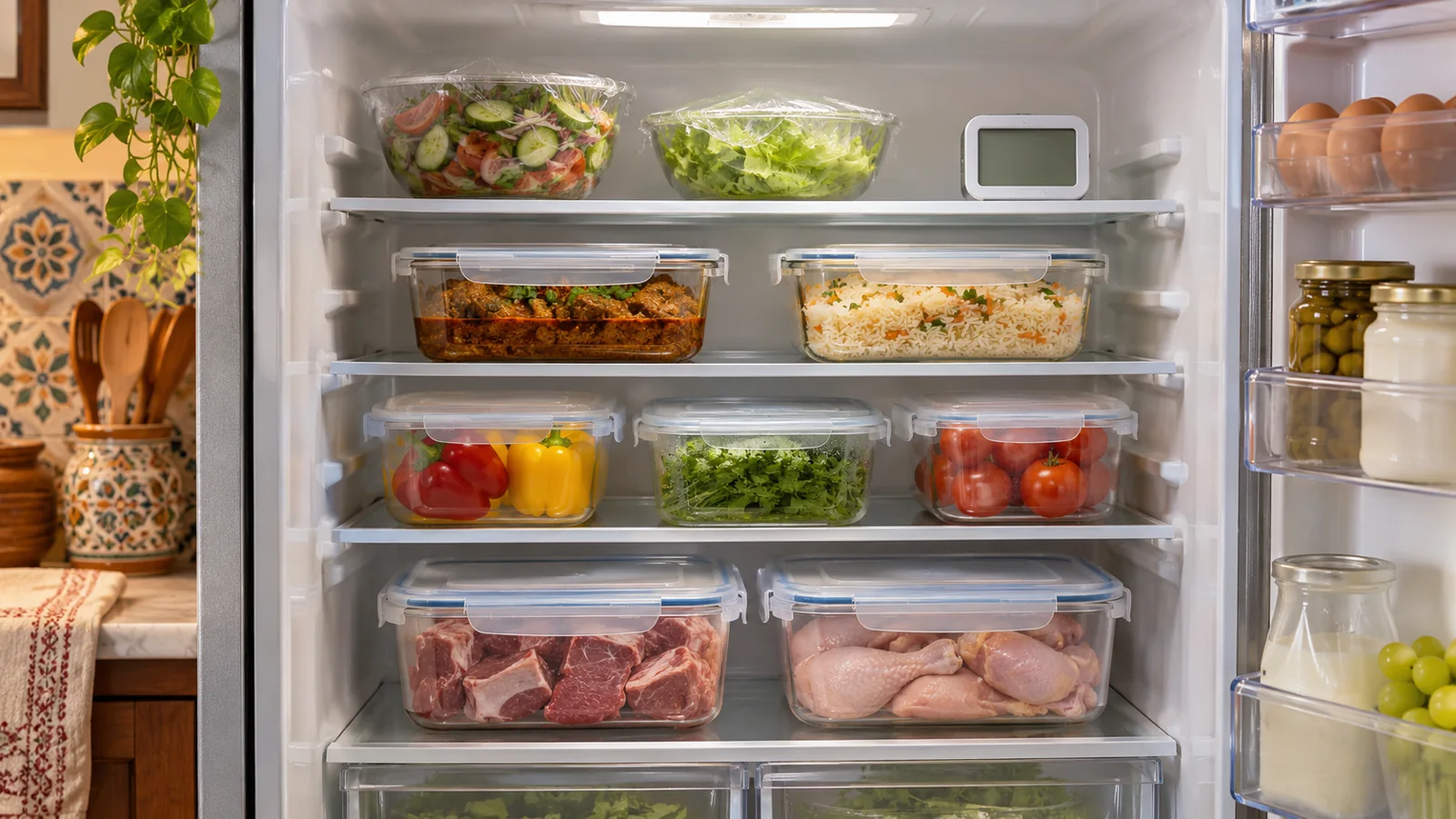
Refrigerate promptly at 4°C or below, in a covered leakproof container on the lowest shelf. Under a reliable cold chain, US guidance allows raw beef steaks and roasts 3–5 days, raw mince and variety meats 1–2 days, and cooked meat 3–4 days. These are upper handling guides, not a promise for meat bought warm or close to its labelled use-by date. Follow the earlier deadline and freeze what you will not use. FoodSafety.gov cold-storage chart.
Freeze in meal-sized flat packs at −18°C or below; write the species, cut and date before packing. Thaw in the refrigerator on a tray. Cold-water thawing needs a sealed bag and frequently changed cold water; cook immediately afterwards. Microwave-thawed meat also needs immediate cooking. Never thaw on the kitchen counter. Cool leftover curry in shallow containers and refrigerate promptly instead of leaving a large pot out overnight.
Do not wash raw steak under the tap. Wash hands and clean surfaces after raw preparation. Refrigerate perishables within two hours, or within one hour when conditions exceed 32°C. These are maximum limits, not waiting periods for meat to sit on the counter. FDA home safety guidance.
Use the beef overview to compare cuts, the chuck guide for slow cooking, and the buying and storage guide for the broader household plan. Pick a matching dish from the recipe collection.
Reheat leftovers to 74°C throughout, as specified by FoodSafety.gov.
Plan portions and serving
Decide how many cooked meat portions the order should provide and how they fit the week’s red-meat total. Prepare vegetables and side dishes before raw-meat work. Portion leftovers deliberately and chill them promptly for a later meal rather than repeatedly warming a whole pot.
Recipes and useful next steps
Use the recipe collection after identifying the cut and quantity. Read the whole method before shopping, including equipment, required chilling and how the final dish is served. A recipe name alone does not identify the meat in an unlabelled packet.
Names and preparation formats
Sirloin and tenderloin are separate cut names; steak, boti and strips describe serving formats. Boneless alone does not establish tenderness. Agree on the actual muscle and thickness, and identify the grain before slicing.
Related recipe: Beef Boti.
Related recipe: Steak Sandwich.
Frequently Asked Questions
What temperature should a cattle beef steak reach?
USDA specifies at least 63°C in the centre of whole beef steaks and roasts, followed by at least a three-minute rest. Measure with a food thermometer and follow specific instructions for mechanically tenderised or injected products.
Why can sirloin still be chewy?
The actual muscle, membrane, animal and slicing direction all matter. Confirm the specification, remove heavy membrane and slice across the grain. A generic boneless label is not a guarantee of sirloin tenderness.
How long can I keep this beef in the refrigerator?
Keep it at 4°C or below and follow an earlier label deadline. US guidance gives whole beef steaks and roasts 3–5 days, mince and organs 1–2 days, and cooked meat 3–4 days under a reliable cold chain. Buy only what you can chill promptly, and freeze planned portions rather than stretching a deadline.
Keep Exploring
Related places and stories on DailyLife.pk

How we know this
- Type Explainer
- Sources 6 (4 official/academic)
- Reviewed November 2026
- Disputed points None
