
Ingredients & Spices · The complete guide
Lamb Heart (Dil): A FirmFlavourful Cut with Two Cooking Routes
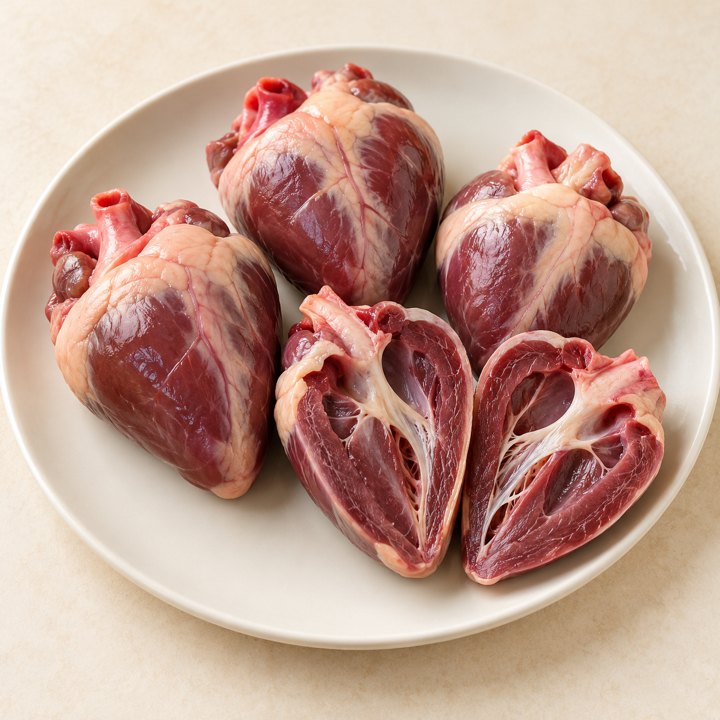
Lamb heart, or dil, is an organ made largely of hardworking muscle. It is firm, dark and savoury, with a different bite from soft liver and a different structure from ordinary boneless leg pieces.
Understand the texture before choosing the method
Lamb heart, or dil, is an organ made largely of hardworking muscle. It is firm, dark and savoury, with a different bite from soft liver and a different structure from ordinary boneless leg pieces. It can work in thinly sliced masala, a carefully managed grill preparation or a slow moist braise. Those routes are not interchangeable: a thick heart chunk given a brief sear may be chewy and inadequately cooked at its centre.
Choose heart when you want a pronounced meat flavour and are willing to trim the chambers, vessels and tough tissue. It can offer useful value where the butcher sells it separately and the household enjoys its texture. It is less suitable when you need an effortless quick curry with mixed-size pieces, or when you want very soft meat without allowing a braise time to work. A plan for the cut matters more than a claim that all offal cooks quickly.
Ask for a whole or properly opened, chilled heart
At the counter, name the animal as well as the organ. Ask whether the heart has been opened, the interior cleaned by the supplier and major vessels and tough exterior tissue removed. Price the usable trimmed portion rather than comparing a heart with heavy attached fat against boneless meat by untrimmed weight. Ask the butcher for an even slicing or dicing pattern suited to your recipe, especially if you are unfamiliar with opening the chambers.
The seller should keep it cold and separate from ready-to-eat foods. Buy close to the cooking plan, use a leakproof pack and take a cool bag for the trip home. Visible freshness cannot establish the absence of pathogens. Reject poor handling, leaking packaging or obvious spoilage; lemon, chillies and a long marinade do not correct these problems. On reaching home, place the pack in a covered container low in the refrigerator rather than leaving it out while you finish other shopping tasks or wait for dinner guests.
Preparation and cooking: match the exact part
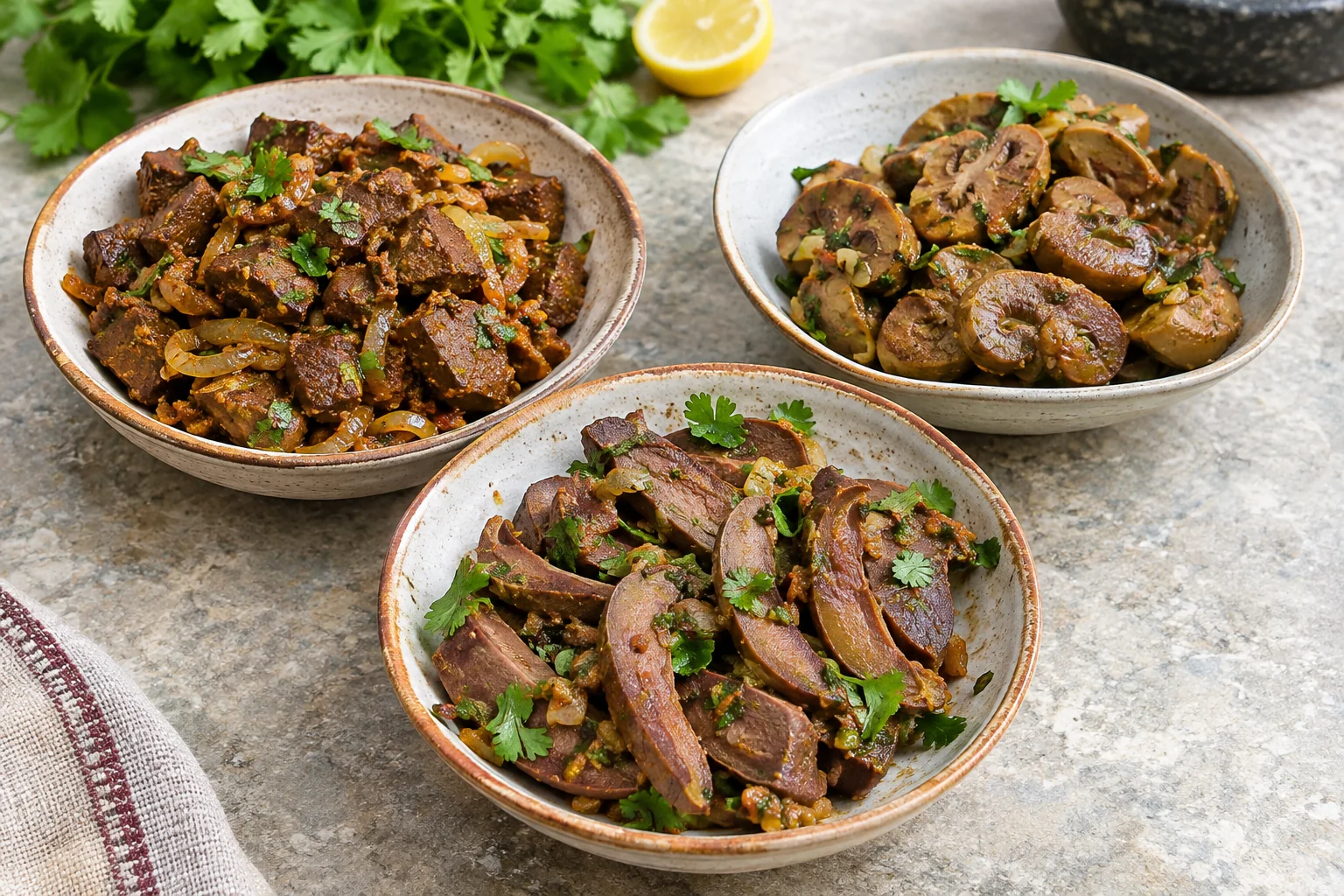
Open the heart along its existing cavities and inspect for firm white vessels, valves and thick connective tissue that would be unpleasant in the finished dish. Use a sharp knife on a stable raw-meat board and trim these away, together with excess external fat. Do not gouge indiscriminately into the muscle. A butcher can perform this work if you lack the knife control or confidence; properly prepared heart is the starting ingredient, not a challenge that must be done at home.
For a faster pan preparation, cut thin, reasonably uniform strips. For a braise, use evenly sized pieces that can spend sufficient time in gentle moisture. Keep those batches separate. Marinade can add flavour, but acid is not a substitute for trimming or adequate cooking; keep it covered in the refrigerator. Set aside clean spoons and boards for serving and garnish. Wash hands after raw handling and clean the knife, board and any surfaces touched by the package or raw juices before preparing salad.
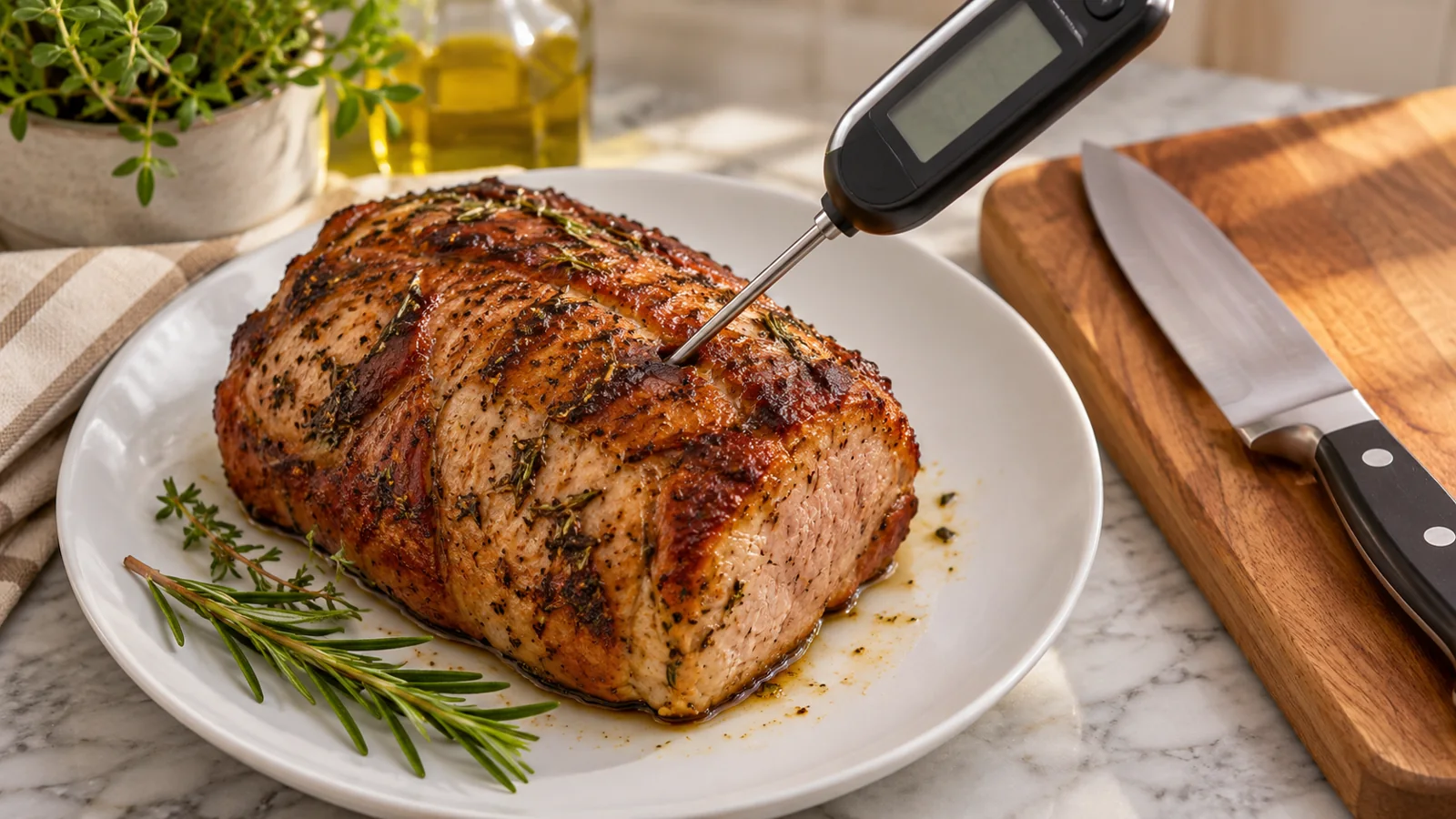
For slices, prepare the masala or accompaniments first and cook small enough batches for even heat. Turn the strips, avoid a crowded wet pan and check the thickest pieces with a thin probe. Heart is not covered by the lower minimum used for intact lamb steaks: USDA's red-meat organ guidance is 160°F (71.1°C), commonly stated as 71°C. Use the USDA organ-meat guidance rather than judging by a browned surface. Check several pieces when their thickness varies.
For a braise, brown if the recipe calls for it, add controlled liquid and cook covered at a gentle rate. Keep enough moisture to prevent catching, and test a piece for eating texture only after safe cooking. A heart can pass a safety endpoint before its connective tissue has softened as much as the dish requires. Continue for tenderness rather than treating a suggested minute count as a guarantee. A pressure cooker needs its manufacturer's fill limit, liquid amount and pressure-release instructions; never improvise a large batch beyond the approved capacity.
When slicing heart for a faster method, make the cut pattern consistent rather than mixing fine strips with dense cubes. If the recipe calls for skewers, leave appropriate space for even cooking and check a thick representative piece with a thermometer. A dark crust from strong heat can hide an insufficiently cooked centre.
Useful nutrients, without promises for the human heart
Heart contributes protein, iron and B vitamins. These are ordinary nutritional contributions from food, not proof that eating heart protects a person's heart or improves athletic endurance. The USDA overview of variety meats describes heart's iron and other minerals, while also showing that organ meats differ. It is not necessary to eat every part of an animal to obtain adequate nutrition, and organ names are not a map of benefits to matching human body parts.
The finished dish matters: deep frying, generous ghee and salty sauces can change its fat, energy and sodium substantially. People advised to limit saturated fat can trim excess visible fat and use measured unsaturated oil without turning the meal into a medical prescription. Gout is a relevant caution because NIH gout guidance includes organ meats among foods to avoid. For chronic kidney disease, ask the treating team about the portion and preparation appropriate to the individual's protein and mineral plan. Do not assume a lean-looking slice is suitable for every therapeutic diet.
Alternatives when this part does not suit the meal
A trimmed muscle cut can suit a masala or braise when heart is unavailable, but choose it by the cooking route. Shoulder or shank suits a patient moist cook, whereas a suitable tender cut can work in thin slices with careful heat control. Liver and kidneys are different textures and should not simply inherit the heart schedule. If avoiding organ meat because of a prescribed diet, check an alternative protein with the care team rather than automatically choosing another organ.
Make the portion fit the meal and handle leftovers
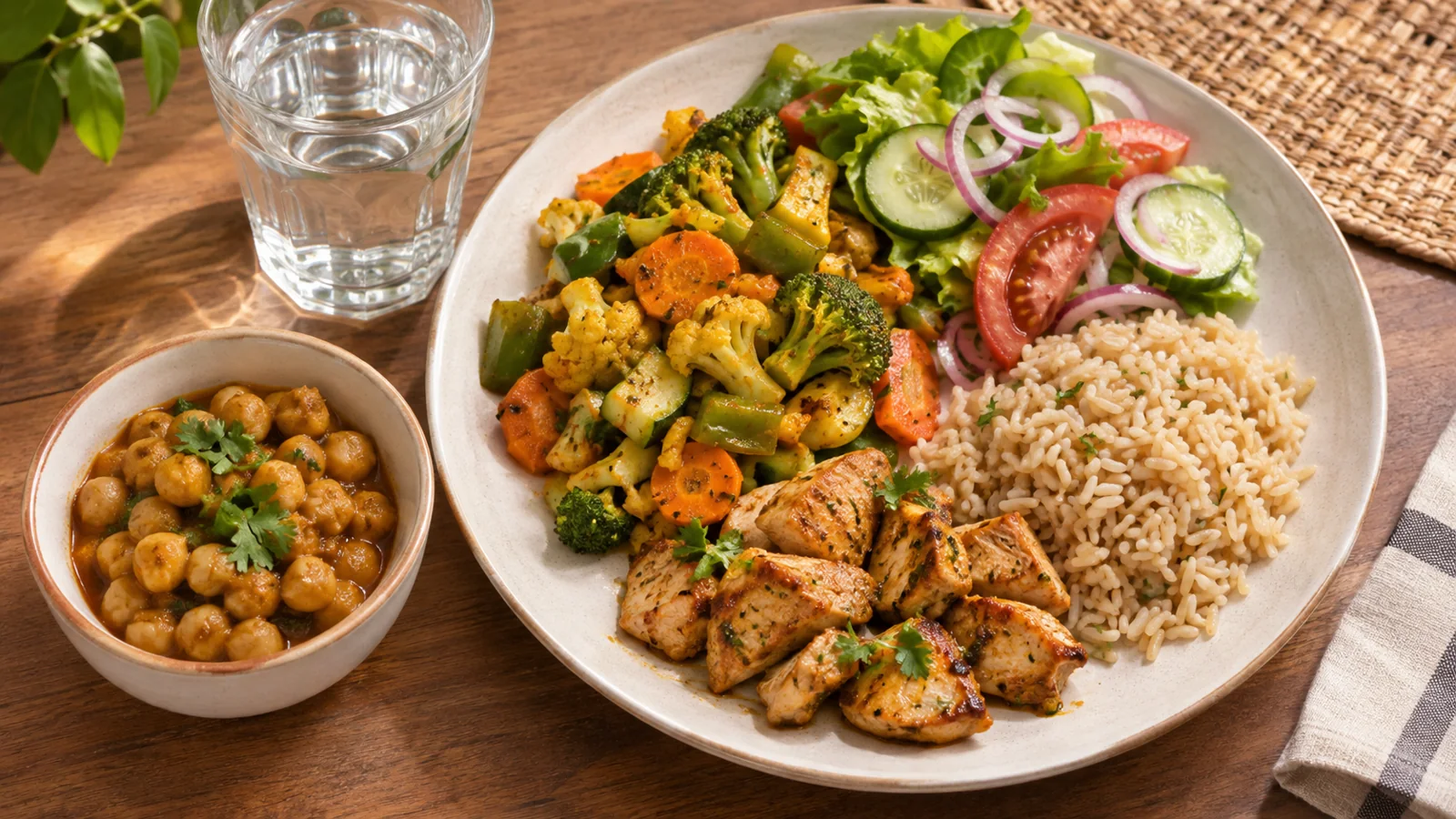
Serve heart with vegetables and an appropriate amount of roti or rice, using daal or another pulse dish to add variety. Cutting across the muscle fibres after cooking can make thicker pieces easier to eat. Remove any remaining tough tissue before serving rather than asking diners to chew around it. If a child or another diner needs a modified food texture, follow the relevant feeding advice; firm slices do not become suitable just because they are small.
Use or freeze raw heart within 1–2 days at 4°C or colder; organ meat does not receive the longer refrigerator window for a whole lamb roast. Refrigerate cooked portions in shallow containers within two hours, or one hour above 32°C. Safely stored leftovers generally keep 3–4 days; reheat the portion needed to 74°C. See USDA refrigerator storage guidance and the complete handling guide. For a different texture compare liver, kidneys and the offal guide. Match the selected route to a method in the recipe collection.
A braise can be finished with a slightly thicker sauce after the heart has reached the desired texture. Remove pieces briefly to a clean covered dish if reducing the sauce separately prevents unnecessary extra cooking. Keep the cooked food safely hot during that short finishing stage and use clean utensils when returning it to the pot.
Plan the purchase, portions and table
Plan the complete meal before deciding how much to buy. Account for trimming and bone separately from edible food, and consider whether leftovers can be cooled and stored within the available refrigerator space. A smaller well-prepared batch can be easier to serve promptly than a large pot held while guests arrive. Keep salad, chutney and bread preparation separate from raw work, then bring clean serving tools to the table. Let the distinctive texture of the ingredient guide how it is cut and served.
Choose a recipe for this ingredient and form
Read the complete recipe before shopping and match its animal, exact part and raw or pre-cooked form. Prepared usable weight is more useful than the untrimmed package weight. A recipe title does not replace the buying and safety checks in this guide. Follow the appropriate species and ingredient endpoint, then assess the eating texture separately. These existing recipe and pantry links can help select a method:
Names and forms: specify the actual ingredient
Dil means heart in this guide. Whole, opened, trimmed, sliced and diced heart describe different starting forms. A recipe assuming thin trimmed slices should not receive a whole untrimmed organ. Ask the butcher to identify the animal, preparation and usable weight rather than relying on an ambiguous mixed-offal label.
Frequently Asked Questions
Which cooking routes suit lamb heart?
Heart is firm muscle and can work as evenly cut thin slices or in a slow braise. Trimming the tough vessels and connective tissue matters for either route.
Is heart cooked to the same endpoint as an intact steak?
Use the organ-meat endpoint, 71°C (USDA 160°F/71.1°C), rather than the lower temperature for an intact steak. Tenderness is an additional cooking judgment.
How should I store the raw ingredient and cooked leftovers?
Keep the identified raw ingredient chilled and follow the supplier's stricter instructions. Raw organs generally need using or freezing within 1–2 days at 4°C or below. Cool cooked food in shallow portions within two hours, or one hour above 32°C; safely chilled cooked leftovers generally keep 3–4 days. Reheat thoroughly to 74°C.
Keep Exploring
Related places and stories on DailyLife.pk

How we know this
- Type Explainer
- Sources 7 (5 official/academic)
- Reviewed November 2026
- Disputed points None
7 sources
- USDA AMS: institutional meat purchase specifications
- FAO: livestock domestication and diversity
- OECD–FAO: meat production and trade context
- FoodSafety.gov: safe minimum internal temperatures
- FoodSafety.gov: cold food storage chart
- USDA FSIS: lamb from farm to table
- USDA FSIS: safe temperatures for beef and organ meats
