
Ingredients & Spices · The complete guide
Bone-in Lamb Cuts: BuyingCooking, Benefits and Storage
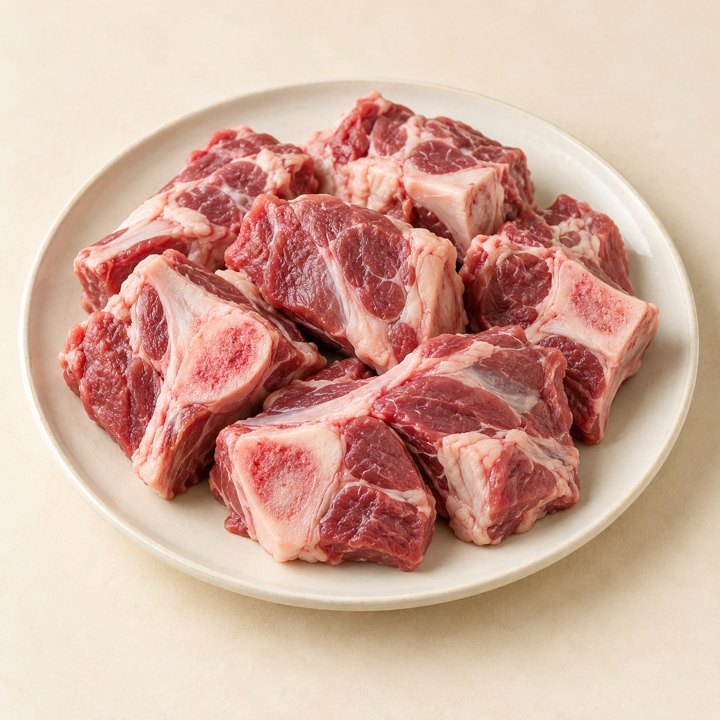
Bone-in lamb is a category rather than one cut. Shoulder, neck, shank, ribs and leg all carry bone, but they offer different amounts of meat, connective tissue and fat.
Identify the cut and its best uses
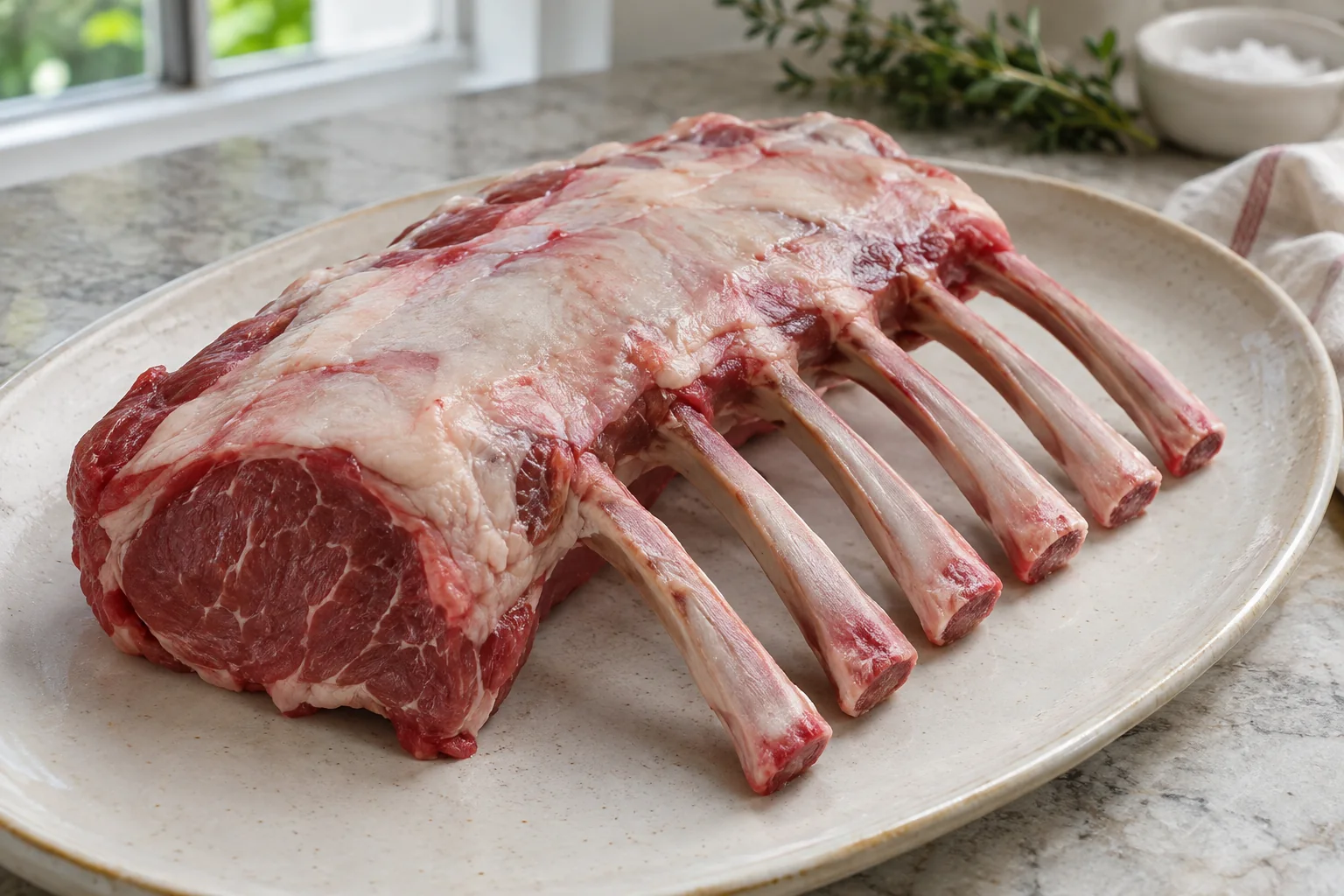
Bone-in lamb is a category rather than one cut. Shoulder, neck, shank, ribs and leg all carry bone, but they offer different amounts of meat, connective tissue and fat. Their practical advantages are presentation, flavour in the pot and access to cuts suited to gentle cooking. Their limitations include lower edible yield per purchased kilogram, uneven piece sizes and the need to manage loose bone fragments after sawing.
Order, trim and prepare the right meat

Name the dish and ask for a particular cut rather than accepting a mixed mutton pack automatically. Shoulder and neck are useful for long qorma or namkeen gosht; shank is suited to braising or yakhni. Rib and loin chops can suit a quicker method, while a whole leg is a separate roasting project. Ask for sheep or lamb explicitly because mutton can also mean goat in local trade. Agree on the proportion of fat and bone before the order is chopped.
Select protected chilled stock and take it home directly, using an insulated bag and cold packs where needed. Ask whether the price is before or after trimming and whether substitutions are permitted on a delivery order. A clean counter matters, but it does not prove a complete cold chain. Smell and colour cannot establish safety, and spices cannot rescue meat with an uncertain handling history. For Eid distribution or a large meal, arrange refrigerator space and transport before collecting the order.
Inspect sawed surfaces for loose fragments and ask the butcher for pieces of similar size. Do not wash raw meat in a way that splashes the sink and nearby ready-to-eat food. If removing visible debris, use clean kitchen paper and clean the board and tools afterwards. Trim excess hard fat while retaining enough for the chosen method. Keep different cuts separate when possible: a thin rib and a thick shank will not finish together simply because they share a pot.
Wash hands before and after raw-meat handling and clean the board, knife and worktop before preparing ready-to-eat food. Use separate utensils for raw and cooked batches. Keep marinating meat refrigerated: salt, yogurt, lemon and spices do not replace chilling. The FoodSafety.gov four-step guidance recommends cleaning, separating, cooking and chilling as complementary controls.
Cook for the texture this cut needs
For shoulder or neck, brown if the recipe calls for it and then use a covered gentle simmer with enough liquid. For shank, allow a longer moist cooking stage and check whether the fibres and connective tissue have softened. A rib rack may be roasted or separated into chops; thicker, less tender rib portions can need a slower stage before browning. Decide the method from the exact cut, not from the bone alone. The FAO cut guidance distinguishes tender loin muscles from working muscles requiring moist heat.
For a mixed bag already purchased, separate quick-cooking chops from connective-tissue-heavy pieces before cooking. If the cuts cannot be identified reliably, choose a moist method and monitor individual pieces rather than promising a short cooking time. Remove tender pieces while the rest continue. For a whole roast, plan the pot or tray size and the carving direction in advance. The probe belongs in the thickest meat, away from bone, and several locations may need checking on an irregular joint.
The FAO guide to cuts and cooking methods explains why tender muscles suit dry heat while connective-tissue-rich cuts need moist cooking. Use time estimates to plan the meal and observation to adjust the cooking; neither a dramatic flame nor extra oil substitutes for matching the method to the cut.
Benefits, fat and realistic portions

The lean meat supplies protein, iron, zinc and vitamin B12. These are useful nutrients, but this cut is not a treatment for anaemia, weakness or any other condition. The NHS explains meat’s nutritional contribution alongside the need to limit fatty and processed meat. Fat content depends on the particular muscle, trimming and added oil; choosing goat rather than lamb does not guarantee a lower-fat finished dish. Use a moderate serving with vegetables, pulses and grains, and judge the whole meal rather than treating one meat as a cure or a universal healthier choice.
If you eat red meat, World Cancer Research Fund’s cancer-prevention recommendation is about 350–500 g cooked red meat per week, with little, if any, processed meat. This is a population cancer-prevention recommendation, not a Pakistani nutrient allowance or a reason to reach a minimum meat intake. Include all red meats when considering the week.
Choose a replacement by muscle and method
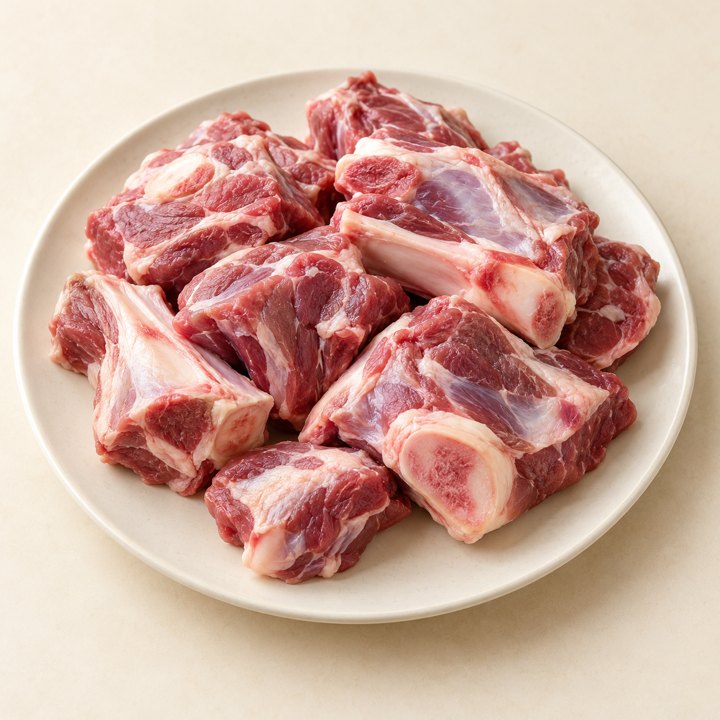
Bone-in goat can work in the same family of curry or braise when the cut matches. Shoulder should replace shoulder, and shank should replace shank where possible. Boneless lamb shoulder is convenient, but its edible yield differs, so do not purchase the same weight automatically. Adapt oil and liquid for the actual meat, and check the separate pieces for tenderness.
Measure safety and protect the cold chain
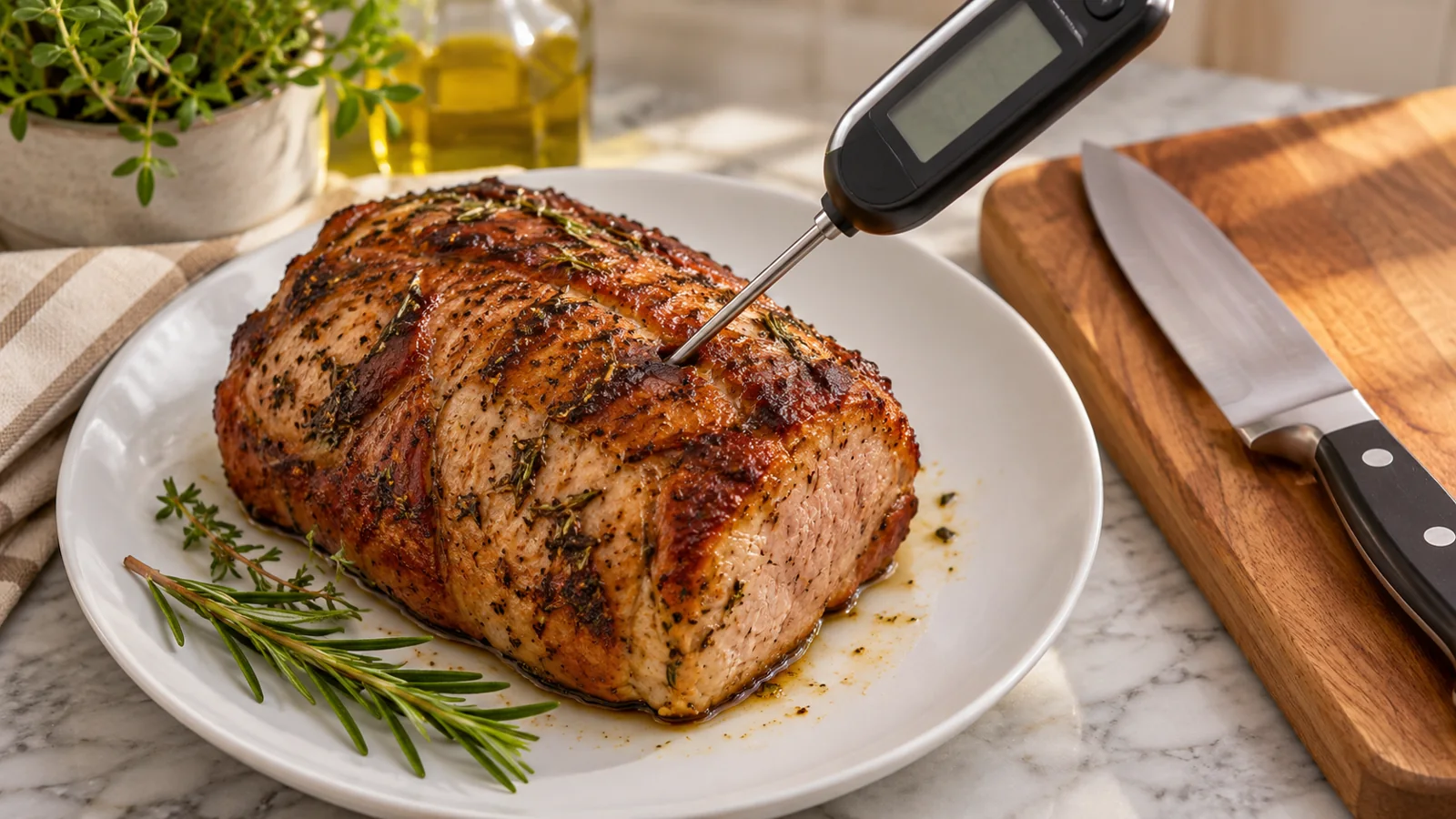
For whole-muscle goat or lamb steaks, chops and roasts, the published minimum is 63°C followed by at least a three-minute rest. Ground meat needs 71°C. Put the probe into the thickest meat, away from bone and large fat pockets; check more than one location on an irregular joint. A shoulder or shank may need much longer cooking to become tender even after it is safe. These endpoints are from FoodSafety.gov’s safe minimum temperature chart. Colour, clear juices and a browned crust are unreliable substitutes for a thermometer. Reheat cooked leftovers to 74°C throughout. Keep the probe clean between checks on raw and cooked food.
Intact lamb steaks, chops and roasts can be refrigerated for three to five days at 4°C or below; ground meat has a shorter one-to-two-day limit. Follow an earlier label use-by date and freeze promptly if the planned meal changes. See the FoodSafety.gov cold-storage chart for the distinction between whole cuts and mince. Store raw packs in a leakproof container on the lowest shelf, away from cooked food. A freezer should be at −18°C or below.
Thaw in the refrigerator in a tray that catches drips. For quicker thawing, use a sealed bag in cold water changed every 30 minutes, or the microwave, and cook immediately afterwards. Never thaw on a warm counter. Refrigerate cooked meat in shallow portions within two hours, or within one hour when the surroundings are above 32°C; use within three to four days. Do not leave a large pot or whole roast out overnight to cool. These are FoodSafety.gov chilling principles, particularly useful in hot weather and during Eid.
Solve texture problems and serve usefully
If the gravy looks finished while meat remains firm, add a little hot liquid and continue covered gently. If the meat is tender but the broth is weak, remove it before reducing the liquid. A stock that gels after chilling reflects gelatin, not proof of a guaranteed calcium content or treatment for joints. Fat can be lifted off a safely chilled stock. Sawed bone pieces require careful straining, especially if children or older diners may be eating the dish.
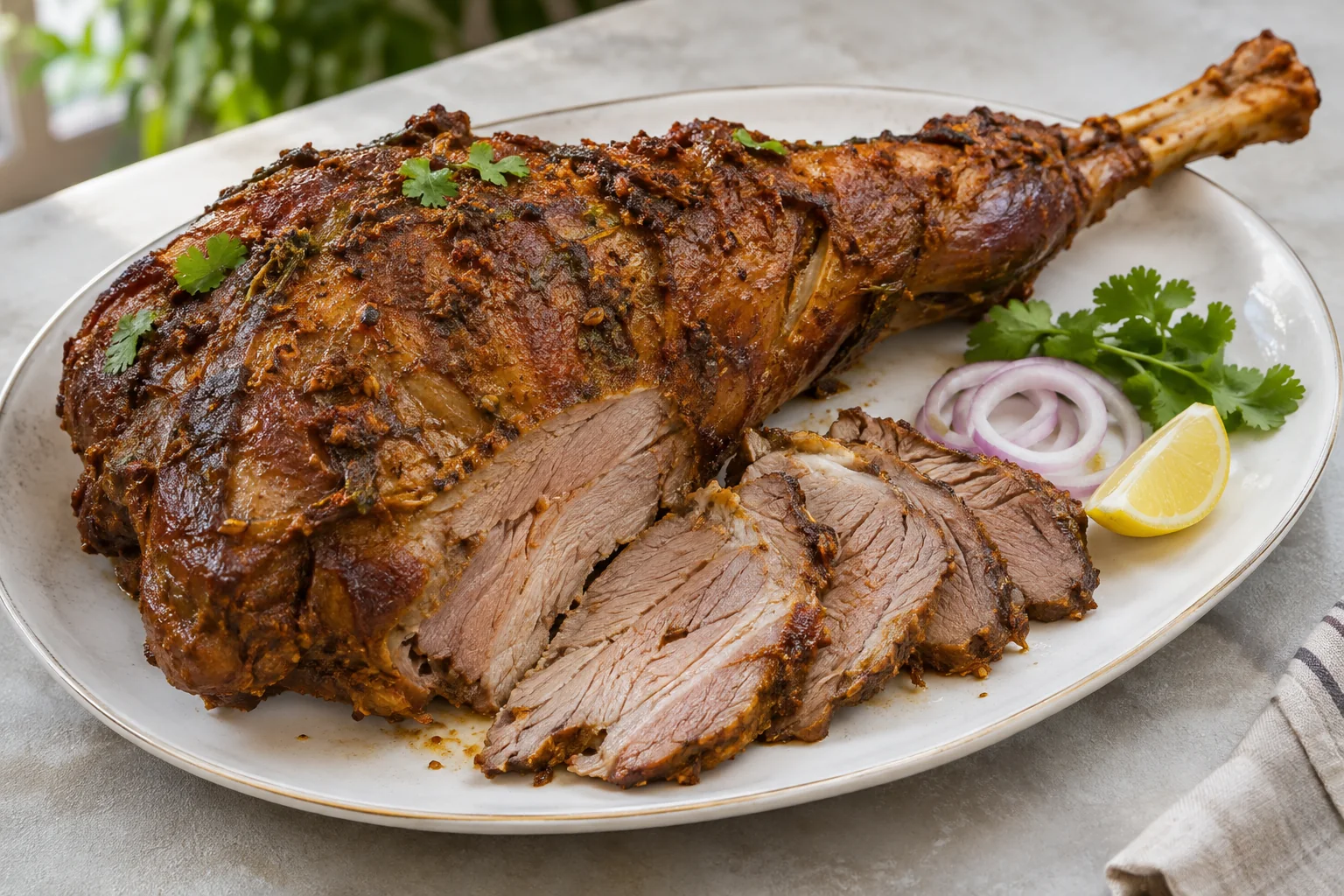
Use neck and shoulder for economical long-cooked dishes, shank for a braise, ribs for an appropriate roast and leg for a planned raan. Each can be good value in the right recipe, but the lowest sticker price is not necessarily the lowest cost per edible portion. Choose a dish with substantial vegetables, pulses or grains so the meal does not depend on a large meat serving. Ask for a clear receipt and label freezer packs by cut, not simply mutton.
Choose a recipe that matches the cut

Choose a reliable recipe whose named cut and preparation match the meat you have. Weigh the prepared meat after any stated boning or trimming stage, because raw purchased weight and ready-to-cook weight are different. Keep the recipe’s own liquid and equipment guidance, then use tenderness and temperature checks to adapt to the actual batch.
When a recipe offers a substitute, compare the source muscle, bone, fat and desired texture before changing the main ingredient. Do not carry a quick-cooking schedule into a long-braising cut merely because both are called mutton.
Make recipe names and butcher orders precise
Names such as mutton, boti, chaamp and raan describe trade usage or preparation and do not provide a full specification. For this guide, order bone-in lamb cuts and state the animal, source cut and intended dish. Keep those details on the freezer label. When using a mixed pack, identify the different pieces before choosing a cooking method.
A photograph can show a raw cut or one prepared result, but it cannot certify the contents of a shop order. Ask the butcher to show the selected meat before cutting and confirm any substitutions. Use the meat guide index and household buying and handling guide when planning another cut.
Frequently Asked Questions
Does every curry piece cook at the same rate?
No. Shoulder, neck, ribs, leg and shank contain different muscles and amounts of connective tissue. Ask for one known cut or separate the pieces by cooking needs. Remove tender pieces while firmer ones continue with enough moisture.
What should I check before buying lamb, bone-in cuts for these recipes?
Identify the cuts in the pack, the fat and bone allowance and the intended piece size. Clean sawed edges and protected chilled handling matter. Compare edible yield: a bone-heavy pack can provide less meat than the same purchased weight of a different cut.
What is a practical substitute for lamb, bone-in cuts?
Comparable bone-in goat can work, with cooking time and oil adjusted for the actual cut. Boneless lamb shoulder simplifies serving but changes yield and presentation. Match shoulder to shoulder or shank to shank where possible rather than assuming all curry meat behaves alike.
Keep Exploring
Related places and stories on DailyLife.pk
How we know this
- Type Explainer
- Sources 6 (4 official/academic)
- Reviewed November 2026
- Disputed points None
