
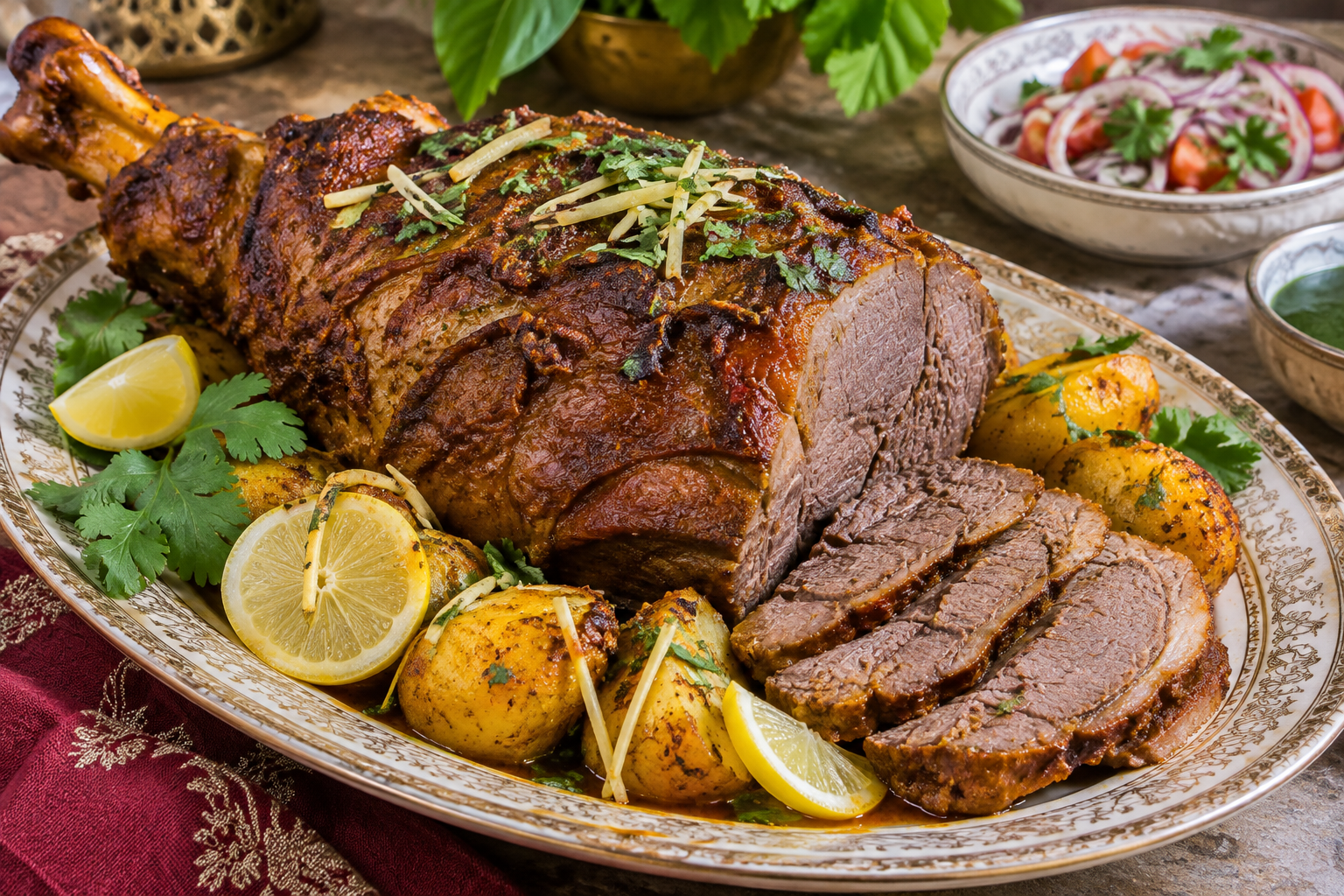
Food & Drinks
Raan Roast: BuyingCooking, Benefits and Storage
A practical raan roast guide to identifying the cut, choosing the method, understanding benefits and limits, and keeping food safe.
DailyLife.pk meat kitchen
Know the cut and its nutritional role
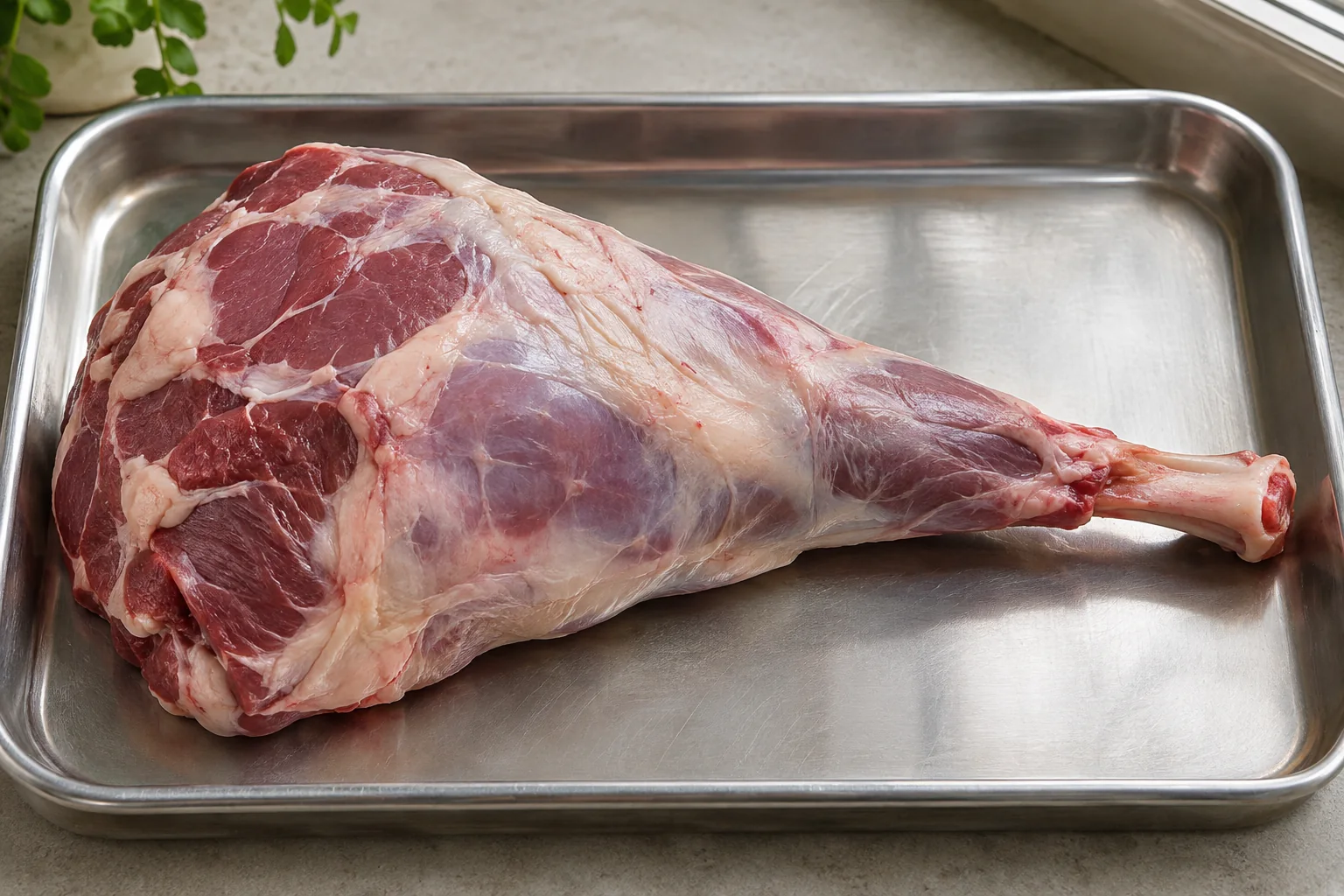
Raan is the hind leg of a goat or sheep, and a whole roast can become the centrepiece of a shared meal. It contains several muscles of different thickness with a shank at the narrow end. Its strengths are presentation, generous carving portions and flavour suited to Pakistani spices. Its limitation is uneven shape: a thick upper leg and thin lower portion do not heat at the same speed. Specify the animal and the result you want before choosing the method.
The lean meat supplies protein, iron, zinc and vitamin B12. These are useful nutrients, but this cut is not a treatment for anaemia, weakness or any other condition. The NHS explains meat’s nutritional contribution alongside the need to limit fatty and processed meat. Fat content depends on the particular muscle, trimming and added oil; choosing goat rather than lamb does not guarantee a lower-fat finished dish. Use a moderate serving with vegetables, pulses and grains, and judge the whole meal rather than treating one meat as a cure or a universal healthier choice.
Buy the right piece and bring it home cold
Confirm goat, lamb or mature sheep and ask the dressed weight and dimensions, not only the price per kilogram. Make sure the leg fits your refrigerator, covered pot or roasting tray before ordering. Ask the butcher to trim excess hard fat, remove loose fragments and make any necessary bone cuts cleanly. For easier carving, a boned or butterflied leg is an option, but it needs its own method. Do not assume a recipe for small young lamb will give identical timings for a large mature goat leg.
Select protected chilled stock and take it home directly, using an insulated bag and cold packs where needed. Ask whether the price is before or after trimming and whether substitutions are permitted on a delivery order. A clean counter matters, but it does not prove a complete cold chain. Smell and colour cannot establish safety, and spices cannot rescue meat with an uncertain handling history. For Eid distribution or a large meal, arrange refrigerator space and transport before collecting the order.
Trim and prepare without cross-contamination

Decide between a sliceable roast and a very tender covered raan before marinating. Follow a tested recipe for scoring; deep random cuts can make thin areas dry and do not remove the need to heat the centre safely. Marinate in a covered food-safe container in the refrigerator, never through a long room-temperature stage. Yogurt and spices add flavour, while too much papaya can turn the surface mushy. Reserve clean sauce separately instead of serving raw used marinade at the table.
Wash hands before and after raw-meat handling and clean the board, knife and worktop before preparing ready-to-eat food. Use separate utensils for raw and cooked batches. Keep marinating meat refrigerated: salt, yogurt, lemon and spices do not replace chilling. The FoodSafety.gov four-step guidance recommends cleaning, separating, cooking and chilling as complementary controls.
Match the method to the muscle
For a sliceable lamb leg, use a reliable roasting method, check the thickest muscles and rest before carving across the grain. For a tougher goat or mature sheep leg intended to pull apart, use a covered moist cooking phase with sufficient liquid, then a brief uncovered finish for colour. These approaches serve different goals. A dark crust does not prove the centre is safe, and reaching the minimum safe temperature does not guarantee that a tougher leg has become tender.
Measure temperature in several thick regions, avoiding the bone and large fat pockets. Whole-muscle goat and lamb roasts need at least 63°C followed by a minimum three-minute rest; a long moist raan may be cooked further for tenderness. Use an oven roasting recipe with an oven setting of at least 163°C, consistent with FoodSafety.gov roasting guidance. A pressure cooker must be large enough and used within its own fill and liquid limits. Never force a leg into a cooker or improvise a sealed vessel.
The FAO guide to cuts and cooking methods explains why tender muscles suit dry heat while connective-tissue-rich cuts need moist cooking. Use time estimates to plan the meal and observation to adjust the cooking; neither a dramatic flame nor extra oil substitutes for matching the method to the cut.
Solve texture problems and choose useful dishes
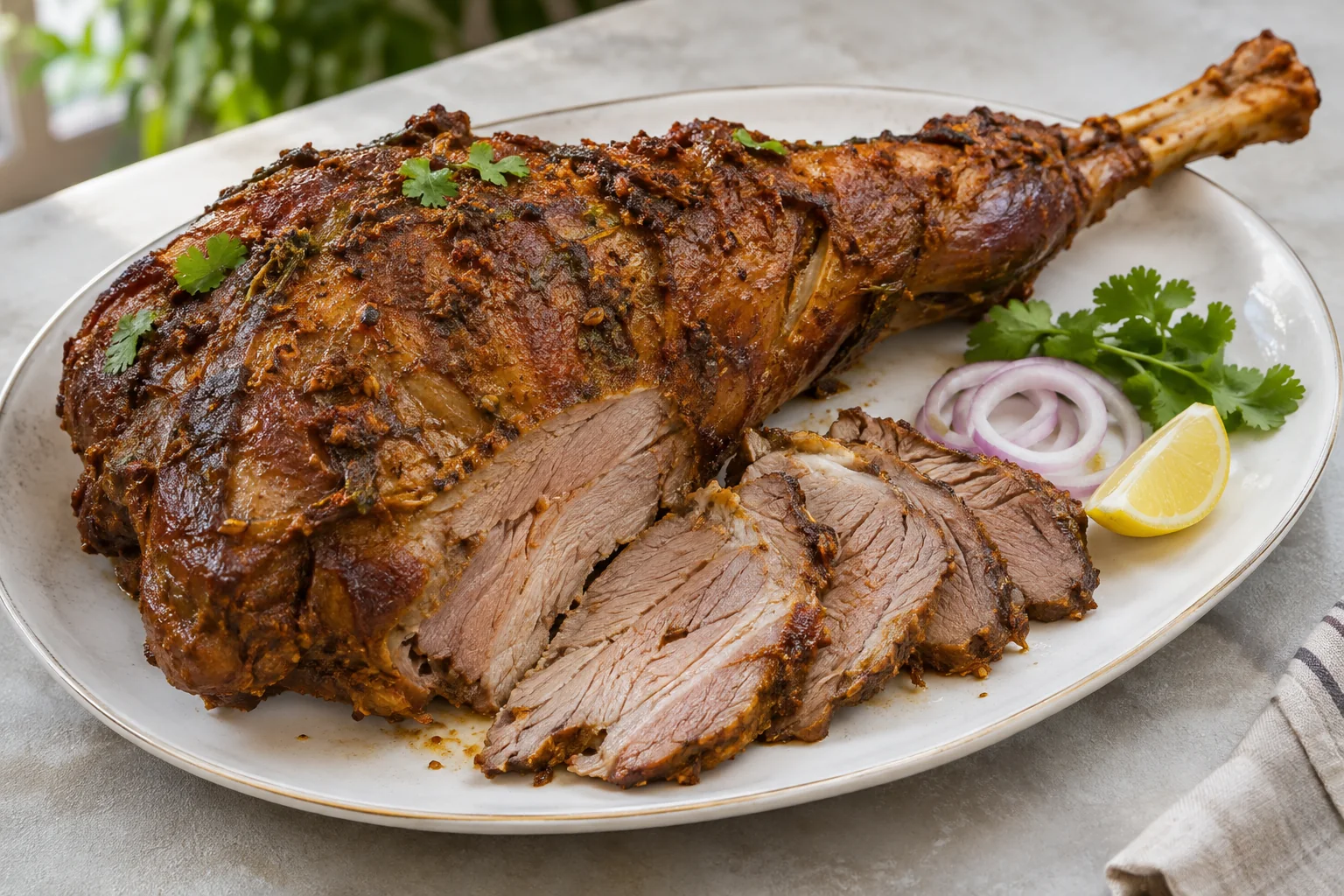
If the surface browns before the leg is tender, protect it with a lid or foil as the recipe allows and continue the appropriate moist phase. If the meat is tender but pale, drain or reduce the liquid separately and apply a short final browning, watching the spices. A lean dry leg is best carved thinly and served with sauce; another long blast of heat will not restore lost juices. Avoid promising an exact number of hours without the joint’s weight, thickness and animal maturity.
Plan sides and carving space before guests arrive. A whole leg includes bone and trimming, so its raw purchased weight is not the cooked edible yield. Serve slices or pulled meat in modest portions with rice or roti, vegetables and daal. Carve only what will be eaten promptly and refrigerate the remainder in smaller shallow portions rather than leaving the whole joint on a warm table. Leftover raan can become a sauced sandwich filling or rice dish after safe reheating.
Check temperature, then chill leftovers promptly
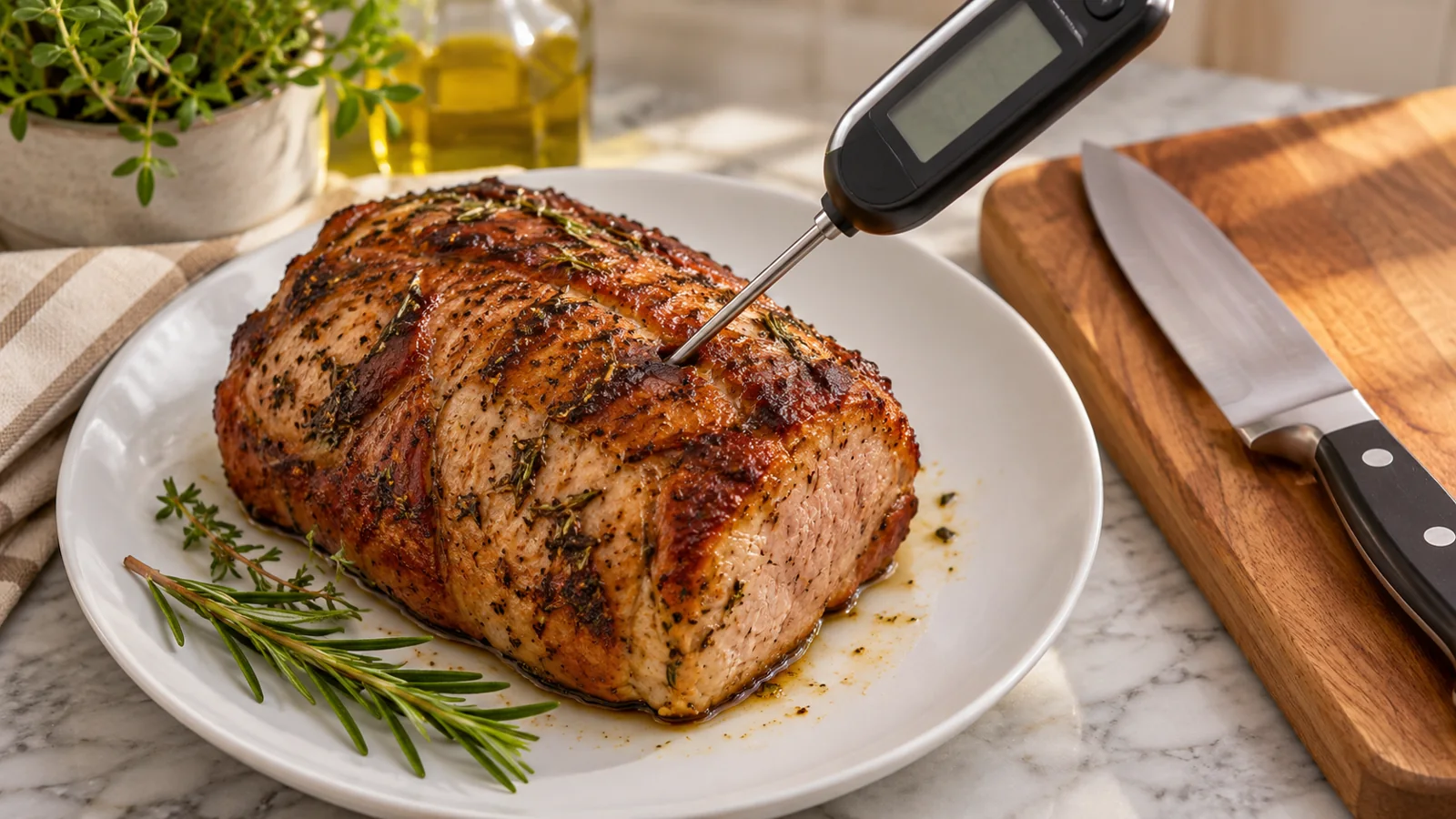
For whole-muscle goat or lamb steaks, chops and roasts, the published minimum is 63°C followed by at least a three-minute rest. Ground meat needs 71°C. Put the probe into the thickest meat, away from bone and large fat pockets; check more than one location on an irregular joint. A shoulder or shank may need much longer cooking to become tender even after it is safe. These endpoints are from FoodSafety.gov’s safe minimum temperature chart. Colour, clear juices and a browned crust are unreliable substitutes for a thermometer. Reheat cooked leftovers to 74°C throughout. Keep the probe clean between checks on raw and cooked food.
Intact lamb steaks, chops and roasts can be refrigerated for three to five days at 4°C or below; ground meat has a shorter one-to-two-day limit. Follow an earlier label use-by date and freeze promptly if the planned meal changes. See the FoodSafety.gov cold-storage chart for the distinction between whole cuts and mince. Store raw packs in a leakproof container on the lowest shelf, away from cooked food. A freezer should be at −18°C or below.
Thaw in the refrigerator in a tray that catches drips. For quicker thawing, use a sealed bag in cold water changed every 30 minutes, or the microwave, and cook immediately afterwards. Never thaw on a warm counter. Refrigerate cooked meat in shallow portions within two hours, or within one hour when the surroundings are above 32°C; use within three to four days. Do not leave a large pot or whole roast out overnight to cool. These are FoodSafety.gov chilling principles, particularly useful in hot weather and during Eid.
Plan portions and the next meal

If you eat red meat, World Cancer Research Fund’s cancer-prevention recommendation is about 350–500 g cooked red meat per week, with little, if any, processed meat. This is a population cancer-prevention recommendation, not a Pakistani nutrient allowance or a reason to reach a minimum meat intake. Include all red meats when considering the week.
Choose the dish before buying the cut. Browse the recipe collection, compare the goat overview and lamb and dumba overview, and use the complete buying and storage guide for household handling. Smaller meat portions with daal or vegetables can keep a meal satisfying while controlling cost, salt and added fat.
Frequently Asked Questions
Should I buy goat leg or lamb shoulder for a pull-apart meal?
Choose a tested method and the desired texture first. Shoulder commonly suits a long moist pull-apart preparation; a goat leg can also need a patient covered stage depending on size and maturity. A lean leg intended for slices needs a different finishing plan.
Does a safe roast temperature mean the meat will pull apart?
No. Whole goat and lamb roasts must reach at least 63°C and rest for three minutes, but connective-tissue-rich meat may need much longer moist cooking to pull apart. Use the thermometer for safety and a separate tenderness check for the intended texture.
How we know this
- Type Explainer
- Sources 4 (3 official/academic)
- Reviewed November 2026
- Disputed points None
4 sources
- Meat cuts and cooking methods, FAO
- Safe minimum cooking temperatures, FoodSafety.gov
- Partial cooking and finishing later, USDA FSIS
- Roasting and stuffing temperature guidance, FoodSafety.gov
