
Ingredients & Spices · The complete guide
Beef Paye: Buy Cleaned Trotters and Cook for Tenderness
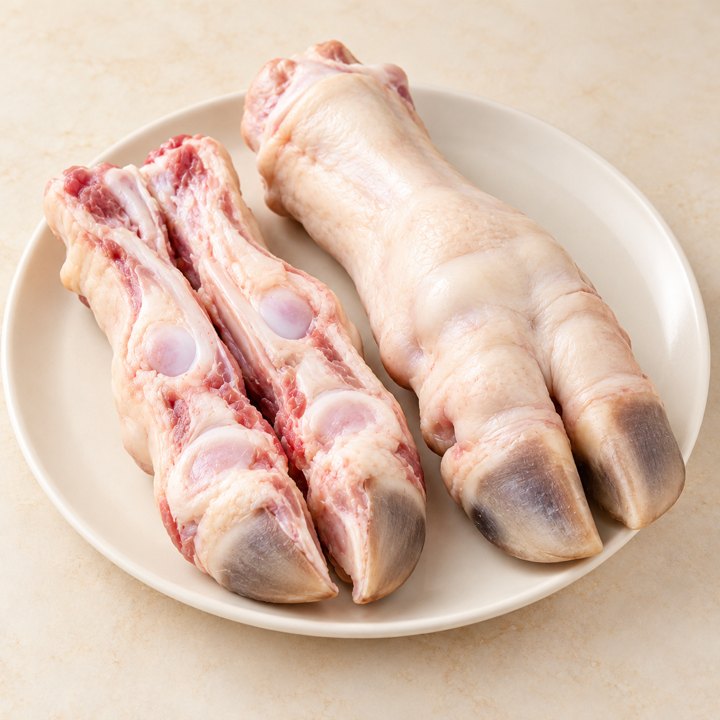
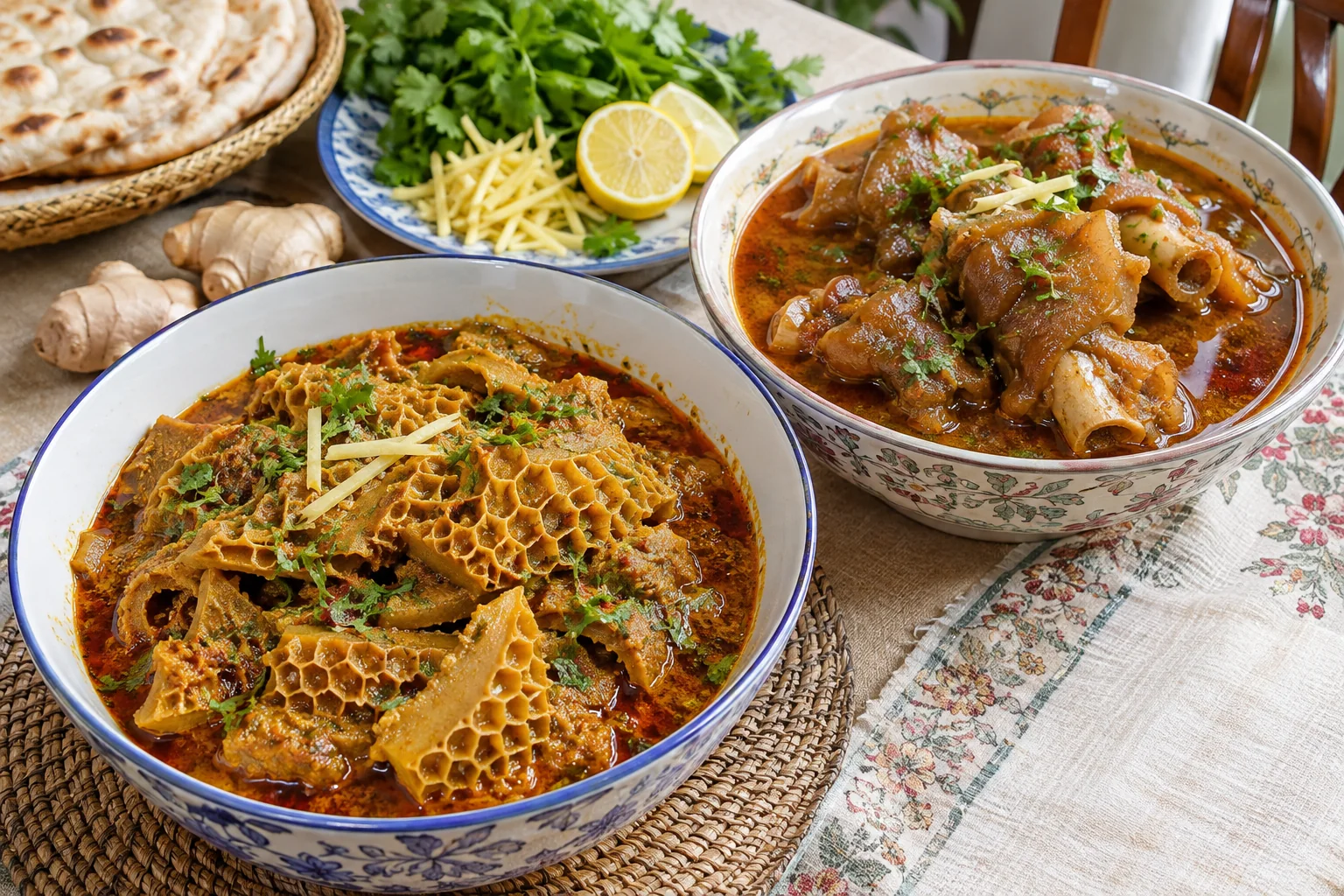
Beef trotters, or baray paye in many Pakistani kitchens, make a large, rich slow-cooked dish with bones, skin and substantial connective tissue.
What paye contributes to the dish
Beef trotters, or baray paye in many Pakistani kitchens, make a large, rich slow-cooked dish with bones, skin and substantial connective tissue. Retail pieces are often much larger than goat paye and need a butcher to cut them safely for the pot. Their appeal is the silky gravy and softened tissue around the bones, not the same boneless meat yield as chuck or shank. A low price per kilogram can therefore be misleading when planning actual servings.
Choose beef paye when you have time, adequate equipment and refrigerator space for a substantial slow cook. They can suit a planned family meal or portions for later freezing. They are inconvenient for an improvised late dinner, a small pressure cooker or a cook who has no safe way to split and cool a large batch. Do not assume that doubling a goat paye recipe simply doubles the minutes; size, batch depth and prior preparation change the cooking behaviour.
Buy prepared pieces that fit your equipment
Ask the butcher for the species and preparation status, the cleaned weight, and a cut size matched to your actual pot. Beef and buffalo may be sold through the same counter, so confirm what is being supplied instead of relying on a general label. A competent butcher should split or cross-cut the prepared trotters with appropriate equipment; do not try to force a domestic knife through large bones. Ask whether any preliminary cooking has already been performed.
Large pieces must still be chilled throughout purchase and transport. Reject obvious contamination, poor cleaning, spoilage or a product left warm without an acceptable explanation. Do not treat a pale appearance as a safety certificate. Bring separate leakproof packaging and an insulated bag, then refrigerate promptly at home. For a crowd, consider whether several smaller cooking batches are realistic: buying enough for twenty guests is not useful if the pot, cooker and refrigerator can safely handle only a fraction of that amount.
Preparation and cooking: match the exact part
Read a tested recipe before starting and check the product's preparation status. Any final cleaning, rinse or preliminary boil should follow the supplier and recipe directions, with splashes contained and the sink cleaned afterwards. Do not use household cleaning chemicals on food. The aim at home is to work with an already properly prepared ingredient, not to salvage unfit material through repeated scrubbing, acid or strong spices.
Have the onions, spices, liquid and cooking vessel ready before removing the cold trotters. Keep raw-contact tools away from coriander, ginger garnish and the serving bowls. Inspect the prepared pieces for loose bone chips and unwanted hard fragments; ask the butcher to correct poor cutting rather than forcing a kitchen knife through bone. Plan the end of the cook at the same time: clear refrigerator space, prepare shallow containers and decide how to divide the batch. A large pot that will be left on the stove overnight is a handling problem even if the cooking itself goes well.
Beef paye usually needs generous planning because large pieces can remain firm long after the gravy looks rich. Use a heavy pot with a controlled simmer, adequate water and a lid appropriate to the recipe. Check the base and liquid level during the long cook. Larger pieces and an older animal can take longer to soften; pre-cleaned does not mean pre-cooked. Do not promise that every batch will be ready after the same number of hours.
For a pressure cooker, confirm that the cut pieces fit without crowding the lid and that the recipe complies with the manufacturer's fill limit, liquid requirements and pressure-release method. A large gelatinous batch must not exceed safe capacity. Work in batches if needed. Finish sauce reduction after opening safely, then check softened tissue and remove loose bone pieces. It is better to adjust a tested method to your equipment than to force an oversized batch into a household cooker.
Cooking time is a texture and recipe question, not one universal food-safety number for trotters. Keep the whole batch properly hot during cooking and use reliable ingredient-specific guidance; a bubbling surface alone does not measure the centre of every large piece. Where a recipe includes organ meat, apply that organ's endpoint; where it includes poultry, use 74°C. Never treat gelatin formation, a set chilled broth or a fixed whistle count as a safety test.
For a household-size cooker, several smaller pieces may be more practical than a single large section, but the butcher should do the cutting. Check the maximum batch size before buying and allow room for liquid and movement. Weight alone is not the capacity rule: the shape and foaming behaviour of the contents also matter.
Enjoy the richness without treatment claims

Slow cooking converts some connective tissue to gelatin, giving paye its characteristic body. That culinary change does not prove that the dish rebuilds human joints, repairs cartilage or supplies a reliable dose of calcium. The amount of meat, fat, water and seasoning varies too much to give every bowl the same nutrient value. A pot that gels firmly in the refrigerator is not necessarily a complete high-protein meal.
Serve paye with a suitable amount of roti and include vegetables, daal or another complementary dish. Use a spoon to take off excess surface fat if desired, while recognising that this does not remove every gram of fat. Measure added ghee and salt rather than assuming a traditional dish has a fixed nutritional profile. People with gout, chronic kidney disease or prescribed sodium or fluid limits should discuss rich meat broths with their care team. NIDDK nutrition guidance explains why kidney-disease diets vary; a generic claim that paye is strengthening should not override an individual plan.
Alternatives when this part does not suit the meal
Goat paye can be easier to fit into a smaller pot, but use a method matched to its piece size and preparation. Beef shank gives more identifiable edible muscle; marrow bones provide richness with little boneless meat. Neither replaces the connective-tissue texture of trotters in exactly the same way. If the aim is simply a warming soup, a suitable meat-and-vegetable yakhni may be more practical than a large bone-heavy paye batch.
Check bones at serving and cool smaller portions

Inspect each portion for detached bones and sharp fragments, including small pieces hidden in the thick gravy. Do not blend a bone-containing preparation, and do not assume soft tissue means bones are safe to chew. Choose a different suitable texture for anyone who cannot manage the dish safely. Keep garnishes clean and use a dedicated serving spoon.
Keep raw prepared trotters cold and follow the seller's use-by directions; cook promptly, using the short 1–2 day variety-meat planning window where no stricter direction is supplied. After cooking, divide into shallow containers and refrigerate within two hours, or one hour when the air exceeds 32°C. Do not wait for a deep pot to cool completely on the counter. Properly chilled leftovers generally keep 3–4 days; reheat the needed portion to 74°C and bring the gravy to a boil while stirring. See USDA leftover handling and FDA refrigeration advice. Compare goat paye, yakhni, the recipe collection and complete storage guide.
If cooking a day ahead, the cooling plan is part of the recipe. Portion the batch while it is manageable with clean tools and refrigerate promptly. On the next day, reheat the required amount evenly while stirring the gravy. Do not put a large cold gelled mass over fierce heat and assume a hot surface means the centre is reheated.
Plan the purchase, portions and table
Plan the complete meal before deciding how much to buy. Account for trimming and bone separately from edible food, and consider whether leftovers can be cooled and stored within the available refrigerator space. A smaller well-prepared batch can be easier to serve promptly than a large pot held while guests arrive. Keep salad, chutney and bread preparation separate from raw work, then bring clean serving tools to the table. Let the distinctive texture of the ingredient guide how it is cut and served.
Choose a recipe for this ingredient and form
Read the complete recipe before shopping and match its animal, exact part and raw or pre-cooked form. Prepared usable weight is more useful than the untrimmed package weight. A recipe title does not replace the buying and safety checks in this guide. Follow the appropriate species and ingredient endpoint, then assess the eating texture separately. These existing recipe and pantry links can help select a method:
Names and forms: specify the actual ingredient
Beef paye, baray paye and prepared beef trotters describe the broad ingredient. Confirm whether the seller means cattle or buffalo and whether the pieces are cleaned, split, cross-cut or pre-cooked. Those details determine how a recipe fits the pot and cannot be replaced by one generic batch weight.
Frequently Asked Questions
Does paye give the same meat yield as a boneless cut?
No. Much of the purchase weight is bone and connective tissue. Judge value by cleaned portions and actual servings, rather than comparing a kilogram directly with boneless meat.
Is paye a joint treatment or a reliable calcium source?
Paye gains gelatinous texture through slow cooking, but it is not a proven joint treatment or a reliable calcium supplement. The safe cooking method and tenderness depend on the batch and equipment.
How should I store the raw ingredient and cooked leftovers?
Keep the identified raw ingredient chilled and follow the supplier's stricter instructions. Raw organs generally need using or freezing within 1–2 days at 4°C or below. Cool cooked food in shallow portions within two hours, or one hour above 32°C; safely chilled cooked leftovers generally keep 3–4 days. Reheat thoroughly to 74°C.
Keep Exploring
Related places and stories on DailyLife.pk

How we know this
- Type Explainer
- Sources 6 (4 official/academic)
- Reviewed November 2026
- Disputed points None
