
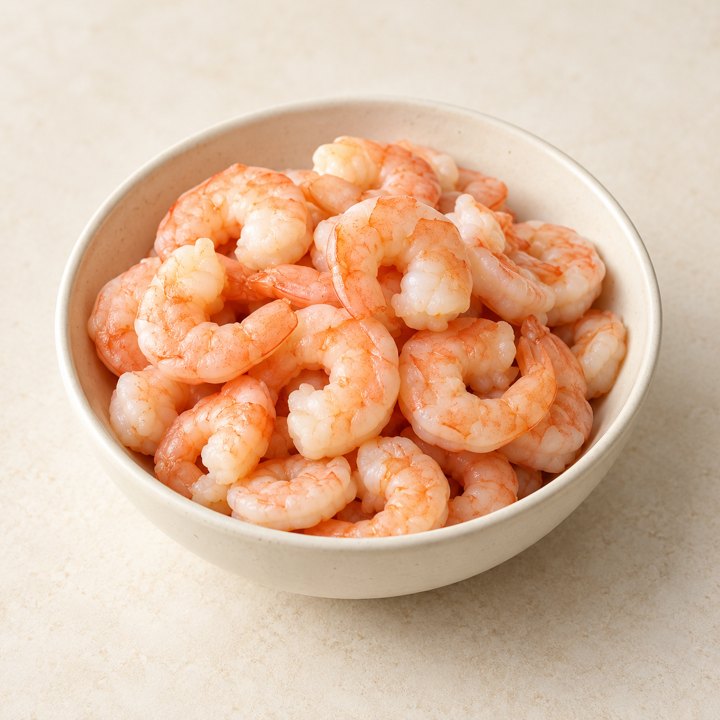
Ingredients & Spices · The complete guide
Cooked Prawns: BuyChill, Serve and Reheat Carefully
Cooked prawns have already been heated by the producer or seller, but that description alone does not tell you whether a particular product is ready to eat cold, needs reheating or has special handling instructions.
Check cooked and ready-to-eat status
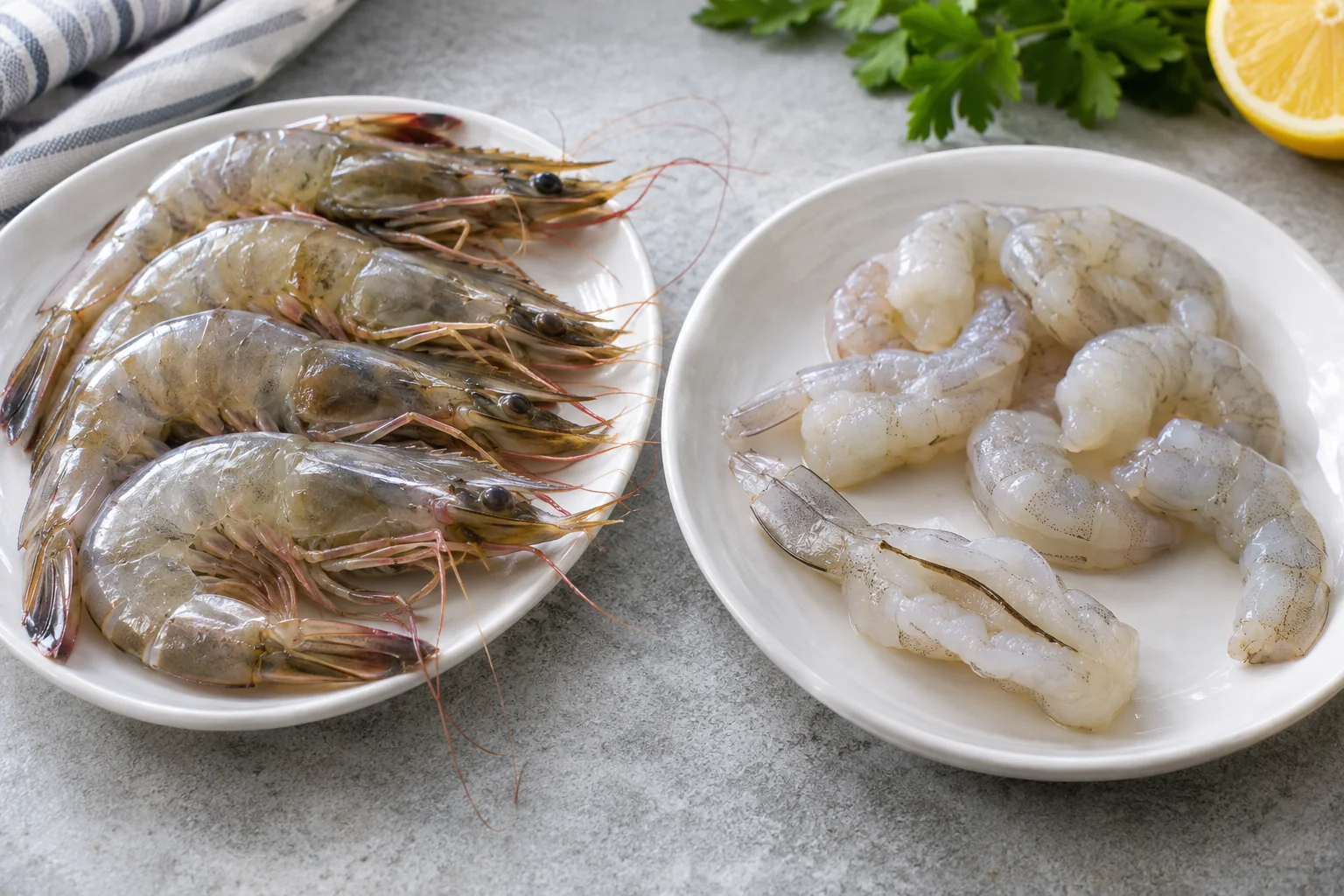
Cooked prawns have already been heated by the producer or seller, but that description alone does not tell you whether a particular product is ready to eat cold, needs reheating or has special handling instructions. Read the label and ask the supplier. Chilled ready-to-eat prawns, frozen cooked prawns, seasoned cooked prawns and a freshly prepared takeaway prawn curry are different products. Do not identify them solely by a pink colour: species and processing affect appearance, and some raw prawns also have reddish tones.
Check whether the prawns are whole, headless, shell-on, peeled, tail-on or fully peeled. Ask separately about deveining. Shell-on cooked prawns create peeling work and scraps at the table; peeled prawns are convenient for a rice dish, sandwich filling or salad when the label permits cold serving. Tail shells can be attractive in a plated starter but inconvenient in food meant to be eaten with a spoon. Choose the form that suits both the dish and the eater.
Keep the product instructions
Keep the packaging until the product has been used so you retain the storage instructions, use-by date and supplier details. If a shop serves unpackaged cooked prawns, ask when they were cooked and how long you should keep them. A vague answer is a reason to choose a clearer source. For uncooked seafood and peeling methods, use the raw-prawn guide.
Finish the base before adding prawns
Cooked prawns are most useful when the other elements of a dish can be prepared first. For a curry, finish cooking the onions, tomatoes and spices and reduce the sauce to the desired consistency before the prawns go in. For rice or noodles, have the base fully cooked and ready for the final combination. This avoids repeatedly heating the prawns while waiting for another ingredient to soften. Follow the product's heating instructions rather than assuming every chilled pack needs only a few seconds.
Long boiling can leave prawn flesh tight and rubbery. Choose a sauce consistency that coats rather than requiring extended reduction after the prawns have been added. If preparing a thick dish, distribute the prawns evenly and check that heating is even. A large cold cluster in the centre of a pan may heat differently from a single layer. Stir gently with a clean utensil, and never return the cooked dish to a plate that held raw seafood.
For a label-approved cold dish, mix only the amount you plan to serve. Washed vegetables, cooked rice and sauces each have their own handling needs; adding cooked prawns does not extend their safe life. Consider the earliest relevant deadline for the combined dish. Keep optional chilli, lemon and herbs on the side if that helps the meal suit different tastes, but do not present acidic dressing as a way to disinfect prawns.
Protein, portions and shellfish allergy
Cooked prawns can contribute protein and useful nutrients to a meal. Species, portion size, added brine and sauce affect the final nutrient profile. Read the ingredients when added salt matters. Deep-fried coatings or a rich creamy sauce change the overall dish, while vegetables and a suitable rice or roti portion can make the meal more varied. Prawns are not a substitute for every oily-fish nutrient, and no seafood dish should be described as a guaranteed health treatment.
Shrimp is on the US FDA/EPA Best Choices list for mercury. For people who are or may become pregnant or are breastfeeding, that guidance generally allows two to three four-ounce servings weekly of varied Best Choices seafood. It is a species-based recommendation and should not be extended to every fish sold alongside prawns. See the FDA/EPA advice for its categories and age-appropriate children's portions. Individual dietary needs can require tailored advice.
Prawns are crustacean shellfish and can cause serious allergic reactions. Peeling, cooking, freezing or adding lemon does not turn them into a safe food for a person with the relevant allergy. Pay attention to shared fryer oil, stock, dressing and utensils as well as visible pieces. Finfish and crustacean shellfish are separate allergen groups, so ask about the actual ingredient rather than saying only seafood. FDA allergy guidance supports reading ingredient information and avoiding known allergens.
Switching between raw and cooked prawns
Raw prawns require cooking; cooked prawns have already been heated and need their own label instructions. They are not a direct timing substitution. Choose a raw product when the recipe requires a long cook with the seafood, or alter the method so cooked prawns are added after the sauce is ready.
Chill, thaw and reheat with care

Buy properly refrigerated or frozen prawns, separated from raw seafood. Reject damaged packaging, expired dates, objectionable odours and obvious warm handling. Transport with cold packs and store promptly at 4°C or colder. Follow use-by and shorter after-opening or thawing directions. Thaw in the refrigerator as labelled, containing drips; countertop thawing is unsuitable. Use clean hands, utensils and plates. Serve cold only when the product is labelled ready to eat and its cold chain has been maintained. Put out small amounts and replenish from the refrigerator. FDA seafood guidance explains separation and chilling.
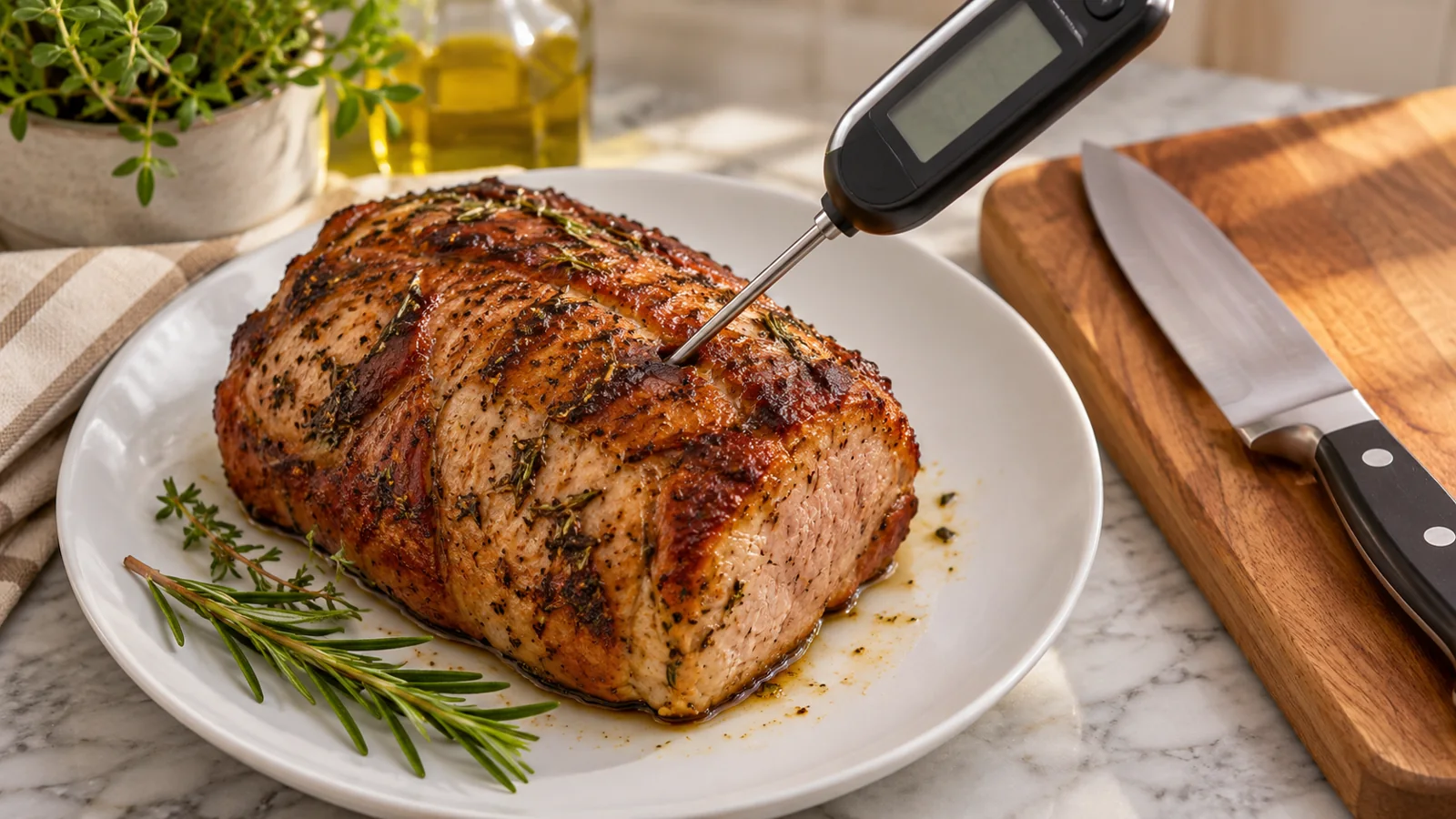
Refrigerate home-cooked leftovers in shallow containers within two hours, or within one hour above 32°C. USDA guidance generally allows three to four refrigerated days, but a shorter product deadline takes priority. Reheat leftovers to 74°C throughout, stirring to avoid cold spots; USDA reheating advice calls for soups and sauces to reach a boil. Heat only the needed portion. Freezing or recooking cannot reset unsafe handling.
Serve manageable quantities
Plan the portion around peeled edible weight. Put out a small serving and replenish from the refrigerator rather than leaving the full batch on the table. Serve shell-on or tail-on prawns only when diners can manage the shells safely, and provide a separate dish for scraps.
Use recipes matched to cooked prawns
Choose a dish that can be assembled after its other ingredients are ready. Follow the label for cold serving or heating, and check the whole completed dish when reheating leftovers. A recipe written for raw prawns needs a method adjustment when using a cooked product.
Related recipes: Sushi Rolls.
Preparation descriptions are separate checks
Cooked prawns may still be whole, shell-on, peeled, tail-on or deveined. Ask about each relevant preparation step separately. Colour alone does not establish cooked or ready-to-eat status. Keep the packaging until the product is used, including its use-by date and after-opening or thawing instructions.
Frequently Asked Questions
Can cooked prawns be simmered as long as raw prawns?
Long simmering can make already cooked prawns firm and rubbery. Finish the other ingredients first, then follow the product’s heating directions. Actual leftovers still need thorough reheating to 74°C throughout rather than a brief warming chosen only for texture.
What should I check before buying cooked prawns for these recipes?
Check whether the product is cooked, partly cooked or ready to eat, and read the use-by date and after-opening or thawing directions. Confirm peeled weight, tails and ingredients such as salt or sulphites where relevant. Reject obvious warm handling or damaged packaging.
What is a practical substitute for cooked prawns?
Raw prawns need an added cooking step and cannot simply be folded into a cold ready-to-eat dish. Fish pieces require a different method and careful bone checks. Choose an ingredient suited to the recipe and tell diners which seafood and allergens the finished dish contains.
Keep Exploring
Related places and stories on DailyLife.pk

How we know this
- Type Explainer
- Sources 6 (4 official/academic)
- Reviewed November 2026
- Disputed points None
