
Ingredients & Spices · The complete guide
Water (Pani)
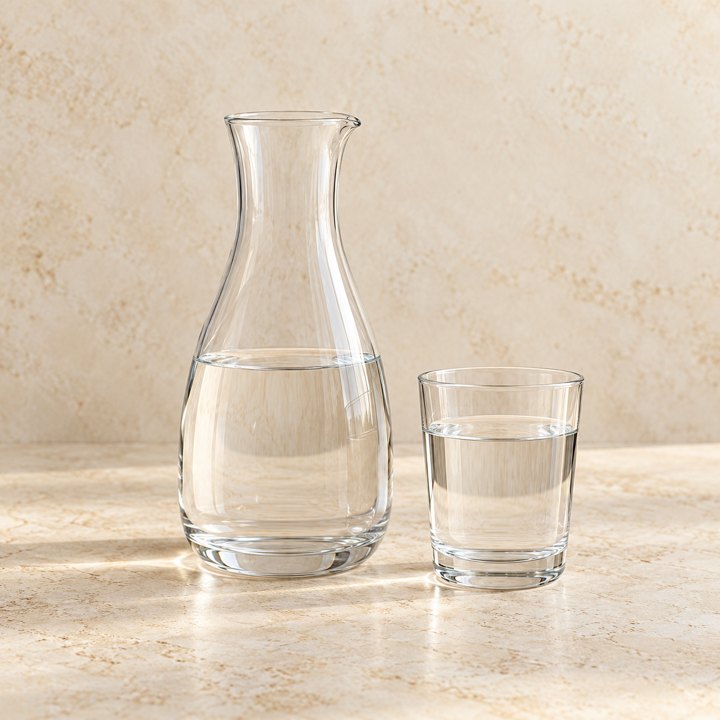
Water, called pani in Pakistan, is the liquid used for drinking, cooking, extraction and dilution. This entry includes potable hot, warm, cold and sparkling water where specified.
What it is and local names
Water, called pani in Pakistan, is the liquid used for drinking, cooking, extraction and dilution. This entry includes potable hot, warm, cold and sparkling water where specified. Water used only outside a food container is different from water that becomes part of the food.
Origins and documented history
Water use in cooking predates written records and has no inventor. Pottery, boiling vessels, municipal treatment and bottled-water systems developed at different times and places. A history of safe water is a history of technologies and public infrastructure rather than one ingredient discovery.
Types and manufacture
Drinking supplies may come from surface water, groundwater, treated municipal systems or packaged sources. Treatment needs depend on the hazard and may involve filtration, disinfection and other processes. Sparkling water has dissolved carbon dioxide; mineral content differs between sources.
Production, trade and Pakistan
Water is supplied and treated locally in Pakistan and every other country, with bottled water also traded. The relevant origin is a particular supply and treatment system. A country name or a clear bottle alone cannot establish purity or safety.
How to use it
Follow measured additions in rice, dal, yakhni and dough. Add hot top-up water when the recipe needs to maintain simmering. Use cold water for a starch slurry to avoid lumps. Plain sparkling water can contribute fizz to drinks and a light effect in some batters.
Nutrition, benefits and limits
It supports hydration and normal body functions without providing energy. Mineral content varies, but ordinary cooking water should not be assumed to replace a varied diet. Excessive forced intake can also be harmful; thirst, climate and individual medical needs differ.
Drawbacks, allergens and precautions
Use potable water, including for ice and uncooked drinks. Clear or cold water can still be contaminated. Boiling addresses many microbes but does not remove every chemical contaminant; follow local advice for a disrupted or suspect supply.
Substitutions and storage
Stock, milk or juice can replace water only when their salt, protein, sugar and flavour fit the recipe. In rice, a salty stock changes seasoning. For drinking or dilution, use another verified safe supply when the usual one is uncertain.
Keep safe water in clean covered food-grade containers. Pour or use a clean dispenser, avoid hand dipping and separate from cleaning water. Do not reuse chemical containers for water storage.
Water quality changes the recipe
Water is both an ingredient and a heat-transfer medium. Its mineral composition can influence tea extraction, scale in a kettle and the way a pulse softens. A strong chlorine smell can affect a delicate drink, while a clear appearance does not demonstrate microbiological safety. Use a known potable supply for drinking, diluting syrups, washing ingredients and any water added after cooking. A household filter has a specific function; a filter intended for taste is not automatically a treatment for every microbial or chemical contaminant.
Measuring temperature and dilution
A recipe that specifies boiling, warm or ice-cold water is asking for a different physical result. Boiling water begins cooking or extraction immediately. Warm water supports a controlled dough process, while ice-cold water slows warming in pastry or blended drinks. Added ice eventually becomes part of the liquid balance, so record both the water and ice if a drink must be repeatable. For rice and pulses, pan width, evaporation and whether the food is covered all change how much water remains at the end.
Handling and storage
Keep drinking-water containers covered and clean, and pour or use a clean dedicated dispenser rather than dipping hands into the supply. Separate water used to cool food from water intended to be consumed. Do not assume that freezing makes unsafe water safe; some microorganisms survive frozen conditions. Boiling can address many microbial hazards but does not remove all dissolved chemicals. Follow local drinking-water advice when a supply is disrupted, and use a trusted alternative supply where the relevant hazard requires one.
Matching supply to the task
A drink served without further heating needs safe water at the point of use, including the water used to rinse its container. For frozen desserts, any unsafe water added as ice remains part of the food when it melts. For a soup or stew, measure the initial addition and add small top-ups as needed rather than flooding a nearly finished dish. A salty stock does not replace plain water without also changing seasoning. If a recipe specifies sparkling water, the dissolved carbon dioxide can be part of its texture, so flat water may give a different result.
Recipes and the Pakistani pantry
Use this ingredient in Haleem, Lassi, Chana Masala, Jalebi, Kashmiri Chai, Chana Puri, Dumba Karahi, Chicken Biryani, Chana Daal, Aloo Paratha, Daal Chawal, Aloo Biryani, Beef Pulao, Bombay Biryani, Chana Pulao, Daal Moong, Fish Biryani, Beef Karahi, Bong Nihari, Dahi Bhallay, Aloo Tamatar, Butter Chicken, Chicken Cholay, Chicken Handi, Daal Fry, Charsi Karahi, Beef Yakhni, Makhani Lassi, Aloo Beans, Aloo Baingan, Aloo Gobi, Aloo Gosht, Aloo Palak, Aloo Shimla Mirch, Aloo Matar, Aloo Methi, Arvi Masala, Bharwan Tinda, Bharwan Karela, Black Pepper Chicken Karahi, Chicken Chargha, Chicken Ginger, Chicken Pulao, Chicken Shami Kebab, Chicken Steam Roast, Chicken Sajji, Daal Mash, Daalcha, Dal Pakwan, Gol Gappay, Gurr Walay Chawal, Kachnar Sabzi, Kabuli Pulao, Kachori Nashta, Kadhi Pakora, Karachi Biryani, Khatti Daal, Lahori Chargha, Lahori Cholay, Lemon Rice, Malai Boti Biryani, Malpura, Masala Rice, Mash Fry, Modur Pulao, Murgh Musallam, Mutanjan, Nalli Biryani, Moong Masoor Mix, Peshawari Pulao, Plain Basmati Rice, Rajma Curry, Samosa, Sindhi Biryani, Sindhi Kadhi, Siri Paye, Tikka Biryani, Tinda Masala, Tori Sabzi, Tahri, Vegetable Biryani, Vegetable Kofta, Vegetable Pulao, White Chicken Handi, White Chicken Karahi, Zarda, Zeera Rice, Beef Paye, Mutton Rosh, Dum Pukht, Kunna Gosht, Mutton Qorma, Namkeen Gosht, Fish And Chips, Doodh Soda, Lemon Soda, Tabbouleh. Explore related ingredients in the Pakistani ingredients and spices pantry.
Names and forms used in our recipes
View the recipe names covered by this guide
- boiling water
- boiling water only to replace missing measured broth
- boiling water top-up if necessary
- boiling water, only if broth is short
- chilled drinking water
- chilled soda water or cold water
- clean water for jaggery syrup
- cold potable water
- cold slurry water
- cold water
- cooking water for drained soaked rice
- cool water for flour slurry
- drinking water
- extra boiling water if stock short
- fresh cooking water
- fresh simmering water
- fresh water
- fresh water for boiling
- fresh water for gravy
- fresh water for initial simmer
- fresh water for lentils and goat
- fresh water for simmering
- fresh water for vigorous boiling and simmering
- freshly boiled water
- hot drinking water
- hot drinking water for covered simmer
- hot drinking water, initial measured amount
- hot water
- hot water added for final rice cooking
- hot water as needed
- hot water as needed, maximum listed amount
- hot water for absorption cooking
- hot water for covered simmer
- hot water for meat simmer
- hot water for rice
- hot water for rice and vegetables
- hot water for rice cooking
- hot water for simmer
- hot water for simmering
- hot water for slow shank simmer
- hot water if necessary
- hot water to extract tamarind
- hot water, initial measured amount
- hot water, maximum
- hot water, only if pan dries
- hot water, total measured addition
- ice-cold water
- initial hot water
- lukewarm water
- measured hot water
- optional warm dum moisture
- plain cold soda water
- plain soda water
- potable cold water
- potable water
- rice cooking water for absorption
- rice-boiling water
- room-temperature water
- sparkling water
- warm drinking water
- warm water
- warm water for colouring
- warm water for dum
- warm water to soften potatoes in masala
- water
- water added gradually
- water added to masala
- water below steamer basket
- water beneath roasting rack
- water for blanching
- water for blending and gravy
- water for boiling and draining rice
- water for boiling rice
- water for chicken masala
- water for covered absorption method
- water for covered cooking
- water for covered finishing
- water for covered steam-cooking
- water for dal
- water for dal simmer
- water for emergency splashes only
- water for firm dough
- water for gravy
- water for initial covered cooking
- water for initial covered simmer
- water for kadhi
- water for lamb broth
- water for long simmer
- water for meat masala
- water for meat yakhni
- water for mixed dal
- water for mutton simmer
- water for pakora batter
- water for parboiling rice
- water for pot
- water for rice boiling
- water for roasting tray
- water for simmering
- water for steam cooking potatoes
- water for steamer reservoir
- water for stock
- water for syrup
- water for thick masala
- water for vegetable masala
- water if masala catches
- water in a small bowl, for sealing
- water to blend almonds
- water to boil rice
- water to dilute food colour
- water to loosen masala
- water to parboil rice
- water to prevent sticking
- water total
- water used to make yakhni
- water, divided for simmering
- water, only if needed
- water, preferably hot
Frequently Asked Questions
What should I check when buying water?
Choose a verified potable supply. A clear appearance, a country name or a taste-filter label alone does not establish all aspects of safety.
What can replace water in a recipe?
Stock, milk or juice can replace water only when their salt, protein, sugar and flavour fit the recipe. In rice, a salty stock changes seasoning.
How should water be stored?
Keep safe water in clean covered food-grade containers. Pour or use a clean dispenser, avoid hand dipping and separate from cleaning water.
Keep Exploring
Related places and stories on DailyLife.pk

How we know this
- Type Explainer
- Sources 2 (2 official/academic)
- Reviewed November 2026
- Disputed points None
