Arvi Masala
اروی مصالحہ
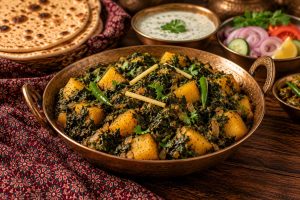
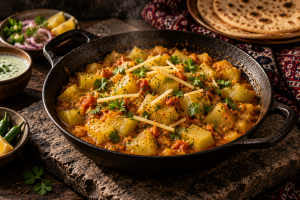
Tender taro slices in a tangy onion-spice masala
Fully cooked edible taro root coated in a dry-style, tangy Pakistani onion-spice masala.

One tablespoon = 15 ml; one teaspoon = 5 ml.
About Arvi Masala
Fully cooked edible taro root coated in a dry-style, tangy Pakistani onion-spice masala.
Personally cooked and tested by Zohair Fakhar for DailyLife.pk. Cooking times can vary with your stove, cookware and batch size; follow the texture and doneness cues in the method.
Make it work for your kitchen
Also known as arvi masala.
Original quantities serve 4. Cooking times, pan size and frying-oil depth do not scale, cook in extra batches instead.
Before you start
Before you start
Measure and sequence Prepare vegetables and spices, then arrange the pan. Soak or pre-boil longer-cooking ingredients first as specified. No heat Within prep
Set up the equipment
Have the following tools ready before starting: Wide heavy-bottomed lidded frying pan or saucepan; Knife, chopping board, spatula, measuring scale and spoons.
Clean workspaceMeasure the ingredients
Measure the ingredient quantities for your selected servings before applying heat. Keep separately listed groups, such as dough, filling, sauce or garnish, in separate containers; keep any optional additions separate.
Use the ingredient list aboveCheck allergens and substitutions
Check ingredient labels and any substitutions against these notes: No major allergens intentionally added; verify spice mixes and cross-contact
Before cooking
Step-by-step cooking method
1 Clean and identify edible arvi
Buy edible taro from a reliable food seller; do not forage similar-looking plants. Scrub 850 g whole roots under running water. Keep skins on for initial boiling and wear gloves if skin is sensitive.
2 Boil thoroughly before handling
Cover whole roots with up to 2000 ml water in a saucepan. Do not taste raw or undercooked taro. Drain and discard the cooking water.
3 Cool, peel and cut
Cool enough to handle, peel the cooked roots and slice into thick rounds. Weigh edible cooked yield for the future nutrition calculation. Do not cook further if the roots are still hard at the centre; return them to boiling water first.
4 Start the spice pan
Heat 40 g oil in a wide pan over medium.
5 Start the spice pan (continued)
Toast 4 g cumin and 2 g ajwain 20–30 seconds, then add 170 g sliced onion and cook 6–8 minutes to pale gold. Stir in 18 g ginger-garlic paste for 45 seconds.
6 Reduce the masala
Add 140 g tomato, 2 g turmeric, 7 g coriander, optional 3 g chilli and 6 g salt. Cook 5–7 minutes uncovered until moisture reduces.
7 Coat and finish the cooked taro
Gently fold in cooked taro slices.
8 Coat and finish the cooked taro (continued)
Fry 5–7 minutes, turning with a spatula so surfaces become lightly golden. Sprinkle 5 g amchur and optional 12 g coriander; serve only when every piece is thoroughly cooked and soft inside.
Chef’s tips
- Cook genuine edible taro all the way through before pan-frying, then cool before slicing so the rounds remain intact. Acidic seasoning is for flavour, not a substitute for safe cooking.
- Use a wide pan and check texture rather than treating times as a guarantee.
Common mistakes & quick fixes
- Acrid or irritating taro
- Never serve raw/undercooked taro; only use verified edible roots and cook completely.
- Slimy broken pieces
- Boil whole, cool before peeling, and turn gently.
- Wet masala
- Reduce tomatoes before adding cooked taro.
Variations & serving ideas
Variation: Adjust chilli to taste.
Variation: Serve with roti or rice; accompaniments excluded from nutrition.
Perfect result check
| Check | Fully softened edible taro, lightly golden surfaces and a masala that coats the slices without a pool of liquid. Check tenderness with a knife, never by tasting raw taro. |
|---|
Storage & reheating
| Cooling | Refrigerate promptly | Transfer to shallow containers promptly and refrigerate within 2 hours (1 hour if ambient temperature exceeds 32°C). |
|---|---|---|
| Fridge | 3–4 days | Keep at 4°C or below and use within 3–4 days. For longer keeping, freeze promptly cooled portions in sealed containers; thaw in the fridge. The taro may soften after freezing. |
| Reheating | Reheat the portion needed until the centre reaches 74°C/165°F, checking with a food thermometer. Turn the slices gently over moderate heat and add a small splash of water if the masala catches. |
Know when to change the heat
| Stage | Heat | What to look for |
|---|---|---|
| Onion and spice base | Medium heat | Onions turn pale gold; stir the seeds and paste so they do not scorch. Reduce the tomatoes before adding cooked taro. |
| Finish the cooked taro | Medium-low, uncovered | Turn gently until the surfaces are lightly golden and coated in a dry masala. The centres must already be thoroughly cooked. |
Helpful answers before you cook
How do I know it is ready?
Check the edible taro with a knife before pan-frying: the centre should be soft all the way through, with no hard core. The final pan stage adds colour and a coating of masala. Do not taste raw taro to judge doneness; buy edible roots from a reliable food seller and never substitute foraged taro-like plants.
Why boil the arvi before frying it?
This method separates thorough cooking from browning. Boil the edible roots first and discard the water, then let them cool enough to handle before peeling and slicing. Frying the cooked slices in the reduced masala gives lightly golden surfaces without relying on the short finishing stage to cook a hard centre.
How do I keep the arvi slices from breaking?
Let the boiled roots cool enough to handle before cutting thick rounds. Reduce the onion-tomato masala before adding them, then use a wide spatula to lift and turn rather than stirring vigorously. Work in batches if the pan is crowded; very soft roots will break more readily.
Can I make it ahead?
You can prepare it ahead, but the freshly finished slices have the best surface texture. Divide leftovers into shallow containers and refrigerate promptly. Reheat gently in a pan, turning carefully; a small splash of water can loosen a dry masala, though the browned edges will soften. Follow the storage guidance below.