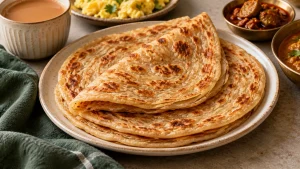
Mash Fry
ماش فرائی
Gentle stovetop simmer, then wide-pan masala frying; recommended. No validated pressure-cooker time.
Pakistani dhaba-inspired split white urad dal cooked until tender but discrete, then tossed in a concentrated onion-tomato masala. Unlike the softly simmered Daal Mash, this proposed version is deliberately reduced and briefly fried after cooking

Total includes 20 min of passive time described in the preparation and method. One tablespoon = 15 ml; one teaspoon = 5 ml.
About Mash Fry
Pakistani dhaba-inspired split white urad dal cooked until tender but discrete, then tossed in a concentrated onion-tomato masala. Unlike the softly simmered Daal Mash, this proposed version is deliberately reduced and briefly fried after cooking
Personally cooked and tested by Zohair Fakhar for DailyLife.pk. Cooking times can vary with your stove, cookware and batch size; follow the texture and doneness cues in the method.
Make it work for your kitchen
Also known as Fried Mash Daal, Maash Fry, Dry Mash Dal Fry.
Original quantities serve 4. Cooking times, pan size and frying-oil depth do not scale, cook in extra batches instead.
Before you start
Before you start
Wash and soak dal Rinse 280 g dry white split urad and soak covered for 20 minutes. Drain; prepare onions and tomatoes during soaking. None 20 min passive Organize the tempering Measure all spices and keep garlic, ginger and finishing herbs separate so they are not scorched. None 5 min overlapping
Set up the equipment
Have the following tools ready before starting: Lidded heavy saucepan; Wide heavy frying pan; Colander and wooden spatula.
Clean workspaceMeasure the ingredients
Measure the ingredient quantities for your selected servings before applying heat. Keep separately listed groups, such as dough, filling, sauce or garnish, in separate containers; keep any optional additions separate.
Use the ingredient list aboveCheck allergens and substitutions
Check ingredient labels and any substitutions against these notes: No major named allergens in base; check spices and cross-contact
Before cooking
Step-by-step cooking method
1 Simmer dal until just tender
Bring soaked, drained 280 g dal to a boil with 620 ml fresh water and 2 g turmeric.
2 Simmer dal until just tender (continued)
Skim froth and lower to a gentle partly covered simmer for 18–25 minutes. Stir occasionally; grains should crush between fingers but largely hold shape.
3 Drain or reserve liquor
If dal is wet, reserve excess cooking water in a cup. Do not rinse cooked dal. Stir in 6 g salt.
4 Brown onion and bloom cumin
Heat 35 g oil in wide pan over medium. Add 4 g cumin for 15 seconds, then 140 g onions for 5–7 minutes to golden edges, stirring.
5 Concentrate tomato masala
Add 14 g garlic, half of 20 g ginger, 170 g tomato, 4 g ground coriander and optional 2 g red chilli.
6 Concentrate tomato masala (continued)
Cook 6–8 minutes with regular stirring until tomatoes collapse and oil glistens at the edges; use a spoon of reserved liquid if catching.
7 Fry cooked dal gently
Add cooked dal, fold carefully through masala, and cook uncovered over medium-low for 4–6 minutes until clinging rather than soupy. Add reserved liquid one spoon at a time if excessively dry; avoid crushing grains.
8 Finish and serve
Scatter the remaining ginger and optional 12 g green chilli and 15 g coriander; rest off heat 2 minutes and serve hot with roti.
Chef’s tips
- Wide pan is essential for evaporating water without prolonged stirring.
- Do not add dry urad directly to a hot pan; simmer first.
- Reserve dal liquid for texture adjustment.
Common mistakes & quick fixes
- Dal turns to paste
- Reduce initial simmer and toss rather than stir vigorously.
- Burnt masala
- Keep medium-low and loosen with reserved cooking liquid.
- Still firm dal
- Return to covered gentle simmer with hot liquid before frying.
Variations & serving ideas
Ghee finish: Use measured ghee instead of oil and recalculate nutrients.
Spicy dhaba finish: Increase green chilli to preference but add gradually.
Serve with: Warm plain roti and salad separately
Perfect result check
| Check | Dal is tender through the centre, with most grains identifiable and coated in masala rather than raw or pasty. |
|---|---|
| Check | Divide the finished batch evenly between the selected number of people; this is a relatively dry dal served with separate accompaniments. |
Storage & reheating
| Cooling | Cooling Cool perishable leftovers promptly in shallow covered containers; refrigerate within 2 hours (1 hour above 32°C). | |
|---|---|---|
| Fridge | 3–4 days | Storage Refrigerate promptly in shallow containers at 4°C or below, use within 3–4 days; freeze if longer. Reheat thoroughly to 74°C, adding a splash of water to avoid scorching. |
| Reheating | Reheating Reheat perishable cooked leftovers to 74°C (165°F) throughout; fresh service is preferred for texture. |
Know when to change the heat
| Stage | Heat | What to look for |
|---|---|---|
| Simmer dal until just tender | High then low heat | Grains become tender enough to crush against a spoon while mostly holding shape. |
| Drain or reserve liquor | No heat | Reserve excess cooking liquid for adjustment; the cooked dal is not rinsed. |
| Brown onion and bloom cumin | Medium heat | Cumin smells fragrant and onion edges turn golden without blackening. |
| Concentrate tomato masala | Medium-low heat | Tomatoes collapse to a concentrated masala; stir more often as the pan dries. |
| Fry cooked dal gently | Medium-low heat | Masala clings to the dal without a soupy pool. Fold gently so most grains remain intact. |
| Finish and serve | No heat | Fresh ginger and optional herbs finish the dish off heat; allow the brief rest before serving. |
Helpful answers before you cook
Is Mash Fry the same as Daal Mash?
Names can overlap between households. This version uses split skinned white urad and finishes it relatively dry in a tomato-onion masala, with most grains still identifiable. Follow the specific ingredient list and method rather than assuming every dish with a similar name cooks the same way.
Can I use whole urad?
No, whole urad needs a different soak and simmer procedure.
How do I keep the dal from turning into a paste?
Check the simmering grains near the end and stop once they are tender but mostly hold shape. Reserve excess cooking liquid rather than rinsing the cooked dal. Fold gently into the masala and use only small additions of reserved liquid during the uncovered finish.
Why is the finished dal too dry?
Split urad absorbs liquid as it stands. Add reserved cooking liquid a spoonful at a time while folding through the masala, stopping at a clinging rather than soupy texture. Keep the heat moderate so the base does not scorch.