Tahri
تہری
Stovetop covered absorption cooking
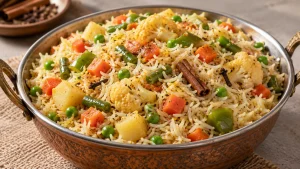
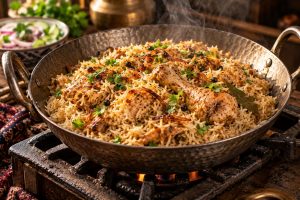
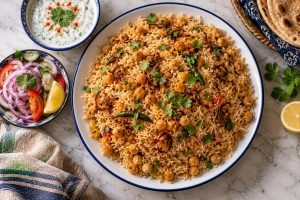
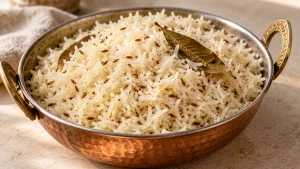
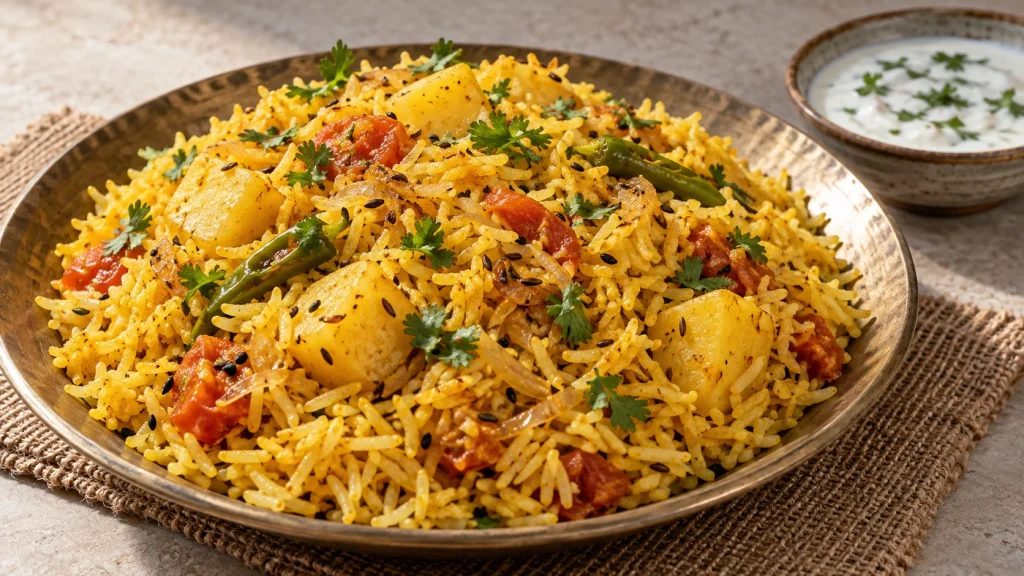
Pakistani household tahri (also spelled tehri or taheri) is turmeric-yellow spiced rice with potatoes, often served with yogurt or chutney. This version uses potato and tomato and is not a layered biryani.
Excludes 30 min soaking, 10 min resting. One tablespoon = 15 ml; one teaspoon = 5 ml.
About Tahri
Pakistani household tahri (also spelled tehri or taheri) is turmeric-yellow spiced rice with potatoes, often served with yogurt or chutney. This version uses potato and tomato and is not a layered biryani.
Personally cooked and tested by Zohair Fakhar for DailyLife.pk. Cooking times can vary with your stove, cookware and batch size; follow the texture and doneness cues in the method.
Make it work for your kitchen
Also known as Taheri, Tehri, Aloo Tahri, Yellow Potato Rice.
Original quantities serve 4. Cooking times, pan size and frying-oil depth do not scale, cook in extra batches instead.
Before you start
Before you start
Wash and soak the basmati while peeling and cutting potatoes. Cut potatoes evenly so they become tender before rice finishes; prepare the onion-tomato base in the cooking pot.
Set up the equipment
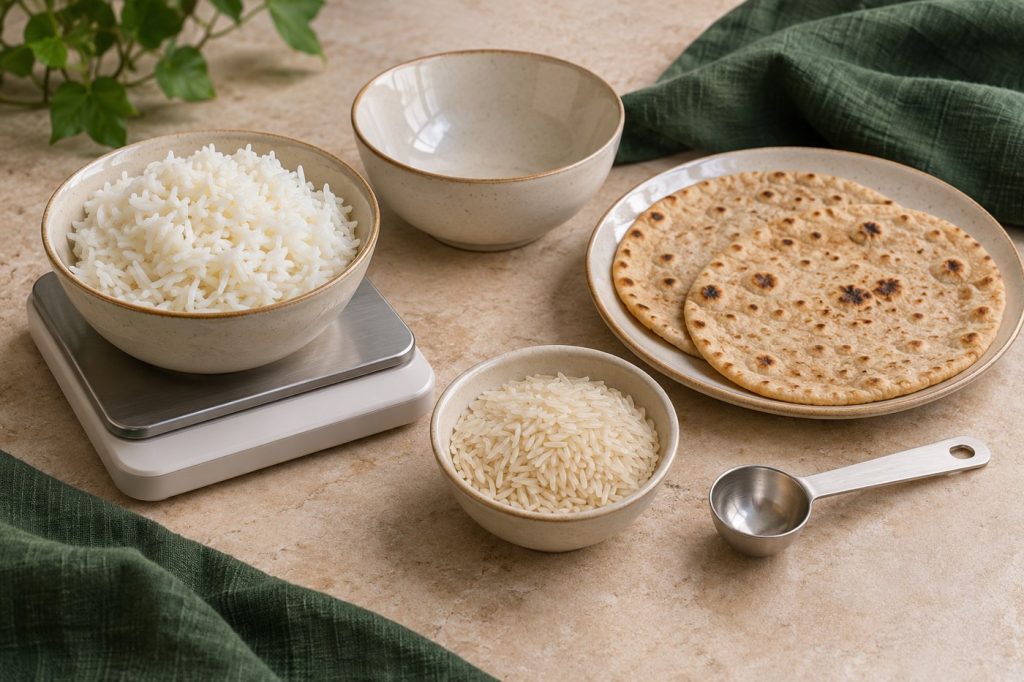
Have the following tools ready before starting: Heavy, tight-lidded pot with thick base; Measuring jug and kitchen scale; Sieve and broad fork; Small frying pan for separate garnish if applicable.
Clean workspaceMeasure the ingredients
Measure the ingredient quantities for your selected servings before applying heat. Keep separately listed groups, such as dough, filling, sauce or garnish, in separate containers; keep any optional additions separate.
Use the ingredient list aboveCheck allergens and substitutions
Check ingredient labels and any substitutions against these notes: No major allergens in core ingredients; check any packaged spice cross-contact.
Before cooking
Step-by-step cooking method
1 Prepare rice and potato
Rinse aged basmati rice, dry basmati and soak 25–30 minutes. Peel and cut peeled potatoes, cut in 2.5 cm pieces potatoes into even chunks; keep in water briefly if needed, then drain before sautéing.
2 Build onion base
Heat neutral oil oil over medium heat, fry thinly sliced onions onion about 7–9 minutes until light golden. Add cumin seeds cumin and optional nigella seeds (kalonji) nigella; stir about 30 seconds.
3 Cook tomato masala
Add ginger-garlic paste ginger-garlic paste for 30–45 seconds. Stir in chopped ripe tomatoes tomato, ground turmeric turmeric, red chilli powder chilli powder and fine salt salt; cook 5–7 minutes until tomato softens and oil glistens at the edges.
4 Partially tenderise potatoes
Add drained peeled potatoes, cut in 2.5 cm pieces potatoes and optional slit green chilli chilli; turn through masala for 2 minutes, add a small splash taken from the measured hot water added for final rice cooking total and cover 6–9 minutes until the pieces are nearly tender but still hold shape.
5 Partially tenderise potatoes (continued)
Do not count the splash as extra liquid.
6 Add rice and remaining water
Drain aged basmati rice, dry rice, fold into potatoes gently, add the remainder of the measured hot water added for final rice cooking water and bring to a steady simmer. Level surface without excessive stirring.
7 Cover and steam
Once liquid is near rice level, cover tightly and turn heat to lowest. Cook 10–13 minutes until the rice has no hard centre and potatoes are tender. Check for scorching rather than repeatedly opening the lid.
8 Rest and garnish
Rest off heat with lid closed for 10 minutes, then gently fluff around potatoes. Scatter optional chopped fresh coriander fresh coriander and serve warm.
Chef’s tips
- For a drier tahri, cook the tomato base until concentrated before adding rice.
- Use even potato pieces and test near-tenderness before the rice stage.
- Serve with raita or coriander chutney, counted separately from nutrition.
Common mistakes & quick fixes
- Potatoes stay hard
- Pre-cook chunks in masala until almost tender before the rice stage.
- Rice is overly wet
- Reduce tomato base and verify measured water for your rice and pot.
- Turmeric tastes harsh
- Briefly cook spice in moist tomato masala rather than leaving raw powder.
Variations & serving ideas
Variation: Omit green chilli for mild family-style tahri.
Variation: Some Pakistani versions add peas
Perfect result check
| Check | Golden turmeric-tinted separate rice |
|---|---|
| Check | Soft but intact potato pieces |
| Check | Fragrant balanced spicing without raw tomato taste |
Storage & reheating
| Cooling | Serve promptly. To keep cooked rice, cool in shallow portions as quickly as possible, ideally within one hour, and refrigerate promptly at 0–5°C. | |
|---|---|---|
| Fridge | Within 24 hours | Follow conservative Food Standards Scotland guidance: use refrigerated cooked rice within 24 hours; reheat once until steaming hot throughout. |
| Freezer | Freeze promptly in small portions if storing longer; thaw in the fridge and reheat once. Never leave cooked rice at room temperature overnight. |
Know when to change the heat
| Stage | Heat | What to look for |
|---|---|---|
| Rice returns to a simmer | Medium-high heat | Add drained rice and the remaining measured water, bring to steady bubbling and level gently without repeated stirring. |
| Covered rice and potato finish | Very low, then off | Steam covered until grains have no hard centre and potatoes are tender. Rest off heat before fluffing around the potato pieces. |
Helpful answers before you cook
Can I skip the rice soak?
The provisional quantities and covered times assume washed, soaked and drained basmati; skipping soaking changes liquid and timing.
Why are the potatoes still hard when the rice is done?
Cut potato pieces evenly and let them become nearly tender before adding the rice. The covered rice stage is short, so it should not be expected to finish large, raw potato chunks.
Is the water used for potatoes extra to the rice water?
No. Take the initial small splash from the listed final-cooking water, then add the remainder with the rice. Do not pour the full total again. Tomato moisture and pan evaporation still affect the finish.
How does serving scaling work?
Ingredient quantities can scale 2/4/8, but rice water, pot size, oil retention and cooking times require practical verification rather than linear scaling.