Beef Pulao
بیف پلاؤ
Basmati rice cooked in measured beef yakhni
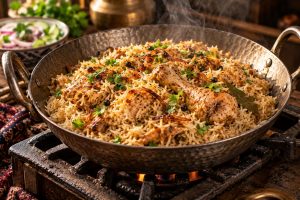
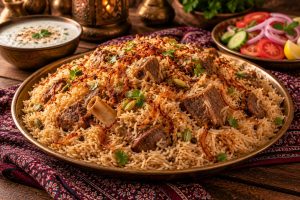
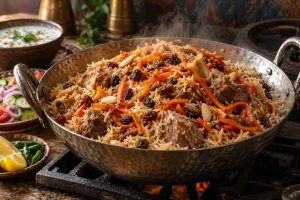
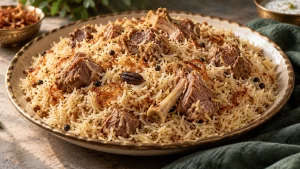
Pakistani beef pulao cooked with a deeply flavoured beef yakhni, golden onions and whole spices. A hearty, gently spiced rice dish.

Excludes 30 min soaking, 10 min resting. One tablespoon = 15 ml; one teaspoon = 5 ml.
About Beef Pulao
Pakistani beef pulao cooked with a deeply flavoured beef yakhni, golden onions and whole spices. A hearty, gently spiced rice dish.
Personally cooked and tested by Zohair Fakhar for DailyLife.pk. Cooking times can vary with your stove, cookware and batch size; follow the texture and doneness cues in the method.
Make it work for your kitchen
Also known as beef pilau, beef yakhni pulao.
Original quantities serve 4. Cooking times, pan size and frying-oil depth do not scale, cook in extra batches instead.
Before you start
Before you start
Prepare spices and meat Rinse basmati until runoff is much clearer; soak 30 minutes while stock cooks. Portion meat, slice onions, make a loose spice potli and measure water. Keep uncooked meat chilled until heating. No heat 20–30 minutes, overlapping stock
Set up the equipment
Have the following tools ready before starting: Heavy 5–6 L lidded pot and saucepan; Fine sieve and muslin spice potli (or a fine tea infuser); Kitchen scale and measuring jug; Food thermometer; slotted spoon; Wide shallow dish for cooling rice.
Clean workspaceMeasure the ingredients
Measure the ingredient quantities for your selected servings before applying heat. Keep separately listed groups, such as dough, filling, sauce or garnish, in separate containers; keep any optional additions separate.
Use the ingredient list aboveCheck allergens and substitutions
Check ingredient labels and any substitutions against these notes: None of the major allergens in core ingredients; check packaged spice contamination
Before cooking
Step-by-step cooking method
1 Set up the stock pot
Put beef shank or stewing beef with bones meat, water used to make yakhni water, onion, quartered onion, ginger, sliced ginger, garlic cloves garlic, and fine salt salt into a saucepan.
2 Set up the stock pot (continued)
Tie coriander seeds coriander, fennel seeds fennel, whole black pepper peppercorns, black cardamom pods black cardamom, green cardamom pods green cardamom, cloves cloves, cinnamon stick cinnamon and bay leaf bay leaf in a loose muslin potli; submerge it. Bring to a boil, then skim foam and reduce to a gentle simmer.
3 Simmer until the meat is tender
Cook partially covered at a quiet simmer for approximately 85–125 minutes; turn meat periodically and add small amounts of hot water if needed to prevent drying. Meat should yield to a fork without resistance. Verify doneness independently of elapsed time; Remove small bone fragments and keep meat in broth until fork-tender.
4 Separate meat and measure the broth
Lift out tender meat and remove the potli. Strain stock; skim floating fat if preferred. Measure strained yakhni measured for rice stock for the rice. If there is less, supplement with boiling water, only if broth is short boiling water (base quantity zero, actual amount varies) to the same final amount; if much more, reserve it separately. Do not add the original full stock water again.
5 Soak the rice and brown onions
Rinse and soak aged basmati rice, dry rice for 30 minutes while stock simmers, then drain. Heat neutral cooking oil oil in a wide heavy pot; brown onion, thinly sliced sliced onion over medium heat until golden, 10–15 minutes, stirring often. Add cumin seeds cumin for the final 30 seconds.
6 Coat meat and start the rice
Gently turn the cooked meat through golden onions for 2–3 minutes. Add drained rice, strained yakhni measured for rice of the strained stock, and optional green chillies, slit slit chillies. This is a measured transfer, not extra stock. Taste the cooking liquid for seasoning. Bring to a brisk simmer without breaking the rice.
7 Steam rice on low heat
Let the liquid fall to just below rice level, then cover tightly and reduce to the lowest heat, preferably over a diffuser. Steam 10–15 minutes. If rice remains firm and dry, sprinkle hot water a tablespoon at a time rather than using a universal rice ratio. Avoid stirring the pot.
8 Rest, check and serve
Turn off heat and rest covered 10 minutes. Check no hard rice core remains, fluff gently from the edge, inspect for stray bone pieces and serve with raita and sliced salad (not included in nutrition).
Chef’s tips
- A loose muslin potli removes small whole spices cleanly before serving.
- Use a thick-bottomed pot and low heat after the rice absorbs most stock.
- Keep the stock simmer gentle so meat softens without losing too much liquid.
Common mistakes & quick fixes
- Meat is tough when rice is ready
- Cook and test meat until tender before introducing rice; do not rely on a fixed duration.
- Rice turns sticky
- Drain soaked rice well, measure strained stock, avoid unnecessary stirring and test grains near the end.
- Rice scorches before tender
- Use low heat, heavy pot and small additions of hot water only when genuinely dry.
Variations & serving ideas
Variation: For a gentler pulao, omit green chillies; add heat at the table.
Variation: Use a different type of meat only after adjusting stock-tenderizing duration and checking recipe identity.
Variation: Serve with separate cucumber raita and kachumber
Perfect result check
| Check | Meat is fork-tender and fully cooked, with no unsafe bone fragments. |
|---|---|
| Check | Basmati grains are tender with no firm centre and remain reasonably distinct. |
| Check | Pot has no standing broth; spices smell fragrant, not charred. |
Storage & reheating
| Cooling | Chill quickly, ideally within 1 hour | Divide into small shallow portions and chill quickly, ideally within 1 hour. Refrigerate promptly at 4°C or below; do not leave the pulao cooling in the cooking pot. |
|---|---|---|
| Fridge | Use within 24 hours | Use refrigerated cooked rice within 24 hours. Reheat only once, until steaming hot throughout and the centre reaches 74°C/165°F, checking with a food thermometer. Eat immediately. |
| Freezer | Cool small portions quickly and freeze promptly, ideally within 1 hour of cooking. Thaw in the fridge before reheating once. Reheating does not make rice safe after poor storage. |
Know when to change the heat
| Stage | Heat | What to look for |
|---|---|---|
| Make the yakhni | Low, gentle simmer | The stock bubbles quietly rather than boiling hard; keep enough liquid in the pot until the beef yields easily to a fork. |
| Covered rice cooking | Brisk simmer, then lowest heat | Once liquid falls below rice level, cover tightly and lower the heat. Avoid stirring; rest covered after cooking before lifting the grains. |
Helpful answers before you cook
What makes this pulao different from biryani?
Here the rice absorbs a measured beef yakhni together with the cooked meat and browned onions. A pakki biryani instead layers separately parboiled rice with a cooked meat masala before dum. Keep the pulao stock measurement distinct from the water originally used to make the yakhni.
Why measure strained stock?
The starting water changes as the stock simmers, and some stays with the solids. Strain the cooked yakhni, then measure the amount listed for cooking the rice. That is a transfer from the prepared stock, not an extra ingredient to pour on top of it. Reserve any excess stock separately and top up a short measure only to the required amount.
Why is the beef cooked before adding the rice?
The beef needs a much longer simmer than soaked basmati rice. Cook the meat until fork-tender first, strain and measure the broth, then start the rice stage. Adding rice while the meat is still tough can leave overcooked rice before the beef is ready.
What if the rice is firm after dum?
Check whether there is still moisture in the pot. If the rice is dry and firm, sprinkle a little hot water over it, cover tightly and continue briefly over very low heat. Avoid stirring or adding a large unmeasured pour. Rest covered before checking again; extra water cannot restore rice that is already mushy.