Aloo Gosht
آلو گوشت
Stovetop meat curry; potatoes added later
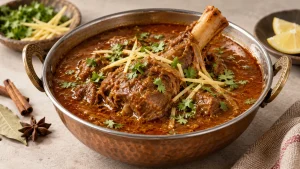
A homestyle Pakistani meat-and-potato salan with tender goat pieces, soft potatoes and a savoury onion-tomato shorba. Household variations may use lamb, beef, yogurt or a drier gravy.

One tablespoon = 15 ml; one teaspoon = 5 ml.
About Aloo Gosht
A homestyle Pakistani meat-and-potato salan with tender goat pieces, soft potatoes and a savoury onion-tomato shorba. Household variations may use lamb, beef, yogurt or a drier gravy.
Personally cooked and tested by Zohair Fakhar for DailyLife.pk. Cooking times can vary with your stove, cookware and batch size; follow the texture and doneness cues in the method.
Make it work for your kitchen
Original quantities serve 6. Cooking times, pan size and frying-oil depth do not scale, cook in extra batches instead.
Before you start
Before you start
Weigh ingredients; obtain meat/trotters from a reputable butcher; keep chilled; separate raw meat tools from ready-to-eat garnishes. Prepare aromatic ingredients and an adequately sized pot.
Set up the equipment
Have the following tools ready before starting: Kitchen scale and measuring spoons; Large heavy-bottomed covered pot; Separate raw-meat utensils and cutting board; Food thermometer; Fine ladle and shallow storage containers.
Clean workspaceMeasure the ingredients
Measure the ingredient quantities for your selected servings before applying heat. Keep separately listed groups, such as dough, filling, sauce or garnish, in separate containers; keep any optional additions separate.
Use the ingredient list aboveCheck allergens and substitutions
Check ingredient labels and any substitutions against these notes: No major declared allergens in base ingredients; verify packaged spices and cross-contact
Before cooking
Step-by-step cooking method
1 Prepare the meat and potatoes
Pat goat shoulder pieces, raw bone-in dry and keep raw meat tools separate. Cut potatoes, peeled and cut into 4–5 cm pieces evenly; hold cut potatoes in cold water and drain immediately before adding.
2 Brown onion and aromatics
Heat neutral oil in a heavy pot over medium heat; cook onions, sliced until golden, about 12–15 minutes. Add ginger-garlic paste and stir for 1 minute.
3 Reduce the tomato masala
Add ripe chopped tomatoes, ground coriander, ground cumin, turmeric powder and red chilli powder; cook over medium-low heat, stirring, about 12–15 minutes until thick and fragrant. Add a splash from boiling water only to prevent burning.
4 Brown and simmer the goat
Add goat shoulder pieces, raw bone-in and stir 5–7 minutes to coat.
5 Brown and simmer the goat (continued)
Add remaining measured boiling water and salt; bring to a simmer. Cover and cook gently for about 55–80 minutes until meat approaches tenderness, checking liquid periodically.
6 Add potatoes in the final stage
Drain potatoes, peeled and cut into 4–5 cm pieces, add to the pot and simmer covered another 20–30 minutes, until potatoes are tender without disintegrating and meat is fork-tender. Add hot water sparingly if necessary.
7 Adjust the shorba
Uncover and simmer briefly if too thin, or add a little hot water if overly thick. Check that meat has reached safe doneness, potatoes are soft and no loose bone fragments remain.
8 Garnish and serve
Remove from heat and add optional fresh coriander leaves. Serve with roti or rice separately, excluding those accompaniments from nutrition.
Chef’s tips
- Delay adding potatoes until the meat has nearly tenderized.
- Keep a gentle simmer and adjust liquid by observation instead of overfilling.
- Skim or measure residual fat if nutrient estimates are needed.
Common mistakes & quick fixes
- Meat or connective tissue remains tough
- Continue a gentle covered simmer with sufficient liquid and check again.
- Gravy watery
- Uncover and reduce gradually; avoid aggressive boiling that dries meat.
- Too greasy
- Skim surface fat and record retained amounts; avoid assuming all measured oil is eaten.
Variations & serving ideas
Variation: Reduce red chilli without changing the food-safety method.
Variation: Serve with naan or rice separately; accompaniments are excluded from nutrition.
Variation: Different animals, bone cuts and household masalas require separate testing and cannot be silently substituted.
Perfect result check
| Check | Meat or trotter tissue is tender and safely cooked |
|---|---|
| Check | Gravy is savoury, cohesive and spoonable |
| Check | No stray bone fragments; actual cooked yield recorded before nutrition approval |
Storage & reheating
| Fridge | Refrigerate promptly in shallow containers within 2 hours of cooking, or 1 hour above 32°C. | |
|---|---|---|
| Fridge | 3–4 days | Refrigerate at 4°C or below and use within 3–4 days; freeze longer storage portions. |
| Reheating | Reheat leftovers to 74°C (165°F); bring gravy to a rolling boil and stir thoroughly. |
Know when to change the heat
| Stage | Heat | What to look for |
|---|---|---|
| Prepare the meat and potatoes | No heat | Pat goat shoulder pieces, raw bone-in dry and keep raw meat tools separate. Cut potatoes, peeled and cut into 4–5 cm pieces evenly; hold cut potatoes in cold water and drain immediately before adding. |
| Brown onion and aromatics | Medium heat | Heat neutral oil in a heavy pot over medium heat; cook onions, sliced until golden, about 12–15 minutes. Add ginger-garlic paste and stir for 1 minute. |
| Reduce the tomato masala | Medium-low heat | Add ripe chopped tomatoes, ground coriander, ground cumin, turmeric powder and red chilli powder; cook over medium-low heat, stirring, about 12–15 minutes until thick and fragrant. Add a splash from boiling water only to prevent burning. |
| Brown and simmer the goat | Medium then low heat | Add goat shoulder pieces, raw bone-in and stir 5–7 minutes to coat. Add remaining measured boiling water and salt; bring to a simmer. Cover and cook gently for about 55–80 minutes until meat approaches tenderness, checking liquid periodically. |
| Add potatoes in the final stage | Low heat | Drain potatoes, peeled and cut into 4–5 cm pieces, add to the pot and simmer covered another 20–30 minutes, until potatoes are tender without disintegrating and meat is fork-tender. Add hot water sparingly if necessary. |
| Adjust the shorba | Low heat | Uncover and simmer briefly if too thin, or add a little hot water if overly thick. Check that meat has reached safe doneness, potatoes are soft and no loose bone fragments remain. |
| Garnish and serve | No heat | Remove from heat and add optional fresh coriander leaves. Serve with roti or rice separately, excluding those accompaniments from nutrition. |
Helpful answers before you cook
Why are the potatoes added near the end?
The goat shoulder needs a longer simmer than the potatoes. Let the meat approach tenderness first, then add the large, drained potato pieces for the final stage. Adding them at the beginning can make them break down before the meat softens. Check both a potato centre and a piece of meat before finishing.
How thick should the shorba be?
Aim for a pourable gravy that coats the meat and potatoes. If too thin, simmer briefly uncovered; if too concentrated, add a little hot water and simmer again before checking the seasoning. Turn the potatoes gently so they keep their shape. Roti or rice is served separately.
Can I make a smaller or larger batch?
Use the selected ingredient amounts, then choose a pot that leaves enough space to stir and simmer. A larger batch may need a larger pot or separate batches. Do not shorten the meat’s simmer just because you have fewer servings: check tenderness, and watch the liquid level because evaporation depends on the pan and heat.