Beef Paye
بیف پائے
Long stovetop simmer in a heavy covered stockpot
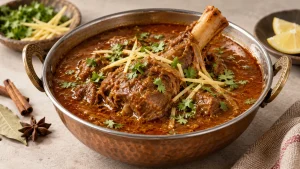
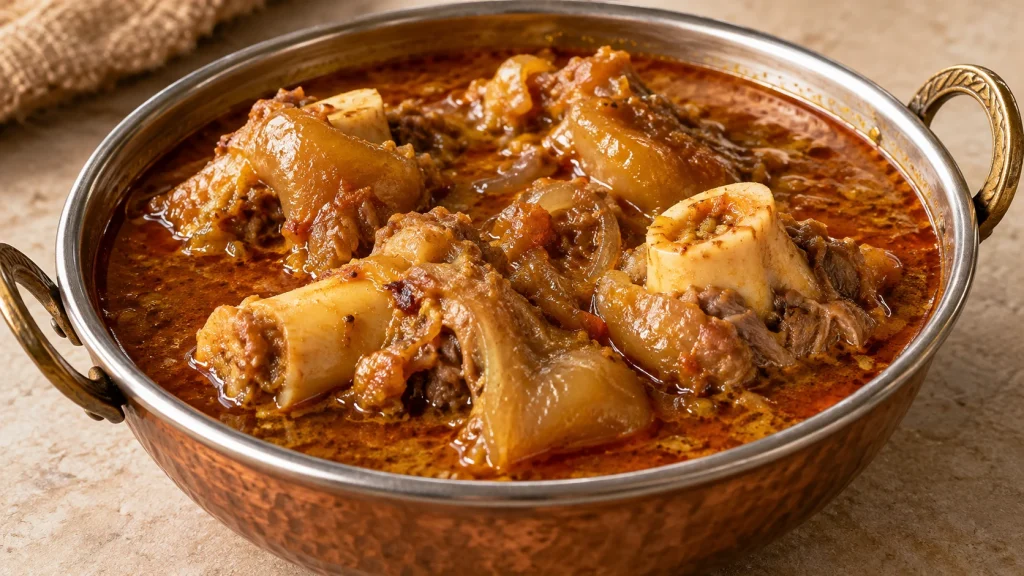
A slow-simmered Pakistani beef-trotter curry with gelatin-rich broth and a warm onion-spice masala. timings are provisional.
One tablespoon = 15 ml; one teaspoon = 5 ml.
About Beef Paye
A slow-simmered Pakistani beef-trotter curry with gelatin-rich broth and a warm onion-spice masala. timings are provisional.
Personally cooked and tested by Zohair Fakhar for DailyLife.pk. Cooking times can vary with your stove, cookware and batch size; follow the texture and doneness cues in the method.
Make it work for your kitchen
Original quantities serve 6. Cooking times, pan size and frying-oil depth do not scale, cook in extra batches instead.
Before you start
Before you start
Weigh ingredients; obtain meat/trotters from a reputable butcher; keep chilled; separate raw meat tools from ready-to-eat garnishes. Prepare aromatic ingredients and an adequately sized pot.
Set up the equipment
Have the following tools ready before starting: Kitchen scale and measuring spoons; Large heavy-bottomed covered pot; Separate raw-meat utensils and cutting board; Food thermometer; Fine ladle and shallow storage containers.
Clean workspaceMeasure the ingredients
Measure the ingredient quantities for your selected servings before applying heat. Keep separately listed groups, such as dough, filling, sauce or garnish, in separate containers; keep any optional additions separate.
Use the ingredient list aboveCheck allergens and substitutions
Check ingredient labels and any substitutions against these notes: Milk if using ghee. Check packaged spices and all substitutions for allergens and cross-contact.
Before cooking
Step-by-step cooking method
1 Inspect and prepare the trotters
Obtain professionally cleaned and singed beef trotters, raw bone-in from a trusted butcher, with hair removed and pieces cleaned. Inspect for small bone fragments. Use a separate utensil for raw trotters.
2 First simmer and skim
Place professionally cleaned and singed beef trotters, raw bone-in in a large stockpot with water for long simmer.
3 First simmer and skim (continued)
Bring to a full boil, skim foam, reduce to a gentle covered simmer. Do not use the first boil as a substitute for cooking until tender.
4 Slow-cook until gelatinous
Keep at a gentle simmer, partially covered, approximately 4½–6 hours, checking stock levels every 30–45 minutes. The skin and connective tissue should soften and release easily, not remain rubbery. Add hot water only as needed.
5 Brown the onions and aromatics
In a separate pan heat 45 ml from neutral oil or ghee and fry thinly sliced onions until golden, around 12–15 minutes; add ginger-garlic paste for 1 minute. Stir in chopped tomatoes and reduce until pulpy, about 8–10 minutes.
6 Bloom the spices
Stir in ground fennel, black pepper, ground coriander, ground cumin, ground turmeric and red chilli powder for about 30 seconds, adding a ladle of cooking broth to prevent scorching.
7 Combine and finish cooking
Fold the fried masala into the simmering trotters; add salt and continue gently for approximately 20–30 minutes. Check safe doneness and tenderness and ensure bone fragments are absent; adjust liquid for a lightly coating shorba.
8 Skim, season and serve
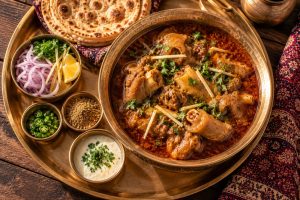
Skim excessive surface fat. Taste and adjust salt. Optional finishing oil up to 10 ml comes from neutral oil or ghee total. Serve immediately with naan, lemon and ginger on the side (not included).
Chef’s tips
- Start with professionally butchered, correctly cleaned meat and check for bone fragments.
- Keep a gentle simmer and adjust liquid by observation instead of overfilling.
- Skim or measure residual fat if nutrient estimates are needed.
Common mistakes & quick fixes
- Meat or connective tissue remains tough
- Continue a gentle covered simmer with sufficient liquid and check again.
- Gravy watery
- Uncover and reduce gradually; avoid aggressive boiling that dries meat.
- Too greasy
- Skim surface fat and record retained amounts; avoid assuming all measured oil is eaten.
Variations & serving ideas
Variation: Reduce red chilli without changing the food-safety method.
Variation: Serve with naan or rice separately; accompaniments are excluded from nutrition.
Variation: Different animals, bone cuts and household masalas require separate testing and cannot be silently substituted.
Perfect result check
| Check | Meat or trotter tissue is tender and safely cooked |
|---|---|
| Check | Gravy is savoury, cohesive and spoonable |
| Check | Inspect carefully for loose bone fragments before serving. |
Storage & reheating
| Cooling | Refrigerate promptly in shallow containers within 2 hours of cooking, or 1 hour above 32°C. | |
|---|---|---|
| Fridge | 3–4 days | Refrigerate at 4°C or below and use within 3–4 days; freeze longer storage portions. |
| Reheating | Reheat leftovers to 74°C (165°F); bring gravy to a rolling boil and stir thoroughly. |
Know when to change the heat
| Stage | Heat | What to look for |
|---|---|---|
| Inspect and prepare the trotters | No heat | Use professionally cleaned and safely split trotters; inspect for small bone fragments and keep raw utensils separate. |
| First simmer and skim | High then low heat | Bring to a full boil, skim foam, then reduce to a gentle simmer; this first boil does not complete cooking. |
| Slow-cook until gelatinous | Low heat | Skin and connective tissue should soften and release easily. Keep the pot from drying out during the long simmer. |
| Brown the onions and aromatics | Medium heat | Onions should be golden, not charred; reduce any tomato to a pulpy masala. |
| Bloom the spices | Low heat | Stir spices briefly over low heat; use a little cooking broth if needed to stop them scorching. |
| Combine and finish cooking | Low heat | Masala and broth should combine into a lightly coating shorba; check tenderness and remove loose bone fragments. |
| Skim, season and serve | No heat | Skim excess surface fat and serve promptly after the final seasoning check. |
Helpful answers before you cook
Why is my paye broth thin or the tissue still rubbery?
Trotters vary in size and connective tissue, so the long simmer is a guide rather than a guarantee. Keep a gentle simmer with enough liquid until the tissue softens and releases easily. Reduce excess liquid only after tenderness is reached; adding extra fat does not replace the gelatin developed by slow cooking.
Do I need to use all the cooking fat?
Use the listed batch allowance across the onion masala and optional finish rather than adding a fresh full amount at each stage. The finishing portion can be omitted. If you choose ghee instead of oil, the dish contains milk-derived fat and needs the milk allergen warning.
How will serving scaling work?
Ingredient weights may scale arithmetically, but pot capacity, oil depth, safe simmering time and liquid loss do not scale mechanically.