Sindhi Kadhi
سندھی کڑھی
Stovetop
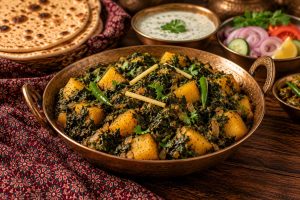
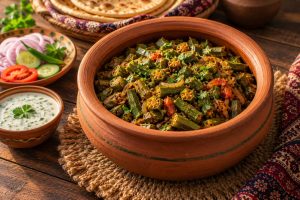
Sindhi-style tangy vegetable kadhi thickened with roasted besan and sour tamarind; unlike yogurt-based kadhi pakora, this version uses no yogurt.

Total includes 15 min of passive time described in the preparation and method. One tablespoon = 15 ml; one teaspoon = 5 ml.
About Sindhi Kadhi
Sindhi-style tangy vegetable kadhi thickened with roasted besan and sour tamarind; unlike yogurt-based kadhi pakora, this version uses no yogurt.
Personally cooked and tested by Zohair Fakhar for DailyLife.pk. Cooking times can vary with your stove, cookware and batch size; follow the texture and doneness cues in the method.
Make it work for your kitchen
Also known as sindhi kadhi.
Original quantities serve 4. Cooking times, pan size and frying-oil depth do not scale, cook in extra batches instead.
Before you start
Before you start
Measure and sequence Prepare vegetables and spices, then arrange the pan. Soak or pre-boil longer-cooking ingredients first as specified. No heat Within prep
Set up the equipment
Have the following tools ready before starting: Wide heavy-bottomed lidded frying pan or saucepan; Knife, chopping board, spatula, measuring scale and spoons.
Clean workspaceMeasure the ingredients
Measure the ingredient quantities for your selected servings before applying heat. Keep separately listed groups, such as dough, filling, sauce or garnish, in separate containers; keep any optional additions separate.
Use the ingredient list aboveCheck allergens and substitutions
Check ingredient labels and any substitutions against these notes: Besan (chickpea/gram); check packaged spice and flour cross-contact.
Before cooking
Step-by-step cooking method
1 Prepare tamarind and vegetables
Soak 35 g seedless tamarind in 150 ml from the measured 1350 ml water for 15 minutes, mash and strain; reserve the sour liquid. Cut 220 g potato, 130 g carrot, 120 g beans and 160 g tomato; clean and fully dry 120 g okra.
2 Toast whole spices and roast besan
Warm about 35 g of the measured 40 g oil in a heavy pot over medium-low heat.
3 Toast whole spices and roast besan (continued)
Crackle 5 g cumin and 1 g fenugreek briefly without darkening; add 7 g dried-off curry leaves and 14 g ginger. Stir in 85 g gram flour and roast 5–7 minutes until nutty and golden, stirring continuously.
4 Form smooth kadhi base
Remove pot briefly from heat; whisk in about 300 ml of the remaining measured curry water gradually until smooth.
5 Form smooth kadhi base (continued)
Slowly add the rest of the allocated curry water; stir in 3 g turmeric, 3 g chilli, 9 g salt and prepared 160 g tomato. Return to medium and stir while it comes to a gentle boil.
6 Simmer firmer vegetables
Add potatoes, carrots and beans. Partly cover and gently simmer about 20–25 minutes, stirring regularly, until the pieces are just tender; thin only with measured reserved water if needed.
7 Cook okra separately
While the pot simmers, heat the remaining approximately 5 g oil in a nonstick pan. Cook dried okra over medium heat 5–7 minutes, turning gently until its surface is no longer wet; set aside.
8 Add tamarind and finish
Add strained tamarind liquid and prepared okra to kadhi, simmer 8–10 minutes until flour flavour has disappeared and vegetables are soft but intact. Taste sourness and salt; garnish with optional 15 g coriander. Serve with rice separately.
Chef’s tips
- Roast the besan gently before adding liquid and introduce water in stages to avoid lumps. Unlike yogurt kadhi pakora, the sourness here comes from tamarind.
- Use a wide pan and check texture rather than treating times as a guarantee.
Common mistakes & quick fixes
- Lumpy sauce
- Whisk in the first water off heat and add slowly.
- Bitter kadhi
- Do not burn fenugreek seeds or besan.
- Slimy okra
- Dry thoroughly and cook separately before adding.
Variations & serving ideas
Variation: Adjust chilli to taste.
Variation: Serve with roti or rice; accompaniments excluded from nutrition.
Perfect result check
| Check | Tamarind-tangy, golden kadhi that coats the spoon lightly; vegetables tender but holding shape, and no raw gram-flour flavour. |
|---|
Storage & reheating
| Cooling | Transfer to shallow containers promptly and refrigerate within 2 hours (1 hour if ambient temperature exceeds 32°C). | |
|---|---|---|
| Fridge | 3–4 days | Store at 4°C or colder and use within 3–4 days, or freeze portions promptly. Vegetables may soften further after thawing. |
| Reheating | Reheat thoroughly to 74°C / 165°F. Reheat moist gravies until bubbling throughout. |
Know when to change the heat
| Stage | Heat | What to look for |
|---|---|---|
| Roast besan and spices | Medium-low heat | Stir continuously until the flour smells nutty and becomes golden; avoid blackened seeds or scorched flour. |
| Vegetable simmer | Low heat | Keep gentle bubbles, stirring the base regularly. Vegetables should be tender but intact and the kadhi lightly coat a spoon. |
Helpful answers before you cook
How do I know it is ready?
Tamarind-tangy, golden kadhi that coats the spoon lightly; vegetables tender but holding shape, and no raw gram-flour flavour.
How do I stop the besan base forming lumps?
After roasting, briefly take the pot off the heat and whisk in the first portion of curry water gradually until smooth. Add the rest slowly, stirring before returning the pot to a gentle boil.
Why cook the okra separately?
This method dries the okra surface in a separate pan before adding it near the end. Dry the washed pieces well first, turn gently and add them after the firmer vegetables are nearly tender.
Can I make it ahead?
Yes; cool promptly, refrigerate safely and reheat thoroughly. Texture may soften after storage.