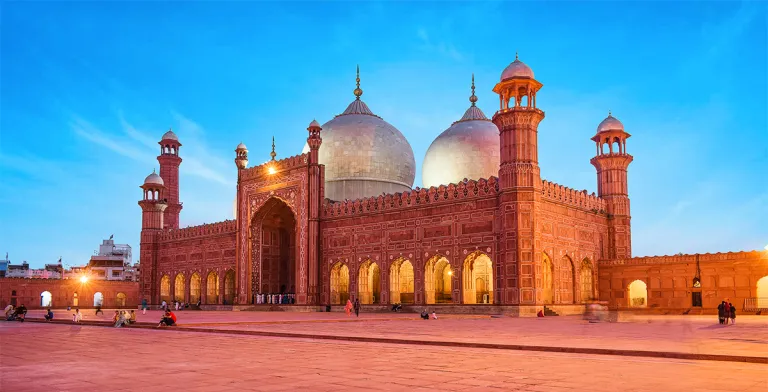
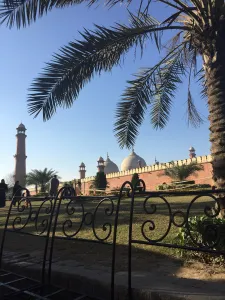
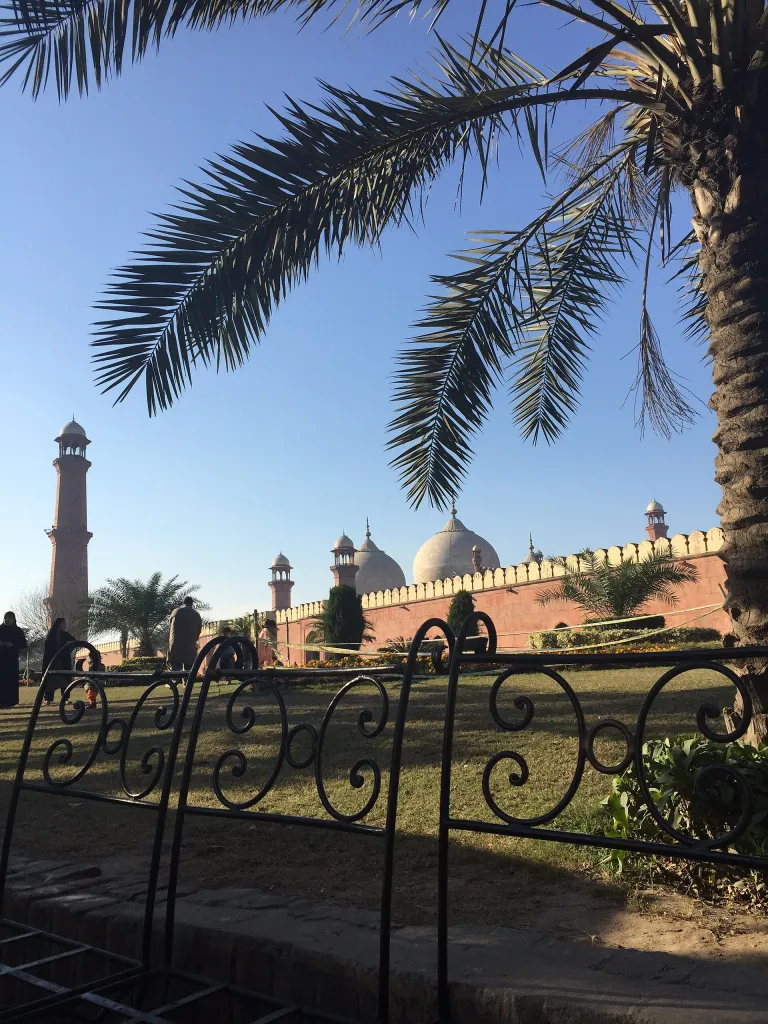
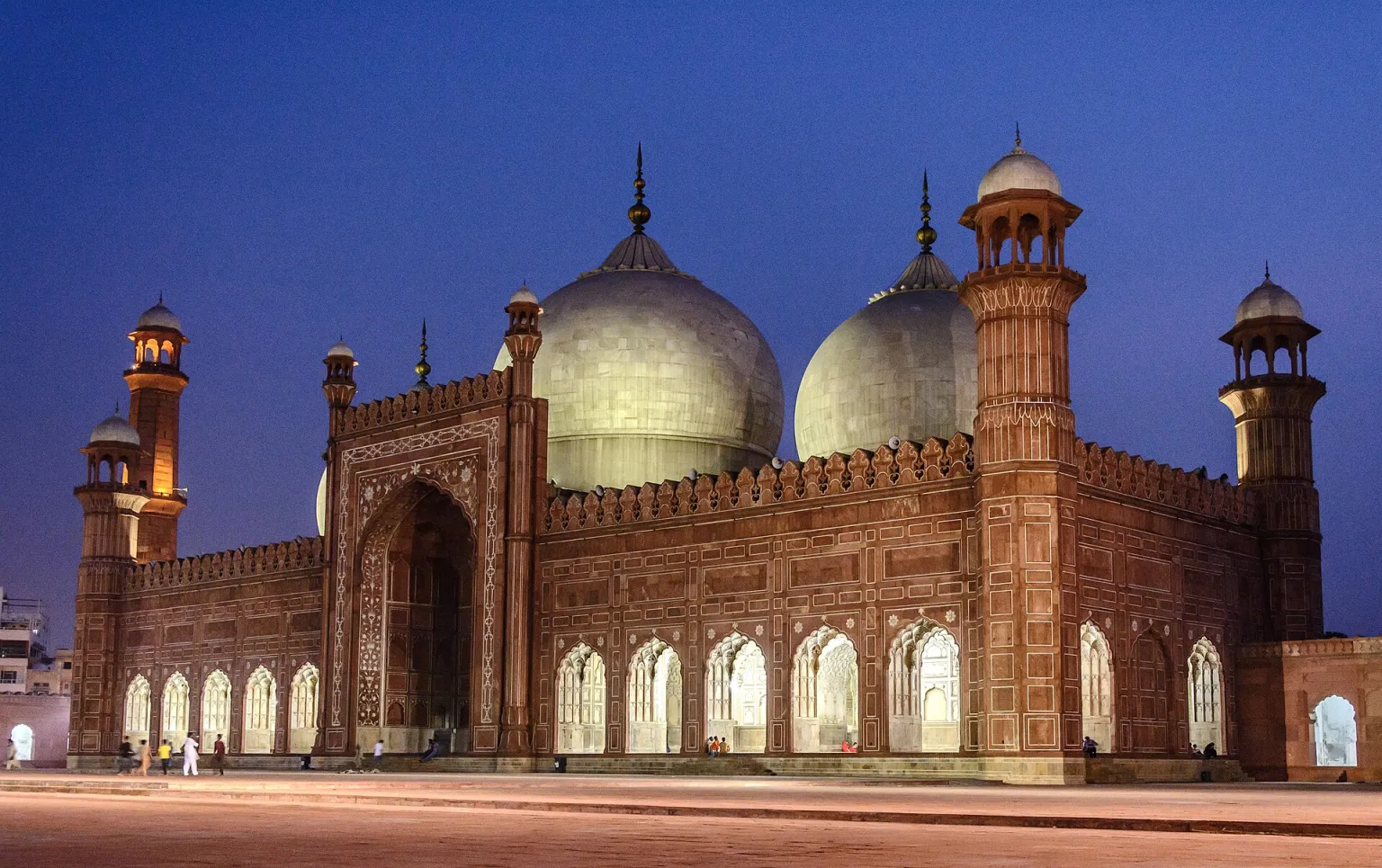
The Badshahi Mosque lit up at night, its white marble domes and red sandstone minarets glowing against the dark sky

City guide

Lahore: Pakistan's Cultural Capital

Mughal mosques and gardens, a living walled city, legendary food streets and a literary pulse: Punjab's capital is the place Pakistanis call the heart of the country.

  • Punjab (provincial capital)
  • UNESCO: Lahore Fort & Shalimar Gardens
  • Best season: October–March
  • On the River Ravi

Badshahi Mosque, Lahore

Lahore at a Glance

13.0 millionPopulation (Lahore District)2023 Census; the whole district is classed as urban
PunjabProvincial capitalCapital of Punjab province
1981UNESCO World Heritage listingLahore Fort and Shalimar Gardens
27.1 kmOrange Line metro26 stations; opened October 2020

About Lahore

Lahore sits on the east bank of the River Ravi, a short drive from the Indian border, and has been the political and cultural centre of Punjab for most of the past thousand years. It is the capital of Punjab province and, according to the 2023 Census, Lahore District is home to 13,004,135 people, all of them counted as urban, which makes it Pakistan's second-largest urban centre after Karachi.

The city's layers are easy to read on the ground. The Walled City, the old core of lanes, havelis, bazaars and gateways, wraps around the Lahore Fort and the Badshahi Mosque. South of it, the British laid out the Mall Road with its colleges, courts, museum and gardens. Further south again, planned suburbs such as Model Town (founded in 1921 as a garden town), Gulberg and the Defence Housing Authority spread towards the canal and the ring road.

Lahore's reputation rests on more than monuments. It is a university city, the University of the Punjab, founded in 1882, is the oldest in the country, a centre for publishing, theatre, film and music, and the place most Pakistanis associate with good food and generous hospitality. A Punjabi saying captures the local pride: Jinne Lahore nahin vekhya, o jammya hi nahin, whoever has not seen Lahore has not been born.

For visitors, the city rewards slow exploration. Spend a morning in the Fort and mosque, an afternoon walking the Royal Trail from Delhi Gate past the Wazir Khan Mosque, and an evening at one of the food streets. Then give the Mughal gardens, the Mall and Lahore's tombs and shrines their own days.

Lahore is less a city you tour than one you eat, argue and stroll your way through.
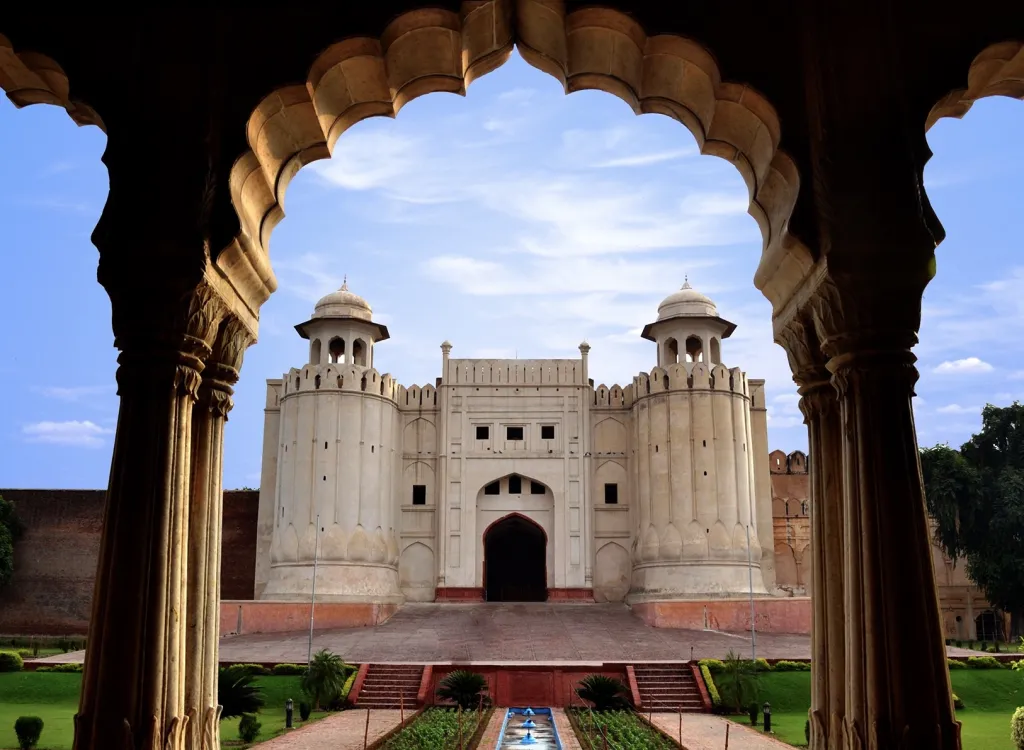
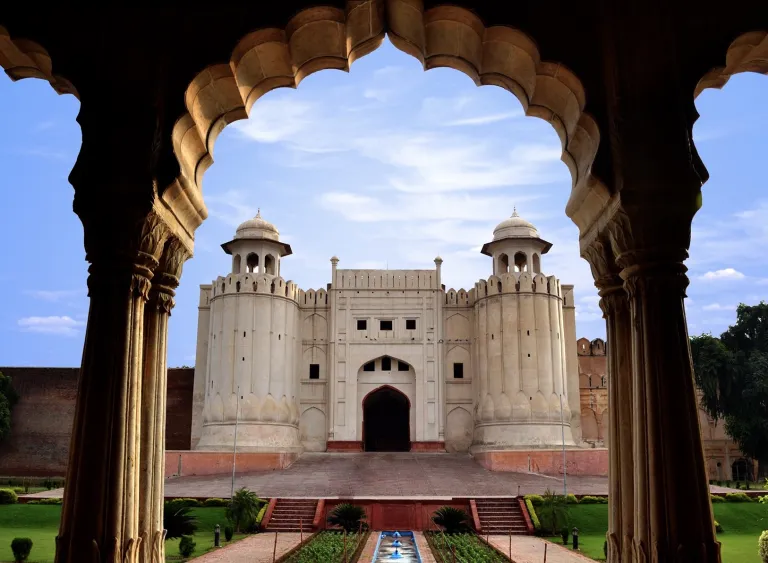
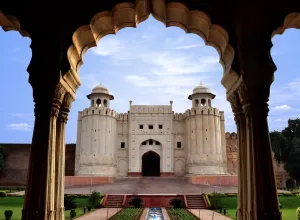
Walls and pavilions of Lahore Fort seen from the baradari in Hazuri Bagh
The Lahore Fort seen from the Hazuri Bagh baradari, with the Alamgiri Gate beyond.

Which guide do you need? This page covers Lahore as a city. For a walking guide to the old city, see Walled City of Lahore.

Top Attractions in Lahore

Mughal masterpieces, Sikh and colonial landmarks, and the shrine at the city's spiritual heart.

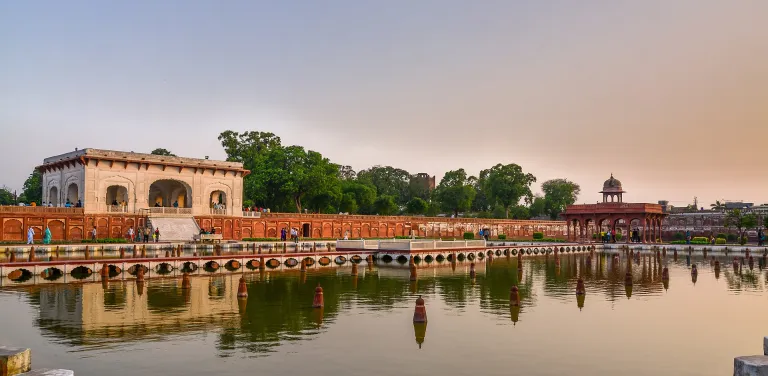
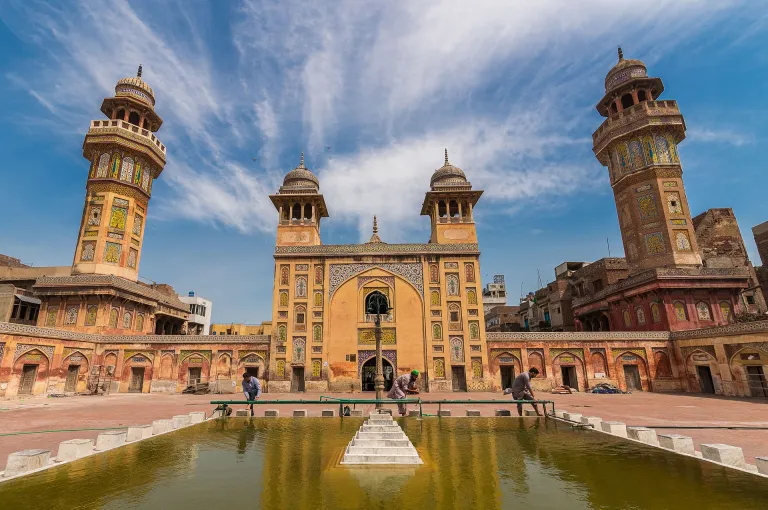
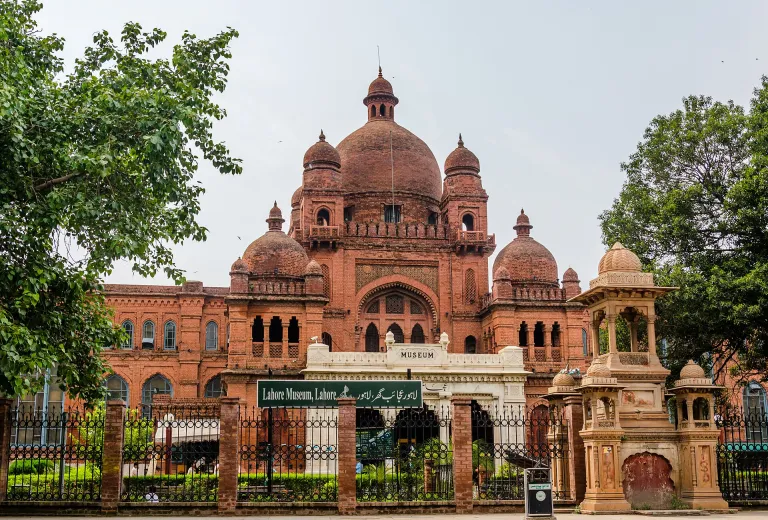
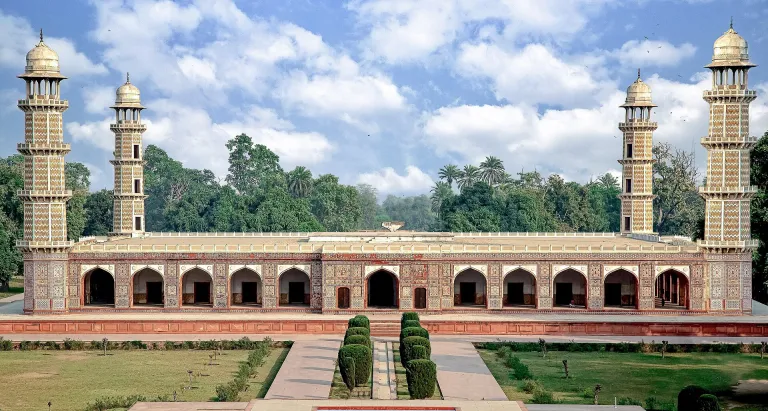
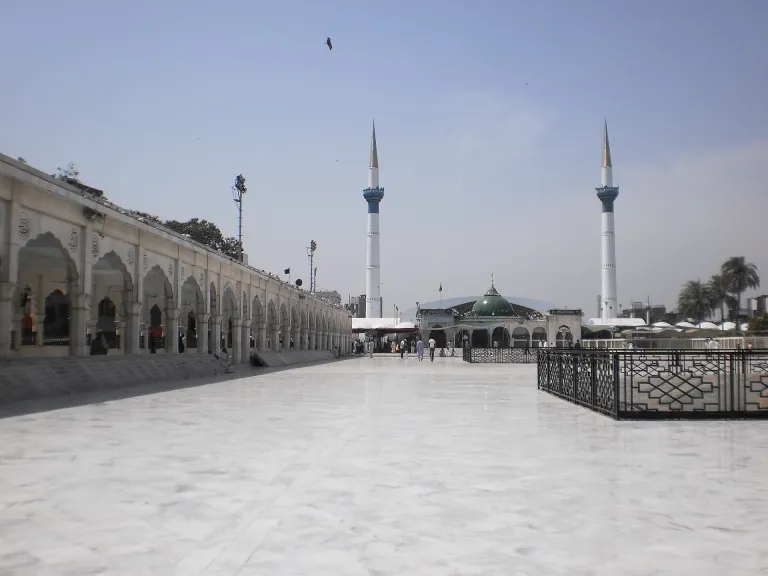
The walls and gateway of the Lahore Fort seen from the Hazuri Bagh pavilionLahore Fort (Shahi Qila)Walled CityOccupied for centuries and given its present form under Akbar and Shah Jahan, the fort holds 21 surviving monuments, including the mirrored Sheesh Mahal of 1631–32. It is one half of a UNESCO World Heritage property inscribed in 1981.UNESCO World HeritageMughalThe red sandstone prayer hall and white marble domes of the Badshahi Mosque above its vast courtyardBadshahi MosqueWalled CityBuilt for the emperor Aurangzeb in 1671–73, the red sandstone mosque with its white marble domes faces the fort across the Hazuri Bagh. Its vast courtyard is at its most atmospheric in late afternoon light.MughalActive mosqueA Mughal pavilion reflected in the long pool of the upper terrace of the Shalimar GardensShalimar GardensBaghbanpura, east LahoreShah Jahan's pleasure garden of 1641–42 descends over three terraces of pools, fountains, pavilions and cypress-lined walks. UNESCO lists it with the fort as a testament to Mughal civilisation at its height.UNESCO World HeritageGardenThe tiled facade and minarets of the Wazir Khan Mosque in Lahore's Walled CityWazir Khan MosqueInside Delhi GateDating from 1634, this is the most richly decorated mosque in the city, its walls covered in glazed tile mosaic, frescoes and calligraphy. It anchors the market square just inside Delhi Gate.MughalTileworkThe Minar-e-Pakistan tower illuminated at night in Greater Iqbal ParkMinar-e-PakistanGreater Iqbal ParkThe tower, about 60 metres high and completed in 1968, marks the spot in today's Greater Iqbal Park where the All-India Muslim League passed the Lahore Resolution in 1940. The surrounding park is a popular family space in the evenings.National monumentThe red-brick facade and domes of the Lahore Museum on Mall RoadLahore MuseumMall RoadFounded in 1864 and housed in a striking Mall Road building, the museum's collections span Gandhara sculpture, including the celebrated Fasting Buddha, Mughal miniatures, coins and Pakistan Movement memorabilia.MuseumGandharaThe red sandstone and marble Tomb of Jahangir with its corner minarets at ShahdaraTomb of JahangirShahdaraAcross the Ravi at Shahdara, the emperor Jahangir (d. 1627) lies in a garden tomb faced with inlaid marble and red sandstone, with the tombs of Asif Khan and Nur Jahan nearby.MughalGarden tombThe courtyard of the Data Darbar shrine complex in LahoreData DarbarNear Bhati GateThe shrine of the 11th-century Sufi scholar Ali Hujwiri, known as Data Ganj Bakhsh, is one of the most visited in South Asia. Visitors are welcome; dress modestly and expect crowds on Thursday evenings.Sufi shrine

The Walled City and the Royal Trail

Delhi Gate to the Fort

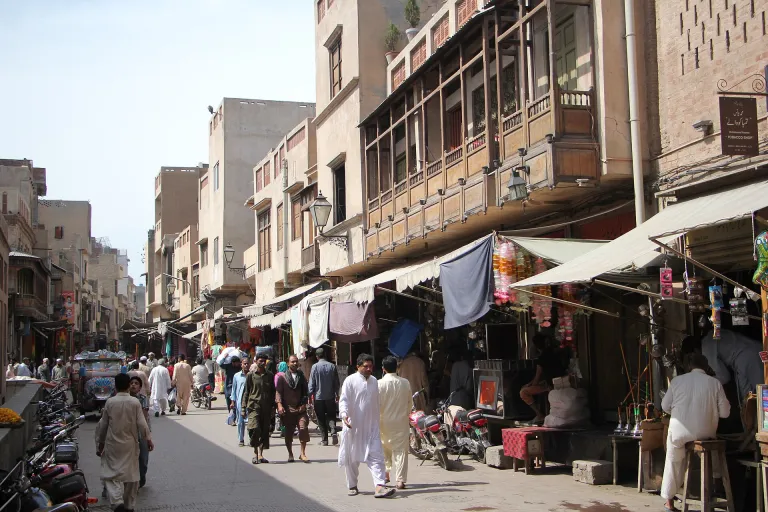
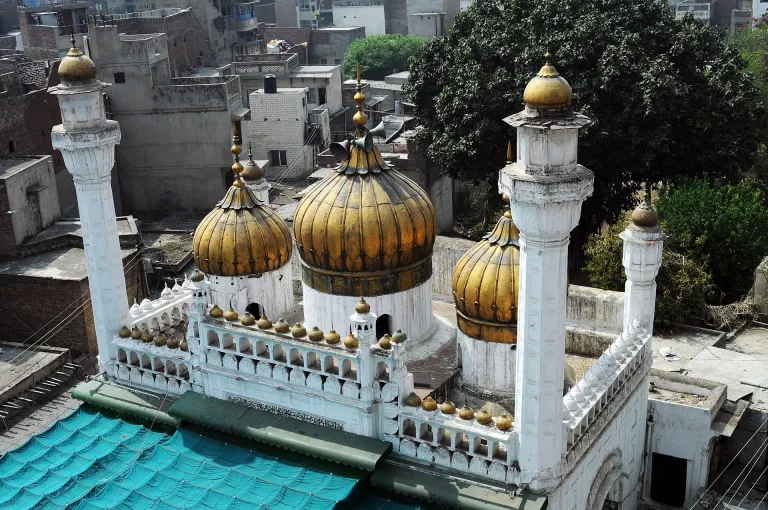
The Shahi Guzargah or Royal Trail runs from Delhi Gate through Kashmiri Bazaar, past the Wazir Khan Mosque and the Sunehri (Golden) Mosque, towards the Fort. Restoration by the Walled City of Lahore Authority has revealed carved wooden balconies and painted facades along the route. Look in at the restored Shahi Hammam, a Mughal bathhouse just inside the gate.

The restored Delhi Gate, entrance to Lahore's Walled City

Hazuri Bagh and the Sikh legacy

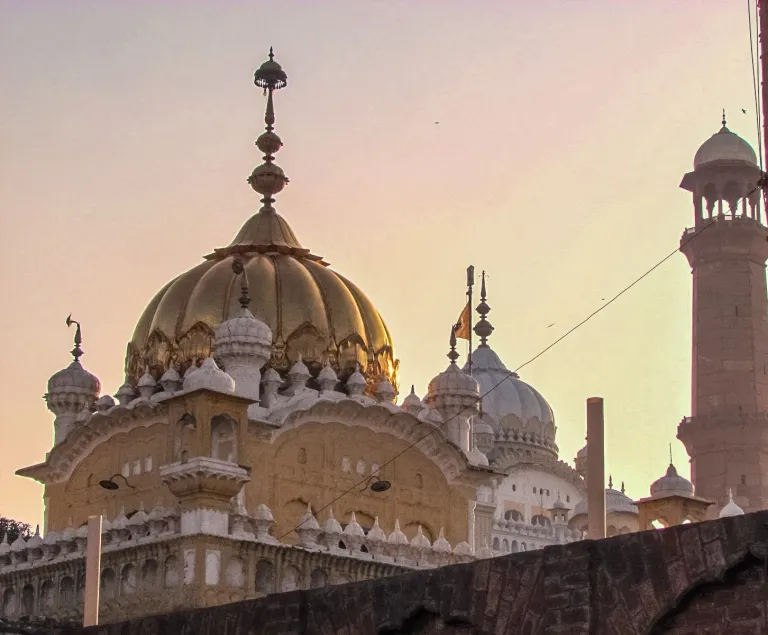
Between the Fort and the Badshahi Mosque, the Hazuri Bagh garden centres on a marble pavilion built under Maharaja Ranjit Singh. Next to it stand the Samadhi of Ranjit Singh, his funerary monument, and Gurdwara Dera Sahib, a reminder that Lahore was the capital of the Sikh Empire from 1799 until 1849.

Explore
The domed Samadhi of Ranjit Singh and Gurdwara Dera Sahib beside the Lahore Fort

Neighbourhoods to Know

From the lanes of the old city to leafy garden suburbs.

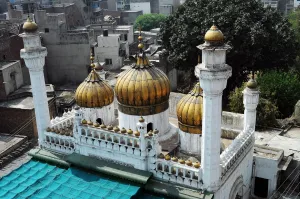
The gilded domes of the Sunehri Mosque rising above the rooftops of the Walled CityWalled City (Androon Shehar)Historic coreDense lanes, gateways, mosques, havelis and specialist bazaars, spices, cloth, brass, paper. Go on foot or by rickshaw and allow for getting pleasantly lost.
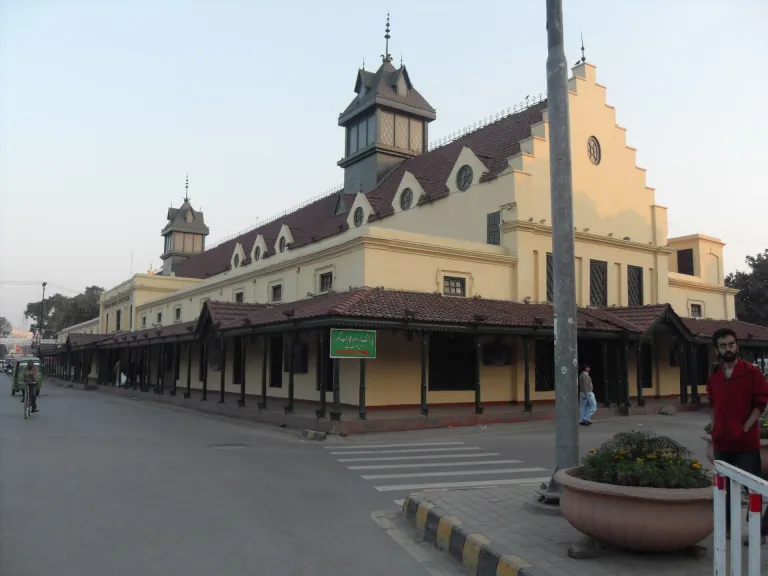
The colonial-era Tollinton Market building on Lahore's Mall RoadMall Road and AnarkaliCentral LahoreThe colonial spine of the city: the High Court, Government College's clock tower, the museum, Tollinton Market and the Punjab Assembly, with the old Anarkali Bazaar just off it.
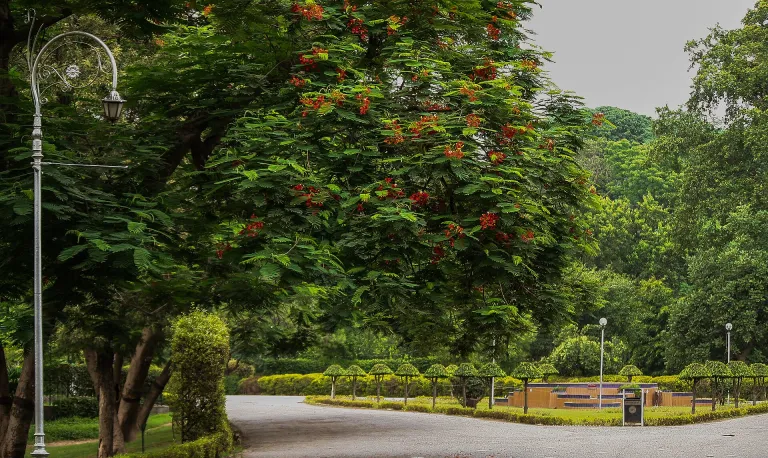
Lawns and trees in Bagh-e-Jinnah, Lahore's historic public gardenBagh-e-Jinnah and GOROff the MallThe former Lawrence Gardens, now Bagh-e-Jinnah, is a vast Victorian park with a library and botanical collection, surrounded by the tree-lined residential estates of the Government Officers' Residences.
GulbergCentral-south LahoreOne of the city's commercial hearts: offices, malls, cafés and restaurants around Main Boulevard, MM Alam Road and Liberty Market, with many mid-range and upscale hotels close by.
Model Town and Garden TownSouth LahoreModel Town was laid out in 1921 as a garden suburb of circular roads and parks; neighbouring Garden Town and Faisal Town continue the quieter, residential feel.
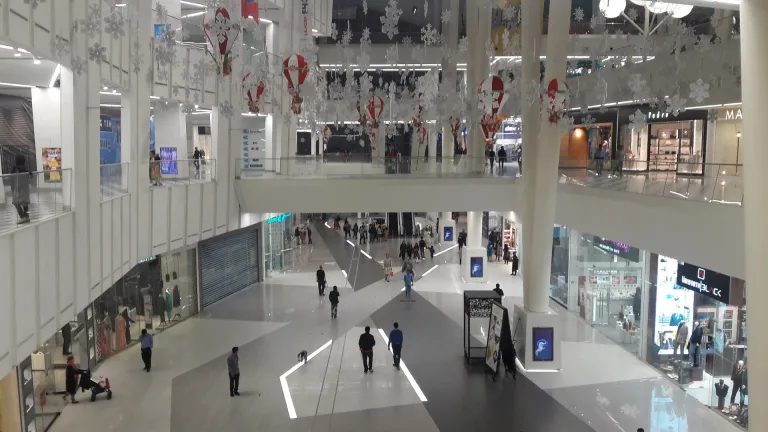
The Emporium Mall in Johar Town, LahoreDHA and Johar TownSouth and south-west LahoreThe planned phases of the Defence Housing Authority hold many of Lahore's newer restaurants and boutiques; Johar Town, to the west, is known for universities, the Expo Centre and large malls.

Food Streets and Bazaars

Lahoris take eating seriously, breakfast of halwa puri, evening tikka and late-night chai.

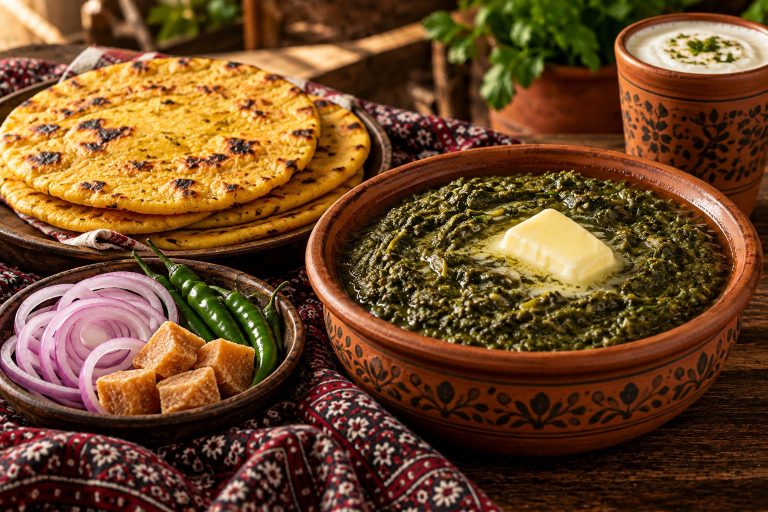
The Badshahi Mosque seen from the rooftops of Fort Road Food StreetFort Road Food StreetBeside the Badshahi MosqueRooftop restaurants in restored old houses look straight across at the Badshahi Mosque. Come after dark, when the domes are lit, for karahi, tikka and Lahori fried fish.EveningViewsSarson Ka Saag: styled serving suggestion (illustration)GawalmandiNear the Walled CityOne of the city's older eating quarters near the Walled City, known for traditional Lahori dishes such as paye, nihari, sweets and lassi. Food streets here have been revamped several times, ask locally what is open.Traditional
Lakshmi ChowkNear McLeod RoadA crossroads near McLeod Road long associated with cinema-going crowds and the late-night meals that followed: karahi, biryani and barbecue.Late night
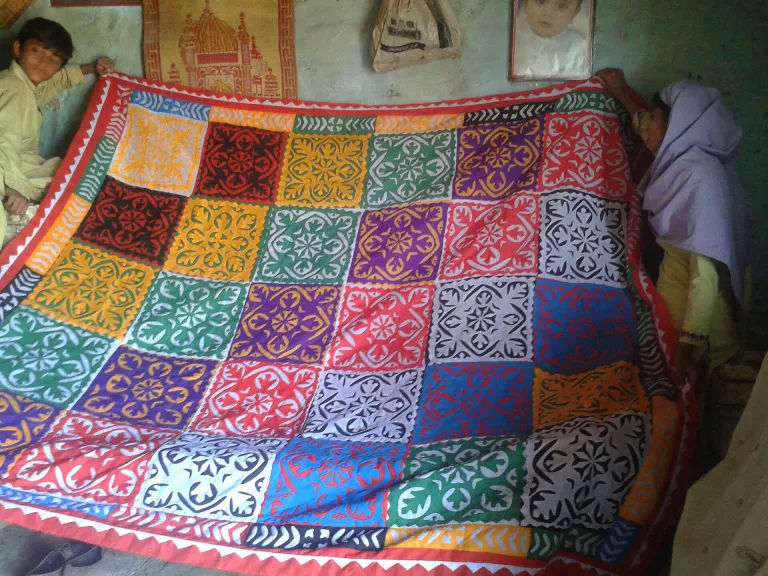
A hand-stitched Sindhi rilli quiltAnarkali BazaarOff Mall RoadOne of South Asia's oldest surviving bazaars, split into Old and New Anarkali, cloth, shoes, bridal wear and handicrafts, with street snacks at every turn.ShoppingTextiles
Shah Alami and Walled City marketsWalled CityShah Alami Bazaar, rebuilt after 1947, remains a busy wholesale district, while the lanes around Akbari Mandi still trade grain, spices and dried fruit as they have since Mughal times.WholesaleSpices
MM Alam Road and Liberty MarketGulbergGulberg's main dining strip has everything from desi barbecue to international cafés, while nearby Liberty Market is a classic stop for clothing, fabrics and evening snacks.Modern diningShopping

A Short History of Lahore

  1. Legend and antiquity

    Origins in myth

    Hindu tradition credits Lava (Loh), son of Rama, with founding the city. Little is securely known about Lahore before the 11th century; a place named by Ptolemy in the 2nd century CE may refer to it.

  2. 11th–12th centuries

    Ghaznavid Lahore

    Mahmud of Ghazni's forces took Lahore in the early 11th century. It became the Ghaznavid capital from 1163 until the Ghurids captured it in 1186. The Sufi scholar Ali Hujwiri, buried at Data Darbar, lived here in this era.

  3. 1241–1398

    Raids and recovery

    A Mongol army sacked the city in 1241, and raids continued for over a century until Timur's conquest in 1398.

  4. 1524–1707

    The Mughal golden age

    Babur's troops took Lahore in 1524. Akbar based his court here from 1584 and rebuilt the fort; Jahangir, Shah Jahan and Aurangzeb added palaces, the Shalimar Gardens (1641–42), the Wazir Khan Mosque (1634) and the Badshahi Mosque (1671–73).

  5. 1799–1849

    Capital of the Sikh Empire

    After decades of contest following Aurangzeb's death, Maharaja Ranjit Singh took Lahore in 1799 and made it the seat of a powerful Sikh state.

  6. 1849–1947

    British Lahore

    The British annexed Punjab in 1849. The Mall, the railway station, the museum (1864), the University of the Punjab (1882) and many colleges date from this period.

  7. 1940

    The Lahore Resolution

    At its annual session on the grounds of today's Greater Iqbal Park, the All-India Muslim League passed the resolution calling for independent Muslim-majority states, a milestone on the road to Pakistan.

  8. 1947 onwards

    Capital of Punjab

    Partition brought enormous upheaval and population exchange. Lahore became capital of West Punjab, of West Pakistan from 1955, and of Punjab province again from 1970.

  9. 1981

    World Heritage

    UNESCO inscribed the Lahore Fort and Shalimar Gardens. They were placed on the danger list in 2000 after damage to the gardens' waterworks and removed from it in 2012 following conservation work.

Culture and Festivals

Lahore is the capital of Punjabi and Urdu letters. Poets from Muhammad Iqbal, whose tomb stands beside the Badshahi Mosque, to Faiz Ahmed Faiz lived and wrote here, and the city's bookshops, coffee houses and college debating halls keep that tradition alive. The Lahore Literary Festival, held each year at the Alhamra arts complex on the Mall, draws writers from across the world, and Alhamra itself stages theatre, music and art exhibitions year-round.

Festivals through the year

  • Basant, the spring kite festival returned to Lahore on 6–8 February 2026 after an 18-year ban, under a new provincial law that allows kite flying only on notified days and with strict rules on string and kite sizes. Check whether and when it is permitted before planning a trip around it.
  • Mela Chiraghan, the 'festival of lamps' at the shrine of the Sufi poet Shah Hussain in Baghbanpura, near the Shalimar Gardens, traditionally held in spring.
  • Urs at Data Darbar, the annual commemoration of Ali Hujwiri brings huge gatherings, langar (free food) and qawwali.
  • Religious festivals, Eid ul-Fitr, Eid ul-Adha and Muharram are observed citywide; Sikh pilgrims visit Gurdwara Dera Sahib for key anniversaries, and the city's churches mark Christmas and Easter.
  • National days, 23 March (Pakistan Day) has special meaning at the Minar-e-Pakistan, and 14 August brings flags, lights and fireworks.

Sport is part of the culture too: Gaddafi Stadium is one of Pakistan's main international cricket venues and a home ground for the Pakistan Super League.

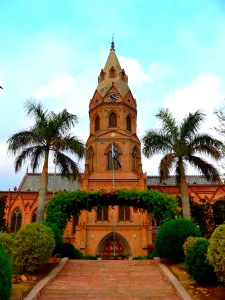
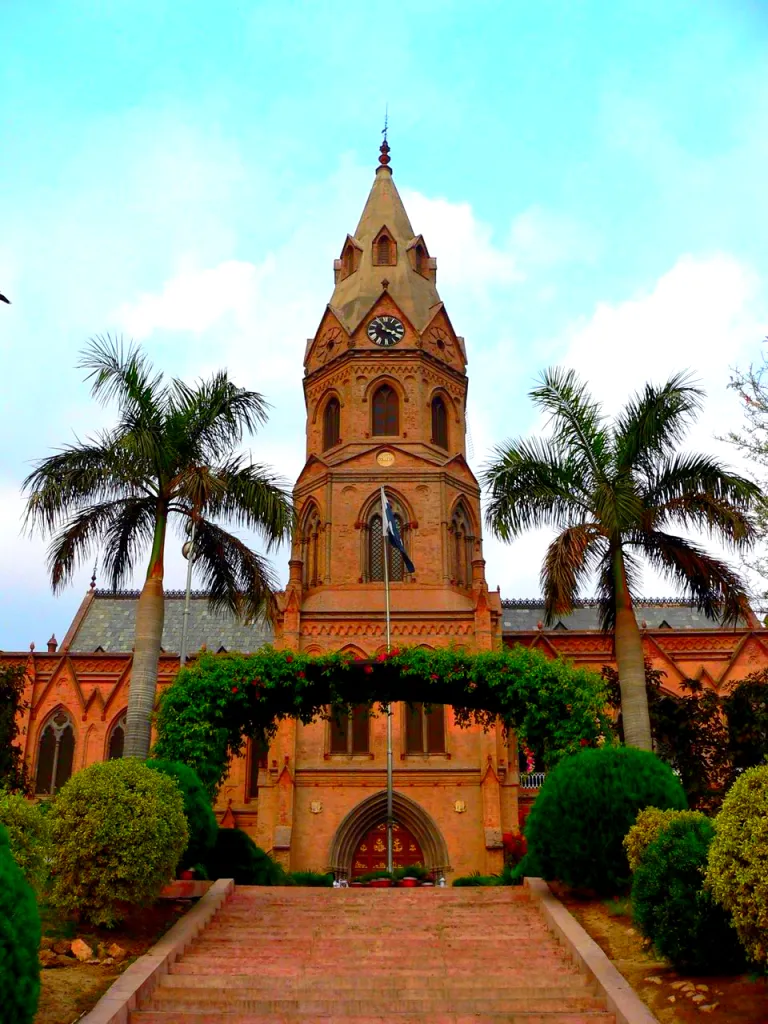
The Gothic clock tower of Government College University, Lahore
The clock tower of Government College University, one of Lahore's historic seats of learning.

Getting There and Around

By air

Allama Iqbal International Airport (LHE)

Lahore's airport, east of the city near the cantonment, handles domestic flights and international services, especially to the Gulf. Use airport taxis or ride-hailing apps to reach your hotel.

By rail

Lahore Junction station

The fortress-like station built by the British after 1857 is a hub of Pakistan Railways, with services towards Rawalpindi, Multan, Karachi and beyond. Book through Pakistan Railways and check current timetables.

Orange Line metro

Ali Town – Dera Gujran

Pakistan's first metro rail line opened in October 2020: 27.1 km and 26 stations, mostly elevated, with underground stations at Anarkali and Central near the Mall.

Metrobus and Speedo

Gajjumata – Shahdara

The Metrobus BRT, opened in 2013, runs 27 km with 27 stations along Ferozepur Road and past Data Darbar. Speedo feeder buses run by the Punjab Masstransit Authority connect many neighbourhoods to it.

Ride-hailing and rickshaws

Apps and auto-rickshaws

App-based cars and motorbike rides (such as Careem, inDrive and Bykea) are widely used. Agree the fare before boarding an auto-rickshaw or chingchi.

On foot

Best for the Walled City

The old city's lanes are too narrow for most vehicles. Walk the Royal Trail, or join one of the Walled City of Lahore Authority's guided tours.

Plan Your Visit

Best time to visit

October to March

Autumn and spring are warm and pleasant for sightseeing; mid-winter days are mild. Avoid planning outdoor-heavy trips for June, the hottest month.

Weather by season

Hot summers, monsoon, foggy winters

June routinely tops 45 °C. The monsoon arrives in late June, and July–September are the wettest months, with heavy downpours. January is the coolest month and often foggy.

Air quality

Smog season

Lahore ranks among the world's most polluted cities, and late autumn and winter bring smog. Check daily air-quality readings and official advisories; schools and outdoor activities are sometimes restricted.

Where to stay

Gulberg, the Mall, DHA

Gulberg and the Mall Road area are central and well served by hotels at most price points. DHA and Cantt suit those near the airport; boutique guesthouses near the Walled City put you closest to the monuments.

Etiquette and dress

Modest and respectful

Cover shoulders and knees; women should carry a scarf for mosques and shrines. Remove shoes where asked and ask before photographing people, especially women.

Ramadan and Fridays

Plan around prayer times

During Ramadan many restaurants open only at iftar, though evenings are lively. On Fridays, avoid mosque visits during midday prayers.

Day Trips from Lahore

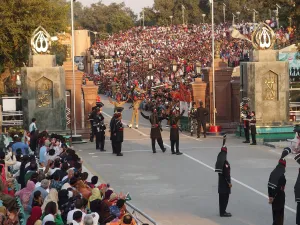
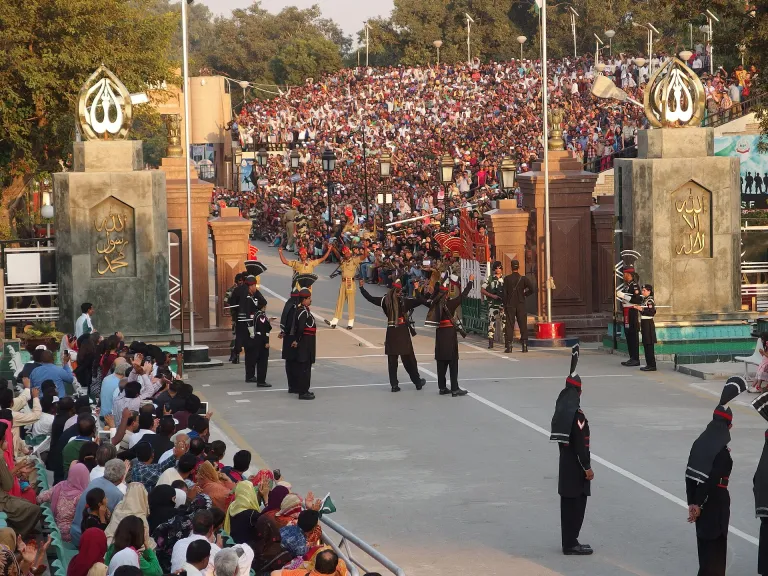
Border ceremonies, Sikh pilgrim sites and ancient cities within reach of Lahore.

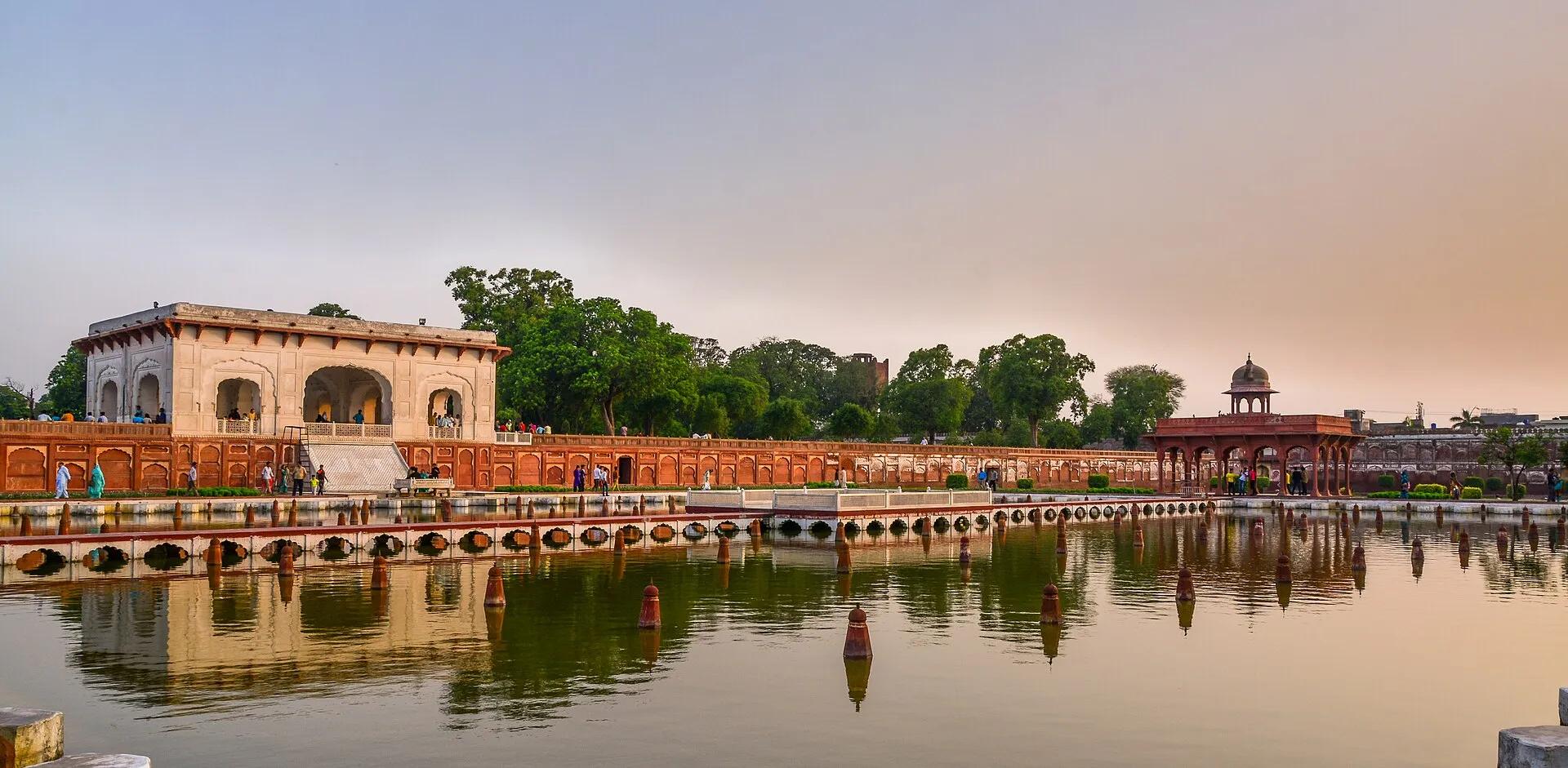
A Mughal pavilion reflected in a long water channel at the Shalamar Gardens, Lahore

Your journey awaits

Fall for Lahore

Start with the Fort and the Badshahi Mosque, stay for the food, and let the city's stories keep you a few days longer.

Explore Punjab

Lahore Through Time

Every dated moment our guides record about Lahore, from its own history and from national events that touched it. Each entry links to its source page.

  1. 11th century

    Data Ganj Bakhsh

    The Sufi scholar Ali Hujwiri settles in Lahore and writes the Persian classic Kashf al-Mahjub; his shrine, Data Darbar, remains a centre of devotion in Lahore.

    From: Timeline of Pakistan: From Mehrgarh to Today

  2. 11th century

    Ali Hujwiri in Lahore

    The Sufi scholar Ali Hujwiri, remembered as Data Ganj Bakhsh, comes to Lahore from Ghazni and writes the Persian classic Kashf al-Mahjub.

    From: The Islamic and Medieval Era

  3. 11th century

    Lahore rises

    Under the Ghaznavids Lahore becomes a seat of power, and the Sufi scholar Ali Hujwiri settles there.

    From: Punjab

  4. 1163–1186

    Lahore, a royal capital

    Driven from Afghanistan, the last Ghaznavid sultans rule from Lahore until the Ghurids take the city in 1186.

    From: Timeline of Pakistan: From Mehrgarh to Today

  5. 1163–1186

    Lahore, Ghaznavid capital

    Pushed out of Afghanistan by the Ghurids, the last Ghaznavids rule from Lahore.

    From: The Islamic and Medieval Era

  6. 1175–1186

    The Ghurid advance

    Muhammad of Ghor captures Multan and Uch in 1175 and annexes the Ghaznavid principality of Lahore in 1186.

    From: The Islamic and Medieval Era

  7. 1206

    The Delhi Sultanate begins

    Qutb al-Din Aibak proclaims himself king at Lahore; he dies there in 1210 and is buried in the city.

    From: Timeline of Pakistan: From Mehrgarh to Today

  8. 1206–1210

    Aibak, first sultan

    Qutb al-Din Aibak proclaims himself king at Lahore in June 1206, founding the Delhi Sultanate. He dies at Lahore in 1210 after a polo accident and is buried there.

    From: The Islamic and Medieval Era

  9. 1241–1398

    Mongols and Timur

    Mongol armies sack Lahore in 1241 and raid repeatedly; Timur takes the city in 1398. Multan and Uch flourish as centres of Sufi learning, with great tombs such as Shah Rukn-e-Alam's.

    From: Timeline of Pakistan: From Mehrgarh to Today

  10. 1524–1526

    Babur arrives

    Babur's troops take Lahore in 1524; his victory over Ibrahim Lodi at Panipat in 1526 ends the Delhi Sultanate and founds the Mughal dynasty.

    From: The Islamic and Medieval Era

  11. 1524–1578

    Mughal visits

    Babur takes Lahore and Dipalpur (1524); Akbar halts here on his way to Pakpattan (1578).

    From: Dipalpur

  12. 1526

    Babur founds the Mughal dynasty

    After taking Lahore in 1524, Babur defeats Ibrahim Lodi at Panipat and founds the Mughal dynasty.

    From: Timeline of Pakistan: From Mehrgarh to Today

Do you remember Lahore as it used to be? Share a memory or an old photo, our editors review every story before it appears.

Frequently Asked Questions

What is the population of Lahore?

The 2023 Census counted 13,004,135 people in Lahore District, all of them classified as urban. That makes Lahore Pakistan's second-largest urban centre after Karachi.

What is the best time to visit Lahore?

October to March is the most comfortable period. June is the hottest month, the monsoon brings heavy rain from late June to September, and winter can bring fog and smog, so check air-quality readings before you travel.

Which Lahore sites are UNESCO World Heritage Sites?

The Lahore Fort and the Shalimar Gardens were inscribed together as one World Heritage property in 1981. The Badshahi Mosque, next to the Fort, is not part of the inscription but is usually visited at the same time.

How do I get around Lahore by public transport?

The Orange Line metro (Ali Town to Dera Gujran) and the Metrobus (Gajjumata to Shahdara) are the backbone of the system, with Speedo feeder buses linking many neighbourhoods. Ride-hailing apps and auto-rickshaws fill in the gaps.

Can I see Basant in Lahore?

Kite flying is banned in Punjab except on days notified by the authorities under the Punjab Regulation of Kite Flying law. Basant was permitted in Lahore on 6–8 February 2026 after an 18-year gap; check official announcements for future years.

What should I wear when visiting mosques and shrines in Lahore?

Dress modestly with arms and legs covered. Women should bring a headscarf. Shoes are removed before entering prayer areas, and shoe-keepers are usually available for a small tip.

How we know this

  • Type Place guide
  • Sources 13 (4 official/academic)
  • Reviewed October 2026
  • Disputed points None
13 sources
  1. Lahore District – population (Census 2017 and 2023, Pakistan Bureau of Statistics data), City Population (Thomas Brinkhoff)
  2. Pakistan: Cities and Municipalities – 2023 Census, City Population (Thomas Brinkhoff)
  3. Fort and Shalamar Gardens in Lahore, UNESCO World Heritage Centre
  4. Lahore, Encyclopaedia Britannica
  5. Badshahi Mosque, Encyclopaedia Britannica
  6. Minar-e Pakistan, Archnet
  7. Lahore Metrobus System, Punjab Masstransit Authority
  8. Lahore joins the metro club, Railway Gazette International
  9. Basant to be celebrated in Lahore on Feb 6–8, Dawn
  10. Rohtas Fort, Wikipedia (used to locate primary sources)
  11. Lahore, Wikipedia (used to locate primary sources)
  12. Wagah, Wikipedia (used to locate primary sources)
  13. Hiran Minar, Wikipedia (used to locate primary sources)
Photo credits (25)
Suggest a correction

Stay updated

Stay Connected with DailyLife.pk

Get new travel guides, recipes and stories from across Pakistan, no spam, unsubscribe any time.

Your Pakistan journey starts here

From majestic mountains to vibrant cities, rich cuisine to timeless traditions — discover the real Pakistan with DailyLife.pk.