
People
Fatima Jinnah: Madar-e-Millat
Sister and closest companion of Muhammad Ali Jinnah, a trained dentist who organised Muslim women for the Pakistan Movement and in 1965 challenged Ayub Khan for the presidency.
- 1893–1967
- Mobilised women for the Pakistan Movement
- 1965 presidential candidate
About Fatima Jinnah
Fatima Jinnah was the younger sister of Muhammad Ali Jinnah and, for almost twenty years, his constant companion. Unusually for a Muslim woman of her generation she trained as a dental surgeon in Calcutta and practised in Bombay, before closing her clinic in 1929 to run her widowed brother's household.
She travelled with him throughout the Pakistan Movement, led the Muslim League's women's sub-committee and helped bring women into the campaign. After independence she worked with refugee women and became a symbol of her brother's legacy; Pakistanis call her Madar-e-Millat, 'Mother of the Nation'.
In 1965, aged 71, she stood as the joint opposition candidate against President Ayub Khan, campaigning for a return to parliamentary democracy. She lost an indirect election that many contemporaries considered unfair. She died in Karachi in 1967 and is buried beside her brother at the Mazar-e-Quaid.
Life at a Glance
31 July 1893
Birth
Born into the Jinnah family. Pakistani official accounts give Karachi as her birthplace; some biographies give Kathiawar.
1901–1913
Schooling in Bombay
After her father's death in 1901 her brother becomes her guardian; she studies at the Bandra Convent from 1902 and passes her Senior Cambridge in 1913.
1919–1923
Dental training
Studies at the Dr R. Ahmed Dental College of the University of Calcutta and opens a clinic in Bombay in 1923.
1929
Joins her brother
Closes her practice after the death of Jinnah's wife Rattanbai and moves into his home.
1938–1947
Women's wing of the League
Leads the Muslim League's women's sub-committee; attends the Lahore session of March 1940 and helps organise the All India Muslim Women Students Federation in Delhi in February 1941.
1947–1948
Refugee relief
Helps found the women's association that later became APWA and works with women refugees; nurses Jinnah through his final illness.
January 1965
Presidential election
Stands against Ayub Khan as candidate of the combined opposition in an indirect election by Basic Democrats, and loses.
9 July 1967
Death in Karachi
Dies in Karachi aged 73 and is buried at the Mazar-e-Quaid.
A Life in Public Service
Fatima Jinnah's political role grew out of her place at her brother's side, but it went well beyond that. As head of the League's women's sub-committee from 1938 she addressed meetings, encouraged women to join the movement and helped organise Muslim women students. After 1947 she turned to relief work among refugee women in Karachi.
She wrote My Brother, an unfinished memoir of Muhammad Ali Jinnah, in 1955; it was published by the Quaid-i-Azam Academy only in 1987. Educational institutions named after her include the Fatima Jinnah Women University in Rawalpindi.
The 1965 Presidential Election
The election was not by universal suffrage: about 80,000 'Basic Democrats', elected local councillors, formed the electoral college. Fatima Jinnah argued for restoring a parliamentary system. Britannica records that Ayub defeated an opposition united behind her; critics at the time and many later historians alleged that state machinery was used to influence the electors, and that she might have won a direct vote. Ayub's supporters argued the result reflected the Basic Democrats' preference for stability.
Questions about Her Death
Fatima Jinnah's death on 9 July 1967 was officially attributed to natural causes. Allegations that she was murdered were raised in a 1971 newspaper report and a 1972 court application, and her nephew Akbar Pirbhai later called for an inquiry. As a 2015 Dawn investigation by Akhtar Balouch notes, no official inquiry was ever held and no evidence of foul play has been established.
Legacy
Fatima Jinnah remains one of the most respected figures in Pakistani public life. Her 1965 campaign made her a symbol of resistance to military rule, and parks, colleges and roads across the country carry her name, including Fatima Jinnah Park in Islamabad and the Fatima Jinnah Women University in Rawalpindi. Her birthday and death anniversary are marked each year in national media.
In Pakistan’s History
Events on DailyLife.pk where Fatima Jinnah played a part.
- 14 August 1947
Independence of Pakistan
Pakistan became an independent dominion in August 1947 under the Indian Independence Act, with power transferred in Karachi on 14 August. Muhammad Ali Jinnah became its first Governor-General and Liaquat Ali Khan its first Prime Minister, and the Constituent Assembly began its work in Karachi.
- 11 September 1948
Death of the Quaid-i-Azam
Muhammad Ali Jinnah, founder and first Governor-General of Pakistan, died in Karachi on 11 September 1948, aged 71, thirteen months after independence. He had spent his last summer at Ziarat and Quetta, battling tuberculosis and lung cancer kept secret from the public, and was buried…
Frequently Asked Questions
Why is Fatima Jinnah called Madar-e-Millat?
The title, meaning 'Mother of the Nation', honours her role in the Pakistan Movement alongside her brother and her later stand for democracy.
Was Fatima Jinnah a dentist?
Yes. She trained at the Dr R. Ahmed Dental College in Calcutta and opened a clinic in Bombay in 1923, closing it in 1929.
Who won the 1965 presidential election?
Ayub Khan, elected by Basic Democrat electors with 49,951 votes to Fatima Jinnah's 28,691. The fairness of the election was widely disputed by the opposition.
Where is Fatima Jinnah buried?
At the Mazar-e-Quaid in Karachi, next to her brother.
Keep Exploring
Related places and stories on DailyLife.pk
 KarachiKarachi travel guide: Mazar-e-Quaid, Mohatta Palace, Clifton, Burns Road, bazaars, neighbourhoods, Green Line BRT
 Muhammad Ali JinnahQuaid-e-Azam Muhammad Ali Jinnah: life, law career, Muslim League, Lahore Resolution, 1947, death in 1948
 The Pakistan MovementThe Pakistan Movement explained: Sir Syed and Aligarh, the Muslim League (1906), Iqbal's 1930 address
 History of Pakistan since 1947Pakistan's history since 1947: Jinnah and Liaquat, constitutions of 1956, 1962 and 1973, the wars
How we know this
- Type Biography
- Sources 5 (2 official/academic)
- Reviewed October 2026
- Disputed points Yes, see the debates
5 sources
- 58th death anniversary of Madar-e-Millat being observed today, Associated Press of Pakistan
- Mohtarma Fatima Jinnah, Fatima Jinnah Women University
- How Fatima Jinnah died: an unsolved criminal case, Dawn
- Mohammad Ayub Khan | Biography, Encyclopaedia Britannica
- Fatima Jinnah, Wikipedia (used to locate primary sources)
Photo credits (1)
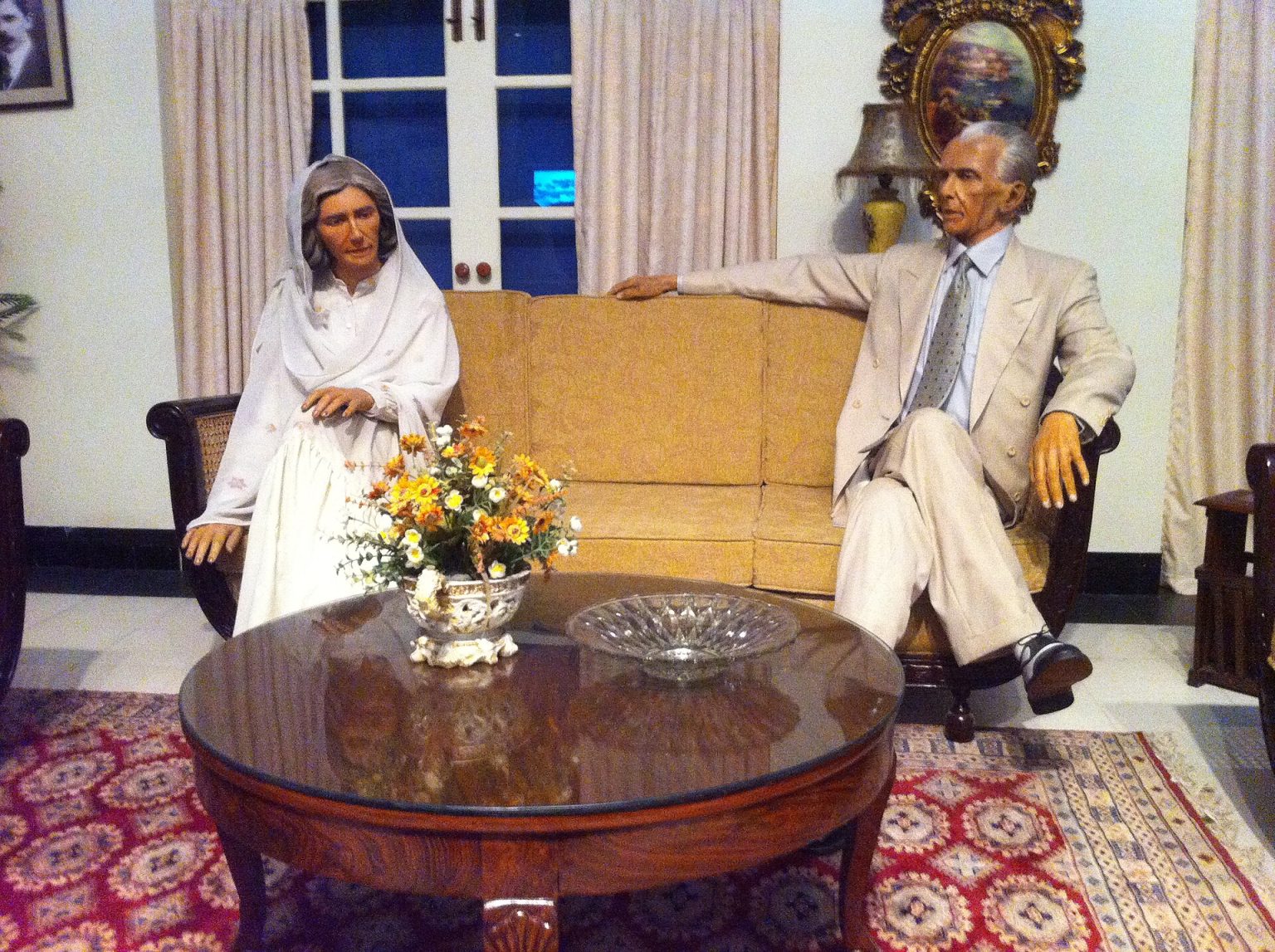
- Muhammad Ali Jinnah with sister Fatima Jinnah.JPG, Hamzakhanworld, CC BY-SA 3.0, via Wikimedia Commons
