
Historical event
14 August 1947: Pakistan Is Born
How the new state came into being in Karachi in August 1947, the Act, the Constituent Assembly, Jinnah's 11 August speech and why the date is celebrated on the 14th.
- 14 August 1947
- Karachi, first capital
- Dominion of Pakistan
- Jinnah first Governor-General
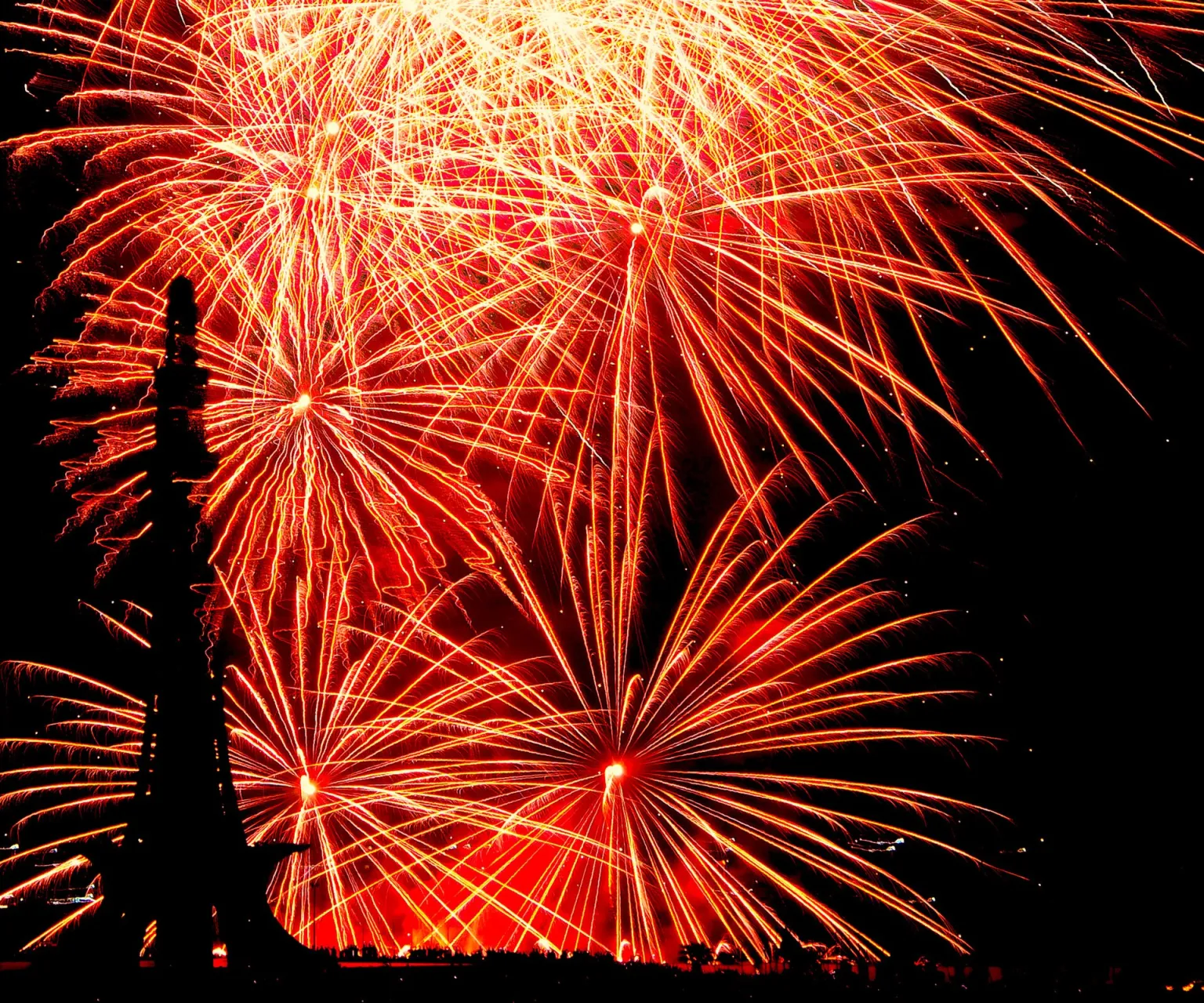
Minar-e-Pakistan, Lahore
- When
- 14 August 1947
- Key people
- Muhammad Ali Jinnah, Liaquat Ali Khan, Fatima Jinnah
- Certainty
- Well established
What Happened
The Indian Independence Act, which received Royal Assent on 18 July 1947, provided that 'two independent Dominions shall be set up in India, to be known respectively as India and Pakistan', from the appointed day of 15 August 1947. Pakistan was to comprise East Bengal, West Punjab, Sindh, British Balochistan and, following its referendum, the North-West Frontier Province, with the boundaries in Punjab and Bengal to be fixed by boundary commissions.
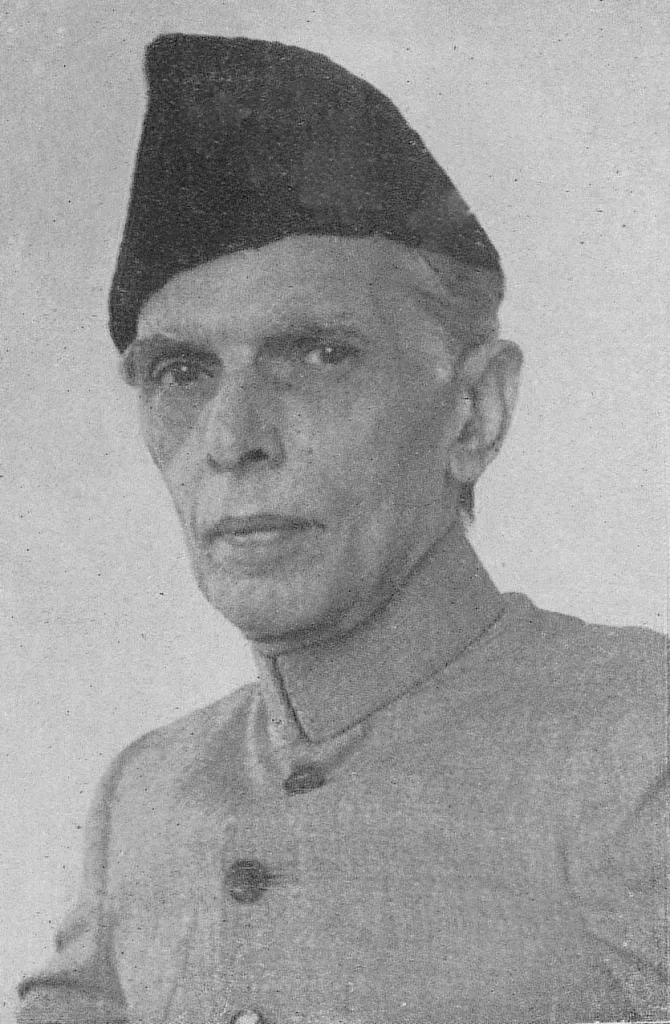
The new state's institutions took shape in Karachi, its first capital. The Constituent Assembly of Pakistan held its first session there on 10 August and on 11 August elected Jinnah its President. In his address that day he told members that citizens were free to go to their temples, mosques or any other places of worship, and that religion had nothing to do with the business of the state, words still cited in debates about Pakistan's identity.
Because Lord Mountbatten could not be in Karachi and Delhi at the same moment, the transfer of power to Pakistan was marked in Karachi on 14 August, a day before India's midnight ceremony. Jinnah became Governor-General and Liaquat Ali Khan Prime Minister; accounts differ on whether oaths were taken on the 14th or the morning of the 15th.
Background
Independence followed the 3 June 1947 plan, under which Punjab and Bengal voted to divide, Sindh and Balochistan opted for Pakistan and the Frontier and Sylhet held referendums. Britain then legislated at speed. Until a new constitution was made, the Act provided that each dominion would be governed 'as nearly as may be' under the Government of India Act 1935, with the Constituent Assembly acting as the federal legislature.
The new state began with two wings about 1,600 km apart, a capital without ministries, a share of British India's army and assets still to be divided, and, once the Radcliffe Award was published on 17 August, millions of people crossing the new borders.
Timeline
3 June 1947
Partition plan
Britain announces the transfer of power to two dominions.
18 July 1947
Royal Assent
The Indian Independence Act becomes law.
10–11 August 1947
Constituent Assembly meets
The Assembly holds its first session in Karachi and elects Jinnah President; he delivers his 11 August address.
14 August 1947
Transfer of power in Karachi
Mountbatten addresses the Constituent Assembly and power passes to the new dominion.
15 August 1947
Appointed day
The legal date of independence under the Act; Jinnah's first broadcast as Governor-General calls it Pakistan's birthday.
17 August 1947
Boundaries published
The Radcliffe Award fixes the borders in Punjab and Bengal.
July 1948
First stamps
Pakistan's first commemorative stamps carry the date 15 August 1947.
From 1948
14 August observed
Pakistan settles on 14 August as Independence Day.
Consequences
Pakistan began life as a dominion of the British Commonwealth with the British monarch as head of state, represented by the Governor-General. It became a republic only with its first constitution on 23 March 1956. The Constituent Assembly's first major statement of principles was the Objectives Resolution of March 1949.
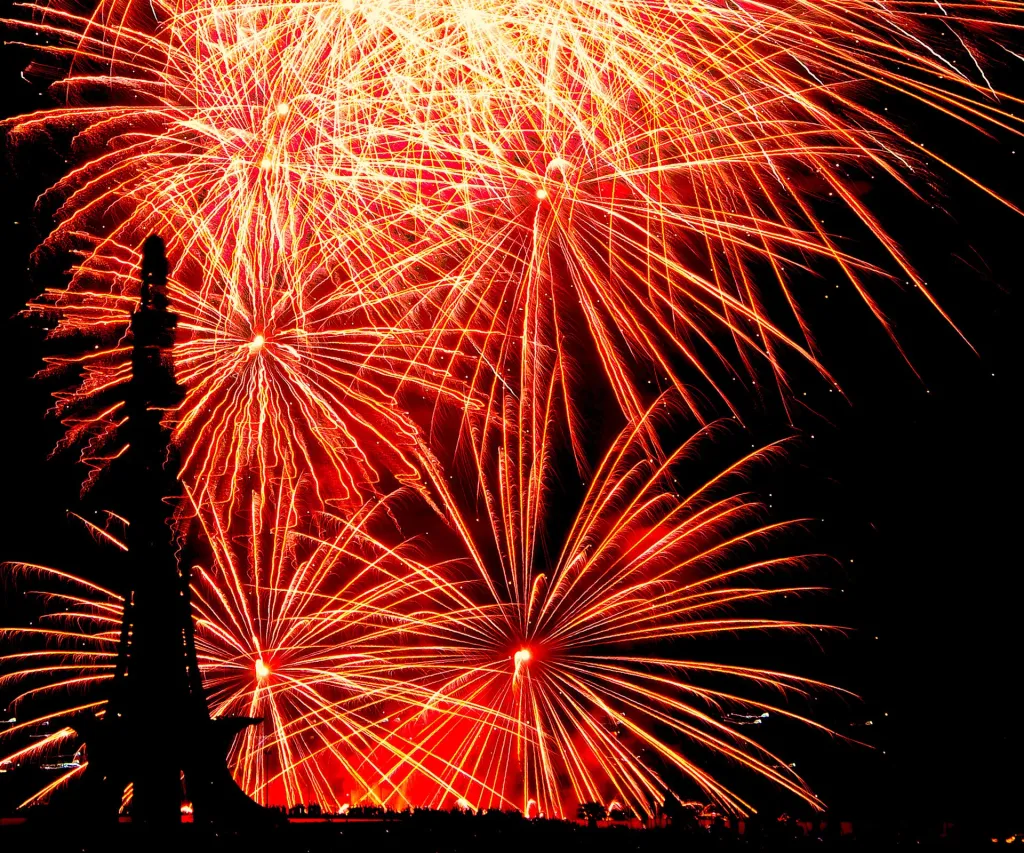
Independence Day on 14 August is Pakistan's main national celebration, marked by flag-raising, the national anthem, illuminated buildings and fireworks, and, for many families, by memories of the migration of 1947.
How We Know
The legal framework is set out in the Indian Independence Act 1947, published on legislation.gov.uk. The Constituent Assembly's proceedings and Jinnah's speeches were printed at the time; the National Assembly of Pakistan's parliamentary history records the first session and Jinnah's election. On the date question, Pakistani historians including K. K. Aziz and the memoir of Chaudhry Muhammad Ali, discussed in Dawn and The Express Tribune, show that 15 August was used in 1947 and that 14 August was adopted from 1948.
14 or 15 August?
The Act fixed 15 August, Jinnah's first broadcast called 15 August Pakistan's birthday, and the 1948 stamps carried that date, yet Pakistan has celebrated on 14 August since 1948. Explanations include the timing of the Karachi ceremony on the 14th and the fact that the night of 14–15 August 1947 fell on the 27th of Ramadan. Writers in Dawn and The Express Tribune note that no surviving official order explains the change. Separately, the meaning of Jinnah's 11 August speech, a vision of a secular state, or of a Muslim homeland with equal citizenship, remains one of the most debated questions in Pakistani public life.
Before and After
Where this moment sits in Pakistan’s story.
Before
- 9 and 12 August 1947
Awards completed
Radcliffe completes the awards.
- 14 August 1947
Pakistan created
Pakistan becomes independent.
After
- 14 August 1947
Pakistan is born
Pakistan becomes independent, with two wings a thousand miles apart. Jinnah is its first Governor-General and Liaquat Ali Khan its first Prime Minister; Karachi is the capital. Three days earlier, Jinnah told the Constituent Assembly that citizens of every faith would be equal.
- 15 August 1947
Prime Minister
Becomes the first Prime Minister of Pakistan.
Frequently Asked Questions
When did Pakistan become independent?
The Indian Independence Act set 15 August 1947 as the appointed day, and power was transferred to Pakistan in a ceremony in Karachi on 14 August 1947. Pakistan has celebrated Independence Day on 14 August since 1948.
Who were Pakistan's first leaders?
Muhammad Ali Jinnah was the first Governor-General and President of the Constituent Assembly; Liaquat Ali Khan was the first Prime Minister.
What was Pakistan's first capital?
Karachi, where the Constituent Assembly first met on 10 August 1947.
Was Pakistan a republic in 1947?
No. It was a dominion in the Commonwealth, governed under an adapted Government of India Act 1935, until the 1956 constitution made it the Islamic Republic of Pakistan.
What did Jinnah say on 11 August 1947?
In his address to the Constituent Assembly he said citizens were free to worship as they chose and that religion was not the business of the state, stressing equal citizenship. The speech is widely quoted and variously interpreted.
Keep Exploring
Related places and stories on DailyLife.pk
 KarachiKarachi travel guide: Mazar-e-Quaid, Mohatta Palace, Clifton, Burns Road, bazaars, neighbourhoods, Green Line BRT
 LahoreLahore travel guide: Badshahi Mosque, Lahore Fort, Shalimar Gardens, the Walled City, food streets, neighbourhoods, metro
 The Partition of 1947The 1947 Partition of British India: the 3 June Plan, the Radcliffe Line
 The Pakistan MovementThe Pakistan Movement explained: Sir Syed and Aligarh, the Muslim League (1906), Iqbal's 1930 address
 The Making of Pakistan: A Timeline, 1857–1947Year-by-year timeline of Pakistan's creation, 1857–1947: Aligarh, the Muslim League, Iqbal's 1930 address, the Lahore ResolutionMuhammad Ali JinnahQuaid-e-Azam Muhammad Ali Jinnah: life, law career, Muslim League, Lahore Resolution, 1947, death in 1948
How we know this
- Type Historical record
- Sources 7 (2 official/academic)
- Reviewed October 2026
- Disputed points Yes, see the debates
7 sources
- Indian Independence Act 1947 (1947 c. 30), as enacted, legislation.gov.uk (The National Archives)
- Parliamentary History, National Assembly of Pakistan
- Independence Day (Pakistan) (cross-reference; cites Read & Fisher, The Proudest Day), Wikipedia
- August 15: Pakistan's Independence Day (Akhtar Balouch, 12 August 2015), Dawn
- Was Pakistan created on August 14 or 15? (Ismail Sheikh & Tashkeel Ahmed Farooqui, 15 August 2016), The Express Tribune
- Mohammed Ali Jinnah, Encyclopaedia Britannica
- Partition of British India (education resource), The National Archives (UK)
Photo credits (4)
- Independence fireworks at Minar-e-Pakistan..jpg, Saad.scorpio001, CC BY-SA 4.0, via Wikimedia Commons
- Jinnah announces the creation of Pakistan over All India Radio.jpg, Unknown authorUnknown author, Public domain, via Wikimedia Commons
- Jinnah1945a.jpg, Photographer not known, Public domain, via Wikimedia Commons
- Mazar-e-Quaid Karachi.jpg, Furqanlw, CC BY-SA 4.0, via Wikimedia Commons
