
City guide
Khanewal: Railway Junction of the Cotton Belt
A railway and canal-colony city north-east of Multan, set in a district of cotton fields, the ancient town of Tulamba and one of South Asia's earliest Muslim tombs.
- South-central Punjab, near Multan
- Historic railway junction
- Tulamba and Kabirwala heritage
- Best season: November–February
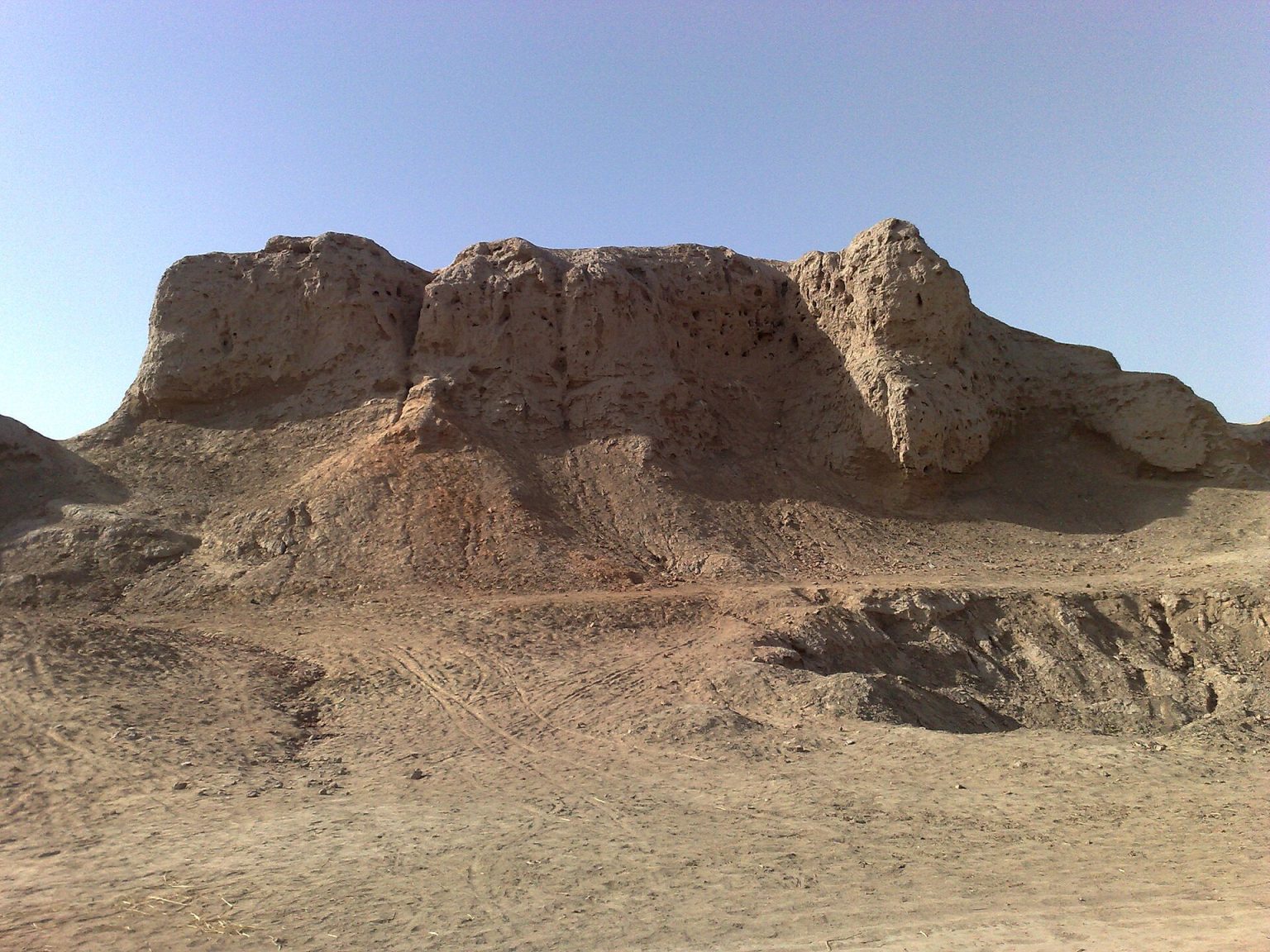
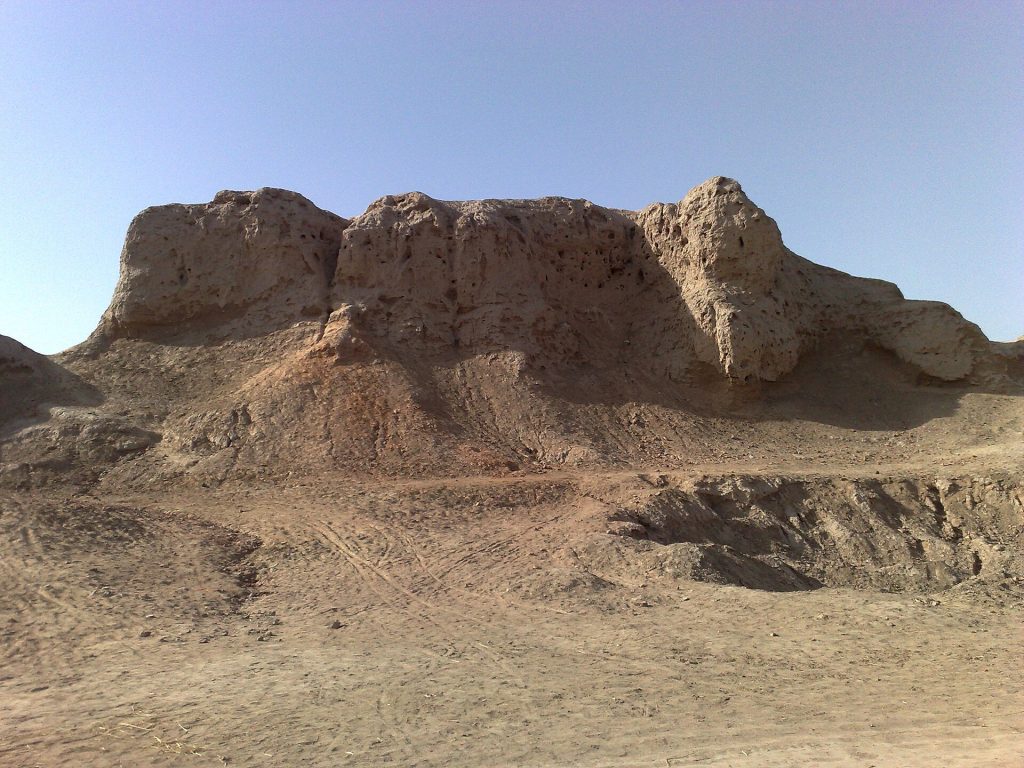
Ruins of old Tulamba, Khanewal District
Khanewal at a Glance
About Khanewal
Khanewal lies on the plains north-east of Multan, between the Ravi and the Chenab. The city owes its existence to two colonial projects. In 1865 a small flag station opened here on the new railway between Multan and Lahore; as lines were added towards Lodhran and, from 1900, towards Toba Tek Singh and Wazirabad, Khanewal grew into one of the most important junctions on Pakistan's rail network. Then the Lower Bari Doab Canal, completed in 1913, turned the surrounding scrubland into farmland, and cotton ginning factories followed in the 1920s.
The 2023 Census counted 281,890 people in Khanewal city and 3,364,077 in Khanewal District, about a fifth of them urban. The district, created in 1985 from parts of Multan District, includes the tehsils of Khanewal, Kabirwala, Mian Channu and Jahanian.
The countryside is classic south Punjab cotton and wheat country. Its older history survives at Tulamba, an ancient town on the Ravi crossed by the armies of Alexander and Timur, and near Kabirwala, where the 12th-century tomb of Khalid Walid may be the earliest surviving Muslim funerary monument in South Asia.
Khanewal was made by the railway and the canal; its district holds far older stories.
Things to See
An early Islamic tomb, an ancient mound and a working junction.
 Shrine of Khalid WalidA brick tomb near Kabirwala dating from the late 12th or early 13th century. An inscription credits Ali bin Karmakh, governor of Multan under Muhammad of Ghor; it is considered one of the earliest Muslim tombs in South Asia.
 TulambaAn ancient town on the eastern edge of the Ravi, said to be more than 2,500 years old. The ruins of the old walled city lie about 1 km away, and a fort attributed to Sher Shah Suri stands in the centre.
 Khanewal JunctionA historic station where main-line trains meet the branch towards Wazirabad. Its renovated building, railway colony and long footbridge are part of the city's identity.




A Short History of Khanewal
Antiquity
Tulamba
A settlement on the Ravi grows up on the route to Multan; excavations reveal five cultural layers.
c. 1200
Khalid Walid's tomb
A tomb is built near today's Kabirwala under the Ghorid governor of Multan.
1398
Timur's army
Timur's forces pass Tulamba on their march through Punjab.
1865
A flag station
Trains on the new Multan–Lahore railway begin stopping at Khanewal.
1900
A major junction
The line towards Toba Tek Singh opens and Khanewal becomes a key junction.
1913
Canal colony
The Lower Bari Doab Canal is inaugurated, bringing settlers and farming.
1920s
Cotton ginning
Ginning factories open as cotton becomes the area's main cash crop.
1985
A new district
Khanewal District is created from parts of Multan District.
Getting There and Around
By rail
Khanewal Junction
Most express trains on the Karachi–Lahore–Peshawar main line stop here. Check timetables with Pakistan Railways.
By road
N-5 and M-4
The national highway and the M-4 motorway link Khanewal with Multan, Faisalabad and Lahore.
Nearest airport
Multan International
Multan's airport is the closest, a short drive away.
Local transport
Rickshaws and hired cars
Rickshaws in town; hire a car for Kabirwala and Tulamba.
Plan Your Visit
Best time to visit
November to February
Pleasant days for exploring ruins; fog can disrupt winter travel.
Weather
Very hot summers
Temperatures soar from May to July; plan sightseeing early or late in the day.
Where to stay
Multan or Khanewal
Multan has more hotels; Khanewal has simpler options near the centre.
Shrine etiquette
Dress modestly
Cover your head and remove shoes where asked at shrines.
Khanewal Through Time
Every dated moment our guides record about Khanewal, from its own history and from national events that touched it. Each entry links to its source page.
- 1910
The railway
A branch line between Lodhran and Khanewal brings trains to Pakpattan.
- 1 July 1985
Khanewal District
Mian Channu becomes a tehsil headquarters in the new district.
- 2021–2022
Better links
Work begins on a 62 km road linking Lodhran, Khanewal and Multan, and a bus service between Bahawalpur and Lodhran is launched.
Do you remember Khanewal as it used to be? Share a memory or an old photo, our editors review every story before it appears.
Frequently Asked Questions
What is the population of Khanewal?
The 2023 Census counted 281,890 people in Khanewal city and 3,364,077 in Khanewal District.
Why is Khanewal important for railways?
It is a historic junction where the main Karachi–Lahore line meets branch lines, including the route towards Wazirabad; most express trains stop here.
What is Tulamba?
An ancient town in Khanewal District on the Ravi, said to be over 2,500 years old, with ruins of an old walled city nearby and a fort attributed to Sher Shah Suri.
When was Khanewal District created?
In 1985, from parts of Multan District.
Keep Exploring
Related places and stories on DailyLife.pk
 MultanMultan city guide: Shah Rukn-e-Alam and other Sufi shrines, the walled city, blue pottery, sohan halwa
 VehariVehari city guide: south Punjab's cotton belt and its shift to maize and dairy
 SahiwalSahiwal city guide: Harappa's Indus Valley ruins, the Montgomery-era railway town, Sahiwal cattle, food, history
 FaisalabadFaisalabad city guide: the Clock Tower and its eight bazaars, textile industry, Lyallpur Museum, food, historyThe British Colonial EraBritish rule in Pakistan 1843–1947: conquest of Sindh and Punjab, the North-West Frontier, railways, canal coloniesSufi Shrines of PakistanVisit Pakistan's great Sufi shrines: Data Darbar, Shah Rukn-e-Alam, Lal Shahbaz Qalandar, Bhit Shah
How we know this
- Type Place guide
- Sources 6 (2 official/academic)
- Reviewed October 2026
- Disputed points None
6 sources
- Table 1: Area, population by sex, sex ratio, density, urban proportion: Punjab districts (Census 2023), Pakistan Bureau of Statistics
- Pakistan: Cities and Municipalities: 2023 Census, City Population (Thomas Brinkhoff), from PBS data
- Important Places, District Khanewal, Government of the Punjab
- Khanewal Railway Junction awaits modernisation, The Express Tribune
- Khanewal (overview used to locate primary sources), Wikipedia
- Khanewal Junction railway station (overview), Wikipedia
Photo credits (9)
- Sohan Halwa.JPG, Miansari66, Public domain, via Wikimedia Commons
- Chicken Karahi in Pakistan.jpg, Kskhh, CC BY-SA 4.0, via Wikimedia Commons
- Making Lassi (White Beer) in Pakistan.jpg, Tahsin Shah, CC BY-SA 4.0, via Wikimedia Commons
- Ruins of Old Tulamba - panoramio.jpg, Muhammad Imran, CC BY-SA 3.0, via Wikimedia Commons
- Shah Rukn-e-Alam Tomb.jpg, Junaidali88z, CC BY-SA 3.0, via Wikimedia Commons
- Lahore High Court Building.jpg, MariyamAftab, CC BY-SA 4.0, via Wikimedia Commons
- Multan - Tomb of Shah Rukn-e-Alam 2014.jpg, Amirshafiquemughal, CC BY-SA 3.0, via Wikimedia Commons
- Cotton plant in Pakistan.jpg, Ihabullah khan, CC BY-SA 4.0, via Wikimedia Commons
- View of Granary and Great Hall on Mound F - Archaeological site of Harappa.jpg, Muhammad Bin Naveed, CC BY-SA 3.0, via Wikimedia Commons
