
People
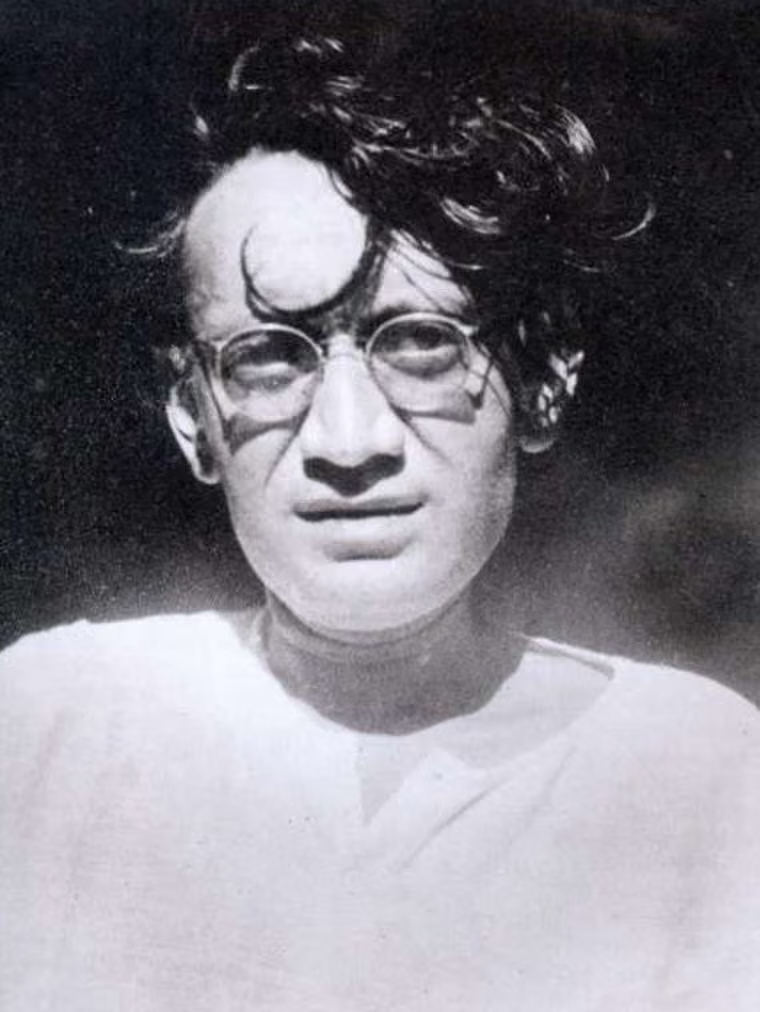
Saadat Hasan Manto: Master of the Urdu Short Story
The fearless chronicler of Partition and of the lives society preferred not to see, tried six times for obscenity, he wrote 'Toba Tek Singh' and 'Thanda Gosht' and died in Lahore aged 42.
- 1912–1955
- Short-story writer
- Lahore from 1948
- Born
- 11 May 1912
- Died
- 18 January 1955, Lahore
- Known for
- Urdu short-story writer, essayist and screenwriter
- Field
- Literature
About Manto
Saadat Hasan Manto was born on 11 May 1912 in Paprodi village near Samrala, in Ludhiana district of Punjab (now in India), into a Kashmiri family, and grew up in Amritsar. An indifferent student who failed his matriculation twice, he found his calling in journalism and translation, and then in the short story.
In Bombay from the mid-1930s he wrote for magazines, radio and the film industry, and in 1941–42 worked for All India Radio in Delhi. In 1948, after the Partition, he left Bombay for Lahore. There, in poor health, he produced some of the most powerful fiction about 1947 in any language, including 'Toba Tek Singh', 'Khol Do' and 'Thanda Gosht'.
Manto's unflinching stories of sex workers, violence and hypocrisy led to six obscenity trials, three in British India and three in Pakistan. He died in Lahore on 18 January 1955, aged 42, and is buried at Miani Sahib. Britannica ranks him among the greatest writers of short stories.
Life at a Glance
11 May 1912
Born in Punjab
Born at Paprodi, Samrala, Ludhiana district; his father is a judge.
1933–1934
Amritsar beginnings
Encouraged by the editor Abdul Bari Alig, translates Victor Hugo into Urdu; joins Aligarh Muslim University in 1934 but leaves within a year after being diagnosed with tuberculosis.
1935–1941
Bombay
Works on film weeklies such as Musawwir and writes for film companies; his first collection of original stories, Atish Pare, appears in 1936.
1941–1942
All India Radio
Writes radio plays for the Urdu service of All India Radio in Delhi, then returns to Bombay's film studios.
1948
To Lahore
Leaves Bombay by sea after Partition, stays briefly in Karachi and settles in Lahore.
1948–1955
The Lahore stories
Writes 'Thanda Gosht', 'Khol Do' and 'Toba Tek Singh' and faces three more obscenity cases in Pakistan.
18 January 1955
Death in Lahore
Dies at Lakshmi Mansions, Lahore, of liver disease; buried at Miani Sahib graveyard.
The Stories
On Trial for Obscenity
Manto was prosecuted six times for obscenity: before 1947 for 'Dhuan', 'Bu' and 'Kali Shalwar', and in Pakistan for 'Khol Do', 'Thanda Gosht' and 'Upar Neeche Darmiyan'. Accounts of the outcomes differ slightly, most sources say he was never finally convicted and was fined in only one case, while Rekhta records that a Pakistani court sentenced him to three months' imprisonment and a fine. Prosecutors saw the stories as indecent; Manto maintained that he only described society as it was. The poet Fahmida Riaz, writing in Dawn on his centenary, recalled that friends at one point had him declared insane to keep him out of prison, and that he spent time in a mental hospital. Later critics such as the Daily Star's Shahnawaz Khan Chandan compare him to D. H. Lawrence for writing openly about taboo subjects.
Legacy
Manto's reputation has grown steadily since his death. Pakistan issued a postage stamp on the 50th anniversary of his death, 18 January 2005, and awarded him the Nishan-e-Imtiaz posthumously on 14 August 2012. Sarmad Khoosat's Pakistani film Manto (2015) dramatised his life and stories. His stories are read in Urdu, Hindi and translation across the world as some of the truest accounts of what Partition did to ordinary people. See Poetry and Literature of Pakistan.
Frequently Asked Questions
Where was Manto born?
At Paprodi village near Samrala, in Ludhiana district of Punjab, now in India, on 11 May 1912. He moved to Lahore in 1948.
Why was Manto tried for obscenity?
Six of his stories, 'Dhuan', 'Bu', 'Kali Shalwar', 'Khol Do', 'Thanda Gosht' and 'Upar Neeche Darmiyan', led to obscenity cases, three before 1947 and three in Pakistan.
What is 'Toba Tek Singh' about?
The exchange of asylum inmates between India and Pakistan after Partition, seen through a Sikh patient who will not leave his village. It is Manto's best-known story.
Where is Manto buried?
In the Miani Sahib graveyard in Lahore.
Keep Exploring
Related places and stories on DailyLife.pk
 LahoreLahore travel guide: Badshahi Mosque, Lahore Fort, Shalimar Gardens, the Walled City, food streets, neighbourhoods, metro
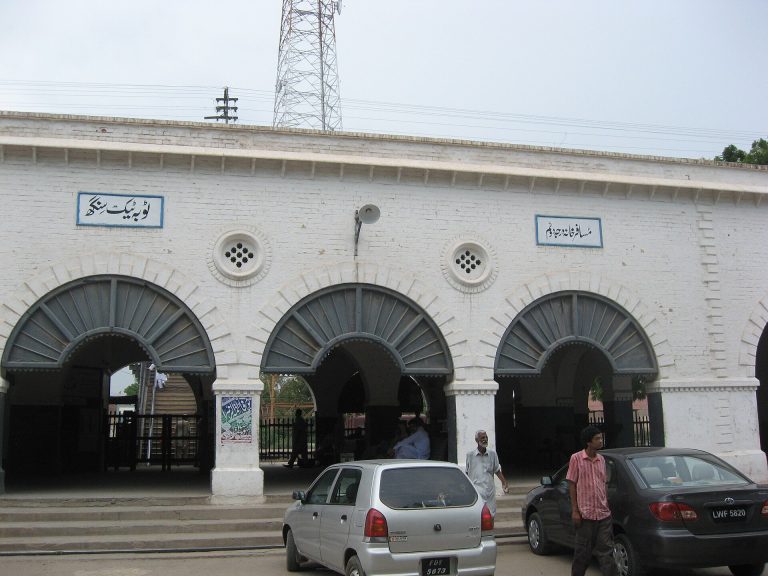 Toba Tek SinghToba Tek Singh guide: the story behind the name, Manto's famous tale, kinnow orchards
 Poetry and Literature of PakistanPakistan's poetry and literature: Bhittai, Bulleh Shah, Rahman Baba, Khushal Khan Khattak, Ghalib's legacy, Iqbal, Faiz
 The Partition of 1947The 1947 Partition of British India: the 3 June Plan, the Radcliffe Line
 Urdu LanguageUrdu explained: its history and name, the Nastaliq script, Article 251, how it relates to Punjabi
 Pakistani CinemaThe history of Pakistani cinema: Lollywood's golden age, its decline, the revival since 2007
How we know this
- Type Biography
- Sources 5 (1 official/academic)
- Reviewed October 2026
- Disputed points Yes, see the debates
5 sources
- Saadat Hasan Manto – Profile, Rekhta
- The polemic writer, The Daily Star
- Saadat Hasan Manto | Biography, Encyclopaedia Britannica
- Saadat Hasan Manto, Wikipedia (used to locate primary sources)
- Manto's Birth Centenary 1912–2012 (Fahmida Riaz, first published in Dawn), Academy of the Punjab in North America
Photo credits (1)
- Saadat Hasan Manto.jpg, Unknown authorUnknown author, Public domain, via Wikimedia Commons
