Muhammad Iqbal photographed in the 1930s

Historical event

Iqbal’s Allahabad Address

In December 1930 the poet-philosopher Iqbal told the Muslim League that the Muslim north-west should one day govern itself, an idea later seen as Pakistan's intellectual foundation.

  • 29 December 1930
  • Allama Muhammad Iqbal
  • A north-west Muslim state
  • Presidential address to the League

Portrait of Allama Muhammad Iqbal

29–30 Dec 1930League session at AllahabadIqbal Review (M. H. Shahid)
4 provincesPunjab, NWFP, Sindh, BalochistanIqbal Academy Pakistan
About 600Audience at the morning sittingIqbal Review (M. H. Shahid)
When
29 December 1930
Key people
Allama Muhammad Iqbal, Choudhry Rahmat Ali, Muhammad Ali Jinnah
Era
British rule & the Pakistan Movement
Certainty
Well established

What Happened

On 29 December 1930 the All-India Muslim League opened its annual session at Allahabad with Allama Muhammad Iqbal, poet, philosopher and lawyer from Lahore, in the chair. His presidential address argued that Indian Muslims were a distinct people whose religion was the formative force of their history, and that India could not have peace until this was recognised in its constitution.

Its best-remembered passage proposed that the Punjab, the North-West Frontier Province, Sindh and Balochistan be amalgamated into a single state. Iqbal described self-government for a consolidated north-western Muslim state, 'within the British Empire, or without the British Empire', as the likely final destiny of the Muslims of the north-west.

The address was heard by a modest gathering. Muhammad Haneef Shahid, writing in the Iqbal Academy's Iqbal Review, records an audience of about 600 at the morning sitting, many of them local people; on the second day attendance fell below the League's quorum. Its fame came later, as the Pakistan Movement looked back to it.

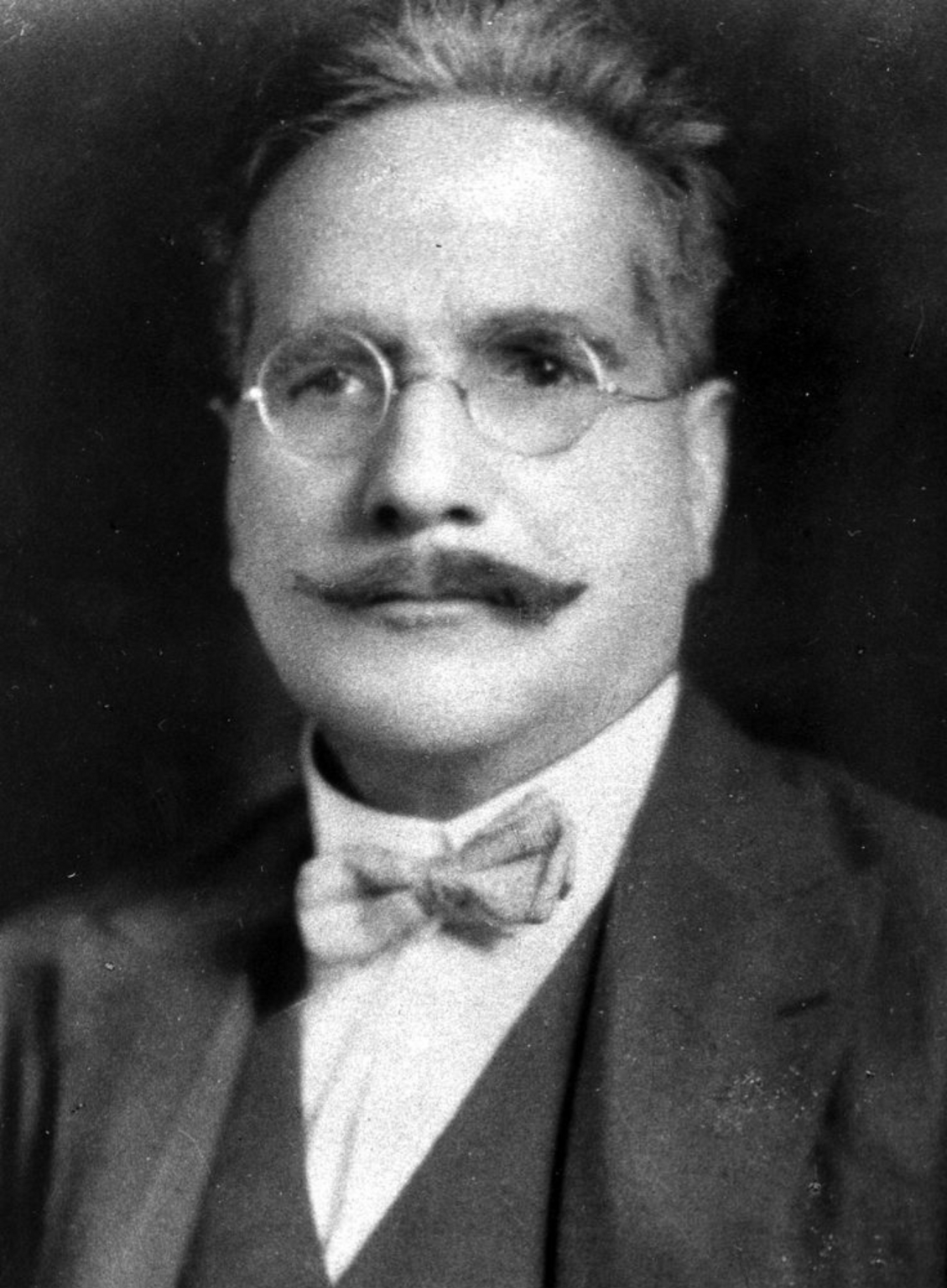
Muhammad Iqbal photographed in the 1930s
Allama Muhammad Iqbal in the 1930s.

Background

By 1930 constitutional talks were in full swing. The Simon Commission had reported, the Nehru Report of 1928 had proposed joint electorates and a strong centre, and Jinnah had answered in 1929 with his Fourteen Points. The first Round Table Conference was meeting in London as Iqbal spoke.

The Iqbal Academy notes that the address responded both to the Nehru Report and to the British government's handling of Muslim demands after the Simon Commission. Iqbal argued that in any federal scheme, Muslim-majority units should enjoy the same privileges as Hindu-majority ones so that both communities could develop according to their own cultural values.

Timeline

  1. 1928

    Nehru Report

    Proposes dominion status with joint electorates; most League leaders reject it.

  2. 1929

    Jinnah's Fourteen Points

    Jinnah restates the safeguards Muslims want, including separate electorates and provincial autonomy.

  3. November 1930

    First Round Table Conference

    Talks on India's constitution open in London.

  4. 29 December 1930

    The Allahabad Address

    Iqbal proposes a self-governing Muslim state in the north-west.

  5. January 1933

    'Pakistan' named

    Choudhry Rahmat Ali's Cambridge pamphlet Now or Never coins the name Pakistan.

  6. 28 May 1937

    Letter to Jinnah

    Iqbal writes to Jinnah urging a free Muslim state or states.

  7. 21 April 1938

    Iqbal dies

    Iqbal dies in Lahore and is buried beside the Badshahi Mosque.

  8. 23 March 1940

    Lahore Resolution

    The League formally demands independent Muslim-majority states.

Legacy

An idea, not yet a programme

The League did not adopt Iqbal's proposal in 1930. But the address gave the idea of a Muslim homeland a clear geography and a philosophical basis, and the Iqbal Academy describes it as giving Muslim nationalism the ideological base that later became the foundation of Pakistan.

Muhammad Iqbal photographed in the 1930s

Remembered in Lahore and Sialkot

Iqbal is honoured as Pakistan's national poet. His birthplace, Iqbal Manzil in Sialkot, and his tomb beside the Badshahi Mosque in Lahore are places of pilgrimage, and 9 November, his birthday, is marked across the country.

Explore
The red sandstone tomb of Allama Iqbal beside the gateway of the Badshahi Mosque, Lahore

How We Know

The text of the address was printed at the time and is reproduced in collections such as Latif Ahmed Sherwani's edition of Iqbal's speeches and the Iqbal Academy Pakistan's publications. M. H. Shahid's research in the Iqbal Review uses the session's proceedings to reconstruct attendance and the order of business, and points out that some historians have misdated the address or quoted it selectively.

Debates

Pakistani historiography treats the address as the first authoritative statement of the Pakistan idea. Other historians note that it did not include Bengal and that its phrase 'within the British Empire, or without' left open whether Iqbal meant a fully sovereign state or a large autonomous unit within an Indian federation. Readers of his 1937 letters to Jinnah, which speak of a 'free Muslim state or states', often take them as showing how his thinking developed.

Frequently Asked Questions

What did Iqbal propose at Allahabad?

That the Punjab, the North-West Frontier Province, Sindh and Balochistan be amalgamated into a single self-governing Muslim state, within or outside the British Empire.

When was the Allahabad Address delivered?

On 29 December 1930, at the opening of the All-India Muslim League's session at Allahabad. Some later writers give other dates, which researchers in the Iqbal Review have corrected.

Did the address include Bengal?

No. Iqbal's proposal concerned the Muslim-majority provinces of the north-west. The Lahore Resolution of 1940 later added the eastern zone.

Did Iqbal use the word 'Pakistan'?

No. The name was coined in 1933 by Choudhry Rahmat Ali and colleagues at Cambridge.

How we know this

  • Type Historical record
  • Sources 5 (2 official/academic)
  • Reviewed October 2026
  • Disputed points Yes, see the debates
5 sources
  1. Allahabad Address (1930), Iqbal Academy Pakistan
  2. Some Ignored Facts About the Allahabad Session of All-India Muslim League and Iqbal (Muhammad Haneef Shahid), Iqbal Review, Iqbal Academy Pakistan
  3. Lahore Resolution, Encyclopaedia Britannica
  4. Muslim League, Encyclopaedia Britannica
  5. Lahore Resolution (cross-reference; cites Sherwani, Malik, Jalal, Wolpert), Wikipedia
Photo credits (4)
Suggest a correction

Stay updated

Stay Connected with DailyLife.pk

Get new travel guides, recipes and stories from across Pakistan, no spam, unsubscribe any time.

Your Pakistan journey starts here

From majestic mountains to vibrant cities, rich cuisine to timeless traditions — discover the real Pakistan with DailyLife.pk.