
Travel destination
The Walled City of Lahore: Androon Shehar
Mughal gateways, tiled mosques, a royal bathhouse and lanes of specialist bazaars, wrapped around the Lahore Fort and the Badshahi Mosque in the old heart of Punjab's capital.
- Lahore, Punjab
- Lahore Fort: UNESCO World Heritage (1981)
- Best season October to March
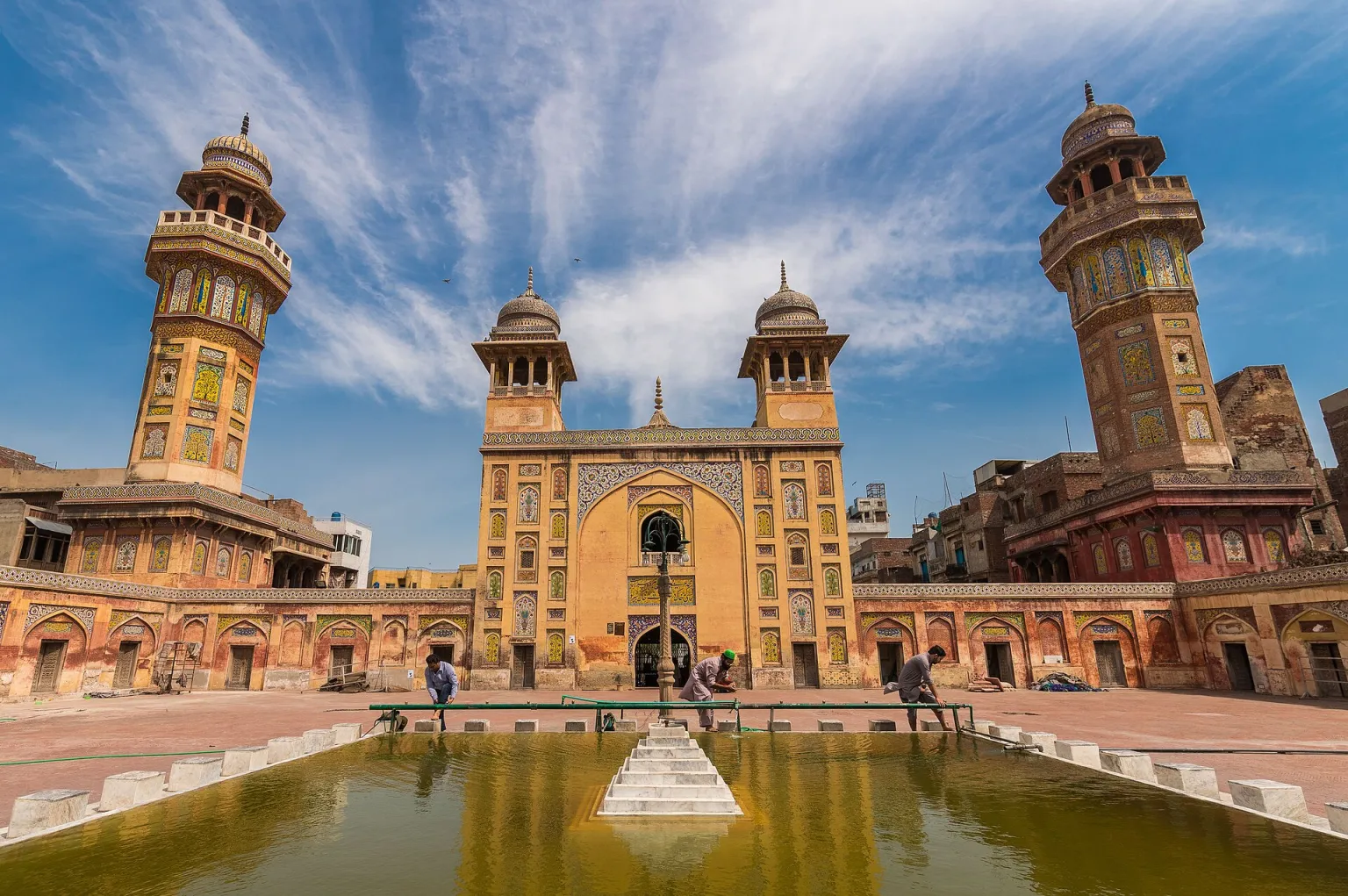
Wazir Khan Mosque, Walled City of Lahore
About the Walled City
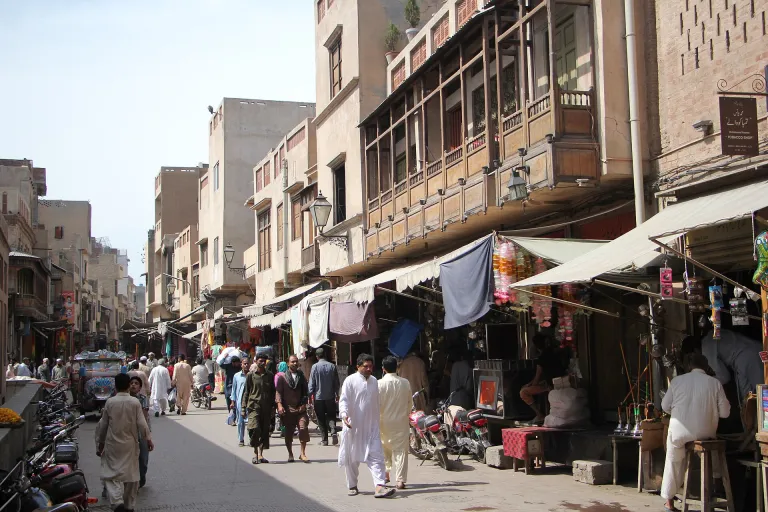
Before Lahore sprawled into canal-side suburbs and motorway interchanges, it was a fortified town on the banks of the Ravi. That old core, known in Urdu and Punjabi as Androon Shehar ('the inner city'), still survives in the north-west of the modern city: a dense web of lanes, gateways, mosques, havelis and bazaars covering roughly 256 hectares, with the Lahore Fort and the Badshahi Mosque on its northern edge.
The city's walls reached their grandest form after the Mughal emperor Akbar made Lahore his base in the 1580s and had them rebuilt and extended. Tradition counts thirteen gates, from Delhi Gate in the east to Bhati and Lohari in the west; Mori, the smallest, was never an official gate but is usually counted as the thirteenth. Under British rule most of the walls were pulled down and several gates were rebuilt or replaced, so what visitors see today is a living neighbourhood rather than a museum piece: tens of thousands of people still live and trade here.
Since 2012 the Walled City of Lahore Authority (WCLA), working with the Aga Khan Trust for Culture (AKTC), has restored the Shahi Guzargah or Royal Trail from Delhi Gate to the Wazir Khan Mosque, uncovering carved balconies and painted façades, and has conserved monuments such as the Shahi Hammam and parts of the Lahore Fort. A walk along this route, ending at the Fort and the Badshahi Mosque, is one of the great urban experiences in Pakistan.
Enter at Delhi Gate in the morning and let the lanes carry you towards the Fort; the city reveals itself one doorway at a time.
Which guide do you need? This guide covers the old walled city: its gates, bazaars, mosques and havelis. For a detailed visit to the fort and the mosque, see Lahore Fort and Badshahi Mosque. For the rest of Lahore, see Lahore.
Top Sights in the Walled City
 Delhi GateThe eastern gateway and starting point of the Royal Trail. The present gate is a 19th-century British-era rebuild that stands a little east of the Mughal original.
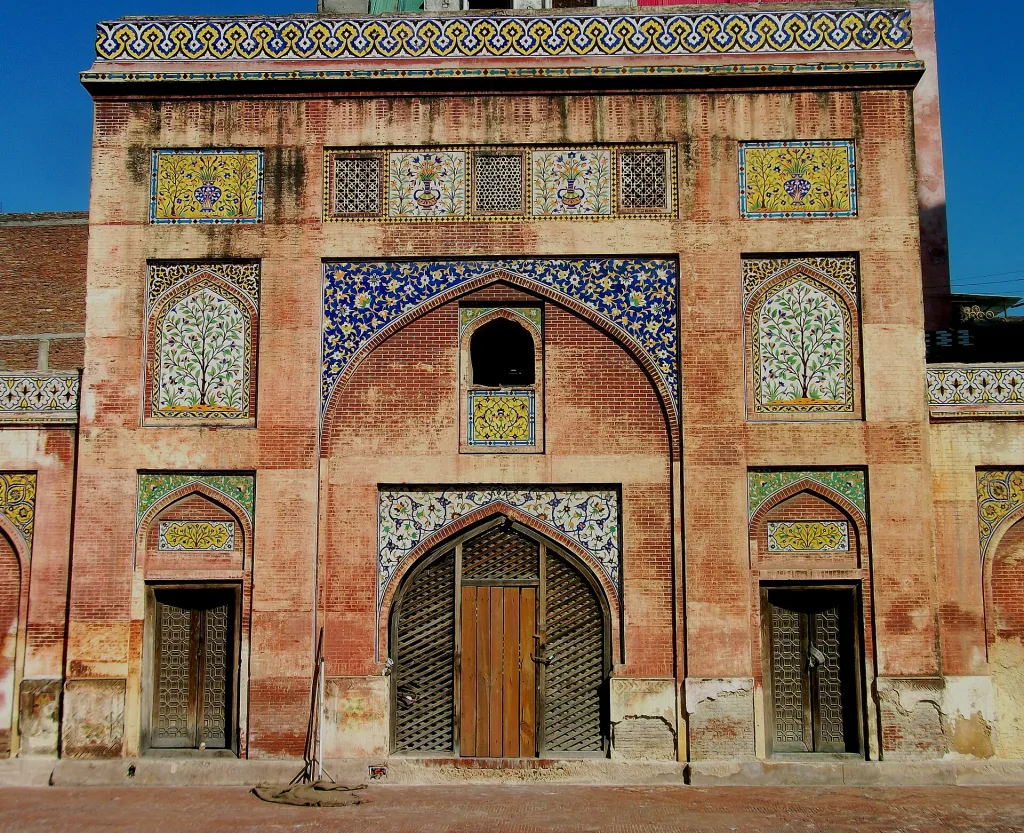
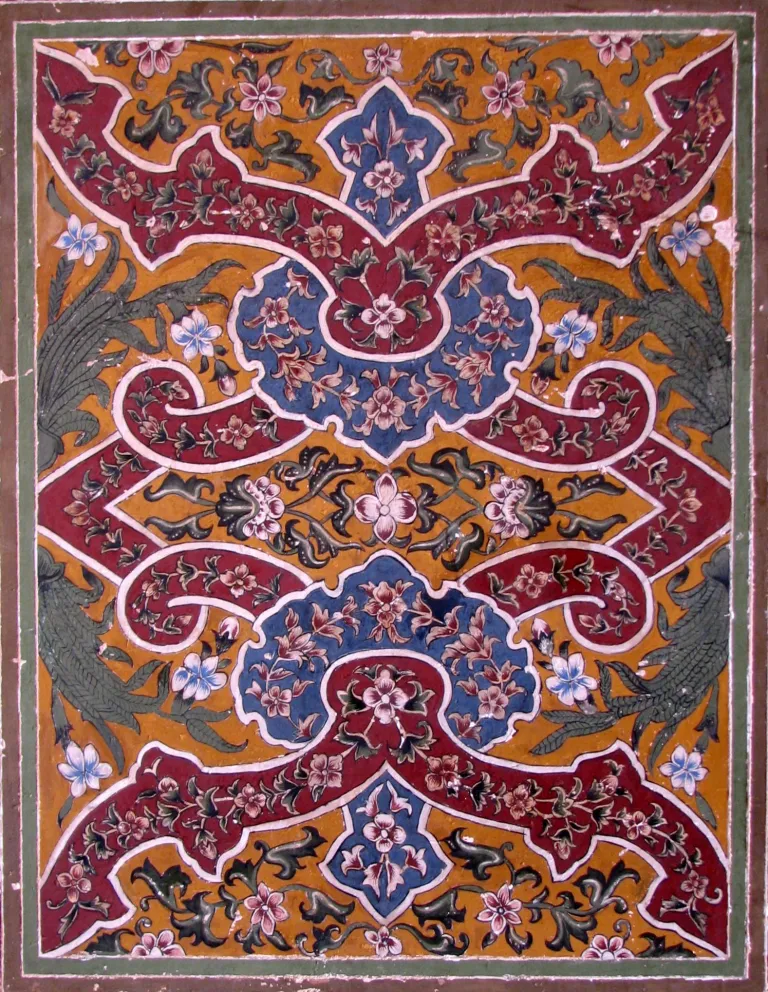 Wazir Khan MosqueBegun in 1634–35 by Hakim Ilm-ud-Din Ansari, Lahore's governor under Shah Jahan, it is covered inside and out with kashi tile mosaic and fresco. Its square and chowk anchor the old bazaar.
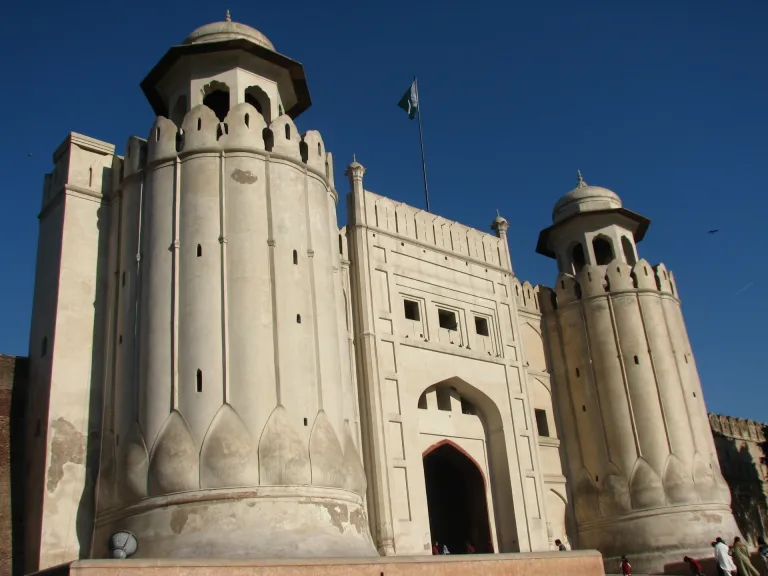 Lahore Fort (Shahi Qila)Rebuilt under Akbar and embellished by Jahangir, Shah Jahan and Aurangzeb. Highlights include the mirrored Sheesh Mahal, the Naulakha Pavilion and the vast tiled Picture Wall on the outer façade.
 Badshahi MosqueAurangzeb's monumental red sandstone mosque faces the Fort across the Hazuri Bagh. Next to its steps lies the tomb of the poet Muhammad Iqbal.
 Hazuri BaghThe garden square between Fort and mosque, centred on a marble baradari built under Maharaja Ranjit Singh. A good place to pause between the two monuments.
 Bhati Gate and Data DarbarOn the western side, Bhati Gate is known for its food; just outside stands Data Darbar, the shrine of the 11th-century Sufi scholar Ali Hujwiri.
Plan Your Visit
Best Time to Visit
October to March
Cool, dry days are ideal for walking. Summer afternoons are very hot and the monsoon (July–September) brings humidity and waterlogged lanes; walk early in the morning.
How to Reach
Rickshaw, ride-hailing or metro
Delhi Gate and the Fort are reached by rickshaw or ride-hailing car from anywhere in Lahore. The Metrobus runs past Data Darbar near Bhati Gate. Lahore itself has an international airport and rail links to Rawalpindi, Multan and Karachi.
Where to Stay
Boutique havelis or Mall Road hotels
A few guesthouses and restored houses inside or beside the old city put you closest to the monuments; most visitors stay in hotels around Mall Road, Gulberg or Cantt and come in by car.
Food
Breakfast and late dinners
Try halwa puri, nihari, paye, kulchas and lassi in the morning, and the rooftop restaurants of Fort Road Food Street at night.
Culture & Etiquette
Dress modestly
Cover shoulders and knees; women should carry a scarf for mosques. Remove shoes before entering prayer halls and avoid visiting mosques during congregational prayers.
Practicalities
Crowds and pickpockets
Lanes are narrow and busy with motorbikes. Keep valuables close, carry small change, and use a guide or WCLA walking tour for your first visit.
A Day in the Walled City
- 1
Check timings and tickets
Lahore Fort, the Shahi Hammam and some walking tours are managed by the Walled City of Lahore Authority; check opening hours and ticket prices on the WCLA website before you go, as they change. For wider Punjab travel information see TDCP.
- 2
Breakfast and Delhi Gate
Start with a halwa puri breakfast, then enter at Delhi Gate and visit the Shahi Hammam.
- 3
Walk the Royal Trail
Follow the Shahi Guzargah through the bazaars to the Wazir Khan Mosque; spend time in its courtyard and climb to the square outside for the façade.
- 4
Through the bazaars to the Fort
Continue past the Sunehri Mosque and through the market lanes north towards the Fort, allowing plenty of time to get pleasantly lost.
- 5
Afternoon at the Fort and Badshahi Mosque
Allow at least two to three hours for the Fort, including the Sheesh Mahal and Picture Wall, then cross the Hazuri Bagh to the Badshahi Mosque and Iqbal's tomb.
- 6
Sunset and dinner
End on a rooftop on Fort Road as the mosque is lit up, or at Gawalmandi for traditional Lahori dishes.
Visit Responsibly
- Ask before photographing people, especially women, and inside homes and shops.
- Do not touch or lean on fragile tile and fresco surfaces in the mosques and Hammam.
- Buy from local craftspeople and eat at family-run places to keep money in the neighbourhood.
- Keep noise down in residential lanes, particularly early in the morning and late at night.
- Use bins or carry your litter; the lanes are cleaned by hand.
- Hire licensed guides from WCLA or reputable operators.
Nearby Places

Frequently Asked Questions
How many gates does the Walled City of Lahore have?
Tradition counts thirteen, including Mori Gate, which was never an official gate. Several were demolished or rebuilt in the British period; Delhi, Bhati, Lohari, Kashmiri, Roshnai and Shahalmi are among the best-known names.
Is the Badshahi Mosque part of the UNESCO World Heritage Site?
No. The UNESCO property, inscribed in 1981, is the Lahore Fort together with the Shalimar Gardens. The Badshahi Mosque stands beside the Fort and is visited at the same time, but is not part of the inscription.
How long do I need for the Walled City?
A full day covers the Royal Trail, the Fort and the Badshahi Mosque at a comfortable pace. Food lovers and photographers often return for a second morning.
Can I take a guided tour?
Yes. The Walled City of Lahore Authority organises walking tours and manages several monuments; check its website for current options and timings.
What should I wear?
Modest clothing covering shoulders and knees, comfortable shoes for uneven lanes, and a scarf for women visiting mosques.
Keep Exploring
Related places and stories on DailyLife.pk
 HarappaVisit Harappa near Sahiwal: the Bronze Age Indus city, its mounds, granary and museum
 Rohtas FortExplore Rohtas Fort near Jhelum: Sohail Gate, ramparts, Haveli Man Singh, Shahi Masjid and stepwells
 Katas Raj TemplesVisit the Katas Raj Temples in Chakwal: the sacred pond, Satgarha temples, Hari Singh Nalwa's haveli
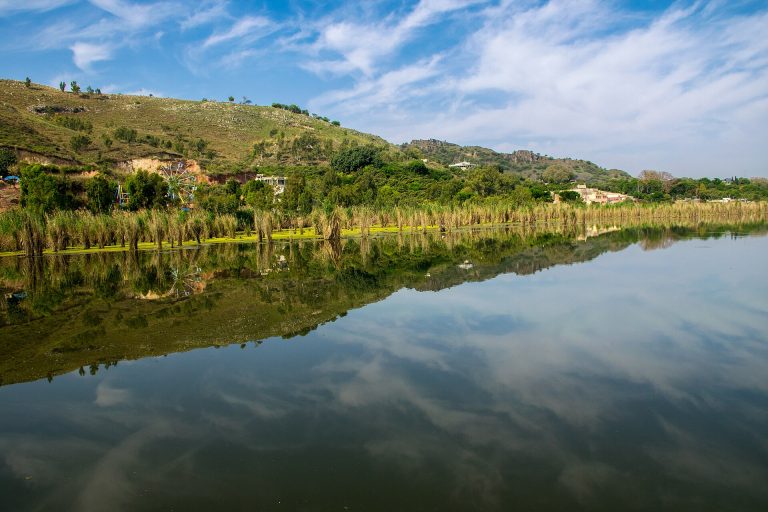 Kallar Kahar and the Salt RangeVisit Kallar Kahar and the Salt Range: the lake, Takht-e-Babri, peacocks, Katas Raj, Khewra
 LahoreLahore travel guide: Badshahi Mosque, Lahore Fort, Shalimar Gardens, the Walled City, food streets, neighbourhoods, metro
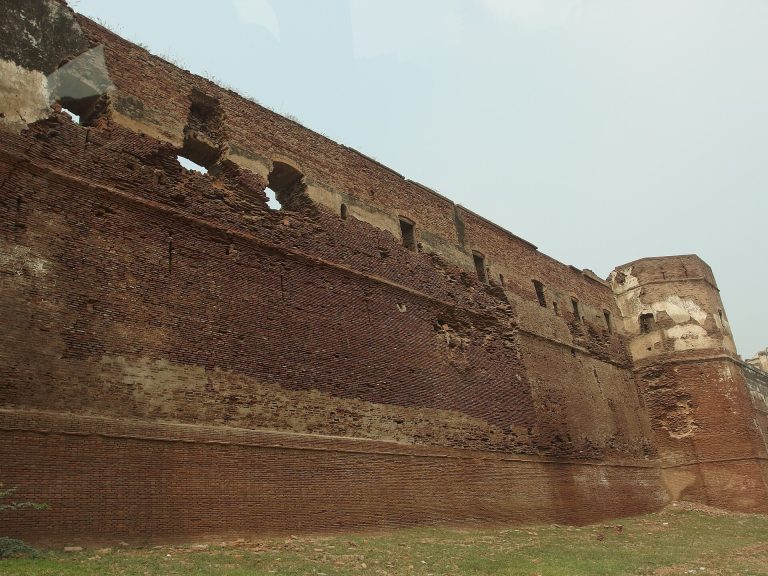 SheikhupuraSheikhupura city guide: Hiran Minar and its water tank, Jahangir's fort, Nankana Sahib nearby, industry
How we know this
- Type Travel guide
- Sources 7 (4 official/academic)
- Reviewed October 2026
- Disputed points None
Rules and fees change, confirm with the official links below before you act.
7 sources
- Fort and Shalamar Gardens in Lahore, UNESCO World Heritage Centre
- Walled City of Lahore conservation, Pakistan, Aga Khan Development Network / Aga Khan Trust for Culture
- Badshahi Mosque, Encyclopaedia Britannica
- Lahore, Encyclopaedia Britannica
- In Lahore, improving livelihoods and preserving heritage go hand in hand, World Bank
- Why WCLA?, The News on Sunday
- Walled City of Lahore (used to locate primary sources), Wikipedia
Photo credits (11)
- Wazir Khan Mosque by Moiz.jpg, Moiz Ismaili, CC BY-SA 4.0, via Wikimedia Commons
- Courtyard of Wazir Khan Mosque, Lahore.jpg, Muhammad Umair Mirza, CC BY-SA 4.0, via Wikimedia Commons
- Tile art at Wazir khan Mosque.jpg, self (Atif Gulzar), CC BY-SA 3.0, via Wikimedia Commons
- Delhi Gate 11 (WCLA).jpg, The Walled City of Lahore Authority, CC BY-SA 4.0, via Wikimedia Commons
- Alamgiri Gate - Main entrance to Lahore Fort.jpg, S.hassanjawad, CC BY-SA 3.0, via Wikimedia Commons
- Badshahi Mosque front picture.jpg, Romero Maia, CC BY-SA 4.0, via Wikimedia Commons
- Night View of Badshahi Mosque (King’s Mosque).jpg, Muhammad Ashar, CC BY-SA 3.0, via Wikimedia Commons
- Hazuri Bagh Baradari with Lahore Fort in the background.jpg, Drdolittle13, CC BY-SA 3.0, via Wikimedia Commons
- View of Granary and Great Hall on Mound F - Archaeological site of Harappa.jpg, Muhammad Bin Naveed, CC BY-SA 3.0, via Wikimedia Commons
- Rohtas Fort (Jhelum, Pakistan) - World Heritage Site.jpeg, Hussain Khalid, CC BY-SA 4.0, via Wikimedia Commons
- Shah Rukn-e-Alam Tomb.jpg, Junaidali88z, CC BY-SA 3.0, via Wikimedia Commons
