
History · Event
1979: Abdus Salam Becomes Pakistan's First Nobel Laureate
Born in Jhang and educated in Lahore and Cambridge, Abdus Salam shared physics' highest honour for showing that two of nature's forces are aspects of one.
- Nobel Prize in Physics 1979
- Electroweak theory
- Born in Jhang
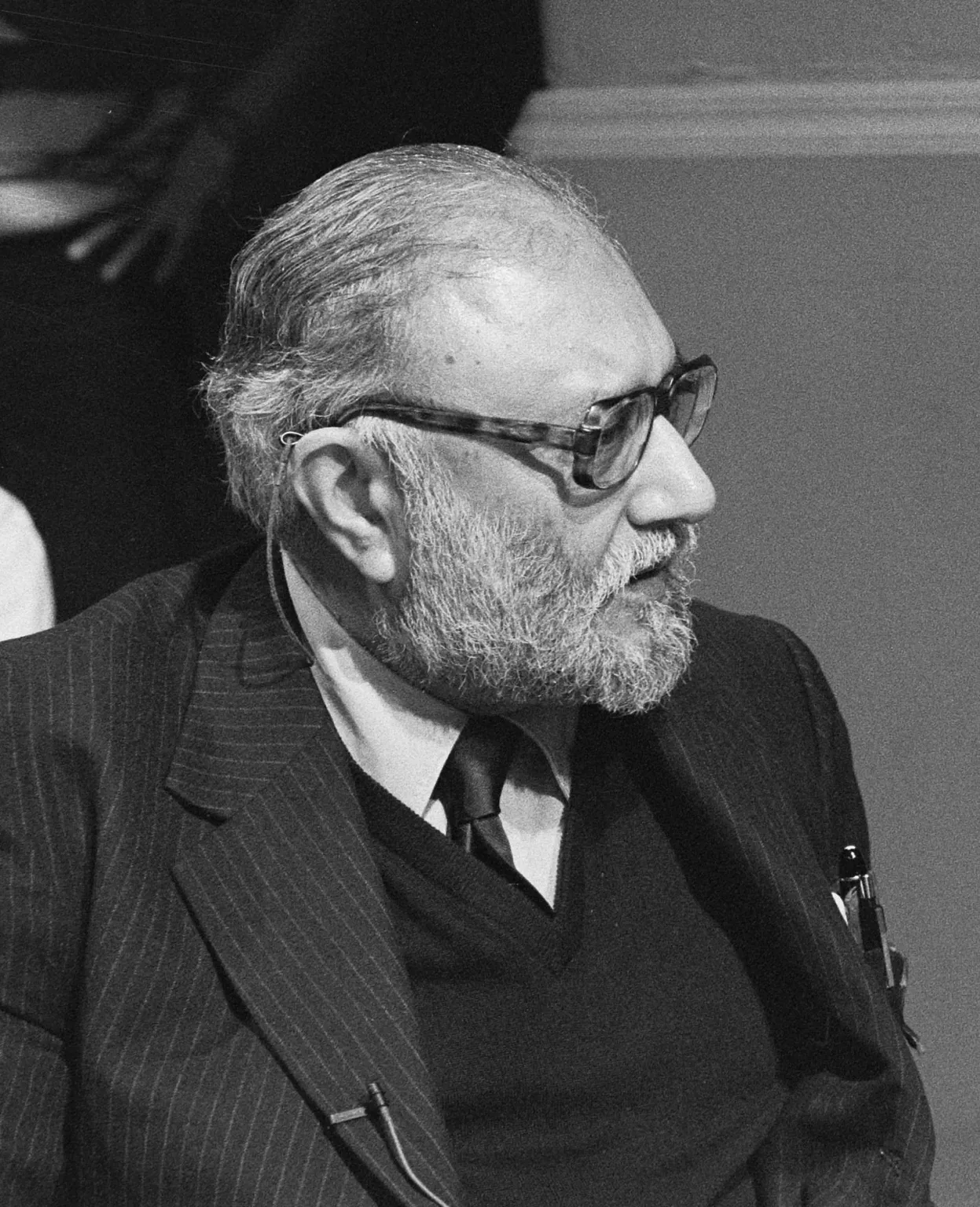
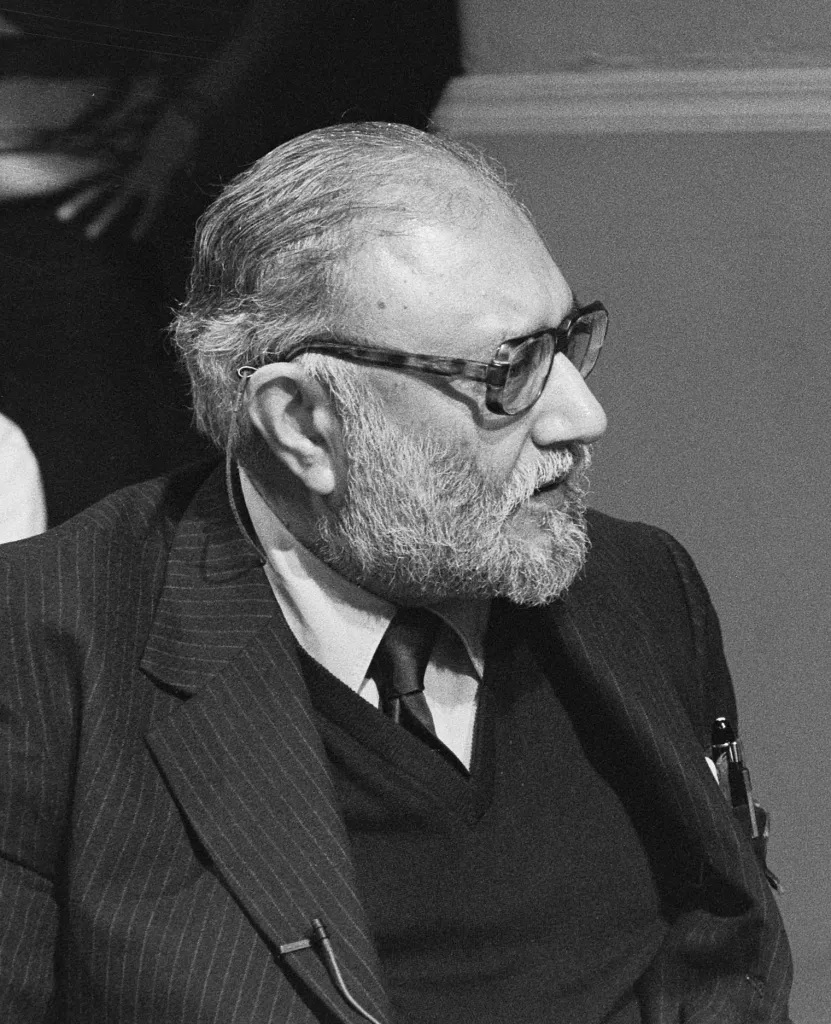
Portrait of Abdus Salam
- When
- 15 October 1979 (announcement)
- Key people
- Abdus Salam
- Certainty
- Well established
What Happened
On 15 October 1979 the Royal Swedish Academy of Sciences announced that the Nobel Prize in Physics would be shared equally by Sheldon Glashow, Abdus Salam and Steven Weinberg 'for their contributions to the theory of the unified weak and electromagnetic interaction between elementary particles, including, inter alia, the prediction of the weak neutral current.'
Salam, then Professor of Theoretical Physics at Imperial College London and director of the International Centre for Theoretical Physics in Trieste, became the first Pakistani to win a Nobel Prize.
Background: From Jhang to Trieste
Abdus Salam was born in 1926 in Jhang, Punjab. He took his MA at Government College, Lahore, in 1946 and won a scholarship to St John's College, Cambridge, where he earned a double First in mathematics and physics (1949) and a PhD in quantum electrodynamics (1951). He returned to Lahore to teach at Government College and head the mathematics department of Punjab University, but finding little scope for research he left for Cambridge in 1954. From 1957 he was professor at Imperial College.
Salam never gave up his commitment to science in developing countries. He served as Chief Scientific Adviser to the President of Pakistan from 1961 to 1974, and in 1964 became the first director of the International Centre for Theoretical Physics (ICTP) in Trieste, Italy, set up to support physicists from the developing world.
Timeline
1926
Born in Jhang
Abdus Salam is born in Jhang, Punjab.
1946
Lahore to Cambridge
Completes his MA at Government College, Lahore, and wins a scholarship to Cambridge.
1951
Return to Lahore
Publishes his PhD work and returns to teach at Government College, Lahore.
1954
Back to Cambridge
Leaves Pakistan for a lectureship at Cambridge; from 1957 he is a professor at Imperial College London.
1961–1974
Science adviser
Serves as Chief Scientific Adviser to the President of Pakistan.
1964
ICTP Trieste
Becomes the first director of the International Centre for Theoretical Physics.
1973
Theory confirmed
Weak neutral currents predicted by the theory are observed at CERN.
15 October 1979
Nobel Prize
The prize is announced, shared with Glashow and Weinberg.
21 November 1996
Death
Salam dies in Oxford and is buried in Pakistan.
2016
Recognition
The physics centre at Quaid-i-Azam University, Islamabad, is named after him.
Legacy and Memory
Salam's prize was celebrated as a national achievement, and he received Pakistan's highest civilian honour. Through the ICTP he shaped opportunities for physicists from developing countries for decades.
His place in Pakistan's public memory has been complicated by his faith. Salam belonged to the Ahmadiyya community, which a 1974 constitutional amendment declared non-Muslim under Pakistani law; he resigned his advisory role and left for Europe in protest. When he died in 1996 he was buried in Pakistan under a gravestone that called him the first Muslim Nobel laureate; the word 'Muslim' was later erased by order of a local magistrate. Scientists such as Pervez Hoodbhoy have called his treatment a tragedy, and Ahmadi community members describe ongoing discrimination. In 2016 the government named the physics centre at Quaid-i-Azam University after him, seen by many as belated recognition.
How We Know
The Nobel Foundation publishes the official press release, the prize motivation and Salam's autobiographical note, which give the dates and details of his career. The American Institute of Physics and international news reports document his later life, the controversy over his faith and his recognition in Pakistan.
Before and After
Where this moment sits in Pakistan’s story.
Before
- 1979-04-04
Death of Zulfikar Ali Bhutto
- 4 April 1979
Executed
Hanged at Rawalpindi District Jail after the Supreme Court upholds his conviction; buried at the family mausoleum at Garhi Khuda Bakhsh, Larkana district.
- 4 April 1979
Bhutto executed
Bhutto is hanged in Rawalpindi after his appeal is rejected.
After
- 1980
Three sites inscribed
Moenjodaro, Taxila, and the Buddhist ruins of Takht-i-Bahi with Sahr-i-Bahlol join the World Heritage List.
- 1980
Women's law firm
With Hina Jilani founds Pakistan's first law firm established by women, and helps form the Women's Action Forum.
- 1980
World Heritage
UNESCO inscribes the Archaeological Ruins at Moenjodaro on the World Heritage List.
Frequently Asked Questions
What did Abdus Salam win the Nobel Prize for?
For contributions to the theory unifying the weak and electromagnetic interactions between elementary particles, including the prediction of the weak neutral current.
When did Abdus Salam win the Nobel Prize?
The 1979 Nobel Prize in Physics was announced on 15 October 1979; he shared it with Sheldon Glashow and Steven Weinberg.
Where was Abdus Salam born?
In Jhang, Punjab, in 1926.
What is the ICTP?
The International Centre for Theoretical Physics in Trieste, Italy, which Salam directed from 1964 to support physicists from developing countries.
Why is Abdus Salam's legacy controversial in Pakistan?
He belonged to the Ahmadiyya community, declared non-Muslim under Pakistani law in 1974. He left Pakistan in protest, and the word 'Muslim' was later erased from his gravestone. He has received more official recognition in recent years.
Keep Exploring
Related places and stories on DailyLife.pk
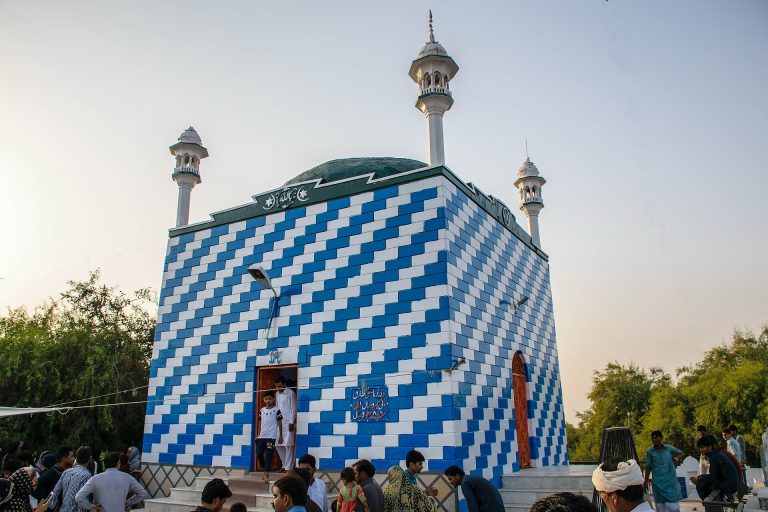 JhangJhang city guide: Heer's tomb, the shrine of Sultan Bahu, the Chenab and Trimmu
 LahoreLahore travel guide: Badshahi Mosque, Lahore Fort, Shalimar Gardens, the Walled City, food streets, neighbourhoods, metro
 Famous PakistanisNotable Pakistanis by field: Abdus Salam, Faiz, Manto, Bano Qudsia, Nusrat Fateh Ali Khan, Noor Jehan
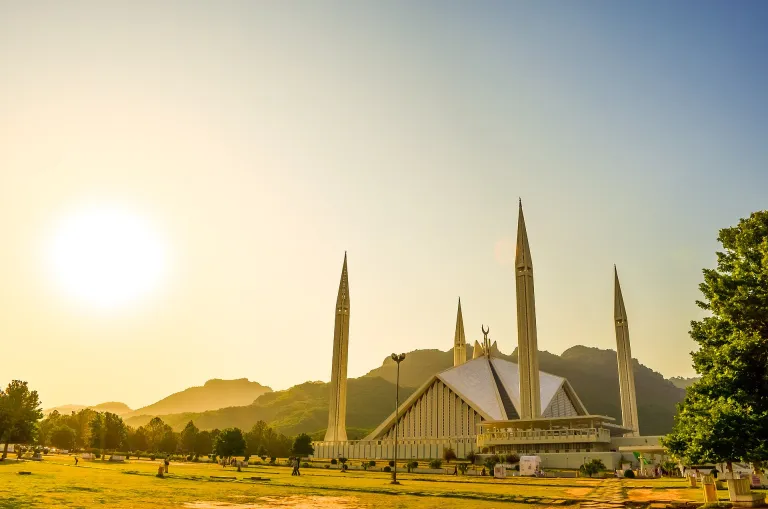 History of Pakistan since 1947Pakistan's history since 1947: Jinnah and Liaquat, constitutions of 1956, 1962 and 1973, the wars
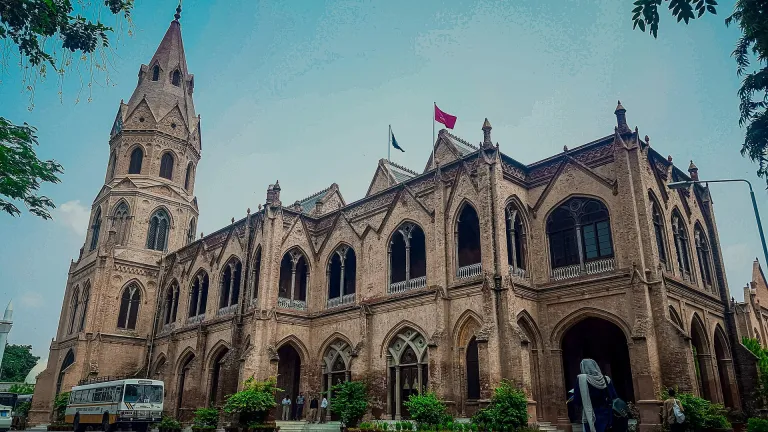 Government College University, LahoreGCU Lahore profile: founded 1864, university since 2002, faculties, admissions, fees, financial aid
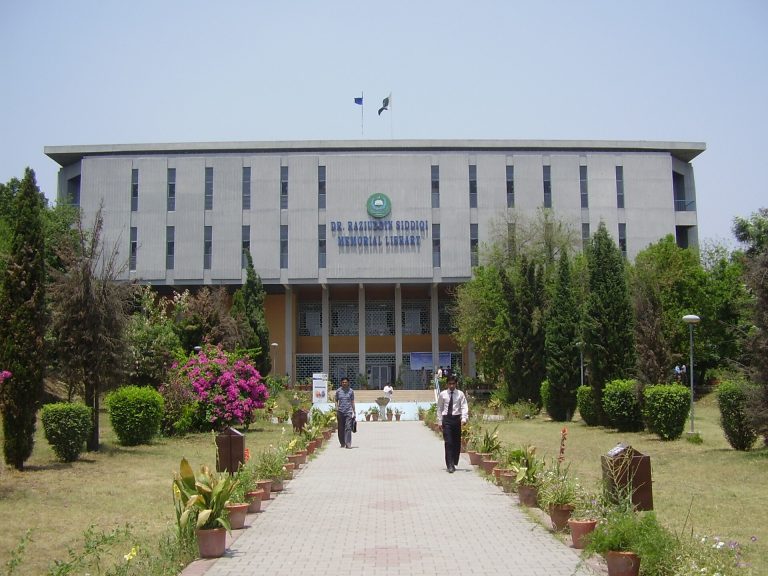 Quaid-i-Azam UniversityQuaid-i-Azam University Islamabad: founded 1967, faculties and research institutes, admissions, fees, scholarships
How we know this
- Type Historical record
- Sources 5 (3 official/academic)
- Reviewed October 2026
- Disputed points None
5 sources
- The Nobel Prize in Physics 1979: Press release (15 October 1979), NobelPrize.org
- The Nobel Prize in Physics 1979: Summary, NobelPrize.org
- Abdus Salam: Biographical, NobelPrize.org
- Breaking the barrier: Dr Abdus Salam, American Institute of Physics
- Pakistani physicist linked to 'God particle' shunned at home, CBC News (Associated Press)
Photo credits (1)
- Abdus Salam 1987.jpg, Molendijk, Bart / Anefo, CC BY-SA 3.0 nl, via Wikimedia Commons
