

City guide
Karachi: City of Lights by the Arabian Sea
Pakistan's biggest city and busiest port: a restless, generous megacity of colonial landmarks, sea breezes, late-night food streets and people from every corner of the country.
- Sindh (provincial capital)
- Pakistan's main seaport
- Best season: November–February
- Arabian Sea coast
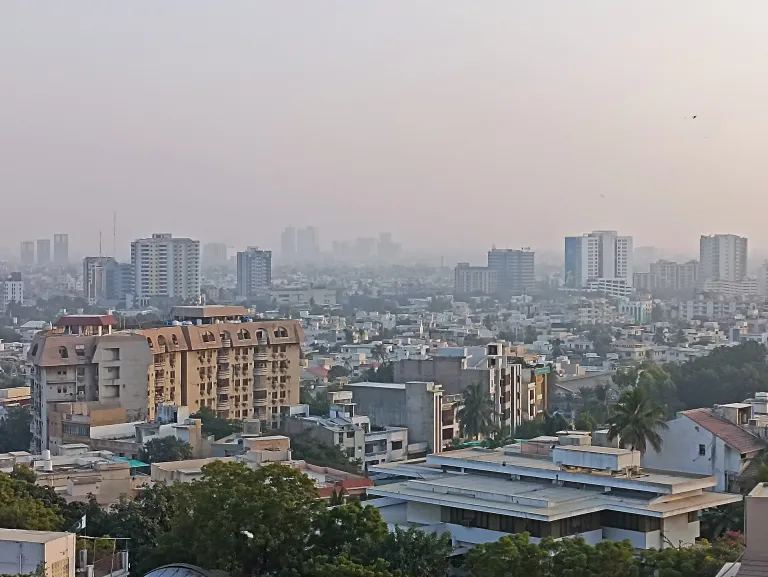
Karachi skyline from the sea
Karachi at a Glance
About Karachi
Karachi is Pakistan's largest city, its main seaport and its financial engine. The 2023 Census counted 20,382,881 people across the seven districts of Karachi Division, 18,868,021 of them in urban areas, the largest urban population in the country. The city is the capital of Sindh province and sits on the Arabian Sea coast, north-west of the Indus Delta, its harbour sheltered by Kiamari and Manora.
Less than three centuries ago this was Kolachi, a fishing and trading settlement reputedly founded in 1729. The British took the town in 1839 and built a modern port that served the Indus valley and Punjab. In 1947 Karachi became the first capital of Pakistan and absorbed huge numbers of people arriving after Partition. The capital moved north at the end of the 1950s, but people from every province, and from Afghanistan, Bangladesh and beyond, have kept coming, making Karachi the most diverse city in the country.
That diversity shows in the streets. Victorian-era stone buildings line M.A. Jinnah Road and I.I. Chundrigar Road, the country's banking street. Mosques, Hindu temples, churches, Parsi institutions and Sufi shrines stand within a few kilometres of each other. And the food, from Burns Road nihari to Boat Basin barbecue, biryani and bun kebab, reflects the migrations that built the city.
Karachi is busy, sprawling and sometimes chaotic, with heavy traffic and a humid climate. It is also warm-hearted, quick-witted and open late. Give it a few days, base yourself sensibly and plan around the traffic, and it rewards you.
Karachi is where Pakistan comes to work, and, after dark, to eat.

Which guide do you need? This page covers Karachi as a city. For beaches and the seafront, see Karachi Coast and Clifton.
Top Attractions in Karachi
National monuments, colonial landmarks and the sea.
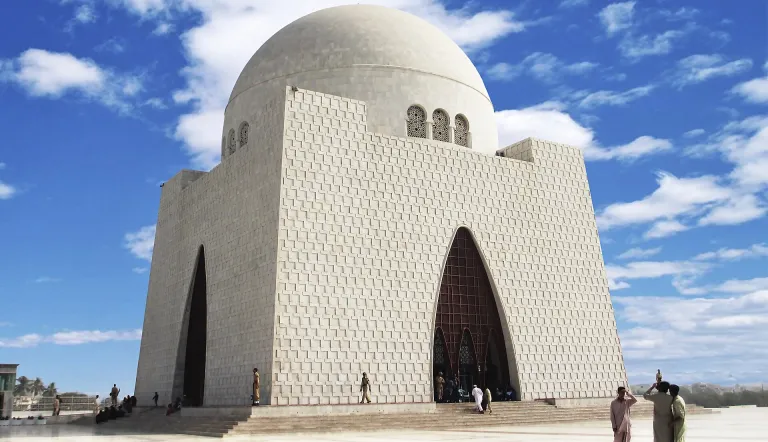 Mazar-e-QuaidThe white marble mausoleum of Muhammad Ali Jinnah, designed by Yahya Merchant and inaugurated in 1971, rises from landscaped gardens in central Karachi. Fatima Jinnah and Liaquat Ali Khan are also buried here.
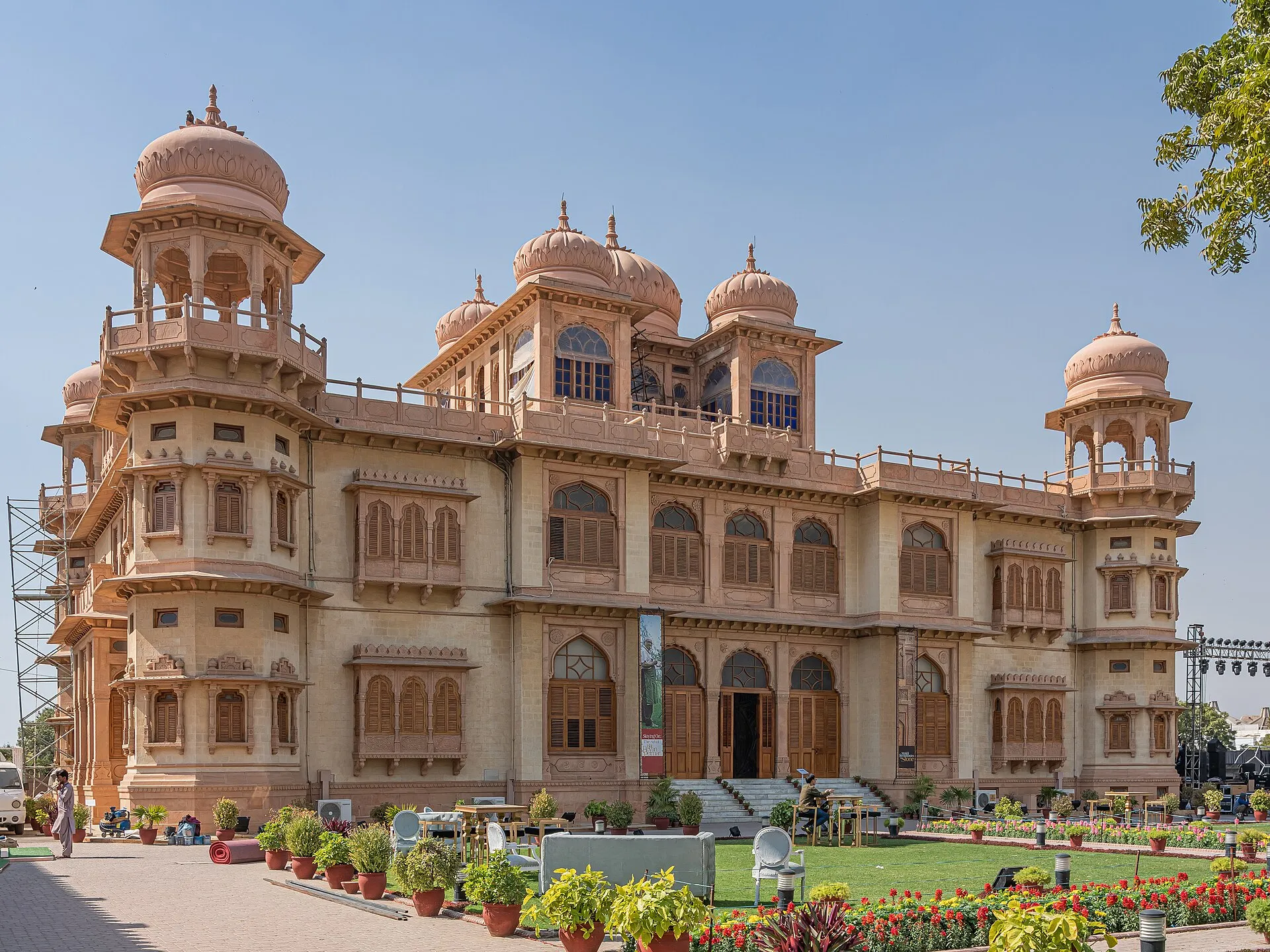
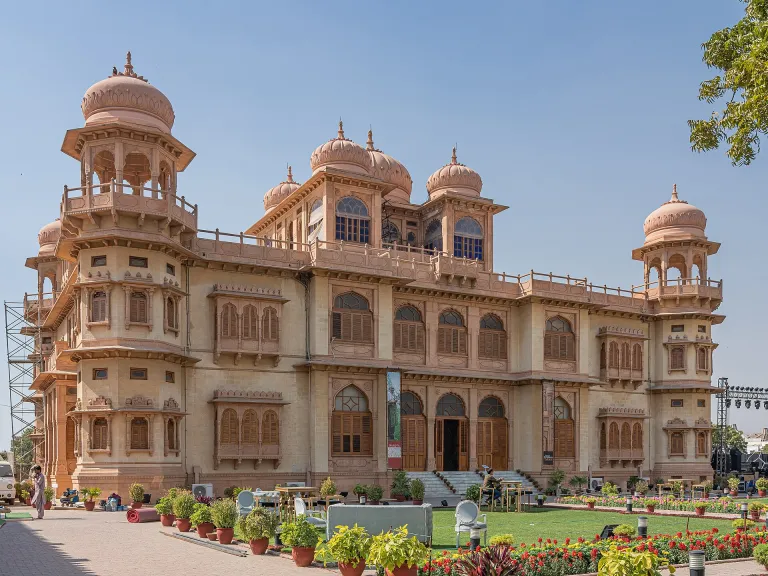 Mohatta PalaceA pink-and-yellow stone palace in the Rajasthani tradition, built in 1927 as the summer home of businessman Shivratan Mohatta. It has been a museum since 1999 and hosts changing exhibitions.
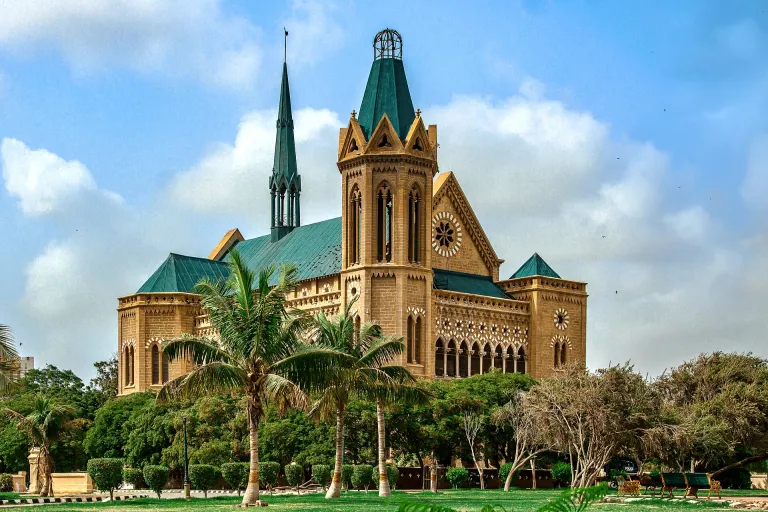 Frere HallA Venetian-Gothic hall completed in 1865, set in the Bagh-e-Jinnah lawns. Inside, ceiling murals by the painter Sadequain, left unfinished at his death in 1987, and a public library.
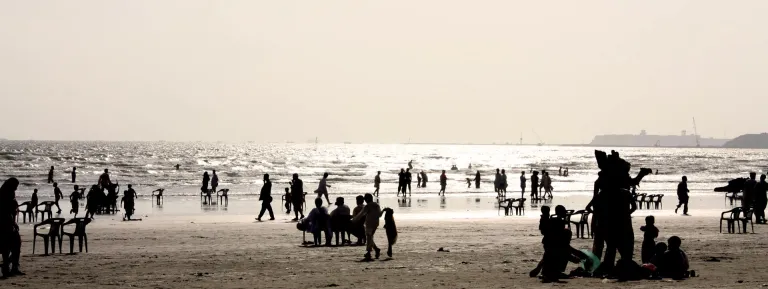 Clifton Beach and Sea ViewKarachi's seafront promenade, busy on evenings and weekends with families, camel and horse rides and snack stalls. Swimming is dangerous, especially in the monsoon months, when bans are common, obey local notices.
 Empress MarketBuilt between 1884 and 1889 and named after Queen Victoria, the clock-towered market in Saddar is still crammed with spices, dried fruit, produce, meat and household goods.
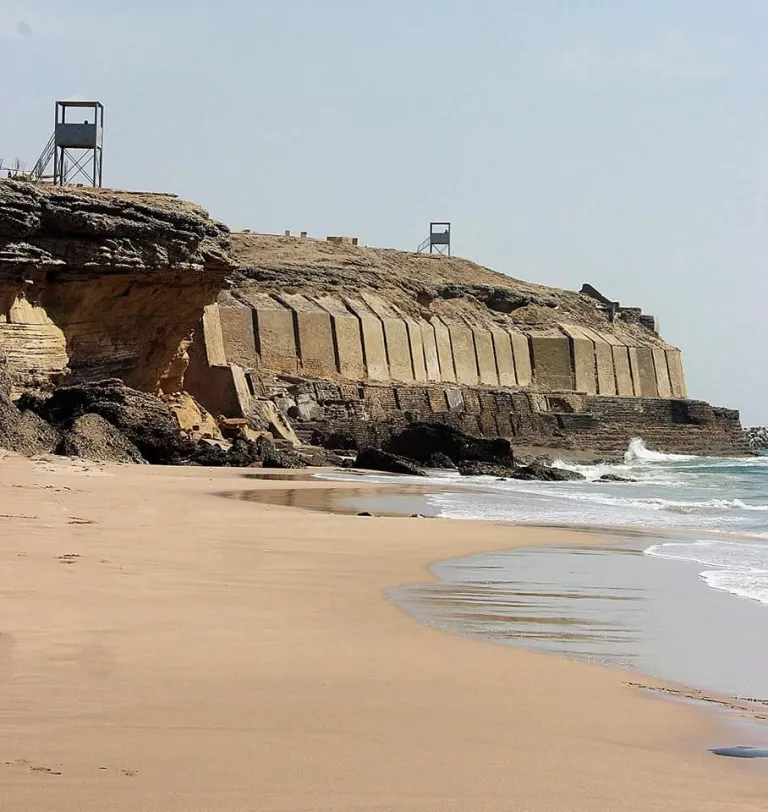 ManoraA former island at the mouth of the harbour, now joined to the mainland by the long Sandspit shoal. Its beach, lighthouse and old temple and church buildings make an easy half-day trip.
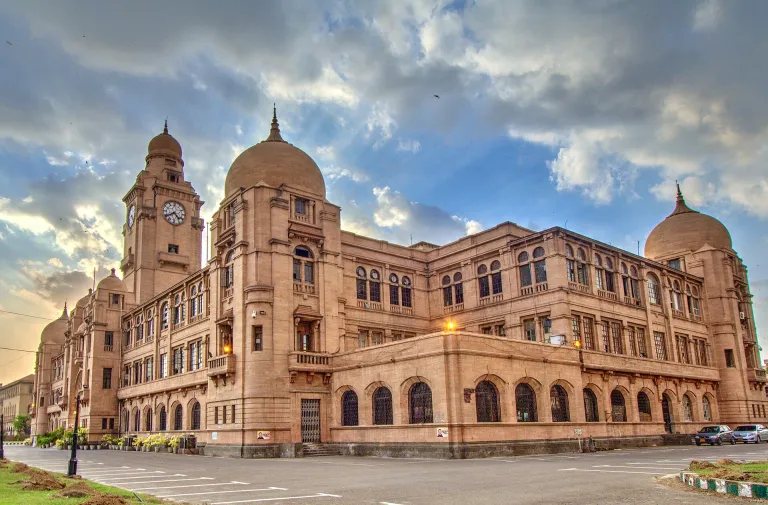 Old City heritage trailWalk M.A. Jinnah Road past the Karachi Municipal Corporation building and the old shopping streets towards Kharadar, where Wazir Mansion, Jinnah's birthplace, is now a museum.
 St Patrick's CathedralThe Gothic Revival seat of Karachi's Catholic archdiocese is one of the city's most striking churches and a reminder of its long-established Christian community, including families of Goan origin.
Neighbourhoods to Know
A city of districts, each with its own character.
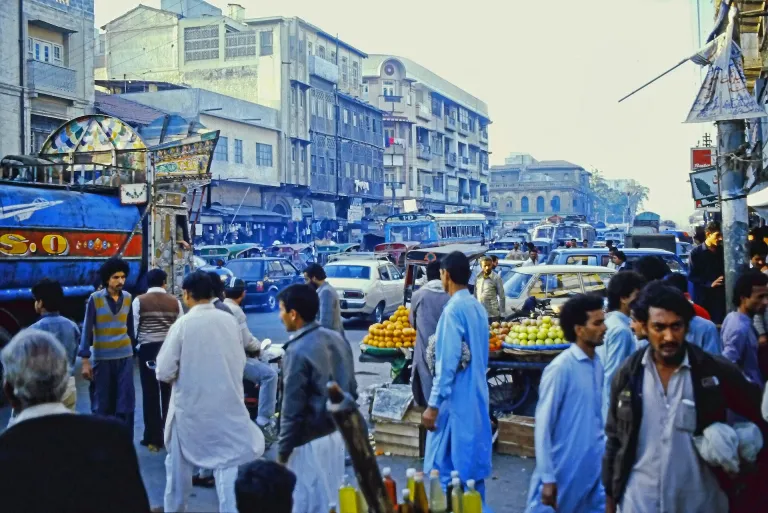 SaddarThe old cantonment bazaar district: Empress Market, cathedrals, bookshops, electronics and the busiest bus stops in the city. Gritty, central and full of history.
 I.I. Chundrigar RoadPakistan's 'Wall Street', home to the State Bank, the stock exchange area and bank headquarters, with the State Bank Museum in a handsome old building.
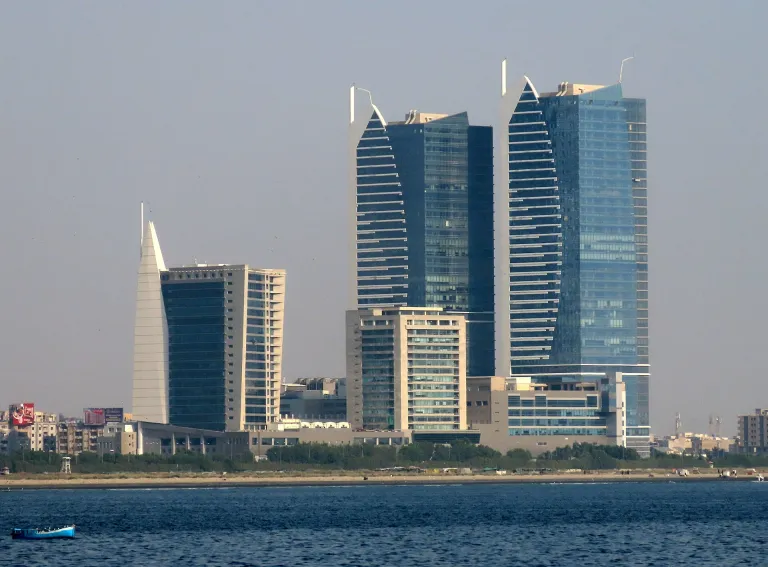 Clifton and DHAThe seaside districts: Mohatta Palace, the shrine of Abdullah Shah Ghazi, Sea View, Boat Basin and Do Darya, plus many of the city's upmarket hotels, cafés and shops.
 PECHS and BahadurabadBusy middle-class neighbourhoods off Shahrah-e-Faisal, with Tariq Road's clothing and shoe shops and the food stalls around Bahadurabad's chowrangi.
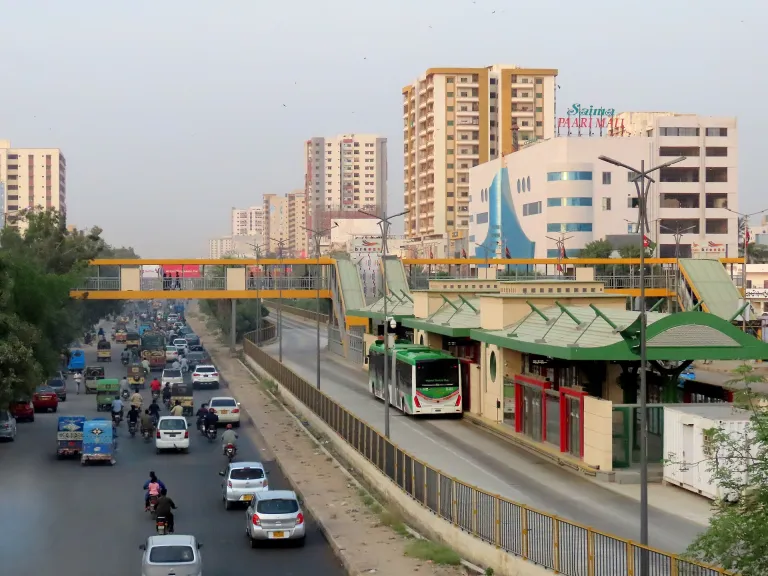 Nazimabad and Gulshan-e-IqbalNazimabad was planned in the 1950s; Gulshan-e-Iqbal followed after 1970. Together with Federal B. Area, they hold much of Karachi's middle-class life, universities and food streets.
Explore Karachi by Category
 About KarachiKarachi is Pakistan's largest city, its main seaport and…
 Top Attractions in KarachiNational monuments, colonial landmarks and the sea.
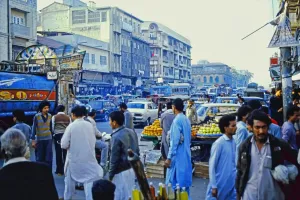 Neighbourhoods to KnowA city of districts, each with its own character.
 Food Streets and BazaarsKarachi's food mirrors its migrations, Delhi, Hyderabad Deccan, Gujarat,…
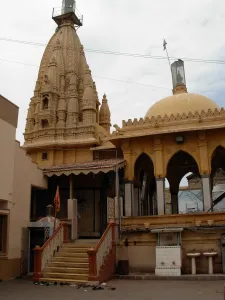 Culture and FestivalsKarachi is Pakistan's media and fashion capital: most national…
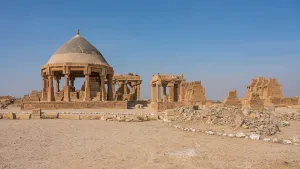 Day Trips from KarachiNecropolises, Mughal mosques, turtle beaches and the Makran coast.
Food Streets and Bazaars
Karachi's food mirrors its migrations, Delhi, Hyderabad Deccan, Gujarat, Punjab, Balochistan and the sea.
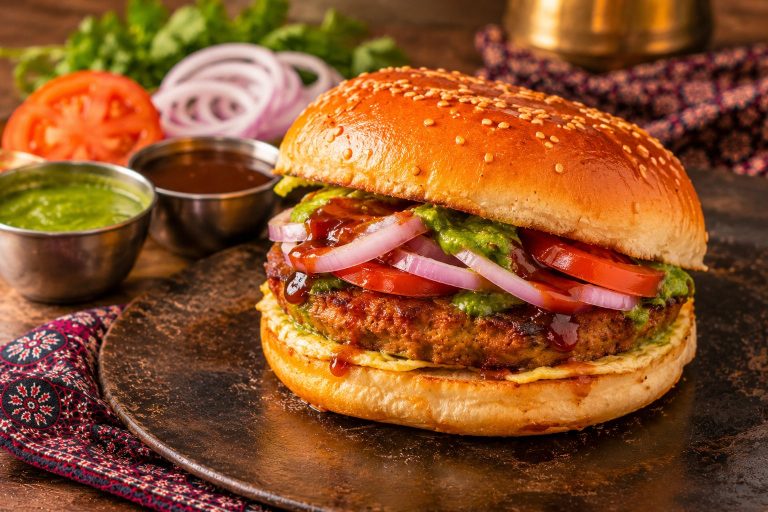 Burns RoadThe city's classic food street, many of whose eateries date to the 1940s and the communities who settled here after Partition. Come for nihari, halwa puri at breakfast, kebabs and rabri.Boat BasinA Clifton strip of open-air eateries and juice stalls, at its busiest late in the evening with barbecue, karahi and paratha rolls.Empress Market and Jodia BazaarFor spices, dried fruit and wholesale groceries, Empress Market in Saddar and the dense wholesale lanes of Jodia Bazaar near the port are the places to go.
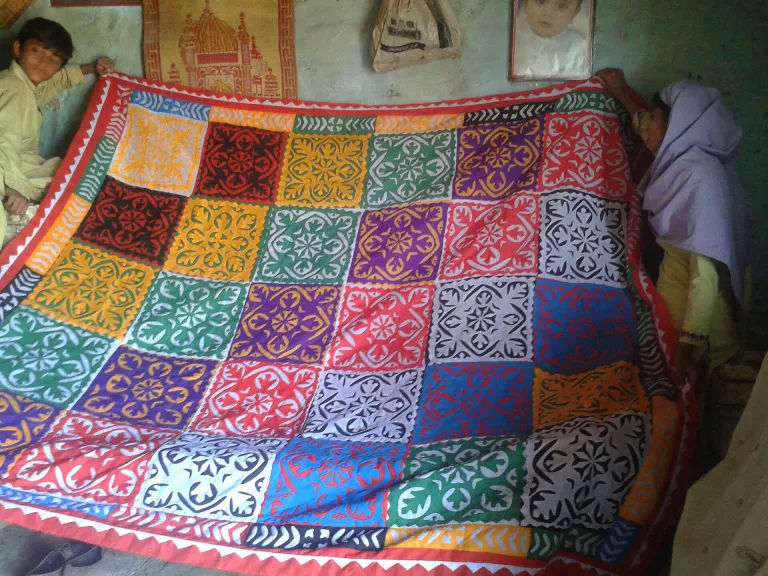 Zainab Market and Bohri BazaarSaddar's bargain bazaars for textiles, leather goods, ready-made clothes, bedding and handicrafts. Be ready to haggle.
A Short History of Karachi
c. 1729
Kolachi
A fortified fishing and trading settlement, Kolachi-jo-Goth, is reputedly founded on the coast. The name survives in the city's own.
1795
Talpur rule
The Talpur rulers of Sindh annex the town and build a fort on Manora in 1797 to guard the harbour.
1839–1843
British capture
A British naval force takes Karachi on 3 February 1839. Sindh is annexed in 1843 and later joined to the Bombay Presidency, with Karachi as its leading port.
1860s–1880s
A colonial port city
The railway arrives in 1878, the harbour is modernised, and landmarks such as Frere Hall (1865) and Empress Market (1889) are built.
1876
Birth of Jinnah
Muhammad Ali Jinnah, founder of Pakistan, is born in Karachi at Wazir Mansion in Kharadar.
1936
Capital of Sindh
Sindh becomes a separate province, with Karachi as its capital.
1947
Pakistan's first capital
At independence Karachi becomes the federal capital and receives a great wave of migrants, transforming the city's size and character.
Late 1950s–1960s
The capital moves north
A new capital site near Rawalpindi is chosen in 1959, and Islamabad is formally established as capital in 1967. Karachi remains the commercial capital.
1971
Mazar-e-Quaid
Jinnah's mausoleum is inaugurated, becoming the city's defining national monument.
2020s
New transit
The Green Line bus rapid transit and the Sindh government's People's Bus Service begin operating, with further BRT lines under construction.
Culture and Festivals
Karachi is Pakistan's media and fashion capital: most national television channels, newspapers and advertising agencies are based here, and Karachi Fashion Week has been held annually since 2009. The Karachi Literature Festival, usually held in late winter, is one of the country's best-known book festivals, and the Arts Council of Pakistan in the city stages theatre, music and its own large annual events.
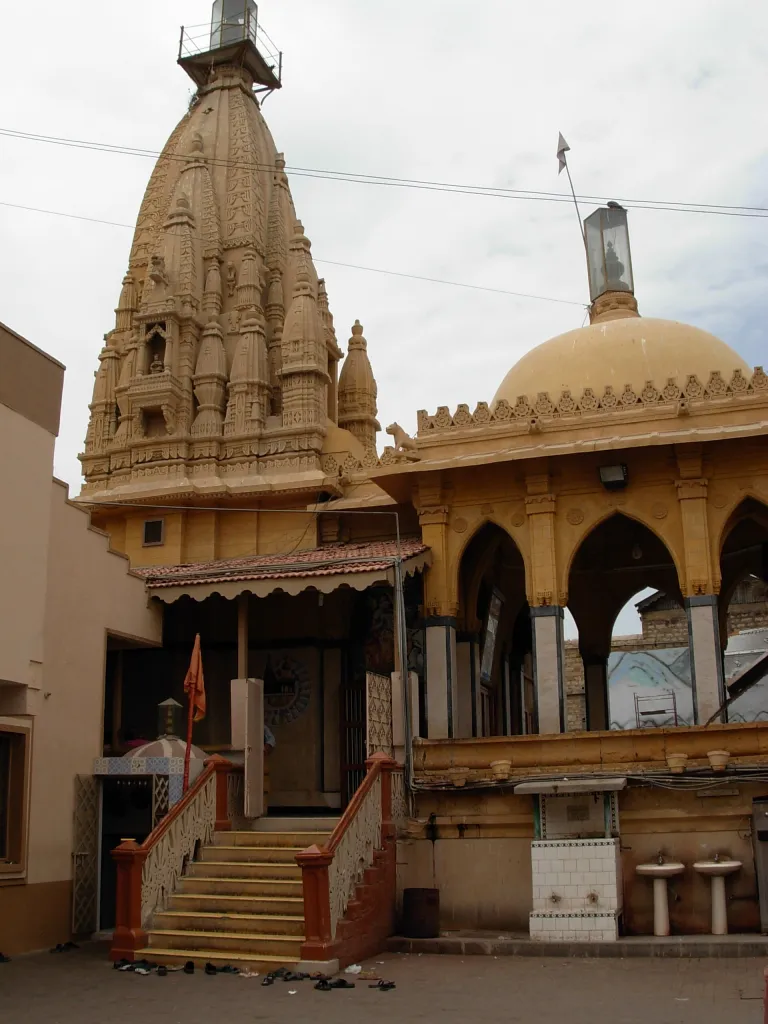
The city's religious life is notably plural. Clifton's hilltop shrine of Abdullah Shah Ghazi draws devotees every Thursday and during its annual urs. Hindu communities celebrate Diwali and Holi at temples including the Swaminarayan Temple on M.A. Jinnah Road and the Shri Laxmi Narayan Mandir by the harbour. Christmas services fill St Patrick's Cathedral, and Karachi's small Parsi community maintains historic schools, hospitals and charitable institutions.
Through the year
- Ramadan and Eid, the bazaars of Tariq Road, Saddar and Hyderi stay open late; Eid ul-Adha brings cattle markets on the city's edge.
- Muharram, large processions on the 9th and 10th; expect road closures and mobile network suspensions in central areas.
- National days, ceremonies at Mazar-e-Quaid on 23 March, 14 August, 11 September (Jinnah's death anniversary) and 25 December (his birthday).
- Cricket, the National Stadium hosts Test matches and the Pakistan Super League.
Getting There and Around
By air
Jinnah International Airport (KHI)
Pakistan's busiest airport, on Shahrah-e-Faisal east of the centre, with domestic flights across the country and international connections, particularly to the Gulf.
By rail
Karachi Cantonment and Karachi City
Long-distance Pakistan Railways services to Hyderabad, Lahore, Rawalpindi and beyond start from Karachi Cantonment and Karachi City stations. Check current timetables with Pakistan Railways.
Green Line BRT
Surjani Town to the city centre
Karachi's first bus rapid transit line runs on a dedicated corridor from Surjani Town in the north through Nazimabad to the Numaish/M.A. Jinnah Road area. A short Orange Line serves Orangi Town; other lines, including the Red Line, have been under construction.
People's Bus Service
Sindh government buses since 2022
Air-conditioned buses on numbered routes across the city, including women-only Pink buses and electric-bus routes. Fares are low; check current routes before you travel.
Ride-hailing
Usually the easiest option
App-based cars, rickshaws and motorbikes (such as Careem, inDrive, Yango and Bykea) are widely used and avoid fare haggling. Allow plenty of time: traffic is heavy at peak hours.
Safety and advisories
Plan with local advice
Most visitors move between areas by car. Keep valuables out of sight, use registered transport at night, and check current advisories and local authority guidance, especially around large gatherings.
Plan Your Visit
Best time to visit
November to February
The dry winter months are pleasant and sunny, ideal for the beaches, walking tours and outdoor dining.
Weather by season
Hot, humid and sea-cooled
May and June are the hottest months, and heatwaves can be dangerous. Rain is scarce overall and falls mostly in the monsoon, roughly late June to September, when heavy downpours can flood roads.
Coping with heat
Hydrate and plan early
In summer, sightsee early and late, carry water, and keep the middle of the day for museums and malls. Afternoon sea breezes help near the coast.
Where to stay
Clifton, DHA, Saddar, Shahrah-e-Faisal
Clifton and DHA suit visitors wanting the seafront and cafés; Saddar and the Club Road area are central for heritage sights; hotels along Shahrah-e-Faisal are convenient for the airport.
Etiquette and dress
Modest, light clothing
Light cotton clothes that cover shoulders and knees work best. Carry a scarf for shrines and mosques, and remove shoes where asked.
Photography
Ask first
Avoid photographing military, port and government installations. Ask before photographing people, particularly women, and at shrines.
Day Trips from Karachi
Necropolises, Mughal mosques, turtle beaches and the Makran coast.
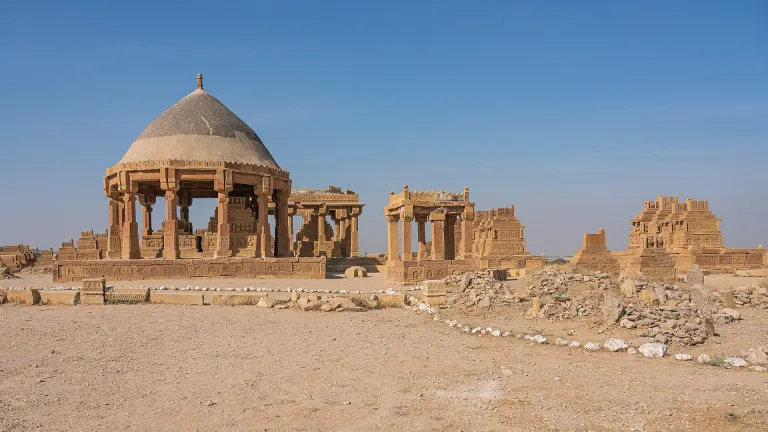 Chaukhandi TombsOn the city's eastern edge, a field of intricately carved sandstone tombs, many of them stepped and decorated with geometric and figurative motifs.
 Makli NecropolisOne of the largest funerary sites in the world, near Thatta, with tombs of rulers, saints and scholars built between the 14th and 18th centuries. A UNESCO World Heritage Site.
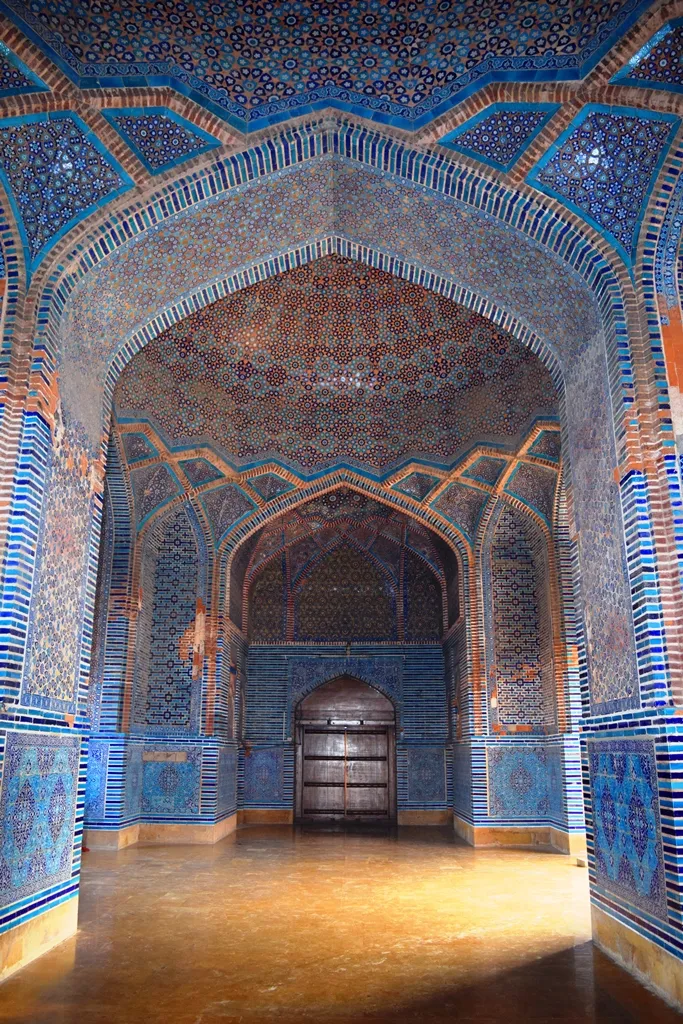 Shah Jahan Mosque, ThattaBuilt between 1644 and 1647 under Shah Jahan, the mosque is famous for its blue-and-white tilework, geometric brickwork and 93 domes. Combine it with Makli on the same trip.
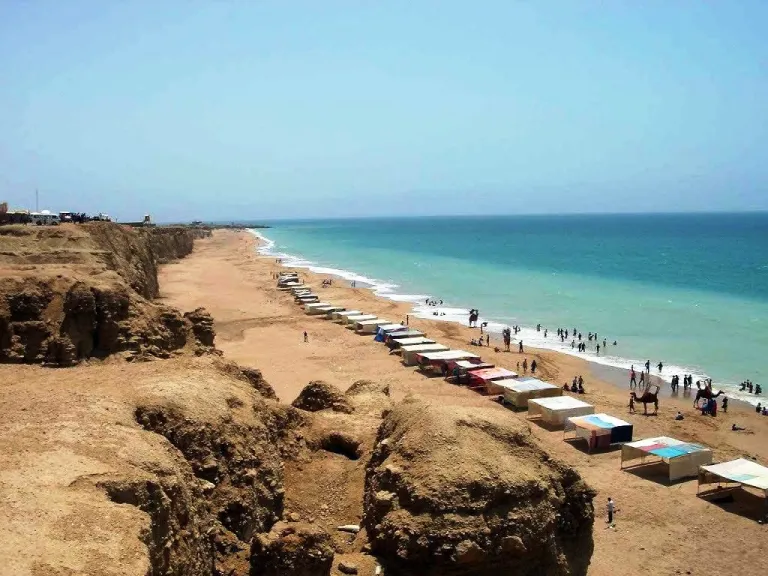 Hawke's Bay and SandspitSandy beaches west of the harbour where endangered green and olive ridley turtles come ashore to nest. Visit with care, follow conservation guidance and never disturb nesting turtles.
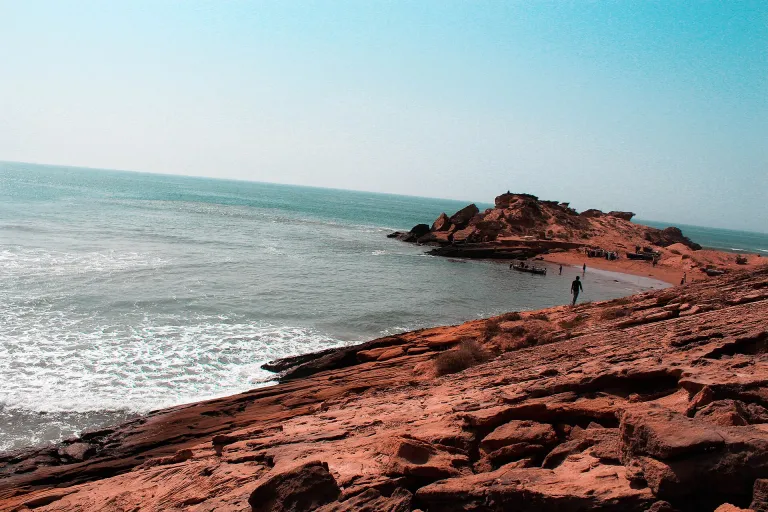 Kund Malir and HingolAlong the Makran Coastal Highway in Balochistan, a long golden beach backed by the dramatic rock formations of Hingol National Park. An early start is essential; check current travel advisories.
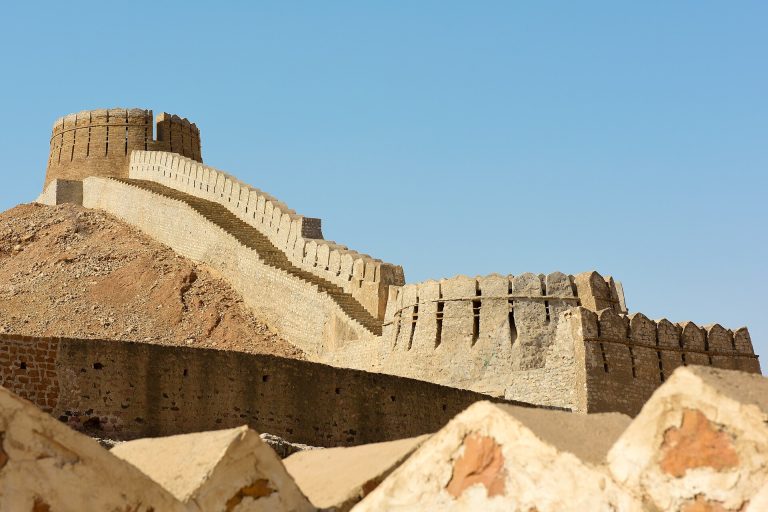 Ranikot FortOften called the 'Great Wall of Sindh', a vast fortification with walls snaking over the Kirthar hills. On UNESCO's tentative list since 1993; a long day trip, best in winter.
Karachi Through Time
Every dated moment our guides record about Karachi, from its own history and from national events that touched it. Each entry links to its source page.
- 711–712 CE
Arab Conquest of Sindh
In 711–712 an Umayyad army under the young commander Muhammad ibn al-Qasim took the port of Debal, defeated Raja Dahir and brought Sindh and Multan under Arab rule. It marked the beginning of Muslim rule in the Indus region, an event remembered and interpreted in…
- 1843
Miani and Dubbo
British forces defeat the Talpur armies near the city; Hyderabad surrenders and the capital of Sindh moves to Karachi.
- 1849–1947
Colonial era
Indo-Saracenic and Gothic Revival courts, museums, colleges and stations in Lahore, Karachi and Peshawar.
- 1853
Municipality
Hyderabad is incorporated as a municipality; railways later link it with Karachi and Punjab.
- May 1857 – 1858
The War of 1857 in Punjab, Sindh and the Frontier
The uprising of 1857 against the East India Company reached the lands that are now Pakistan through mutinies and disarmings in Peshawar, Mardan, Jhelum, Sialkot and Karachi, and through rural risings in the Ravi country around Gogera and in the hills near Murree. The Company…
- 13–17 September 1857
Karachi plot crushed
A planned rising in the Karachi cantonment is reported to officers; after a curfew and arrests, sepoys are publicly executed on 17 September on the parade ground that is now Empress Market.
- 1861
The first railway
The Karachi–Kotri line opens on 13 May 1861, the first railway in what is now Pakistan.
- 1861
First railway
The Scinde Railway opens the Karachi–Kotri line on 13 May 1861, the first railway in today's Pakistan.
- 25 December 1876
Birth in Karachi
Born in Wazir Mansion in Kharadar, the old merchant quarter of Karachi. He goes to school at the Sind Madrassa and the Mission School.
- 1887
D.J. College, Karachi
Sindh's leading college of its era, later the cradle of engineering education in Karachi.
- 31 July 1893
Birth
Born into the Jinnah family. Pakistani official accounts give Karachi as her birthplace; some biographies give Kathiawar.
- December 1945 – August 1946
The 1945–46 Elections and Direct Action Day
In the central and provincial elections of winter 1945–46 the Muslim League won about 87% of the seats reserved for Muslims, a mandate for Pakistan. After the Cabinet Mission plan broke down, the League called a 'Direct Action Day' on 16 August 1946; in Calcutta…
- 1947
To Karachi
Settles in Karachi around the time of Partition, according to Britannica.
- After 1947
District headquarters
With the integration of the princely states into Balochistan province, Khuzdar becomes a district headquarters on the Karachi–Quetta road.
- 1947–1948
A federation is born
The Pakistan Football Federation was created on 5 December 1947, with Muhammad Ali Jinnah as patron-in-chief, and joined FIFA in 1948. The first national championship was held in Karachi in 1948.
- 1947
Independence
Karachi becomes Pakistan's first capital, and hundreds of thousands of migrants from India settle in Sindh's cities.
- 1947
Karachi as first capital
At independence, Karachi served as Pakistan's capital while the need for a purpose-built administrative city grew.
- 3 June 1947
The 3 June Plan
On 3 June 1947 the British government announced that power would be transferred to one or two successor states on a dominion basis well before June 1948, with Punjab and Bengal divided if their legislators chose, and Sindh, Balochistan, the Frontier and Sylhet given their…
- 10–11 August 1947
Constituent Assembly meets
The Assembly holds its first session in Karachi and elects Jinnah President; he delivers his 11 August address.
- 14 August 1947
Independence of Pakistan
Pakistan became an independent dominion in August 1947 under the Indian Independence Act, with power transferred in Karachi on 14 August. Muhammad Ali Jinnah became its first Governor-General and Liaquat Ali Khan its first Prime Minister, and the Constituent Assembly began its work in Karachi.
- 14 August 1947
Transfer of power in Karachi
Mountbatten addresses the Constituent Assembly and power passes to the new dominion.
- 14 August 1947
Pakistan is born
Pakistan becomes independent, with two wings a thousand miles apart. Jinnah is its first Governor-General and Liaquat Ali Khan its first Prime Minister; Karachi is the capital. Three days earlier, Jinnah told the Constituent Assembly that citizens of every faith would be equal.
- 18 September 1947
Karachi Stock Exchange founded
Established within weeks of independence. According to Business Recorder it began with five listed companies with a combined paid-up capital of Rs 37 million.
- 1948
To Lahore
Leaves Bombay by sea after Partition, stays briefly in Karachi and settles in Lahore.
- 1948
State Bank of Pakistan opens
Pakistan's central bank begins operations in Karachi, taking over central banking from the Reserve Bank of India.
- Early September 1948
Pneumonia
His condition worsens; he agrees to return to Karachi.
- July–September 1948
Ziarat and the final weeks
Ill with tuberculosis and advanced lung cancer, he spends the summer at the Residency in Ziarat, moves to Quetta on 13 August and is flown to Karachi on 11 September, where he dies that night.
- 11 September 1948
Death of the Quaid-i-Azam
Muhammad Ali Jinnah, founder and first Governor-General of Pakistan, died in Karachi on 11 September 1948, aged 71, thirteen months after independence. He had spent his last summer at Ziarat and Quetta, battling tuberculosis and lung cancer kept secret from the public, and was buried…
- 11 September 1948
Flight to Karachi and death
Flown from Quetta, he is delayed by an ambulance breakdown and dies in Karachi at 10:20 pm.
- 11 September 1948
Death of the Quaid
Seriously ill, Jinnah spends his last summer at the Residency in Ziarat, moves to Quetta and is flown to Karachi, where he dies aged 71. He is buried in the city of his birth.
- 12 September 1948
State funeral
Shabbir Ahmad Usmani leads the prayers; he is buried in Karachi.
- 1 January 1949
Ceasefire
A UN-brokered ceasefire ends the first war. The Karachi Agreement of 27 July 1949 fixes a ceasefire line, watched by UN military observers.
- 10 March 1949
Incorporation
The exchange was incorporated as Karachi Stock Exchange (Guarantee) Limited.
- 7–12 March 1949
The Objectives Resolution
On 12 March 1949 Pakistan's Constituent Assembly adopted the Objectives Resolution, moved by Prime Minister Liaquat Ali Khan, setting out the principles for the future constitution: sovereignty belonging to God and exercised by the state through the people, democracy and social justice as enunciated by…
- July 1949
Karachi Agreement
The armies define a ceasefire line; UN military observers, who first arrived on 24 January 1949, monitor it.
- Early 1950s
Migration
Moves to Pakistan after finishing school in Bhopal; studies physics at the University of Karachi (BSc, 1956).
- 1951
First dispensary
Opens a dispensary in a small shop in Mithadar, Karachi, open to all; Arab News dates the founding of the Edhi Foundation itself to 1951.
- 1951–1952
Test status and a first victory
A win over the touring MCC in Karachi in 1951 under Abdul Hafeez Kardar helped secure Test status. On the 1952 tour of India Pakistan won only their second Test, at Lucknow, by an innings.
- 16 October 1951
Assassination
Shot at Company Bagh, Rawalpindi; the assassin is killed by police at the scene. He is buried in the grounds of the Mazar-e-Quaid in Karachi.
- 16 October 1951
Assassination of Liaquat Ali Khan
Pakistan's first Prime Minister, Liaquat Ali Khan, was shot dead while addressing a public meeting at Company Bagh in Rawalpindi on 16 October 1951. The gunman, an Afghan national named Sayyid (Said) Akbar, was killed on the spot by police; official inquiries found no wider…
- 1953-06-21
Birth of Benazir Bhutto
Benazir Bhutto (1953–2007): PPP leader, two terms as prime minister, dismissals and corruption cases, exile, return in 2007 and assassination in Rawalpindi.
- 21 June 1953
Born in Karachi
Born in Karachi, Sindh, the eldest child of Zulfikar Ali Bhutto and Nusrat Bhutto.
- 1955
Karachi's National Stadium opens
The National Stadium hosted its first Test, against India, in February 1955. Pakistan would go unbeaten in Tests there until 2000.
- Passed 29 February; in force 23 March 1956
The Constitution of 1956
Pakistan's first constitution, passed by the second Constituent Assembly on 29 February 1956 and in force from 23 March 1956, made the country the Islamic Republic of Pakistan with a parliamentary system and parity between East and West Pakistan. It was abrogated when martial law…
- 7–27 October 1958
The Martial Law of 1958
On 7 October 1958 President Iskander Mirza abrogated Pakistan's 1956 constitution, dismissed the government, dissolved the assemblies, banned political parties and declared martial law, naming army commander-in-chief General Ayub Khan as Chief Martial Law Administrator. On 27 October Ayub removed Mirza and took the presidency…
- 1960
Stops in Karachi
Delayed in Karachi by visa problems, she begins working with leprosy patients; she trains further at Vellore in 1961 and returns to Karachi.
- 1963-12-10
Birth of Jahangir Khan
Jahangir Khan: Karachi squash champion, 555-match unbeaten run, six World Open and ten British Open titles, World Squash Federation president and honours.
- 10 December 1963
Born in Karachi
Born in Karachi to Roshan Khan, the 1957 British Open champion.
- 1964
Karachi
Settles in Karachi as principal of Abdullah Haroon College.
- 1965
War relief and marriage
His volunteers rescue the injured and bury the dead in Karachi during the war; marries Bilquis, a nurse at his dispensary, who becomes his partner in the work.
- 1967-07-09
Death of Fatima Jinnah
- 9 July 1967
Death in Karachi
Dies in Karachi aged 73 and is buried at the Mazar-e-Quaid.
- 1969
Khuda Ki Basti
The adaptation of Shaukat Siddiqui's novel about poverty and exploitation in Karachi became one of PTV's most celebrated serials; it was re-broadcast in 1974 at Prime Minister Zulfikar Ali Bhutto's request.
- 7 December 1970
The 1970 General Election
On 7 December 1970 Pakistan held its first general election on adult franchise. Sheikh Mujibur Rahman's Awami League won 160 of the 300 general seats, all but two of East Pakistan's 162, and an overall majority, while Zulfikar Ali Bhutto's Pakistan Peoples Party won 81,…
- 1972
Nationalisation
Church-run institutions, including Gordon College in Rawalpindi and St Patrick's in Karachi, are taken over by the government.
- March–May 1977
Protest movement
Nationwide strikes and demonstrations; martial law is declared in Karachi, Lahore and Hyderabad.
- 5 July 1977
1977 Military Coup
On 5 July 1977, after months of protest over disputed elections, army chief General Zia-ul-Haq removed Prime Minister Zulfikar Ali Bhutto, suspended the Constitution and imposed martial law. Promised elections within 90 days did not take place, and Bhutto was later tried and executed in…
- 1981
Hub Dam
The Hub Dam is completed on the Hub River, storing water for Karachi and Balochistan.
- 1988
Boxing bronze
Syed Hussain Shah, a middleweight from Karachi, wins bronze in Seoul.
- 16 November 1988 (election); government formed early December 1988
1988 Return to Elected Government
After General Zia-ul-Haq died in an air crash on 17 August 1988, Pakistan held party-based general elections on 16 November 1988. The Pakistan Peoples Party won the most seats and Benazir Bhutto formed a government in December, the first woman to lead a modern Muslim-majority…
- 25 March 1992
1992 Cricket World Cup Win
On 25 March 1992 at the Melbourne Cricket Ground, Pakistan beat England by 22 runs to win the Cricket World Cup for the first time. Led by Imran Khan, the team recovered from a poor start to the tournament in one of the great comebacks…
- 12 October 1999 (emergency proclaimed 14 October)
1999 Military Takeover
On 12 October 1999, after Prime Minister Nawaz Sharif tried to replace army chief Pervez Musharraf while Musharraf was flying back from Sri Lanka, the army removed the government. Musharraf proclaimed an emergency, held the Constitution in abeyance and ruled as Chief Executive, later as…
- 2000s
Makran Coastal Highway
The new coastal road opens the park to road-trippers from Karachi and beyond.
- 2000-12-23
Death of Noor Jehan
- 23 December 2000
Death
Dies in Karachi after a long illness; buried in the Gizri graveyard, Karachi.
- 2012-06-13
Death of Mehdi Hassan
- 13 June 2012
Death
Dies at the Aga Khan University Hospital, Karachi, aged 84.
- June 2015
Karachi heatwave
A week-long heatwave during Ramadan, with temperatures peaking around 45 °C, killed 1,233 people in Karachi according to Sindh's Provincial Disaster Management Authority, as power cuts left many without fans or water.
- 11 January 2016
Pakistan Stock Exchange launched
The three exchanges were integrated into PSX, inaugurated in Karachi by the federal finance minister.
- February 2016
Launch in the UAE
Five franchises, Islamabad United, Karachi Kings, Lahore Qalandars, Peshawar Zalmi and Quetta Gladiators, played the first season, which opened at the Dubai International Cricket Stadium. Islamabad United beat Quetta Gladiators by six wickets in the final on 23 February.
- 2016-07-08
Death of Abdul Sattar Edhi
- 8 July 2016
Death
Dies in Karachi of kidney failure; state funeral prayers at the National Stadium and burial at Edhi Village.
- 2017-08-10
Death of Ruth Pfau
- 10 August 2017
Death
Dies at the Aga Khan University Hospital, Karachi, aged 87; state funeral at St Patrick's Cathedral on 19 August and burial at Gora Qabristan.
- 2018
Multan joins, Karachi hosts
Multan Sultans entered as the sixth team. Eliminators were played in Lahore and the final in Karachi, where Islamabad United won their second title against Peshawar Zalmi.
- 2019
Quetta's turn
Most matches were still in the UAE, but the final stages moved to Karachi, where Quetta Gladiators beat Peshawar Zalmi by eight wickets.
- 2019–2025
Tests and ICC events return
Sri Lanka played Tests in Rawalpindi and Karachi in December 2019, the first Tests in Pakistan since 2009. In 2025 Pakistan hosted the ICC Champions Trophy, with renovated grounds in Lahore, Karachi and Rawalpindi.
- 2020–2021
Metro rail and BRT
Peshawar's BRT opens on 13 August 2020 and Lahore's Orange Line metro train on 25 October 2020; Karachi's Green Line BRT begins commercial service on 25 December 2021.
- 2020
A full season at home: and a pandemic
The fifth season was the first scheduled entirely in Pakistan. COVID-19 halted it before the play-offs; they were completed in Karachi in November, when Karachi Kings beat Lahore Qalandars by five wickets.
- 20 August 2020
Keamari approved
The Sindh cabinet approved Keamari as a new district by splitting Karachi West, bringing the city to seven districts.
- 20 August 2020
Karachi reaches seven districts
The Sindh cabinet approved Keamari, split from Karachi West.
- 2021
Split season
Virus cases interrupted the sixth season in Karachi; it resumed in Abu Dhabi, where Multan Sultans beat Peshawar Zalmi by 47 runs to take their first title.
- 2024
Islamabad's record third
Islamabad United beat Multan Sultans by two wickets in Karachi on 18 March. Imad Wasim took five wickets, the first five-wicket haul in a PSL final.
- March 2024
Renaming of four Karachi districts reported
Press reports said the provincial government planned to rename Karachi West as Orangi, Karachi Central as Nazimabad, Karachi East as Gulshan and Karachi South as Karachi, with Malir, Korangi and Keamari unchanged. Reports described this as a plan; confirm the names in current notifications before…
- 20 January 2025
New airport
New Gwadar International Airport receives its first commercial flight from Karachi; at about 4,300 acres it is Pakistan's largest airport by area.
Do you remember Karachi as it used to be? Share a memory or an old photo, our editors review every story before it appears.
Frequently Asked Questions
What is the population of Karachi?
The 2023 Census counted 20,382,881 people in Karachi Division, which covers seven districts. Of these, 18,868,021 live in urban areas, the figure usually used for the city itself.
When is the best time to visit Karachi?
November to February, when it is dry, sunny and mild. May and June are the hottest months, and the monsoon (roughly late June to September) can bring heavy rain and urban flooding.
Is Karachi still the capital of Pakistan?
No. Karachi was Pakistan's first capital after independence in 1947. A new capital site near Rawalpindi was chosen in 1959, and Islamabad was formally established as the capital in 1967. Karachi is the capital of Sindh province.
How do I get around Karachi?
Most visitors use ride-hailing apps. The Green Line BRT runs from Surjani Town to the city centre, and the People's Bus Service operates air-conditioned buses on numbered routes, including women-only Pink buses.
Can you swim at Clifton Beach?
It is not recommended. Currents are strong, and swimming is often banned during the monsoon season. Enjoy the promenade instead, or visit quieter beaches such as Hawke's Bay with local guidance.
What food is Karachi famous for?
Biryani, nihari, haleem, bun kebab, seafood and barbecue, plus sweets such as rabri. Burns Road, Boat Basin and Do Darya are classic places to try them.
Keep Exploring
Related places and stories on DailyLife.pk
Makli NecropolisVisit Makli Necropolis near Thatta, Sindh: Jam Nizamuddin II Kund MalirPlan a Kund Malir trip: the beach, Makran Coastal Highway, Princess of Hope, Chandragup mud volcano
 Hingol National ParkPlan a trip to Hingol National Park, Balochistan: Princess of Hope, the Sphinx rock
 Ranikot FortPlan a Ranikot Fort trip: the 'Great Wall of Sindh', Miri and Shergarh, its gates
 Mohenjo-daroPlan a visit to Mohenjo-daro, Sindh: the Great Bath, citadel stupa, lower town and museum
 HyderabadHyderabad, Sindh city guide: Pakka Qila, Talpur and Kalhoro tombs, Rani Bagh, Sindh Museum, glass bangles
How we know this
- Type Place guide
- Sources 17 (3 official/academic)
- Reviewed October 2026
- Disputed points None
17 sources
- Population Census 2023 – Table 1, Sindh province (area, population by urban/rural), Pakistan Bureau of Statistics
- Pakistan: Cities and Municipalities – 2023 Census, City Population (Thomas Brinkhoff)
- Karachi, Encyclopaedia Britannica
- Islamabad, Encyclopaedia Britannica
- Karachi, Wikipedia (used to locate primary sources)
- Mazar-e-Quaid, Wikipedia (used to locate primary sources)
- Mohatta Palace, Wikipedia (used to locate primary sources)
- Frere Hall, Wikipedia (used to locate primary sources)
- Empress Market, Wikipedia (used to locate primary sources)
- Burns Road, Wikipedia (used to locate primary sources)
- Karachi Metrobus, Wikipedia (used to locate primary sources)
- Peoples Bus Service, Wikipedia (used to locate primary sources)
- Makli Necropolis, Wikipedia (used to locate primary sources)
- Shah Jahan Mosque, Thatta, Wikipedia (used to locate primary sources)
- Hawke's Bay Beach, Wikipedia (used to locate primary sources)
- Kund Malir, Wikipedia (used to locate primary sources)
- Ranikot Fort, Wikipedia (used to locate primary sources)
Photo credits (24)
- Karachi Skyline 1.jpg, Ktownboy103, CC0, via Wikimedia Commons
- Karachi Skyline 2025.jpg, Ktownboy103, CC0, via Wikimedia Commons
- Jinnah Mausoleum (cropped).JPG, M.irfan44, CC BY-SA 4.0, via Wikimedia Commons
- PK Karachi asv2020-02 img17 Mohatta Palace.jpg, A.Savin, FAL, via Wikimedia Commons
- Frere Hall Karachi. Pakistan.jpg, Asim Iftikhar Nagi, CC BY-SA 4.0, via Wikimedia Commons
- Karachi beach panorama.jpg, Omair Anwer, CC BY 2.0, via Wikimedia Commons
- PK Karachi asv2020-02 img36 Empress Market.jpg, A.Savin, FAL, via Wikimedia Commons
- Manora Beach, Karachi Pakistan.jpg, AleenaBinyameen, CC BY-SA 4.0, via Wikimedia Commons
- Karachi Municipal Corporation (KMC) Head Office at M.A Jinnah Road - Photo By Aliraza Khatri.jpg, Aliraza Khatri, CC BY-SA 4.0, via Wikimedia Commons
- PK Karachi asv2020-02 img40 StPatrick Cathedral.jpg, A.Savin, FAL, via Wikimedia Commons
- Karachi street scene.jpg, Jan Kranendonk (https://www.jankranendonk.nl), CC BY-SA 4.0, via Wikimedia Commons
- Highrises on II Chundrigar.jpg, King Eliot, CC BY-SA 4.0, via Wikimedia Commons
- Dolmen Towers Karachi.jpg, King Eliot, CC BY-SA 4.0, via Wikimedia Commons
- Bahadurabad Area Karachi City.jpg, King Eliot, CC BY-SA 4.0, via Wikimedia Commons
- Downtown Nazimabad 3.jpg, King Eliot, CC BY-SA 4.0, via Wikimedia Commons
- SWAMI NARAYAN TEMPLE HADDID UDDIN - panoramio - Haddid Uddin (1).jpg, Haddid Uddin, CC BY 3.0, via Wikimedia Commons
- PK Chaukhandi Necropolis near Karachi asv2020-02 img08.jpg, A.Savin, FAL, via Wikimedia Commons
- Ranikot Wall & Fort View.jpg, Adrian Leslie Lobo, CC BY-SA 4.0, via Wikimedia Commons
- Nizam al-Din Tomb, Makli Hill, Sindh..jpg, Asultan, CC BY-SA 3.0, via Wikimedia Commons
- Shah jahan mosque -Thatta 1 (asad aman).jpg, Amanasad83, CC BY-SA 4.0, via Wikimedia Commons
- HawkesBay.jpg, Rana Khadim, CC BY-SA 3.0, via Wikimedia Commons
- Kund Malir Beach Pakistan.jpg, RashidN1981, CC BY-SA 4.0, via Wikimedia Commons
- Bun Kebab (illustration), DailyLife.pk, Illustrative image
- Ralli made by young girl.jpg, Irssa1111, CC BY-SA 4.0, via Wikimedia Commons
