
History
A Journey Through Time
From Stone Age tools in the Soan valley and the planned cities of the Indus to Gandhara, the Mughals and the birth of a nation in 1947, the land of Pakistan holds one of the world's deepest histories.
- From c. 500,000 years ago to today
- 6 UNESCO World Heritage Sites
- Crossroads of South and Central Asia
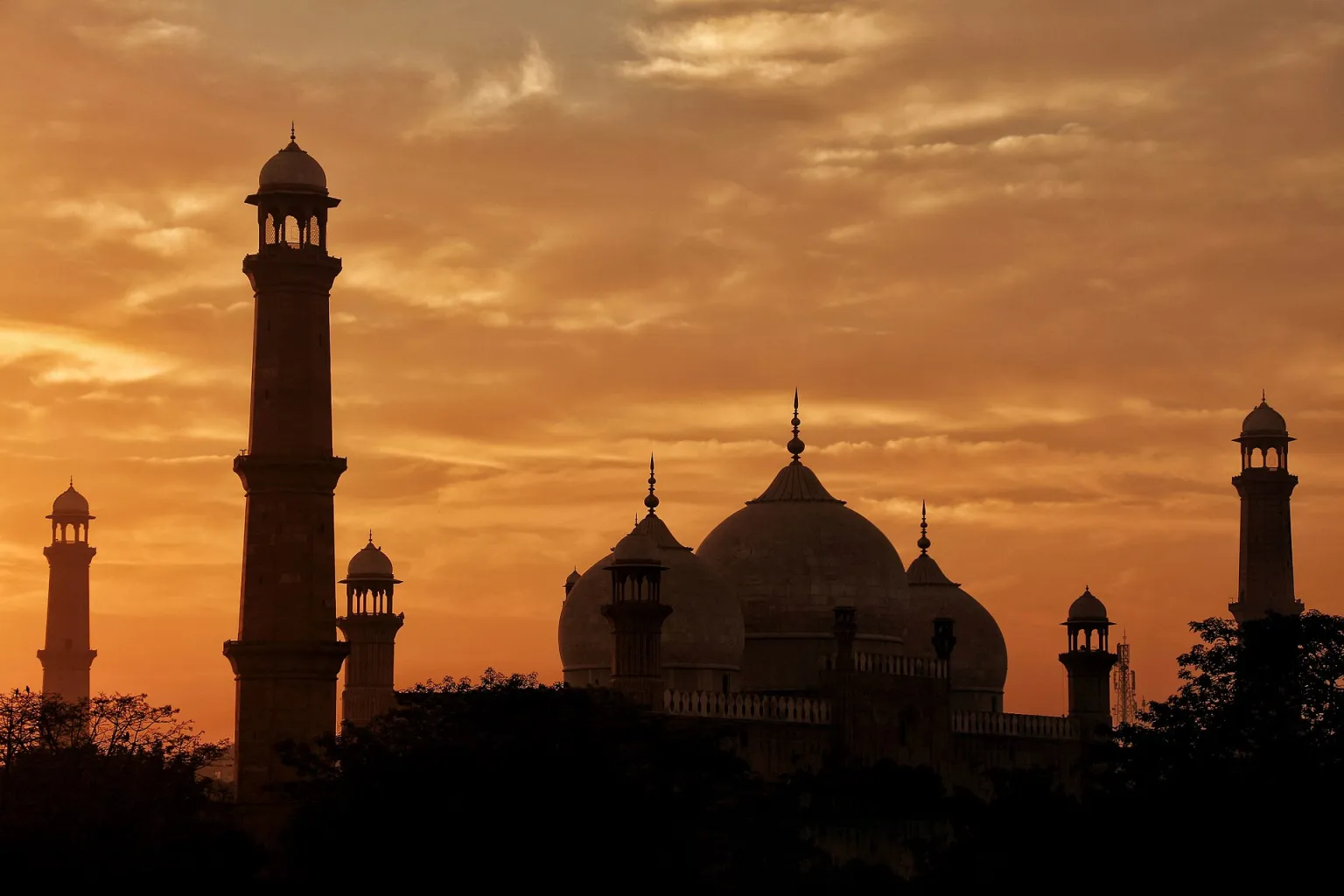
Badshahi Mosque, Lahore
Explore Pakistan's Past Your Way
Interactive ways into 5,000 years of history, every entry sourced.
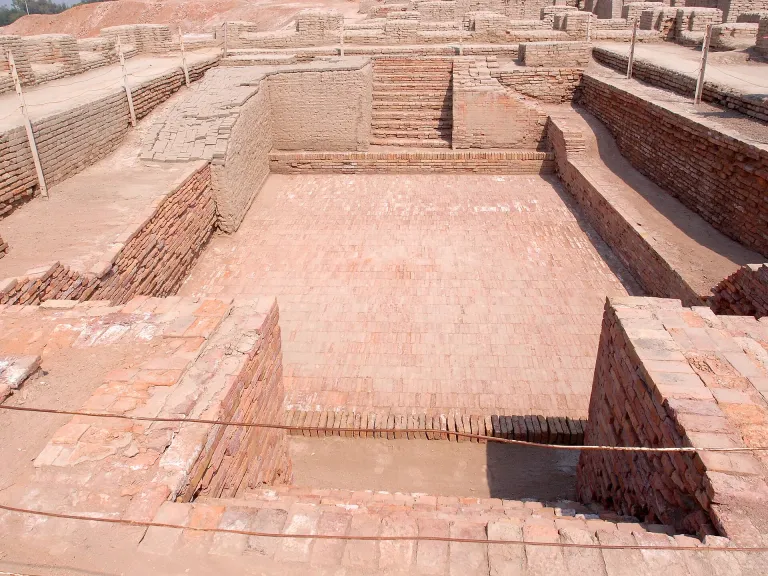 Timeline of PakistanTen eras, searchable and filterable, from Mehrgarh…
 This Day in PakistanWhat happened on any date of the…
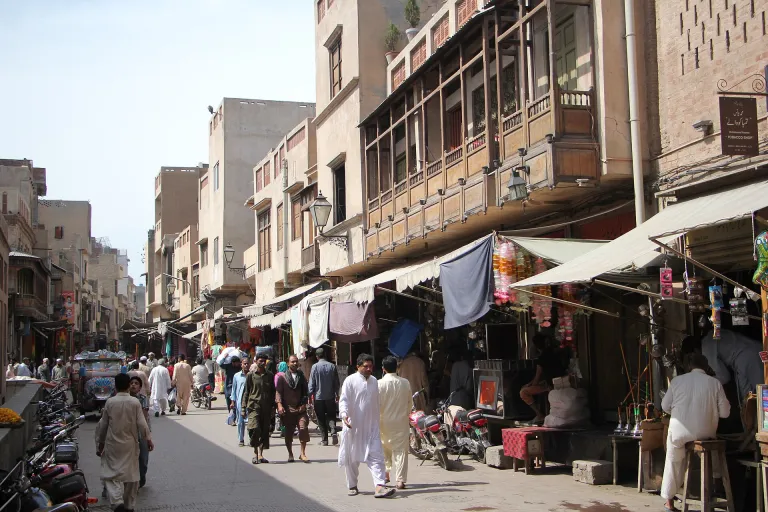 One Place, All of TimeType a city or valley and see…
 Making of PakistanFrom 1857 to 1948, step by step.
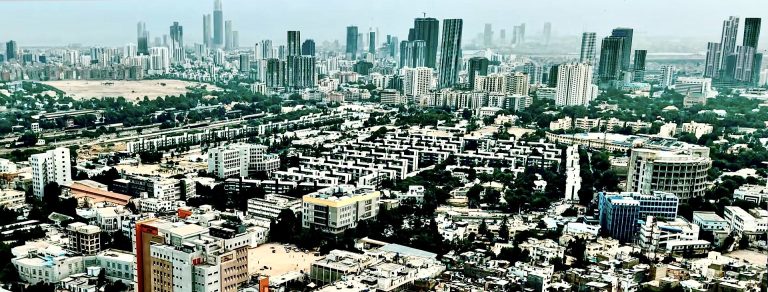 Pakistan Then and NowHow cities, people and infrastructure changed since…
 Kashmir Dispute ExplainedEvery side's position, with UN documents.
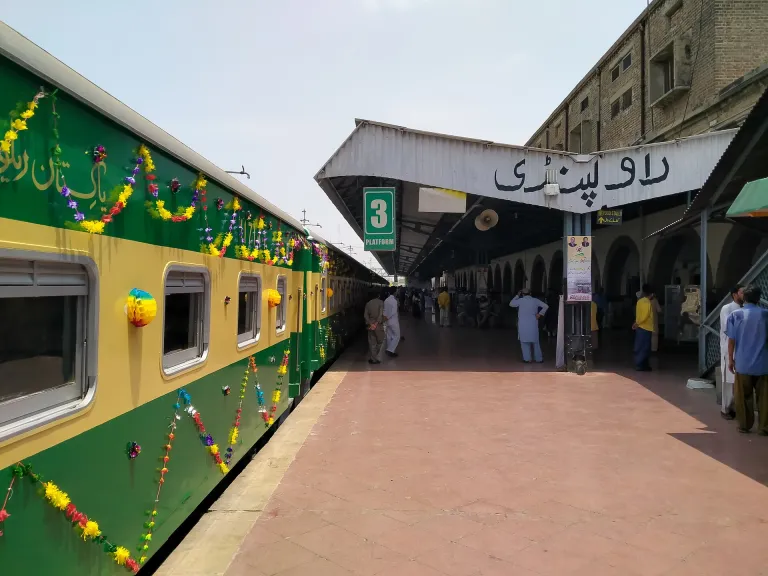 Pakistan VoicesFamily memories and old photos shared by…Famous PakistanisThe people who shaped the country.
Pakistan's Story Through the Ages
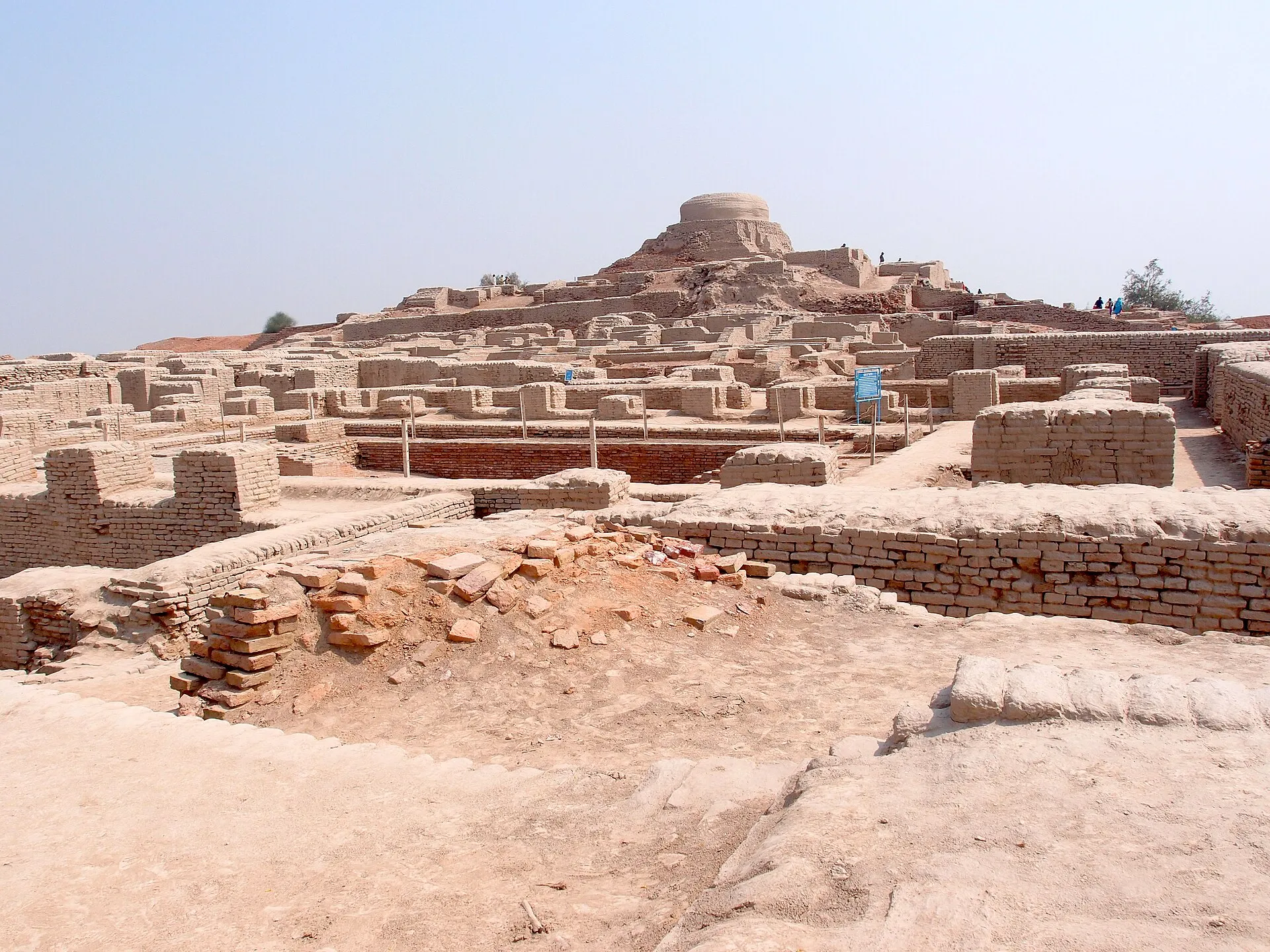
The land that is now Pakistan has been home to people for hundreds of thousands of years. Stone hand-axes from the Soan valley near Rawalpindi have been dated to about 500,000 years ago, and at Mehrgarh in Balochistan some of South Asia's earliest farmers grew barley and herded cattle from around the 7th millennium BCE. By about 2600 BCE the Indus plains supported great planned cities, Mohenjo-daro and Harappa, that rank among the first urban centres anywhere.
Because it lies where the mountain passes from Iran and Central Asia open onto the plains of the Indus, this region has always been a meeting place. Persian kings, Alexander the Great, Mauryan emperors, Greek and Kushan rulers, Arab and Turkic conquerors, the Mughals, the Sikhs and the British all left their mark. Buddhism flourished in Gandhara; Islam arrived in Sindh in the 8th century; Sufi saints, poets and builders shaped the culture of Punjab, Sindh and the north-west.
In the 20th century, the Pakistan Movement turned these layered identities into a demand for a new state. Pakistan was born on 14 August 1947, amid the upheaval of Partition. Its story since, of constitutions and conflicts, resilience and creativity, continues today. Use this guide to explore each era, the places where history can still be touched, and the people who shaped it.
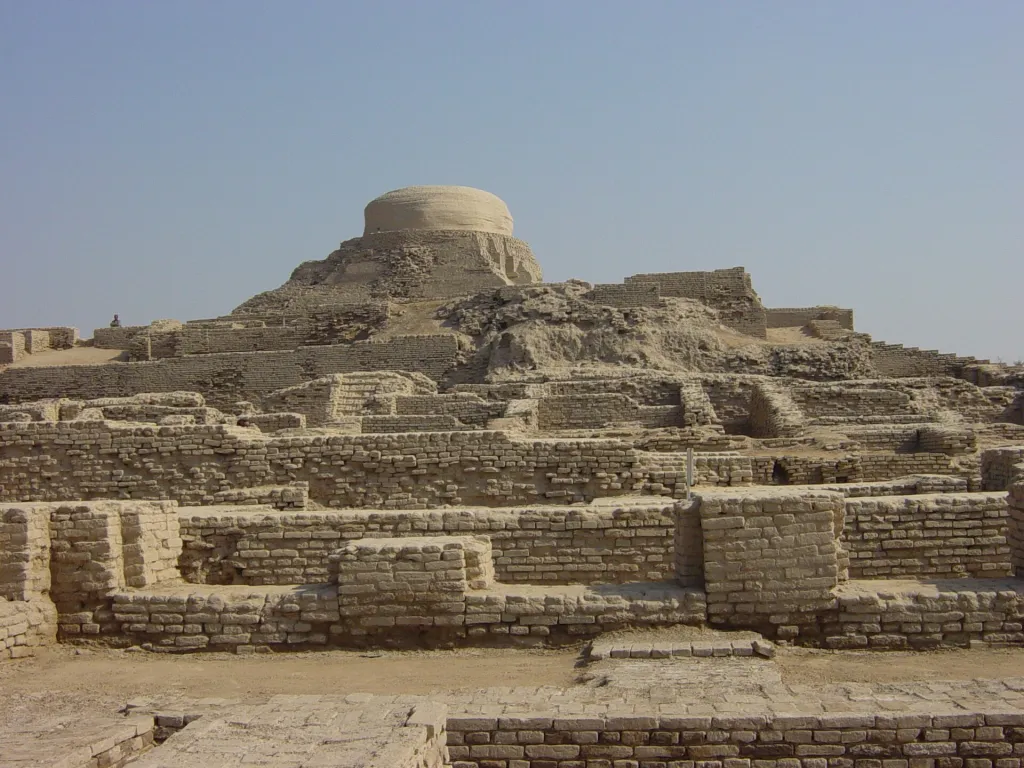
Explore by Era
In-depth guides to the great chapters of Pakistan's past.
Indus Valley CivilizationPlanned brick cities, drains, seals and an… GandharaBuddhist monasteries, Taxila's cities and Greco-Buddhist sculpture…
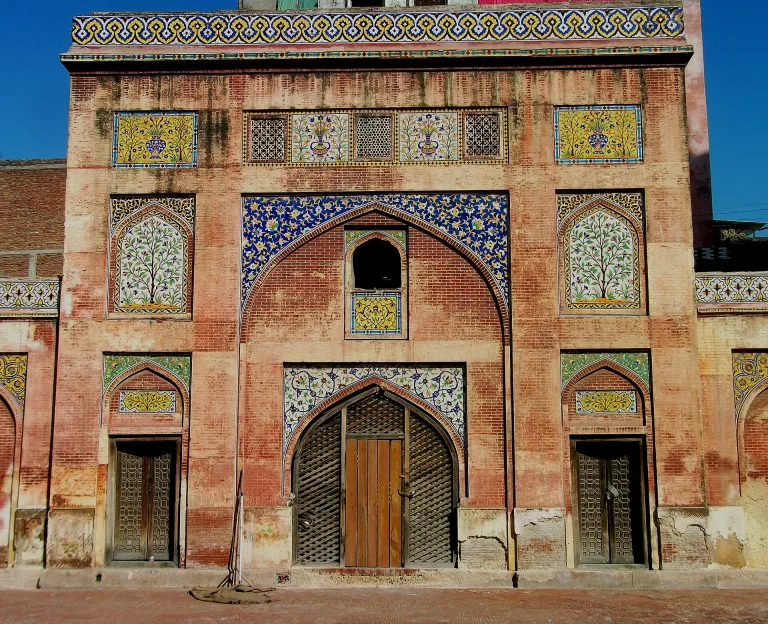 The Mughal EraLahore's fort, gardens and mosques, and the…
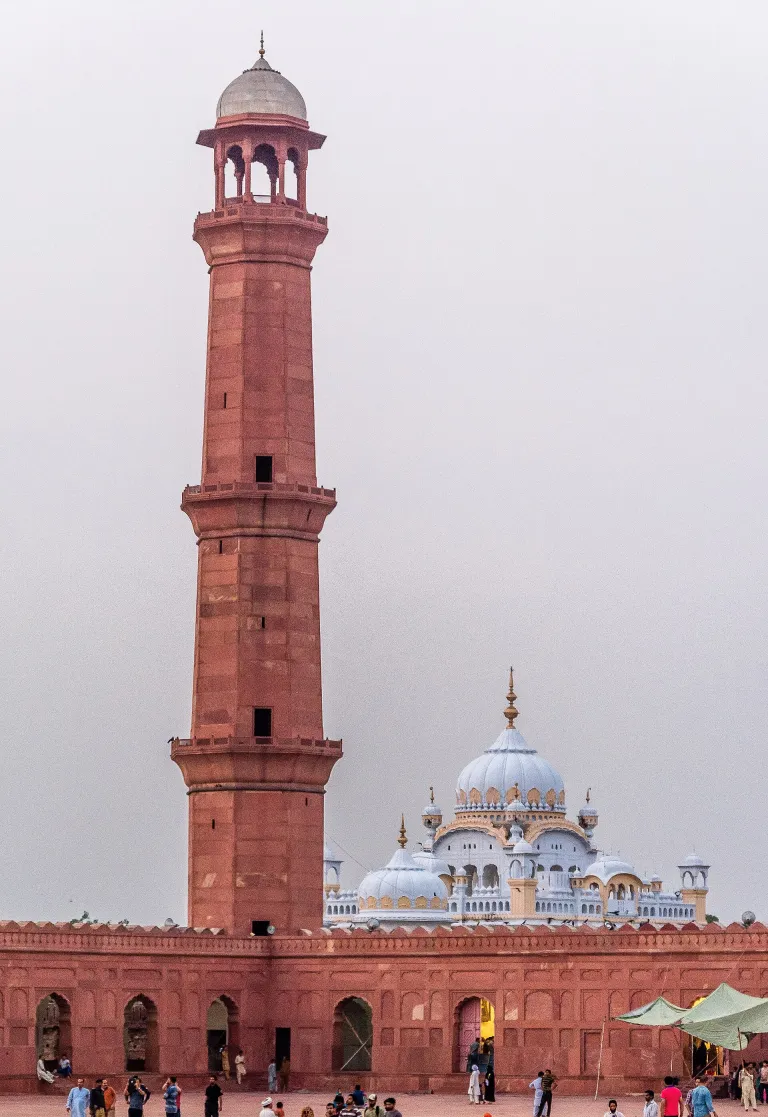 The Sikh EmpireMaharaja Ranjit Singh's Punjab, ruled from Lahore…
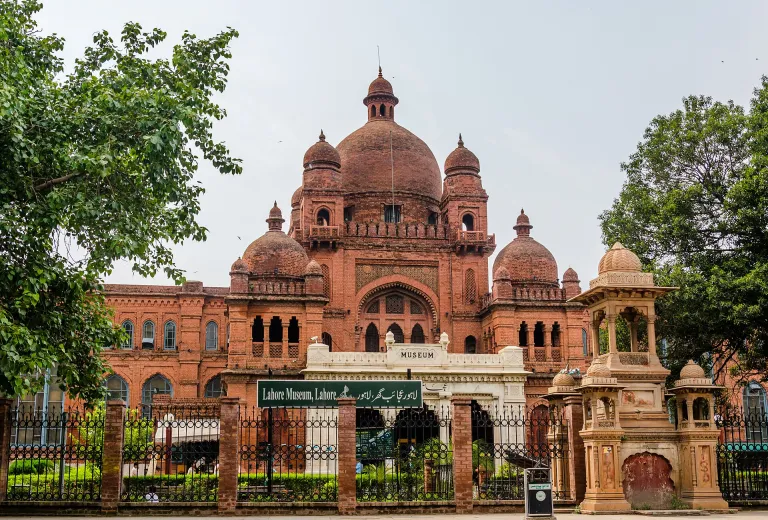 The British Colonial EraAnnexation of Sindh (1843) and Punjab (1849),…
 The Pakistan MovementFrom the Aligarh reformers to the Lahore…Partition of 1947The division of British India, mass migration…
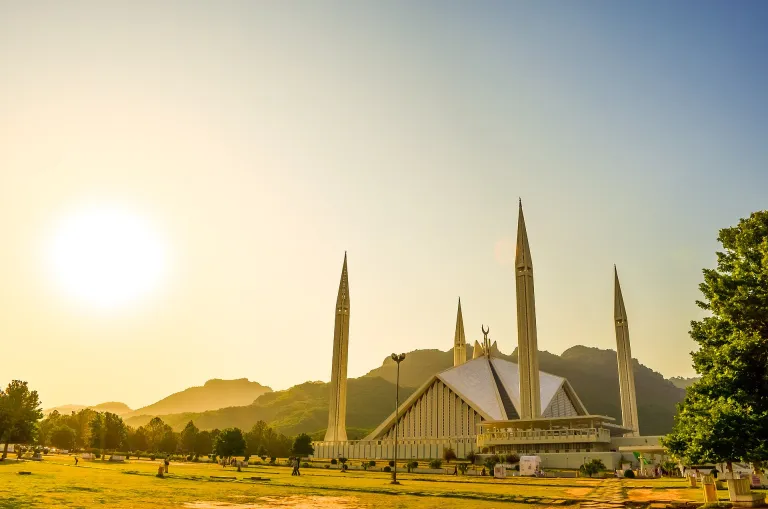 Pakistan since 1947Constitutions, wars, military and civilian governments, and…
Legendary Historical Sites
Places where Pakistan's history can still be walked, touched and felt.
 Mohenjo-daroThe best-preserved city of the Indus civilization, with a citadel, Great Bath and grid-planned lower town covering about 240 hectares.
 TaxilaFour successive ancient cities and a ring of Buddhist monasteries and stupas, on a branch of the Silk Roads.
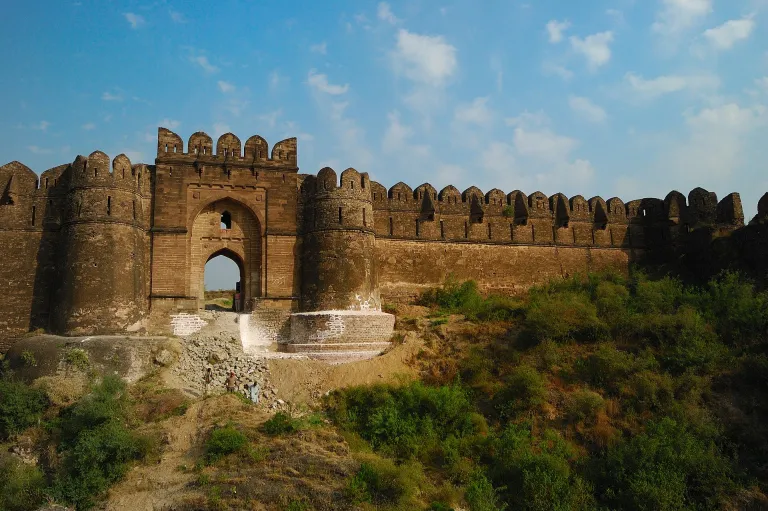 Rohtas FortSher Shah Suri's massive fortress, begun in 1541, with more than 4 km of walls, never taken by storm.
 Makli NecropolisOne of the world's largest cemeteries, about 10 km² of tombs built from the 14th to 18th centuries near Thatta.
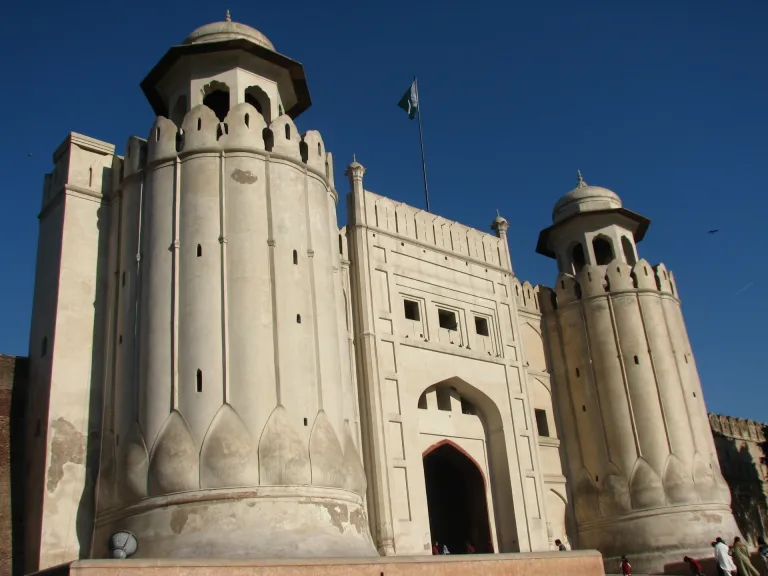 Lahore Fort & Shalamar GardensThe Mughal citadel of Lahore with 21 surviving monuments, and Shah Jahan's terraced gardens of 1641–42.Takht-i-BahiA hilltop Buddhist monastery used from the 1st to the 7th century CE, the most complete in Pakistan.
History at a Glance
Ten turning points from prehistory to the present. Early dates are approximate.
c. 500,000 years ago
First toolmakers
Early humans leave Acheulean-type hand-axes in the Soan valley near present-day Rawalpindi.
7th millennium BCE
Mehrgarh
At the foot of the Bolan Pass in Balochistan, villagers domesticate barley and cattle, among the earliest farming communities in South Asia.
c. 2600–1900 BCE
Indus cities
Mohenjo-daro, Harappa and hundreds of towns share planned streets, drains, standard weights, seals and a script that is still undeciphered.
c. 6th–4th century BCE
Persians, Alexander and the Mauryas
Gandhara becomes an Achaemenid province; Alexander the Great arrives in 327–326 BCE; the Mauryan empire follows, and Buddhism spreads under Ashoka.
1st–5th century CE
Kushan Gandhara
Ruling from Peshawar, the Kushans preside over a golden age of Buddhist monasteries and Greco-Buddhist art, until Hephthalite invasions in the 5th century.
711–712 CE
Islam reaches Sindh
Muhammad ibn al-Qasim conquers Sindh and Multan for the Umayyad caliphate, establishing the first lasting Muslim rule in South Asia.
11th–16th century
Ghaznavids and the Delhi Sultanate
Mahmud of Ghazni makes Punjab the eastern province of his empire (Persian becomes the language of government); the Delhi Sultanate follows from the 1190s.
1526–18th century
The Mughals
Babur's victory at Panipat founds the Mughal dynasty; Akbar, Jahangir, Shah Jahan and Aurangzeb endow Lahore with its greatest monuments.
1799–1947
Sikh rule and the British
Ranjit Singh takes Lahore in 1799; the British conquer Sindh in 1843 and annex Punjab in 1849. The Muslim League is founded in 1906 and adopts the Lahore Resolution in 1940.
1947–today
Pakistan
Independence on 14 August 1947 amid Partition; constitutions in 1956, 1962 and 1973; the separation of Bangladesh in 1971; and a long, ongoing journey of nation-building.
Famous Figures
A few of the people whose lives shaped modern Pakistan.
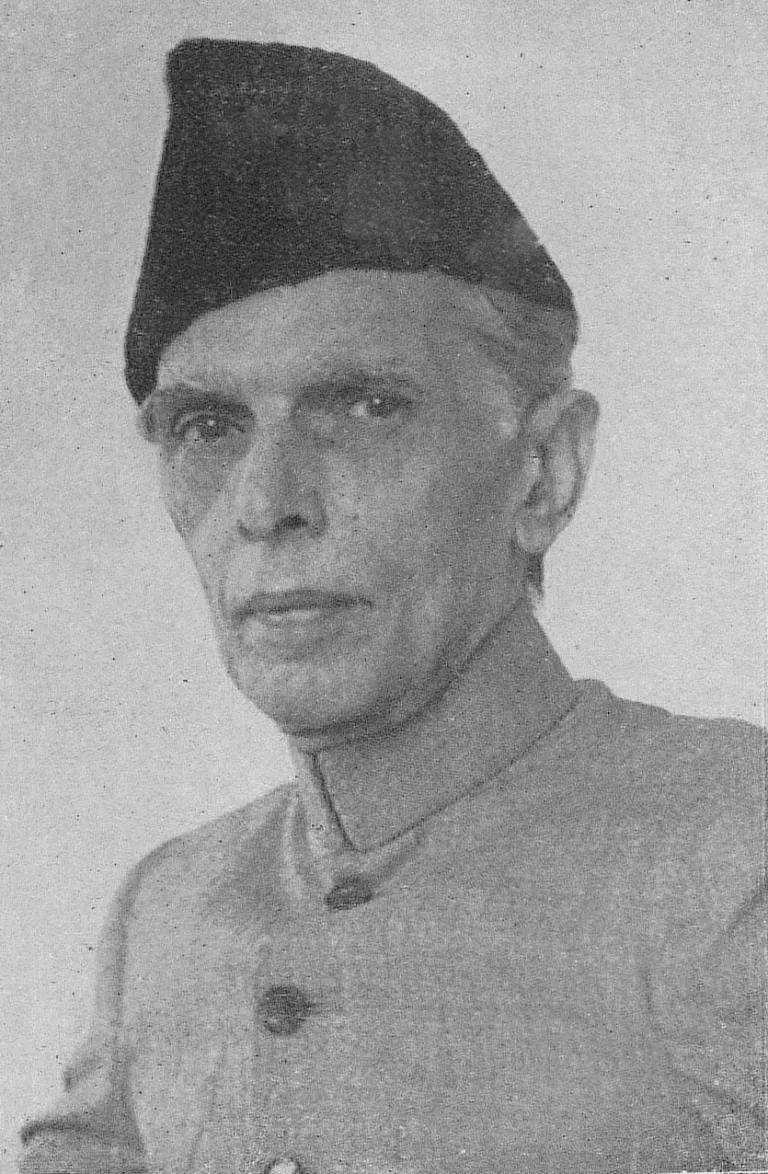 Muhammad Ali JinnahBorn in Karachi (25 December 1876), barrister, leader of the All-India Muslim League and founder of Pakistan. First Governor-General, 1947–48; died in Karachi on 11 September 1948.
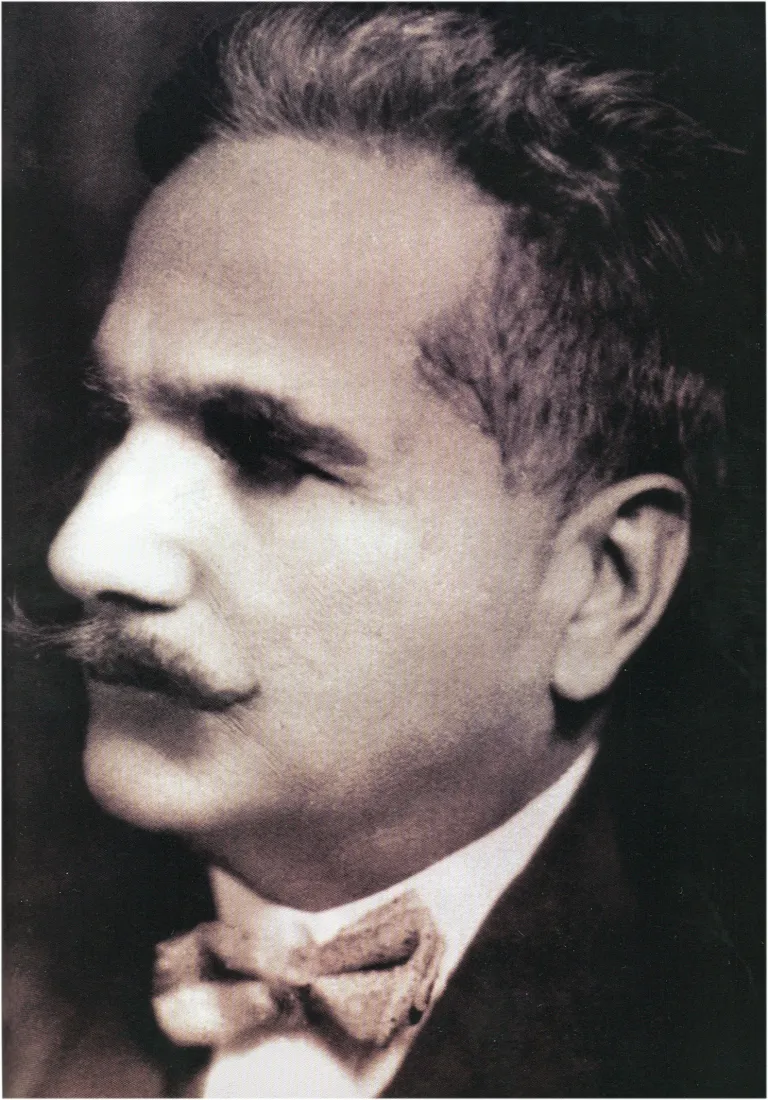 Allama Muhammad IqbalPoet and philosopher, born in Sialkot (9 November 1877), educated in Lahore, Cambridge and Munich. In 1930 he proposed a Muslim state in north-western India. Died in Lahore, 21 April 1938.
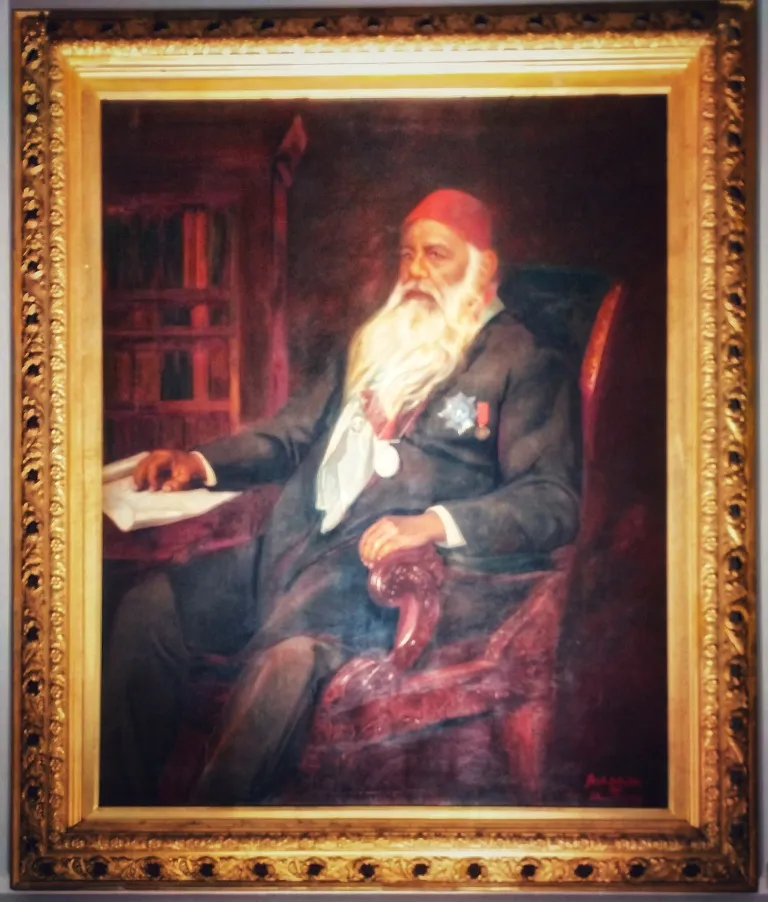 Sir Syed Ahmad KhanEducator and reformer, born in Delhi (1817), who championed modern education for Muslims and founded the college at Aligarh. Died in Aligarh, 1898.Liaquat Ali KhanBorn in Karnal (1895); Jinnah's close colleague in the Muslim League and Pakistan's first prime minister, 1947–51. Assassinated in Rawalpindi on 16 October 1951.Fatima JinnahDentist, political activist and sister of Muhammad Ali Jinnah, who mobilised women during the Pakistan Movement and contested the 1965 presidential election.
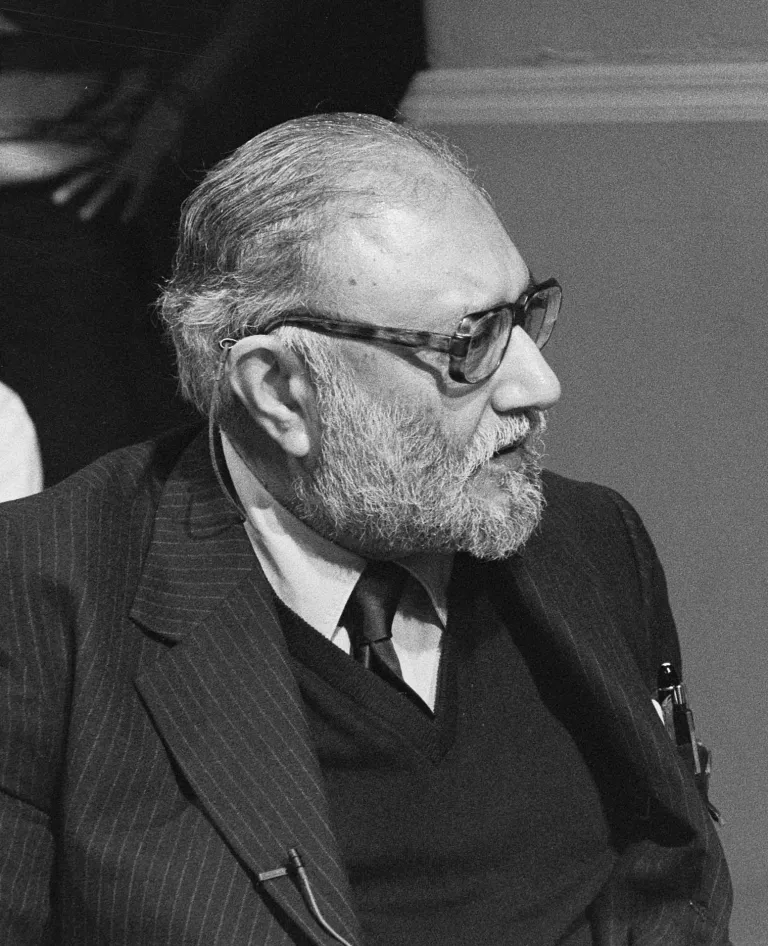 Abdus SalamPhysicist born in Jhang (1926) who shared the 1979 Nobel Prize in Physics for the theory unifying the weak and electromagnetic interactions. Died in Oxford, 1996.
Museums to Visit
Where to see the treasures of Pakistan's past. Check opening times locally before visiting.
 National Museum of Pakistan, KarachiHome of the Indus ‘Priest-King’ and wide-ranging…
 Lahore MuseumOne of South Asia's great museums, with…
 Peshawar MuseumA world-class collection of Gandharan sculpture, including…Taxila MuseumFinds from Taxila's cities and monasteries, beside…Mohenjo-daro site museumSeals, pottery and replicas of famous finds…
Featured Topics
Go deeper into the heritage that history created.


All History Guides
Browse published guides by subject.
 Allama Muhammad IqbalAllama Muhammad Iqbal: life, Urdu and Persian poetry, the 1930 Allahabad address, legacy
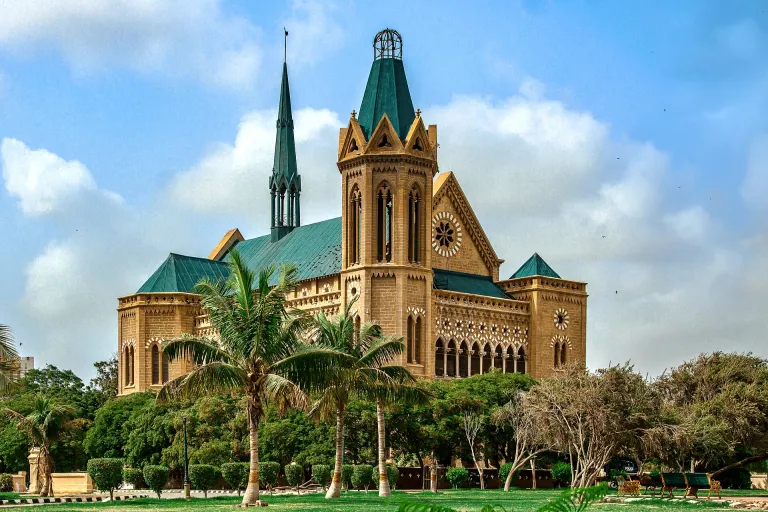 Colonial Heritage of PakistanColonial heritage in Pakistan: Frere Hall, Empress Market, Lahore station and museum, Lansdowne Bridge
 Compare Accounts of 1857 without Erasing Their Different PerspectivesRead official correspondence, proclamations and later histories of 1857 by asking who produced each accountCompare Pakistan’s Census Figures across Changing BoundariesRead historical census totals by checking geography, enumeration basisFamous PakistanisNotable Pakistanis by field: Abdus Salam, Faiz, Manto, Bano Qudsia, Nusrat Fateh Ali Khan, Noor Jehan
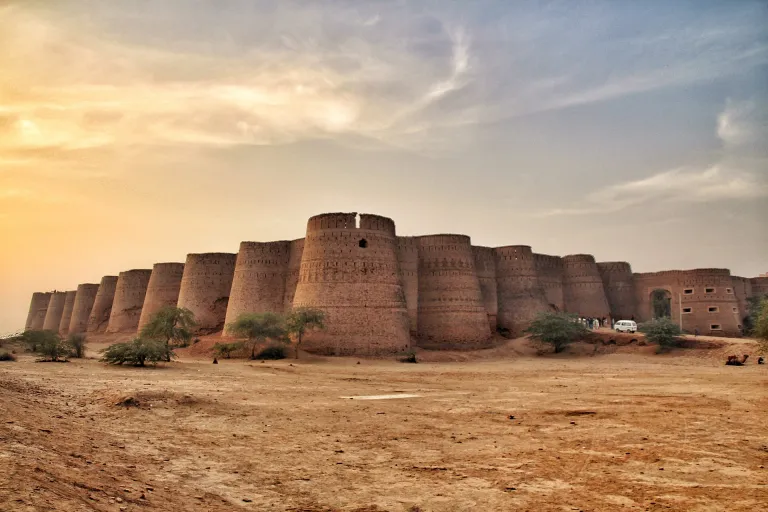 Forts of PakistanForts of Pakistan: Lahore Fort, Rohtas, Derawar, Ranikot, Kot Diji, Umerkot, Baltit, Altit and moreGandharaGandhara in Pakistan: Taxila, Takht-i-Bahi, the Kushans, Greco-Buddhist art in schist and stucco, key museum pieces
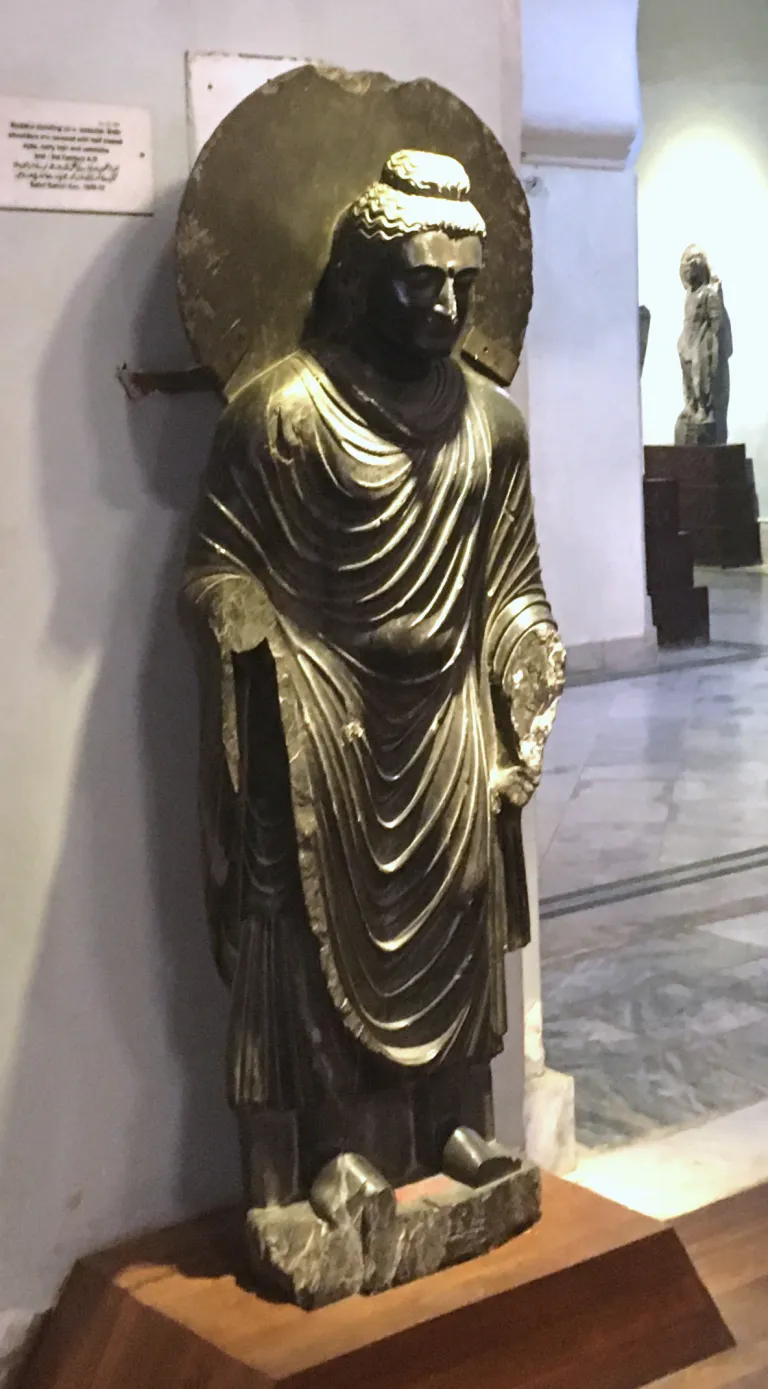 Gandharan Sculpture: Provenance, Materials and Museum ContextRead a Gandharan sculpture label by separating material, religious subject, place of production
 Harappan Weights and Trade: Reading Small Objects as Historical EvidenceUse material, mass, ratios and excavation context to understand Harappan weights without turning standardisation into an…History of Pakistan since 1947Pakistan's history since 1947: Jinnah and Liaquat, constitutions of 1956, 1962 and 1973, the wars
 India–Pakistan Relations ExplainedIndia–Pakistan relations since 1947: four wars, the Indus Waters Treaty, Simla, Lahore, the composite dialogueIndus Valley CivilizationThe Indus or Harappan civilization (c.
 Mountaineering History of PakistanDated history of mountaineering in Pakistan: survey and early attempts, first ascents of K2Muhammad Ali JinnahQuaid-e-Azam Muhammad Ali Jinnah: life, law career, Muslim League, Lahore Resolution, 1947, death in 1948One Place, All of Time: The History of Any Place in PakistanType the name of a city, valley or region in Pakistan and see its history from…
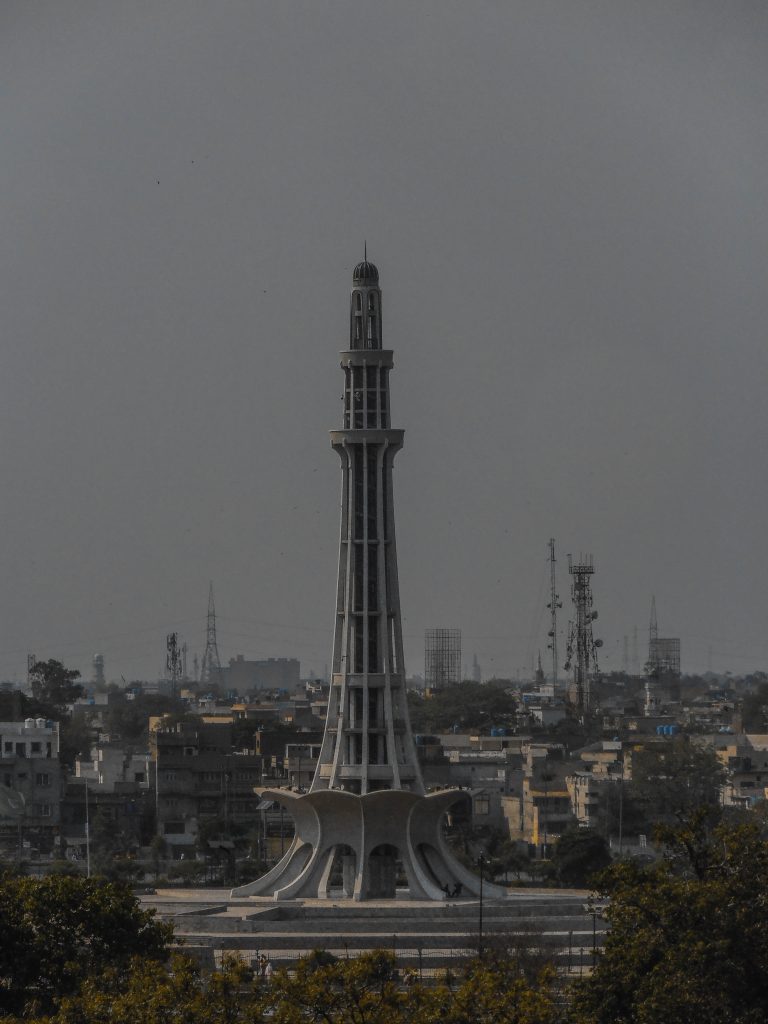 Pakistan Day, 23 MarchPakistan Day on 23 March marks the 1940 Lahore Resolution and the 1956 constitution.
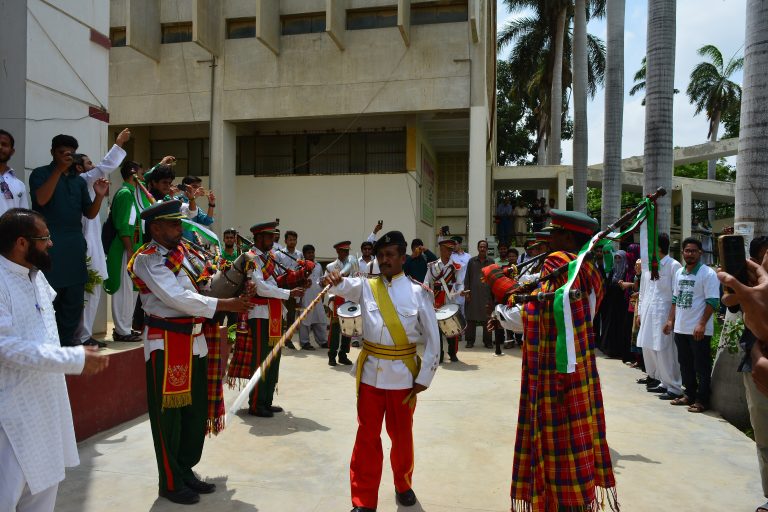 Pakistan Independence Day, 14 AugustWhy Pakistan celebrates independence on 14 August, what happened in 1947Pakistan Then and NowHow Pakistan changed since 1947: census population 1951–2023, urbanisation, Islamabad, Mangla and Tarbela, the M-2Pakistan Voices: Share Your Family’s MemoriesMemories and old photos shared by Pakistanis at home and abroad, Partition journeys, lost streetsPakistan’s Early Postage Stamps as Historical SourcesRead overprints, denominations, issue dates and postal cancellations to understand what early Pakistani stamps reveal and…
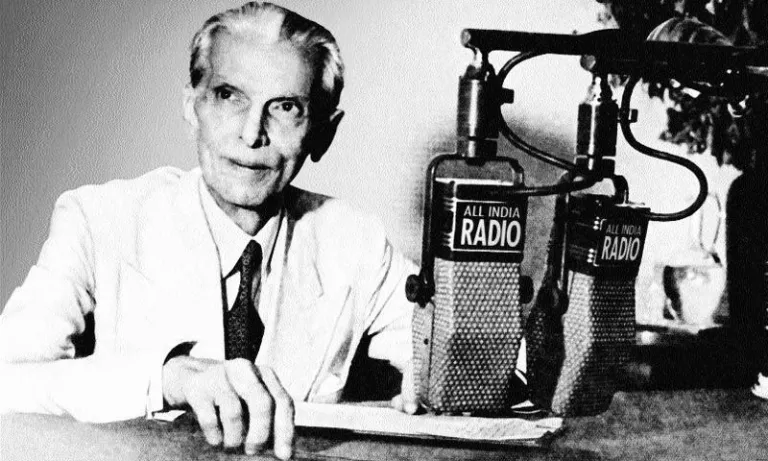 Read a Partition Oral History alongside Other Historical RecordsLearn to listen to a Partition testimony carefully, preserve the narrator’s perspective and compare specific details…
 Read an Old Lahore Map without Assuming the Streets Stayed the SameCompare an old Lahore map with later records by checking survey dates, scaleRead the 1960 Indus Waters Treaty as a Historical DocumentUnderstand the treaty’s original structure, dates, annexures and institutional vocabulary without confusing historical text with a…Research a Railway Station’s History through Maps and RecordsSeparate a station’s opening, rebuilding and changing railway role by comparing dated maps
 The British Colonial EraBritish rule in Pakistan 1843–1947: conquest of Sindh and Punjab, the North-West Frontier, railways, canal colonies
 The Constitution of PakistanPakistan's constitutions of 1956, 1962 and 1973: how the 1973 Constitution works, fundamental rights, Islamic provisions
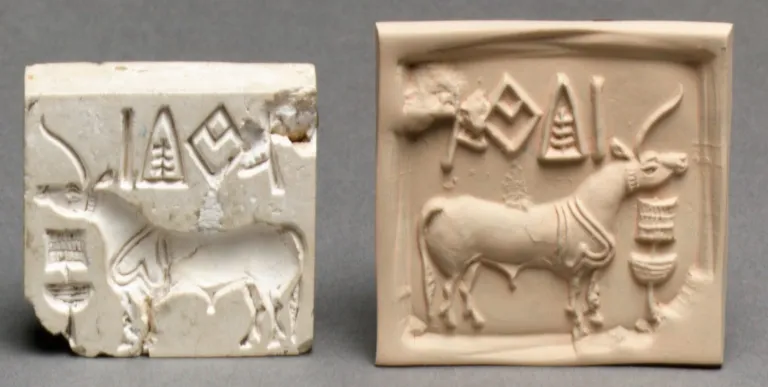 The Indus Script: What the Evidence Establishes and What Remains UnreadLearn what seals, sign sequences and excavated contexts reveal about the Indus script
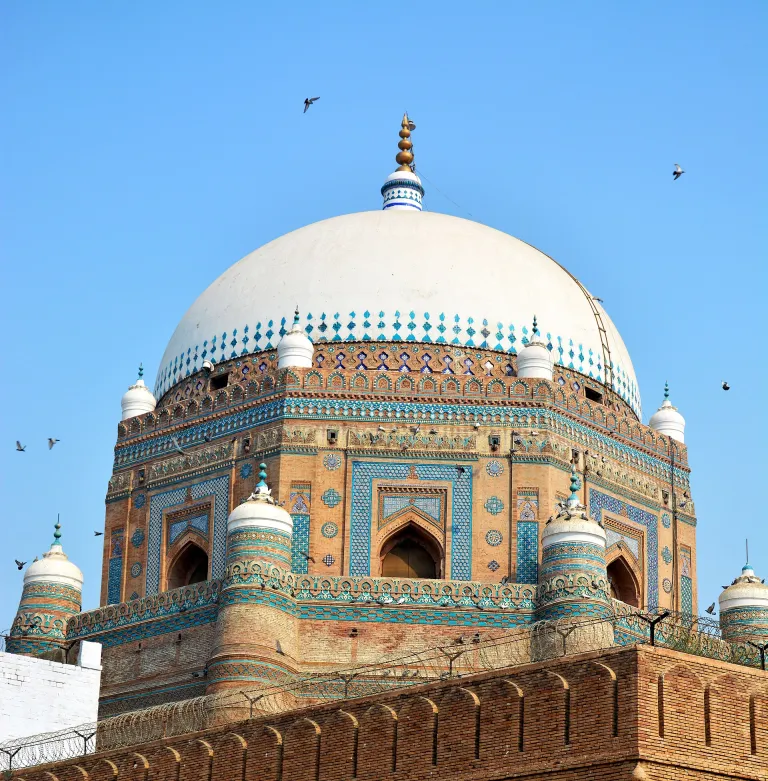 The Islamic and Medieval EraPakistan's medieval history: Muhammad bin Qasim, the Ghaznavids, the Ghurids and the Delhi Sultanate, with MultanThe Kashmir Dispute ExplainedThe Kashmir dispute explained: the 1947 accession, UN resolutions 39 and 47, the Line of ControlThe Making of Pakistan: A Timeline, 1857–1947Year-by-year timeline of Pakistan's creation, 1857–1947: Aligarh, the Muslim League, Iqbal's 1930 address, the Lahore Resolution
 The Mughal EraThe Mughal Empire in Pakistan: Babur to Aurangzeb, Lahore Fort, Shalamar GardensThe Pakistan MovementThe Pakistan Movement explained: Sir Syed and Aligarh, the Muslim League (1906), Iqbal's 1930 addressThe Partition of 1947The 1947 Partition of British India: the 3 June Plan, the Radcliffe Line
 The Sikh EmpireThe Sikh Empire in Pakistan: Ranjit Singh's capture of Lahore in 1799, Multan, PeshawarThis Day in Pakistan’s HistoryPick any date and see what happened in Pakistan's history on that day: founding moments, lawsTimeline of Pakistan: 5,000 Years, Every Moment SourcedAn interactive timeline of Pakistan's history across ten eras, from the Indus cities to the presentTimeline of Pakistan: From Mehrgarh to TodayMaster timeline of Pakistan's history: Mehrgarh, the Indus cities, Gandhara, 712, Mughals, Sikhs, the British, 1947
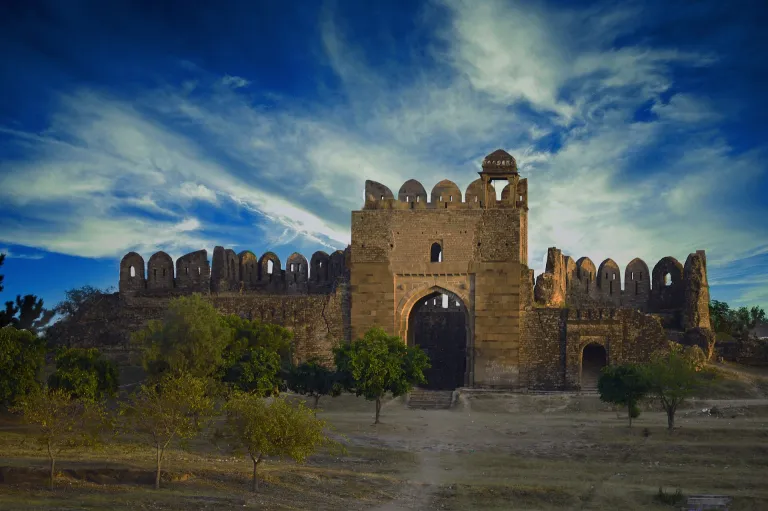 UNESCO World Heritage Sites in PakistanPakistan's six UNESCO World Heritage Sites with year of inscription and criteria
Frequently Asked Questions
What is the oldest civilization in Pakistan?
The Indus Valley (Harappan) Civilization, whose cities flourished from about 2600 to 1900 BCE. Its roots lie in earlier farming villages such as Mehrgarh in Balochistan, dating back to the 7th millennium BCE.
How many UNESCO World Heritage Sites does Pakistan have?
Six, all cultural: the Archaeological Ruins at Moenjodaro, Taxila, the Buddhist Ruins of Takht-i-Bahi and Sahr-i-Bahlol (all 1980), the Fort and Shalamar Gardens in Lahore and the Historical Monuments at Makli, Thatta (both 1981), and Rohtas Fort (1997).
When did Islam arrive in the region?
Muhammad ibn al-Qasim conquered Sindh in 711–712 CE, establishing the first lasting Muslim rule in South Asia. Islam later spread widely through Sufi saints, traders and successive Muslim dynasties.
When did Pakistan become independent?
On 14 August 1947, when British India was partitioned into Pakistan and India.
Where is the best place to start exploring Pakistan's history?
Lahore offers Mughal, Sikh and colonial monuments and the Lahore Museum in one city; Taxila is an easy trip from Islamabad; and Mohenjo-daro in Sindh is the essential Indus site.
How we know this
- Type Section overview
- Sources 14 (14 official/academic)
- Reviewed October 2026
- Disputed points None
14 sources
- Pakistan: History, Encyclopaedia Britannica
- Indus civilization, Encyclopaedia Britannica
- Archaeological Site of Mehrgarh (Tentative List), UNESCO World Heritage Centre
- Archaeological Ruins at Moenjodaro, UNESCO World Heritage Centre
- Taxila, UNESCO World Heritage Centre
- Buddhist Ruins of Takht-i-Bahi and Neighbouring City Remains at Sahr-i-Bahlol, UNESCO World Heritage Centre
- Fort and Shalamar Gardens in Lahore, UNESCO World Heritage Centre
- Historical Monuments at Makli, Thatta, UNESCO World Heritage Centre
- Rohtas Fort, UNESCO World Heritage Centre
- Mohammed Ali Jinnah, Encyclopaedia Britannica
- Muhammad Iqbal, Encyclopaedia Britannica
- Sayyid Ahmad Khan, Encyclopaedia Britannica
- Liaquat Ali Khan, Encyclopaedia Britannica
- Abdus Salam: Facts, NobelPrize.org
Photo credits (35)
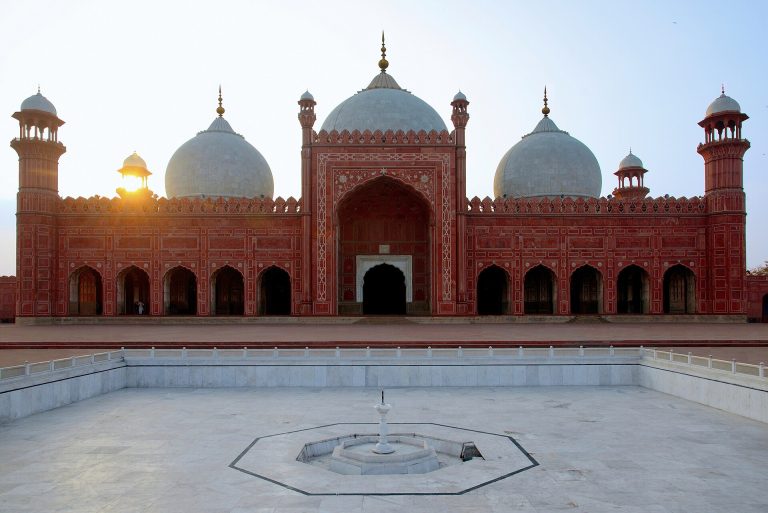
- Badshahi Mosque, Lahore VI.jpg, Fassifarooq, CC BY-SA 4.0, via Wikimedia Commons
- Archaeological Ruins at Moenjodaro-108221.jpg, Junhi Han, CC BY-SA 3.0 igo, via Wikimedia Commons
- Mohenjodaro - view of the stupa mound.JPG, Saqib Qayyum, CC BY-SA 3.0, via Wikimedia Commons
- Great bath view Mohenjodaro.JPG, Saqib Qayyum, CC BY-SA 3.0, via Wikimedia Commons
- Takht-i-Bahi Buddhist Monastery.jpg, Muzamil Hassain Toori, CC BY-SA 4.0, via Wikimedia Commons
- Courtyard of Wazir Khan Mosque, Lahore.jpg, Muhammad Umair Mirza, CC BY-SA 4.0, via Wikimedia Commons
- Minaret of Badshahi Mosque along with Rangit Singh Samadhi.jpg, Muhammad Ashar, CC BY-SA 3.0, via Wikimedia Commons
- Front View of Lahore Museum.jpg, Muhammad Ashar, CC BY-SA 3.0, via Wikimedia Commons
- The Minar-e-Pakistan.jpg, Ammar Ejaz, CC BY-SA 3.0, via Wikimedia Commons
- Faisal Mosque, Islamabad, Pakistan.jpg, Ahmad Haq, CC BY-SA 4.0, via Wikimedia Commons
- Dharmarajika stupa,Taxila.jpg, Sasha Isachenko, CC BY-SA 3.0, via Wikimedia Commons
- Kabuli Gate - Rohtas Fort by Usman Ghani.jpg, Usman.pg, CC BY-SA 3.0, via Wikimedia Commons
- Makli hills thatta sindh - UNESCO World Heritage Site.jpg, Yasir Dora, CC BY-SA 4.0, via Wikimedia Commons
- Alamgiri Gate - Main entrance to Lahore Fort.jpg, S.hassanjawad, CC BY-SA 3.0, via Wikimedia Commons
- Jinnah1945a.jpg, Photographer not known, Public domain, via Wikimedia Commons
- Allama Iqbal.jpg, Iqbal Academy Pakistan, Public domain, via Wikimedia Commons
- Sir Syed Ahmad Khan.jpg, Sufe, CC BY-SA 4.0, via Wikimedia Commons
- Abdus Salam 1987.jpg, Molendijk, Bart / Anefo, CC BY-SA 3.0 nl, via Wikimedia Commons
- Mazar-e-Quaid Karachi.jpg, Furqanlw, CC BY-SA 4.0, via Wikimedia Commons
- Delhi Gate 11 (WCLA).jpg, The Walled City of Lahore Authority, CC BY-SA 4.0, via Wikimedia Commons
- Minar-e-Pakistan with waving national flags.JPG, Susmanhamza, CC BY-SA 3.0, via Wikimedia Commons
- Karachi Skyline 2025.jpg, Ktownboy103, CC0, via Wikimedia Commons
- Muzaffarabad, Azad Kashmir, Pakistan.jpg, Fiaz3300, CC BY-SA 4.0, via Wikimedia Commons
- Rawalpindi Railway Station 2.jpg, Mazahirshah, CC BY-SA 4.0, via Wikimedia Commons
- Karachi Skyline 1.jpg, Ktownboy103, CC0, via Wikimedia Commons
- Night View of Badshahi Mosque (King’s Mosque).jpg, Muhammad Ashar, CC BY-SA 3.0, via Wikimedia Commons
- Sethial street - Sethi House Complex, Peshawar.jpg, Teseum, CC BY-SA 4.0, via Wikimedia Commons
- Wide angle view of Badshahi Mosque.jpg, Mishel Ijaz, CC BY-SA 4.0, via Wikimedia Commons
- Shah Rukn-e-Alam Tomb.jpg, Junaidali88z, CC BY-SA 3.0, via Wikimedia Commons
- Mausoleum of Shah Abdul Latif Bhittai 05.jpg, Umasha79, CC BY-SA 3.0, via Wikimedia Commons
- Sindhi Cultural Day 2019 celebrations at Sindh museum Hyderabad, Sindh.jpg, JogiAsad, CC BY-SA 4.0, via Wikimedia Commons
- Badshahi Mosque in the evening.jpg, Aizads, CC BY-SA 4.0, via Wikimedia Commons
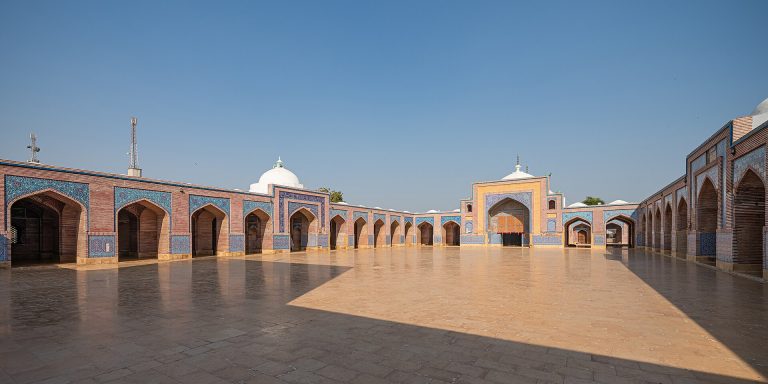
- PK Thatta asv2020-02 img02 Shah Jahan Mosque.jpg, A.Savin, FAL, via Wikimedia Commons
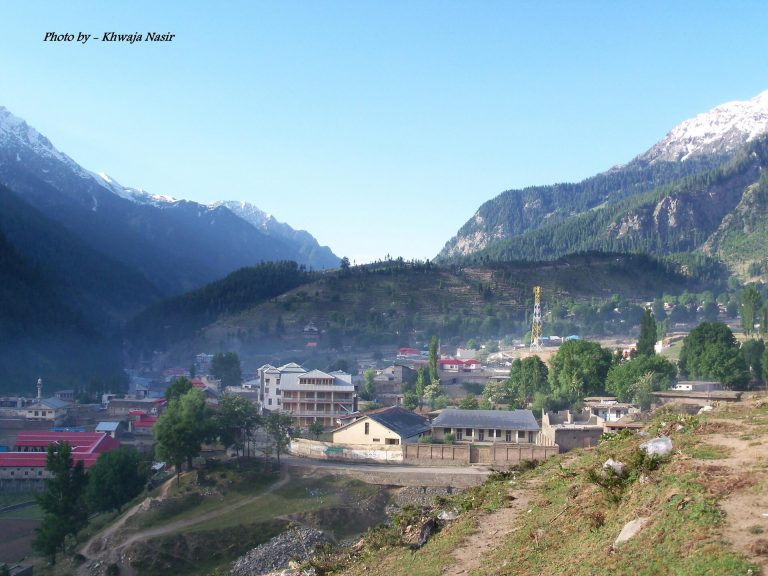
- Hotels in Kalam swat valley.jpg, Power22, CC BY-SA 3.0, via Wikimedia Commons
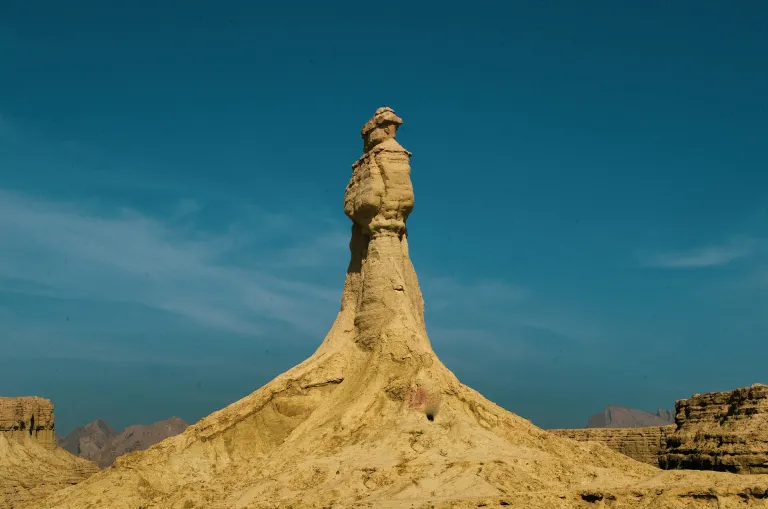
- Princess of hope Balochistan.jpg, Aareez Asif, CC BY-SA 4.0, via Wikimedia Commons
