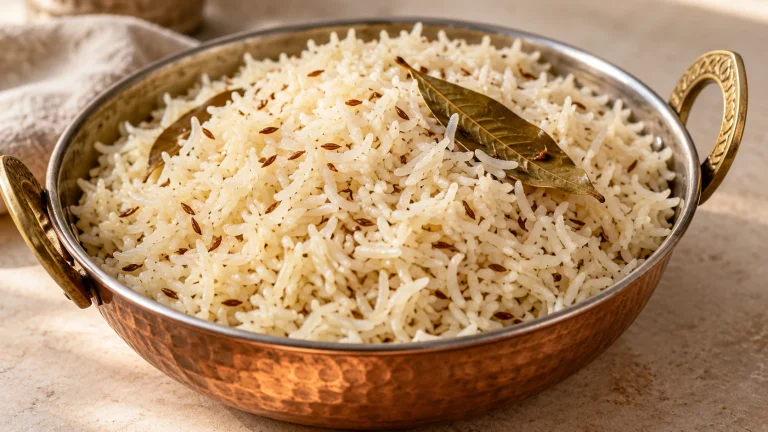
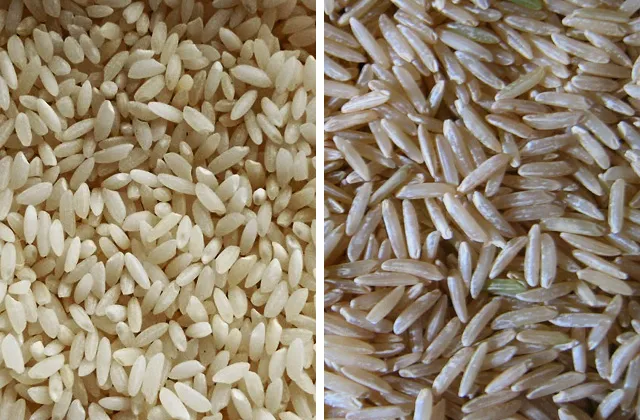
Grains of basmati rice beside a shorter-grained variety

Cooking guide

Perfect BasmatiEvery Time

Washing, soaking, boiling or absorption: how Pakistani kitchens cook long, separate grains for plain chawal, yakhni pulao and biryani, and how to fix rice that goes wrong.

  • Long-grain basmati
  • Soak about 20–30 minutes
  • Two methods: boil-and-drain or absorption

Pakistan

Within 1 hourIdeal time to cool leftover rice before chillingFood Standards Scotland
24 hoursMaximum fridge storage for cooked riceFood Standards Scotland
OnceReheat cooked rice no more than onceFood Standards Scotland

Rice the Pakistani Way

In a Pakistani kitchen, good rice means long, separate, fragrant grains that are tender all the way through but never sticky. That is why basmati, grown in the Punjab plains of Pakistan and India, is the default for almost everything from plain sada chawal to wedding biryani. Its grains lengthen dramatically as they cook, and the way you treat them before and during cooking decides whether they stay whole.

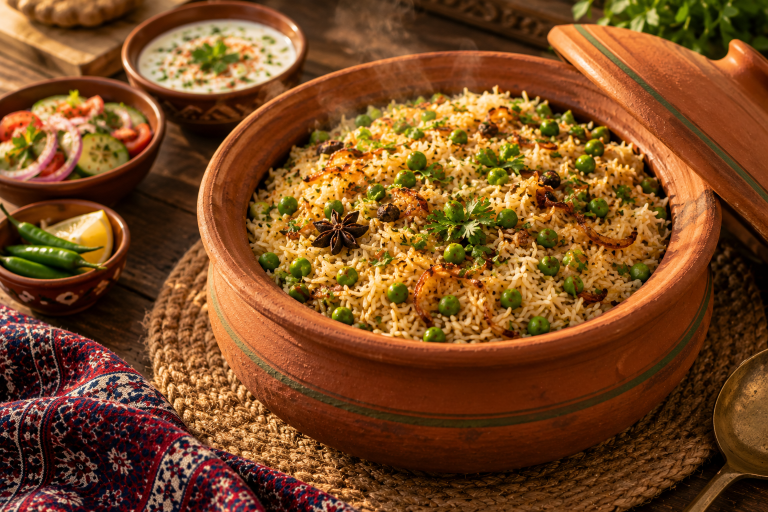
There are two basic methods. Boil-and-drain cooks the rice in a large pan of salted water, like pasta, then drains it; it is forgiving and is the method behind biryani. Absorption cooks the rice in a measured amount of water or stock that it soaks up completely; it is the method behind pulao, zeera rice and most plain rice at home. Both finish with a short rest under a lid, or on dum.

The quantities below are given as ranges, because the right amount of water depends on the age and brand of rice, how long it soaked, the width of the pot and how tight the lid is. Start in the middle, note what happened, and adjust next time.

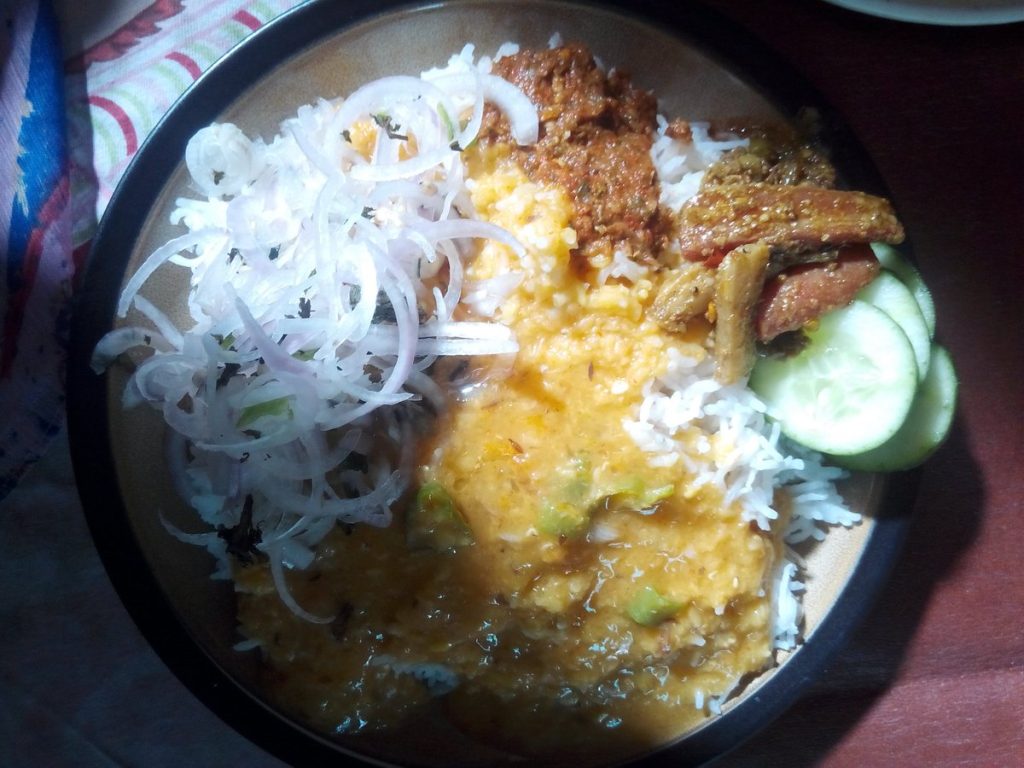
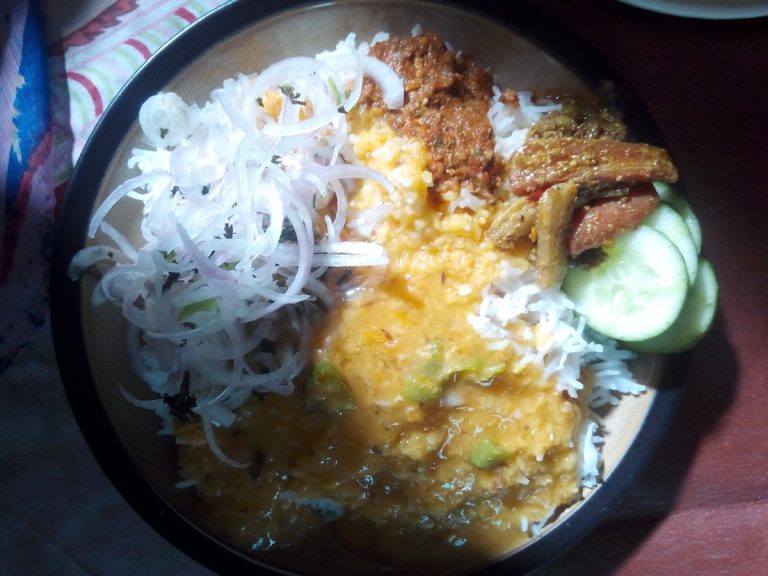
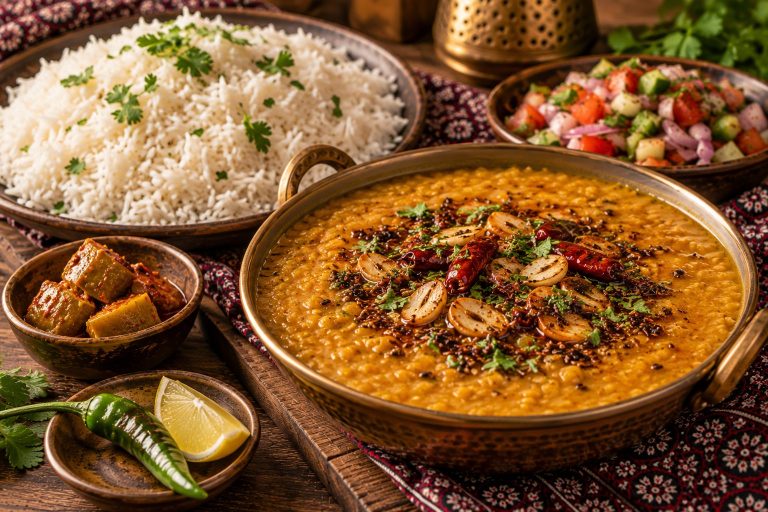
A plate of daal chawal: yellow lentil curry served over white rice, Pakistan
Daal chawal: plain boiled basmati with lentils, the everyday comfort meal.

Before You Cook: Wash and Soak

  1. 1

    Measure by volume or weight

    Use the same cup for rice and water if you cook by ratio. A common home allowance is roughly 75–100 g (about ½ cup) uncooked rice per person as a main, more for big eaters.

  2. 2

    Wash until the water runs clearer

    Rinse gently in a bowl of cold water, swirling with your fingers rather than rubbing, and pour off the cloudy water. Repeat three to five times. This removes loose surface starch that makes rice gluey.

  3. 3

    Soak

    Cover with fresh water and soak for about 20–30 minutes, the window Pakistani basmati producers commonly recommend. Soaked grains cook more evenly and lengthen more; aged, very dry rice may take a little longer. Do not soak for hours, or grains can break.

  4. 4

    Drain well

    Tip into a sieve and let it drain for a few minutes. Wet rice adds hidden water to an absorption recipe.

Two Methods Compared

Boil-and-drainAbsorption
Used forBiryani, plain rice for a crowdPulao, zeera rice, everyday plain rice
WaterPlenty, well salted: several times the volume of riceMeasured: roughly 1¼–1½ cups water per cup of soaked basmati (some brands need a little more)
MethodBoil hard, test often, drain at the right momentBring to the boil, simmer until water is level with the rice and holes appear, then cover and steam on very low heat
ForgivenessHigh: you stop cooking whenever the grain is rightLower: water and heat must be right from the start
FlavourClean; flavour comes from layering and dumAbsorbs stock, spices and fat throughout
FinishDum or short rest under a lid10–15 minutes covered on lowest heat, then rest

Ratios are starting ranges for soaked basmati cooked on a stove; unsoaked rice, wide pans and loose lids need more water.

Plain Rice by Absorption

  1. 1

    Heat a little fat (optional)

    A spoonful of oil or ghee, and cumin or a bay leaf if you like, adds aroma and helps keep grains separate.

  2. 2

    Add drained rice and toast gently

    Stir carefully for a minute so each grain is coated. Do not break them.

  3. 3

    Add hot water and salt

    Start in the 1¼–1½ cups per cup range. Bring to a boil uncovered.

  4. 4

    Simmer until the water level drops

    When the water sinks level with the rice and small steam holes appear on the surface, turn the heat to its lowest.

  5. 5

    Cover and steam

    Cover tightly (a cloth-wrapped lid stops drips) and leave for about 10–15 minutes. Do not stir.

  6. 6

    Rest and fluff

    Turn off the heat and rest a few minutes, then fluff from the edges with a fork or flat spoon.

Pulao Rice vs Biryani Rice

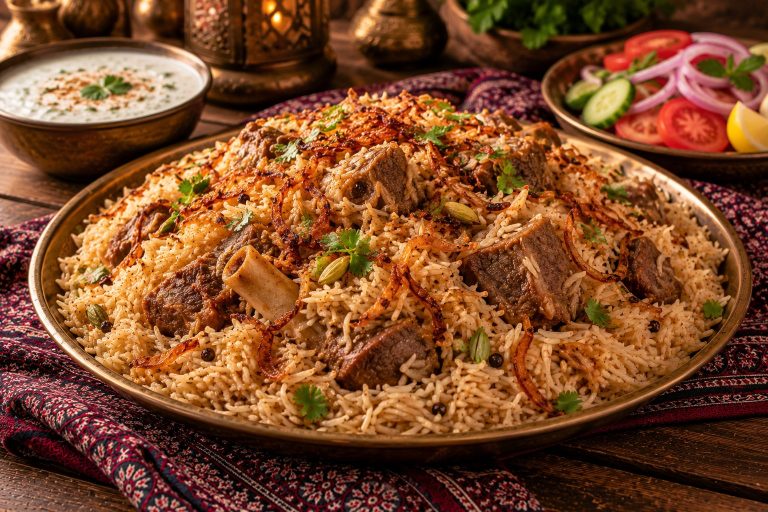
Yakhni pulao

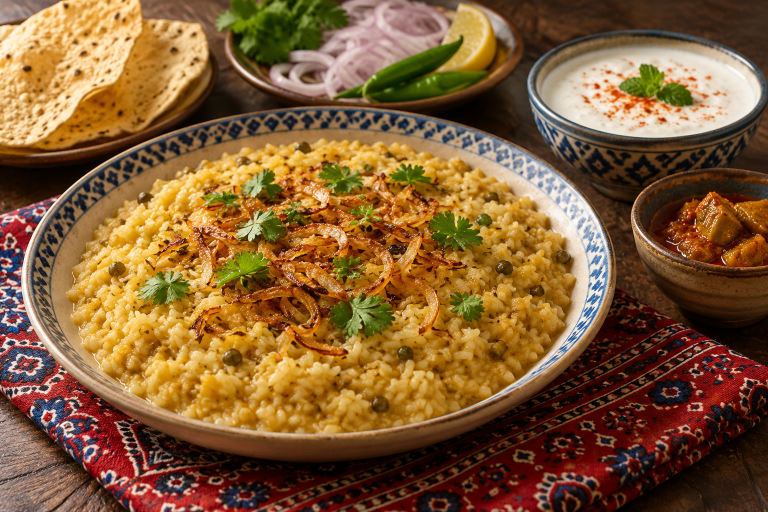
Pulao is an absorption dish. Meat is simmered with whole spices to make a yakhni (stock); the soaked rice then goes into the stock and the meat, and cooks until the liquid is absorbed, finishing on dum. Because stock is measured like water, take the volume of strained yakhni as your water. Every grain is flavoured and lightly golden.

Explore
Yakhni Pulao: styled serving suggestion (illustration)

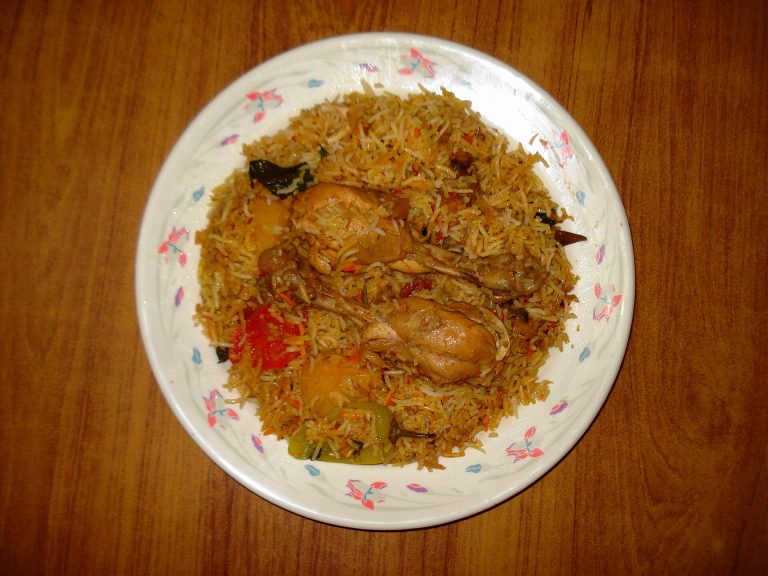
Biryani

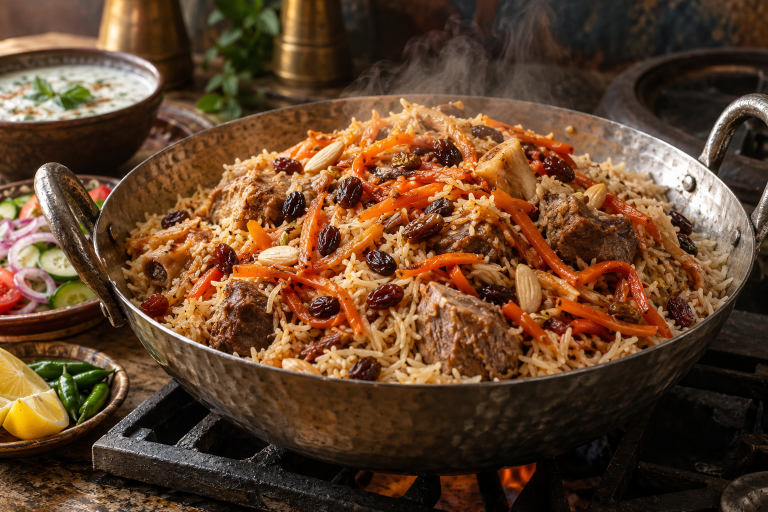
Biryani rice is boiled and drained in heavily salted water, often with whole spices, then layered over a separately cooked qorma and finished on dum. Drain it when the grain is roughly two-thirds to three-quarters done: it should break when pressed, with a firm white core. The steam and qorma juices finish the cooking, giving the familiar mix of white, saffron and masala-stained grains.

Explore
A plate of Pakistani chicken biryani with long grains of white and orange-tinted rice and pieces of chicken

How Cooked Is Cooked?

Half done

Biryani for long dum

Grain has lengthened but snaps when pressed, with a large hard centre.

About three-quarters

Biryani for short dum

Breaks into two or three pieces when pressed, with a small firm core.

Fully cooked

Plain boiled rice

Soft right through when pressed between fingers, still whole and separate.

Overcooked

Too far

Grain splits at the ends, turns mushy and sticks; drain at once and spread out to stop cooking.

Rice Troubleshooting

ProblemLikely causeFix
Sticky, gluey riceNot washed enough, stirred while cooking, too much waterWash until water is clearer; don't stir after the boil; reduce water slightly next time.
Broken grainsRough washing, over-soaking, vigorous stirring, very old riceSwirl gently, soak only about 20–30 minutes, fluff with a fork.
Hard centreToo little water, lid not tight, heat turned down too earlySprinkle 2–4 tablespoons hot water, cover tightly and steam 5–10 minutes more.
Burnt baseHeat too high during steamingUse the lowest flame, a heavy pot or a tawa under the pan; don't scrape the base when serving.
Bland riceUnder-salted waterBiryani water should taste distinctly salty; season absorption water before the rice goes in.
Wet top layerCondensation dripping from the lidWrap the lid in a clean cloth or lay a paper towel under it.
Short grainsUnsoaked or low-grade riceSoak properly; buy aged basmati from a trusted brand.

Leftover rice needs care. Food Standards Scotland explains that uncooked rice can carry spores of Bacillus cereus that survive cooking. Its advice: cool cooked rice as quickly as possible, ideally within an hour (spread it out or divide it into smaller portions), refrigerate it, eat it within 24 hours, reheat it until steaming hot throughout, and never reheat it more than once. See our storage and reheating guide.

Frequently Asked Questions

Do I really need to soak basmati?

It is not essential, but soaking for about 20–30 minutes helps the grains cook evenly and lengthen fully. If you skip it, you will usually need a little more water and time.

What is the water ratio for basmati?

For soaked basmati by absorption, start at roughly 1¼–1½ cups of water per cup of rice and adjust for your brand and pot. For biryani, boil in plenty of salted water and drain instead of measuring.

Why is my biryani rice mushy?

Usually because it was boiled too far before layering, or there was too much liquid under it during dum. Drain biryani rice when a grain still has a firm core.

Can I cook basmati in a rice cooker or pressure cooker?

Yes, using the appliance's own instructions. Pressure-cooked rice is softer and less separate than stovetop basmati, so it suits khichdi better than pulao.

How long can I keep cooked rice?

Food Standards Scotland advises cooling it within about an hour, refrigerating it and eating it within 24 hours, and reheating it only once until steaming hot.

How we know this

  • Type Explainer
  • Sources 5 (2 official/academic)
  • Reviewed October 2026
  • Disputed points None
5 sources
  1. How to cook basmati rice, Nine Foods (Pakistani basmati producer)
  2. Biryani, Encyclopaedia Britannica
  3. Rice: storing and reheating safely, Food Standards Scotland
  4. Food storage, Food Standards Scotland
  5. Protecting authentic basmati: UK enforces rice authenticity standards, Bangor University
Photo credits (4)
Suggest a correction

Stay updated

Stay Connected with DailyLife.pk

Get new travel guides, recipes and stories from across Pakistan, no spam, unsubscribe any time.

Your Pakistan journey starts here

From majestic mountains to vibrant cities, rich cuisine to timeless traditions — discover the real Pakistan with DailyLife.pk.