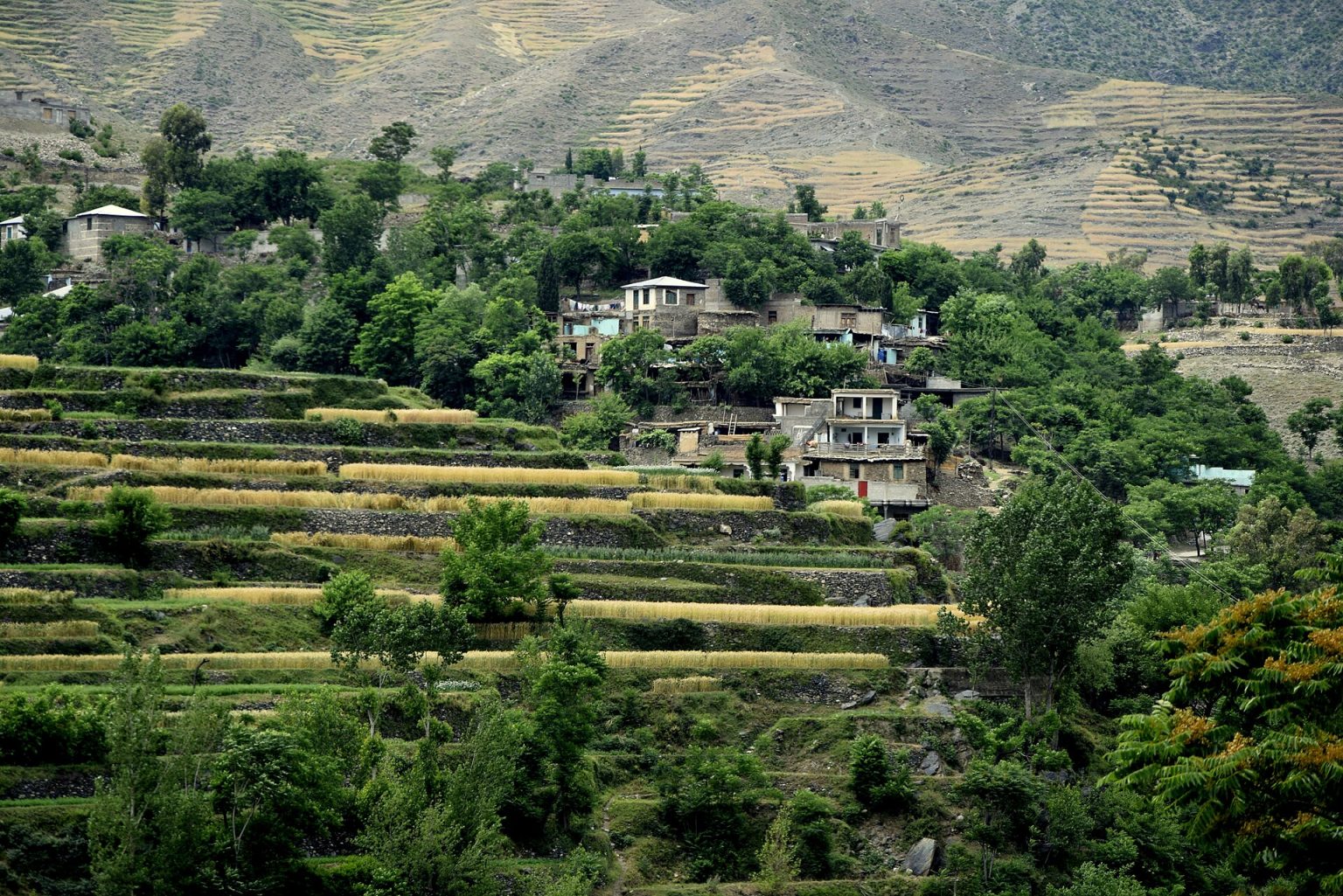
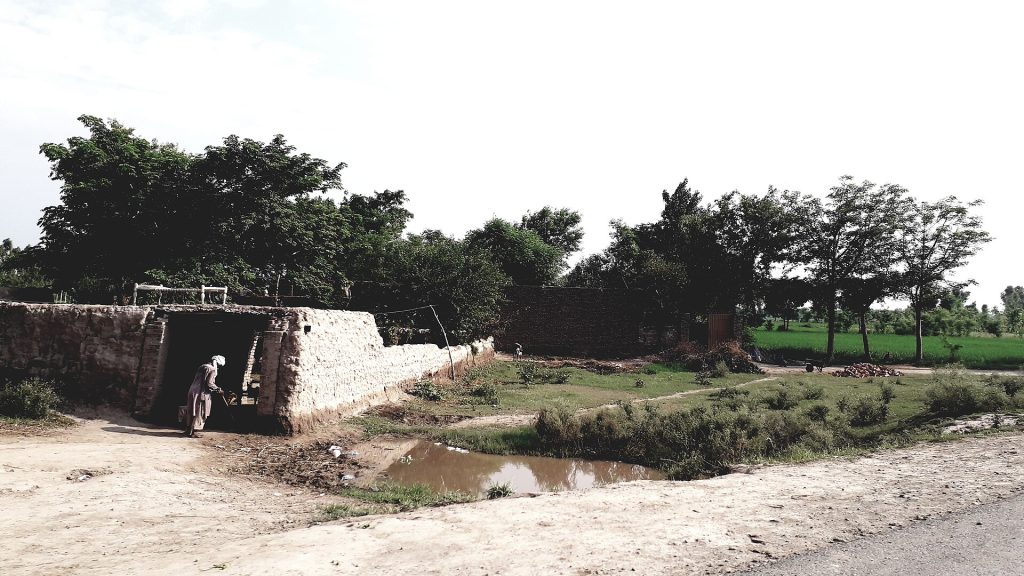
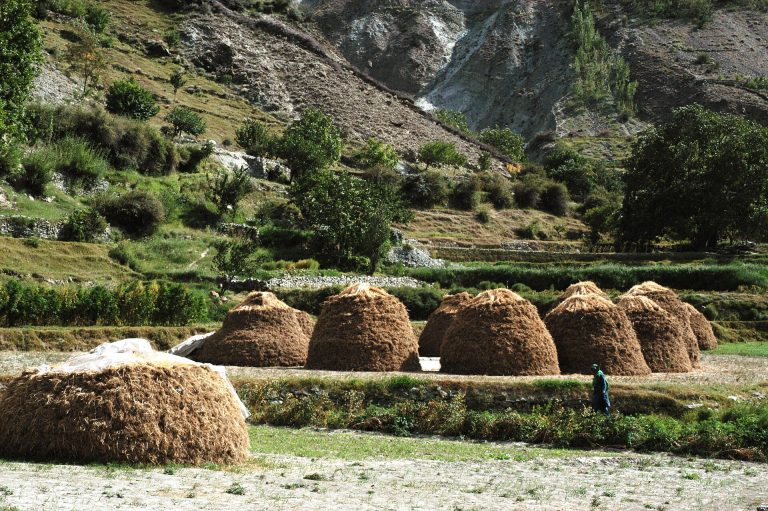
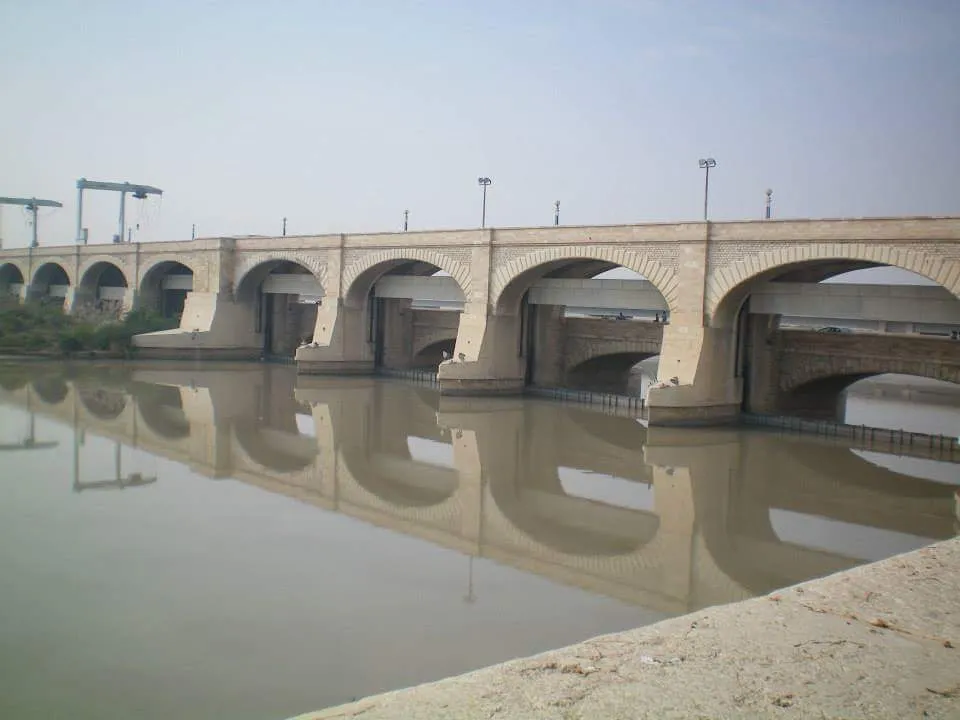
Agriculture is woven into Pakistan's economy, landscape and culture. The fertile plains of Punjab and Sindh, watered by the Indus and its tributaries, grow the wheat that makes the daily roti, the rice that fills export containers, the cotton that feeds the textile mills and the sugarcane that supplies crushing mills each winter. Orchards in Khyber Pakhtunkhwa, Balochistan and Gilgit-Baltistan add fruit, while across the country millions of households keep buffaloes, cattle, goats and sheep.
According to the Finance Division's Pakistan Economic Survey 2025-26, agriculture accounted for 23.4% of GDP and 33.1% of employment. The sector grew 2.89% in FY2025-26, up from 1.53% the year before, despite damage to summer crops from the 2025 floods. It also supplies raw materials for industry, most obviously cotton for textiles, Pakistan's largest export sector, and its health shapes food prices for everyone.
The Survey divides the sector into four parts: crops (split into 'important crops' and 'other crops'), livestock, fisheries and forestry. The surprise for many readers is that livestock, not crops, is the largest.