Matar Pulao
مٹر پلاؤ
Stovetop, heavy lidded pan
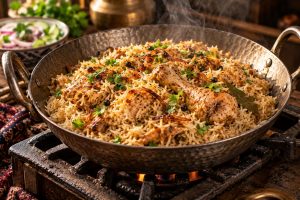
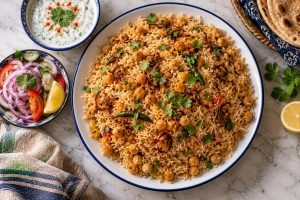
Mild Pakistani peas-and-rice pulao, coloured by golden onions and scented with whole spices. Frozen peas work well; the intended texture is separate basmati grains with tender, sweet peas.

Excludes 30 min soaking, 10 min resting. One tablespoon = 15 ml; one teaspoon = 5 ml.
About Matar Pulao
Mild Pakistani peas-and-rice pulao, coloured by golden onions and scented with whole spices. Frozen peas work well; the intended texture is separate basmati grains with tender, sweet peas.
Personally cooked and tested by Zohair Fakhar for DailyLife.pk. Cooking times can vary with your stove, cookware and batch size; follow the texture and doneness cues in the method.
Make it work for your kitchen
Also known as Matar Pilau, Peas Pulao, Mattar Pulao.
Original quantities serve 4. Cooking times, pan size and frying-oil depth do not scale, cook in extra batches instead.
Before you start
Before you start
Organise before cooking Rinse rice until the water runs clearer and soak for 30 minutes while slicing onions and assembling spices. Drain rice just before it enters the pot. Keep frozen peas ready; they do not require thawing. Off While rice soaks
Set up the equipment
Have the following tools ready before starting: Heavy, tight-lidded pot with thick base; Measuring jug and kitchen scale; Sieve and broad fork; Small frying pan for separate garnish if applicable.
Clean workspaceMeasure the ingredients
Measure the ingredient quantities for your selected servings before applying heat. Keep separately listed groups, such as dough, filling, sauce or garnish, in separate containers; keep any optional additions separate.
Use the ingredient list aboveCheck allergens and substitutions
Ghee is made from milk and introduces a milk allergen. Choose the listed neutral-oil option if avoiding milk, and check packaged spices, substitutions and accompaniments for other allergens and cross-contact.
Before cooking
Step-by-step cooking method
1 Soak the rice
Rinse aged basmati rice, dry dry basmati and soak in plenty of separate cold water for 30 minutes; drain thoroughly. The soaking water is not the measured cooking water.
2 Brown the onions
Heat neutral oil or ghee oil or ghee over medium heat in a heavy lidded pot. Add thinly sliced onion onions and stir 8–11 minutes until evenly deep golden but not burnt.
3 Wake the whole spices
Add cumin seeds cumin, whole cloves cloves, cinnamon stick cinnamon and optional bay leaf bay leaf. Stir about 30 seconds until fragrant; avoid blackening.
4 Add the peas
Add frozen green peas frozen peas and stir for 2–3 minutes until the surface ice has melted and the peas are heated. Add optional whole green chillies chillies.
5 Add water and rice
Pour in hot water for rice hot water and add fine salt salt.
6 Add water and rice (continued)
Bring to a boil, taste the liquid cautiously, then add the drained rice. Level gently and simmer uncovered until water recedes near the rice surface, around 6–9 minutes.
7 Steam on dum
Cover tightly and turn to the lowest heat. Steam 10–12 minutes without repeatedly lifting the lid. If the grains remain firm and the pot is dry, sprinkle a little hot water and continue briefly.
8 Rest and fluff
Turn the heat off; keep covered 10 minutes, then fluff with a broad fork. Confirm grains are tender and peas are soft. Discard hard whole spices if possible.
Chef’s tips
- Keep chillies whole for mild aroma; slit them only for extra heat.
- Do not add large amounts of extra water to frozen peas; their moisture already contributes.
- For 8 servings, use a suitably wider pot or make two batches rather than assuming identical rice hydration.
Common mistakes & quick fixes
- Rice turns sticky
- Drain soaked rice, avoid vigorous stirring and check the actual rice-to-water ratio.
- Onions taste bitter
- Brown to golden, not black; burnt onions should be remade.
- Peas are dull and mushy
- Use frozen peas without prolonged pre-boiling and avoid extra simmering.
Variations & serving ideas
Variation: Substitute fresh shelled peas; cook a few minutes longer until tender.
Variation: Add diced potato only after revising water and cooking sequence; this becomes a variation, not the core recipe.
Variation: Serve with yogurt or kachumber; accompaniments not included in nutrition.
Perfect result check
| Check | Basmati grains are separate and fully cooked |
|---|---|
| Check | Peas are tender but mostly intact |
| Check | No scorched bottom or raw onion flavour |
Storage & reheating
| Cooling | Cool promptly in shallow containers, ideally within one hour; refrigerate at 0–5°C. | |
|---|---|---|
| Fridge | Within 24 hours | For conservative Food Standards Scotland cooked-rice guidance, eat within 24 hours when refrigerated and reheat only once until steaming hot throughout. |
| Freezer | Cool quickly and freeze promptly in shallow portions. Thaw in the refrigerator, then reheat only once until steaming hot throughout and eat immediately. |
Know when to change the heat
| Stage | Heat | What to look for |
|---|---|---|
| Open simmer | Medium-high, uncovered | Keep water bubbling moderately until it nearly reaches rice level. |
| Low dum | Very low, tightly covered | Steam tightly covered on lowest heat; avoid scorching the base. |
Helpful answers before you cook
Can I skip soaking the rice?
The quantities and timing here assume a 30-minute soak; without it, the water and cooking time need testing.
Can I use fresh peas instead of frozen?
Yes, but fresh peas may need longer to become tender. This method starts with unthawed frozen peas; check fresh peas and allow extra cooking as needed before the final rice stage. Avoid assuming that all pea varieties cook in the same time.
Why is my pulao mushy?
Drain soaked rice thoroughly, avoid stirring it vigorously and keep the final covered heat very low. Too much liquid or overcooking makes the grains soft and prone to breaking. Let the finished pulao rest covered before fluffing gently.
How do I adjust the rice water for 8 portions?
Use cookware with enough capacity and keep the same rice type and soak. Quantities can scale, but evaporation and cooking time depend on the pot and batch size. Two original-sized batches can give more predictable results than crowding one pot; check the grains rather than multiplying minutes.