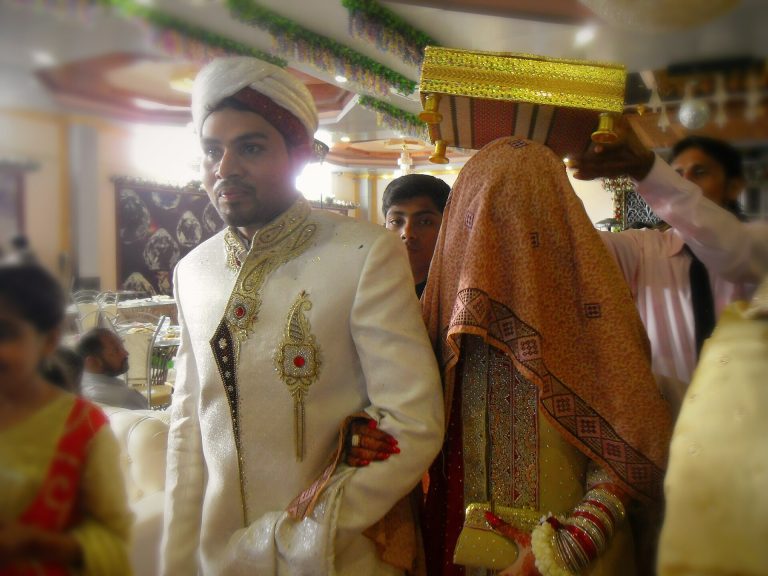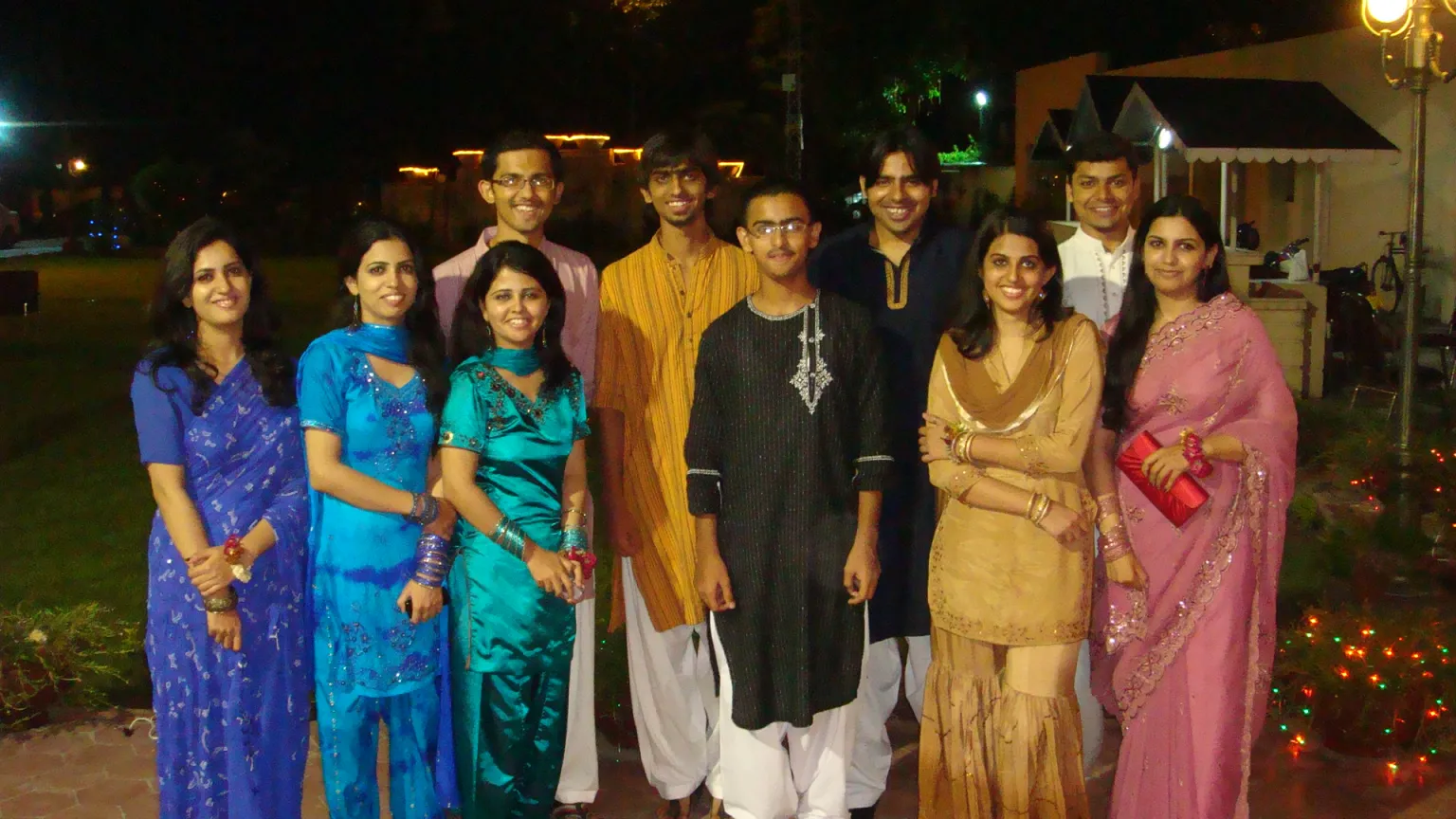
Guests in traditional dress at a Punjabi wedding

Cooking guide

Feeding the Dawat: Big-Batch Pakistani Cooking

Scaling biryani, salan and rice from a family pot to a deg, rough quantities per guest, a dawat countdown, and keeping big batches of food safe.

  • From 10 guests to 100
  • Plan backwards from serving time
  • Keep hot food hot, cold food cold

Punjab

4–60°CThe 'danger zone' (40–140°F) where bacteria grow fastestUSDA FSIS
2 hoursMaximum time cooked food should sit out (1 hour above 32°C)USDA FSIS
24 hoursUse leftover cooked rice withinFood Standards Scotland

The Pakistani Dawat

Hospitality in Pakistan is measured in food. A dawat might be twelve relatives for Sunday lunch, forty guests for an Eid gathering, a milad or khatam for the neighbourhood, or the hundreds at a wedding. The larger events are usually cooked by a bawarchi in huge copper or aluminium degs, often in the street or courtyard. But many families still cook for twenty or thirty at home, and that is where planning matters.

Scaling up is not just multiplying a recipe. Big pots heat and cool slowly, spices and salt don't scale in a straight line, and rice in a deep pot behaves very differently from rice in a saucepan. Food safety also becomes more serious: a large deg of biryani can stay warm for hours, which is exactly the condition in which bacteria thrive. This guide covers quantities, technique, a timeline and the safety rules from food agencies.

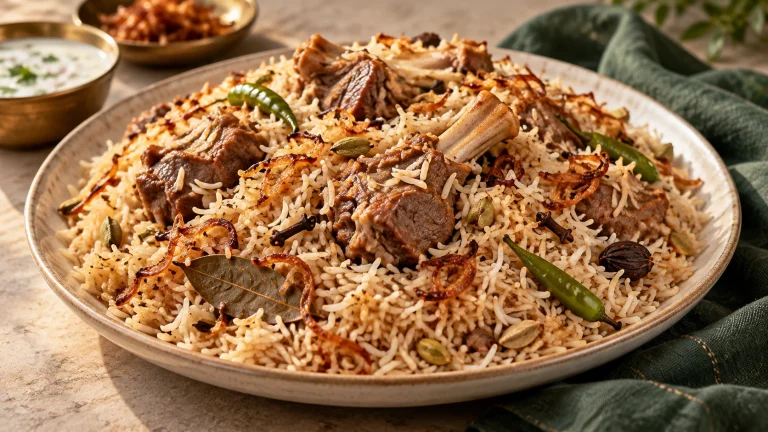
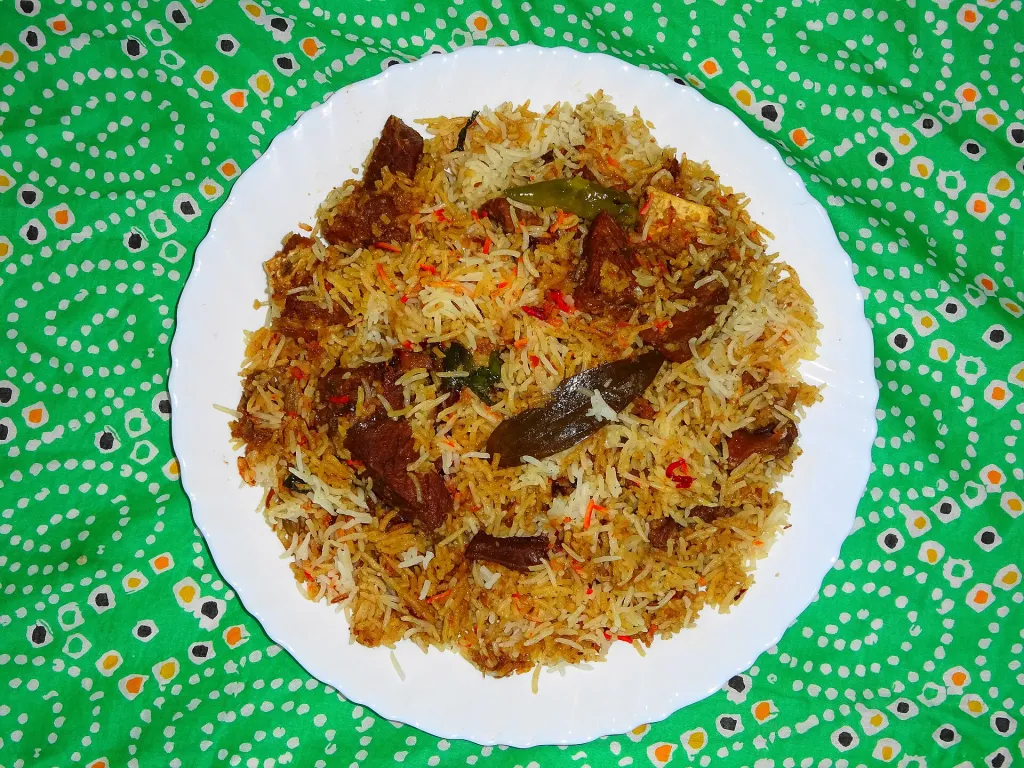
Karachi-style beef biryani
Biryani is the centrepiece of almost every Pakistani gathering.

Rough Quantities per Guest

ItemPer adult guest (rough guide)Notes
Biryani or pulao (uncooked rice)About 75–125 gLower end with several other dishes; higher if rice is the main dish
Meat in biryani or pulao, bone-inAbout 125–200 gChicken a little more, boneless a little less
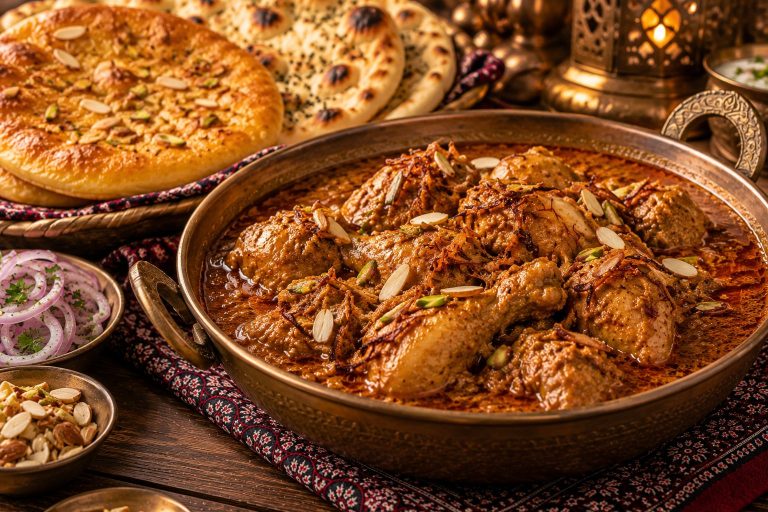
Salan or qorma, bone-in meatAbout 150–250 gLess if you serve two meat dishes
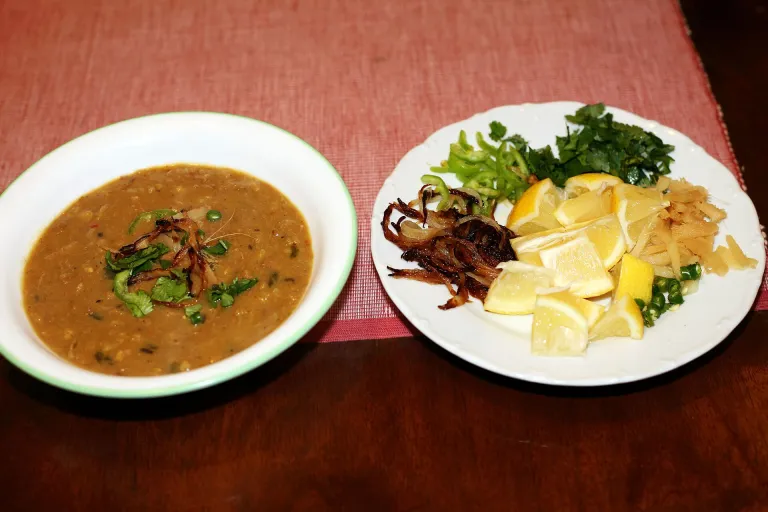
Daal or vegetable sideAbout ½ cup cookedAlways good for guests who don't eat meat
Naan or rotiAbout 1½–2Tandoor naan is usually ordered fresh from a local tandoor
RaitaAbout ½ cupMake in the last hour and keep chilled
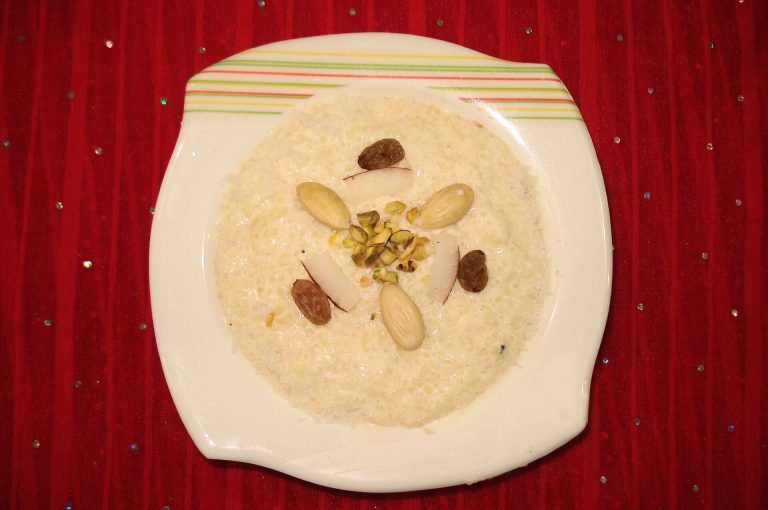
Dessert (kheer, zarda, custard)About ½ cupKheer and custard can be made a day ahead and chilled

Rule-of-thumb ranges from common catering practice, not fixed figures. Adjust for children, appetites and how many dishes you serve, and allow a little extra for unexpected guests.

How to Scale a Recipe

  1. 1

    Scale the main ingredients directly

    Meat, rice, onions, tomatoes and yoghurt can be multiplied by the number of batches.

  2. 2

    Scale salt, chilli and whole spices more cautiously

    Start with roughly three-quarters of the multiplied amount, then taste and adjust near the end. Large quantities reduce less, so flavours concentrate differently.

  3. 3

    Allow more time for bhunai

    Ten kilos of onions take far longer to brown than one. Use a wide pot, fry in batches if needed, and don't rush the oil separating.

  4. 4

    Reduce water for slow-cooked dishes

    A covered deg loses less water to evaporation, so add liquid gradually rather than scaling it fully at the start.

  5. 5

    For rice, prefer boil-and-drain

    Absorption ratios become unreliable in big pots. Boiling rice in batches in plenty of salted water and layering it gives far more control.

  6. 6

    Cook two medium pots rather than one huge one

    If you don't have a proper deg and burner, two or three heavy pots are easier to heat evenly and to put on dum.

Cooking in a Deg

The pot and the fire

A deg is a heavy, narrow-necked, round-bellied pot, traditionally tinned copper, now often aluminium, made for cooking large quantities over wood, charcoal or a high-output gas burner. The thick walls spread heat; the narrow mouth keeps steam in for dum. Stirring is done with a long flat kafgir. For dum, the lid is sealed with dough and some cooks place hot coals on the lid so the rice cooks from above and below.
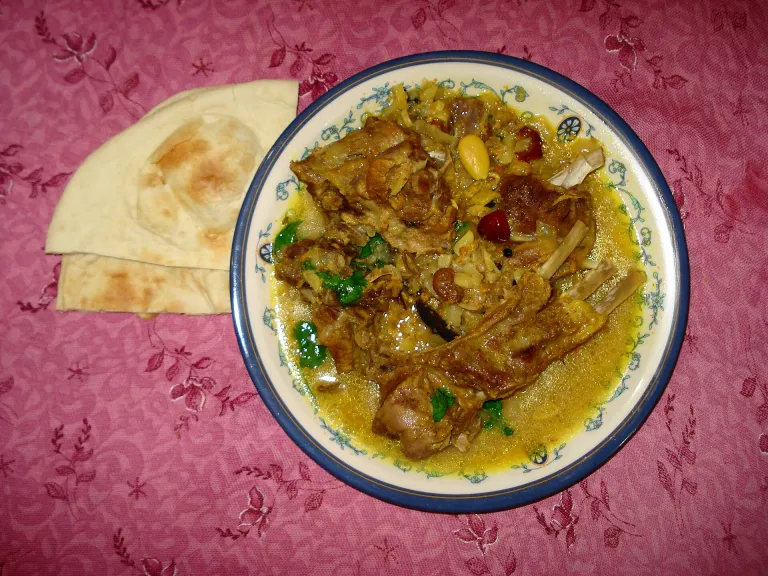
Dampukht, meat slow-cooked in a sealed pot

Biryani in a deg

The qorma is cooked first in the deg until the oil separates. Rice is boiled in batches in another large pot and drained at about two-thirds done, then layered over the qorma with saffron or colour, fried onions, mint and ghee. The deg is sealed and left on very low heat or embers. Encyclopaedia Britannica describes this layering in a deg, with the pot sealed with dough, as a common way to make biryani.

Explore
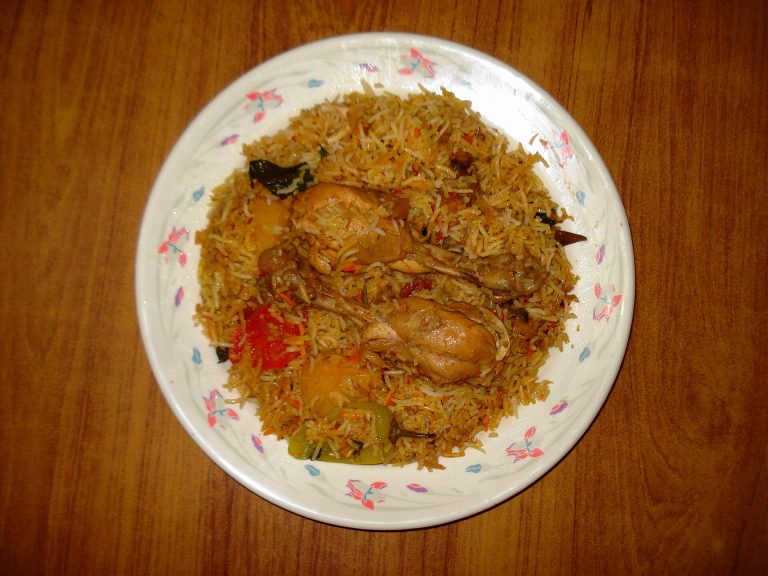
A plate of Pakistani chicken biryani with long grains of white and orange-tinted rice and pieces of chicken

A Dawat Countdown

  1. 3–5 days before

    Plan and shop for dry goods

    Fix the menu and numbers, order naan from the local tandoor, and buy rice, spices, oil, ghee and disposables. Check you have enough large pots, serving dishes and fridge space.

  2. 2 days before

    Prepare bases

    Make ginger-garlic paste, fry birista (crisp onions) and store it airtight, and grind spice mixes.

  3. 1 day before

    Marinate and make desserts

    Buy or collect meat, marinate it and keep it in the fridge. Make kheer, custard or zarda and chill. Chop and refrigerate vegetables.

  4. Morning of

    Cook the salans and qorma

    Cook curries and the biryani qorma. If they won't be served within two hours, cool them quickly in shallow containers and refrigerate, then reheat until boiling.

  5. 2–3 hours before

    Rice and sides

    Soak and boil rice, assemble biryani and put it on dum so it finishes close to serving. Prepare salad and chutneys.

  6. Last hour

    Finish

    Make raita and keep it chilled, warm the naan, reheat curries until bubbling, and set out the food.

  7. After the meal

    Pack leftovers fast

    Divide leftovers into shallow containers and refrigerate within two hours (one hour on hot days). Send guests home with food only if they can chill it quickly.

Keeping Big Batches Safe

  • Bacteria multiply fastest between about 4°C and 60°C (40–140°F), the USDA's 'danger zone'. Keep hot food hot and cold food cold.
  • Don't leave cooked food out for more than 2 hours, or 1 hour when the air is above 32°C (90°F), as on many Pakistani summer days (USDA).
  • Big pots cool too slowly. To store food, divide it into shallow containers so it chills quickly, as the USDA advises for leftovers.
  • Cooked rice is a particular risk: Food Standards Scotland advises cooling it within about an hour, refrigerating it and eating it within 24 hours.
  • Reheat food made in advance until steaming hot right through (USDA: 74°C / 165°F); bring gravies to a rolling boil.
  • Marinate meat in the fridge, not on the counter, and keep raw meat away from salads and cooked food.
  • Wash hands and boards between raw meat and ready-to-eat food, especially when several helpers are cooking.

Big-Batch Troubleshooting

ProblemLikely causeFix
Rice cooked unevenly in the degToo much rice in one go, uneven heatBoil in batches; layer loosely; use dum with heat from above and below.
Biryani base burntDirect flame too strongPut a tawa or sheet of metal under the deg; reduce heat to embers.
Curry too salty or too hotSalt and chilli scaled linearlyAdd more meat, potatoes or yoghurt; next time scale seasonings at about three-quarters and taste.
Masala tastes rawBhunai rushed for big volumeCook uncovered longer until the oil separates.
Food ran outUnderestimated portionsKeep a quick backup: extra naan, a fast daal or a simple pulao.
Too many leftoversOverestimated portionsChill quickly, freeze curries, and use rice within 24 hours.

Frequently Asked Questions

How much biryani do I need for 50 people?

As a rough guide, about 75–125 g uncooked rice per adult, so roughly 4–6 kg of rice for 50, depending on how many other dishes you serve. Bone-in meat at about 125–200 g per person would be about 6–10 kg. Treat these as starting points and adjust for your guests.

Can I make the curry the day before?

Yes. Many salans and qormas taste better the next day. Cool them quickly in shallow containers, refrigerate, and reheat until bubbling hot. Cook rice on the day.

How do I keep food hot for guests?

Keep it on low heat, in insulated containers or chafing dishes, so it stays above about 60°C, the top of the USDA's danger zone. Don't leave it lukewarm for hours.

Should I double all the spices when doubling a recipe?

Not quite. Multiply the main ingredients, but start with roughly three-quarters of the scaled salt and chilli, and taste before adding more.

What is a deg?

A large, heavy, narrow-necked pot, traditionally tinned copper and now often aluminium, used to cook biryani, pulao, haleem and salans for weddings and gatherings.

How we know this

  • Type Explainer
  • Sources 6 (5 official/academic)
  • Reviewed October 2026
  • Disputed points None
6 sources
  1. How Temperatures Affect Food, USDA Food Safety and Inspection Service
  2. Leftovers and Food Safety, USDA Food Safety and Inspection Service
  3. Cooking for Groups: A Volunteer's Guide to Food Safety, USDA Food Safety and Inspection Service
  4. Rice: storing and reheating safely, Food Standards Scotland
  5. Biryani, Encyclopaedia Britannica
  6. Safe Minimum Internal Temperatures, FoodSafety.gov (U.S. Department of Health and Human Services)
Photo credits (8)
Suggest a correction

Stay updated

Stay Connected with DailyLife.pk

Get new travel guides, recipes and stories from across Pakistan, no spam, unsubscribe any time.

Your Pakistan journey starts here

From majestic mountains to vibrant cities, rich cuisine to timeless traditions — discover the real Pakistan with DailyLife.pk.