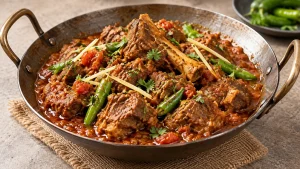
Mutton Yakhni
مٹن یخنی
Uncovered skimming followed by a low covered simmer and careful fine straining.
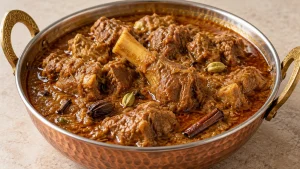
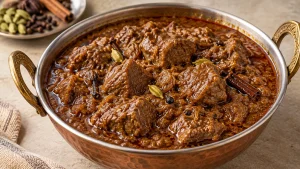
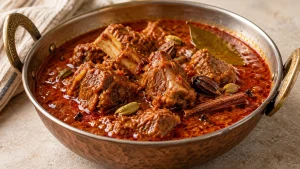
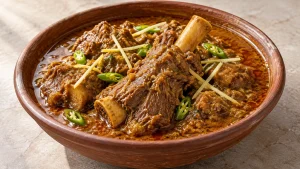
A warming Pakistani-style clear mutton broth infused with ginger, garlic, onion and whole spices. This is drinking yakhni, served as a strained soup; it does not include pulao rice.

Total includes 10 min of passive time described in the preparation and method. One tablespoon = 15 ml; one teaspoon = 5 ml.
About Mutton Yakhni
A warming Pakistani-style clear mutton broth infused with ginger, garlic, onion and whole spices. This is drinking yakhni, served as a strained soup; it does not include pulao rice.
Personally cooked and tested by Zohair Fakhar for DailyLife.pk. Cooking times can vary with your stove, cookware and batch size; follow the texture and doneness cues in the method.
Make it work for your kitchen
Also known as Goat Yakhni, Mutton Bone Broth, Mutton Yakhni Soup.
Original quantities serve 6. Cooking times, pan size and frying-oil depth do not scale, cook in extra batches instead.
Before you start
Before you start
Set out accurately measured raw ingredients and a separate raw meat handling area. Do not rinse raw meat. Use only fresh, safely sourced meat; inspect bones and utensils. Prepare vegetables and spices before heating; use a thermometer where applicable. For broths, distinguish starting liquid from final strained yield.
Set up the equipment
Have the following tools ready before starting: Heavy, deep pot with well-fitting lid; Heat-safe tongs and ladle; Digital food thermometer; Accurate kitchen scale and liquid measuring jug; Fine mesh sieve and clean receiving pot; Shallow containers for prompt cooling.
Clean workspaceMeasure the ingredients
Measure the ingredient quantities for your selected servings before applying heat. Keep separately listed groups, such as dough, filling, sauce or garnish, in separate containers; keep any optional additions separate.
Use the ingredient list aboveCheck allergens and substitutions
Check ingredient labels and any substitutions against these notes: No inherent major allergens; verify spice blends
Before cooking
Step-by-step cooking method
1 Prepare the pot
Put raw bone-in goat meat with marrow-safe bones in a heavy pot with cold potable water. Keep raw meat equipment separate from ready-to-eat foods; do not wash meat.
2 Bring to a simmer and skim
Heat just to the first gentle bubbles and skim foam with a clean ladle. Avoid rolling boil, which clouds broth.
3 Add aromatics
Add peeled onion, quartered, ginger slices, garlic cloves, crushed, whole black peppercorns, whole coriander seed, whole cumin seed, black cardamom, cinnamon stick, cloves and bay leaf.
4 Add aromatics (continued)
Add most of fine salt.
5 Simmer gently
Cover with lid slightly ajar and hold a very gentle simmer 90–120 minutes or until goat meat is fork-tender and thoroughly cooked. Check liquid level every 25 minutes
6 Strain safely
Lift out meat and bones using tongs.
7 Strain safely (continued)
Pass broth through a fine mesh sieve into a clean pot; discard small bone fragments and spices. Let meat cool until safe to handle, and pick over carefully if serving boneless morsels.
8 Adjust and serve
Skim excess fat if desired and taste the clear broth; adjust remaining fine salt. Reheat to a full simmer before serving, and measure actual strained yield.
Chef’s tips
- Keep a gentle, steady simmer, not an aggressive rolling boil.
- Taste for salt at the end after evaporation has altered the concentration.
- Inspect every portion for whole spices or loose bone fragments.
Common mistakes & quick fixes
- Harsh bitter spices
- Avoid burning aromatics; keep heat moderate and strain whole spices before serving.
- Meat still tough
- Continue gentle covered cooking while maintaining adequate liquid; timings vary by cut.
- Thin or cloudy result
- For yakhni, skim foam and avoid vigorous boiling; do not thicken strained broth.
Variations & serving ideas
Variation: Adjust spice intensity carefully to household preference; recorded quantities are provisional.
Variation: Serve with plain roti or rice as an optional accompaniment, excluded from nutrition.
Variation: Do not interchange goat and beef timings without testing the different cuts.
Perfect result check
| Check | Meat is thoroughly cooked and appropriately tender, checked with a thermometer and/or doneness tests. |
|---|---|
| Check | No loose bone fragments or unsafe hard spice pieces remain in edible portions. |
| Check | Broth is gently seasoned and its actual finished serving yield is measured. |
Storage & reheating
| Fridge | Transfer to shallow containers and refrigerate promptly within 2 hours (within 1 hour above 32°C ambient). | |
|---|---|---|
| Fridge | 3–4 days | Keep covered at 4°C or below; use refrigerated cooked meat or broth within 3–4 days, or freeze promptly in suitable portions. |
| Reheating | Reheat leftovers until thoroughly hot (74°C/165°F). Defrost in the refrigerator, not at room temperature. | |
| Fridge | If skimming fat from broth after chilling, cool promptly and refrigerate safely before removing hardened fat. |
Know when to change the heat
| Stage | Heat | What to look for |
|---|---|---|
| Prepare the pot | No heat | Measured cold water and prepared bone-in goat go into the pot before heating. |
| Bring to a simmer and skim | Medium then low heat | First small bubbles appear; skim surface foam without a rolling boil. |
| Add aromatics | Low heat | Aromatics and whole spices infuse gently; hold back some salt. |
| Simmer gently | Low heat | Keep gentle bubbles with the lid ajar and check liquid regularly; goat becomes fork-tender. |
| Strain safely | No heat | Broth passes through a fine sieve; loose fragments and spent spices stay out of the edible portions. |
| Adjust and serve | Medium-low heat | Taste the clear broth, adjust reserved salt and measure the actual strained volume. |
Helpful answers before you cook
Why has the broth turned cloudy?
A rolling boil agitates the liquid. Bring the pot up slowly, skim the foam and maintain gentle bubbles with the lid slightly ajar. Strain through a fine sieve without forcing the spent solids through.
Does the starting water equal the finished serving volume?
No. Water evaporates during simmering and some liquid stays with the strained solids. Measure the usable strained broth before portioning; record retained meat separately rather than treating the starting water as the final yield.
When do I add the rest of the salt?
Hold some measured salt back during the simmer. After straining, taste the broth and add the reserve only as needed because evaporation concentrates the seasoning.