
Food & Drinks
Pakistani BBQ Meat: CutsPreparation and Safe Grilling
Choose boti, tikka, chops and seekh cuts, prepare evenly, control flare-ups and serve barbecue with a reliable cold and hot food plan.
DailyLife.pk meat kitchen
Choose the barbecue before the cut
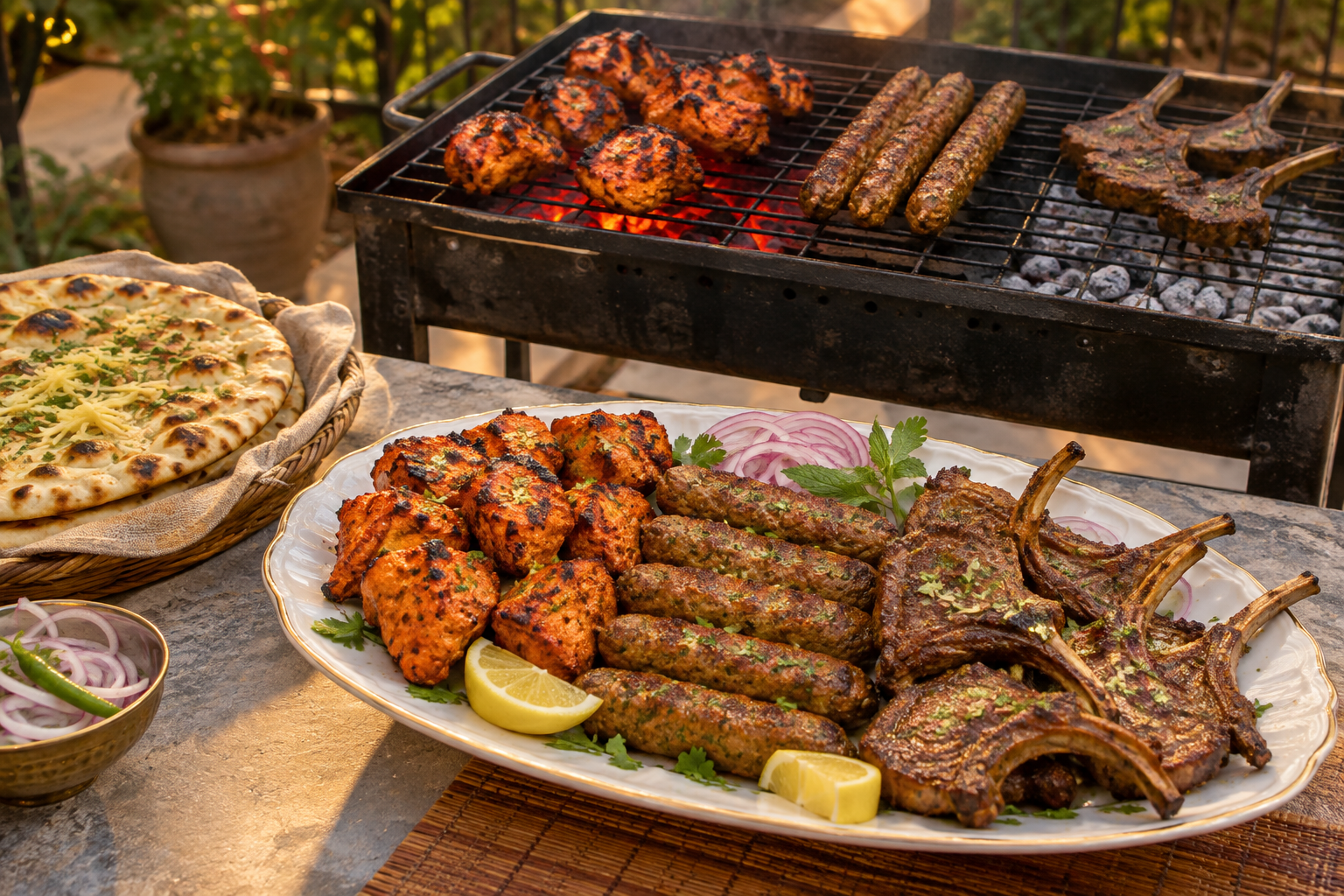
Boti, bone-in tikka, chops and seekh kebabs cook differently. For quick boneless boti, order an appropriately tender cut in evenly sized pieces; a connective-tissue-rich shank will not behave like steak because it is cut small. Chicken thigh is forgiving for skewers, while breast needs careful control to avoid drying. Chops carry bone and fat, so allow for usable yield rather than comparing their package weight directly with boneless meat.
For seekh kebabs specify the animal, grind and fat level. Chicken mince remains poultry even when mixed with spices or red meat. Ask a butcher for the precise cut rather than accepting an unidentified mixed bag. Select a recipe that matches the cut and your grill; an oven recipe and an open charcoal recipe can need different handling.
Reference: FDA barbecue safety.
Buy clean, chilled, even portions
Choose refrigerated stock and clean cutting equipment. Ask whether the weight is before trimming and whether added fat is included. For ready-marinated meat, obtain the species, ingredient and allergen information, preparation date, use-by instruction and storage conditions. A strongly coloured marinade can conceal the underlying appearance but cannot validate the cold chain.
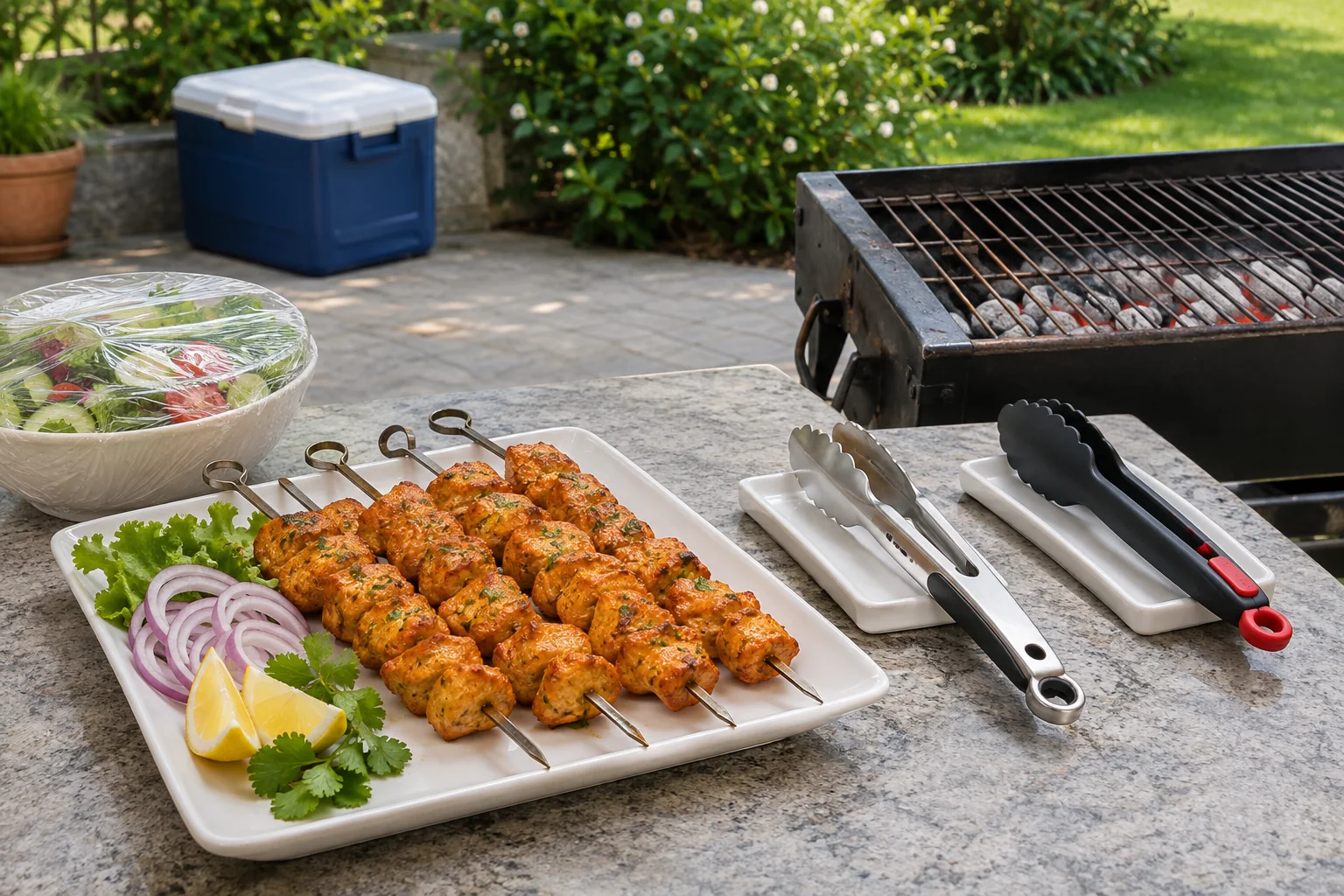
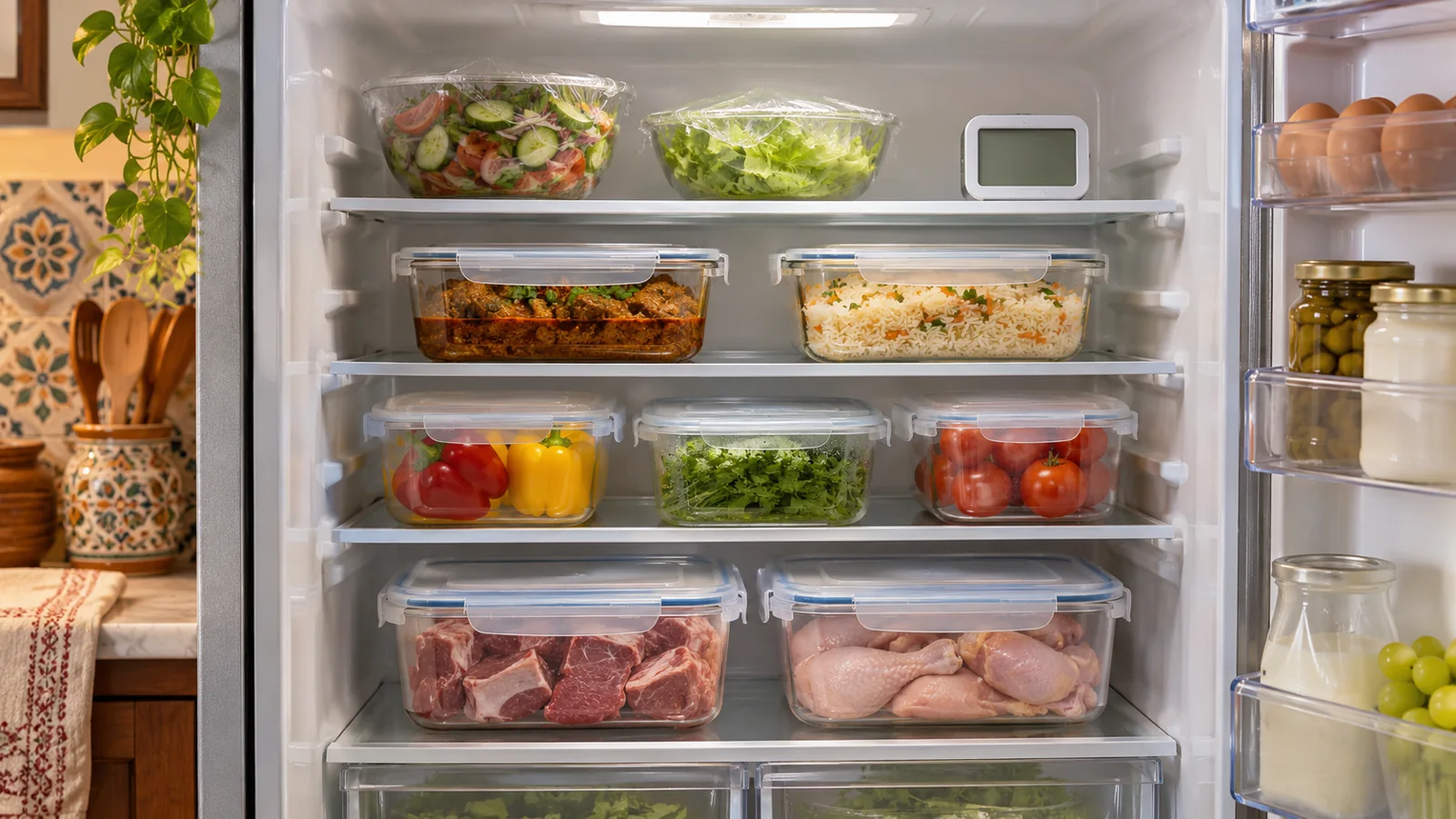
Take a cooler or insulated bag for the journey home. Keep raw meat sealed and separated from salad, chutney and bread. At an outdoor gathering, leave the main supply chilled and bring out only the next batch. Do not display trays of raw skewers beside the grill for the whole party. Sunlight and heat from the fire can shorten the safe handling window.
Reference: FDA safe food handling.
Storage reference: official cold food storage chart.
Prepare a consistent batch
Cut boti across the grain where practical and keep thickness reasonably even. Thread pieces without compressing them into an impenetrable block; leave space for heat to reach the surfaces. Separate large bone-in pieces from small boneless cubes so each can be managed properly. Preheat and clean the grill, then arrange a hotter cooking area and a gentler finishing area.
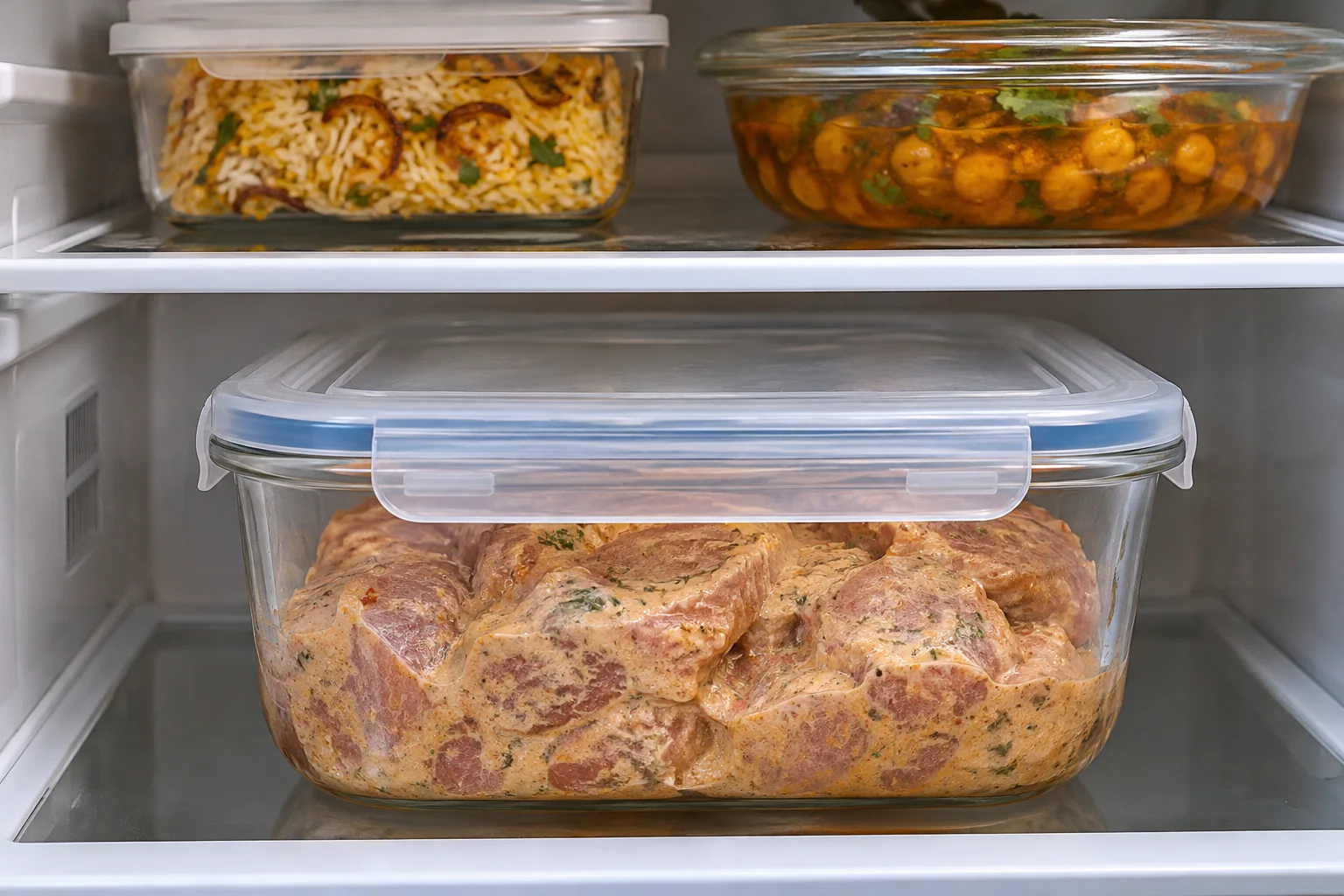
Marinades provide flavour and may change surface texture. Yogurt, lemon and vinegar are not disinfectants, and green papaya is not a safety treatment. Follow a tested recipe for the amount and refrigerated contact time. Excess enzyme tenderiser can make the outside mushy while the centre remains firm. Reserve a clean portion of sauce before raw meat enters it.
Reference: USDA explanation of marinades.
Keep raw and cooked equipment separate
Set out separate raw-meat tongs, clean serving tongs and a clean finished-food platter before lighting the grill. Never return cooked tikka to the tray that held it raw. Wash hands after touching raw meat or its packaging. Keep children and pets away from preparation and cooking equipment, and follow the grill manufacturer's outdoor-use and fire-safety instructions.
An insulated cooler should hold cold ingredients at 4°C or below. Use an appliance thermometer rather than assuming the presence of a little ice is enough. Cover ready-to-eat salads and chutneys separately; their safety also depends on clean preparation and temperature. Raw marinade should not become a finishing dip. The simplest approach is a separately reserved clean sauce.
Reference: FDA barbecue safety.
Measure the centre, not the colour
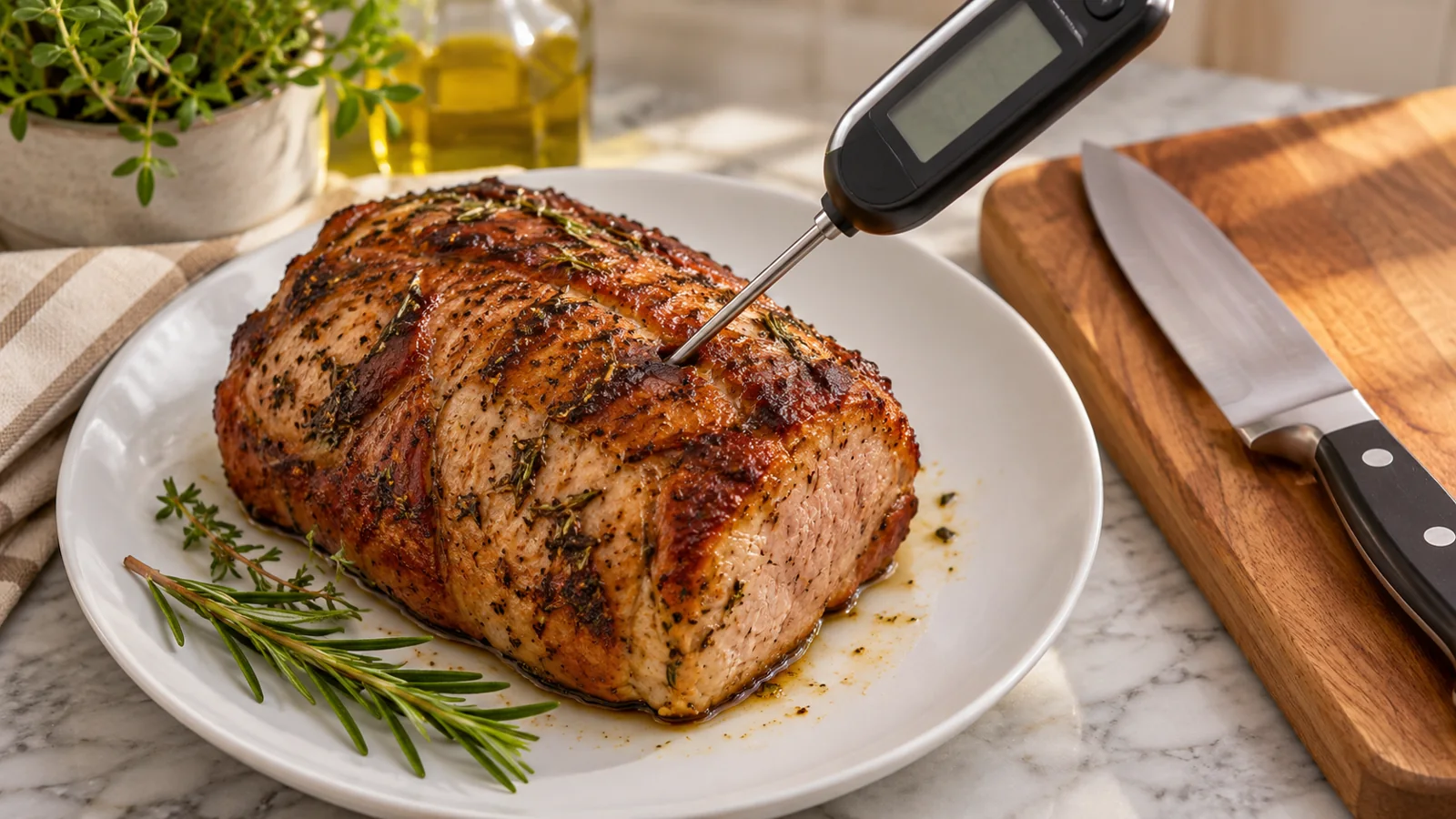
A dark crust or clear juices cannot establish safe cooking. Check the thickest part with a food thermometer, avoiding bone and the hot skewer. Check multiple pieces in a mixed batch. Beef, goat and lamb whole-cut steaks, chops and roasts require at least 63°C and a three-minute rest under official guidance; ground red meat needs 71°C. All poultry, including chicken seekh, needs 74°C.
Use a thin probe and insert sideways into a thin kebab when necessary. Clean the probe between raw or undercooked checks and ready-to-eat food. If pieces brown before their centres are done, move them to gentler heat and continue cooking. Part cooking in advance and holding meat for later grilling creates avoidable handling problems; if using an immediately preceding pre-cook step, transfer straight to the hot grill.
Reference: official minimum cooking temperatures.
Manage flames and avoid blackened surfaces
Let cooking fuel establish the appropriate heat rather than placing meat into tall flames. Fat dripping onto coals can create flare-ups: move food to the cooler zone and control the heat according to the equipment instructions. Trim excessive exterior fat without stripping every piece dry. Turn pieces as needed and avoid leaving them over intense heat until the surface becomes black.
High-temperature cooking and direct flame can form HCAs and PAHs. Moving away from flames, avoiding prolonged extreme heat and removing charred portions are reasonable exposure-reduction tactics. They do not make barbecue cancer-proof, and a lemon or herb marinade cannot provide a health guarantee. Keep the safety temperature while aiming for a cooked golden-brown surface instead of black char.
Reference: FDA barbecue safety.
Serve small batches promptly
Bring cooked food to the table in manageable quantities. Keep hot food properly hot or serve it promptly, with fresh clean utensils. Count the total time out of safe temperature control, including transport and serving. Refrigerate perishables within two hours, or one hour when the surroundings exceed 32°C. Do not reset the clock when a platter moves from grill to table.
Divide leftovers into shallow containers and chill promptly rather than leaving a large warm pile covered overnight. Reheat leftovers to 74°C throughout. Use only the portion required, keeping the rest cold. A later hard grilling or reheat cannot reliably rescue food that spent too long warm. Discard unsafe leftovers without tasting them.
Reference: FDA safe food handling.
Storage reference: official cold food storage chart.
Build a balanced barbecue menu
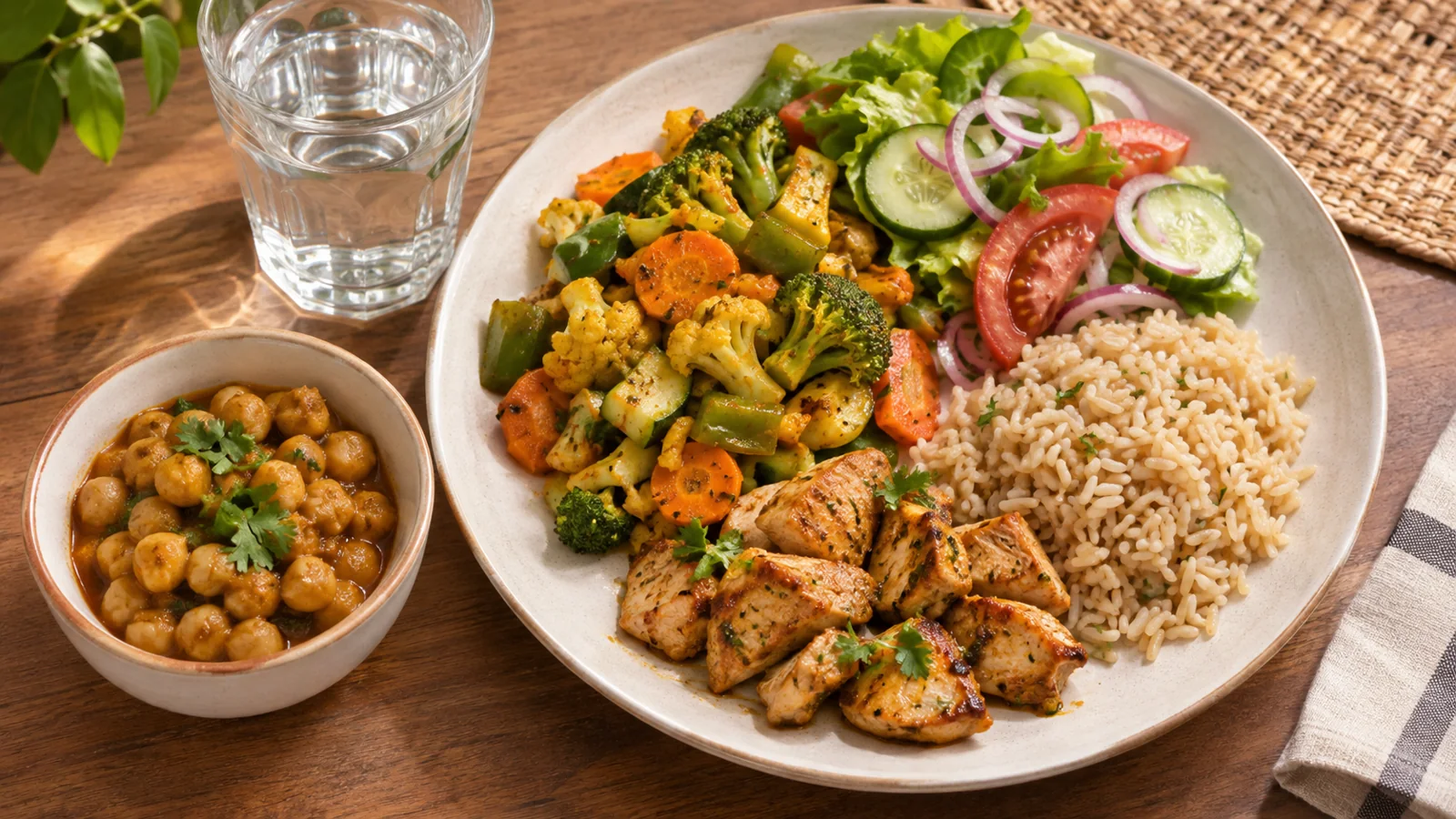
Barbecue supplies protein, and red meat supplies iron, zinc and B vitamins, but the menu can become high in saturated fat and salt. Measure salt, commercial seasoning and oil; their amounts accumulate across marinade, chutney and accompaniments. Serve modest meat portions with vegetables, daal, beans, wholegrain roti or rice rather than making every course meat-based.
A shopping estimate of 150–200 g raw boneless meat per adult with substantial sides is not a dietary recommendation. Adjust down when several mains are served. Include an alternative for guests who eat little meat. Keep cured meats occasional and avoid claiming that charcoal cooking, organic sourcing or traditional preparation removes nutritional limits. Choose varied protein sources on other days.
Before shopping, check that the kitchen can support the plan: a working refrigerator thermometer, clean food-safe containers, a probe thermometer, enough separate utensils and room for prompt chilling. A recipe that fits a small pan may need several batches when doubled. More ingredients do not automatically need the same cooking time, and a larger pot is not proof that the centre heats or cools quickly enough.
For a family meal, decide which jobs can be completed with clean equipment before raw meat is opened. Prepare vegetables and accompaniments separately, then contain the raw work area. After handling raw food, wash hands with soap and clean the surfaces before touching ready-to-eat dishes. Keep the serving area organised so raw packaging and utensils cannot drift back into it.
At the table, offer portions people can finish and replenish from food held at a safe temperature. Keep a record of the quantity that was useful and the amount left over, particularly after a gathering. Planning improves the next meal, but it does not replace time and temperature controls. If a batch has an uncertain storage history, do not test it by tasting a spoonful. Choose an ingredient and process whose handling you can establish, and seek product-specific advice when the label or method is unclear.
Reference: NHS meat and nutrition guidance.
High-heat context: National Cancer Institute cooked-meat fact sheet.
Related DailyLife guides: chicken · goat · beef · lamb guides · temperature table · keema and kebab guide · the marinade guide · All meat types and cut guides · Complete buying, storage, temperature and Eid handling guide · recipe collection
Frequently Asked Questions
How do I know a seekh kebab is cooked?
Use a thermometer in its centre. Ground beef, goat or lamb needs 71°C; chicken or any poultry mixture needs 74°C. Colour and grill marks are unreliable.
Can I brush on the used marinade at the end?
Reserve a clean portion before adding raw meat and use that for finishing. Do not turn marinade contaminated by raw juices into a ready-to-eat sauce.
How we know this
- Type Explainer
- Sources 4 (3 official/academic)
- Reviewed November 2026
- Disputed points None
