

Getting around
Motorways and Highways of Pakistan
How the M-series motorways and the older national highways fit together, what the M-Tag toll system means for visitors, and how to use the network sensibly.
- M-series motorways run by NHA
- Motorway police helpline 130
- Electronic M-Tag tolling
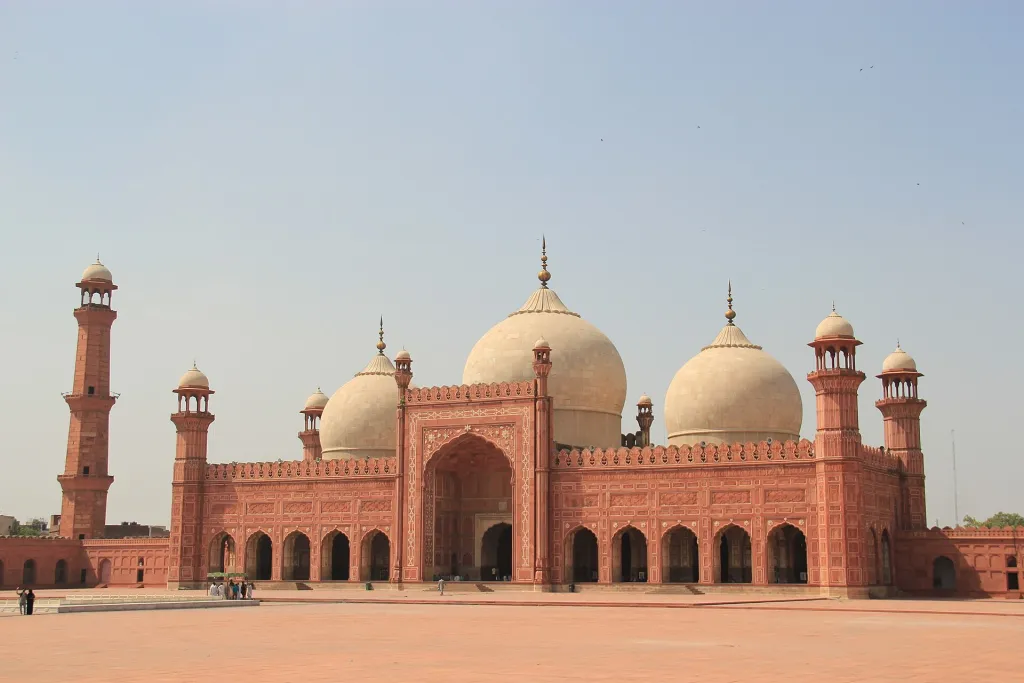
Lahore, the eastern end of the M-2 motorway
Two road systems in one country
Pakistan has two layers of long-distance road. The older layer is the national highway network, which carries mixed traffic: trucks, buses, tractors, motorbikes and rickshaws, with crossings, bazaars and level junctions along the way. The newer layer is the M-series of motorways, built since the 1990s, with controlled access, interchanges, toll plazas and a dedicated National Highways and Motorway Police (NHMP) patrol. Both are managed by the National Highway Authority (NHA), which describes itself as the agency that owns, maintains and operates the national highways.
For a visitor, the practical difference is large. Between the big cities of the plains, the motorway is usually the quicker and calmer way to drive or ride a coach. On the old highways, and on all the roads that climb into the mountains, you drive slower, plan for delays and leave more margin.
This page is about how the network works for travellers. For licences, tokens and the rules of the road, see our guide to driving in Pakistan; for choosing between road, rail and air, see getting around Pakistan.
The main motorways, in words
Routes are described by their endpoints. Published lengths and completion dates for the motorways differ between sources, so none are given here; ask NHA or check its current notices.
| Motorway | Connects | Notes for travellers |
|---|---|---|
| M-1 | Peshawar and Islamabad | Opened in 2007 according to published lists. Links the Khyber Pakhtunkhwa capital with the federal capital and the routes to Abbottabad and the north. |
| M-2 | Islamabad and Lahore | The first long motorway; its first section opened in 1997. The usual road for Lahore, Islamabad and the Salt Range stops such as Kallar Kahar. |
| M-3 and M-4 | Lahore towards Abdul Hakeem; Pindi Bhattian towards Faisalabad and Multan | Connect central Punjab to Multan. Useful for Faisalabad and the road south. |
| M-5 | Multan and Sukkur | Takes traffic from southern Punjab into upper Sindh. |
| M-9 | Hyderabad and Karachi | The motorway into Karachi from the Indus plain; check the stage of the Sukkur-Hyderabad link before planning a continuous run. |
| M-11 and other newer links | Lahore towards Sialkot; sections around Islamabad and Dera Ismail Khan | Newer and partly completed routes. Several sections have been reported as under construction, so confirm which parts are open. |
| M-8 and the Makran coast | Ratodero towards Gwadar | Partly operational according to published lists. For the coastal road to Gwadar, see our journey page below. |
Endpoints and status compiled from public lists (Graana, November 2022 and later edits; Wikipedia, used to locate sources). Network status changes as sections open: confirm with the National Highway Authority before relying on any route.
The older highways
The oldest road corridor in this part of the world is the Grand Trunk Road, which a Dawn history of the route describes as running from Chittagong to Kabul and as one of the world's oldest highways, upgraded by Sher Shah Suri, named by the British, and still the line that towns across northern Punjab and Khyber Pakhtunkhwa grew along. Its modern descendants still thread Lahore, Rawalpindi, Attock and Peshawar, and many travellers use it when they want to stop in the towns instead of bypassing them.
In the south the main highways run from Karachi towards Quetta and the Balochistan interior, and up the Indus valley. In the mountains the key road is the Karakoram Highway, covered separately in our Karakoram Highway guide. Roads over the high passes are seasonal; see mountain passes of Pakistan.
A scenic example is the Makran Coastal Highway, described in our Makran coastal journey page. It is not a conventional motorway journey, and fuel, services and security conditions need checking in advance.
Tolls and the M-Tag
Toll practice has changed several times. Treat this as background, and ask your rental company or hotel what applies today.
- 1
What an M-Tag is
A prepaid RFID chip fixed to the windscreen. A scanner at the toll plaza reads it and the toll is deducted automatically, so the car does not need to stop to pay cash.
- 2
When it became compulsory
An NHA notification in March 2019 made registration compulsory for all vehicles on M-1 and M-2, and an NHA representative told PakWheels that the rule also applied to M-4. Deadlines were extended once before taking effect. Later changes are not covered here.
- 3
What you need to register one
As of 2019, PakWheels reported that registration required original identity papers, a valid licence and the vehicle registration, a number plate (not 'applied for'), and any e-tag fines cleared. Most visitors will never do this themselves.
- 4
What visitors should do
If you rent a car, ask the company whether the vehicle already carries a working M-Tag and who tops it up. If you ride a long-distance coach, tolls are normally handled by the operator. Not every motorway uses the system: published lists note that M-8 is excluded.
Using the motorway safely
Practical points that apply across the network.
- Save the NHMP helpline, 130. The Pakistan Telecommunication Authority announced in November 2020 that calls to it are free.
- The NHMP website lists a travel advisory service and a radio channel for motorists; consult them before a long journey.
- Fog in winter, heat in summer and monsoon rain all change how safely you can drive. Allow extra time and avoid night driving where you can.
- Speed limits and rules for different vehicle types have changed more than once. Read the signs and the current NHMP guidance rather than relying on an old figure.
- If you are not used to local driving, a hired driver, or a coach service for long legs, is often simpler than driving yourself. See our travel tips and safety tips.
- Check current advisories and local authority guidance before any road journey in Balochistan and in border or militarised areas. See restricted areas and permits.
Seasons and the mountain roads
The motorways on the plains run year-round, though fog and heavy monsoon rain can slow or halt traffic. The mountain roads beyond them are different. The Babusar road between the Kaghan Valley and Chilas usually closes for about eight months from November, and Dawn reported its reopening on 23 May 2025 after seven months. Roads to Swat, Kaghan and Chitral can close during heavy snow. See our winter in the north guide before planning cold-season travel.
Frequently Asked Questions
Do I need to pay cash at motorway tolls?
Practice has moved towards an electronic prepaid tag (the M-Tag). Rental companies and coach operators normally deal with it. Ask before you travel, because rules and booths change.
What number should I call on a motorway?
The National Highways and Motorway Police helpline is 130. The Pakistan Telecommunication Authority announced in 2020 that calls to it are free. Save it before you set off.
Are all the motorways in the M-series open?
No. Published lists show some as operating, some partly open and some under construction or planned. Confirm the section you want with the National Highway Authority.
Can I drive to Hunza on a motorway?
Part of the approach from Islamabad is on motorway and modern highway, but the final stretches are mountain roads, with landslide and seasonal-closure risk. See our Karakoram Highway guide.
Keep Exploring
Related places and stories on DailyLife.pk
 Ormara and the Makran Coastal HighwayMakran Coastal Highway and Ormara guide: Kund Malir, Hingol, Princess of Hope, Buzi Pass
 LahoreLahore travel guide: Badshahi Mosque, Lahore Fort, Shalimar Gardens, the Walled City, food streets, neighbourhoods, metro
 IslamabadIslamabad travel guide: Faisal Mosque, Pakistan Monument, Margalla Hills trails, Saidpur, markets, sectors, Metrobus
 KarachiKarachi travel guide: Mazar-e-Quaid, Mohatta Palace, Clifton, Burns Road, bazaars, neighbourhoods, Green Line BRT
 PeshawarPeshawar city guide: Qissa Khwani Bazaar, Mahabat Khan Mosque, Sethi House, Peshawar Museum, Pashtun food
 MultanMultan city guide: Shah Rukn-e-Alam and other Sufi shrines, the walled city, blue pottery, sohan halwa
How we know this
- Type Practical guide
- Sources 9 (2 official/academic)
- Reviewed October 2026
- Disputed points None
Rules and fees change, confirm with the official links below before you act.
9 sources
- HARKING BACK: Tracing the history of world's oldest highway, Dawn
- November 26, 1997: New motorway opens in Pakistan, Gulf News
- Motorway helpline calls made free, Pakistan Telecommunication Authority
- M-Tag registration made compulsory on M-1 and M-2, PakWheels
- An overview of motorways in Pakistan, Graana
- Motorways of Pakistan (used to locate primary sources), Wikipedia
- National Highways of Pakistan (used to locate primary sources), Wikipedia
- National Highways & Motorway Police, NHMP
- Babusar road reopens to traffic after seven months, Dawn
Photo credits (1)
- Badshahi Mosque front picture.jpg, Romero Maia, CC BY-SA 4.0, via Wikimedia Commons
